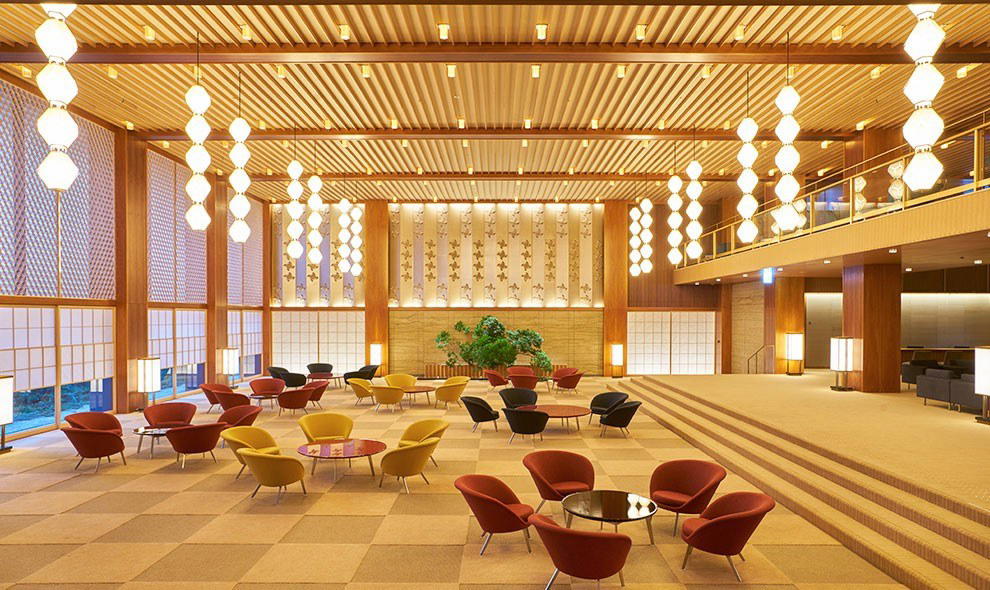
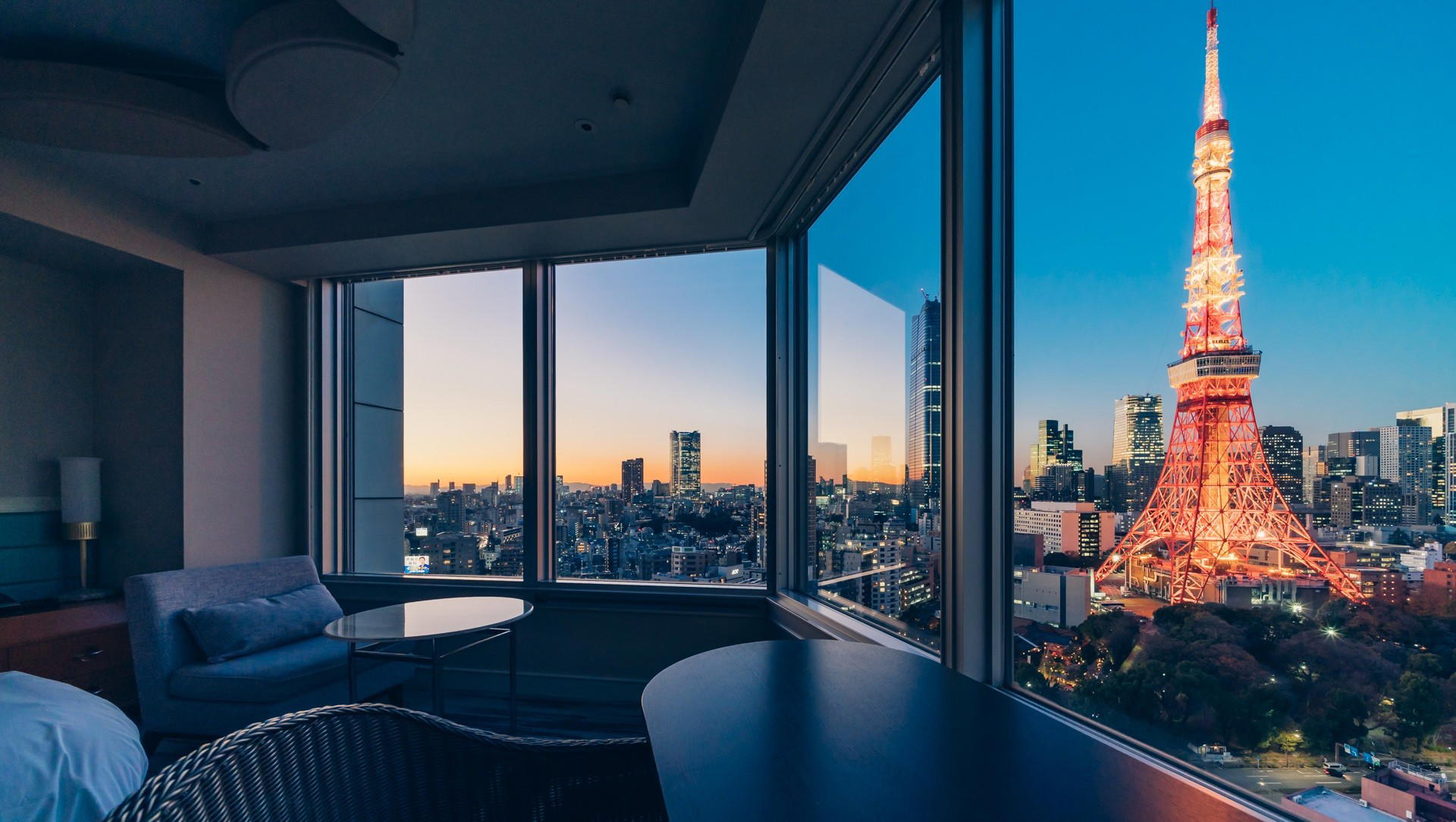
Tabelog 100 #1
Our verdict
Ukai-tei Roppongi occupies a distinct position in Tokyo's teppanyaki tier, drawing a loyal clientele to its Roppongi address for a format that rewards repeat visits. The experience sits at the upper end of the teppanyaki price bracket, in company with the neighbourhood's broader concentration of high-commitment dining rooms. Advance booking is advisable, particularly for weekend and evening sittings.

Pearl is the En Primeur Club membership app, where members save venues, book tables and use the concierge.
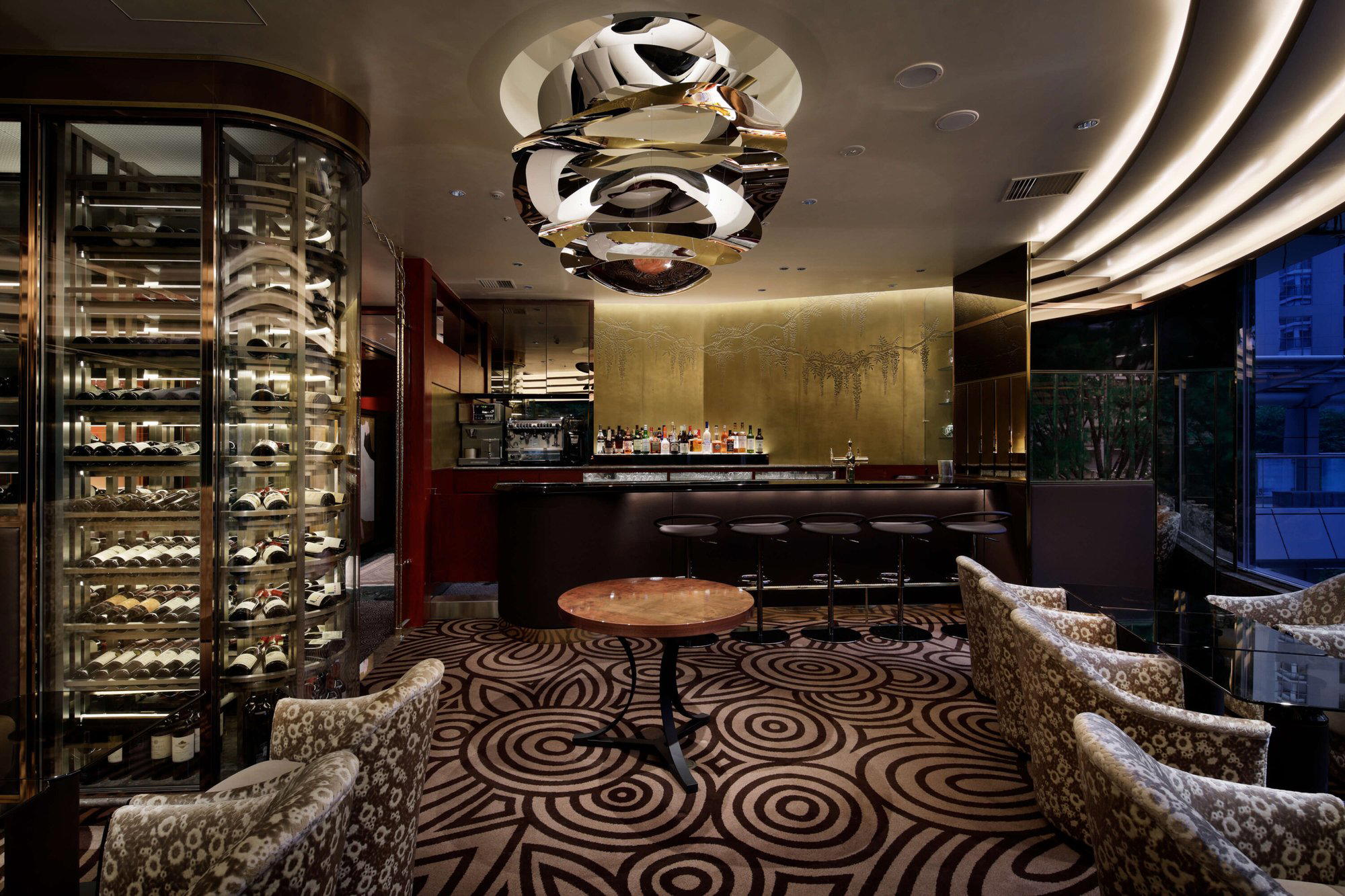
Where Teppanyaki Becomes a Ritual
Roppongi's dining identity has always been layered. The district carries its nightlife reputation alongside a quieter set of serious restaurants that draw a different crowd entirely: expense-account regulars, hotel guests with specific recommendations, and Tokyo residents who return to the same table season after season. Ukai-tei Roppongi belongs to that second category. The teppanyaki format here is not a spectacle designed to impress first-timers. It is, for those who come back repeatedly, a structure they trust.
Teppanyaki as a dining form sits in an interesting position within Tokyo's premium restaurant culture. Unlike omakase sushi, where the chef's sequencing is the primary variable, or kaiseki, where seasonality drives the entire logic of a meal, teppanyaki operates on a kind of theatre built around proximity and heat. The iron plate is the stage; the timing, the sourcing of beef and seafood, and the relationship between cook and diner are what separate a transactional teppanyaki meal from one worth repeating. At the upper end of the market, in rooms like this one, that relationship is the product.
The Roppongi Address and What It Signals
The Roppongi location places Ukai-tei in immediate proximity to some of Tokyo's most demanding dining rooms. RyuGin, Seiji Yamamoto's kaiseki counter, operates a short distance away and has held three Michelin stars for over a decade, setting a quality reference point for the neighbourhood. The French side of Roppongi is represented by rooms like L'Effervescence, which approaches French technique through a Japanese lens. In that company, the Ukai-tei dining format reads as something deliberately unhurried. It does not compete on radical creativity. It competes on consistency, sourcing, and the kind of hospitality that regulars can read before they sit down.
This is a district where dining rooms attract guests who compare notes across peer sets. Someone who books here likely knows Sézanne in Marunouchi and has an opinion about the omakase format at Harutaka. The Ukai-tei proposition is different from both: it is interactive in a way that counters and dining rooms are not, and it is structured around a shared experience rather than a personal narrative of the chef's tasting menu.
What Regular Guests Come Back For
In high-commitment teppanyaki rooms, the regulars are not coming back for novelty. They are coming back because the variables they care about remain stable: the quality of the beef sourcing, the consistency of the cook, the pace of service. For Tokyo's premium teppanyaki tier, the Ukai Kaiseki group has built a reputation across its properties for exactly this kind of reliability. The Roppongi outpost inherits that positioning.
The format at this level typically anchors around premium wagyu, with sourcing from named Japanese prefectures forming the credibility signal for repeat diners. Alongside the beef, seasonal seafood and vegetable courses structure the flow of the meal. For regulars, the sequence becomes familiar enough that they can pace themselves accordingly, knowing when to hold back and when the main event arrives. That institutional knowledge, accumulated across visits, is what teppanyaki at this tier sells as much as the food itself.
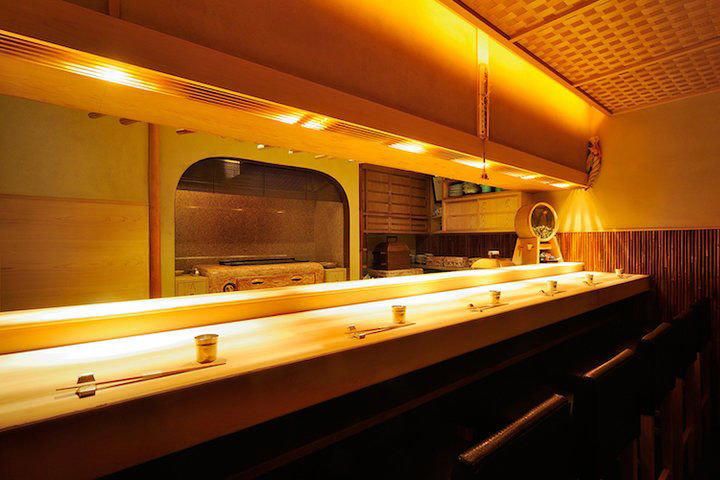
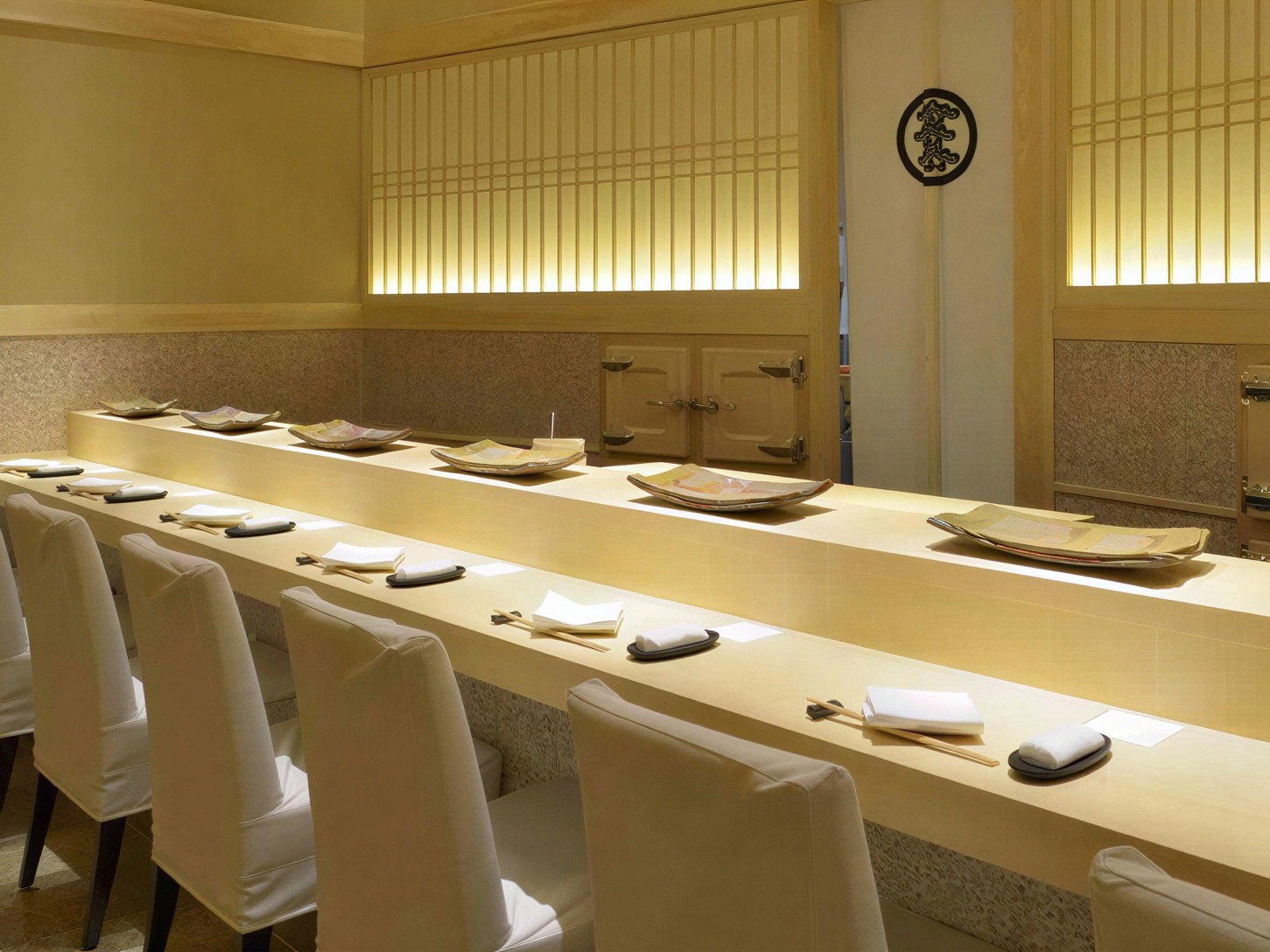
The room's physical design contributes to this. Teppanyaki's counter format forces a kind of intimacy between diners and the cook that other formats avoid. At the upper end of the market, this is managed rather than left to chance: the number of covers per plate, the sightlines, the noise level are all calibrated to make the experience feel considered rather than rushed. For the guest who has been before, these details register immediately. They are the difference between a room that respects its regulars and one that resets entirely for each new booking.
Tokyo's Premium Teppanyaki Tier in Context
Teppanyaki occupies a specific register in Japan's fine dining hierarchy. It is not the format that international critics typically prioritise when ranking Tokyo against other food cities, and it appears less frequently in the Michelin guide's highest tiers than kaiseki or sushi. This means it attracts less first-timer traffic than those formats, and more of its audience comes through word of mouth and repeat bookings. For venues operating at the top of that tier, consistency matters more than spectacle, because the audience is less forgiving of variation.
Within Japan's broader dining geography, the premium teppanyaki format appears in concentrated form in Tokyo and Osaka. For context on the Osaka equivalent, HAJIME in Osaka represents the kind of precision cooking that defines that city's upper dining tier, though in a very different format. Gion Sasaki in Kyoto anchors another pole of Japanese fine dining, the kaiseki tradition, against which Tokyo's teppanyaki rooms are sometimes measured. Further afield, akordu in Nara and Goh in Fukuoka show how Japan's regional cities have developed their own serious dining identities beyond the Tokyo-Kyoto axis.
Internationally, the closest comparisons for premium teppanyaki's service intensity and price point are not other teppanyaki rooms but high-commitment counter formats in other cities. Le Bernardin in New York City and Atomix in New York City both operate at price points where the expectation of consistency is non-negotiable, similar to the calculus a Tokyo teppanyaki regular applies across visits. The Crony format in Tokyo takes a different path, French-inflected innovation at a competitive price tier, which illustrates how varied the expectations are within a single city's premium dining bracket.
For those building a broader itinerary across Japan, regional options such as 一本木 清川制 in Nanao, 夕付山乃 in Sapporo, 湖畔庵 in Takashima, 岳羽屋 in Nishikawa Machi, Birdland in Sakai, and Bistro Ange in Toyohashi each offer their own access points into Japanese dining culture outside the major metropolitan centres.
Planning Your Visit
Roppongi is accessible via the Tokyo Metro Hibiya Line and the Toei Oedo Line, both stopping at Roppongi Station. The restaurant sits in the denser part of Roppongi's dining cluster, manageable on foot from either exit. Evening sittings at premium teppanyaki rooms in Tokyo typically require booking at least two to three weeks ahead; for weekend evenings or larger parties, a longer lead time is advisable. Guests are encouraged to check the restaurant's current booking process directly, as availability windows and group policies can shift by season. For a broader view of the Tokyo dining scene before planning, our full Tokyo restaurants guide maps the city's major culinary categories and neighbourhoods in detail.
Frequently asked questions
What part of town is Ukai-tei Roppongi in?
Ukai-tei Roppongi is located at Japan, 〒106-0032 Tokyo, Minato City, Roppongi, 6 Chome−12−4 ヒルズ å 本木けやき坂通り 2階, Tokyo.
How does Ukai-tei Roppongi compare to other Ukai-tei locations in Tokyo?
The Ukai-tei name operates across multiple Tokyo locations, with each address occupying a distinct neighbourhood and clientele. The Roppongi outpost at 6-chome, Minato City places it inside one of Tokyo's highest-density fine dining corridors, alongside kaiseki rooms and multi-course destination restaurants. That context shapes the room's tone: the Roppongi location draws an international-facing crowd alongside Tokyo regulars, distinguishing it from the Ginza or Shinjuku addresses in terms of atmosphere and guest composition.
What should I eat at Ukai-tei Roppongi?
Ukai-tei Roppongi operates within the teppanyaki format, meaning the iron plate is the centrepiece of the meal rather than a side detail. Courses are built around the chef's preparation in front of you, typically progressing through seafood and meat components cooked to order. The kitchen's focus on teppanyaki as a primary cooking discipline, not a novelty format, shapes what ends up on the plate.
Should I book Ukai-tei Roppongi in advance?
Roppongi's serious dining rooms operate under high demand, and Ukai-tei sits in a district where reservations at this tier of restaurant are expected, not optional. Booking well ahead is advisable, particularly for weekend dinners or larger groups. The Roppongi address on 6-chome puts it in a dense concentration of competitive tables, which means walk-in availability is not a realistic expectation.
What makes Ukai-tei Roppongi worth seeking out?
Teppanyaki at this price point in Tokyo is not about spectacle, the format demands consistent, disciplined execution across every service. Ukai-tei Roppongi sits in a neighbourhood alongside kaiseki counters and destination restaurants that set a high baseline for what diners expect. Its positioning in Roppongi, rather than the more tourist-facing hotel dining circuit, signals a room that answers primarily to returning local guests.
Is Ukai-tei Roppongi allergy-friendly?
Teppanyaki kitchens operate with a shared cooking surface, which creates cross-contact considerations for guests with serious allergies. Japanese fine dining establishments at this level generally take dietary communication seriously, but specific allergy accommodation policies for Ukai-tei Roppongi should be confirmed directly when making your reservation. The Tokyo address means English-speaking staff are typically available at restaurants operating in this category.
Is Ukai-tei Roppongi overpriced or worth every penny?
Premium teppanyaki in Tokyo generally sits in a range comparable to mid-tier kaiseki, and what you are paying for is access to high-quality ingredients cooked individually in front of you by a trained chef. Whether the cost aligns with your expectations depends on how you value that format versus plated or counter-omakase experiences. In Roppongi, Ukai-tei competes in a district where the dining standard justifies serious pricing across most of its peers.
Budget and Context
Comparable venues nearby, for context on price, style, and recognition.
| Venue | Cuisine | Price | Awards | Notes |
|---|---|---|---|---|
| Ukai-tei RoppongiThis venue (the venue you are viewing) | Luxury Teppanyaki | $150–200 | Tabelog 100 #1 | Not listed |
| Mon cher ton ton (六本木 モンシェルトントン) | Kobe Beef Teppanyaki | Not listed | Tabelog 100 #69 | Roppongi, Teppanyaki with Kobe Beef |
| Inoue (井上) | Modern Yakiniku | $150–200 | Not listed | Ginza, Modern Yakiniku |
| 赤坂 菊乃井 | Kyo-Kaiseki | $150–200 | 2 Michelin Stars · La Liste Top Restaurants | Minato, Edomae Sushi Omakase |
| Yakiniku Kaiseki Tomoji | Halal Yakiniku Kaiseki | $50–100 | Not listed | Chiyoda, Halal Yakiniku Kaiseki |
| 鮨 くわ野 | Edomae Sushi Omakase | $200–300 | Not listed | Chūō, Traditional Ginza Omakase Sushi |
Recognition history
Dated appearances from independent guides and award organizations, with the underlying list record or original source where available.
Tabelog 100 #1 · No. 1
Tabelog · Tabelog 100 - Steak / Teppanyaki - EAST - 2025