
Tabelog 100 #92
Our verdict
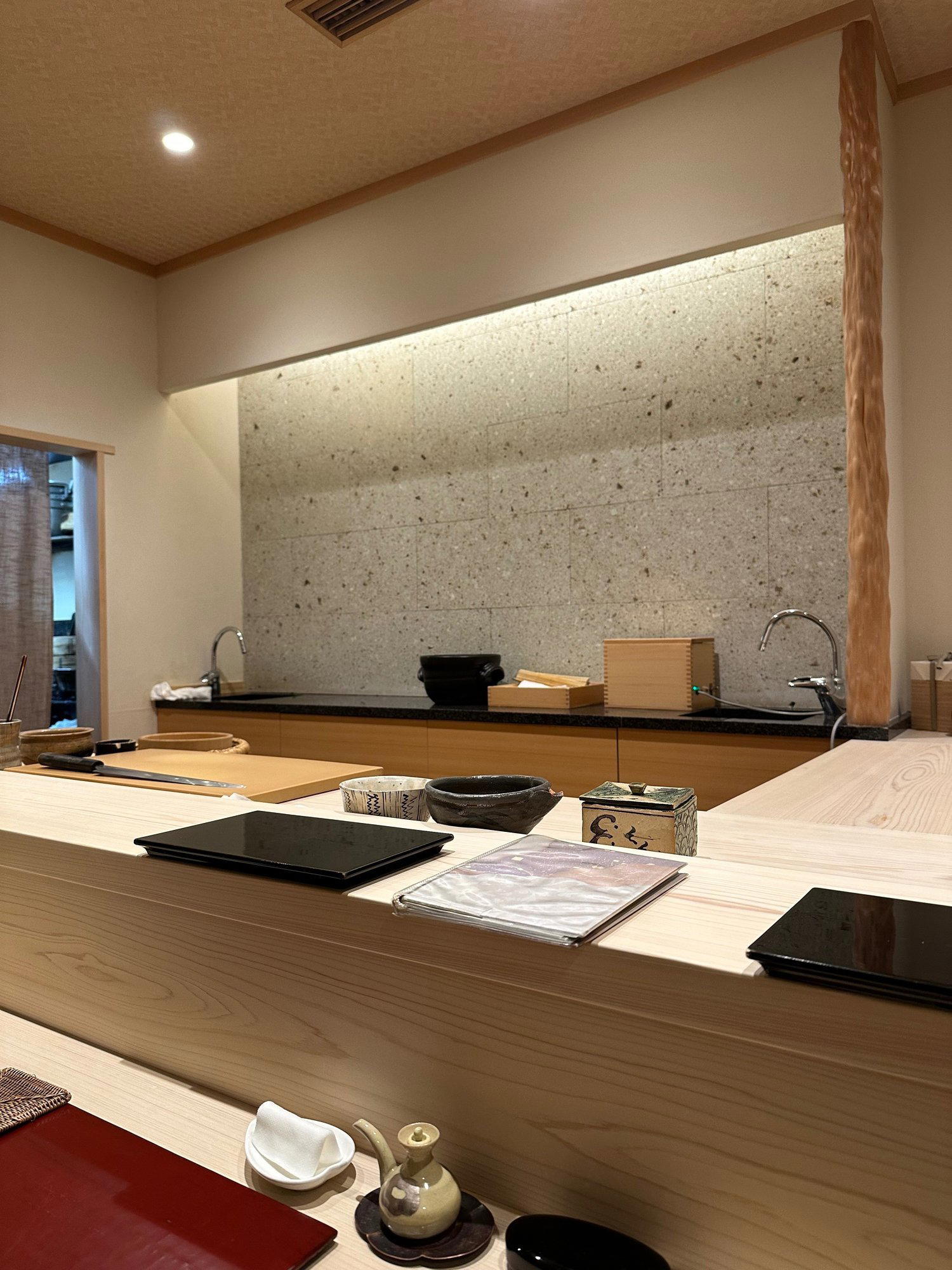
鮨 おとわ operates in Yokohama's Aoba Ward, positioned within the quieter residential dining tier that sits apart from the city's tourist-facing waterfront scene. The counter format and address in Nara-chome suggest a neighbourhood sushi house built for repeat locals rather than passing trade. Booking ahead is advisable for any serious sushi counter in this price tier.

Pearl is the En Primeur Club membership app, where members save venues, book tables and use the concierge.
Aoba Ward and the Case for Residential Sushi
Yokohama's dining reputation tends to collapse into two familiar reference points: Chinatown's Cantonese banquet houses and the waterfront Minato Mirai corridor. Neither tells the full story. Spread across the city's inland wards, a quieter tier of counter restaurants serves the suburban professional class that actually lives here, and Aoba Ward, one of Yokohama's more residential northern zones, hosts several of these. 鮨 おとわ, located on a low-traffic stretch in Nara-chome within Aoba Ward, belongs to this category of sushi-ya that operates for a local clientele rather than inbound visitors. The address alone signals intent: this is not a restaurant that relies on footfall from tourists or conventioneers.
That residential positioning carries real implications for how the space functions. Counter sushi in Japan's suburban wards tends to develop a regulars-first dynamic, where the chef calibrates the experience to faces he recognises. The omakase format, which almost certainly applies here given the address profile and neighbourhood context, rewards repeat visits in ways that one-off bookings do not. Courses evolve, preferences are remembered, and the relationship between guest and chef accumulates over time. This is a different value proposition from the centrally located counters reviewed in international press.
How Lunch and Dinner Define the Experience
Across serious sushi counters in Japan, the lunch and dinner divide is rarely cosmetic. Lunch service at mid-tier and upper-tier omakase counters typically offers a compressed format: fewer courses, a tighter nigiri selection, and pricing that can run 30 to 50 percent below the evening rate. Dinner extends into the longer omakase sequence, with more attention to temperature, rest times between courses, and the pacing that separates a meal from a sitting. At neighbourhood counters in suburban Yokohama, this structure tends to be more informal than at city-centre flagships, but the underlying logic is the same.
For the reader deciding when to book, the practical question is what the visit is for. Lunch at a counter like 鮨 おとわ is the more accessible entry point, both in terms of time commitment and likely cost, and it carries lower stakes if the chemistry with the chef takes a sitting or two to develop. Dinner invites a more complete reading of the kitchen's range. Given that this is a neighbourhood counter rather than a destination restaurant, the evening service probably draws a more regular clientele, which changes the social texture of the room. Sitting at a counter where most guests know the chef and each other is a specific experience, not automatically better or worse than a more anonymous setting, but worth anticipating.
For reference on how this lunch-versus-dinner calculus plays out at higher-profile Japanese counters, Harutaka in Tokyo and Gion Sasaki in Kyoto both illustrate how the two services create distinct moods and menu depths within the same physical space.
Yokohama's Counter Sushi Tier
Within Yokohama itself, the sushi counter scene spans a wider range than the city's secondary status relative to Tokyo might suggest. Nakajo represents one reference point in the city's sushi conversation, while the broader dining scene includes everything from the affordable yakitori at 1000 to the dim sum tradition at Manchinro Tenshinpo and the eel specialisation of Nodaiwa. Enishi adds another dimension to the city's fine dining fabric.
鮨 おとわ sits in the residential neighbourhood tier, away from the downtown concentration. That placement is neither a weakness nor an afterthought: some of Japan's most consistent counter experiences operate in exactly this format, where the overhead is lower, the clientele is stable, and the chef can focus on the food rather than the turnover. The trade-off is accessibility. Getting to Aoba Ward from central Yokohama or Minato Mirai requires planning, and there is no walk-in culture at a counter of this type.
Across Japan, the pattern repeats in cities where serious cooking has migrated away from the tourist core. Goh in Fukuoka and HAJIME in Osaka both demonstrate how strong culinary reputations can anchor themselves outside the most obvious dining districts. akordu in Nara makes a similar argument for secondary cities altogether. The residential sushi counter is a variation on the same principle: location chosen for the chef's reasons, not the marketing department's.
Planning a Visit
The practical realities of visiting a counter like 鮨 おとわ are shaped by what this type of restaurant typically requires. Omakase counters in Japan's residential wards almost never accept walk-ins, and the booking window at quality counters in this tier tends to run two to four weeks for regular seats, longer for weekends or sought-after evening slots. Direct contact is the standard method, which at smaller counters often means a phone call rather than an online reservation system.
Aoba Ward is reachable via the Tōkyū Den-en-toshi Line, which connects the area to Shibuya and central Tokyo, making this a plausible add-on for visitors staying in either city rather than an exclusively local option. Journey time from Shibuya is roughly 30 to 40 minutes depending on the specific station, which puts it within reach for a dedicated half-day trip. The neighbourhood itself offers little by way of pre- or post-dinner entertainment, so timing the visit around the meal itself is the sensible approach.
For a broader picture of what Yokohama's dining scene offers across cuisines and price points, the full Yokohama restaurants guide covers the range from the waterfront to the inland wards. Further afield, counters such as 一本木 名川製 in Nanao and 夕仙山乃 in Sapporo illustrate how Japan's neighbourhood counter culture extends well beyond the major metropolitan centres. Those exploring Japan's regional dining patterns might also note 湖畔荘 in Takashima and 庄羽屋 in Nishikawa Machi as further examples of the residential format in action. Birdland in Sakai shows how the same neighbourhood-first philosophy applies to yakitori as well as sushi.
Frequently asked questions
Where is 鮨 おとわ located?
鮨 おとわ is located at Japan, 〒227-0038 Kanagawa, Yokohama, Aoba Ward, Nara, 3 Chome−11−1, Yokohama.
Is 鮨 おとわ in Yokohama a good option for visitors staying in central Tokyo?
鮨 おとわ sits in Aoba Ward in the Nara district of Yokohama, a residential area accessible from central Tokyo but requiring deliberate travel rather than a casual detour. The journey makes most sense for those specifically seeking a counter sushi experience outside Tokyo's more competitive reservation environment. Yokohama's sushi scene, including counters in Aoba Ward, offers serious quality without the months-long waitlists that define many comparable Tokyo addresses.
What's the signature dish at 鮨 おとわ?
No specific dish data is published for 鮨 おとわ, which is consistent with how serious omakase counters operate: the menu shifts with what the chef selects at market. At counters of this type in Yokohama's Aoba Ward, the nigiri sequence and its seasonal composition are the format itself, not a fixed headliner. The counter experience is the product.
Should I book 鮨 おとわ in advance?
Yes, and considerably ahead. Omakase counters in residential Yokohama neighbourhoods like Aoba Ward typically run small seatings with no walk-in capacity. Because 鮨 おとわ sits outside the Chinatown and Minato Mirai tourist corridor, its regulars tend to be local and loyal, which keeps seats occupied without public-facing promotion. Booking through a hotel concierge or Japanese-language reservation service is the standard approach for non-Japanese speakers.
What is 鮨 おとわ known for?
鮨 おとわ is a sushi counter located in Nara, Aoba Ward, one of Yokohama's quieter residential districts rather than its better-publicised dining zones. That address alone signals something: this is not a restaurant built around foot traffic or tourist recognition. Counters in this position typically earn their clientele through repetition and word-of-mouth within a local professional and family crowd.
Can 鮨 おとわ handle vegetarian requests?
Omakase sushi is structured around fish and seafood, and traditional Japanese counters rarely build alternative sequences outside that framework. Vegetarian accommodation at counters like 鮨 おとわ is not standard, and there is no published policy on dietary alternatives. Anyone with strict dietary requirements should check the venue's official channels before booking, ideally through a Japanese-speaking intermediary given the residential, non-tourist nature of its location in Aoba Ward.
Does 鮨 おとわ justify its prices?
No price data has been published for 鮨 おとわ. Omakase counters in Yokohama's mid-to-upper tier generally run between ¥15,000 and ¥35,000 per person depending on session and sourcing, with lunch service typically lower than dinner. Whether any counter justifies its price comes down to what the fish quality and chef's technique deliver on that specific visit, not a fixed metric.
Where It Fits
Comparable venues nearby, for context on price, style, and recognition.
| Venue | Cuisine | Price | Awards | Notes |
|---|---|---|---|---|
| 鮨 おとわThis venue (the venue you are viewing) | Traditional Edomae Omakase | $150–200 | Tabelog 100 #92 | Not listed |
| Enishi | Traditional Japanese Gyutan Izakaya | $20–30 | Not listed | Kanagawa |
| Ten Shichi | Classic Seasonal Tempura | $50–100 | Tabelog 100 #100 | Naka |
| Sumibi Kappou An | Charcoal-fired Seasonal Japanese Kaiseki (Sumibi Kappo) | $100–150 | Tabelog 100 #4 | Naka |
| Arai Ya Bankokubashi ten | Traditional Yokohama sukiyaki & gyu-nabe | $30–50 | Tabelog 100 #6 | Naka |
| Yoda | Modern Tonkatsu | $50–100 | Tabelog 100 #43 | Naka |
Recognition history
Dated appearances from independent guides and award organizations, with the underlying list record or original source where available.
Tabelog 100 #92 · No. 92
Tabelog · Tabelog 100 - Sushi - EAST - 2025
Continue exploring
More in Yokohama
Restaurants in Yokohama
All restaurants in Yokohama →

Bars in Yokohama
Browse all →

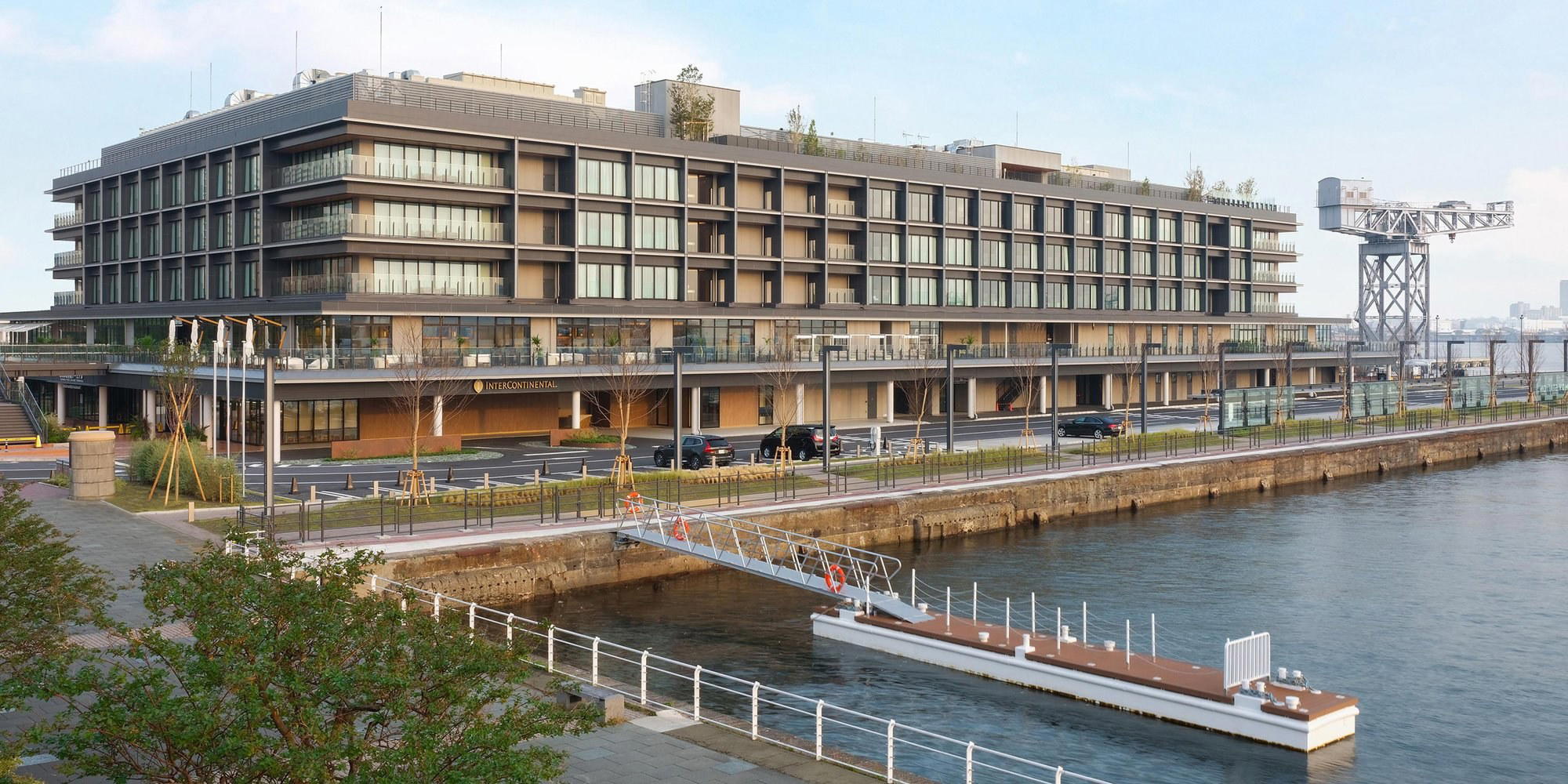
Hotels in Yokohama
All hotels in Yokohama →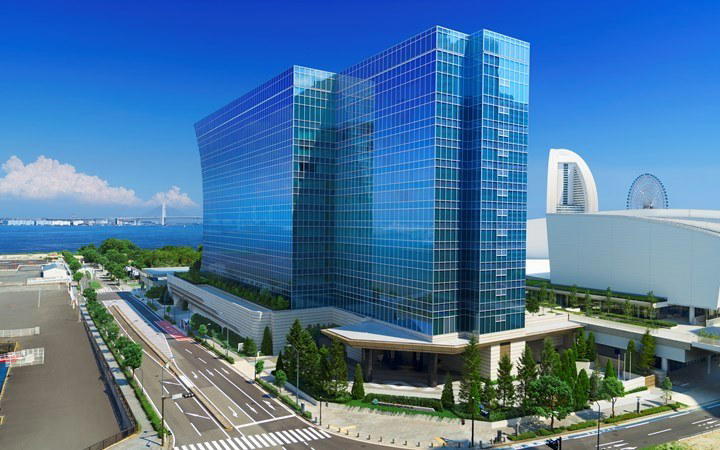


Wineries in Yokohama
Browse all →
Details
- Intimate
- Elegant
- Quiet
- Special Occasion
- Date Night
- Chefs Counter
- Standalone
- Local Sourcing
- Omakase
- Counter Dining
Current opening hours
- Monday
- Closed
- Tuesday
- 5–10 PM
- Wednesday
- 5–10 PM
- Thursday
- 5–10 PM
- Friday
- 5–10 PM
- Saturday
- 5–10 PM
- Sunday
- 5–10 PM
Hours can change for holidays and private events. Hours as of .
Minimalist and serene, with a focus on the chef's craftsmanship and the purity of traditional sushi preparation in an intimate counter setting.