
Sumibi Kappou An puts Yokohama kappo dining in a compact Bashamichi setting, with Japanese cuisine and unagi sharing space with fish-led cooking, sake, shochu and wine. Its selection for Tabelog 100 Japanese cuisine EAST 2025 gives it a clear reputation signal in Kanagawa’s serious dining tier, while the small room keeps the experience closer to counter-focused kappo than large-format kaiseki.
Pearl is the En Primeur Club membership app — saves, bookings, and concierge access live there. Same editors, same standards.
- Address
- Japan, 〒231-0006 Kanagawa, Yokohama, Naka Ward, Minaminakadori, 3 Chome−35 横浜エクセレント17 B1 ビルⅢ
- Phone
- +81 45-211-4446
- Website
- bashamichi-okawa.com
 Saves & bookings on Pearl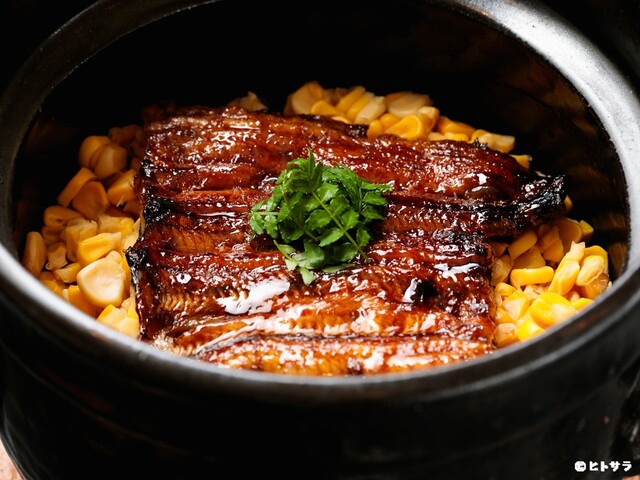
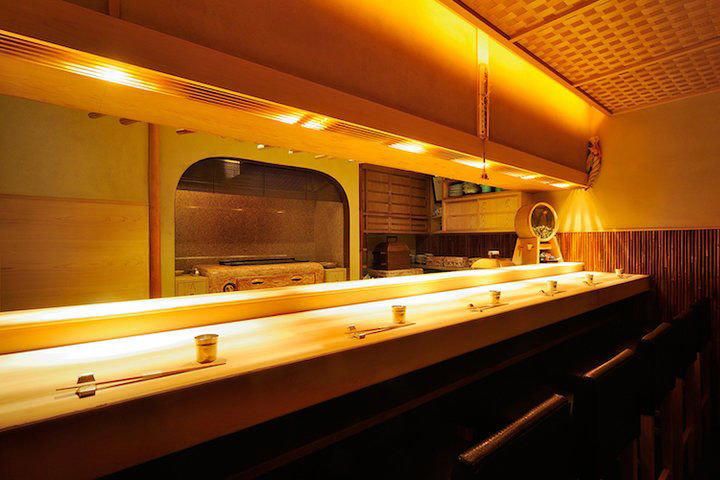
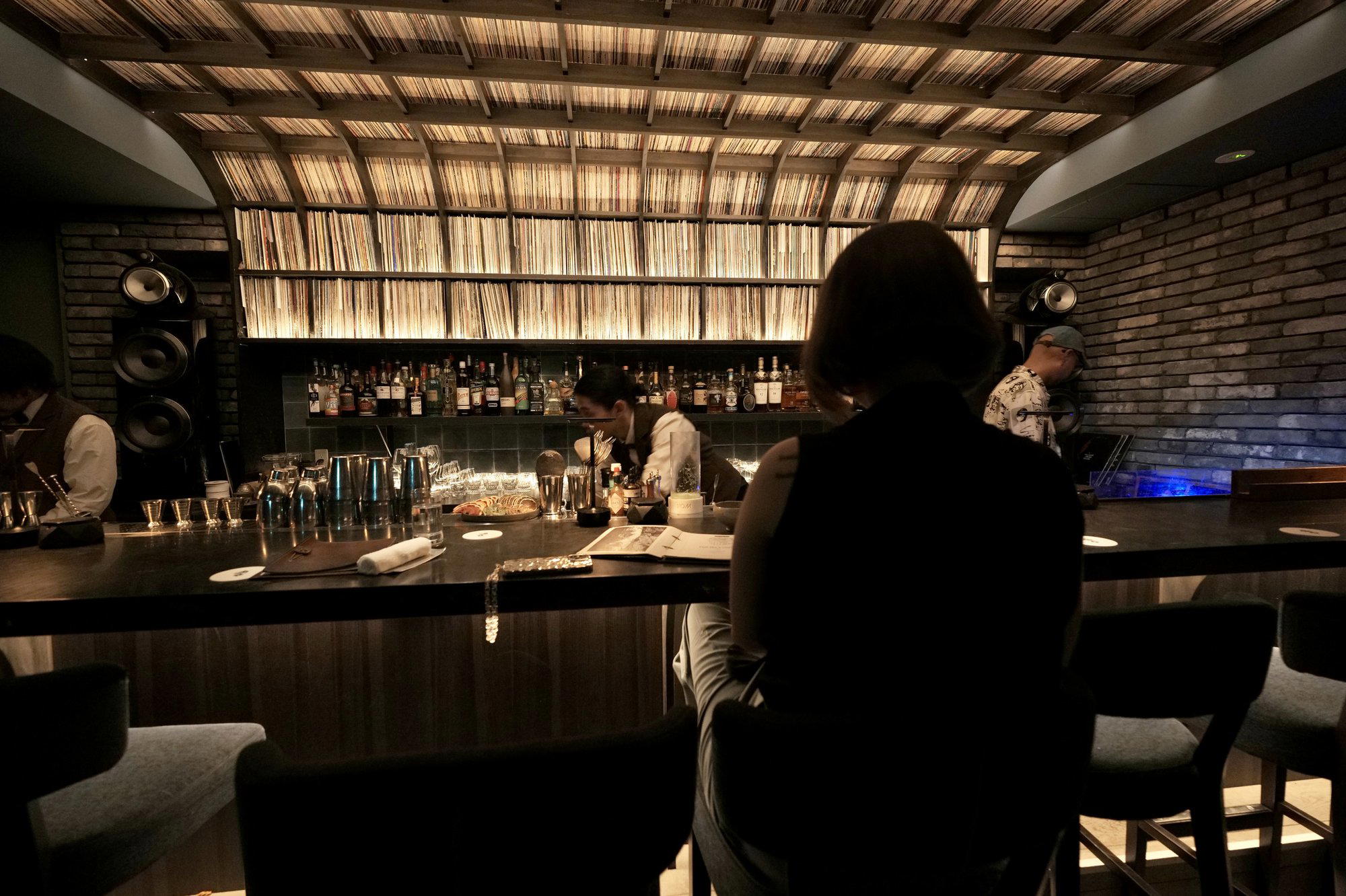
Basement dining has a grammar in Japanese cities: a descent from street level, a smaller room, a shift from public noise to kitchen-led rhythm. In Bashamichi, that suits kappo, where the counter is a working line between preparation and service, not theatre. Sumibi Kappou An sits in Yokohama’s compact dining register: a 13-seat Japanese restaurant where fish, unagi, sake, shochu and wine matter more than décor or ceremony.
Yokohama’s serious Japanese restaurants often sit in Tokyo’s louder reservation shadow, but the city has its own logic. Around Kannai, Bashamichi and Minatomirai, business dining, small private rooms and counter seats create a hybrid market: formal enough for client meals, local enough to avoid Ginza pricing reflexes. That frames this address: scale, category focus and critical recognition, not excess.
Charcoal, fish and unagi place this room in Yokohama's kappo lane
Kappo sits between restaurant and kitchen counter. Less rigid than full kaiseki and more chef-directed than casual izakaya dining, it turns seasonal Japanese technique into a sequence flexing around fish, simmered dishes, grilled work and rice. “Sumibi” points to charcoal, but the broader category matters more: Japanese cuisine with unagi listed alongside the main classification, not an eel specialist in a single-track tradition.
The fish emphasis matters in Yokohama. Port-city identity can become cliché, yet Kanagawa dining has long rewarded restaurants treating seafood as daily discipline rather than decorative luxury. Here, public category signals point to Japanese cuisine and unagi, with drinks spanning sake, shochu and wine. That range places the meal in a modern kappo register: not nihonshu orthodoxy or wine-bar fusion, but a room whose beverage program must work across grilled, fish-led and eel preparations.
Compared with Yokohama peers, the positioning is precise. SUIRINKAKU operates in a higher dinner bracket, while Bashamichi Okawa sits above this address at dinner and in a similar lunch band. Osteria Austro shares the same dinner range but belongs to an Italian frame, and Tachinomi Shokudo Ultra Suzuki is priced for a looser standing-bar rhythm. These contrasts clarify Sumibi Kappou An: serious but not grandstanding, compact but not casual, better read as a small-format Japanese counter and private-room choice than a spectacle-led destination.
For the wider city, Our full Yokohama restaurants guide is the natural companion when weighing Japanese counters against curry rooms, yakitori and Western cooking. Nearby reference points include 1000 (Yakitori (Grilled chicken skewers)), Aichun, Ajowan and Alpenjiro Honten. The point is not to rank unlike venues, but to see Yokohama as a city where specialist formats sit close together and serve different nights.
Tabelog 100 recognition gives the reputation signal real weight
The clearest external credential is selection for Tabelog 100 Japanese cuisine EAST 2025, with a Tabelog score of 3.77. In Japan, that recognition differs from a hotel concierge list or social-media surge. Tabelog’s audience is domestic, detail-oriented and often unforgiving; inclusion in a cuisine-specific regional selection places a restaurant inside a competitive field, not merely a popularity tier.
That matters for a Yokohama kappo counter because the city’s high-end Japanese dining is assessed beyond neighbourhood demand. It is read against the wider Kanto field, where Tokyo sets the loudest benchmark and Kanagawa restaurants need clarity of purpose to register. A 2025 EAST Japanese cuisine selection says this is not just a convenient Bashamichi address; it has been noticed in a category where technique, consistency and ingredient handling decide reputation.
The 2020 opening also shapes the reading. Restaurants that began that year had to build regulars through abnormal dining patterns, interrupted business meals and changing reservation habits. Longevity alone is not a credential, but operating from 2020 into a 2025 Tabelog 100 selection gives the reputation arc a practical edge. The restaurant did not inherit decades of nostalgia; it earned attention when small dining rooms had little room for error.
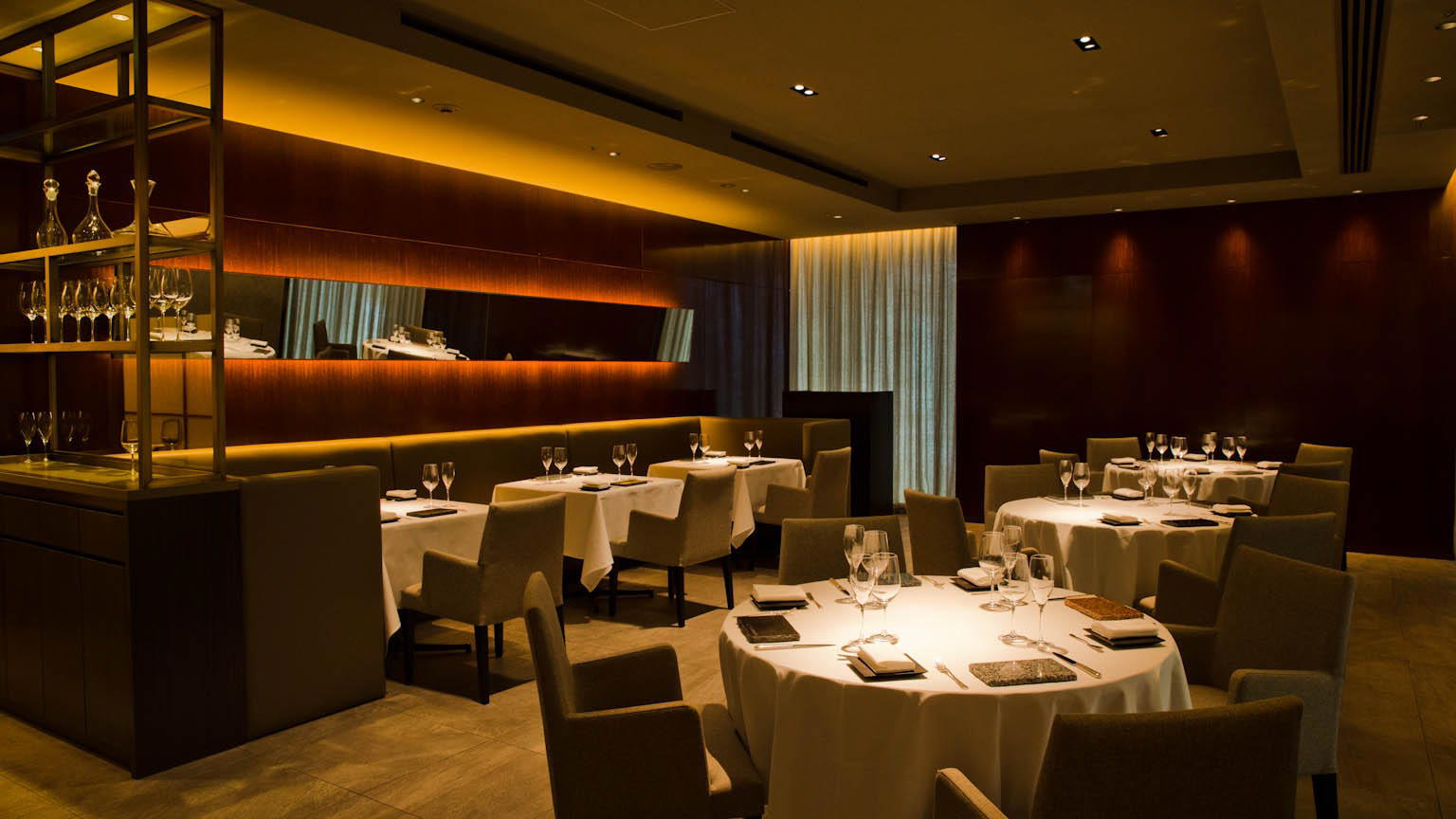
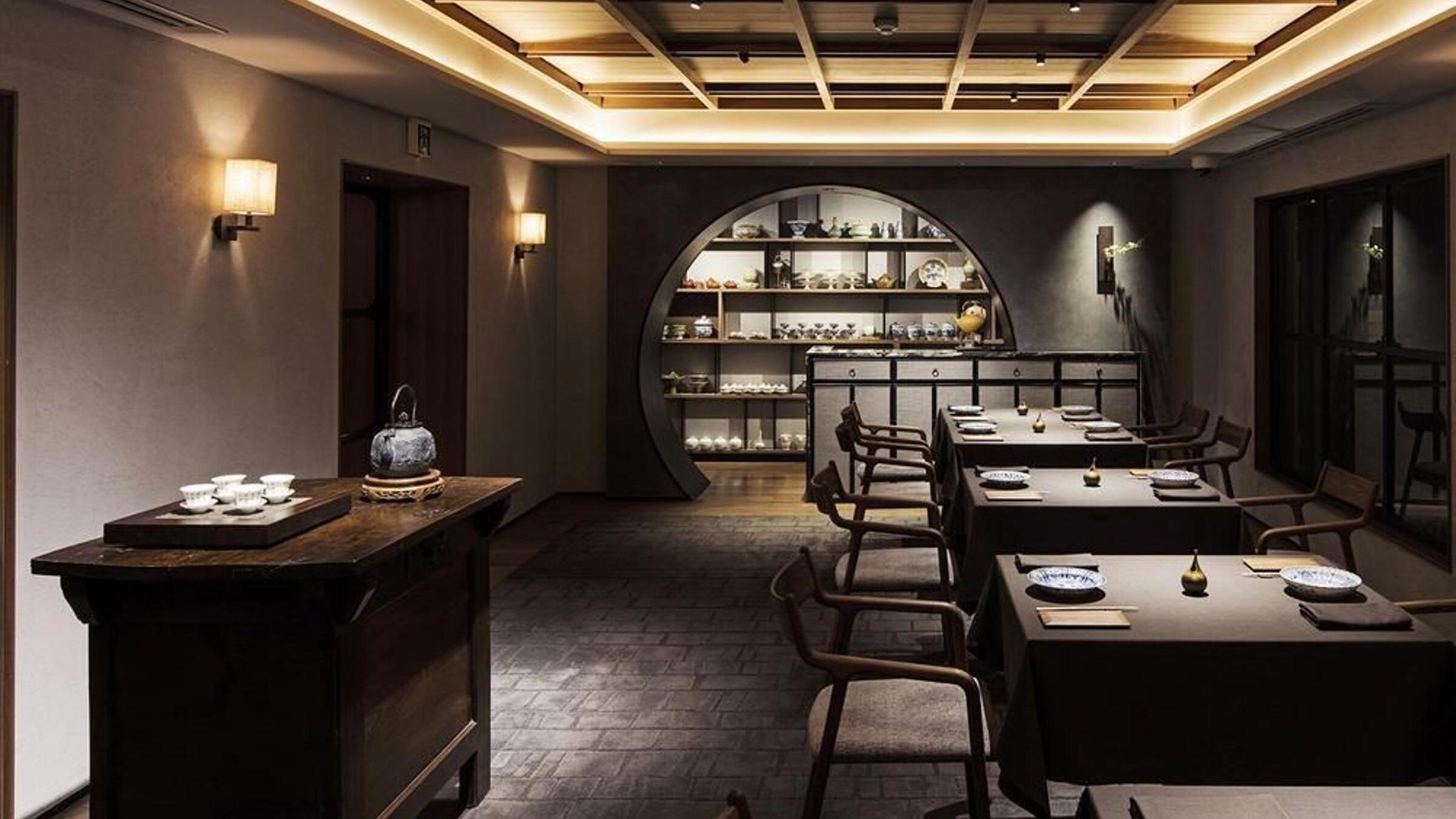
The compact size reinforces the case. Thirteen seats mean the experience depends on pacing, seat management and consistency across few covers. Private rooms for two, four and six add another layer: Yokohama’s business-dining culture often values discretion as much as counter access. That dual format suits Bashamichi, where restaurants need to work for serious diners and work-adjacent meals without becoming banquet rooms.
Readers comparing regional Japanese dining beyond Yokohama can place this in a broader circuit: -Grilled beef Sukiyaki- KAMAKURA TANUKIAN 鎌倉 たぬき庵 in Kamakura shows another Kanagawa expression of Japanese formality, while 鮪と炭火焼き うお炭 秋葉原店 in Tokyo points toward the charcoal-and-tuna idiom in the capital. Farther afield.cafe in Osaka.know in Kumamoto, (Shoku) Vietnam in Kawasaki, [Curry Senmon Ten] Maruyama Kyoju. in Sapporo, Jōdo Saké Bar in Los Angeles and Onigiri Time in Pasadena make better sense as format contrasts than direct competitors.
How to read it within a Yokohama stay
Sumibi Kappou An is a dinner anchor rather than an all-purpose stop. The small room, Japanese focus and recognition profile make it sharper for travelers wanting one Yokohama meal with local credibility and counter-oriented structure, especially if Tokyo’s famous rooms feel overdetermined. Proximity to Bashamichi Station suits itineraries around the waterfront, Kannai or Minatomirai rather than a cross-city detour.
The planning context is simple: treat this as a reservation-led Japanese meal, not a spontaneous late-night fallback. The restaurant lists counter seating, private rooms, non-smoking service and no parking, with credit cards accepted but electronic money and QR payments not accepted. Dinner carries a 10 percent service charge. Those details matter because small Japanese restaurants reward diners who arrive punctual, prepared for a paced meal and clear about dietary restrictions before the table is set.
For the broader trip architecture, food should not sit in isolation. Yokohama works when restaurants, waterfront hotels and evening bars are planned by district rather than isolated landmarks. Use Our full Yokohama hotels guide, Our full Yokohama bars guide, Our full Yokohama wineries guide and Our full Yokohama experiences guide to build the night around Bashamichi’s practical geography. The appeal is strongest inside that tighter Yokohama rhythm: compact room, serious Japanese cooking, and a reputation signal that travels beyond the neighbourhood.
Budget Reality Check
Comparable venues by category and price.
| Venue | Cuisine | Price | Notes |
|---|---|---|---|
| Sumibi Kappou AnThis venue — the venue you are viewing | Not listed | $$$$ | Not listed |
| Yakitori Midori | Naka, Yakitori Omakase | $$$ | Not listed |
| Oishi | Hodogaya, Premium Wagyu Yakiniku | $$$ | Not listed |
| Enishi | Not listed | $$$ | Kanagawa, Traditional Japanese Gyutan Izakaya |
| Ukai-tei Azamino | Aoba, French-Japanese Teppanyaki Fusion | $$$$ | Not listed |
| Yakitori Saito | Naka, Traditional Yakitori | $$$ | Not listed |
Recognition history
Dated appearances from independent guides and award organizations, with the underlying list record or original source where available.
Tabelog 100 #4 · No. 4
Tabelog · Tabelog 100 - Japanese cuisine - EAST - 2025









At a Glance
- Elegant
- Intimate
- Cozy
- Classic
- Sophisticated
- Date Night
- Business Dinner
- Special Occasion
- Celebration
- Group Dining
- Private Event
- Chefs Counter
- Private Dining
- Design Destination
- Standalone
- Sake Program
- Local Sourcing
- Sustainable Seafood
- Farm To Table
Current opening hours
- Monday
- 5:30–10 PM
- Tuesday
- 11:30 AM–3 PM, 5:30–10 PM
- Wednesday
- 11:30 AM–3 PM, 5:30–10 PM
- Thursday
- 11:30 AM–3 PM, 5:30–10 PM
- Friday
- 11:30 AM–3 PM, 5:30–10 PM
- Saturday
- 11:30 AM–3 PM, 5:30–10 PM
- Sunday
- Closed
Hours can change for holidays and private events. Last verified .
Calm and refined with a traditional Japanese aesthetic, featuring a small chef-facing counter and discreet private rooms that create an intimate, quietly luxurious atmosphere suited to focused, leisurely dining.