

Nakajo is an Edomae sushi counter in Yokohama's Kannai district, holding consecutive Tabelog Bronze Awards from 2019 through 2026 and a Tabelog Score of 4.08. The 15-seat room, nine at the counter, six in a private room, runs dinner service only, with an average spend of JPY 40,000 to 49,999. Reservations are accepted and the kitchen sources fish through Tsukiji.
Pearl is the En Primeur Club membership app — saves, bookings, and concierge access live there. Same editors, same standards.
- Address
- Japan, 〒231-0013 Kanagawa, Yokohama, Naka Ward, Sumiyoshicho, 3 Chome−3−29 住吉ビル 1F 関内 1b号
- Phone
- +81 45-671-9300
- Website
- kannai-nakajo.jp
- Directions
- Get directions
 Saves & bookings on Pearl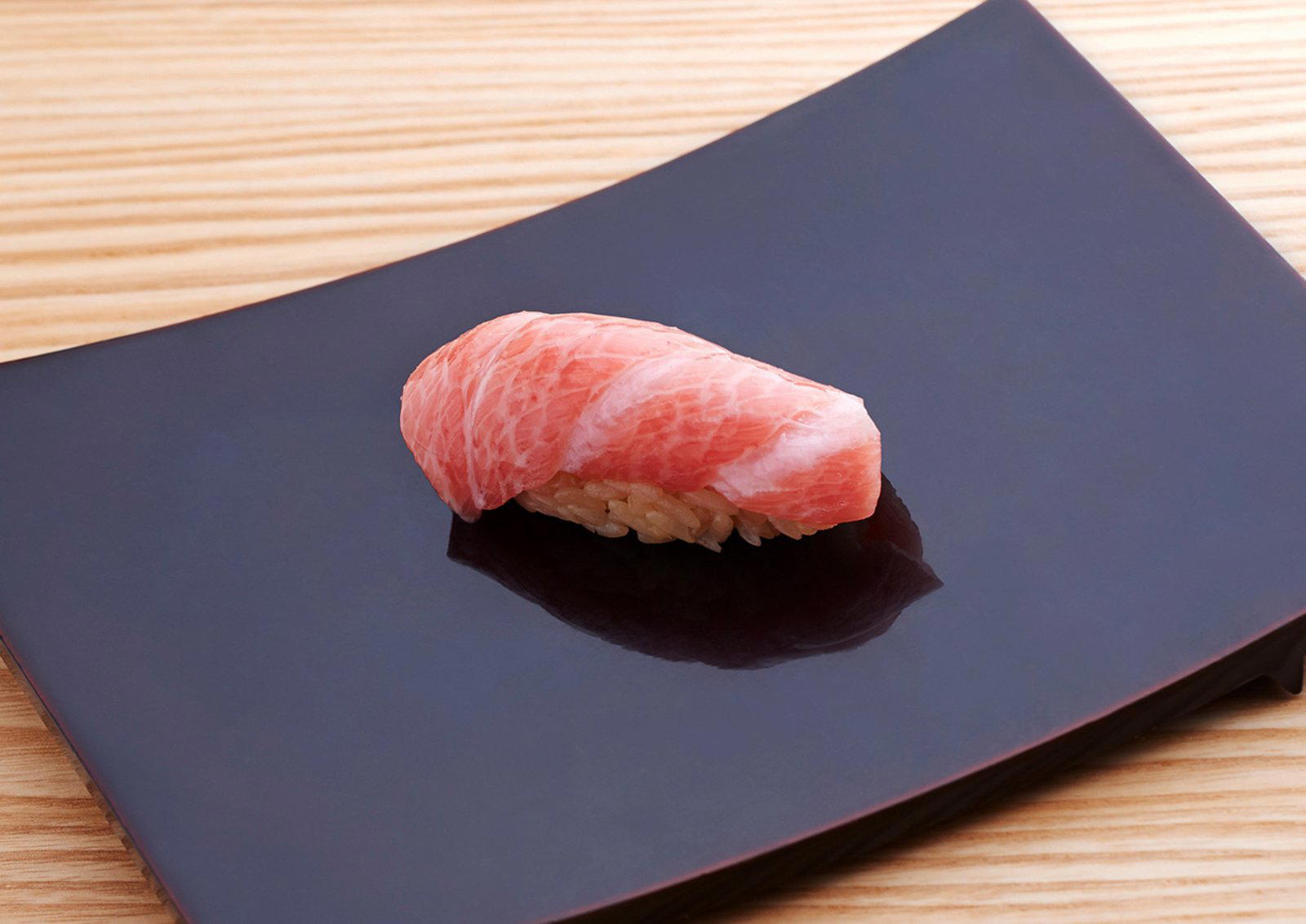
A Counter Outside Tokyo's Orbit
Serious Edomae sushi in Japan has long been read as a Tokyo proposition. The Ginza and Minami-Aoyama counters anchor the international conversation, and out-of-town alternatives tend to be dismissed as secondary options for visitors who couldn't secure a seat in the capital. Kannai, the central business district of Yokohama roughly 30 kilometres south of central Tokyo by rail, does not figure prominently in that narrative. Nakajo, operating from a first-floor address in the Kannai Sumiyoshi Building since October 2016, is one reason to question the assumption.
The venue holds a Tabelog Score of 4.08 and has received the Tabelog Bronze Award in every cycle from 2019 through 2026, a sustained run across seven consecutive years that places it inside the platform's top tier of reviewed restaurants in Kanagawa prefecture. It has also been selected for the Tabelog Sushi EAST "Tabelog 100" list in 2021, 2022, and 2025, a designation that identifies the hundred highest-regarded sushi restaurants across eastern Japan. The Opinionated About Dining ranking placed it at number 401 among all Japan restaurants in both 2024 and 2025. That is the credential set of a counter that competes with Tokyo peers, not one that benefits from reduced competition outside the capital.
The Edomae Calendar at Work
Edomae sushi is among the more seasonally governed forms of Japanese cooking. The tradition, which developed in Edo-period Tokyo Bay and takes its name from the waters in front of the old castle, was built around proximity to a specific catch and the techniques, vinegar-curing, marinating, kelp-pressing, simmering in sweet soy, needed to handle different fish at different points in the year. At a counter working in that lineage, the menu is not a fixed document. It is a moving record of what the season has produced.
Spring brings firefly squid from Toyama Bay, a brief window that closes by May. Early summer shifts attention to young bonito, leaner and lighter than the rich autumn fish that follows the same migratory route in October. Shimesaba, the vinegar-cured mackerel that appears across omakase menus nationwide, peaks in the cooler months when fat content rises. Winter is the season for yellowtail, for the sweetest amaebi, and for the uni that Hokkaido sends south before spring spawning changes its character. At Nakajo, where the kitchen is noted for being particular about fish and sources through Tsukiji Market, the calendar shapes everything on the counter.
That relationship between season and ingredient is the reason timing a visit matters as much as securing the reservation. A seat in December or January places you at the end of the autumn-to-winter transition, when several species are at maximum fat content. April and early May, before golden week crowds drive up competition for premium product, catch the spring ingredients before the summer heat simplifies the selection. The counter runs six evenings a week, closed on the third and fifth Sundays of each month, with service from 17:30 to 22:30.
Format and Scale
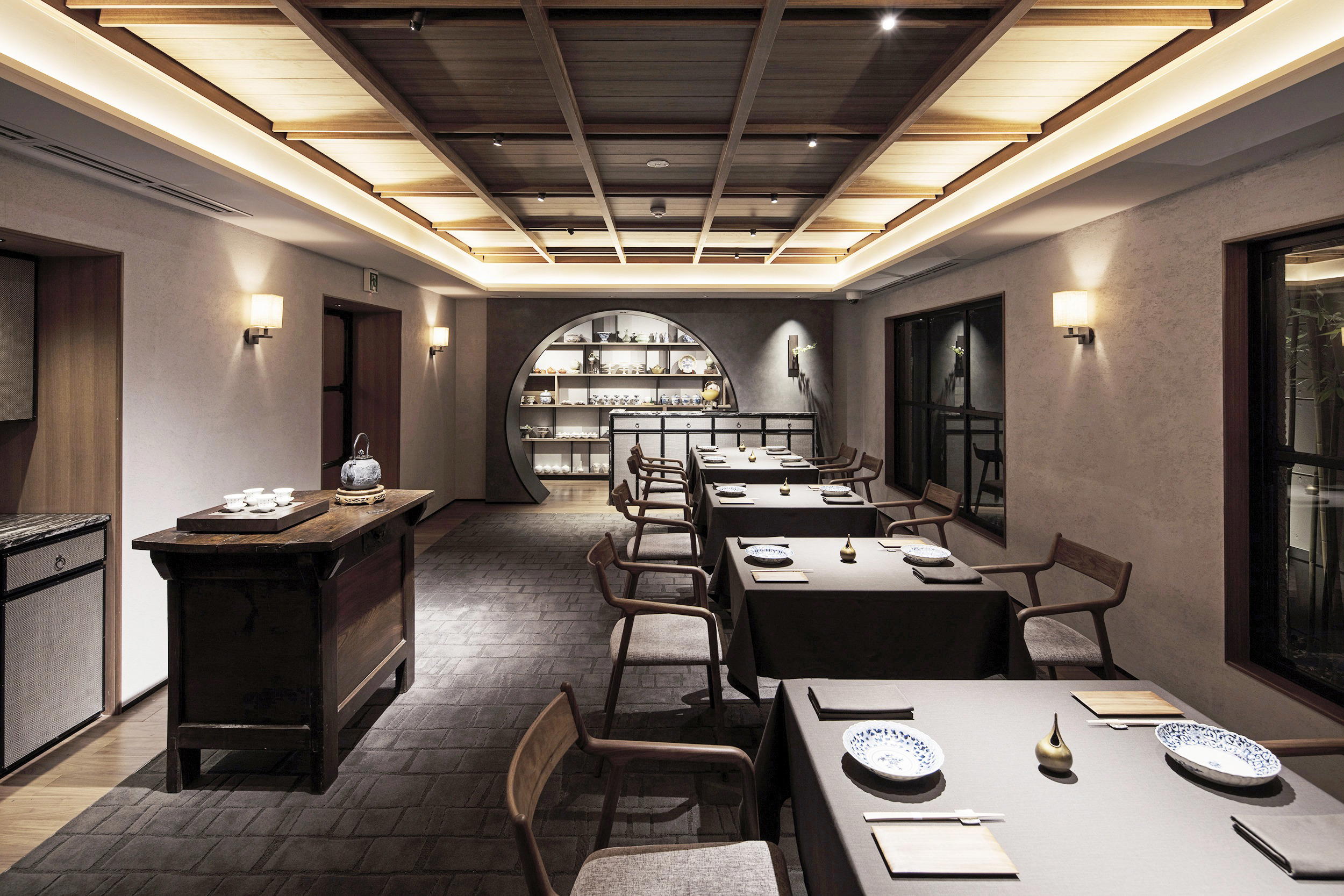
The room holds nine seats at the counter and six in a single private room. That configuration is standard for mid-tier Tokyo omakase operations but notable in a Yokohama setting, where the counter format has fewer established precedents at this price level. The nine-seat counter is the operative number for understanding the experience, as chef Kiyotaka Kiyokawa works within direct sight of every guest, and the pacing of the meal is set by the room rather than by a kitchen relay. Tabelog reviewers specifically flag the counter as solo-dining friendly, which is a meaningful signal at a dinner price of JPY 40,000 to 49,999 per person. That spend positions Nakajo above the approachable omakase tier (typically JPY 15,000 to 25,000) but below the upper-bracket counters in Ginza and Nihonbashi that now regularly price beyond JPY 60,000.
For comparison within Yokohama's own dining range: 1000 (Yakitori) runs at JPY 15,000 to 19,999 per dinner, and Yoda (Tonkatsu) operates in the JPY 8,000 to 9,999 bracket. Nakajo's JPY 40,000 to 49,999 dinner represents the upper end of what Yokohama's restaurant scene currently fields, with Omino Kamiyacho among the sushi peers operating at comparable levels in the city.
Getting to Kannai
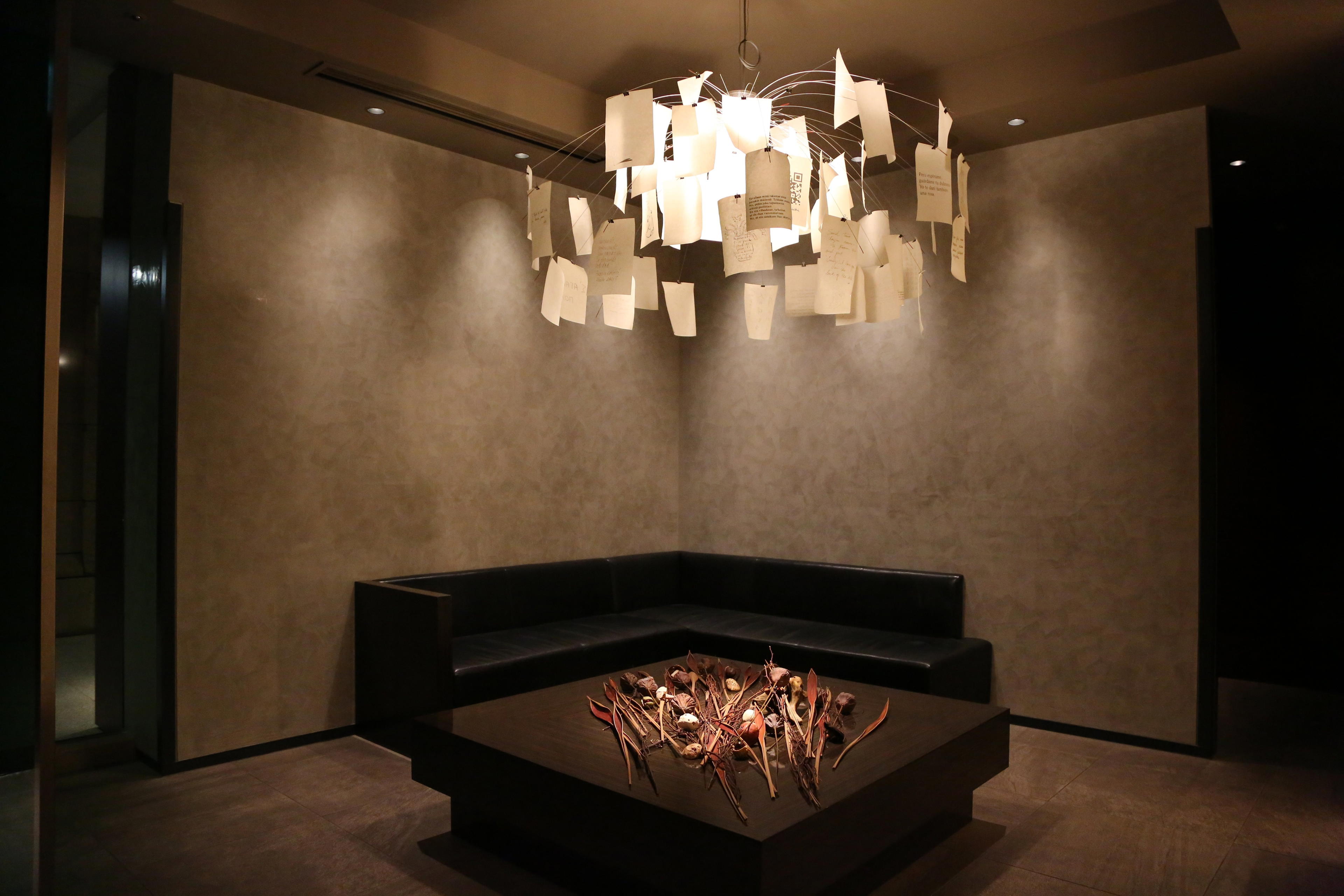
Kannai Station is served by two lines: the JR Negishi Line and the Yokohama Municipal Subway Blue Line. From JR Kannai, the walk to the Sumiyoshi Building is approximately three minutes. From Blue Line Kannai, it is two minutes. Visitors arriving via the Minato Mirai Line can use Bashamichi Station, a five-minute walk away. There is no parking at the venue. The address sits in a back alley off Sakura Street or Kamakura Highway, the Tabelog record includes specific navigation notes: enter the back alley between KY Liquor and Yamada Home Restaurant from Sakura Street and walk 50 metres, or enter the alley behind Comfort Hotel from Kamakura Highway and walk 100 metres. That approach, through a passage rather than a main street frontage, is consistent with the Tabelog classification of the location as a "hideout", not a description of exclusivity but of physical positioning, the kind of address that rewards guests who have done the research rather than those passing by.
Reservations are accepted by telephone or through the venue website. Major credit cards are accepted including VISA, Mastercard, JCB, AMEX, and Diners. The room is fully non-smoking. The private room accommodates six and is available for full private-use bookings.
Nakajo in Wider Context
Yokohama's position relative to Tokyo in the sushi conversation mirrors broader patterns visible across Japan's second-tier cities, Osaka, Kyoto, Fukuoka, where serious counters have built consistent reputations outside the capital's shadow. Harutaka in Tokyo represents the Tokyo counter benchmark that regional operators are often measured against. Outside the capital, the picture has become more complex: Gion Sasaki in Kyoto, Goh in Fukuoka, and HAJIME in Osaka all demonstrate that award-level cooking is no longer a Tokyo monopoly. In the broader Asia context, dedicated Edomae counters have also established themselves well beyond Japan's borders, with Sushi Shikon in Hong Kong and Shoukouwa in Singapore operating at three and two Michelin stars respectively in the same tradition. Other strong independent counters across Japan, from akordu in Nara to Abon in Ashiya and 6 in Okinawa, reinforce the pattern of serious dining distributed across the country rather than concentrated in a single city.
Nakajo fits that pattern: a counter with a verifiable seven-year award record, operating at a price point that reflects the ingredient quality of the Tsukiji supply chain, in a city that receives a fraction of the international dining attention directed at Tokyo.
Planning Your Visit
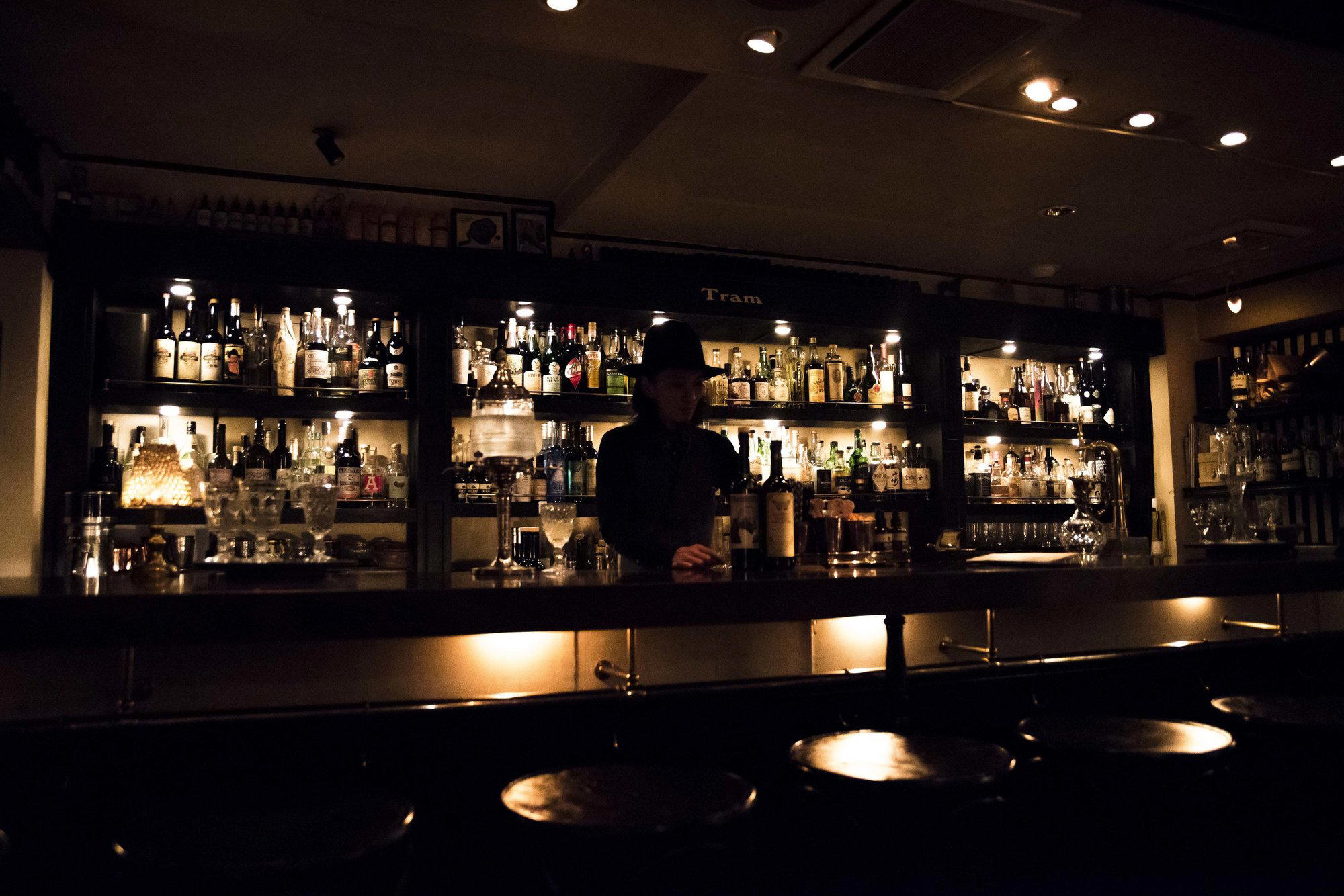
Dinner runs six evenings a week from 17:30, with service closing at 22:30. The third and fifth Sundays of each month are closed. At a counter of nine seats, lead times on reservations vary by season; the spring and late-autumn windows, when the ingredient calendar is at its most active, tend to book earliest. The drink list covers sake, shochu, and wine, a standard omakase accompaniment range that allows pairing without requiring wine-specialist knowledge. The Tabelog record notes the space is described as stylish and relaxing, and the counter is explicitly noted as suitable for solo diners, which is useful to know at a price point where solo bookings are sometimes discouraged at other venues.
For broader planning around a Yokohama trip, see our full Yokohama restaurants guide, our full Yokohama hotels guide, our full Yokohama bars guide, our full Yokohama wineries guide, and our full Yokohama experiences guide. For context on Yokohama's broader dining range alongside Nakajo, Ribatei is among the other venues worth considering in the area.
Budget and Context
Comparable venues nearby, for context on price, style, and recognition.
| Venue | Cuisine | Price | Notes |
|---|---|---|---|
| NakajoThis venue — the venue you are viewing | Naka, Edomae Sushi Omakase | $$$$ | Not listed |
| Ota Nawanoren | Not listed | $$$$ | Naka, Historic Yokohama gyu‑nabe & sukiyaki house |
| Arai Ya Bankokubashi ten | Not listed | $$$ | Naka, Traditional Yokohama sukiyaki & gyu-nabe |
| Ribatei | Naka, Traditional Yakitori Omakase | $$$ | Not listed |
| Chiba Hanare | Kanagawa, Yakitori | $$$ | Not listed |
| Ashibi | Not listed | $$ | Tsuzuki, Neighborhood Tonkatsu & Japanese Set Meals |
Recognition history
Dated appearances from independent guides and award organizations, with the underlying list record or original source where available.
Opinionated About Dining Top Restaurants in Japan Recommended
Opinionated About Dining
Tabelog Bronze #305
Tabelog
Opinionated About Dining Top Restaurants in Japan Ranked #401
Opinionated About Dining
Tabelog Bronze
Tabelog
Tabelog 100 #8 · No. 8
Tabelog · Tabelog 100 - Sushi - EAST - 2025
Opinionated About Dining Top Restaurants in Japan Ranked #401
Opinionated About Dining
Opinionated About Dining Top Restaurants in Japan Recommended
Opinionated About Dining










At a Glance
- Intimate
- Elegant
- Sophisticated
- Special Occasion
- Sake Program
- Local Sourcing
Current opening hours
- Monday
- 5:30–10:30 PM
- Tuesday
- 5:30–10:30 PM
- Wednesday
- 5:30–10:30 PM
- Thursday
- 5:30–10:30 PM
- Friday
- 5:30–10:30 PM
- Saturday
- 5:30–10:30 PM
- Sunday
- Closed
Hours can change for holidays and private events. Last verified .
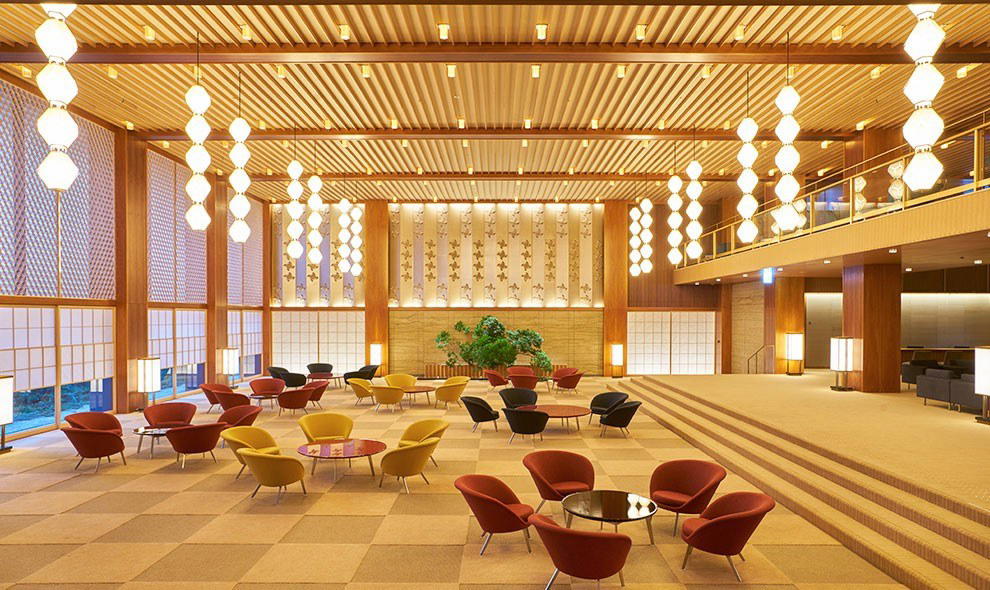
Relaxing, stylish space with counter seating in a quiet back alley hideout, offering an intimate and sophisticated atmosphere.