Our verdict
In Kanagawa Ward, Enishi occupies a specific position in Yokohama's dining scene: a Japanese restaurant address that rewards those who take the time to seek it out. The city's reputation as a port of culinary crosscurrents makes it an appropriate home for a kitchen that draws on deep local tradition. Booking details and menu specifics are best confirmed directly with the venue.

Pearl is the En Primeur Club membership app — saves, bookings, and concierge access live there. Same editors, same standards.
- Address
- 2 Chome-19-1 Tsuruyacho, Kanagawa Ward, Yokohama, Kanagawa 221-0835, Japan
- Phone
- +81455949222
- Hours
- Mon–Fri 12–11 PMSat–Sun 12–10 PM
- Website
- enishi.exp.jp
- Directions
- Get directions
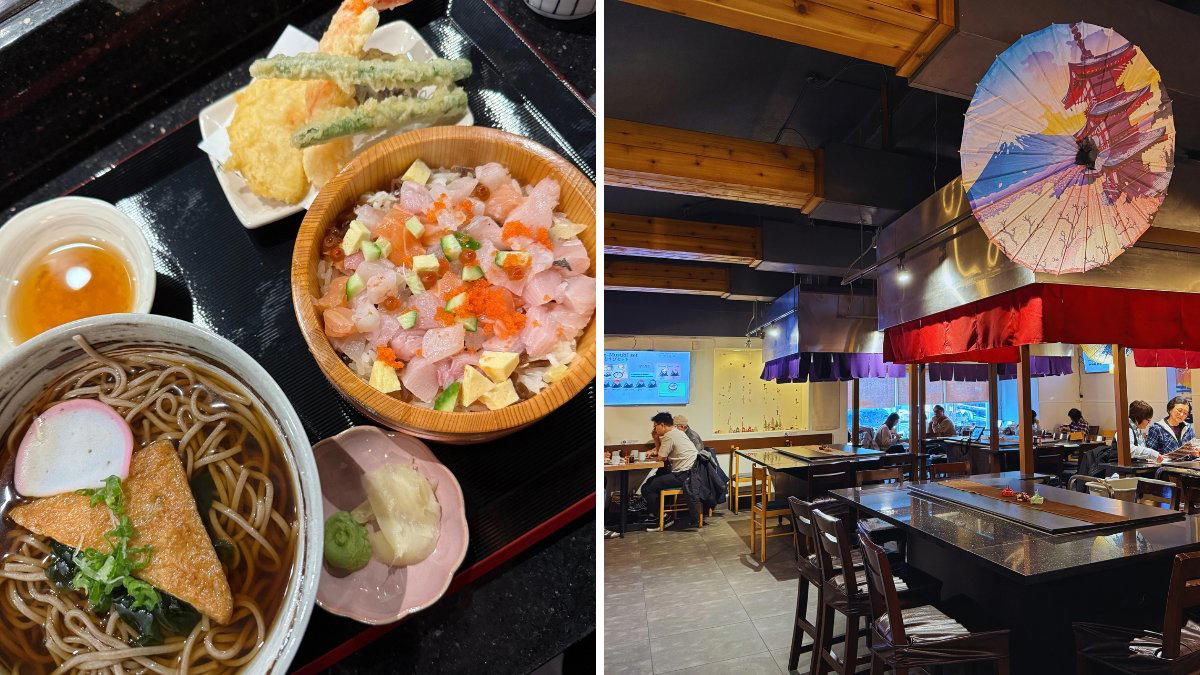
The menu
What to order
- Signature Enishi Gozen
- Grilled Beef Tongue
- Japanese Horumon
Kanagawa Ward sits at the edge of Yokohama's commercial centre, a neighbourhood where the city's industrial waterfront history gives way to residential streets and quieter dining rooms. This is not the Yokohama of Chinatown lanterns or harbour-view terraces. It is a different register entirely: local, specific, and largely unmediated by tourism infrastructure. Enishi, at 2 Chome-19-1 Tsuruyacho, operates within that grain.
Yokohama's Dining Geography and Where Enishi Sits
Yokohama occupies an unusual position in Japan's culinary hierarchy. It sits thirty minutes from Tokyo by express rail, which means it competes with the capital for serious diners while cultivating a distinct civic identity built on centuries of trade, immigration, and foreign influence. The city's cooking has long absorbed outside references more readily than most Japanese cities, producing a restaurant culture that ranges from the oldest Chinese restaurants in Japan to tightly focused Japanese specialists who use that cosmopolitan background as context rather than content.
The neighbourhood around Tsuruyacho is representative of the latter tendency. It supports working-lunch counters, generational izakayas, and occasional specialist dining rooms that attract regulars rather than tourists. For visitors already familiar with Yokohama's more prominent eating corridors, this part of Kanagawa Ward offers a genuinely different tempo. For those building a broader picture of what serious Japanese restaurant culture looks like outside the major destination cities, it functions as useful evidence. Our full Yokohama restaurants guide maps this geography in more detail.
The Ritual of the Japanese Meal
In Japan, the structure of a meal is rarely incidental. Whether the kitchen is running omakase, a fixed kaiseki progression, or a shorter set-menu format, the pacing is deliberate, the sequence carries meaning, and the diner's role is receptive rather than directive. This is a tradition shaped by centuries of formal dining culture, from the tea ceremony's influence on spacing and silence to the Edo-period kaiseki logic of seasonal narrative. The meal does not begin when the food arrives; it begins when you sit down, and it does not end until the last course has settled and the tea has been poured.
For visitors unfamiliar with this register, a few practical orientations apply broadly across Japanese restaurants at this level. Arriving on time, or slightly early, signals respect for the kitchen's rhythm. Courses arrive at the chef's pace, not the diner's. Conversation is welcome but tends toward lower volume than Western restaurant norms. The sequence of textures, temperatures, and intensities is constructed deliberately, which means reordering or skipping is generally understood to disrupt something intentional. These are not rules so much as contextual cues that shape how the meal reads.
Enishi's name itself, meaning connection or fate in Japanese, carries the conceptual weight that many Japanese restaurant names carry: a frame for how the kitchen understands its relationship to its guests and its ingredients, rather than a brand descriptor.
How Enishi Compares Within Yokohama's Specialist Tier
Yokohama's Japanese restaurant spectrum runs from counter sushi in the tradition of Tokyo's Ginza rooms to neighbourhood specialists who have no interest in that comparative frame. On the sushi side, Nakajo and Omino Kamiyacho represent the city's more formally recognised counter addresses. For skewer specialists, 1000 runs a yakitori program in the JPY 15,000 to JPY 19,999 range, which positions it at the sharper end of single-format dining. Manchinro Tenshinpo anchors the city's Chinatown dim sum tradition, and Nodaiwa handles the eel specialist category with the institutional weight of a Tokyo original.
What the address and district suggest is a venue oriented toward local regulars, operating at a remove from the more internationally visible tier of Yokohama dining.
Japan's Broader Restaurant Context
Understanding any single Japanese address is easier when the national context is legible. Japan's Michelin network is the densest in the world, which means that a restaurant without a star is not necessarily unremarkable: the field is simply that competitive. Restaurants like HAJIME in Osaka and Gion Sasaki in Kyoto operate at the recognised pinnacle of that system. Harutaka in Tokyo represents the capital's counter sushi tier. Further afield, Goh in Fukuoka, akordu in Nara, Abon in Ashiya, affetto akita in Akita, Aji Arai in Oita, Ajidocoro in Yubari District, and Akakichi in Imabari illustrate how seriously regional Japan takes its own dining culture outside the three-city circuit of Tokyo, Kyoto, and Osaka.
For international visitors arriving via New York or San Francisco dining cultures, where a restaurant like Le Bernardin in New York City or Lazy Bear in San Francisco represents a particular kind of serious formal dining, Japan's framework operates on different logic. The formality is embedded in the structure of service and sequence rather than in decor or wine program signals.
Planning a Visit
Enishi's address in Kanagawa Ward places it within reasonable reach of Yokohama's central rail network, accessible from Tsuruyacho Station or the broader Yokohama line connections. Because no phone, website, or booking method is currently listed in public directories, confirming reservations requires either direct visit inquiry or assistance from a hotel concierge familiar with local contacts. For visitors travelling from Tokyo for a specific dinner, confirming availability well in advance is advisable: neighbourhood specialists at this level in Japan often run small seat counts and do not maintain English-language booking infrastructure.
Dress code norms for Japanese restaurants in this category default to neat, understated clothing. Formal Western attire is not typically required, but conspicuously casual dress reads as inconsistent with the register the kitchen sets. Arriving without a reservation is generally inadvisable at any Japanese specialist address, regardless of apparent size.
Frequently asked questions
Where is Enishi in Yokohama?
Enishi is located at 2 Chome-19-1 Tsuruyacho, Kanagawa Ward, Yokohama, Kanagawa 221-0835, Japan, Yokohama.
Is Enishi in Yokohama's Kanagawa Ward worth the trip from Tokyo?
Enishi sits at 2 Chome-19-1 Tsuruyacho in Kanagawa Ward, roughly thirty minutes from central Tokyo by express rail. For the type of focused Japanese dining this neighbourhood supports, the journey is a standard calculation for Tokyo-based diners who follow specialist kitchens outside the capital. The Yokohama dining scene has developed a tier of restaurants with no interest in Tokyo visibility, and Enishi's Kanagawa Ward address places it within that category.
What should I order at Enishi?
The wisest approach at this tier of Japanese dining is to follow whatever structured course the kitchen is running that day, whether omakase or a fixed progression, rather than ordering à la carte. Arriving with dietary notes prepared in advance is standard practice.
What's Enishi best at?
Enishi's Tsuruyacho address places it away from the tourist-facing waterfront, which in Japan typically signals a kitchen cooking for regulars who return for consistency. The nature of that specialisation is best confirmed directly with the venue.
Is Enishi good for vegetarians?
Japanese restaurant menus in this category often incorporate dashi, fish-based stocks, or seafood as foundational elements, which can complicate strict vegetarian or vegan requirements even when dishes appear plant-forward. Anyone with specific dietary needs should communicate them when booking, as most Japanese kitchens of this type will accommodate requests given sufficient notice.
Is Enishi overpriced or worth every penny?
In Yokohama's Kanagawa Ward, Japanese specialist restaurants at the counter or set-menu level typically run below the equivalent Tokyo Ginza rooms for comparable cooking, which has historically made the city attractive to diners who find the thirty-minute express journey a reasonable trade. Whether Enishi represents strong value depends on the format and course length, which the restaurant can clarify on enquiry.
Cuisine-First Comparison
| Venue | Cuisine | Price | Awards |
|---|---|---|---|
| EnishiThis venue — the venue you are viewing | Traditional Japanese Gyutan Izakaya | $20–30 | Not listed |
| Nakajo | Edomae Sushi Omakase | $300–500 | Tabelog Bronze #305 |
| Omino Kamiyacho | Modern Yakitori Omakase | $150–200 | Tabelog Bronze |
| Ribatei | Traditional Yakitori Omakase | $50–100 | Tabelog Bronze #368 |
| Yoda | Modern Tonkatsu | $50–100 | Tabelog 100 #43 |
| 1000 | Japanese | Not listed | Tabelog Bronze #392 |








Details
- Casual
- Lively
- Intimate
- Casual Hangout
- Group Dining
- After Work
- Beer Program
- Sake Program
- Local Sourcing
- A La Carte
- Set Menu
- Shochu
- Draft Beer
- Sours
Current opening hours
- Monday
- 12–11 PM
- Tuesday
- 12–11 PM
- Wednesday
- 12–11 PM
- Thursday
- 12–11 PM
- Friday
- 12–11 PM
- Saturday
- 12–10 PM
- Sunday
- 12–10 PM
Hours can change for holidays and private events. Last verified .
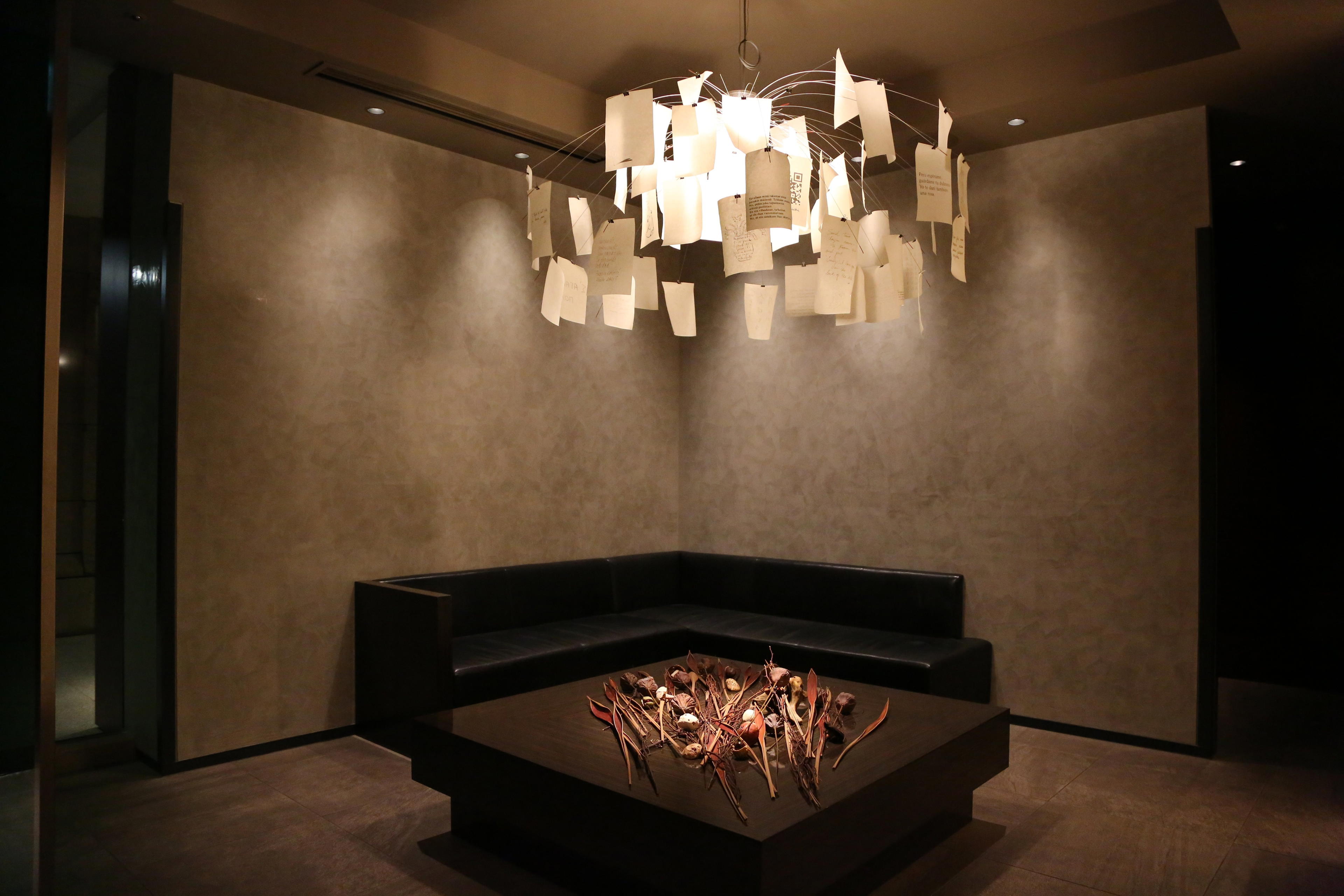
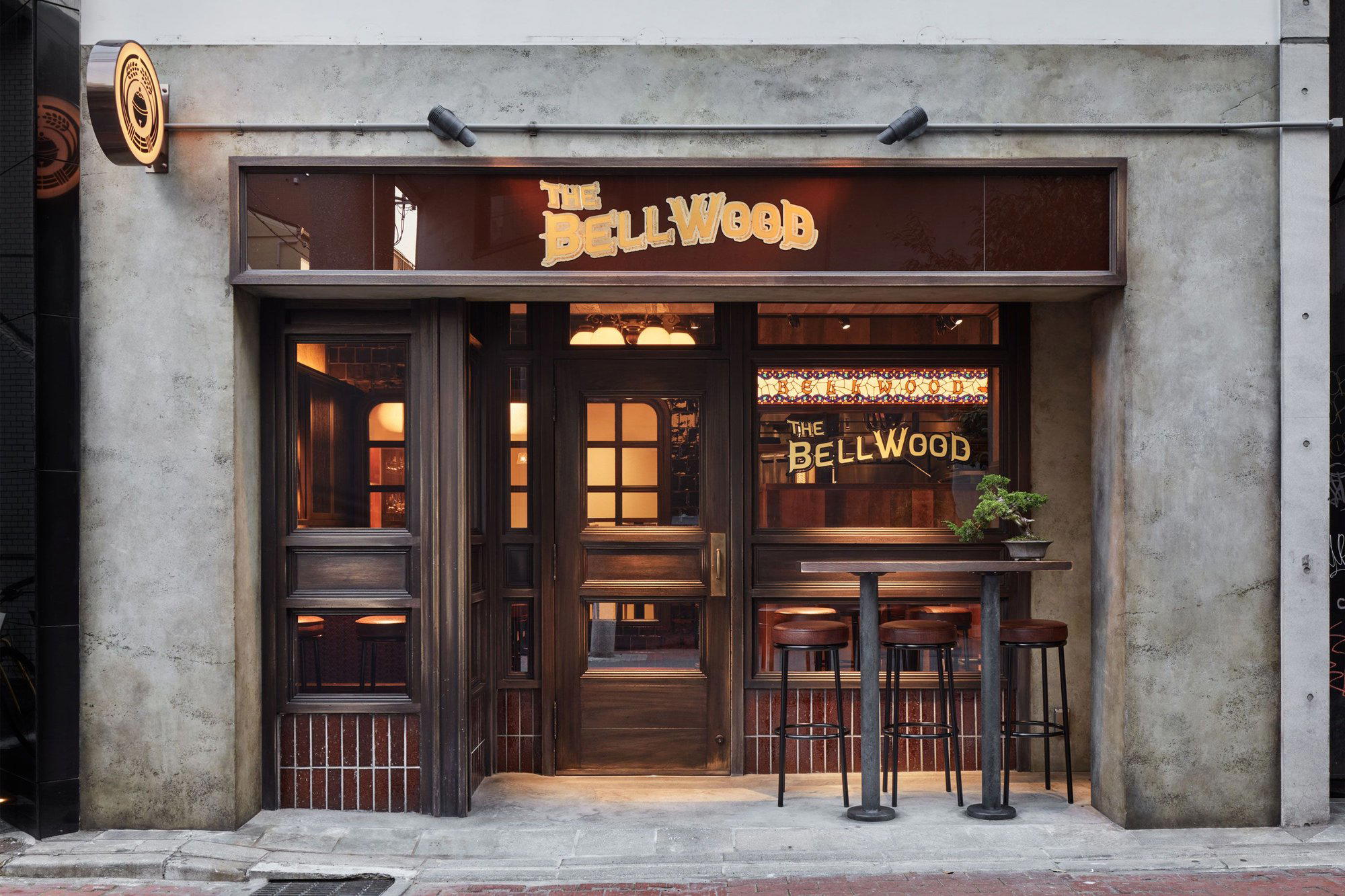
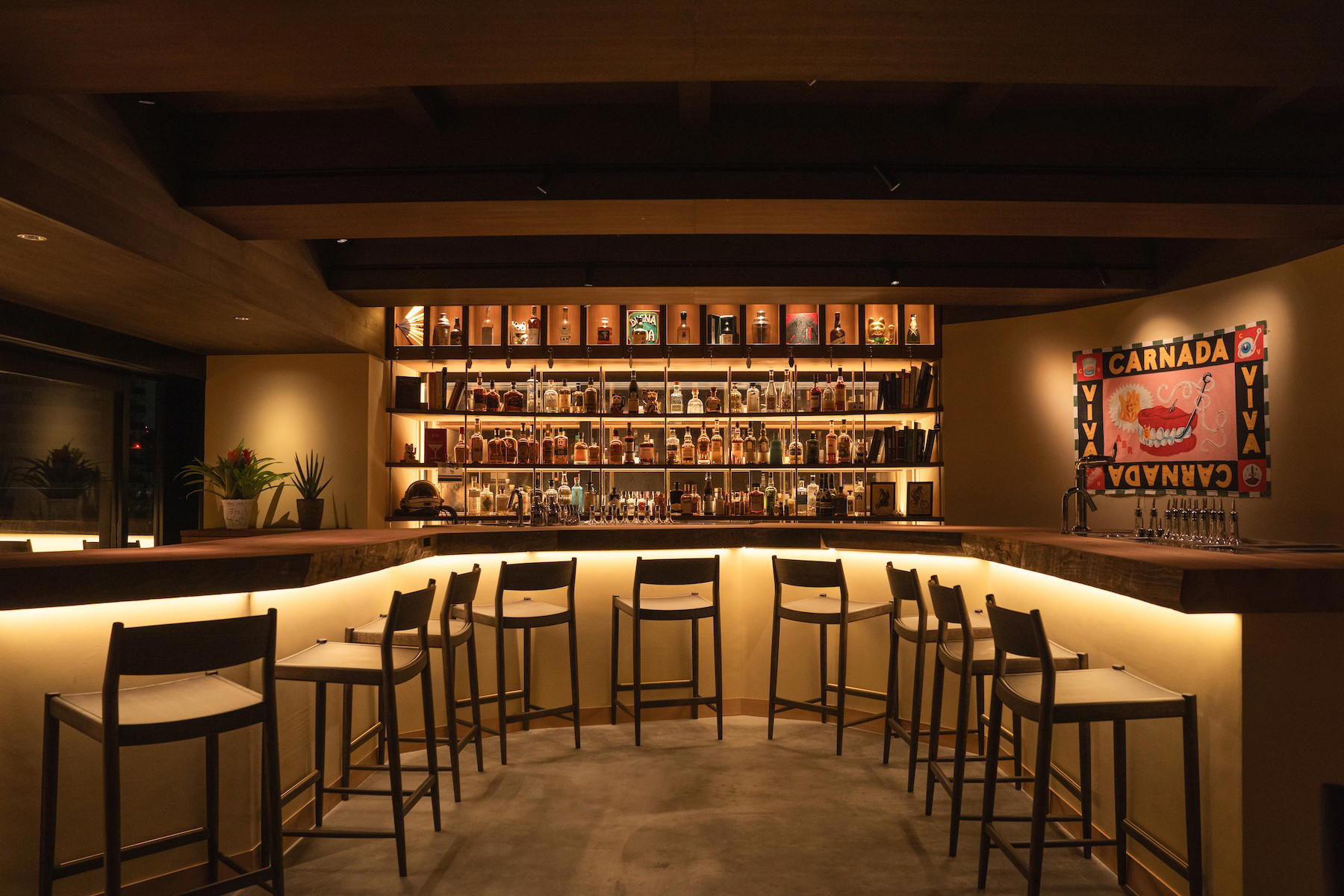
Casual izakaya atmosphere with lively energy, typical of a Japanese tavern setting near Yokohama Station.