
Yoda brings tonkatsu into the small-counter, reservation-only tier of Yokohama dining, with four seats and recognition from The Tabelog Award 2026 Silver and Tabelog 100 Tonkatsu 2026. The appeal is not scale or spectacle, but the Japanese logic of sequence, restraint, and close attention applied to a pork cutlet format.
Pearl is the En Primeur Club membership app — saves, bookings, and concierge access live there. Same editors, same standards.
- Address
- 101 25-16 Yamashitacho, Naka Ward, Yokohama, Kanagawa 231-0023, Japan
- Phone
- +81 50-1724-1232
- Website
- sites.google.com
- Directions
- Get directions
 Saves & bookings on Pearl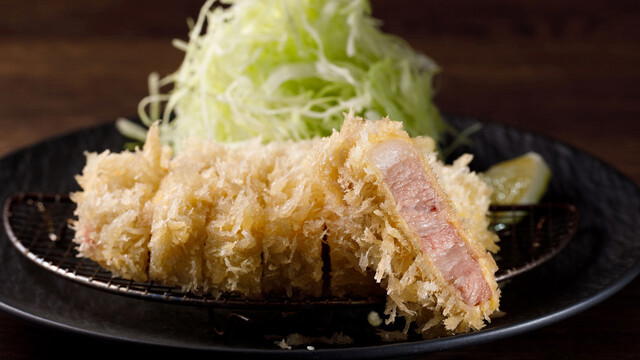
Yamashitacho’s dining texture shifts quickly: port-city hotels, Chinatown traffic, office blocks near Nihon Odori, then a quieter pocket where a four-seat counter feels closer to a private tasting room than a casual cutlet shop. Here, tonkatsu stops being quick lunch and becomes a study in pacing, temperature, sequence, and the quiet rhythm of service rather than the usual abundance of fried pork.
Yokohama has always absorbed outside influences without losing its local cadence, and that is the useful lens. Tonkatsu is a yoshoku-era dish, born from Western frying technique and folded into Japanese dining through rice, cabbage, sauce, and pickles. At the upper end, it now borrows some kaiseki discipline: controlled progression, respect for season and balance, and the belief that a familiar ingredient can justify close reading when handled precisely. Yoda sits in that newer, narrower tier, treating tonkatsu less as comfort food than as a focused counter experience.
When tonkatsu adopts the discipline of a seasonal counter
The kaiseki connection should not be overstated. This is not a formal tea-derived meal, and the category remains tonkatsu, cafeteria, and Japanese cuisine. The shared idea is aesthetic rather than literal: each element must earn its place, and excess weakens the line. In Japan’s higher-priced tonkatsu rooms, the cut, frying method, rice, condiments, and pacing all become part of the argument. The cutlet is judged not only by size or crunch, but by how the meal holds together from first bite to final grain of rice.
Recognition explains why this tiny Yokohama counter has moved beyond neighbourhood curiosity. The restaurant is listed as a The Tabelog Award 2026 Silver winner and selected for Tabelog 100 Tonkatsu 2026, with Tabelog scores appearing in the 4.32 to 4.35 range across the supplied award listings. In tonkatsu, where the gap between a competent fry and a destination meal can be narrow, sustained user-driven recognition signals diners tracking consistency, not just novelty.
The four-seat count is the defining operational fact. It changes the social contract. A larger tonkatsu restaurant can absorb indecision, late arrivals, and table chatter; this counter cannot. The experience is a compact, high-focus sitting, closer in mood to serious sushi or tempura counters than to cafeteria lunch. It is not formal in the Western sense, but it is unforgiving of casual planning.
Yamashitacho gives the meal its Yokohama context
Yamashitacho suits this kind of restaurant because the area already mixes old port-city cosmopolitanism with small, specialist Japanese rooms. The district sits within Yokohama’s dining circuit rather than Tokyo’s gravity, and that matters. Yokohama restaurants often make their case without the capital’s density of international diners. Recognition here tends to reward places locals and traveling Japanese diners cross town for, not venues built around a tourist script.
The surrounding city sharpens the contrast. Yokohama can move from yakitori to curry, Chinese-rooted local institutions, and precise specialist counters within a short ride. For a wider map, see Our full Yokohama restaurants guide, alongside city entries such as 1000 (Yakitori (Grilled chicken skewers)), Aichun, Ajowan, Alpenjiro Honten, and Anzen Shokudo. These rooms do not compete directly; Yokohama rewards diners who understand category before choosing a table.
Yoda’s category is narrow by design. The average spend is listed at JPY 8,000 to JPY 9,999 for both lunch and dinner, placing it well above everyday tonkatsu and inside the band where diners should expect concentration rather than variety for its own sake. The restaurant opened on April 10, 2021, and its rise into 2026 award lists reflects a post-pandemic Japanese dining pattern: small, reservation-led rooms gaining authority by controlling every seat, sitting, and plate leaving the counter.
How to plan around a four-seat meal
Practical planning is part of the editorial judgment. A restaurant with four seats and a maximum seated party size of four is not a flexible fallback after sightseeing. It suits solo diners and pairs seeking a quiet, close-range meal, and can work for a full-party booking only when the entire counter is treated with the discipline of a small private room. Private rooms and private use are unavailable, so the counter is the format, not an option.
Reservations are required through a completely online system, and phone reservations are not accepted. Payment is comparatively convenient for a small specialist restaurant: major credit cards, transportation IC cards, iD, QUICPay, and PayPay are accepted. The room is non-smoking, parking is not provided, and paid parking is nearby. The nearest station is Nihon Odori on the Minato Mirai Line, with Motomachi-Chukagai also within walking distance, making the meal easy to fold into a port-side Yokohama itinerary without an all-evening transit exercise.
For travellers building a broader Yokohama stay, the meal pairs naturally with planning beyond restaurants: Our full Yokohama hotels guide, Our full Yokohama bars guide, Our full Yokohama wineries guide, and Our full Yokohama experiences guide help frame the city around the table. Wider Japan planning can stretch from -Grilled beef Sukiyaki- KAMAKURA TANUKIAN 鎌倉 たぬき庵 in Kamakura and (Shoku) Vietnam in Kawasaki to. 鮪と炭火焼き うお炭 秋葉原店 in Tokyo.cafe in Osaka.know in Kumamoto, and [Curry Senmon Ten] Maruyama Kyoju. in Sapporo. For readers tracking Japanese drinking culture abroad, Jōdo Saké Bar in Los Angeles and Onigiri Time in Pasadena extend the same interest in format and craft across the Pacific.
The editorial case is clear: this is a specialist tonkatsu counter for diners who want the concentration of a small Japanese dining room applied to a familiar dish. Choose it for focus, not range; for quiet precision, not a lively night out.
Recognition, Side-by-Side
Comparable venues nearby, for context on price, style, and recognition.
| Venue | Cuisine | Price | Notes |
|---|---|---|---|
| YodaThis venue — the venue you are viewing | Modern Tonkatsu | $$$ | Not listed |
| Yakiniku AJITO Souhonten | Yakiniku (Japanese BBQ) | $$$ | Kanagawa |
| Yakitori Hifumi | Omakase Yakitori | $$$ | Naka |
| Omino Kamiyacho | Modern Yakitori Omakase | $$$ | Kamiyacho |
| Enishi | Traditional Japanese Gyutan Izakaya | $$$ | Kanagawa |
| Arai Ya Bankokubashi ten | Traditional Yokohama sukiyaki & gyu-nabe | $$$ | Naka |
Recognition history
Dated appearances from independent guides and award organizations, with the underlying list record or original source where available.
Tabelog 100 #43 · No. 43
Tabelog · Tabelog 100 - Tonkatsu - 2026
Tabelog Silver #158
Tabelog










At a Glance
- Modern
- Elegant
- Intimate
- Date Night
- Special Occasion
- Open Kitchen
Current opening hours
- Monday
- Closed
- Tuesday
- Closed
- Wednesday
- 12:30–2 PM, 6:30–8 PM
- Thursday
- 12:30–2 PM, 6:30–8 PM
- Friday
- 12:30–2 PM, 6:30–8 PM
- Saturday
- 12:30–2 PM, 6:30–8 PM
- Sunday
- 11 AM–2 PM, 6–9 PM
Hours can change for holidays and private events. Last verified .
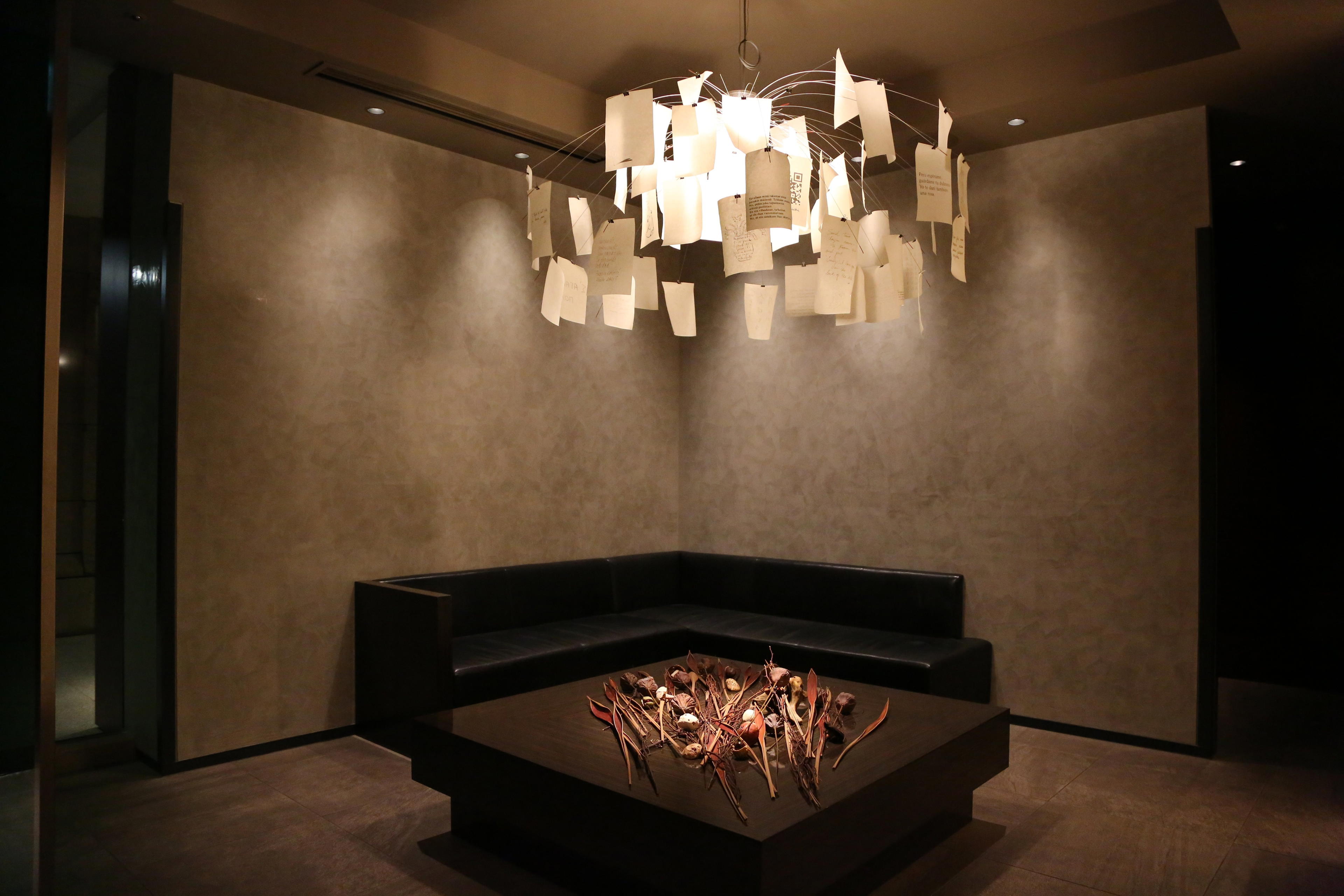
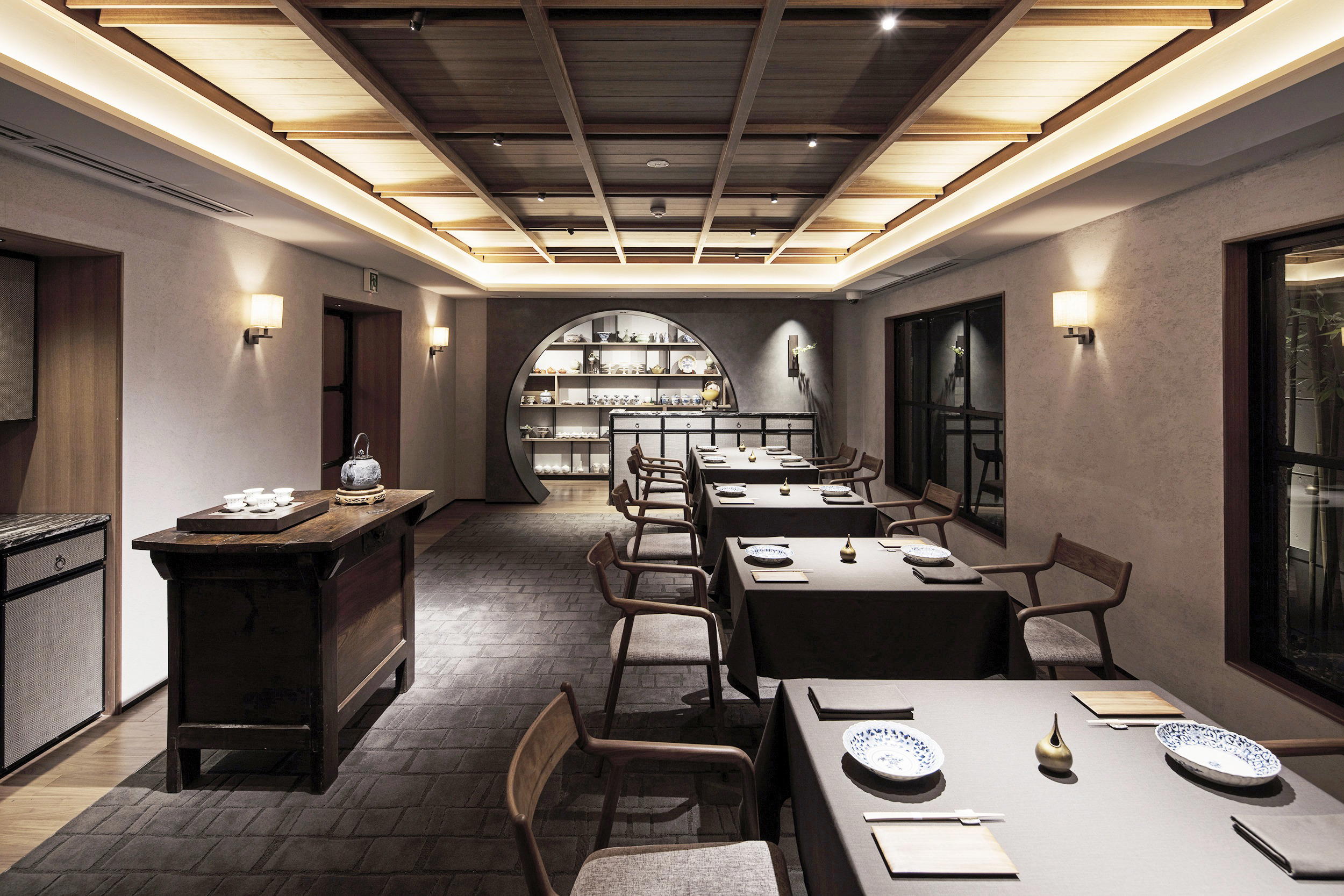
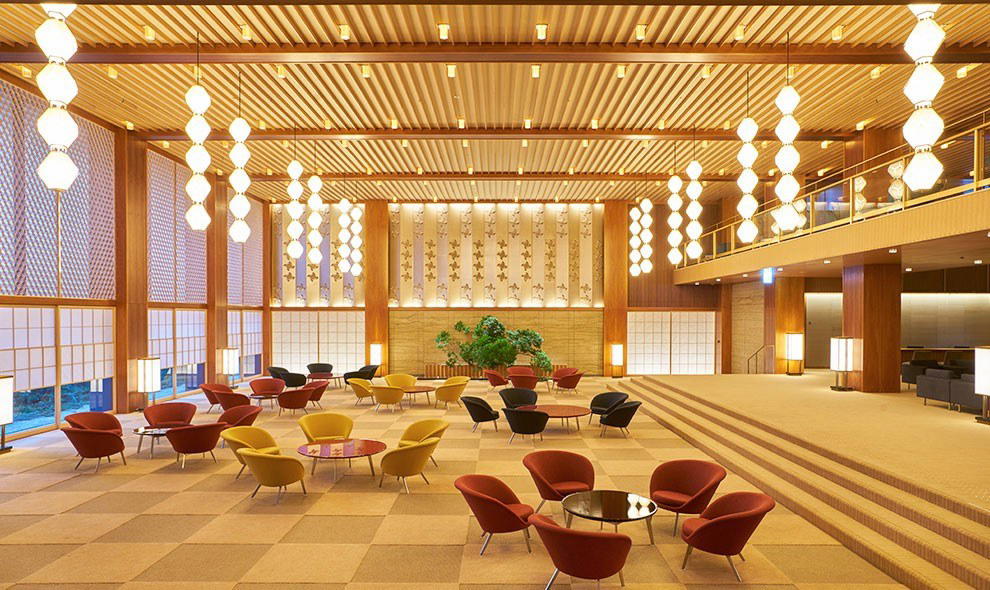
Chic, clean interior with counter seating overlooking the open kitchen and frying process, accompanied by classical music.