
A Yokohama sukiyaki and shabu-shabu room with a Tabelog 100 Hot Pot 2024 selection, Arai Ya Bankokubashi ten fits the city’s old port appetite for beef, private rooms, and group dining. The appeal is value rather than theatre: a heritage Kanto-style hot-pot format, 60 seats, tatami rooms, and a drink list that covers sake, shochu, and wine.
Pearl is the En Primeur Club membership app — saves, bookings, and concierge access live there. Same editors, same standards.
- Address
- Japan, 〒231-0002 Kanagawa, Yokohama, Naka Ward, Kaigandori, 4 Chome−23 海岸通4丁目市街地住宅 1階
- Phone
- +81 45-226-5003
- Website
- araiya.co.jp
- Directions
- Get directions
 Saves & bookings on Pearl
Approaching the Bankokubashi side of Yokohama, the city changes register: the waterfront offices, brick warehouses, and Bashamichi’s Meiji-era memory make beef hot pot feel less like nostalgia than local grammar. Sukiyaki belongs naturally here. Yokohama was one of Japan’s early gateways for Western food culture, and gyunabe, the beef hot pot that helped domesticate meat-eating in the late nineteenth century, remains one of the city’s more persuasive dining traditions. Arai Ya Bankokubashi ten sits inside that lineage with a Tabelog 100 Hot Pot 2024 selection, giving it a useful marker in a category where reputation often travels by family habit and repeat bookings rather than international guidebook noise.
Kanto-style beef hot pot with Yokohama logic
Hot pot in Japan is not a single experience. Kansai-style sukiyaki often begins by searing beef before seasoning; Kanto-style cooking works more directly with warishita, the sweet-savoury soy-based broth that sets the rhythm for beef, vegetables, tofu, and noodles. In Yokohama, that Kanto register carries particular weight because the city’s beef culture predates much of the modern luxury-restaurant vocabulary now attached to wagyu. The point is not novelty. It is controlled repetition: heat, broth, beef, timing, and enough room at the table for conversation.
That format explains the value proposition better than any decorative language could. In a city where contemporary tasting-menu rooms such as SUIRINKAKU and SMAAK operate in a higher dinner band, and where Osteria Austro and Sumibi Kappou An occupy adjacent mid-to-premium territory, a sukiyaki specialist offers a different calculation. The spend buys a full table ritual rather than a sequence of plated courses. It also travels well across occasions: family meals, visiting friends, and business-adjacent dinners where privacy matters more than a chef’s counter.
The Tabelog 100 Hot Pot 2024 selection matters because sukiyaki and shabu-shabu are crowded Japanese categories, especially around major rail corridors. Recognition here signals consistency within a peer group built around broth discipline, beef sourcing, room comfort, and service choreography. Arai Ya Bankokubashi ten is not competing with Yokohama’s chocolate cafés or curry specialists; it belongs to the city’s older dining architecture, where a table can function as both meal and meeting place.
Why the room matters as much as the beef
Hot pot exposes weak hospitality faster than many cuisines. Pacing, burner management, table spacing, and the ability to host mixed-age groups all matter. This is where the venue’s 60-seat scale and private-room structure become part of the critical assessment. Private rooms are available across several group sizes, with semi-private options also listed, and that gives the restaurant a practical advantage over tighter counter-led formats. The room is built for people who want sukiyaki without surrendering the evening to performance.
The room details also clarify how to read the price-to-experience equation. Tatami rooms and more spacious seating shift the meal away from quick urban refuelling and toward a slower, shared format. Drinks run through sake, shochu, and wine, which is exactly the range a beef hot-pot table needs: rice-based clarity, distilled weight, or grape acidity depending on the group’s mood. Smoking is not part of the dining room experience, and children are welcome, two details that make the restaurant easier to place within Yokohama’s family-and-friends dining culture rather than a special-occasion-only circuit.
There is a second, quieter value point: lunch and dinner play different roles. Yokohama diners often use lunch for access, especially when a category is more expensive at night. A hot-pot specialist that serves both day and evening meals lets travellers choose between a lighter introduction and a fuller dinner without changing genre. That flexibility is useful in a city where many visitors try to fit Minatomirai, Kannai, Chinatown, and the waterfront into a single day.
Where it fits in a Yokohama eating day
Bankokubashi and Bashamichi reward diners who think by neighbourhood rather than by isolated destination. This is not a Shibuya-style restaurant hunt; the pleasure comes from pairing a meal with the port-city grid around it. For a Yokohama itinerary, sukiyaki here makes more sense after museums, waterfront walking, or an afternoon around Minatomirai than as a rushed stop between trains. The format asks for time, but not preciousness.
Within EP Club’s Yokohama map, it forms one pole of a wider dining day. Readers looking at skewers can compare the casual precision of 1000 (Yakitori (Grilled chicken skewers)); those tracking older local staples may also look at Aichun. Curry, Western-style comfort, and regional Japanese cooking create other routes through the city, from Ajowan and Alpenjiro Honten to Anzen Shokudo. For broader planning, use Our full Yokohama restaurants guide, then match the meal with Our full Yokohama hotels guide, Our full Yokohama bars guide, Our full Yokohama wineries guide, and Our full Yokohama experiences guide.
Travellers comparing Japanese beef traditions beyond Yokohama can place this table against -Grilled beef Sukiyaki- KAMAKURA TANUKIAN 鎌倉 たぬき庵 in Kamakura, while other city references show how broad the casual-to-specialist range becomes across Japan:. 鮪と炭火焼き うお炭 秋葉原店 in Tokyo.cafe in Osaka.know in Kumamoto, (Shoku) Vietnam in Kawasaki, and [Curry Senmon Ten] Maruyama Kyoju. in Sapporo. Outside Japan, Jōdo Saké Bar in Los Angeles and Onigiri Time in Pasadena show how Japanese drinking and everyday rice formats translate abroad, but Yokohama’s beef hot-pot heritage remains tied to its port history.
The editorial call is clear: choose this for a Yokohama meal where the value sits in tradition, table comfort, and shared pacing rather than chef-driven novelty. The Tabelog hot-pot recognition supplies the trust signal; the room format supplies the reason to go with more than two people. In a city with flashier contemporary dining, Arai Ya Bankokubashi ten makes its case through an older form of luxury: beef, broth, privacy, and time.
Standing Among Peers
Side-by-side context: comparable cuisine and price.
| Venue | Cuisine | Price | Notes |
|---|---|---|---|
| Arai Ya Bankokubashi ten | Traditional Yokohama sukiyaki & gyu-nabe | $$$ | Naka |
| Yakitori Saito | Traditional Yakitori | $$$ | Naka |
| Sushi Tsugu | Edomae Sushi Omakase | $$$ | Naka |
| Bashamichi Okawa | Kaiseki Japanese | $$$ | Naka |
| Chiba Hanare | Yakitori | $$$ | Kanagawa |
| Ramen Garaku | Japanese Ramen | $$ | Aoba |
Recognition history
Dated appearances from independent guides and award organizations, with the underlying list record or original source where available.
Tabelog 100 #6 · No. 6
Tabelog · Tabelog 100 - Hot Pot - 2024








At a Glance
- Classic
- Elegant
- Cozy
- Romantic
- Well Known
- Business Dinner
- Date Night
- Family
- Group Dining
- Special Occasion
- After Work
- Historic Building
- Private Dining
- Standalone
- Sake Program
- Local Sourcing
Current opening hours
- Monday
- Closed
- Tuesday
- 11 AM–2:30 PM, 5–10 PM
- Wednesday
- 11 AM–2:30 PM, 5–10 PM
- Thursday
- 11 AM–2:30 PM, 5–10 PM
- Friday
- 11 AM–2:30 PM, 5–10 PM
- Saturday
- 11 AM–2:30 PM, 5–10 PM
- Sunday
- 11 AM–2:30 PM, 5–10 PM
Hours can change for holidays and private events. Last verified .
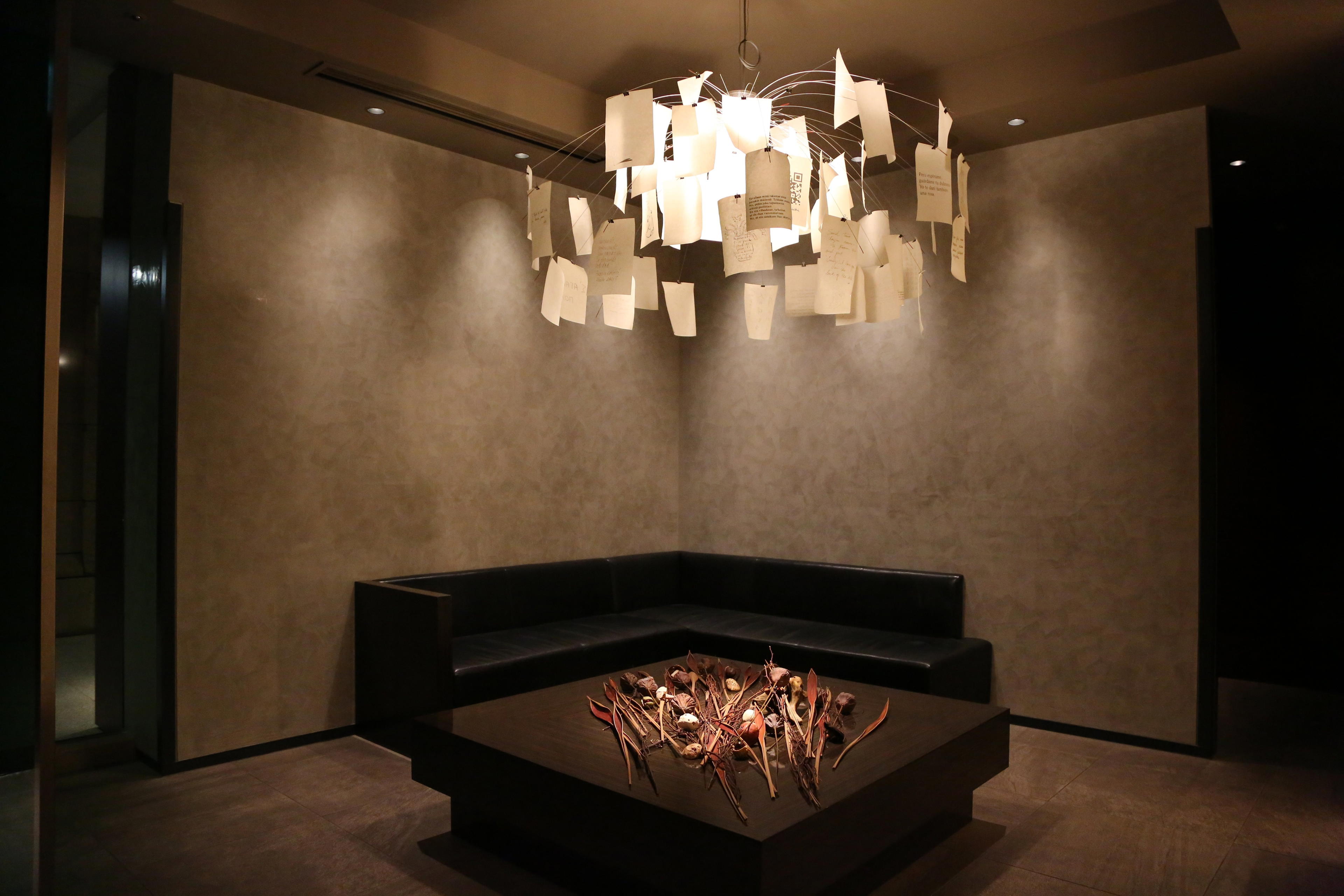
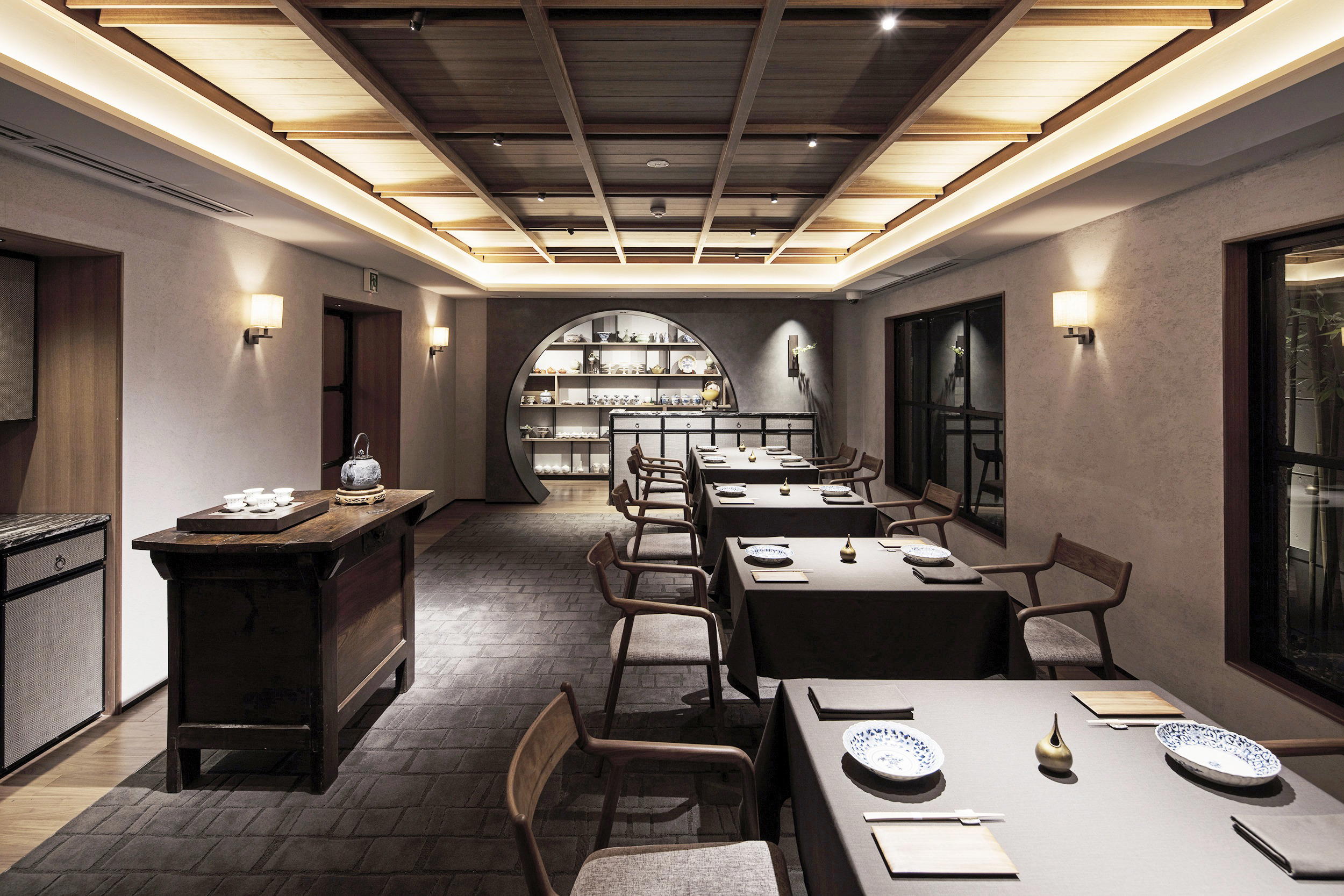
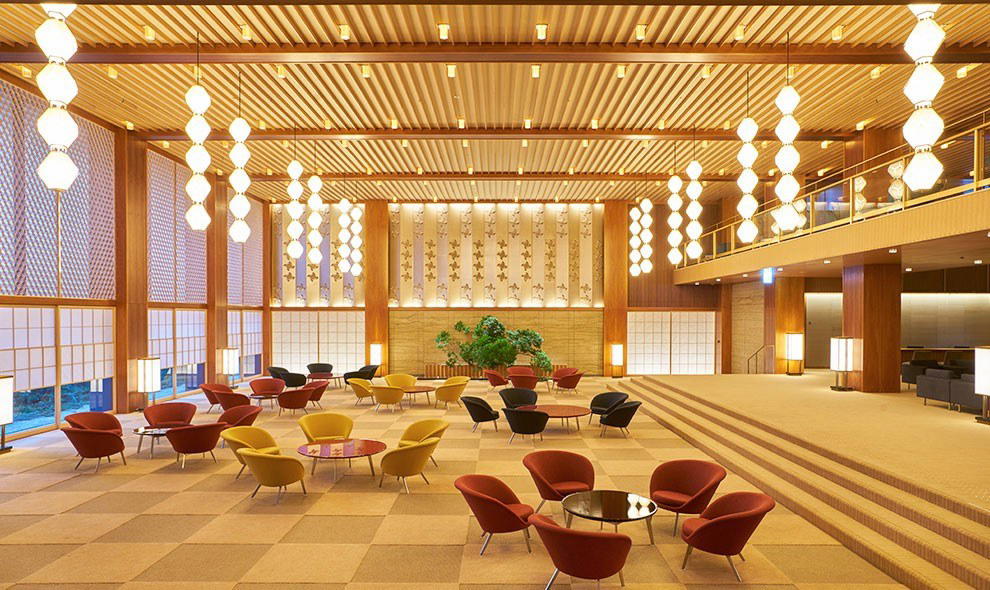
Traditional Japanese atmosphere with tatami rooms and low tables, calm and refined rather than noisy, emphasizing a classic sukiyaki-house feel suitable for relaxed meals and special occasions.