ラ・ボンバンス occupies a quietly serious address in Nishiazabu, one of Tokyo's most concentrated corridors for high-discipline Japanese dining. The restaurant operates within a tradition where the meal's structure, pacing, and sequence carry as much meaning as the ingredients themselves. For those familiar with how Tokyo's kaiseki-adjacent scene has developed over the past two decades, it represents a considered point on that map.
Pearl is the En Primeur Club membership app — saves, bookings, and concierge access live there. Same editors, same standards.
- Address
- Japan, 〒106-0031 Tokyo, Minato City, Nishiazabu, 2 Chome−26−21 ドゥーエ西麻布I
- Phone
- +81357786511
- Website
- bombance.com
 Saves & bookings on Pearl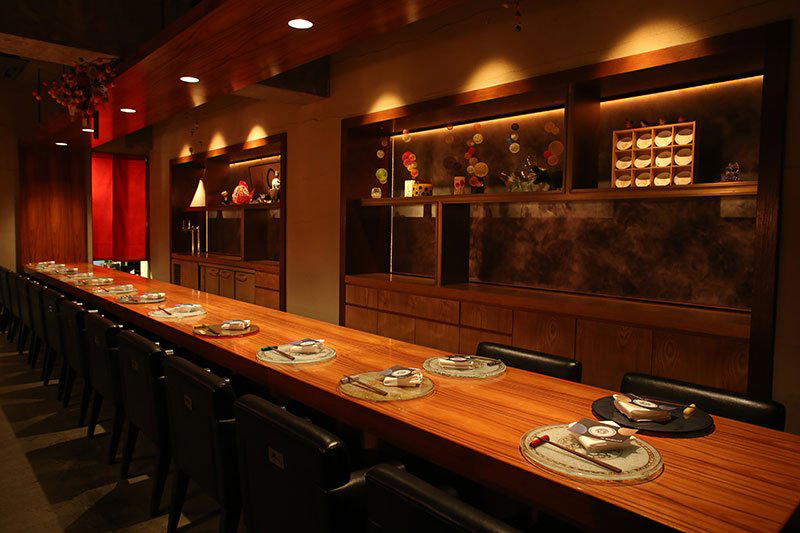
Nishiazabu and the Architecture of the Formal Japanese Meal
Tokyo's Nishiazabu district has spent roughly two decades building a reputation that has little to do with volume or visibility. The neighbourhood sits between Roppongi's commercial density and Hiroo's residential quiet, and that geographic middle ground has proved productive: it attracts kitchens that depend on committed regulars rather than tourist foot traffic, and where the meal's internal logic matters more than the address's prestige. ラ・ボンバンス operates within that context, at 2-26-21 Nishiazabu, Minato City, a location that signals intent before a single course arrives.
The broader category to which ラ・ボンバンス belongs has drawn close attention in Japanese dining. Restaurants that blend classical Japanese technique with a more open, contemporary sensibility have carved a distinct tier between the rigidity of traditional kaiseki and the European-influenced innovation that defines places like L'Effervescence or Sézanne. The interest lies not in fusion as a concept but in how the meal's sequence, ritual, and pacing are used to carry meaning.
The Ritual of the Meal: Sequence, Pacing, and What They Signal
In formal Japanese dining, the architecture of the meal is inseparable from its content. The kaiseki tradition, which organises courses around seasonal produce, textural contrast, and the gradual movement from light to rich, sets an expectation for pacing that places considerable demands on both kitchen and guest. The guest is expected to pay attention: to notice what changes between courses, to register the arrival of seasonal ingredients, to read the meal as a structured argument rather than a collection of dishes.
ラ・ボンバンス works within this grammar. The name itself, a French word meaning festivity or abundance, hints at a sensibility that respects the discipline of Japanese sequence while allowing for a fuller, more celebratory register. That tension between formal structure and generous spirit is a recurring feature of the Nishiazabu dining scene, which consistently attracts kitchens unwilling to choose between rigour and pleasure. For comparison, RyuGin, also operating in Tokyo's high-discipline Japanese tier, resolves that tension differently: towards technical spectacle and seasonal drama. ラ・ボンバンス's framing, by name and by neighbourhood positioning, suggests a warmer resolution.
The etiquette expectations that accompany this style of dining are worth noting. Courses arrive at a pace set by the kitchen, not by the table. Engaging with each course as it comes, rather than rushing, is both practical and appropriate. Courses are typically explained by the server, what the ingredient is, where it is from, why it appears now, and those explanations are integral to the meal rather than supplementary to it. The degree to which a diner participates in that exchange shapes the experience considerably.
Tokyo's High-Discipline Japanese Tier: Where ラ・ボンバンス Sits
Understanding ラ・ボンバンス requires some mapping of the broader category. Tokyo's premium Japanese dining scene has stratified considerably. At the apex sit Michelin-decorated counters and kaiseki rooms where the booking window runs three to six months, and where the price per head at dinner can reach or exceed ¥50,000. Below that sits a densely competitive mid-tier where the food quality can rival the apex restaurants, but the format is slightly less ceremonial and the price point correspondingly lower. ラ・ボンバンス has historically occupied serious ground within this scene, though the price per person is about $150, and reservations are essential.
For travellers building a broader Japan itinerary, it is worth noting that the dining rituals that define Nishiazabu restaurants like ラ・ボンバンス find close parallels in other Japanese cities. Gion Sasaki in Kyoto and HAJIME in Osaka both operate within traditions where the meal's structure is a primary vehicle for meaning. Goh in Fukuoka and akordu in Nara extend the conversation to regional settings where access to local produce shapes the kitchen's seasonal logic in different ways. Across all of these, the underlying ritual, the expectation of attention, the course-by-course pacing, the seasonal argument, remains consistent.
Within Tokyo itself, the comparable set is demanding. Harutaka operates in the sushi counter format where the ritual is compressed and intensely focused on the chef-guest exchange. Crony works in innovative French territory where the meal's sequence borrows from European tasting menu logic. ラ・ボンバンス occupies different ground: a Japanese-rooted sensibility that uses French cultural references in its naming without abandoning the structural integrity of the Japanese meal.
Dining in Japan's Broader Circuit: Regional Comparisons
For those building a multi-city Japan itinerary around serious dining, the country's regional scene offers depth that extends well beyond Tokyo and Kyoto. 一本杉 川嶋制 in Nanao and 湖畔荘 in Takashima represent the kind of regionally embedded dining where proximity to specific coastlines or mountain environments gives the meal a geographic argument that urban restaurants can only approximate. 古代山乃 in Sapporo and 鷹羽屋 in Nishikawa Machi offer northern seasonal perspectives that differ considerably from the Kanto or Kansai frameworks. These comparisons are useful not to rank the cities but to understand how different Japanese dining environments handle the same underlying ritual logic.
Elsewhere in the wider EP Club network, Birdland in Sakai and Bistro Ange in Toyohashi demonstrate how provincial Japanese dining continues to develop on its own terms, independent of the capital's gravitational pull. Internationally, the discipline of a structured tasting sequence finds loose parallels in Le Bernardin in New York City and the Korean-influenced fine dining at Atomix, both kitchens where the meal's internal rhythm is treated as a formal element, not an afterthought.
Planning Your Visit
ラ・ボンバンス is located at 2-26-21 Nishiazabu, Minato City, Tokyo, within comfortable walking distance of Hiroo Station and accessible by taxi from Roppongi. Reservations: Contact the restaurant directly; advance booking is advisable given the neighbourhood's demand profile, particularly for weekend evenings. Dress: Smart casual at minimum; the Nishiazabu dining room environment tends to reward considered dress without imposing formal codes. Budget: Expect about $150 per person. Timing: Lunch and dinner are both available.
For a broader overview of Tokyo's dining scene across price tiers and cuisines, see our full Tokyo restaurants guide.
Price and Recognition
Comparable venues nearby, for context on price, style, and recognition.
| Venue | Cuisine | Price | Awards | Notes |
|---|---|---|---|---|
| ラ・ボンバンスThis venue — the venue you are viewing | Minato, Modern Japanese Creative Cuisine | $$$$ | , | |
| Kyoaji (京味) | $$$$ | , | Shinbashi, Traditional Kyoto-Style Kaiseki Omakase | |
| Sushi Sugita (日本橋 蛎殻町 すぎた) | Nihonbashi, Traditional Edomae Omakase | $$$$ | , | |
| Yakiniku Ushigoro Nishiazabu | $$$$ | , | Minato, Premium Yakiniku (Japanese BBQ) | |
| Toribayashi | Minato, Modern Yakitori Omakase | $$$$ | , | |
| Sushi Shinpaku | Shibuya, Japanese Sushi Omakase | $$$$ | , |











At a Glance
- Elegant
- Sophisticated
- Intimate
- Hidden Gem
- Special Occasion
- Date Night
- Business Dinner
- Private Dining
- Sake Program
- Extensive Wine List
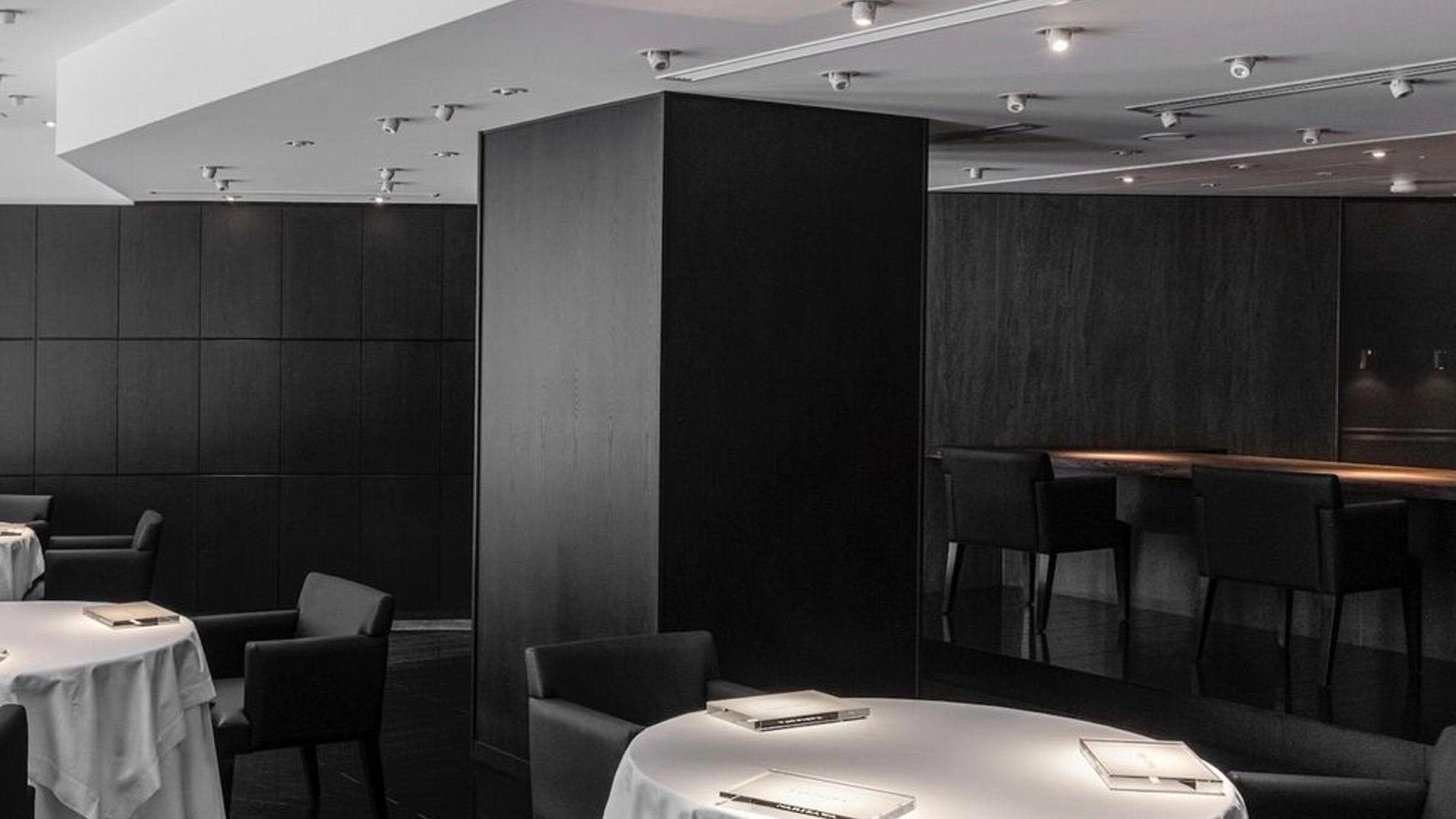
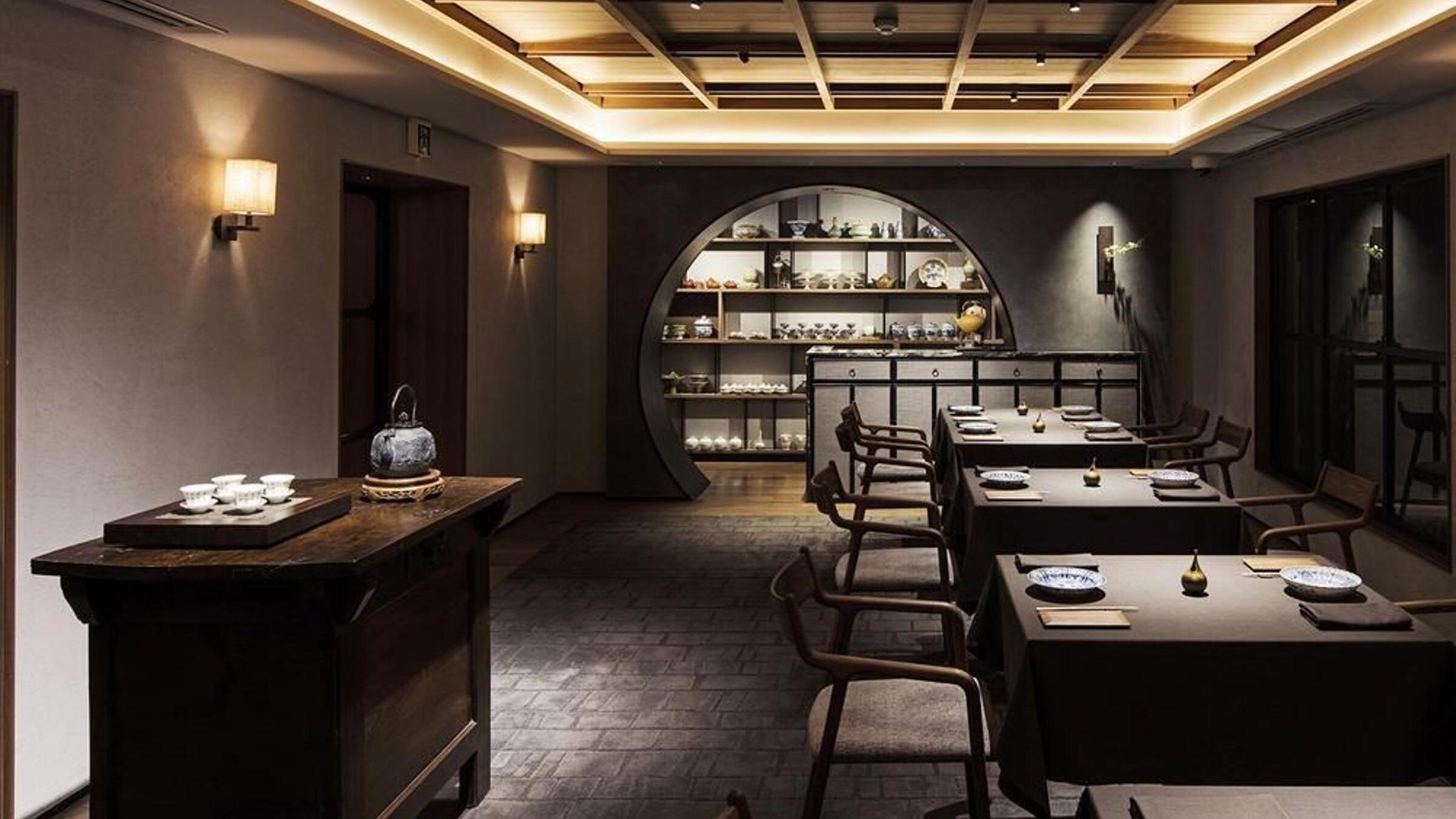
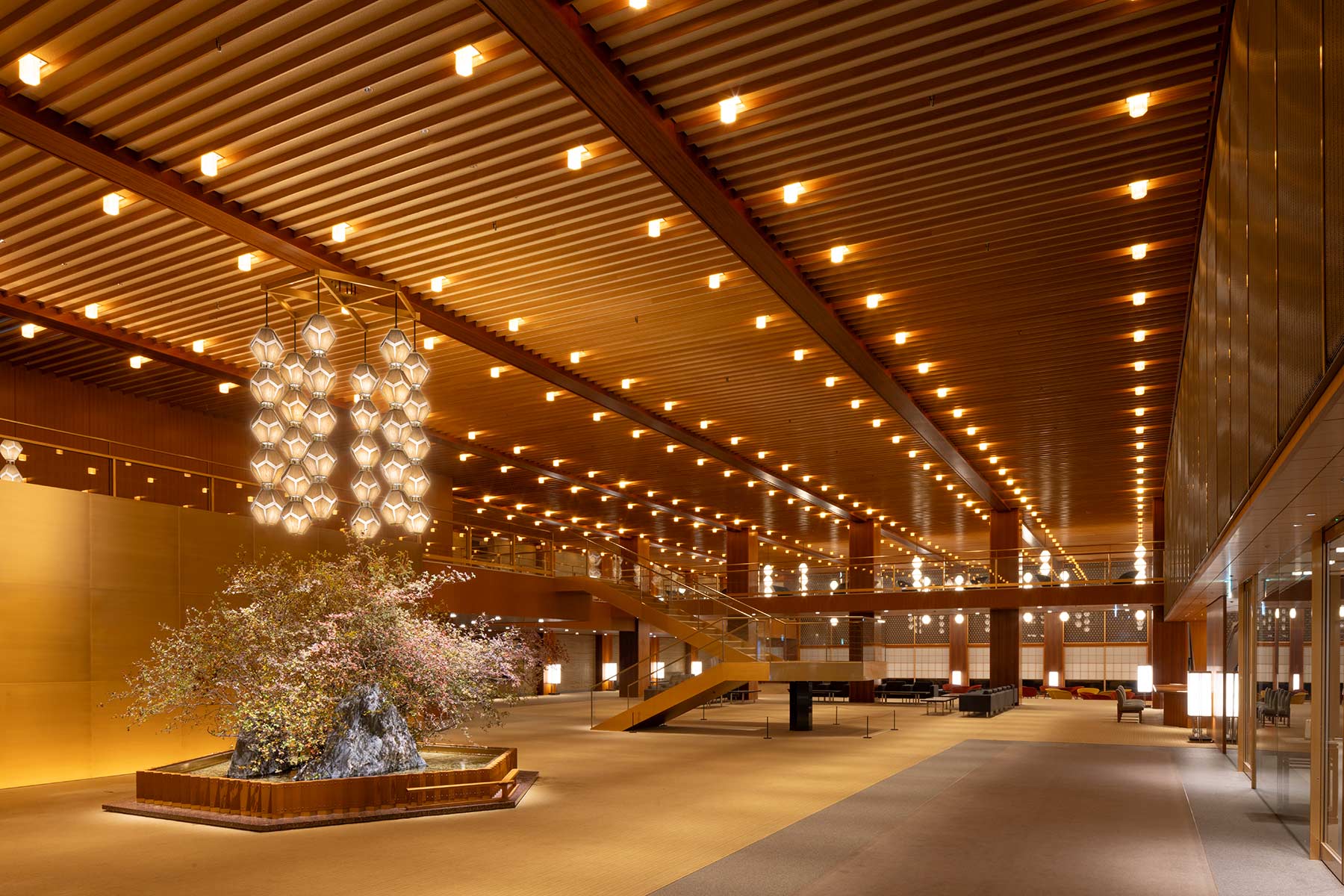
Stylish and refined atmosphere with attention to detail, featuring a unique bar area from a single tree, creating an intimate and sophisticated dining experience.