Tabelog 100 #49
Our verdict
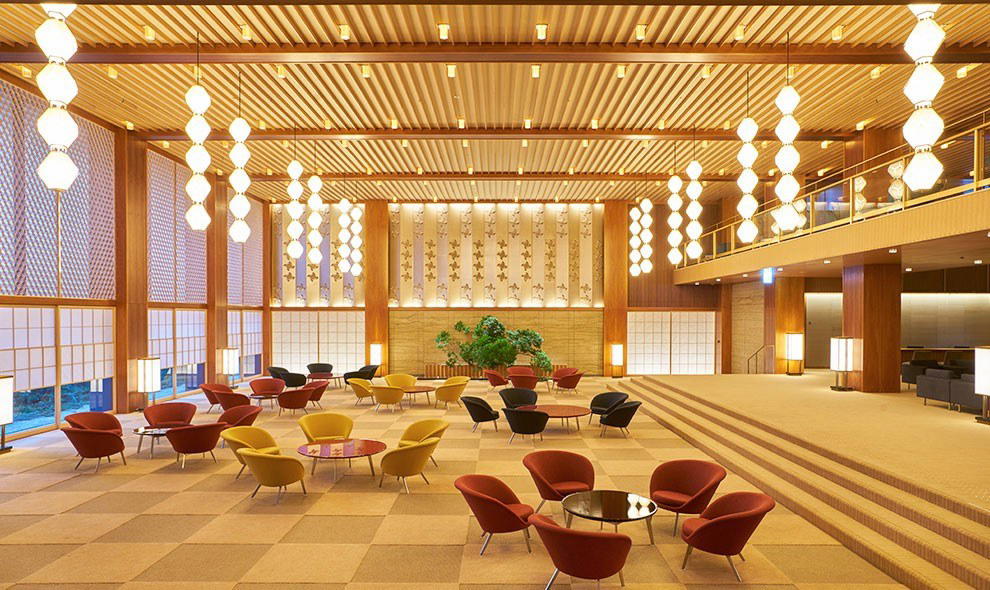
Yakiniku Ushigoro Nishiazabu sits in Tokyo's Nishiazabu dining corridor, where premium yakiniku has steadily replaced the neighbourhood's older French-bistro identity. The Ushigoro group operates across several Tokyo addresses, each positioning Japanese Wagyu as the centrepiece of a structured, multi-course grilling sequence rather than a casual table-service format. Nishiazabu is the group's most design-forward outpost, drawing a clientele that overlaps with the area's kaiseki and contemporary French rooms.

Pearl is the En Primeur Club membership app, where members save venues, book tables and use the concierge.
The menu
What to order
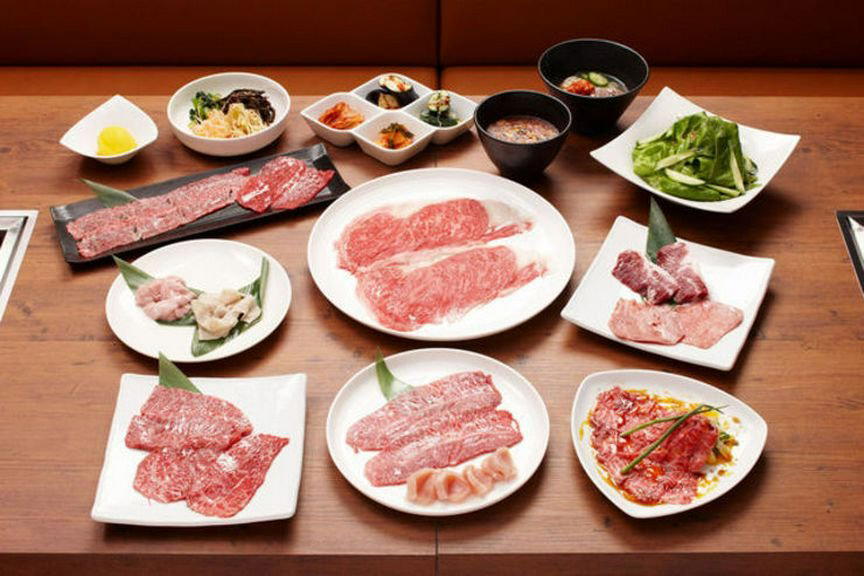
- Comprehensive Black Tongue
- Zabuton Sukiyaki
- Chuck Roll
- Beef Tongue
- Yukhoe
Where Premium Yakiniku Took Root in Tokyo
Nishiazabu's restaurant corridor runs south from Roppongi-Itchome through a grid of low-rise buildings that have, over the past two decades, become one of Tokyo's most concentrated patches of high-spend dining. The neighbourhood housed French bistros and members-only bars long before kaiseki and yakiniku moved in, but the shift has been decisive. Premium yakiniku, a format once associated with Roppongi's louder entertainment district, migrated toward quieter residential pockets like Nishiazabu as operators began building around Japanese Wagyu the way earlier restaurateurs built around tasting menus. Yakiniku Ushigoro Nishiazabu, operating from the first floor of the Barbizon 73 building on Nishiazabu 2-chome, is one product of that migration.
The Ushigoro group has multiple addresses across Tokyo, which places it in a different tier from single-location independents. Multi-site yakiniku operators in this city tend to run one of two models: volume-focused rooms with broad beef selections and rapid table turns, or restraint-led formats where Wagyu is sourced from specific producers, graded with precision, and served in a progression that rewards patience. Ushigoro belongs to the latter category. The Nishiazabu location in particular draws a clientele that also books rooms at kaiseki counters and contemporary French addresses in the same neighbourhood, suggesting the price and format positioning sits closer to RyuGin or L'Effervescence than to casual grill houses.
The Arc of a Yakiniku Meal Done Seriously
The case for framing premium yakiniku through a tasting-progression lens is stronger than it looks from outside the format. At a counter or private room built around high-grade Japanese beef, the sequencing matters as much as the sourcing. Leaner cuts with tighter grain arrive early, when the palate is cleanest. Fattier sections follow as the meal builds in richness, and the final savoury courses, often rice and soup, act as a structural landing point rather than an afterthought. This architecture mirrors what kaiseki does with seasonal ingredients and what French tasting menus do with texture and temperature contrast. The difference is that the diner participates directly: the grill is the table, and pacing is a shared negotiation between guest and staff.
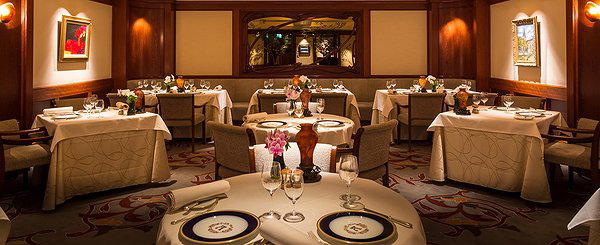
Ushigoro's multi-location format means the kitchen has developed consistent sourcing relationships, which is the operational prerequisite for this kind of progression. You cannot sequence a meal by cut and grade if the supply chain varies weekly. Japanese Wagyu graded at A4 or A5 on the Beef Marbling Standard represents a specific fat-to-lean ratio, and the leading yakiniku operators use that consistency to build courses the way a chef uses sauce reductions and resting times to build a plate. At Nishiazabu, the room's design signals that this is the intention: intimate, considered, with a private-dining sensibility that discourages the boisterous group-dinner energy common at lower-tier yakiniku chains.
For readers who track Tokyo's broader Wagyu scene, the comparison set extends beyond the city. Goh in Fukuoka and Gion Sasaki in Kyoto represent what serious protein-forward sourcing looks like when filtered through kaiseki discipline; Ushigoro Nishiazabu applies a related logic but keeps the yakiniku format intact rather than folding it into a broader Japanese tasting structure.
Nishiazabu's Position in the Tokyo Dining Map
For visitors building a Tokyo itinerary around serious restaurants, Nishiazabu functions as an extension of the Roppongi dining cluster but with a noticeably different atmosphere. The streets are quieter, the restaurant frontages more discreet, and the overall feel leans residential rather than commercial. This character suits the Ushigoro positioning: yakiniku in a room that does not announce itself loudly is a different product from yakiniku in a venue designed to signal status through scale or spectacle.
Visitors who have explored kaiseki outside Tokyo at venues like HAJIME in Osaka or akordu in Nara will recognise the format logic: sourcing precision, restrained environments, and a meal that builds deliberately rather than arriving all at once. See our full Tokyo restaurants guide for broader context on the city's dining tiers and neighbourhoods.
Further afield, Japan's regional dining scene holds strong reference points for beef-focused formats. Nanao and Sapporo both have producer-linked dining traditions that inform how urban operators like Ushigoro think about provenance. Even internationally, the question of how to structure a protein-forward meal at the premium tier surfaces at venues like Le Bernardin in New York City and Atomix, where sequencing discipline and sourcing transparency have become competitive differentiators in their own right.
Planning a Visit
Yakiniku Ushigoro Nishiazabu is located at 2-24-14 Nishiazabu, Minato City, Tokyo, on the first floor of Barbizon 73. The address sits within walking distance of Hiroo Station on the Hibiya Line and is a short taxi ride from Roppongi. As with most serious yakiniku in this price bracket, reservations are expected rather than optional, and the booking window at Ushigoro's Tokyo addresses typically runs several weeks ahead, particularly for weekend evenings. Contacting the venue directly via their reservations channel is the most reliable approach; third-party platforms sometimes carry older availability. Smart timing favours weekday dinners, when the room operates at a more deliberate pace. The Nishiazabu location suits visitors who have already covered Tokyo's sushi and kaiseki circuits and are ready to assess how the city's premium yakiniku tier compares. Other Japan itinerary options worth considering alongside Nishiazabu include Takashima, Nishikawa Machi, and Birdland in Sakai for their respective regional approaches to precision sourcing. Bistro Ange in Toyohashi offers a contrasting French-Japanese lens if that comparison is useful to your planning.
Frequently asked questions
Is Yakiniku Ushigoro Nishiazabu formal or casual?
The setting at Barbizon 73, a low-rise address in one of Minato City's most quietly serious dining corridors, signals a considered but not stiff environment. Premium yakiniku venues in this Nishiazabu tier generally expect guests to dress presentably, though a jacket is not required. The format centres on the grill and the beef, not on ceremony.
How do I find Yakiniku Ushigoro Nishiazabu?
Yakiniku Ushigoro Nishiazabu is located at Japan, 〒106-0031 Tokyo, Minato City, Nishiazabu, 2 Chome−24−14 Barbizon 73, 1F, Tokyo.
How does Yakiniku Ushigoro Nishiazabu compare to other Ushigoro locations in Tokyo?
The Nishiazabu address at Barbizon 73 in Minato City places this branch within the densest concentration of serious Tokyo restaurants, distinct from the group's locations in areas with heavier tourist traffic. That neighbourhood context tends to pull the room toward a local, repeat-visit clientele rather than first-time guests, which shapes both the pace and the expectations of service. For diners already familiar with premium yakiniku in Tokyo, the Nishiazabu branch is generally considered the group's most atmosphere-consistent setting relative to its immediate surroundings.
What should I eat at Yakiniku Ushigoro Nishiazabu?
Yakiniku at this level is structured around wagyu cuts grilled in a deliberate sequence, moving from lighter, more delicate pieces toward richer, more intensely marbled sections. Ordering should follow that progression rather than arriving as an unordered spread. The kitchen's position in the Ushigoro group suggests the beef sourcing is central to the offer, so prioritise whatever the house recommends as its current primary cuts.
How hard is it to get a table at Yakiniku Ushigoro Nishiazabu?
The Ushigoro name carries consistent demand across its Tokyo locations, and the Nishiazabu address draws both a local Minato City clientele and visiting diners building itineraries around serious restaurants. Reservations through the venue's official channels or a concierge service are advisable well in advance, particularly for weekend evenings. Walk-ins at this tier of Tokyo yakiniku are rarely reliable.
What's the signature at Yakiniku Ushigoro Nishiazabu?
The defining characteristic of the Ushigoro approach is wagyu grilled in a tasting progression, a format that treats yakiniku with the same sequential logic as an omakase course. At the Nishiazabu location, that means premium Japanese beef served cut by cut, with the grade and sourcing of the cattle as the organising principle rather than volume.
Can Yakiniku Ushigoro Nishiazabu accommodate dietary restrictions?
Premium yakiniku is a beef-centred format by definition, and the menu at this level is built almost entirely around wagyu cuts. Guests with red meat restrictions or strict vegetarian requirements will find little to work with. Specific allergen or dietary requests should be communicated directly to the venue at the time of booking, as substitutions at this calibre of restaurant depend on advance notice.
Fast Comparison
Comparable venues nearby, for context on price, style, and recognition.
| Venue | Cuisine | Price | Awards | Notes |
|---|---|---|---|---|
| Yakiniku Ushigoro NishiazabuThis venue (the venue you are viewing) | Premium Yakiniku (Japanese BBQ) | $150–200 | Tabelog 100 #49 | Not listed |
| Fukuji (ふぐ福治) | Fugu (Pufferfish) Fine Dining | $300–500 | Not listed | Ginza |
| 鮨処やまと | Edomae Sushi Omakase | $200–300 | Not listed | Tsukiji |
| Sushi Kinoshita | Seasonal Japanese & Edomae Sushi Omakase | $200–300 | Tabelog 100 #70 | Minato |
| Roku Roku | Edo-mae Sushi & Kaiseki | $50–100 | Not listed | Minato |
| 懐石 辻留 | Traditional Kaiseki Tea Ceremony Cuisine | $200–300 | La Liste Top Restaurants | Minato |
Recognition history
Dated appearances from independent guides and award organizations, with the underlying list record or original source where available.
Tabelog 100 #49 · No. 49
Tabelog · Tabelog 100 - Yakiniku - TOKYO - 2025