

Toribayashi is an eight-seat Azabujuban yakitori counter operating in Tokyo’s high-precision, reservation-only grill culture. Expect a premium dinner bracket, Tabelog Yakitori EAST 100 selection in 2025, and a format built around close-range charcoal work rather than broad à la carte sprawl.
Pearl is the En Primeur Club membership app — saves, bookings, and concierge access live there. Same editors, same standards.
- Address
- Japan, 〒106-0045 Tokyo, Minato City, Azabujuban, 1 Chome−6−9 ARUGA22 4階
- Phone
- +81 3-6689-9279
- Website
- omakase.in
 Saves & bookings on Pearl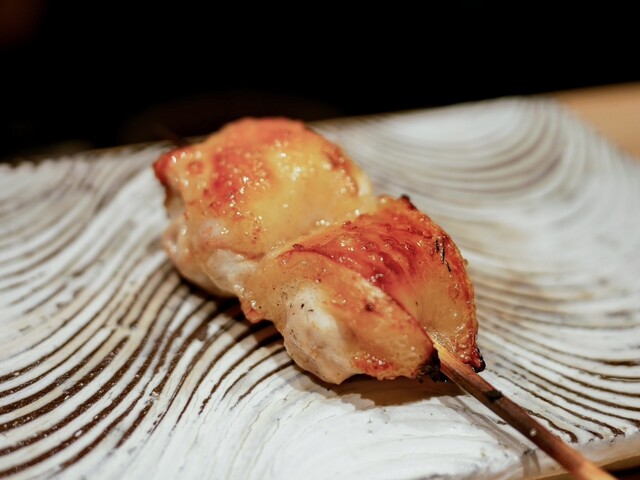
Azabujuban has a particular rhythm after dark: diplomatic cars on low-lit side streets, late dinners after the office rush, and small counters becoming serious stages for fire cooking. Here, yakitori is not casual bar food scaled upward; it is a progression meal, where heat, timing, fat, seasoning, and pacing carry the argument course by course.
Toribayashi belongs to Tokyo yakitori’s compact, high-attention side: eight seats, counter-led service, a smoke-free room, and a recognition profile that places it among closely watched specialists rather than generalist Japanese restaurants. Its selection for Tabelog Yakitori EAST 100 in 2025 and inclusion in Opinionated About Dining’s 2026 Japan recommended list provide external signals in a category where reputation often travels through regulars before guidebooks.
Yakitori as a sequence, not a skewer list
At this tier, yakitori succeeds when the meal has shape. The point is not simply chicken parts, vegetables, and closing dishes; it is arranging texture and intensity so the counter never feels repetitive. Tokyo’s stronger yakitori rooms behave more like tasting-menu restaurants than izakaya: the grill dictates tempo, the chef’s hand is visible, and the diner reads incremental changes in char, salt, tare, and resting time.
That sequencing matters in Azabujuban because the neighbourhood supports expensive small-format dining without theatrical excess. Compared with broader Tokyo categories such as sushi, tempura, soba, and kushiage, yakitori has a narrower technical vocabulary on paper but a more exposed margin for error. A sushi counter can draw drama from provenance and knife work; a yakitori counter must make repetition feel deliberate. The better rooms alternate lean and fatty cuts, direct heat and gentler finishing, savoury depth and palate-resetting intervals.
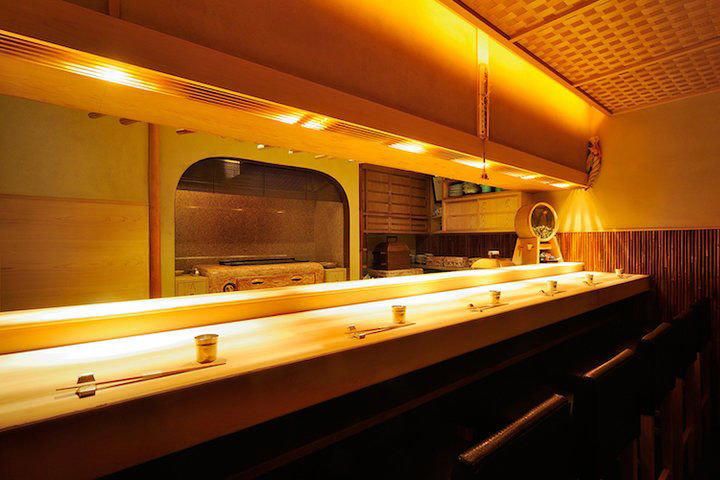
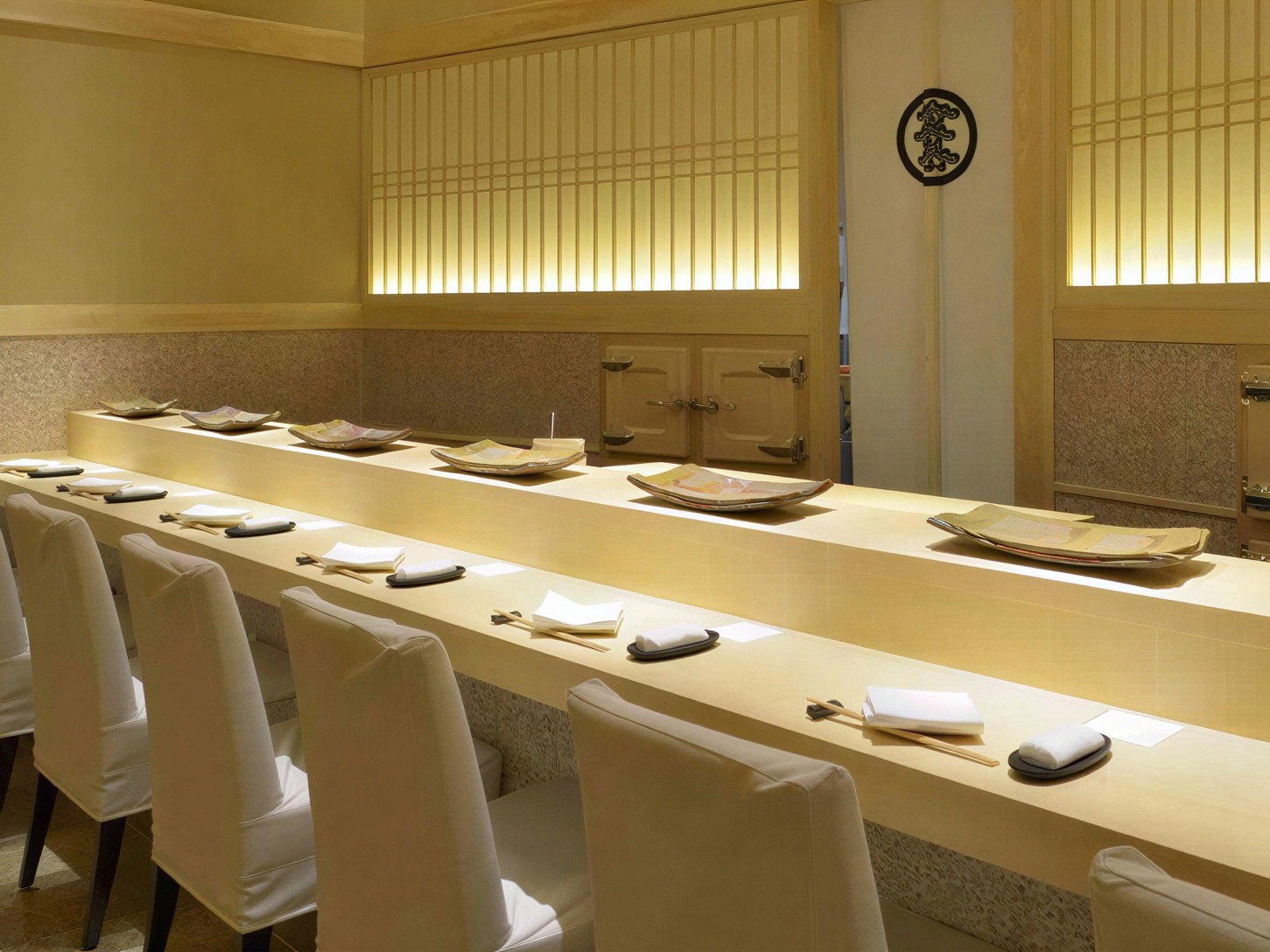
Toribayashi’s place in that conversation is clear from its format. An eight-seat counter gives the kitchen little room to hide behind volume and puts the meal’s rhythm in direct view. That scale changes how diners should judge the experience: not by one headline dish, but by whether the arc tightens as the grill moves from opening pieces into richer middle courses and the close.
For readers mapping Tokyo by category, this sits closer to specialist counters than casual yakitori shops. Compare the decision with other focused formats, including kushiage at Kushiage Ryori Kawata, yakitori at Ichiyome Torimatsu, sushi at Sushi Meino, soba at Mitate Soba, or tempura at てんぷら前平, rather than with a neighbourhood drinking spot. Those comparisons are about cuisine and how much of a night a diner wants to commit to one craft.
Azabujuban rewards quiet precision
Azabujuban sits between polished central Tokyo and lived-in local dining. The area has enough international traffic to feel legible, but its serious counters need not flatten themselves into tourist theatre. Yakitori works well here: the craft is direct, the room compact, and the meal disciplined without feeling ceremonial in the way Ginza sushi often does.
The neighbourhood also frames price differently. In Tokyo, high-end yakitori has moved beyond the assumption that grilled chicken should remain inexpensive. The strongest counters now compete with other premium single-craft formats, especially when the room is small and the meal course-driven. Toribayashi sits in that premium bracket, and the value question is not whether chicken can justify the spend. The sharper question is whether the counter gives enough control, pacing, and product focus to compete with neighbouring formats commanding similar attention.
Recognition clarifies that positioning. Tabelog’s 2025 Yakitori EAST 100 selection is a category-specific signal, not a generic dining badge, which matters in a city where genre expertise is often more useful than broad acclaim. Opinionated About Dining’s 2026 Japan recommendation adds a second lens, aimed at restaurant-focused travellers comparing specialist rooms across regions. Together, those signals place the restaurant inside Tokyo’s current yakitori conversation without inflated claims.
Readers building a wider Tokyo itinerary can use Toribayashi as the specialist dinner anchor, then place looser meals around it. EP Club’s Tokyo coverage includes broader restaurant context in Our full Tokyo restaurants guide, plus separate city planning through Our full Tokyo hotels guide, Our full Tokyo bars guide, Our full Tokyo wineries guide, and Our full Tokyo experiences guide. For a more casual or sharply different register within Tokyo dining, compare it with 鮪と炭火焼き うお炭 秋葉原店, 12/10 Shinjuku ten, 124. KAGURAZAKA (Yakitori), 2D Cafe, and 3 Chome no Curry Ya San.
Who should choose this counter
This is the right dinner for travellers who enjoy watching a narrow craft unfold at close range. Yakitori can look simple from a distance, but in Tokyo’s premium rooms the pleasure lies in calibration: how the counter manages heat, how the sequence avoids heaviness, and how drinks support a meal built around smoke, salt, and fat. The listed drinks focus on sake and wine, which suits the category better than a broad cocktail program.
It is less suited to diners who want menu freedom, large parties, or a room that absorbs noise and indecision. The format asks for attention, and the counter scale makes every choice feel close to the grill. That is a strength for solo diners and pairs who treat dinner as the evening’s central event, and a weakness for anyone seeking a loose, drop-in meal.
For a Japan itinerary with contrasting dining textures, pair a Tokyo counter like this with a regional or overseas comparison rather than another similar dinner the next night. EP Club’s wider restaurant library includes -Grilled beef Sukiyaki- KAMAKURA TANUKIAN 鎌倉 たぬき庵 in Kamakura.cafe in Osaka.know in Kumamoto, (Shoku) Vietnam in Kawasaki, [Curry Senmon Ten] Maruyama Kyoju. in Sapporo, [ki:] in Kyoto, Jōdo Saké Bar in Los Angeles, and Onigiri Time in Pasadena. The useful contrast is not prestige; it is format. After a tight yakitori progression, a different city, cuisine, or service style keeps the trip from becoming a parade of counters.
Price Lens
Comparable venues side-by-side for orientation.
| Venue | Cuisine | Price | Notes |
|---|---|---|---|
| Toribayashi | Minato, Modern Yakitori Omakase | $$$$ | Not listed |
| おにく 花柳 | Not listed | $$$$ | Ginza, Michelin-starred Wagyu kaiseki / meat kappo |
| くろぎ | Hamamatsucho, Tokyo Kappo Kaiseki | $$$$ | Not listed |
| Oryori Mukyu | Minato, Seasonal Japanese Fine Dining | $$$$ | Not listed |
| Wagyu Yakiniku KIM | Not listed | $$$$ | Minato, Premium A5 Wagyu Yakiniku |
| Sushi Kenshin | Shibuya, Edomae Omakase Sushi | $$$$ | Not listed |
Recognition history
Dated appearances from independent guides and award organizations, with the underlying list record or original source where available.
Opinionated About Dining Top Restaurants in Japan Recommended
Opinionated About Dining
Tabelog 100 #63 · No. 63
Tabelog · Tabelog 100 - Yakitori - EAST - 2025







At a Glance
- Intimate
- Elegant
- Modern
- Sophisticated
- Trendy
- Date Night
- Special Occasion
- Celebration
- Business Dinner
- Solo
- Chefs Counter
- Standalone
- Design Destination
- Sake Program
Current opening hours
- Monday
- 5 PM–12 AM
- Tuesday
- 5 PM–12 AM
- Wednesday
- 5 PM–12 AM
- Thursday
- 5 PM–12 AM
- Friday
- 5 PM–12 AM
- Saturday
- 5 PM–12 AM
- Sunday
- Closed
Hours can change for holidays and private events. Last verified .
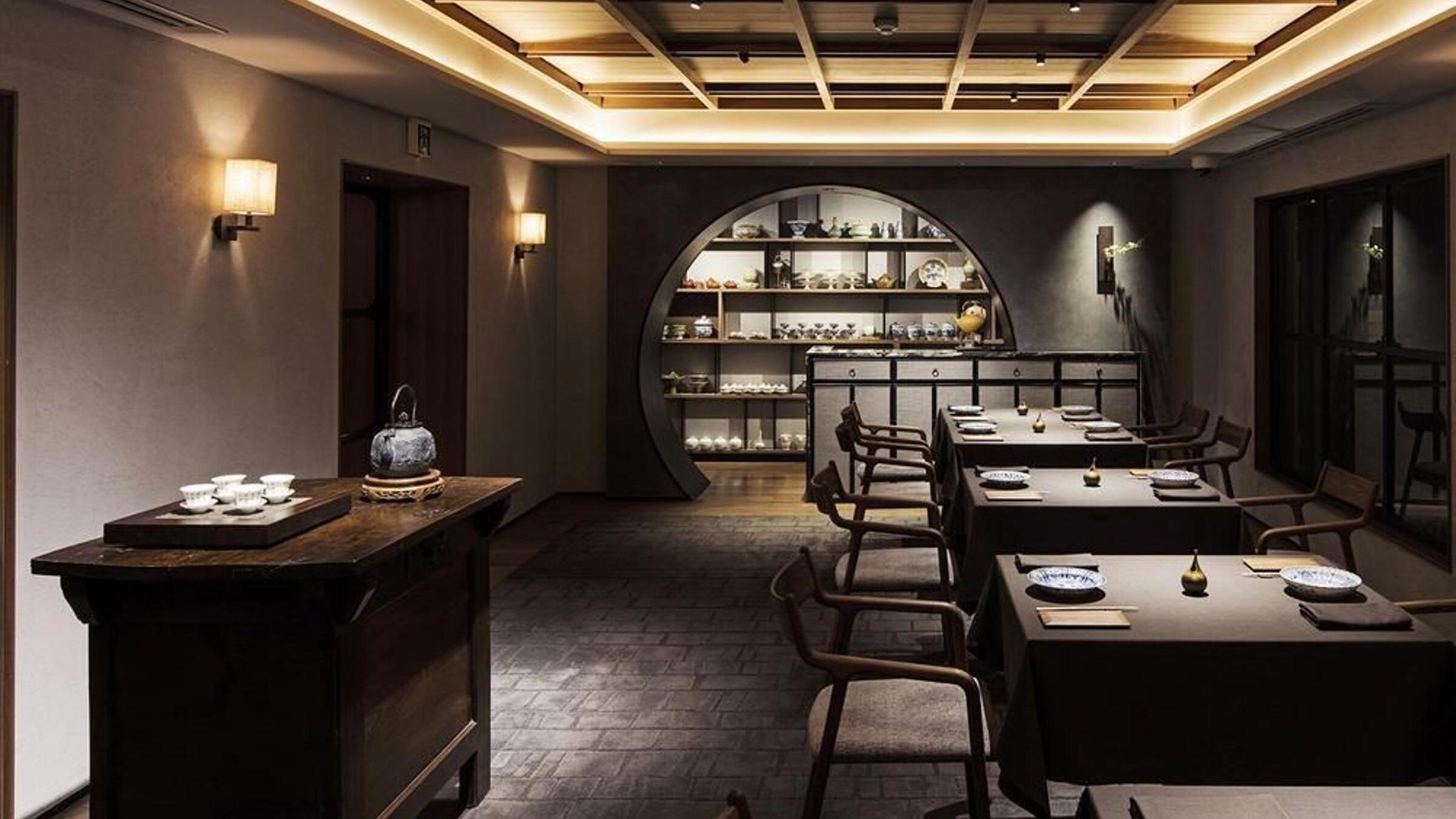
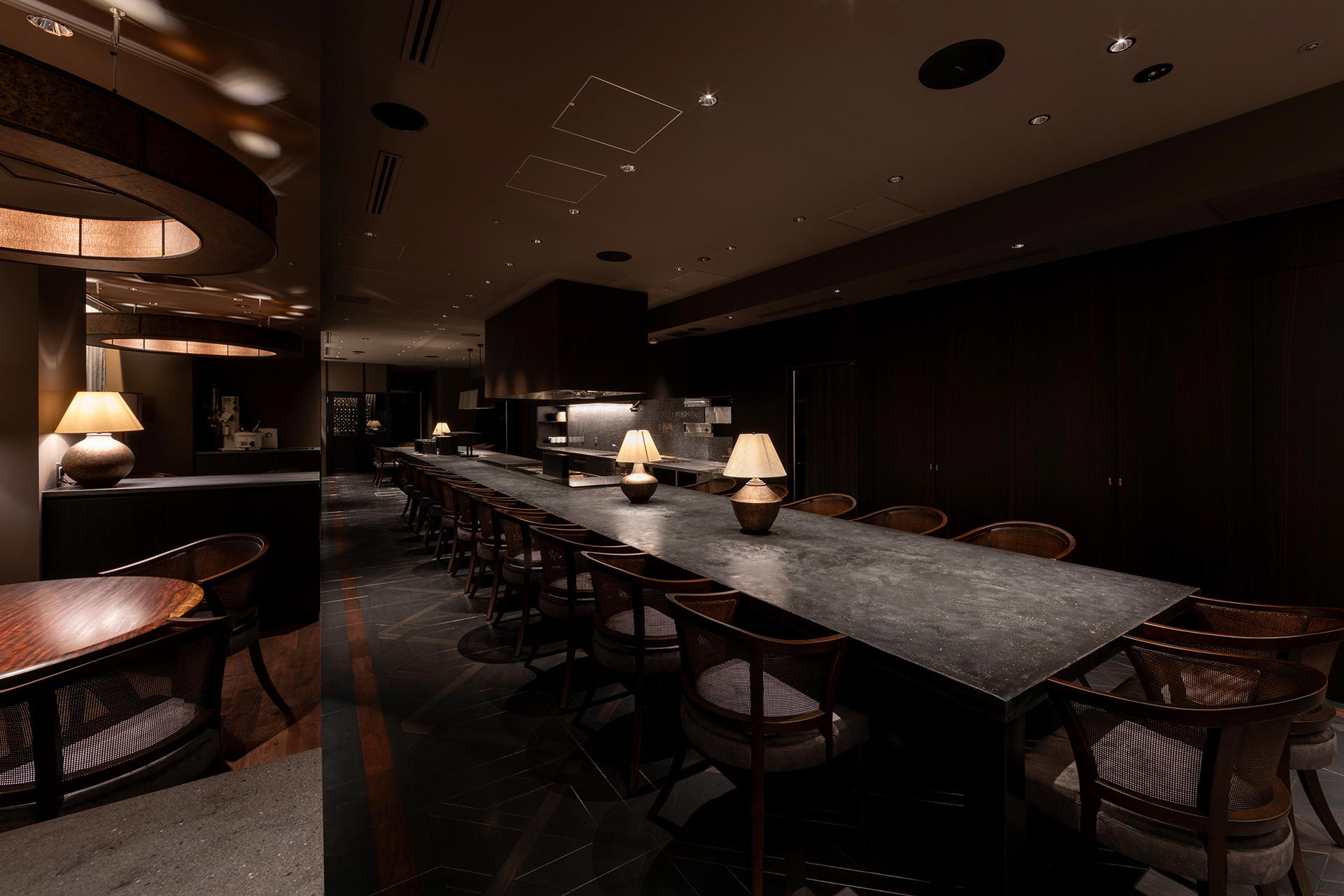
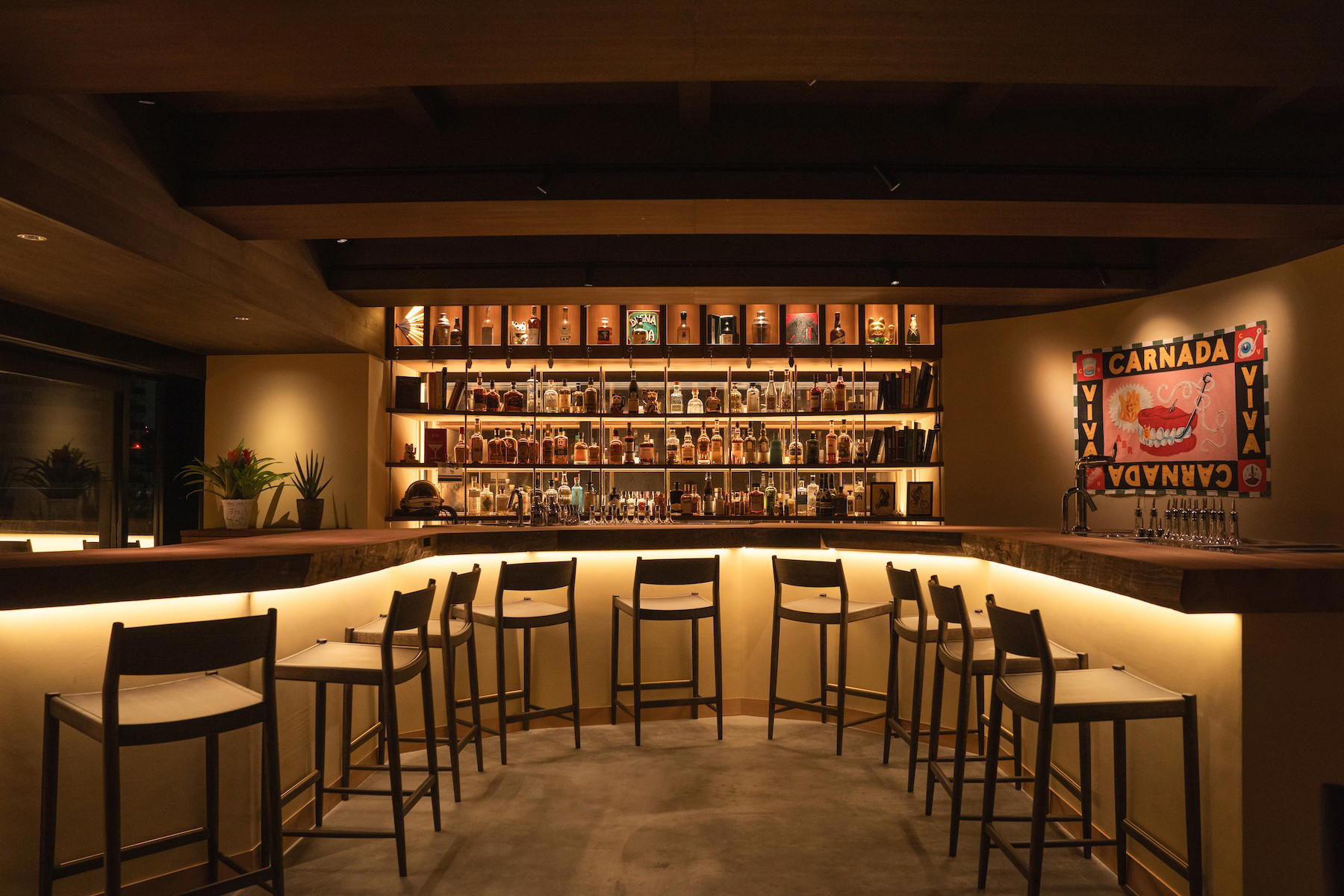
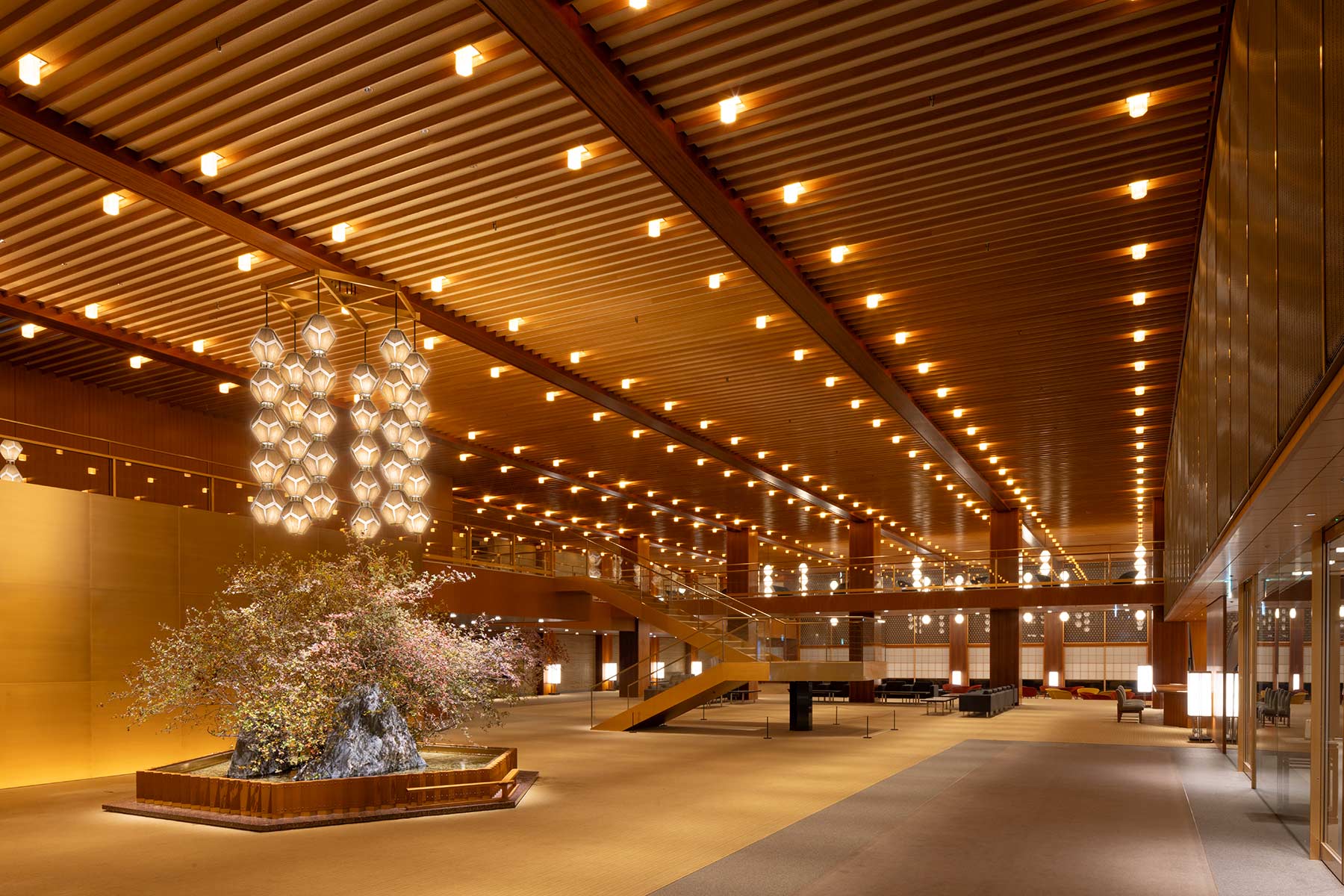
A quiet, refined counter-only space on an upper floor in Azabu-Juban, with focused lighting on the charcoal grill and plating, creating an elegant yet relaxed atmosphere ideal for savoring a leisurely omakase experience.