Positioned among Nishiazabu's quieter fine-dining addresses, 七ひろ occupies the third floor of ArtSilo, a building whose low-profile entry filters for guests who already know the reservation. The space sits in a Tokyo tier where wine curation and format discipline do as much to define an evening as the cooking itself.
Pearl is the En Primeur Club membership app — saves, bookings, and concierge access live there. Same editors, same standards.
- Address
- Japan, 〒106-0031 Tokyo, Minato City, Nishiazabu, 4 Chome−2−5 ArtSilo 3F
- Phone
- +818093496427
- Website
- omakase.in
- Directions
- Get directions
 Saves & bookings on Pearl
Nishiazabu After Dark: The Tier That Doesn't Announce Itself
Below the internationally indexed Michelin circuit and above the neighbourhood izakaya sits a cohort of addresses in Nishiazabu, Hiroo, and Azabujuban that operate on referral velocity and low seat counts. These are rooms where the cellar is as much of a statement as the kitchen, and where booking access tends to be controlled through private channels rather than public platforms. 七ひろ, located on the third floor of ArtSilo at 4 Chome-2-5 Nishiazabu in Minato City, belongs to that tier.
Nishiazabu's dining character has shifted over the past decade. The neighbourhood absorbed a wave of serious restaurants as rents pushed operators out of Ginza and the area around Roppongi Hills matured into something less transient. What settled was a mix of French-inflected kitchens, counter-format Japanese rooms, and a handful of harder-to-categorise addresses that built identity through format and wine rather than cuisine category alone. 七ひろ's third-floor position in ArtSilo, a building whose name gestures at the arts-adjacent culture that Nishiazabu cultivates, places it physically and conceptually inside that evolution.
The Wine Argument in Rooms Like This
Across Tokyo's upper-tier dining scene, the wine list has become a primary differentiator in a way it wasn't fifteen years ago. Japanese sommeliers trained in France and returning with both technical credentials and direct producer relationships have built cellars that can now sit credibly beside rooms in Paris or New York. At this price tier, guests increasingly arrive with wine expectations formed at addresses like L'Effervescence, where the cellar reflects a French biodynamic sensibility, or Sézanne, which has built one of Tokyo's more discussed Champagne and Burgundy selections. The implicit comparison is always present: what does this room's cellar say about who is curating it and what kind of conversation it wants to have?
In rooms operating at the quieter end of the Nishiazabu spectrum, wine curation often takes on more editorial weight precisely because the kitchen format is more restrained in scale. Fewer seats and a shorter menu mean each bottle chosen for the list carries more visible responsibility. This is the logic behind why smaller Tokyo rooms frequently maintain disproportionately deep allocations in aged Burgundy, grower Champagne, and Austrian whites: the list becomes a proxy for the room's seriousness and its access to producers who don't sell through distributors. At 七ひろ, this logic applies to how the space positions itself against peer addresses without resorting to the visibility of a Michelin citation or a press campaign.
For context on how wine-led identity functions at this level of Tokyo dining, the contrast with Nishiazabu neighbours and near-neighbours is instructive. Crony, operating in innovative French territory at the same price band, uses its wine program as a bridge between natural wine culture and technical French cooking. RyuGin in Roppongi approaches the cellar as a supplement to kaiseki formality. Each choice says something different about what the room thinks an evening is for.
Format and Architecture as Editorial Signals
Third-floor restaurant spaces in Tokyo carry specific meaning. They filter out walk-in traffic entirely, require a guest to already know an address exists, and create an arrival ritual that frames what follows. The ArtSilo building in Nishiazabu is not a destination complex with multiple tenants drawing footfall; reaching 七ひろ involves navigating a building whose name is its only signage for the uninitiated. This is a deliberate format choice visible across Tokyo's more considered dining addresses: the building works as a first layer of curation.
Across Japan, this logic of deliberate obscurity in format extends beyond Tokyo. Gion Sasaki in Kyoto operates in a residential quarter where arrival requires prior knowledge. HAJIME in Osaka uses a more formally marked presence but maintains a similarly low-noise profile relative to its actual standing. The pattern across serious Japanese fine dining is consistent: the room does not come to the guest.
The Nishiazabu comparable set
Positioning 七ひろ requires understanding where it sits relative to the addresses that set the comparative standard for Nishiazabu's upper dining tier. The neighbourhood's premium end is anchored by rooms with established international recognition, including Harutaka, whose omakase sushi counter operates at the summit of Tokyo's price tier and books months ahead. 七ひろ operates in a different register: its identity appears built on format restraint and cellar depth rather than on the singular focus of a sushi counter or the institutional weight of a multi-starred kaiseki room.
That positioning has analogues in cities beyond Japan. Atomix in New York City occupies a similar tier: Korean fine dining with a wine program and format discipline that sets it apart from the cuisine category alone. Le Bernardin in New York City demonstrates how a room can maintain long-term authority through absolute consistency rather than constant reinvention. The lesson for guests approaching 七ひろ is that the relevant comparison is not necessarily cuisine-category-specific: the room's comparable set is defined by format, price, and the seriousness of the cellar.
For those building a broader itinerary across Japan, comparable address logic applies at akordu in Nara, Goh in Fukuoka, and at more regional addresses including 一本杉川島酒造 in Nanao, 奥井牧場乃 in Sapporo, 湖畔荘 in Takashima, 孤羽鶴亭 in Nishikawa Machi, Birdland in Sakai, and Bistro Ange in Toyohashi. Each of these rooms rewards the kind of research that brings guests to a third-floor Nishiazabu address in the first place. Our full Tokyo restaurants guide maps the broader tier structure across the city.
Planning Your Visit
七ひろ is located at ArtSilo 3F, 4 Chome-2-5 Nishiazabu, Minato City, Tokyo. The address is residential in character; the nearest major reference points are the Roppongi and Hiroo areas. Advance reservation is required.
A Tight Comparison
Comparable venues nearby, for context on price, style, and recognition.
| Venue | Cuisine | Price | Notes |
|---|---|---|---|
| 七ひろThis venue — the venue you are viewing | Minato, Modern Japanese Omakase | $$$$ | Not listed |
| Yakatabune Izanagi | Not listed | $$$$ | Shinagawa, Wagyu Omakase on Tokyo Bay Yakatabune |
| Azabu Wakei | Minato, Traditional Japanese Kaiseki | $$$$ | Not listed |
| Chidori | Not listed | $$$$ | Minato, Chicken Omakase (Toriryori) Counter |
| Hatanaka | Minato, Traditional Tempura Omakase | $$$$ | Not listed |
| Wagyu Yakiniku KIM | Not listed | $$$$ | Minato, Premium A5 Wagyu Yakiniku |










At a Glance
- Intimate
- Elegant
- Cozy
- Date Night
- Special Occasion
- Chefs Counter
- Sake Program
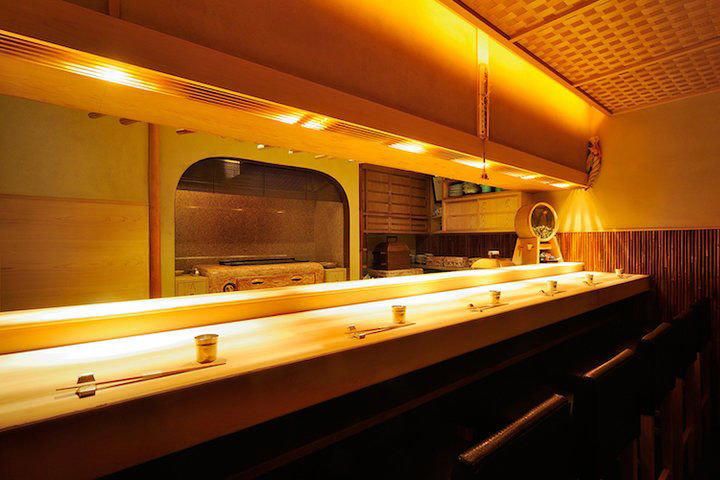
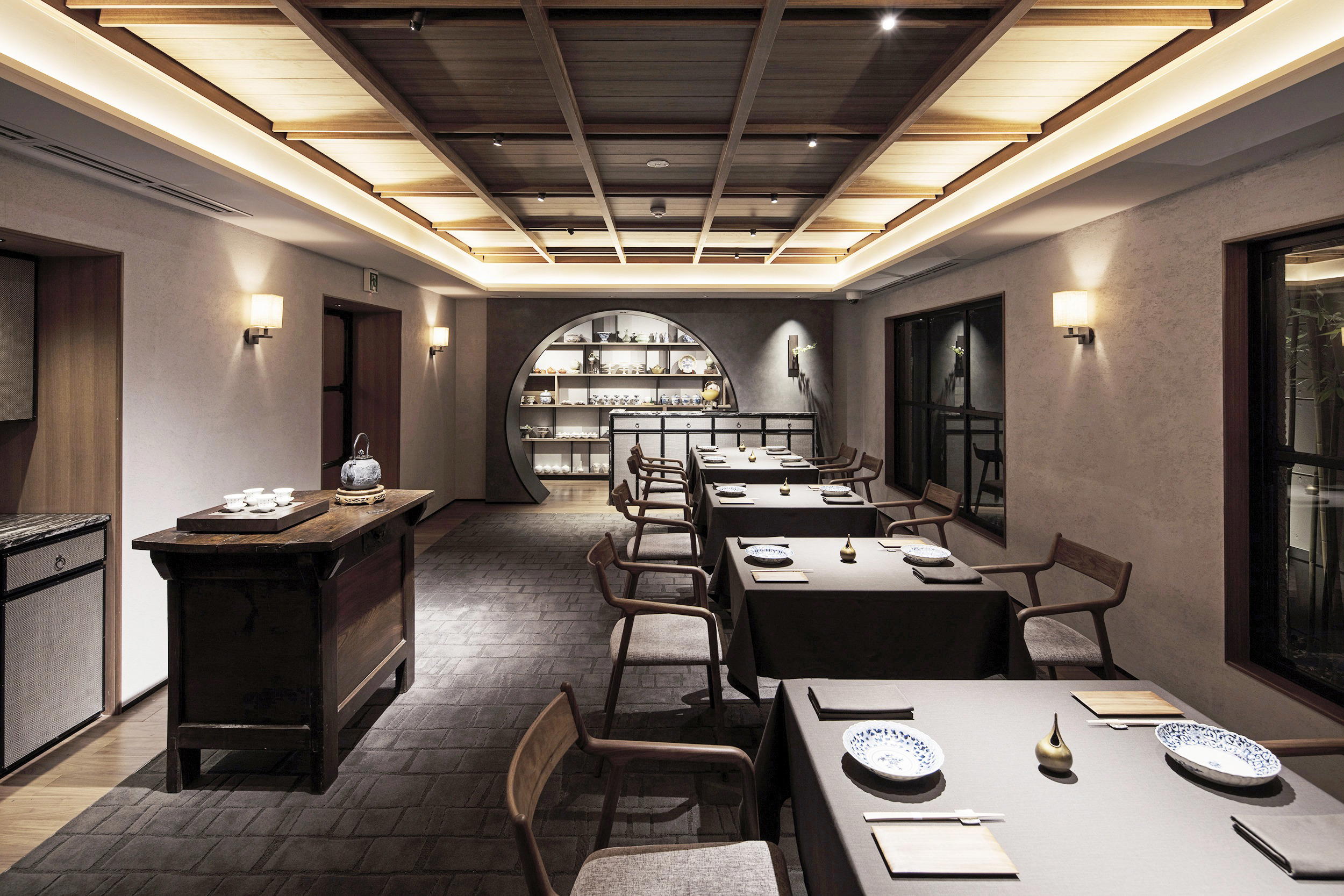
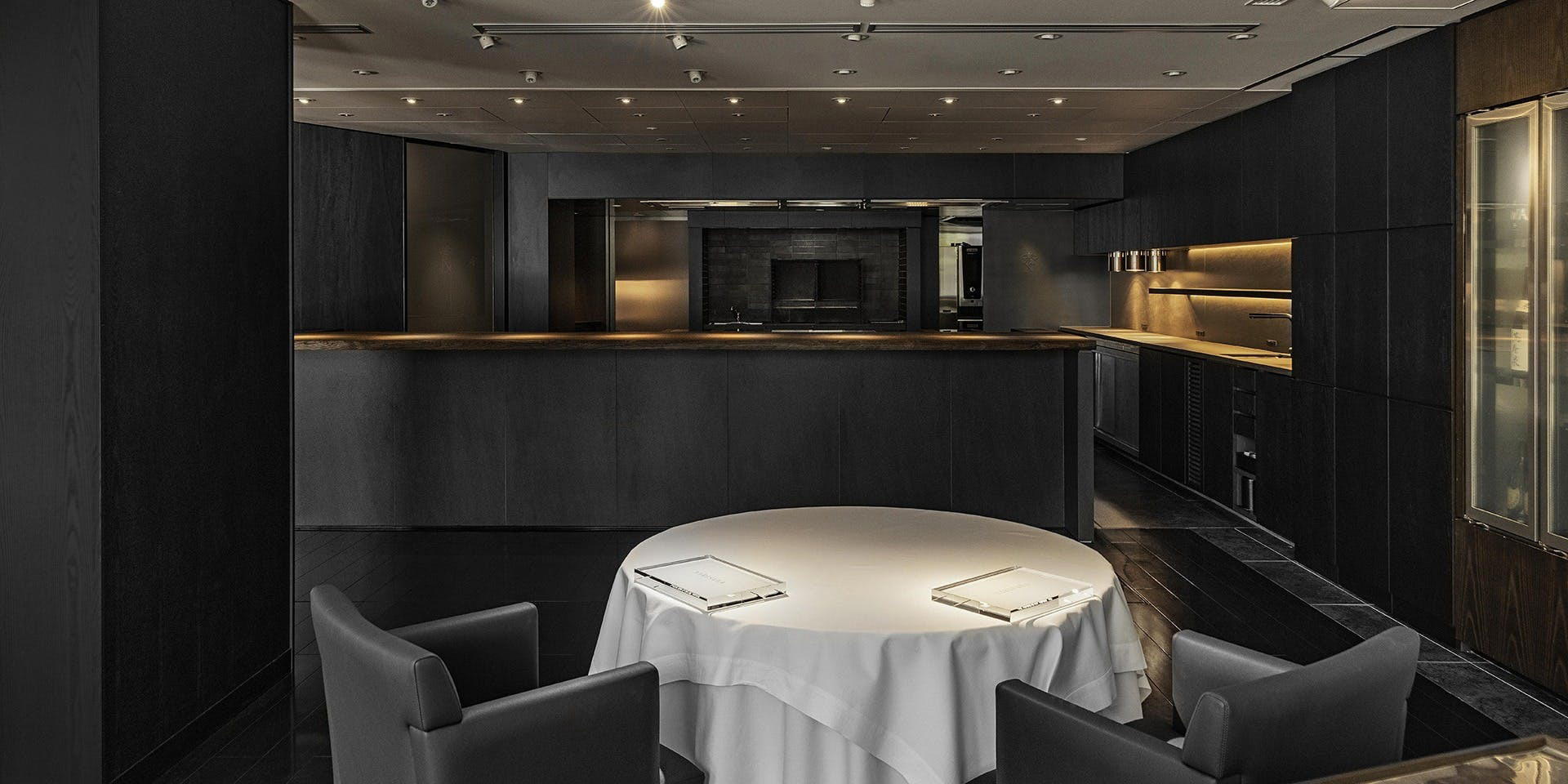
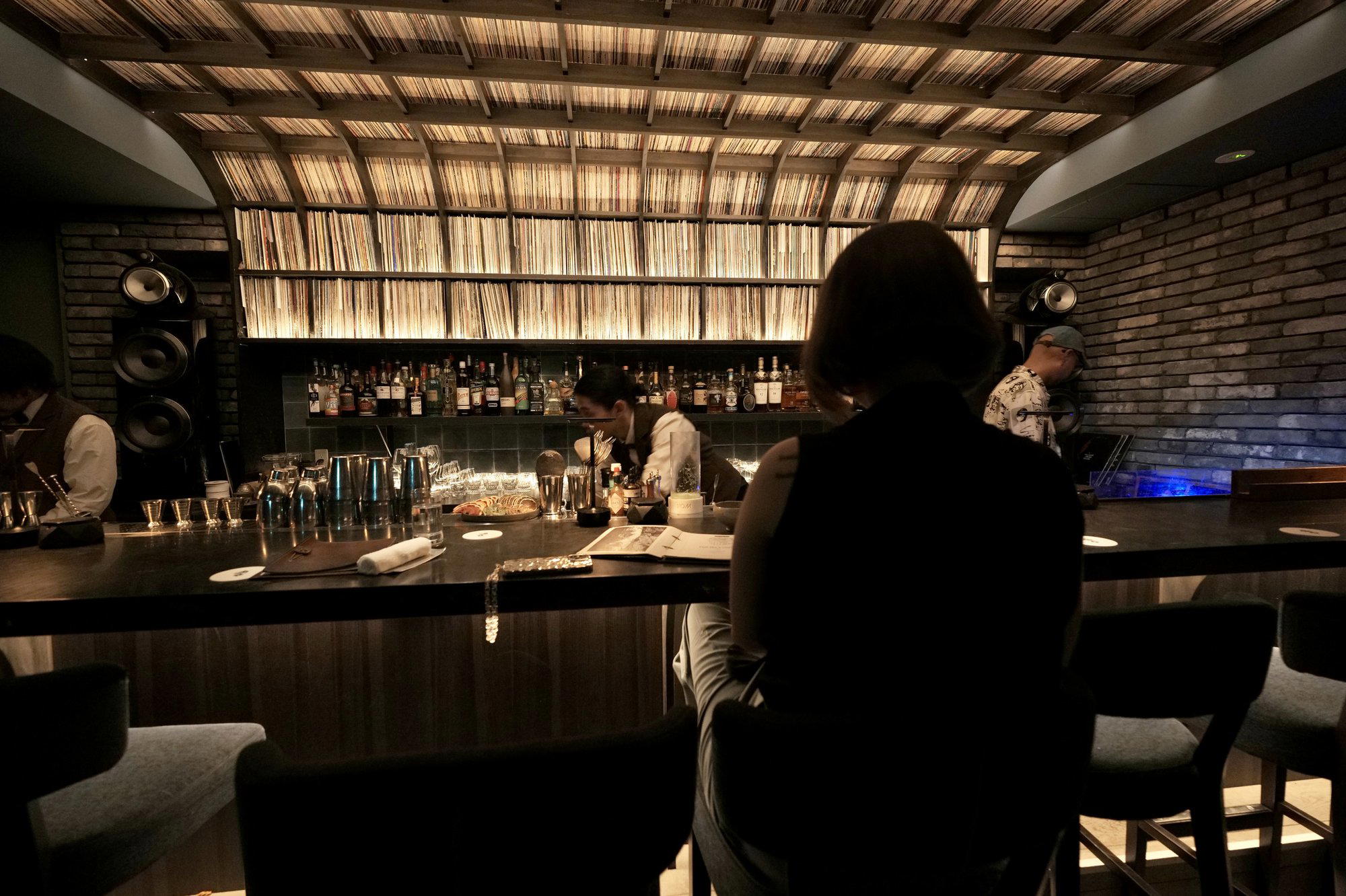
Warm, private, elegant space that feels special without intimidation, stylish and relaxing.