
An eight-seat counter in Roppongi’s chicken-cuisine tier, Chidori runs on omakase pacing rather than casual yakitori-house rhythm. Its 2025 Tabelog 100 selection for chicken cuisine, counter-only scale, and late-2024 opening place it among Tokyo’s tighter, more specialized reservations rather than the city’s broader izakaya field.
Pearl is the En Primeur Club membership app — saves, bookings, and concierge access live there. Same editors, same standards.
- Address
- 東京都港区六本木3-6-9 イチベエアパートメント 1F
- Website
- tabelog.com
 Saves & bookings on Pearl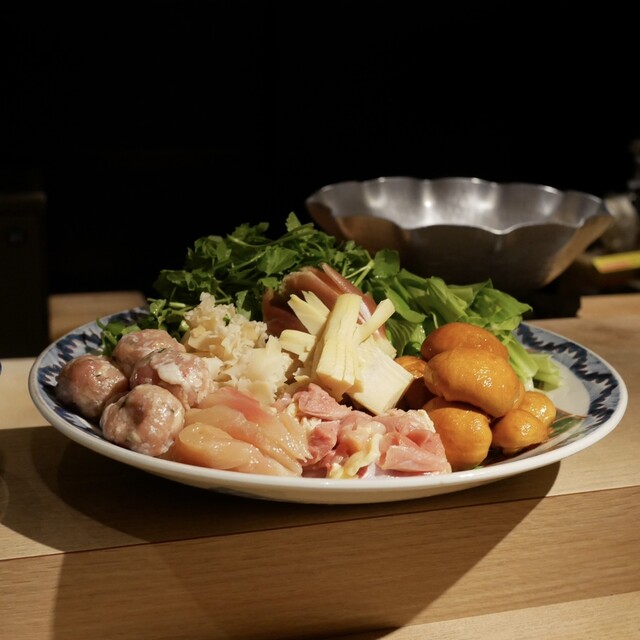
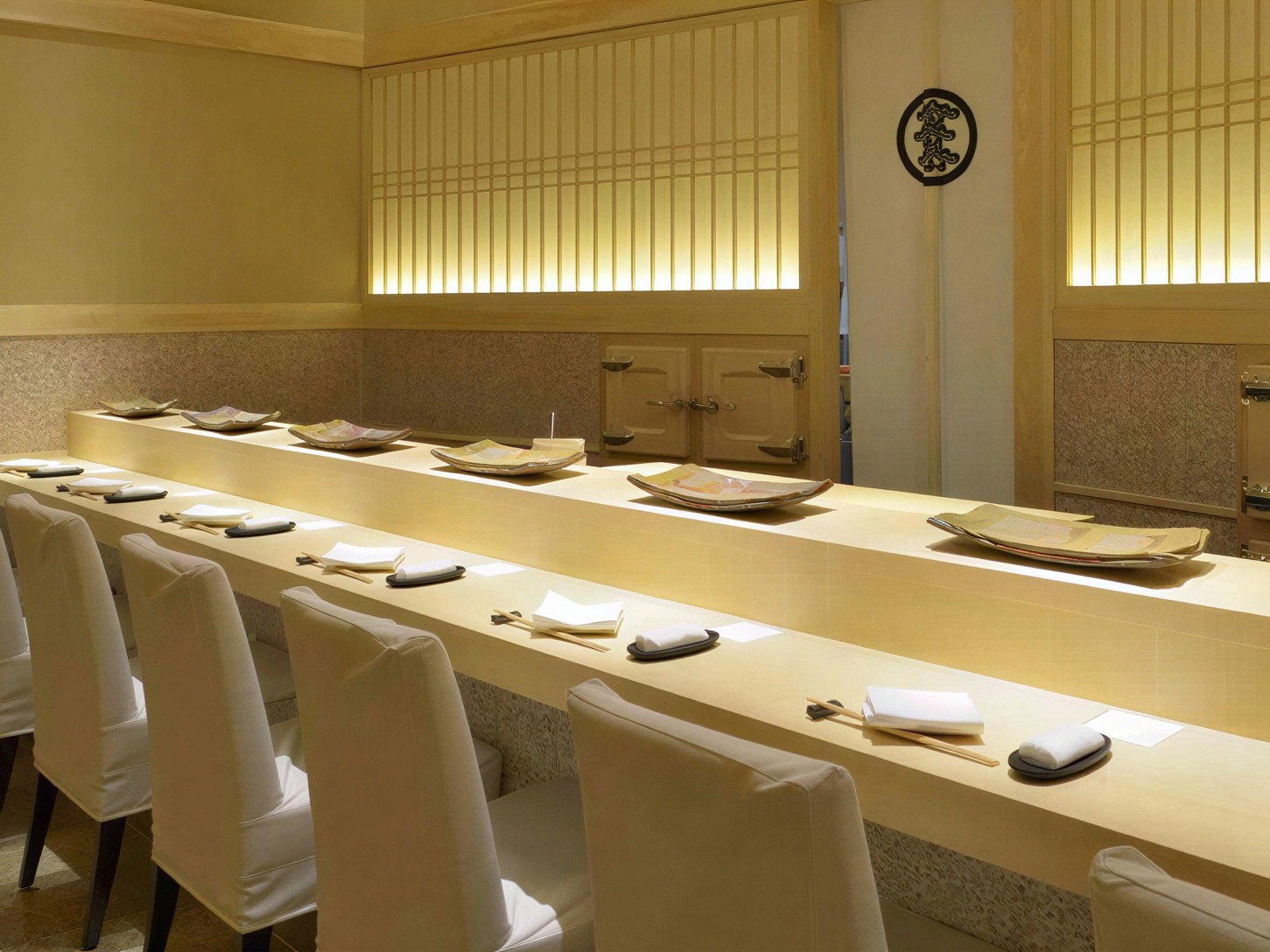
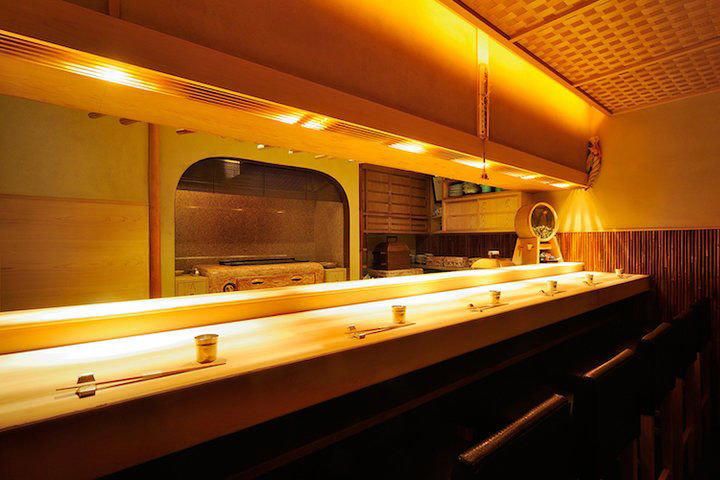
Roppongi can feel engineered for volume: towers, late bars, polished dining rooms, and a constant traffic of expense-account meals. The more interesting counter culture in the district often works in the opposite direction, reducing the room until every sound carries. At Chidori, the relevant signal is scale: eight counter seats, a reservation-only omakase format, and a room that belongs to Tokyo’s compact specialist tradition rather than the area’s larger entertainment economy.
Chicken cookery in Tokyo occupies a wider range than visitors often assume. At one end sits casual yakitori, built around smoke, beer, and quick turns. At the other is a more exacting counter format where the bird becomes a full-course subject, with pacing, drink pairing, and heat management treated with the discipline usually associated with sushi or kappo. Chidori belongs to that second camp. Its selection for the Tabelog 100 chicken-cuisine list in 2025 matters because the category is narrow: it measures performance inside a specific Japanese dining form, not general restaurant glamour.
Eight seats, two seatings, and the pressure of a small counter
Small counters change how a meal reads. There is less distance between preparation and service, fewer distractions, and fewer places for weak timing to hide. In an eight-seat room, rhythm becomes part of the cooking: the pause between courses, the way drink orders fit the sequence, the shared pace of the counter. That is why Tokyo’s serious omakase culture prizes format as much as ingredients. The guest is not choosing freely from a menu; the kitchen is controlling sequence, temperature, and tempo.
The Roppongi address also gives the experience a useful tension. This part of Minato is not a quiet dining village; it is an international business and nightlife district with a long history of high-spend restaurants. Against that backdrop, a compact chicken-focused counter feels more aligned with Tokyo’s current appetite for specialization: smaller rooms, narrower categories, clearer intent. Compared with a conventional yakitori night, the draw is not breadth of choice. It is the concentration of the format.
The drink context reinforces that position. Sake, shochu, and wine are listed, which places the meal in a flexible pairing zone rather than a beer-only skewers frame. That matters for chicken cuisine because the category covers fat, char, broth, offal, seasoning, and rice or closing courses in many omakase formats. The stronger programs in this genre treat the drink list as a way to handle shifts in weight across the meal, not as an accessory.
Where it sits in Tokyo's specialist dining map
Tokyo rewards narrow excellence. A restaurant can gain serious attention by committing to one ingredient, one technique, or one regional expression, provided the execution justifies the constraint. That is the useful lens here. Chidori is not competing with every polished Japanese counter in the city; it sits in the chicken-cuisine subset, where yakitori technique, sourcing discipline, and course construction define the conversation.
Within that subset, the eight-seat counter pushes it toward the high-control end of the field. YAKITORI Moe es offers a useful comparison because it signals a yakitori-focused lane in Tokyo, while Miyake Akira and Kobayashi point to the city’s broader appetite for intimate Japanese formats. Ajiman, centered on fugu, and Koho, in Chinese cooking, show the same underlying Tokyo pattern: diners are willing to follow a restaurant into a tightly defined category when the format is serious enough. The lesson is not that these rooms are interchangeable. It is that Tokyo’s premium dining scene increasingly values precision of category over all-purpose luxury.
For visitors building a Tokyo dining itinerary, that distinction matters. A chicken counter should not be treated as a lighter substitute for sushi, tempura, or kaiseki. It is its own tradition, with different cues. The sound of grilling, the sequencing of cuts, and the way the kitchen manages repetition without monotony are central to the experience. When the format works, the pleasure comes from watching a narrow idea hold attention across an entire sitting.
There is also a timing signal. Opening in late 2024 and appearing in the 2025 Tabelog 100 chicken-cuisine selection places the restaurant inside a rapid-recognition cycle. Tokyo has enough mature counters that new rooms rarely enter the conversation by accident. Selection does not make a restaurant universally suitable, but it does mark the room as relevant within a category where informed local diners pay attention.
How to place it in a Tokyo itinerary
This is a dinner for travelers who want a controlled counter meal rather than a free-form night out. Roppongi-itchome access makes it easier to pair with a Minato-based evening, but the reservation-only structure means the meal should anchor the night rather than sit between other plans. Counter formats reward punctuality and full attention; they are poor matches for groups hoping to drift in, order selectively, or keep the evening loose.
The editorial case is strongest for diners already interested in Japanese chicken cookery beyond casual skewers. The counter-only scale, omakase structure, 2025 category recognition, and Roppongi setting create a clear proposition: a tightly framed meal in a district better known for larger, louder dining. That contrast is the point. Tokyo has many ways to spend heavily; fewer of them narrow the room to eight seats and ask chicken cuisine to carry the full evening.
For broader planning, use Our full Tokyo restaurants guide alongside nearby and category-adjacent entries such as 124. KAGURAZAKA (Yakitori), 12/10 Shinjuku ten, . 鮪と炭火焼き うお炭 秋葉原店, 2D Cafe, and 3 Chome no Curry Ya San. For the wider city plan, cross-check Our full Tokyo hotels guide, Our full Tokyo bars guide, Our full Tokyo wineries guide, and Our full Tokyo experiences guide. Japan-side comparisons beyond Tokyo include -Grilled beef Sukiyaki- KAMAKURA TANUKIAN 鎌倉 たぬき庵 in Kamakura.cafe in Osaka.know in Kumamoto, (Shoku) Vietnam in Kawasaki, [Curry Senmon Ten] Maruyama Kyoju. in Sapporo, and [ki:] in Kyoto. For Japanese drinking and casual-format context abroad, see Jōdo Saké Bar in Los Angeles and Onigiri Time in Pasadena.
Reputation Context
Comparable venues side-by-side for orientation.
| Venue | Cuisine | Price | Notes |
|---|---|---|---|
| ChidoriThis venue — the venue you are viewing | Chicken Omakase (Toriryori) Counter | $$$$ | Not listed |
| くろぎ | Tokyo Kappo Kaiseki | $$$$ | Hamamatsucho |
| Jubako | Traditional Japanese Unagi | $$$$ | Minato |
| Fukuda | Michelin-Starred Kaiseki | $$$$ | Minato |
| Ningyocho Imahan Toukyou gaaden terasu kioichou ten | Traditional Wagyu Sukiyaki & Shabu-shabu | $$$$ | Chiyoda |
| 宮坂 | Hokkaido-style Omakase Sushi | $$$$ | Minato |
Recognition history
Dated appearances from independent guides and award organizations, with the underlying list record or original source where available.
Tabelog 100 #42 · No. 42
Tabelog · Tabelog 100 - Chicken cuisine - 2025








At a Glance
- Cozy
- Intimate
- Quiet
- Sophisticated
- Special Occasion
- Date Night
- Business Dinner
- After Work
- Solo
- Chefs Counter
- Standalone
- Design Destination
- Sake Program
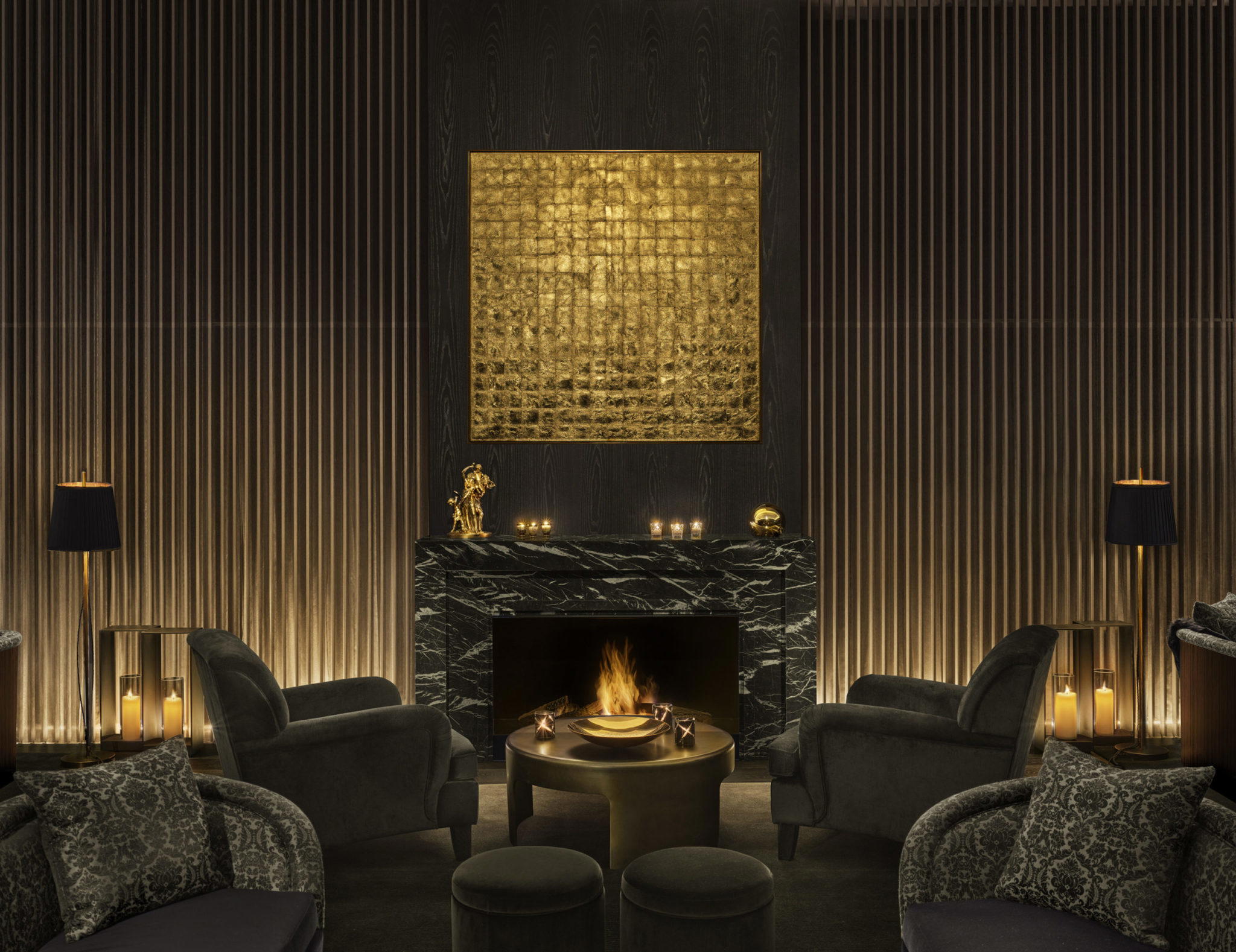
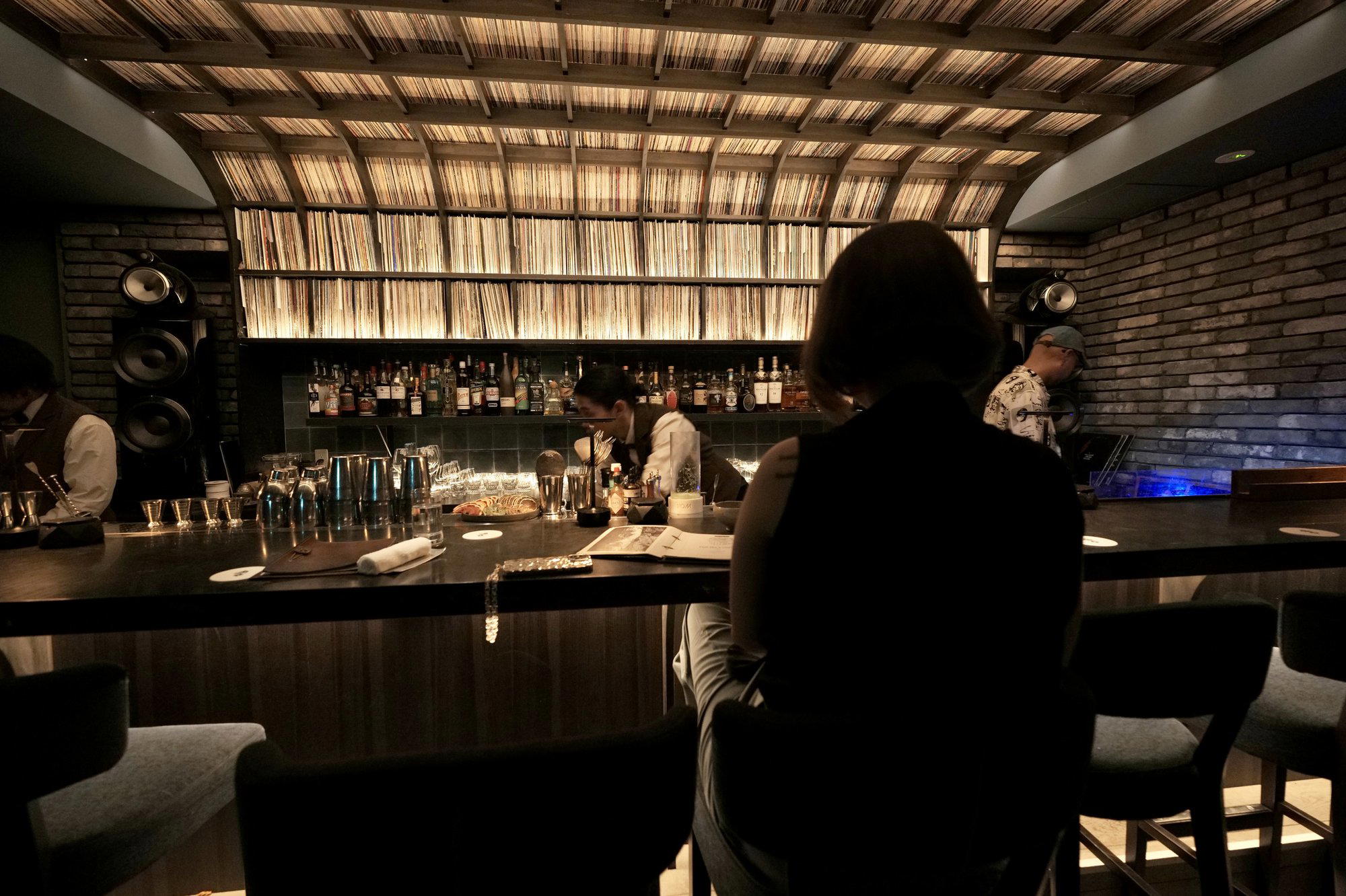
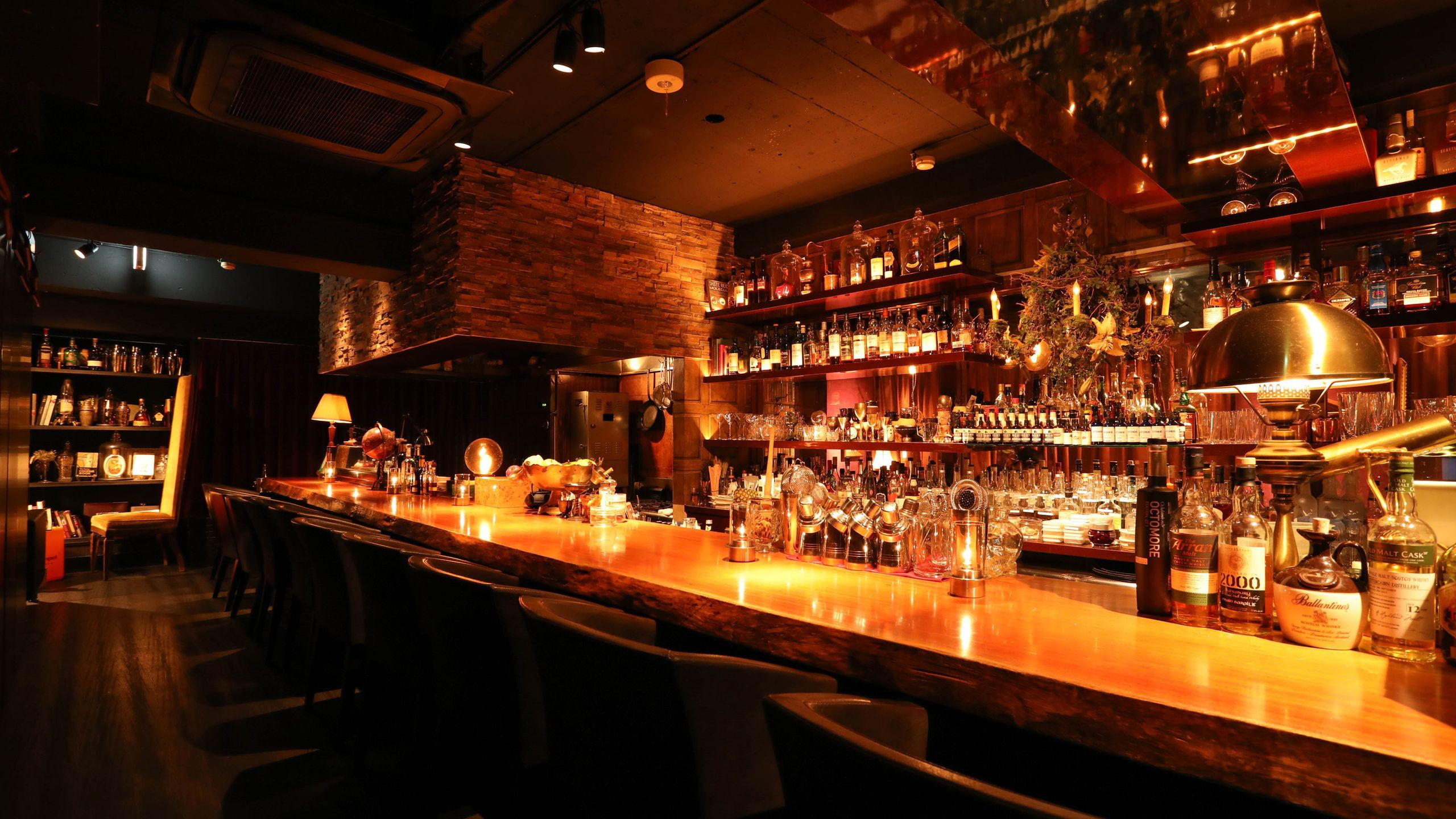
A small, relaxing counter-only hideaway with just eight seats, non-smoking and reservation-only, creating a tranquil, focused atmosphere suitable for leisurely omakase dining in Roppongi.