
Conde Nast Hot List Restaurants
Our verdict
A 12-seat yakatabune on Tokyo Bay reframes the city’s old floating-restaurant format around wagyu omakase rather than banquet-room nostalgia. The draw is the collision of movement, timber-lined intimacy, night views and Japanese Black beef, with chef Tatsuro Hirakubo’s yakiniku credentials giving the experience more substance than the novelty format might suggest.

Pearl is the En Primeur Club membership app, where members save venues, book tables and use the concierge.
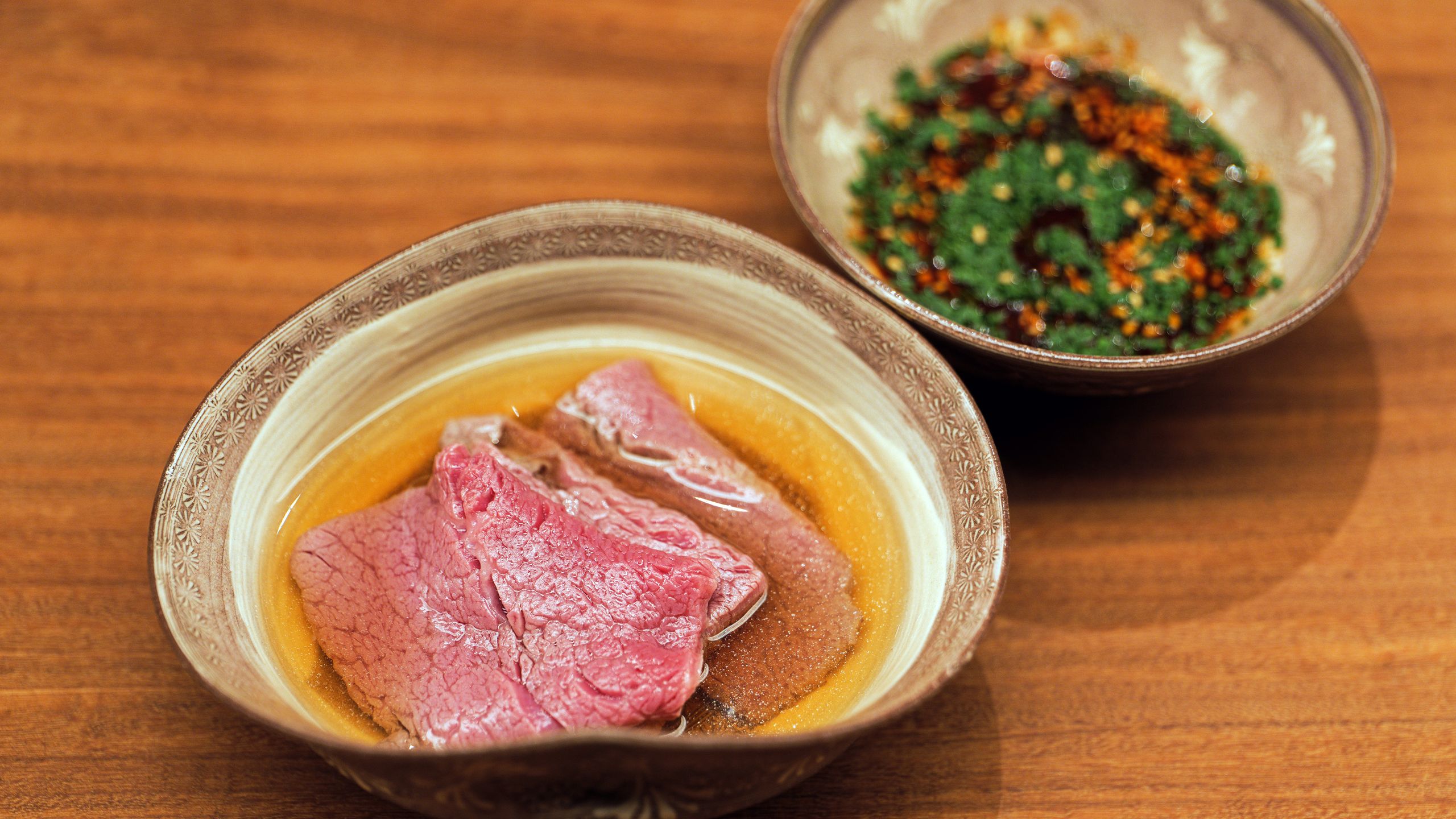
The menu
What to order
- Seared Tamura beef wagyu sushi
- Charcoal-grilled Tamura beef chateaubriand steak
- Chateaubriand steak sandwich
- Tajimaguro beef tataki
- Yakiniku wagyu course
- Wagyu sukiyaki
Tokyo changes the terms of dinner before the first course arrives. In a city with an unusually broad restaurant culture, Yakatabune Izanagi stands out because the available recognition places it within the current conversation around notable new dining. The important confirmed facts are simple: this is Yakatabune Izanagi in Tokyo, and it was recognized by Condé Nast Traveler’s Hot List in 2026. For a premium venue guide, that is enough to treat it as a booking to understand carefully rather than inflate with unsupported claims.
That restraint matters in a city where luxury dining can be described too easily through borrowed shorthand: the hushed room, the difficult reservation, the hyper-specific ritual. Yakatabune Izanagi should be read through what is actually established, not through invented detail. Its name, its Tokyo setting and its 2026 Hot List recognition give the page a clear editorial frame. Anything beyond that should remain conditional unless confirmed directly by the venue or by a cited source.
A yakatabune format rebuilt around a focused dinner
The meaningful shift here is category. Yakatabune Izanagi is presented as a Tokyo restaurant venue with enough contemporary relevance to appear on Condé Nast Traveler’s 2026 Hot List. That places it in a premium decision set for travelers who are comparing notable Tokyo dining experiences, even if the available ground truth does not support claims about chef, cuisine, price, capacity or exact format.
The emphasis, therefore, should be on planning and positioning rather than over-description. In Tokyo, serious dining choices often involve a trade-off between familiarity, novelty, convenience and recognition. Yakatabune Izanagi belongs in that discussion because it has a confirmed Tokyo location and a confirmed 2026 Hot List mention. Those facts are useful without needing to invent additional detail about the room, service style or menu.
Smaller-scale claims, operational specifics and experiential promises should be handled with care. For travelers mapping Tokyo dining beyond the most familiar categories, it offers a useful reminder that the city’s premium food culture includes venues whose appeal may come from format and context as much as from conventional restaurant labels.
The sensory logic is water, wood, movement and city light
The strongest argument for the experience should not depend on unsupported decorative detail. The safer reading is that Yakatabune Izanagi’s identity invites interest because it is a Tokyo dining venue recognized on a major international restaurant list in 2026. That recognition signals editorial relevance, while the exact sensory experience should be confirmed through current venue materials or direct booking communication.
The format suits a controlled editorial approach. A meal described in advance can easily become more embellished than accurate, especially in Tokyo, where restaurant writing often leans on atmosphere, ritual and precision. Here, the grounded claims are narrower: the venue is Yakatabune Izanagi, it is in Tokyo, and it was recognized by Condé Nast Traveler’s Hot List in 2026. Those are the facts that should carry the recommendation.
There is a useful discipline in keeping the concept clean. A premium guide does not need to overstate what is not in the record. Diners who want detailed information about menu structure, dietary handling, timing, price or exact setting should check directly before booking. Diners who are building a Tokyo itinerary around recognized venues can reasonably include Yakatabune Izanagi as a current, list-backed option within the city’s wider dining field.
How to place it within a Tokyo trip
Tokyo rewards specialization, and this is best treated as a specific booking rather than an all-purpose dinner. It belongs in an itinerary alongside the city’s broader restaurant categories: counters, small dining rooms, casual specialists, design-led restaurants and destination meals. For broader planning, Our full Tokyo restaurants guide gives the wider dining map, while Our full Tokyo hotels guide, Our full Tokyo bars guide, Our full Tokyo wineries guide and Our full Tokyo experiences guide help position it within a fuller stay.
The better comparison is not with named peers, but with categories of Tokyo decision-making. Choose Yakatabune Izanagi when a recognized Tokyo venue is the priority and when the booking fits the rest of the trip. Choose another dining room when verified menu details, price certainty, dietary accommodation or a more conventional restaurant setting matters more. Because the available ground truth is specific but limited, advance planning and direct confirmation are sensible.
Travelers extending the lens beyond this dinner can use other Tokyo dining generically to understand the city’s range: casual rooms, neighborhood specialists, counter formats, design-led cafes and destination restaurants all show how broad the city’s register is. Further afield, unnamed regional and international examples underline the point: context decides whether a meal reads as destination dining, neighborhood utility or cultural reference.
Frequently asked questions
Where exactly is Yakatabune Izanagi?
Tokyo.
Does Yakatabune Izanagi have a Michelin star or similar recognition?
Yakatabune Izanagi was recognized on Condé Nast Traveler’s Hot List in 2026.
Should I book Yakatabune Izanagi in advance?
Yes. Yakatabune Izanagi is a recognized Tokyo dining venue, so advance planning is the sensible approach.
What is Yakatabune Izanagi known for?
Yakatabune Izanagi is known as a Tokyo venue recognized by Condé Nast Traveler’s 2026 Hot List.
Can Yakatabune Izanagi handle vegetarian requests?
Dietary accommodations are not specified in the available ground truth. Anyone needing vegetarian accommodation should check directly before booking.
In Context
Comparable venues nearby, for context on price, style, and recognition.
| Venue | Cuisine | Price | Awards | Notes |
|---|---|---|---|---|
| Yakatabune IzanagiThis venue (the venue you are viewing) | Wagyu Omakase on Tokyo Bay Yakatabune | $500+ | Conde Nast Hot List Restaurants | Not listed |
| Sushi Sho | Traditional Edomae Sushi Omakase | $300–500 | Not listed | Nishiazabu, Traditional Edomae Sushi Omakase |
| Mochiku | Traditional Edo-style tempura omakase | $150–200 | Tabelog 100 #70 | Chūō, Traditional Edo-style tempura omakase |
| Ginza Chikamitsu Rokuchome | Modern Wagyu Yakiniku | $100–150 | Tabelog 100 #38 | Chūō, Modern Wagyu Yakiniku |
| YAKINIKUMAFIA IKEBUKURO by WAGYUMAFIA | Premium Wagyu Yakiniku | $150–200 | Not listed | Toshima, Premium Wagyu Yakiniku |
| Sushi Sho Yotsuya | Sushi Sho-style Edomae Omakase | $300–500 | Tabelog 100 #49 | Shinjuku, Sushi Sho-style Edomae Omakase |
Recognition history
Dated appearances from independent guides and award organizations, with the underlying list record or original source where available.
Conde Nast Hot List Restaurants
Conde Nast
Continue exploring
More in Tokyo
Restaurants in Tokyo
All restaurants in Tokyo →



Bars in Tokyo
All bars in Tokyo →


Details
- Elegant
- Scenic
- Romantic
- Intimate
- Sophisticated
- Well Known
- Special Occasion
- Date Night
- Business Dinner
- Group Dining
- Celebration
- Chefs Counter
- Waterfront
- Panoramic View
- Design Destination
- Standalone
- Rooftop
- Sake Program
- Extensive Wine List
- Local Sourcing
- Waterfront
- Skyline
- Tasting Menu
- Omakase
- Counter Dining
- Set Menu
- Sake
- Wine
- Shochu
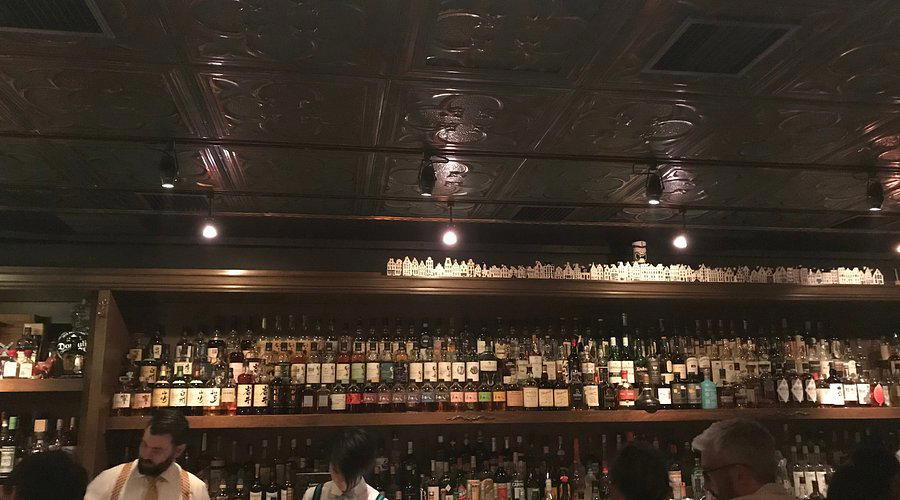
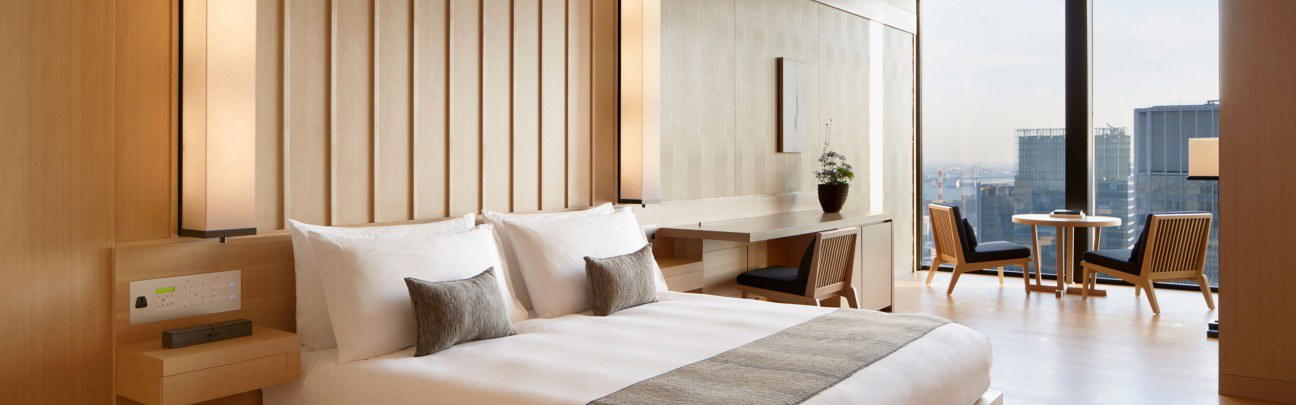
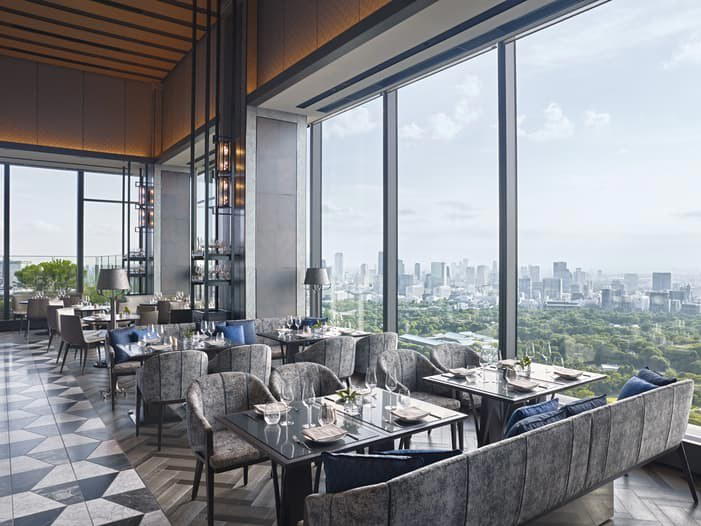
Inside a sukiya-style, ryokan-inspired boat interior with tatami sensibility, counter seating for 12, Kyoto lanterns, bonsai, and large windows framing the Rainbow Bridge and Tokyo Bay nightscape; the mood is intimate, refined and romantic, with the motion of the boat and changing sky forming part of a calm yet cinematic experience.