Our verdict
Among Shirokane's quieter residential streets, Wagyu Yakiniku KIM sits in a price tier where the beef itself carries the argument — no theatrical plating required. The yakiniku format here places sourcing and provenance at the center, positioning KIM alongside Tokyo's most considered meat-focused counters rather than its flashier grill-house competitors.

Pearl is the En Primeur Club membership app — saves, bookings, and concierge access live there. Same editors, same standards.
- Address
- 2 Chome-2-2 Shirokane, Minato City, Tokyo 108-0072, Japan
- Phone
- +81364504129
- Hours
- Mon–Fri 5:30–11 PMSat–Sun 5–11 PM
- Website
- tabelog.com
- Directions
- Get directions
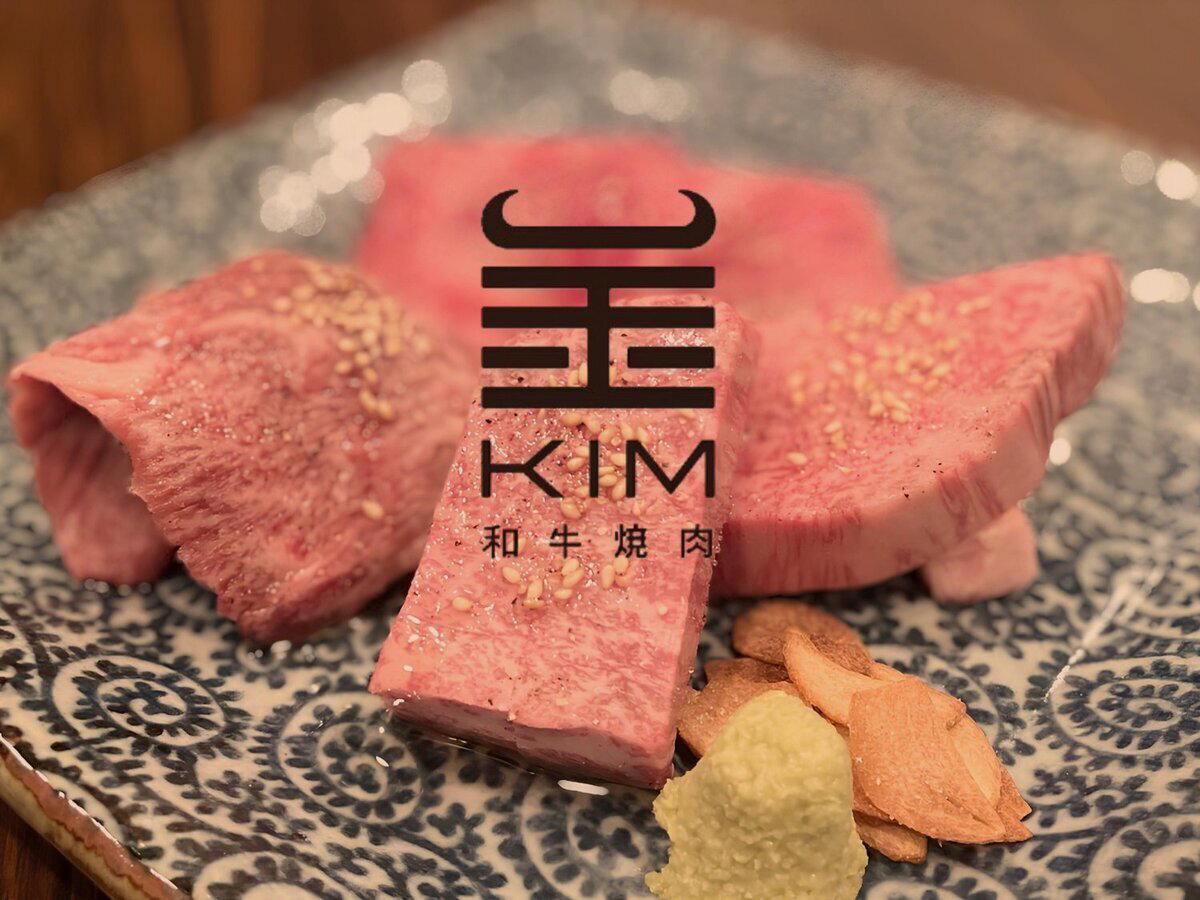
The menu
What to order
- A5 Black Wagyu Sushi
- Sendai Beef
- Yamagata Beef
- Filet Cutlet
- Chateaubriand
Shirokane's Approach to the Grill
Minato's Shirokane district operates at a register that few Tokyo neighborhoods match: residential enough to filter casual foot traffic, yet dense with the kind of serious dining rooms that require a reservation made weeks in advance. The area sits geographically between Hiroo and Shirokanedai, a corridor that has quietly accumulated a concentration of high-commitment restaurants — venues where format, sourcing, and precision matter more than spectacle. Wagyu Yakiniku KIM occupies an address at 2 Chome-2-2 Shirokane within this context, and the neighborhood framing matters: this is not a district that rewards trend-chasing.
Yakiniku as a category has undergone significant stratification in Tokyo over the past decade. At the lower end, the format remains a convivial, affordable ritual — table grills, thin cuts, quick sauces. At the upper end, a smaller cohort of restaurants has reframed the grill as a venue for provenance-led beef, where the sourcing conversation happens before the fire does. KIM sits in that upper cohort, where the question is not how many cuts are on the menu but where each animal came from, how it was raised, and what that lineage means for the fat distribution arriving at the grill.
The Ethics Behind the Fat
Tokyo's premium yakiniku scene has increasingly absorbed the language of sustainability, but in the beef sector that conversation is complicated. Wagyu production, particularly the extended feeding periods required for high-marbling grades, carries an environmental cost that responsible operators in this tier are increasingly transparent about. The most considered rooms in this category respond not by abandoning wagyu but by tightening their sourcing geography: working with fewer producers, buying whole animals rather than selected cuts, and reducing waste by developing preparations for secondary and tertiary cuts that a less committed kitchen would discard.
This whole-animal approach, when applied to premium domestic beef, repositions yakiniku from a format organized around spectacle cuts toward one organized around stewardship. The charcoal grill, which dominates serious yakiniku rooms over gas alternatives for reasons of flavor control and surface temperature, also introduces its own sustainability dimension, sourcing of binchotan charcoal from managed Japanese oak forests has become a marker of operational seriousness in this tier, distinguishing rooms that treat the grill itself as an ethical object from those that treat it as kitchen infrastructure.
For context on how Tokyo's French-influenced fine dining rooms are handling analogous sourcing pressures, L'Effervescence has built a well-documented program around farm relationships and seasonal adjustment. The comparison is instructive: in both categories, the credentialed response to environmental pressure is granular producer knowledge, not broad claims.
Where KIM Sits in Tokyo's Meat-Focused Dining
Tokyo's serious beef rooms occupy a distinct tier from the city's broader fine-dining ecosystem. Venues like RyuGin and Harutaka represent the kaiseki and sushi ends of the highest-commitment dining spectrum; yakiniku at the KIM level operates with a different set of constraints and freedoms. The interaction between diner and kitchen is more direct, the guest participates in cooking, which changes the pacing, the social texture, and the way quality signals are delivered. Fat rendering visibly on a grill is a more immediate quality demonstration than a plated dish arriving from a closed kitchen.
Rooms that operate at this level tend to run small seat counts and tightly controlled seatings, which creates the booking pressure that functions as a trust signal for guests calibrating where a room sits in the hierarchy.
For a sense of how other serious Japanese dining formats are handling similar questions of sourcing and format discipline across the country, Gion Sasaki in Kyoto and HAJIME in Osaka offer instructive regional comparisons, while Goh in Fukuoka demonstrates how provenance-led thinking travels across prefecture lines.
Planning a Visit
Shirokane is accessible via Shirokanedai Station on the Toei Mita Line, which places the neighborhood within reasonable reach of central Tokyo without the density of Roppongi or Ginza. For a room at this level of the yakiniku market, reservation lead time in Tokyo typically runs between two and six weeks, with some of the more tightly held counters extending further during peak periods. Dress expectations at Shirokane's serious dining rooms tend toward smart casual as a floor, with many guests arriving in dinner attire; erring toward the formal end is the lower-risk call.
For a broader picture of where KIM sits within Tokyo's dining geography, our full Tokyo restaurants guide maps the city's serious rooms across categories and neighborhoods. Those building a multi-city Japan itinerary will also find relevant context at akordu in Nara, where European-Japanese producer relationships offer a different angle on the same sourcing conversation, and at a considered room in Nanao that demonstrates how regional Japan is increasingly producing dining experiences that compete with the metropolitan tier.
For international reference points that help calibrate what serious tasting-counter dining costs at this tier globally, Atomix in New York City offers a Korean-rooted fine dining comparison, and Le Bernardin provides a useful benchmark for how sourcing transparency operates at the top end of a different protein category entirely. Additional regional context comes from Sapporo's considered dining rooms, where Hokkaido beef provenance is a central conversation, and from Birdland in Sakai, which handles poultry with the same granular sourcing attention that the leading yakiniku rooms bring to beef. Bistro Ange in Toyohashi, a room in Nishikawa Machi, and a destination address in Takashima round out a picture of how Japan's regional dining culture is engaging with the same sourcing pressures playing out in the metropolitan rooms. For Tokyo's French-influenced counters navigating overlapping questions, Sézanne and Crony provide additional reference.
Frequently asked questions
Where is Wagyu Yakiniku KIM in Tokyo?
Wagyu Yakiniku KIM is located at î2 Chome-2-2 Shirokane, Minato City, Tokyo 108-0072, Japan, Tokyo.
How does Wagyu Yakiniku KIM's Shirokane location compare to Tokyo's main yakiniku districts?
Most of Tokyo's well-known yakiniku addresses cluster in higher-traffic areas like Roppongi, Ebisu, or central Minami-Aoyama, where visibility drives discovery. Shirokane, also within Minato City, operates at a quieter residential register that filters the audience toward regulars and intentional visitors rather than passing trade. The Toei Mita Line's Shirokanedai Station puts the neighbourhood within reach of central Tokyo without placing it in a tourist corridor, which shapes both the clientele and the atmosphere at venues like KIM.
What's the signature dish at Wagyu Yakiniku KIM?
What defines the experience at Shirokane addresses like this one is the cut-by-cut structure of a yakiniku session, where the sequencing of beef grades and grill timing carry as much weight as any single plate. Confirm the current menu format directly with the restaurant before visiting.
Do I need a reservation for Wagyu Yakiniku KIM?
Shirokane's premium beef rooms are residential-quarter venues, which means they run small and fill quickly without the casual walk-in traffic that keeps seats turning. Booking ahead is the standard expectation at this tier of Tokyo yakiniku. check the venue's official channels to confirm availability and lead time.
What makes Wagyu Yakiniku KIM worth seeking out?
Wagyu Yakiniku KIM sits in Shirokane, a Minato City district that filters out foot traffic and attracts a local clientele with specific expectations around beef quality and grill craft. That address alone signals a room focused on the product rather than on visibility. Tokyo's serious yakiniku scene is a distinct category from the city's kaiseki or French-influenced fine-dining tier, and KIM occupies that beef-specific space.
Is Wagyu Yakiniku KIM allergy-friendly?
No allergy or dietary accommodation data is recorded for Wagyu Yakiniku KIM. Given that yakiniku menus are built around beef and often include marinated cuts, sauces, and shared grill surfaces, guests with specific allergies or restrictions should check the venue's official channels before booking.
Is a meal at Wagyu Yakiniku KIM worth the investment?
Premium yakiniku in Tokyo, particularly in a Minato City address like Shirokane, sits in a price bracket defined by the cost of high-grade wagyu sourcing rather than by room decor or service theatre. No price figures are confirmed in the available record for KIM, so the investment question is best answered after contacting the venue directly. What the address and category do signal is a format where the beef itself absorbs most of the spend.
The Minimal Set
Comparable venues nearby, for context on price, style, and recognition.
| Venue | Cuisine | Price | Awards | Notes |
|---|---|---|---|---|
| Wagyu Yakiniku KIMThis venue — the venue you are viewing | Premium A5 Wagyu Yakiniku | $150–200 | Not listed | Not listed |
| てんぷら前平 | Michelin-Starred Tempura | $150–200 | 1 Michelin Star · Tabelog 100 #57 | Minato, Michelin-Starred Tempura Omakase |
| 七ひろ | Modern Japanese Tasting Menu | $30–50 | Michelin Plate | Minato, Modern Japanese Omakase |
| Otani No Sushi | Traditional Japanese Omakase | $300–500 | Not listed | Minato, Traditional Japanese Omakase |
| Rian | Kyoto-style Kappo | $150–200 | Michelin Plate | Minato, Modern Japanese Fine Dining |
| Seryna | Premium Kobe Beef Shabu-Shabu | $100–150 | Not listed | Minato, Premium Kobe Beef Shabu-Shabu |
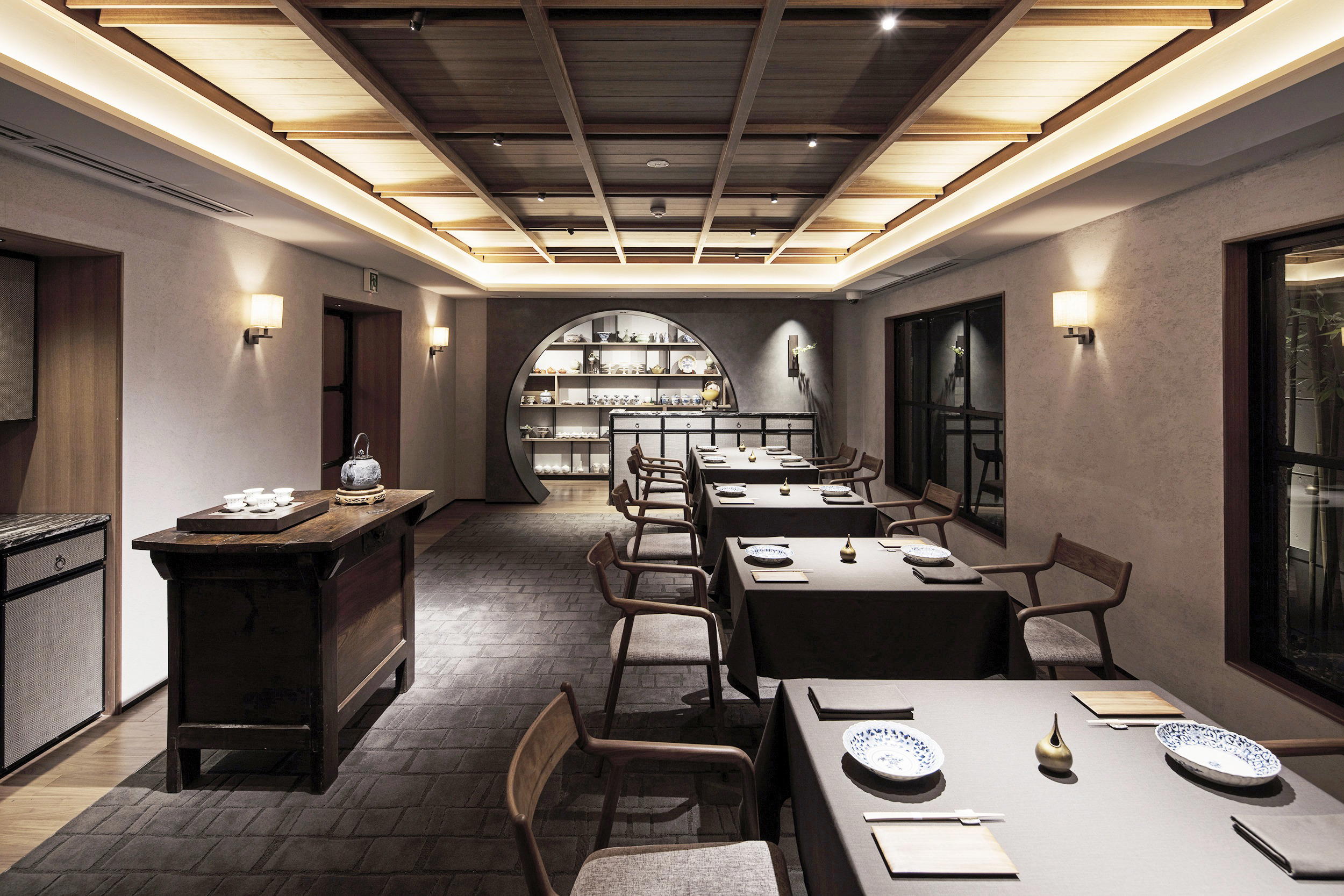



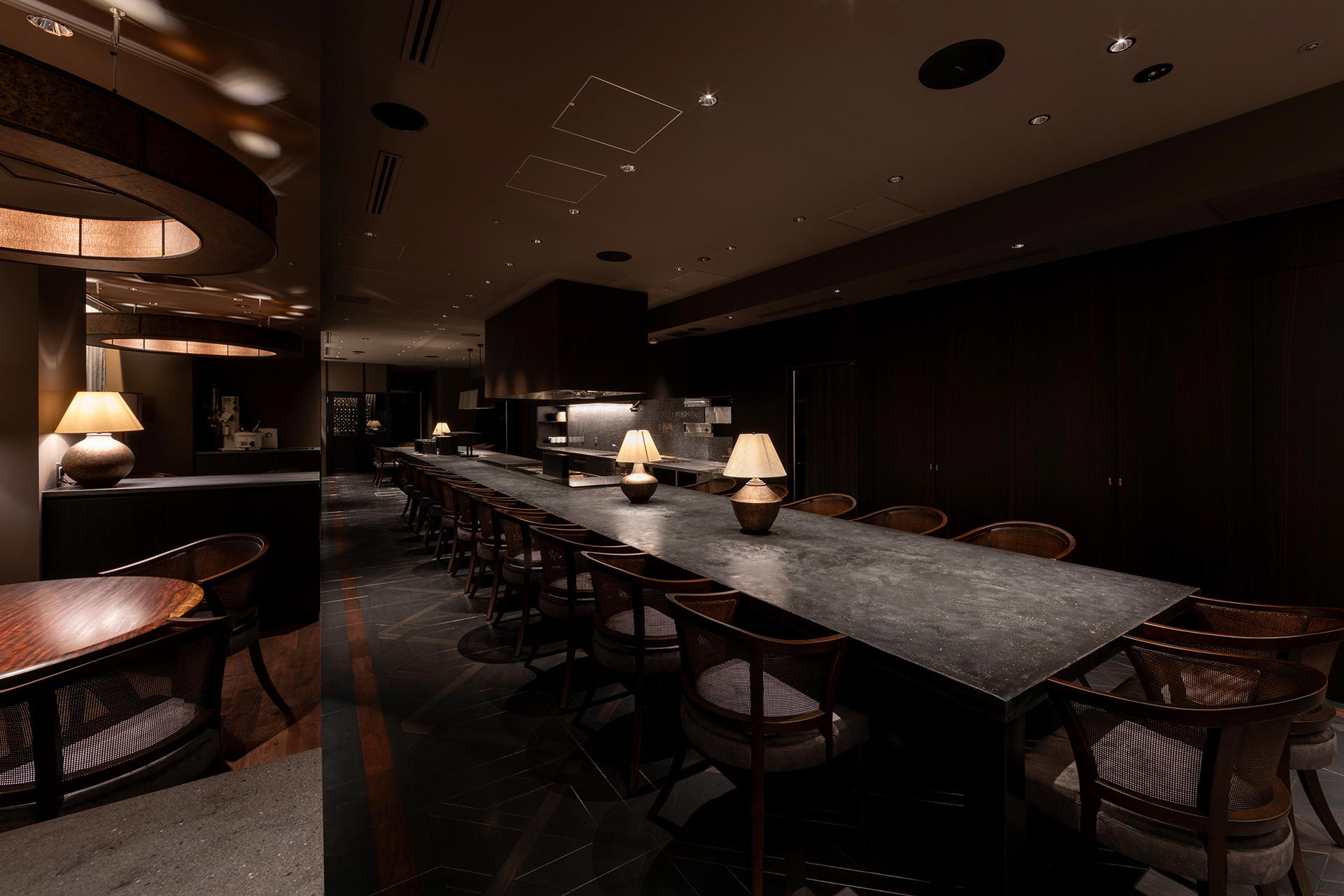


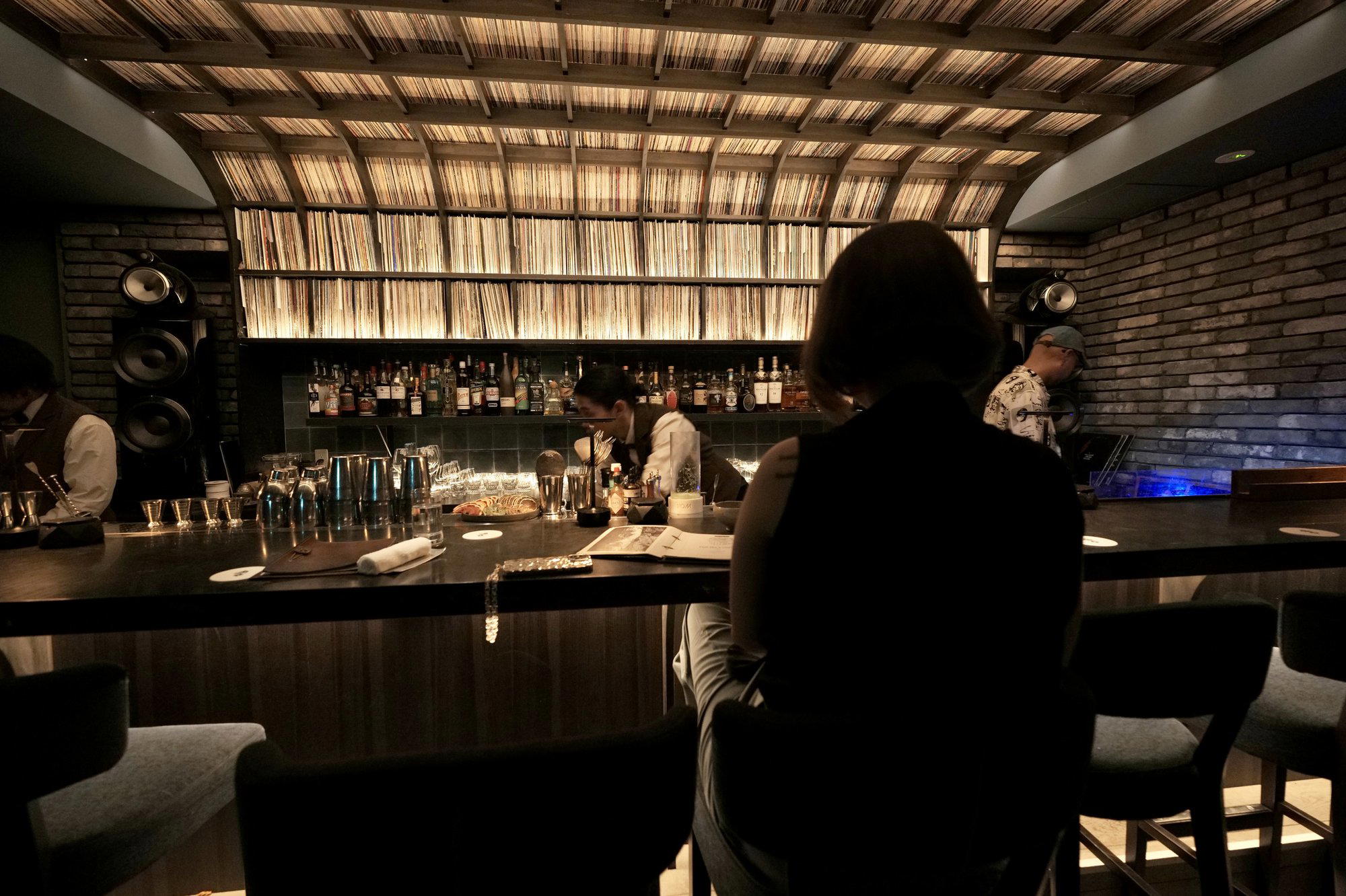




Wagyu Yakiniku KIM
The wine
- Wine program
- Curated wine list
- Extensive wine list
- Sake program
- Craft cocktails
Details
- Elegant
- Sophisticated
- Intimate
- Date Night
- Business Dinner
- Special Occasion
- Celebration
- Group Dining
- Private Dining
- Open Kitchen
- Extensive Wine List
- Sake Program
- Craft Cocktails
- Local Sourcing
- Set Menu
- Family Style
- Sake
- Wine
- Shochu
Current opening hours
- Monday
- 5:30–11 PM
- Tuesday
- 5:30–11 PM
- Wednesday
- 5:30–11 PM
- Thursday
- 5:30–11 PM
- Friday
- 5:30–11 PM
- Saturday
- 5–11 PM
- Sunday
- 5–11 PM
Hours can change for holidays and private events. Last verified .
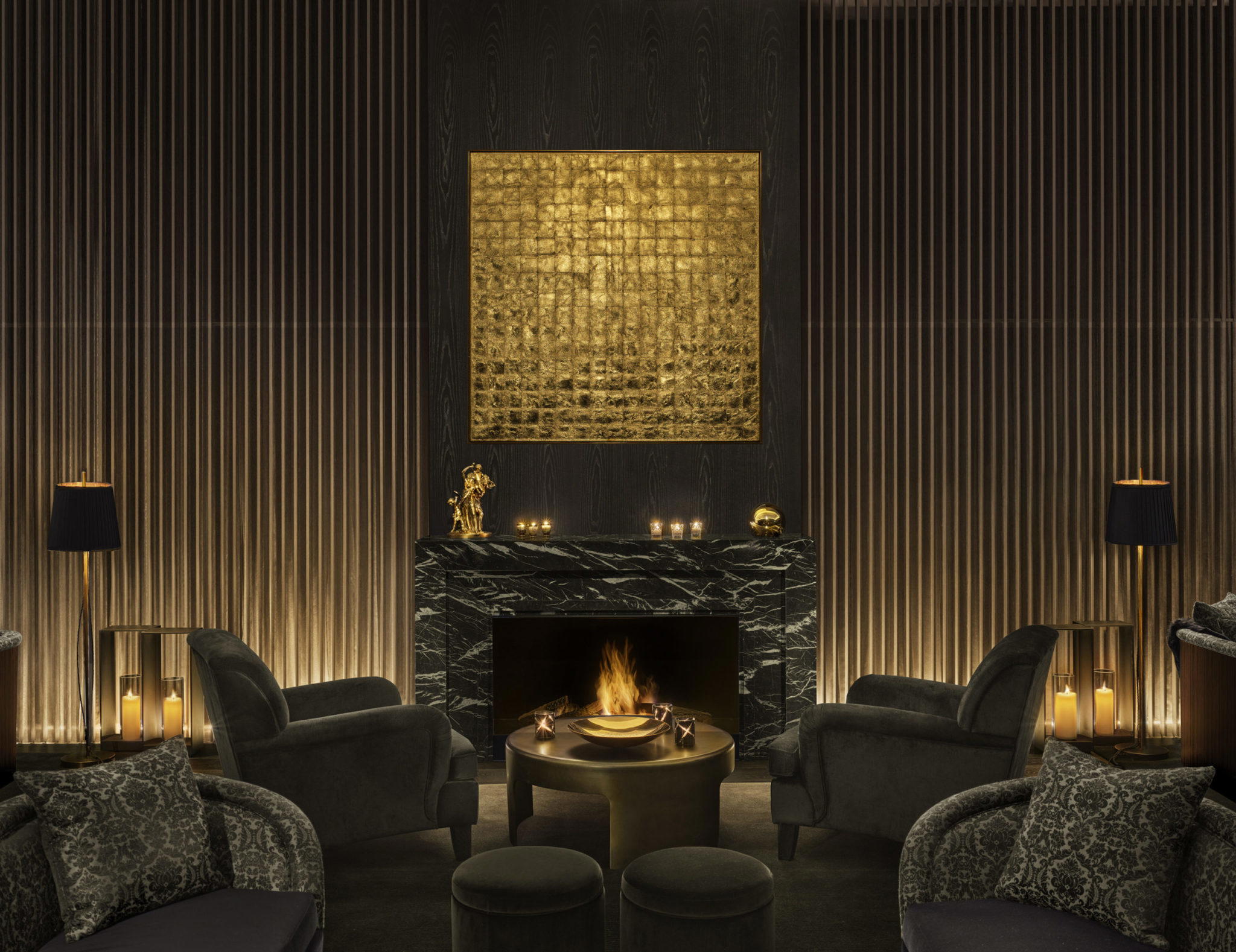
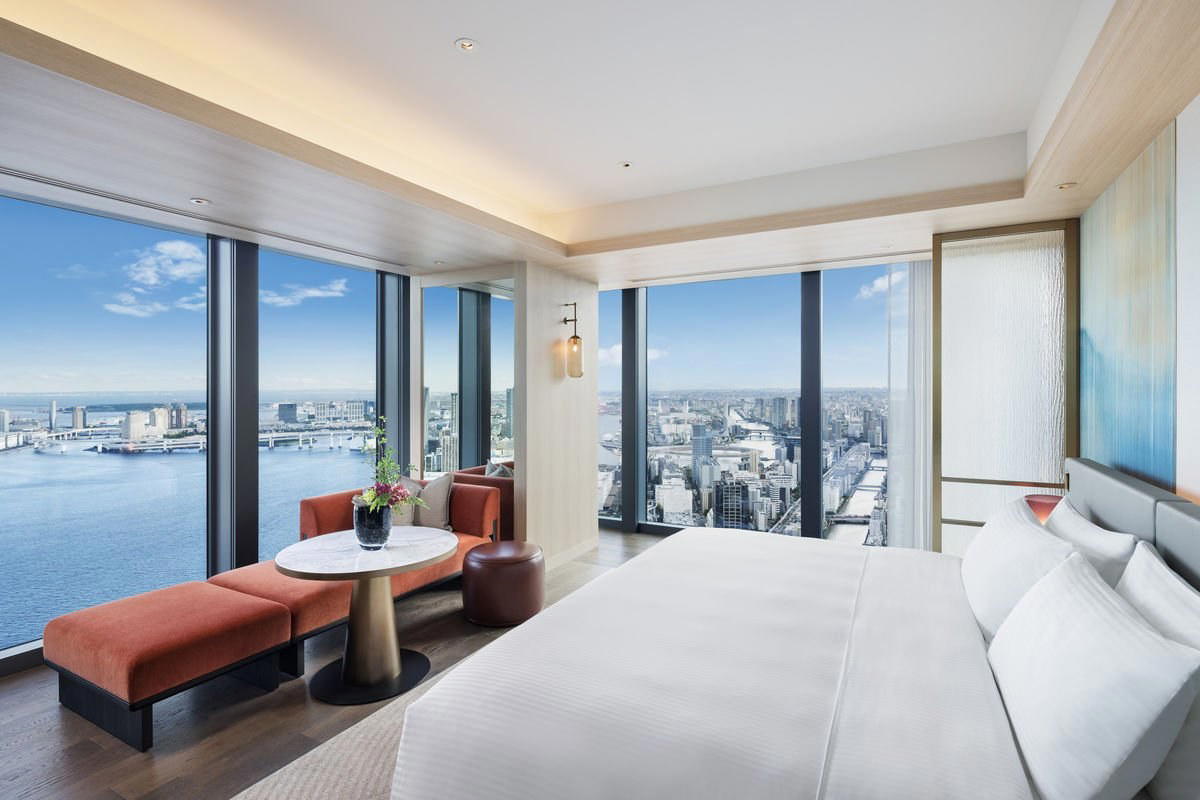
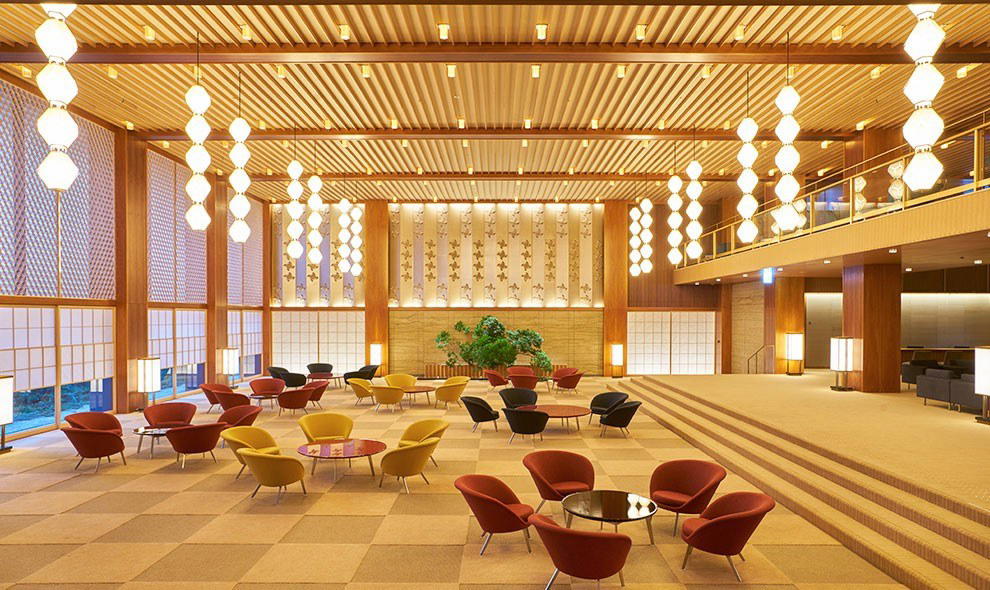
Low-key upscale setting with refined, adult-oriented atmosphere; intimate counter and private room spaces designed for special occasions and relaxed entertainment.