Azabu Wakei occupies a quiet address in Nishiazabu, one of Tokyo's most concentrated pockets of serious dining. The restaurant sits in a neighbourhood where counter-format precision and seasonal Japanese cooking converge at the upper end of the market, placing it in a comparable set defined by restraint, sourcing rigour, and format discipline rather than scale or spectacle.
Pearl is the En Primeur Club membership app — saves, bookings, and concierge access live there. Same editors, same standards.
- Address
- 2 Chome-7-9 Nishiazabu, Minato City, Tokyo 106-0031, Japan
- Phone
- +81334860149
- Website
- wakei.tokyo
- Directions
- Get directions
 Saves & bookings on Pearl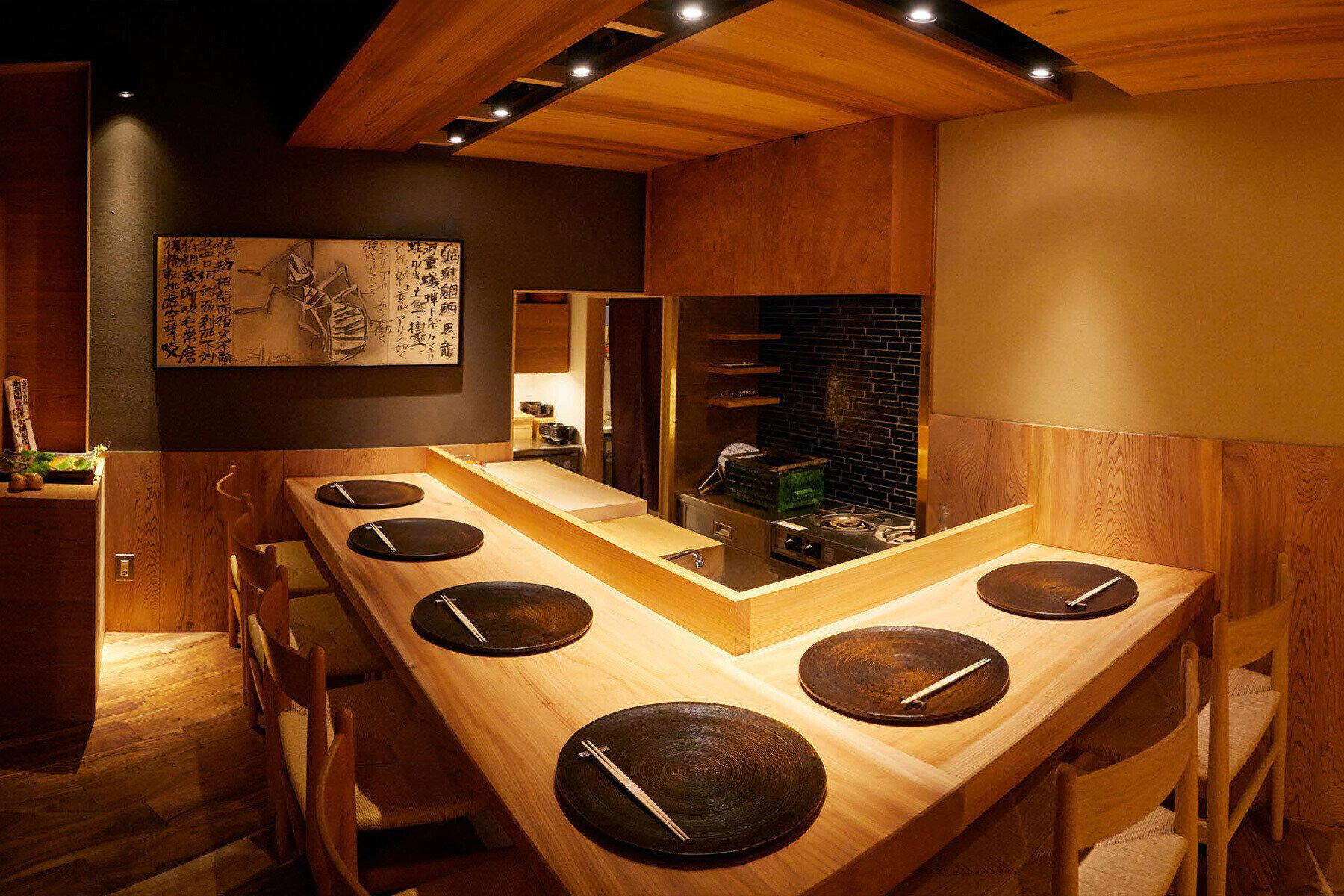
Azabu Wakei is a restaurant in Nishiazabu, Tokyo, with an estimated price of about $250 per person. The streets running south from Roppongi Hills grow quieter, the signage smaller, the facades more considered. This is where Tokyo's dining culture tends to deposit its more serious addresses: rooms that ask something of the guest before service even begins. Azabu Wakei sits within that tradition, on a 2 Chome block where the surrounding neighbourhood does much of the contextual work, and the restaurant operates accordingly.
Reading the Menu as a Document
In Japanese fine dining at this address tier, the menu is rarely a simple list of dishes. It functions closer to an argument: a sequenced statement about what the kitchen values, in what order, and why. The omakase and kaiseki formats that define Nishiazabu's upper dining stratum are built on this logic. Each course is positioned to follow the previous one with a specific kind of intent, whether that means moving from delicate to assertive, or from raw to cooked in a way that mirrors seasonal progression. What the menu reveals, in other words, is the kitchen's editorial sensibility as much as its technical range.
Azabu Wakei operates within this framework. The address in Nishiazabu places it in a neighbourhood where format discipline is taken seriously, and where the structure of a meal carries as much weight as any individual dish. Peer restaurants in this part of Tokyo, including counter-driven addresses like Harutaka and kaiseki-led rooms such as RyuGin, have built their reputations on precisely this kind of architectural coherence. The menu is not a selection; it is a progression.
The Nishiazabu Dining Context
Understanding what the restaurant represents requires some sense of what Nishiazabu has become over the past decade. The neighbourhood now concentrates a disproportionate number of Tokyo's quietly serious restaurants: rooms with small seat counts, chef-driven formats, and booking windows that extend weeks ahead. It is not the obvious tourist circuit of Ginza or the density of Shinjuku. It is, instead, a dining district that rewards prior knowledge.
The competitive set here runs across several cuisine registers. French-inflected tasting menus sit a few blocks from Japanese counter formats. L'Effervescence has built a sustained case for French technique applied to Japanese seasonal produce, while Sézanne, slightly further afield in Marunouchi, represents the same cross-cultural fluency at a different price tier. Closer in register, Crony positions itself within the innovative French bracket that now reads as a distinct Tokyo dining category of its own. The restaurant sits alongside these as part of a neighbourhood ecosystem defined less by any single cuisine type and more by a shared commitment to considered, sequenced dining.
Sourcing, Seasonality, and the Japanese Calendar
Japanese fine dining is structured around the agricultural and fishing calendars in a way that most other traditions are not. The concept of shun, the peak moment for any given ingredient, governs purchasing decisions at the summit tier of Tokyo restaurants. A kitchen operating in this register will change not just garnishes but primary proteins and vegetables in response to what is at its apex in any given week. This is not a marketing position; it is the operational logic that explains why menus at this level rarely print a fixed version and why seasonal timing shapes the guest experience more than any static dish description could.
For a restaurant in Nishiazabu operating in this tradition, the implication is that the experience in early spring, when mountain vegetables begin to arrive from Nagano and Tohoku, differs meaningfully from a visit in mid-autumn, when Pacific saury and matsutake mushrooms define the seasonal register.
Where Azabu Wakei Sits in the Broader Japan Picture
Tokyo tends to draw international attention within Japan's fine dining circuit, but the country's restaurant culture is substantially distributed. HAJIME in Osaka and Gion Sasaki in Kyoto represent different regional expressions of the same underlying commitment to seasonal, format-driven Japanese cooking. Further afield, akordu in Nara, Goh in Fukuoka, and Abon in Ashiya each contribute to a national dining picture that extends well beyond the capital. What distinguishes a Nishiazabu address is not superiority over those regional rooms but rather the specific density of peer-level competition in a single postal district, and the particular version of cosmopolitan Japanese dining that density has produced.
For context outside Japan, the format discipline and sequenced tasting logic at this restaurant tier has parallels abroad. Le Bernardin in New York City and Lazy Bear in San Francisco each operate with a similar commitment to menu architecture as a statement of kitchen values, though through entirely different culinary traditions. The reader planning a multi-city itinerary will find that the underlying grammar of a well-structured tasting menu translates across geographies, even as the vocabulary changes.
Planning a Visit
Nishiazabu is most directly reached from Roppongi station on the Hibiya or Oedo lines, or from Hiroo station on the Hibiya line. The 2 Chome address places the restaurant within a short walk of both.
Across the wider Japanese dining circuit, addresses worth pairing into a longer itinerary include affetto akita in Akita, Aji Arai in Oita, Ajidocoro in Yubari District, Akakichi in Imabari, and aki nagao in Sapporo, each of which operates with a regional specificity that a Tokyo-only itinerary cannot replicate.
Know Before You Go
- Address: 2 Chome-7-9 Nishiazabu, Minato City, Tokyo 106-0031, Japan
- Nearest station: Roppongi or Hiroo
- Booking: Reservation essential
- Timing: Seasonal menus at this level shift with the Japanese agricultural calendar; spring and autumn visits typically reflect the widest ingredient range
- Format note: Nishiazabu's serious dining rooms typically operate omakase or set-menu formats; walk-in availability is limited
Price and Recognition
Comparable venues nearby, for context on price, style, and recognition.
| Venue | Cuisine | Price | Notes |
|---|---|---|---|
| Azabu WakeiThis venue — the venue you are viewing | Minato, Traditional Japanese Kaiseki | $$$$ | Not listed |
| The INNOCENT CARVERY | Minato, Modern Wagyu Yakiniku Omakase | $$$$ | Not listed |
| Sushi Kinoshita | Not listed | $$$$ | Minato, Seasonal Japanese & Edomae Sushi Omakase |
| 西麻布いちの | Minato, Japanese Fine Dining | $$$$ | Not listed |
| Higuchi | Shibuya, Modern Japanese Kappo Omakase | $$$$ | Not listed |
| Sushi Shinpaku | Shibuya, Japanese Sushi Omakase | $$$$ | Not listed |













At a Glance
- Elegant
- Sophisticated
- Intimate
- Special Occasion
- Date Night
- Chefs Counter
- Sake Program
Current opening hours
- Monday
- 5:30–9 PM
- Tuesday
- 5:30–9 PM
- Wednesday
- 5:30–9 PM
- Thursday
- 5:30–9 PM
- Friday
- 5:30–9 PM
- Saturday
- 5:30–9 PM
- Sunday
- Closed
Hours can change for holidays and private events. Last verified .
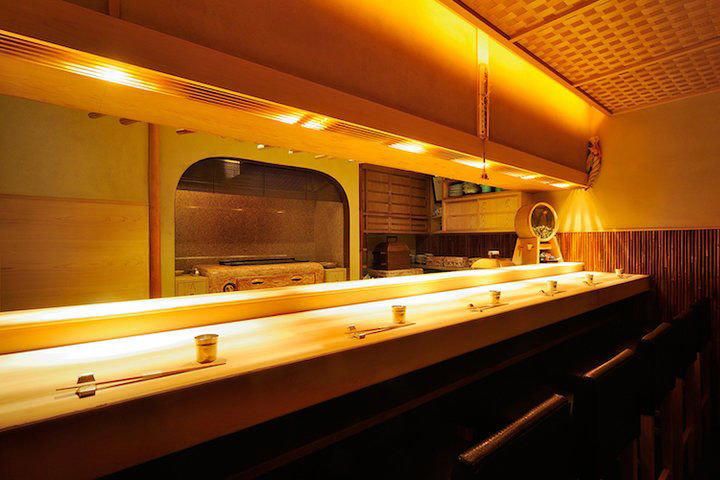
Refined and elegant atmosphere featuring artistic plating and delicate presentation of seasonal ingredients in an intimate setting.