アムール occupies a quiet corner of Hiroo, one of Tokyo's most residential and diplomatically-flavoured neighbourhoods, where French-inflected fine dining has long found a natural home away from the dense competition of Ginza and Shinjuku. The address places it within easy reach of Hiroo station, and the surrounding streets set a mood that carries into the room itself, considered, unhurried, and deliberately removed from spectacle.
- Address
- 1 Chome-6-13 Hiroo, Shibuya, Tokyo 150-0012, Japan
- Phone
- +81334091331
- Website
- amourtokyojapan.com
- Directions
- Get directions
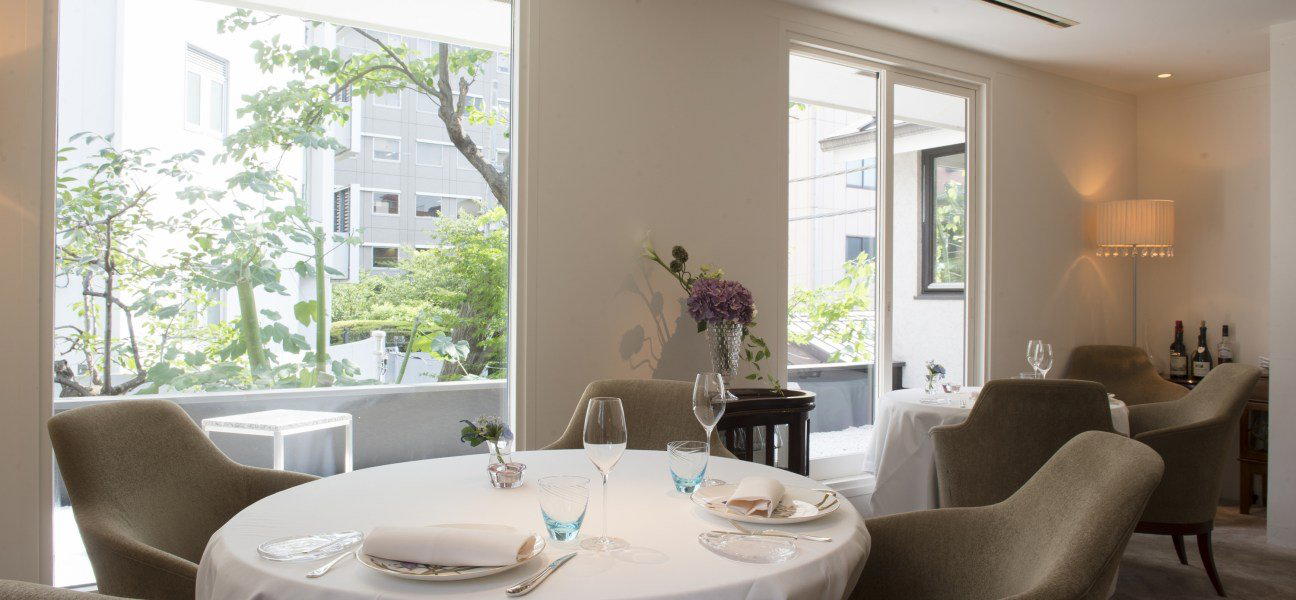
Hiroo and the French Dining Tradition in Tokyo
Tokyo's French fine dining scene has never been geographically uniform. Ginza commands the highest concentration of Michelin-starred French tables, but Hiroo, Shibuya, and Azabu have historically supported a parallel tier of French-inflected restaurants that draw on the neighbourhood's diplomatic and expatriate character rather than the commercial density of central Tokyo. In Hiroo specifically, the customer base has long shaped a more intimate style of French cooking, one that privileges precision and progression over theatrical presentation. アムール, at 1 Chome-6-13 Hiroo, is a Japanese-French fine dining restaurant in Tokyo.
The neighbourhood itself is worth understanding as context. Hiroo's main drag hosts embassies and international schools alongside long-established French bistros and épiceries. It is one of the few Tokyo districts where French cuisine has genuine roots in the community rather than in tourism or trophy dining. That context tends to attract restaurants with a quieter confidence, places that compete on the quality of a meal's progression rather than on external cachet. For diners comparing across Tokyo's French options, venues like L'Effervescence and Sézanne represent the Michelin-decorated end of the city's French spectrum; アムール occupies a complementary position in a more residential register.
The Arc of a Meal: Sequencing and Intention
In the French tasting format that defines restaurants of this type, the logic of sequencing carries as much weight as any individual dish. Japanese chefs working in classical French idioms have consistently distinguished themselves through an almost architectural attention to pacing, the way a meal builds from lighter, more acidic early courses through richer mid-sections before arriving at something that closes the arc with clarity rather than excess. This approach, visible across the broader Tokyo French scene from Crony to the kaiseki-influenced structures at RyuGin, has become a signature of how Japanese fine dining sensibility intersects with French technique.
At restaurants in アムール's category, the progression typically begins with cold or lightly dressed preparations that establish acidity and delicacy before any heat-driven richness enters. Mid-course proteins arrive at a point where the palate has been prepared rather than confronted. The cheese course, where offered, functions as both punctuation and transition rather than an afterthought. Desserts in this register tend toward restraint, resolving the meal's richness rather than amplifying it. The format it operates within carries these conventions as a baseline.
For comparison, the French tasting format in Tokyo's top tier runs from around ¥30,000 to ¥50,000 per person at counters and small dining rooms with Michelin recognition, a range occupied by peers including L'Effervescence and Sézanne. Hiroo addresses in this style tend to price modestly within that band, reflecting both their neighbourhood positioning and their distance from the premium Ginza address tax.
Hiroo as a Dining Destination
Reaching Hiroo requires a short walk from Hiroo station on the Tokyo Metro Hibiya Line, or a direct taxi from central Shibuya. The neighbourhood is less congested than Roppongi to the west or Ebisu to the south, which makes early-evening arrivals noticeably calmer. Diners approaching from further afield, say from a lunch at Harutaka in Ginza or an afternoon in Shibuya, will find Hiroo's pace a useful decompression before a multi-course dinner.
The area rewards arriving on foot from the station, which takes roughly five minutes along streets that shift quickly from commercial to residential. That transition sets the register for a meal at a place like アムール: you leave behind the visual noise of central Tokyo and arrive at something more considered. It is a structural feature of Hiroo dining that the neighbourhood itself does some of the atmospheric work before you step inside.
Placing アムール in the Broader Japanese Fine Dining Picture
Tokyo is the densest concentration of Michelin stars in the world, which means that any restaurant operating at the French tasting-menu level competes within an extraordinarily well-resourced field. Across Japan, the French fine dining conversation extends beyond Tokyo: HAJIME in Osaka holds three Michelin stars for its nature-referencing French tasting format, while Gion Sasaki in Kyoto demonstrates how Japanese culinary discipline translates across Western frameworks. Further afield, akordu in Nara and Goh in Fukuoka show the geographic spread of serious cooking beyond Japan's two largest cities.
Within Tokyo itself, the French tasting format also has to compete with more internationally visible formats. The omakase sushi counter is more associated with Tokyo in overseas perception, with houses like Harutaka drawing international reservation demand that French tables in quieter neighbourhoods do not always match. That asymmetry in global visibility can make Hiroo French addresses easier to book than their Ginza counterparts, which is relevant logistical intelligence for anyone planning a Tokyo itinerary around multiple high-end meals.
The comparison also extends internationally. The French tasting-menu format in New York, as practised at Le Bernardin or in the Korean-French register at Atomix, signals how adaptable the multi-course progression has become as a global dining grammar. Tokyo's version of this grammar, inflected by Japanese sourcing standards and the precision expectations embedded in the local dining culture, produces something distinct from its Western counterparts. アムール operates at the intersection of those influences.
For a broader orientation across Tokyo's restaurant scene, including French, sushi, kaiseki, and innovative formats, see our full Tokyo restaurants guide. Readers interested in exploring dining outside the major cities may find value in tables like 一本木 奥川鮨 in Nanao, 大地の恵み in Sapporo, 湖鱗庵 in Takashima, 羽根屋 in Nishikawa Machi, Birdland in Sakai, and Bistro Ange in Toyohashi, each of which operates in regional Japanese dining contexts that differ markedly from the Tokyo fine dining mainstream.
Planning Your Visit
アムール is located at 1 Chome-6-13 Hiroo, Shibuya, Tokyo 150-0012. Current hours and booking details should be confirmed directly with the restaurant. Advance booking is advisable.
Comparable Options
Comparable venues nearby, for context on price, style, and recognition.
| Venue | Cuisine | Price | Notes |
|---|---|---|---|
| アムールThis venue — the venue you are viewing | Japanese-French Fine Dining | $$$$ | Not listed |
| アルシミスト | Modern French with Japanese Seasonal Ingredients | $$$$ | Minato |
| エクアトゥール | Innovative French | $$$$ | Minato |
| Cuisine Michel Troisgros | Contemporary French Fine Dining | $$$$ | Shinjuku |
| カーエム | Classic French Fine Dining | $$$$ | Chūō |
| 銀座レカン | Classic Modern French Fine Dining | $$$$ | Chūō |














At a Glance
- Intimate
- Elegant
- Minimalist
- Sophisticated
- Date Night
- Special Occasion
- Business Dinner
- Chefs Counter
- Sake Program
Current opening hours
- Monday
- 12–3 PM, 6–9 PM
- Tuesday
- 12–3 PM, 6–9 PM
- Wednesday
- 12–3 PM, 6–9 PM
- Thursday
- 12–3 PM, 6–9 PM
- Friday
- 12–3 PM, 6–9 PM
- Saturday
- 12–3 PM, 6–9 PM
- Sunday
- 12–3 PM, 6–9 PM
Hours can change for holidays and private events. Last verified .
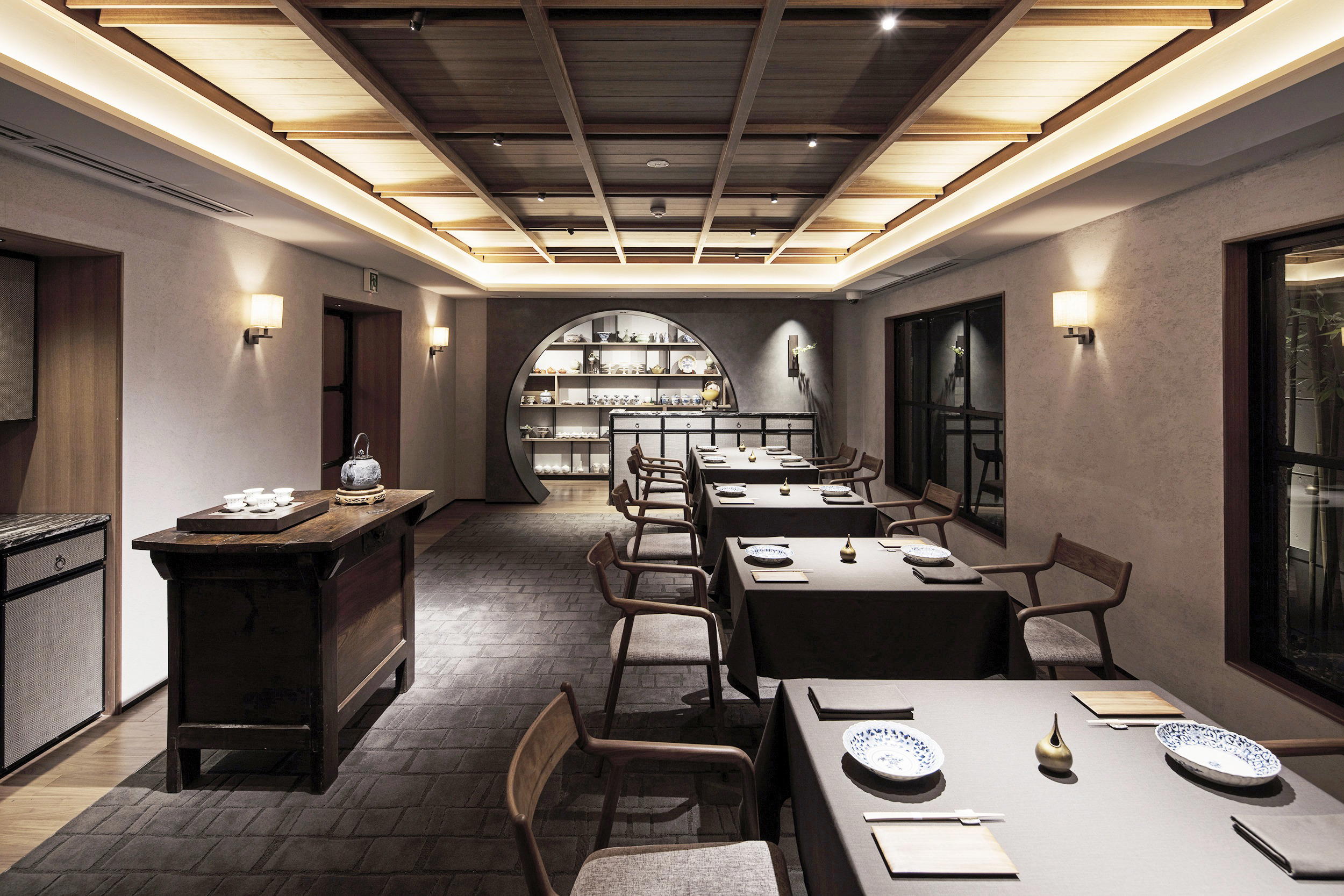
Beautifully minimalist European-style interior with a refined and cozy atmosphere.