In Motoazabu's residential streets, エクアトゥール occupies a second-floor address that places it at some remove from Tokyo's more conspicuous fine-dining corridors. The restaurant operates within a French-inflected framework that has come to define a particular tier of Tokyo dining, technically serious, format-conscious, and built for guests who arrive with prior knowledge rather than passing curiosity.
Pearl is the En Primeur Club membership app — saves, bookings, and concierge access live there. Same editors, same standards.
- Address
- Japan, 〒106-0046 Tokyo, Minato City, Motoazabu, 3 Chome−6−34 カーム元麻布 2F
- Phone
- +81364472121
- Website
- equa-teur.com
- Directions
- Get directions
 Saves & bookings on Pearl
Motoazabu and the French Counter Tradition in Tokyo
エクアトゥール is a Tokyo restaurant in Motoazabu serving Innovative French cuisine at about $300 per person. Since the 1970s and 1980s, when classically trained Japanese chefs began returning from stages in Lyon and Paris, the city has developed a French-influenced fine-dining tier that now rivals, and in certain respects surpasses, what comparable European capitals produce. That lineage has split into recognisable sub-traditions: the grand salon approach, the open-kitchen counter format, and the quieter, apartment-building restaurant that foregrounds cuisine over environment. エクアトゥール, on the second floor of a building in Motoazabu's 3-chome, belongs to the third category.
Motoazabu itself occupies an interesting position in Tokyo's dining geography. The neighbourhood lacks the name recognition of Ginza or Nishiazabu, but that relative obscurity has made it hospitable to restaurants that depend on word-of-mouth and repeat guests rather than foot traffic. That selectivity shapes the atmosphere before the food arrives.
How the Menu Is Built, and What It Signals
In Tokyo's upper-tier French and contemporary Japanese restaurants, menu architecture has become as legible a statement as ingredient sourcing or kitchen lineage. The shift from à la carte flexibility to structured tasting formats, common across venues like L'Effervescence and Sézanne, reflects a deliberate choice about the relationship between kitchen and guest. A fixed-progression menu signals that the kitchen controls the narrative, that sequence and pacing are considered part of the cooking itself, and that the guest's role is to follow rather than curate.
エクアトゥール operates within this format logic. The French etymology of the name, équateur, meaning equator, gestures toward something about balance or a central axis, which may reflect how the kitchen positions its approach: a point of equilibrium between European technique and Japanese ingredient sensibility. This is a recognisable positioning in Tokyo, where particularly interesting French-Japanese propositions are neither fusion exercises nor straight-line French classicism, but something more structurally considered. Venues like Crony operate in adjacent territory, applying French training to a format and sourcing philosophy that is thoroughly Tokyo.
Menu architecture at this level also determines the pace of the meal. At counters and small dining rooms in Motoazabu and similar neighbourhoods, courses are typically calibrated so that the kitchen's preparation rhythm and the guest's attention span track together. The absence of à la carte creates a different social contract: guests surrender choice in exchange for coherence. That trade-off defines the experience as much as any single dish.
Placing エクアトゥール in the Tokyo Fine-Dining comparable set
Tokyo's premium French and contemporary dining tier is more internally differentiated than it appeared a decade ago. At the upper end, three-Michelin-star addresses like RyuGin anchor the kaiseki-adjacent Japanese end of the spectrum, while the French tradition produces its own stratification. Some venues in this tier have achieved international publication recognition; others operate with lower profiles but equivalent technical seriousness. The Motoazabu address places エクアトゥール in the latter category: smaller footprint, neighbourhood rather than landmark location, and a guest profile that skews toward people already invested in Tokyo's dining depth rather than first-time visitors orienting by name recognition.
This pattern is not distinctive to Tokyo. Japan's broader fine-dining network distributes serious cooking across cities and scales that international visitors underestimate. HAJIME in Osaka, Gion Sasaki in Kyoto, and akordu in Nara each represent the same logic applied to different cities: technically serious restaurants operating below the radar of mass tourism, in neighbourhoods that reward genuine interest. Goh in Fukuoka extends that pattern further south. エクアトゥール's Motoazabu position is consistent with this national tendency toward distributed, low-profile excellence.
Compared directly to Tokyo peers by price and format, the relevant reference points are the ¥¥¥¥ tier: Harutaka for sushi, L'Effervescence and Sézanne for French, Crony for the innovative French bracket. Internationally, the French fine-dining lineage that informs this tier traces to rooms like Le Bernardin in New York, while contemporary East-West integration finds a reference point in Atomix. Within Japan's wider geography, 一本木 佳川製 in Nanao, 夕佳乃 in Sapporo, 湖邸庵 in Takashima, 蔵羽屋 in Nishikawa Machi, Birdland in Sakai, and Bistro Ange in Toyohashi represent the depth of serious restaurant culture operating across the country at varying price points.
What Draws Guests to This Kind of Address
Restaurants like エクアトゥール attract a specific type of guest: someone who has already worked through the more-publicised addresses and is now interested in the layer beneath. The Motoazabu location, the building-second-floor format, and the French framework without obvious international marketing are all signals that read as features rather than deficits to that audience. The comparison with similarly structured rooms in other cities, the kind that Atomix in New York represents for Korean fine dining, suggests that format-conscious, low-footprint restaurants have become a recognised category in their own right, not simply smaller versions of larger institutions.
The French connection also matters contextually. Japan has produced a generation of chefs trained in France who returned and built careers on translating that technique into Japanese ingredient vocabularies. That synthesis is now a Tokyo dining tradition rather than a novelty, and restaurants working within it are evaluated on the sophistication of the translation, not simply its existence.
Know Before You Go
Address: カーム元麻布 2F, 3 Chome-6-34 Motoazabu, Minato City, Tokyo 106-0046
Neighbourhood: Motoazabu, Minato-ku, a quiet residential area approximately ten minutes by taxi from Hiroo or Azabu-Juban stations
Format: Second-floor dining room; structured tasting format consistent with this tier of Tokyo French dining
Booking: Advance reservation strongly advised; this category of Tokyo restaurant typically books several weeks ahead, with demand peaking during autumn (October-November) and spring cherry blossom season (late March-April)
Price tier: $300 per person.
Well suited for: Guests seeking an intimate French dining room in Motoazabu.
Recognition, Side-by-Side
Comparable venues nearby, for context on price, style, and recognition.
| Venue | Cuisine | Price | Notes |
|---|---|---|---|
| エクアトゥールThis venue — the venue you are viewing | Innovative French | $$$$ | Not listed |
| ル スプートニク | Modern French Tasting Menu | $$$$ | Minato |
| アサヒナ ガストロノーム | Modern French Gastronomy with Japanese Touch | $$$$ | Chūō |
| モナリザ 丸の内店 | Modern French Fine Dining | $$$$ | Chiyoda |
| アムール | Japanese-French Fine Dining | $$$$ | Shibuya |
| クラフタル | Modern French Omakase | $$$$ | Meguro |











At a Glance
- Intimate
- Elegant
- Sophisticated
- Date Night
- Special Occasion
- Private Dining
- Sake Program
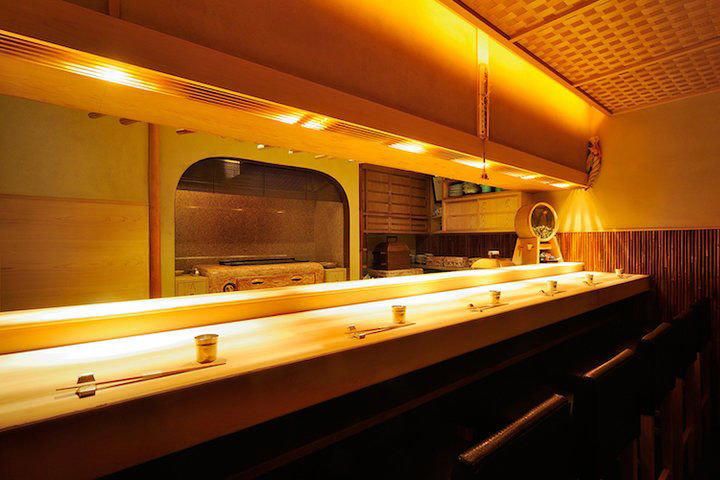
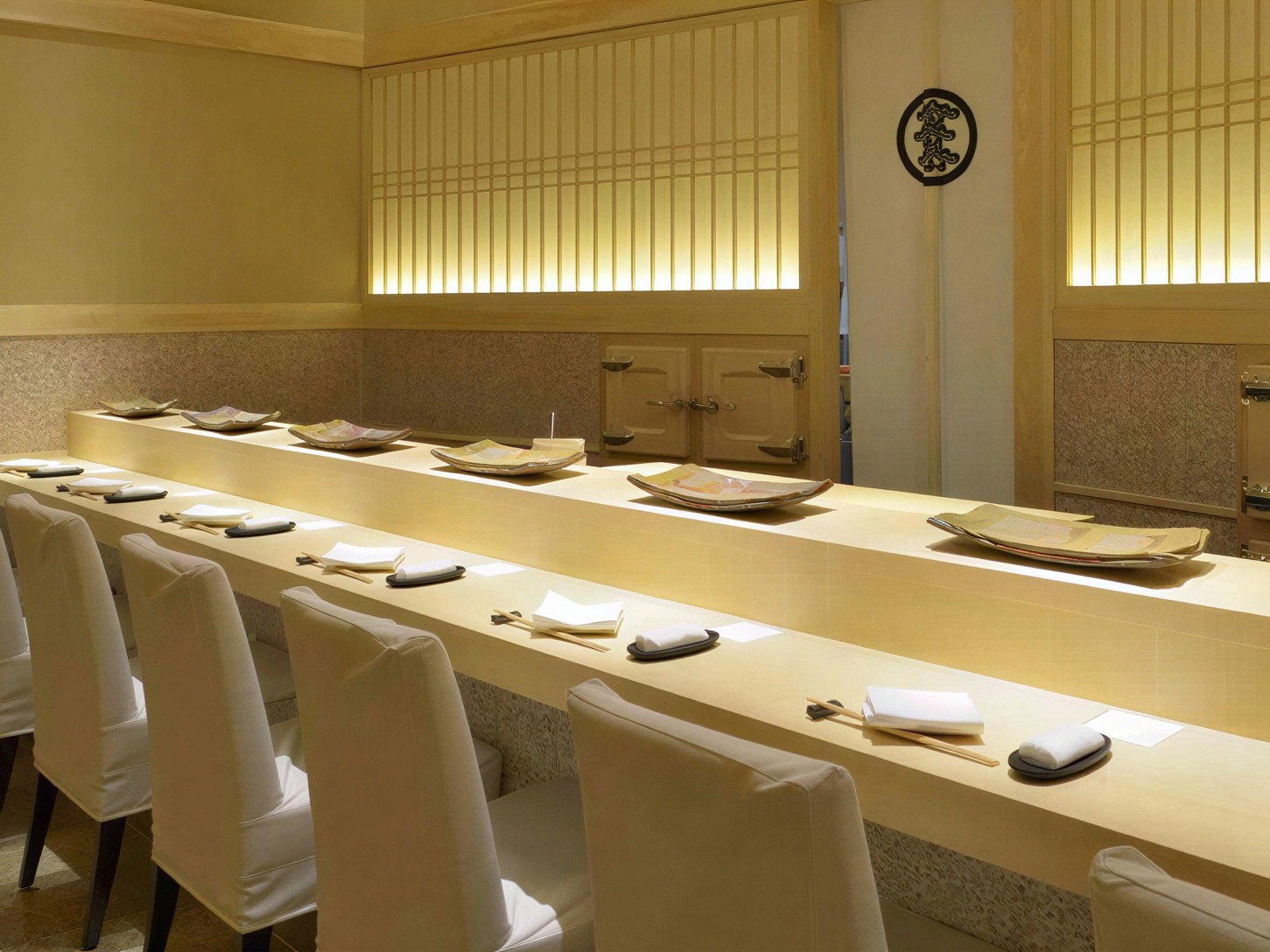
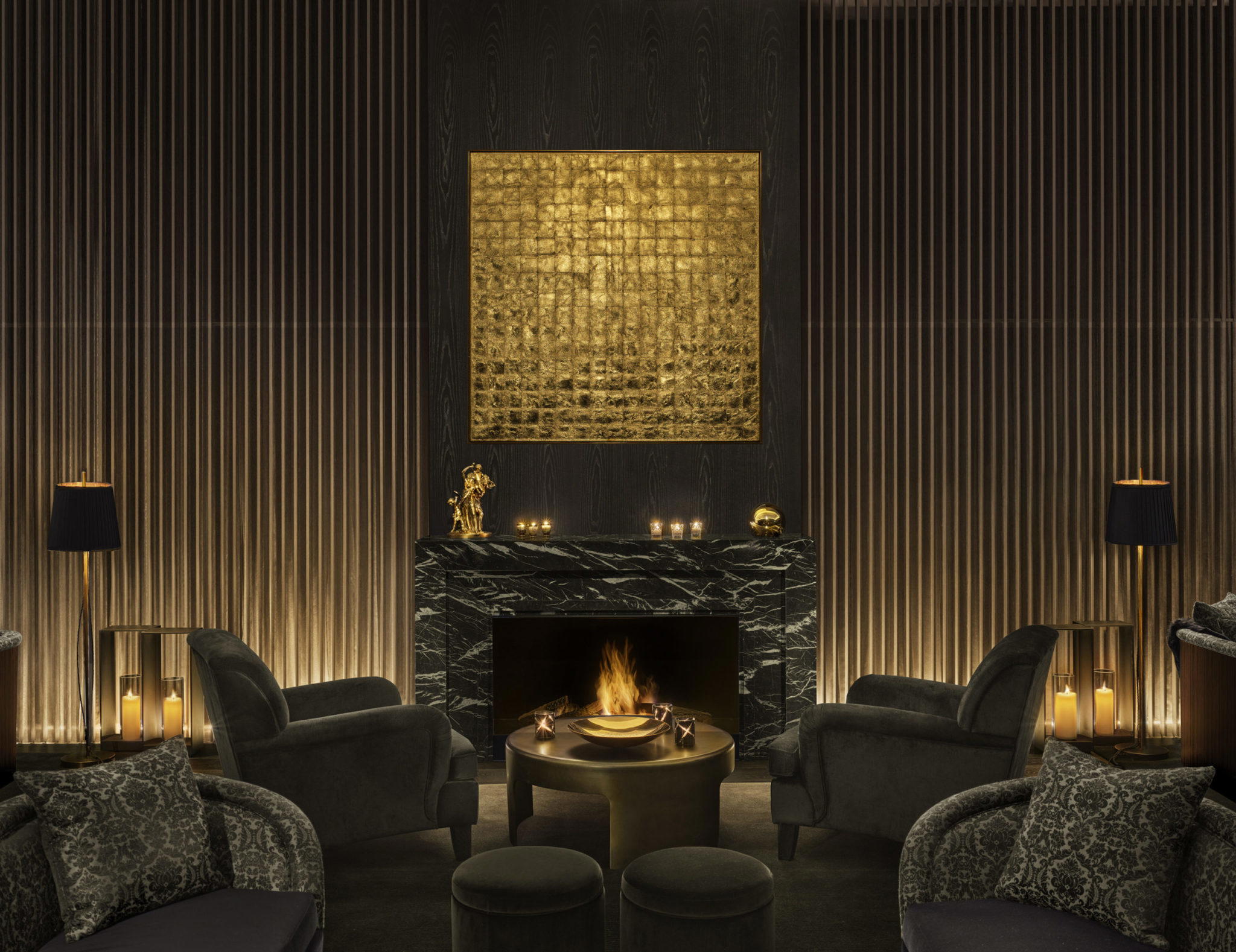
Cozy and intimate hidden restaurant atmosphere in a private apartment setting with elegant, colorful presentations.