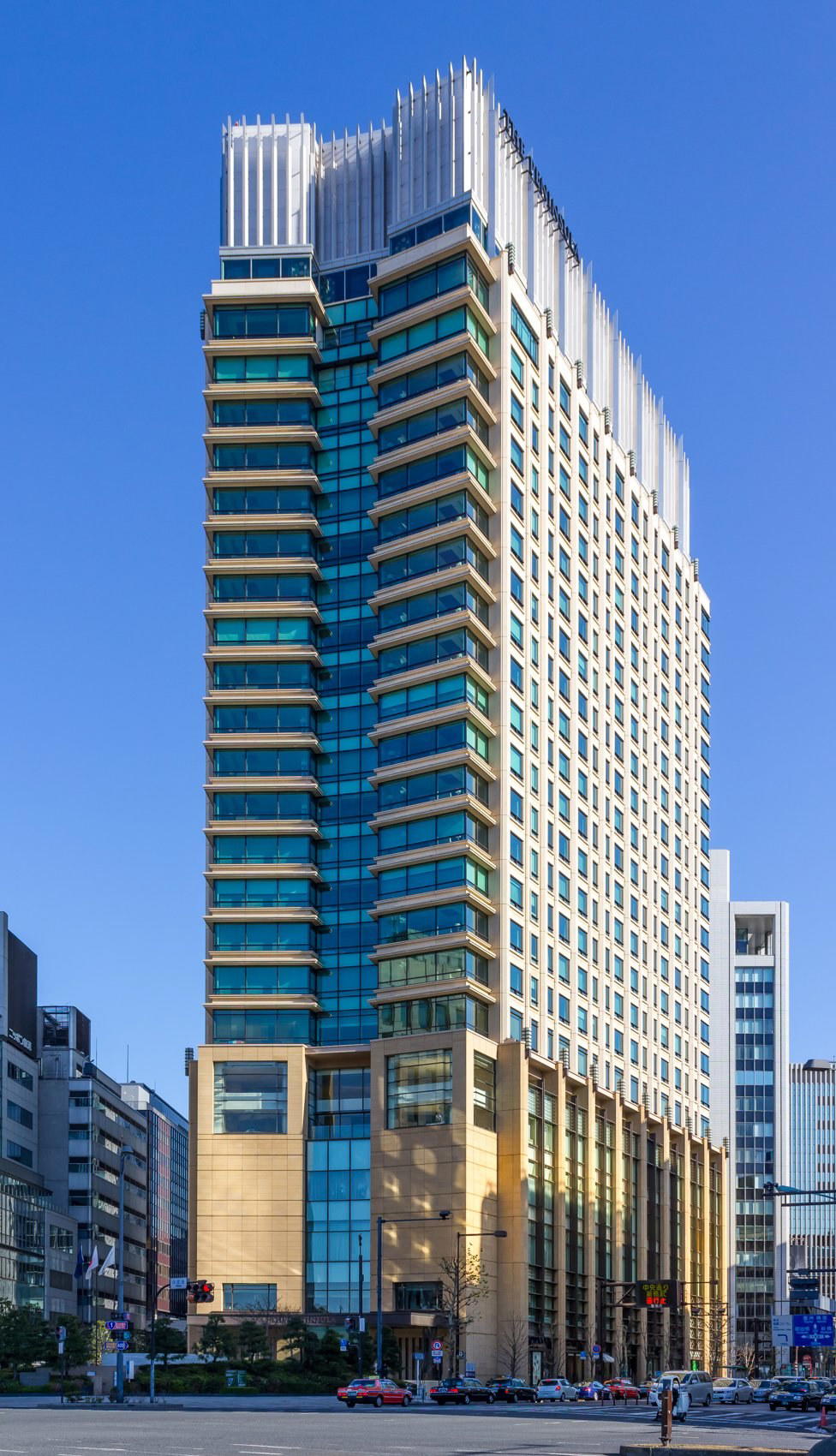
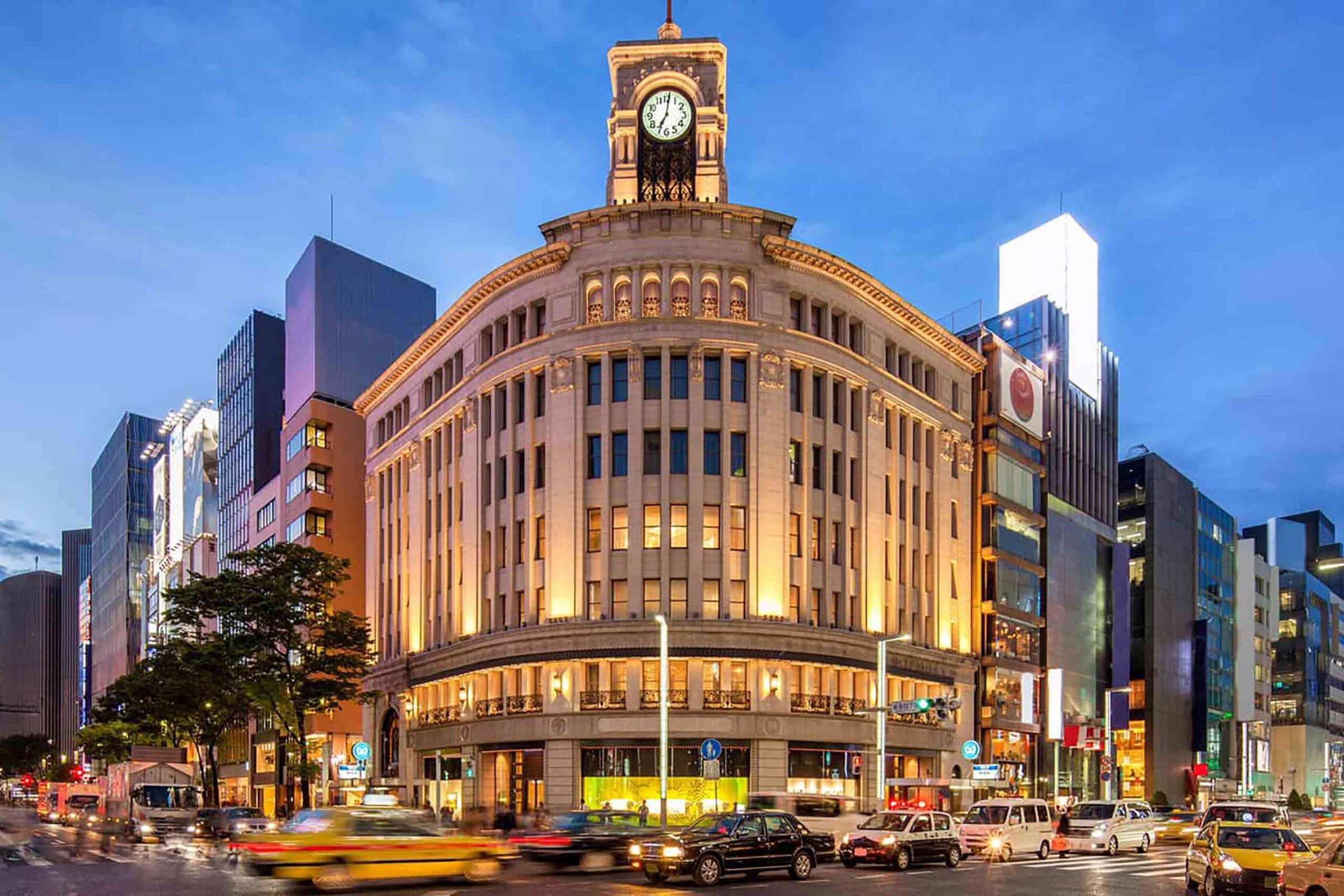
Ginza Lecain occupies the basement of the Mikimoto flagship on Chuo-dori, holding its position as one of Tokyo's longest-running French fine dining addresses. The cellar program sits at the centre of the experience, with curation depth that matches the seriousness of the kitchen. For French dining in the capital, it represents the old guard at its most considered.
Pearl is the En Primeur Club membership app — saves, bookings, and concierge access live there. Same editors, same standards.
- Address
- Japan, 〒104-0061 Tokyo, Chuo City, Ginza, 4 Chome−5−5 ミキモト本店ビル B1F
- Phone
- +81335619706
- Website
- lecringinza.co.jp
- Directions
- Get directions
 Saves & bookings on Pearl
French Fine Dining in Ginza: The Institutional Tier
Tokyo's French restaurant scene divides cleanly into two generations. The first is institutional: addresses that survived through technical discipline, loyal clientele, and cellar depth accumulated over decades. The second is contemporary: a wave of younger kitchens, many with Japanese-French crossover menus and tasting formats that align more closely with the current international conversation. 銀座レカン (Ginza Lecain) sits in the first tier, operating from the basement of the Mikimoto main building at 4-5-5 Ginza, Chuo City. That address alone signals something. Mikimoto's flagship is not a building chosen for casual adjacency; it places Lecain inside Ginza's most composed, high-value retail corridor, where the expectation of formality arrives before you descend the stairs.
The Wine Program as Structural Argument
In French fine dining globally, the wine list functions as among the more reliable indicators of institutional seriousness. A cellar built over time, with back-vintage Burgundy and Bordeaux in meaningful depth, cannot be fabricated quickly. It reflects decades of purchasing decisions, storage investment, and sommelier continuity. At Ginza Lecain, the cellar depth is the institution's clearest credential. The list extends well into older French appellations, positioning it against a comparable set that includes addresses like L'Effervescence, which takes a different approach with natural and low-intervention producers, and Sézanne, where the wine philosophy tracks closely with the kitchen's modernist French perspective.
What separates a cellar-first approach from a kitchen-first one is where the venue invests its intellectual energy. At Lecain, the food and wine relationship is structured around the classical French assumption: the wine is not accompaniment, it is co-equal. Pairing recommendations here operate from a position of accumulated knowledge rather than trend-following, which appeals to a specific type of diner. That diner is not necessarily interested in the newest producer from Jura or a minimal-intervention Loire white; they want to drink a well-stored Meursault or a Chambolle-Musigny with provenance they can verify. Ginza Lecain serves that expectation reliably.
Internationally, only a handful of institutions match this profile with documented consistency. Le Bernardin in New York City operates a similarly deep classical French program, where the cellar reflects decades of curatorial discipline rather than editorial novelty. The comparison is useful: both venues occupy an institutional French position in cities where younger, flashier alternatives compete for attention, and both retain their audience through depth rather than reinvention.
Where Lecain Sits in Tokyo's French Competitive Set
Tokyo currently runs more three-Michelin-starred French restaurants than Paris itself, a fact that reframes how competitive the category is. Within that field, Ginza Lecain occupies a specific niche: classical French technique, formal service register, and a wine program that rewards guests who arrive knowing what they want from the cellar. This is a different proposition to Crony, where the French base intersects with Japanese ingredients and a looser, more contemporary service format, or to RyuGin, which applies kaiseki logic to seasonal Japanese produce and sits in a different category entirely.
The closest peer comparison within the French institutional tier is the subset of long-running addresses that have held Michelin recognition across multiple consecutive guides. These venues tend to share certain structural features: basement or ground-floor locations in premium commercial buildings, wine lists with significant depth in Burgundy and Bordeaux, and a service model that assumes the guest is experienced rather than exploratory. Lecain fits that profile. Its Ginza location, inside one of the district's signature retail buildings, means its clientele skews toward regulars with established spending capacity rather than tourists testing the category for the first time.
For those interested in how French technique and classical wine programs translate outside Tokyo, HAJIME in Osaka represents a different but comparably serious application of French discipline, and akordu in Nara applies European fine dining logic to a different geographic and cultural context.
Ginza as a Dining District
Ginza's restaurant concentration at the upper price tier is not accidental. The district's retail identity, built around flagship stores for luxury brands and heritage Japanese jewellers, creates a clientele that extends naturally into formal dining at comparable price points. What this means practically is that Ginza's leading restaurants operate with an assumption of formality that is less common in, say, Shibuya or Ebisu, where the fine dining offer coexists with a much wider range of casual and creative venues.
For Japanese fine dining within the same district and price bracket, Harutaka represents the omakase sushi side of Ginza's upper tier, with a counter format and booking lead times that reflect comparable demand. The contrast between Harutaka's counter intimacy and Lecain's formal room illustrates how Ginza manages to sustain two different expressions of fine dining at similar price levels within the same neighbourhood.
Beyond Tokyo, Japan's fine dining geography extends to addresses like Gion Sasaki in Kyoto, Goh in Fukuoka, 一本杉川島 in Nanao, 中村孝明 in Sapporo, 湖畔荘 in Takashima, 鷹羽屋 in Nishikawa Machi, Birdland in Sakai, and Bistro Ange in Toyohashi, each operating within a distinct regional culinary logic. Comparing Lecain to that broader map underlines how specific the Ginza institutional French model is: it is a product of a particular district, a particular era, and a particular type of clientele that values depth of cellar over novelty of concept.
Planning a Visit
銀座レカン is located at 4-5-5 Ginza, Chuo City, in the basement level of the Mikimoto main building, accessible from Ginza Station on the Ginza, Marunouchi, and Hibiya lines. For a French institution of this tier and Ginza address, advance reservation is expected; walk-in availability is not a realistic planning assumption. Formal attire is consistent with the service register and the neighbourhood, and guests arriving for a cellar-forward experience should communicate wine preferences at the time of booking where possible, as this allows the sommelier team to prepare appropriate pairing options. Lunch and dinner are both served daily, and advance reservation is essential.
Side-by-Side Snapshot
Comparable venues nearby, for context on price, style, and recognition.
| Venue | Cuisine | Price | Notes |
|---|---|---|---|
| 銀座レカンThis venue — the venue you are viewing | Classic Modern French Fine Dining | $$$$ | Not listed |
| French Kitchen | Classic French Bistro | $$$$ | Minato |
| ル・ブルギニオン | Burgundy-style French Bistro | $$$$ | Minato |
| Hiromichi | Michelin-Starred French Fine Dining | $$$$ | Shibuya |
| 塞尚 | Modern French Fine Dining | $$$$ | Marunouchi |
| ラール・エ・ラ・マニエール | Modern French with Japanese influences | $$$$ | Chūō |





At a Glance
- Elegant
- Sophisticated
- Classic
- Intimate
- Date Night
- Special Occasion
- Business Dinner
- Historic Building
- Extensive Wine List
- Sake Program
Current opening hours
- Monday
- 11:30 AM–3 PM, 5–10 PM
- Tuesday
- 11:30 AM–3 PM, 5–10 PM
- Wednesday
- 11:30 AM–3 PM, 5–10 PM
- Thursday
- 11:30 AM–3 PM, 5–10 PM
- Friday
- 11:30 AM–3 PM, 5–10 PM
- Saturday
- 11:30 AM–3 PM, 5–10 PM
- Sunday
- 11:30 AM–3 PM, 5–10 PM
Hours can change for holidays and private events. Last verified .
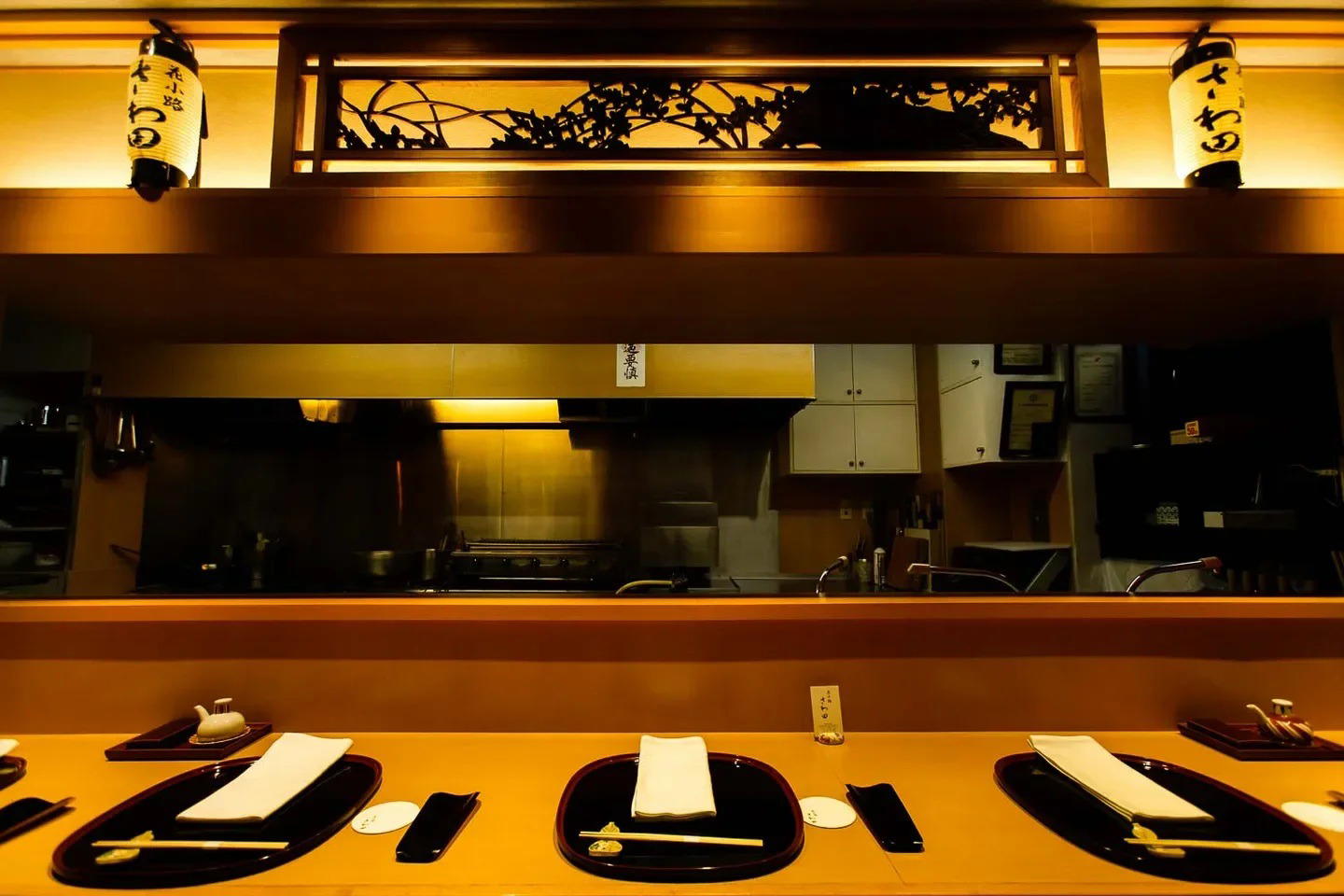
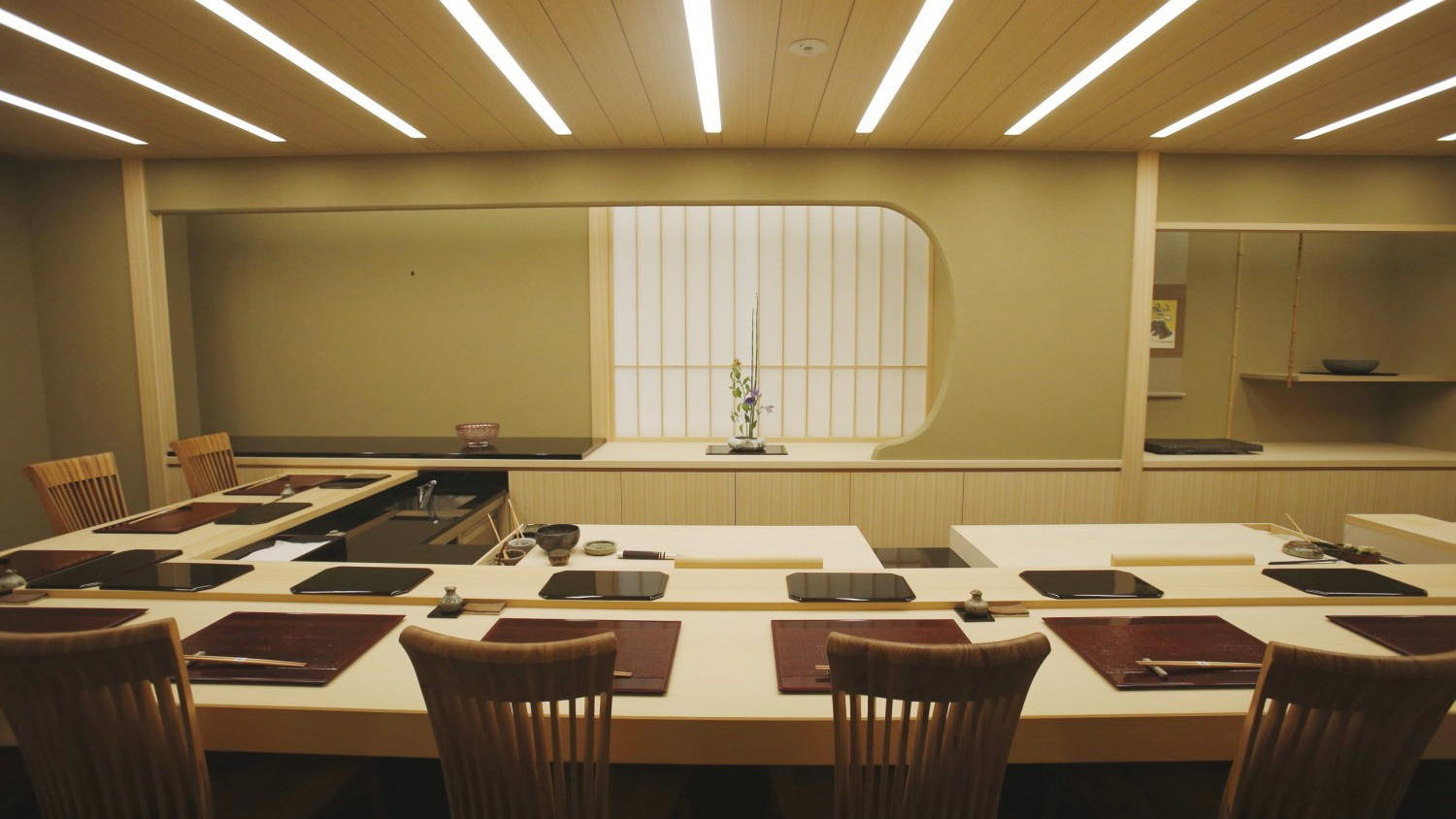
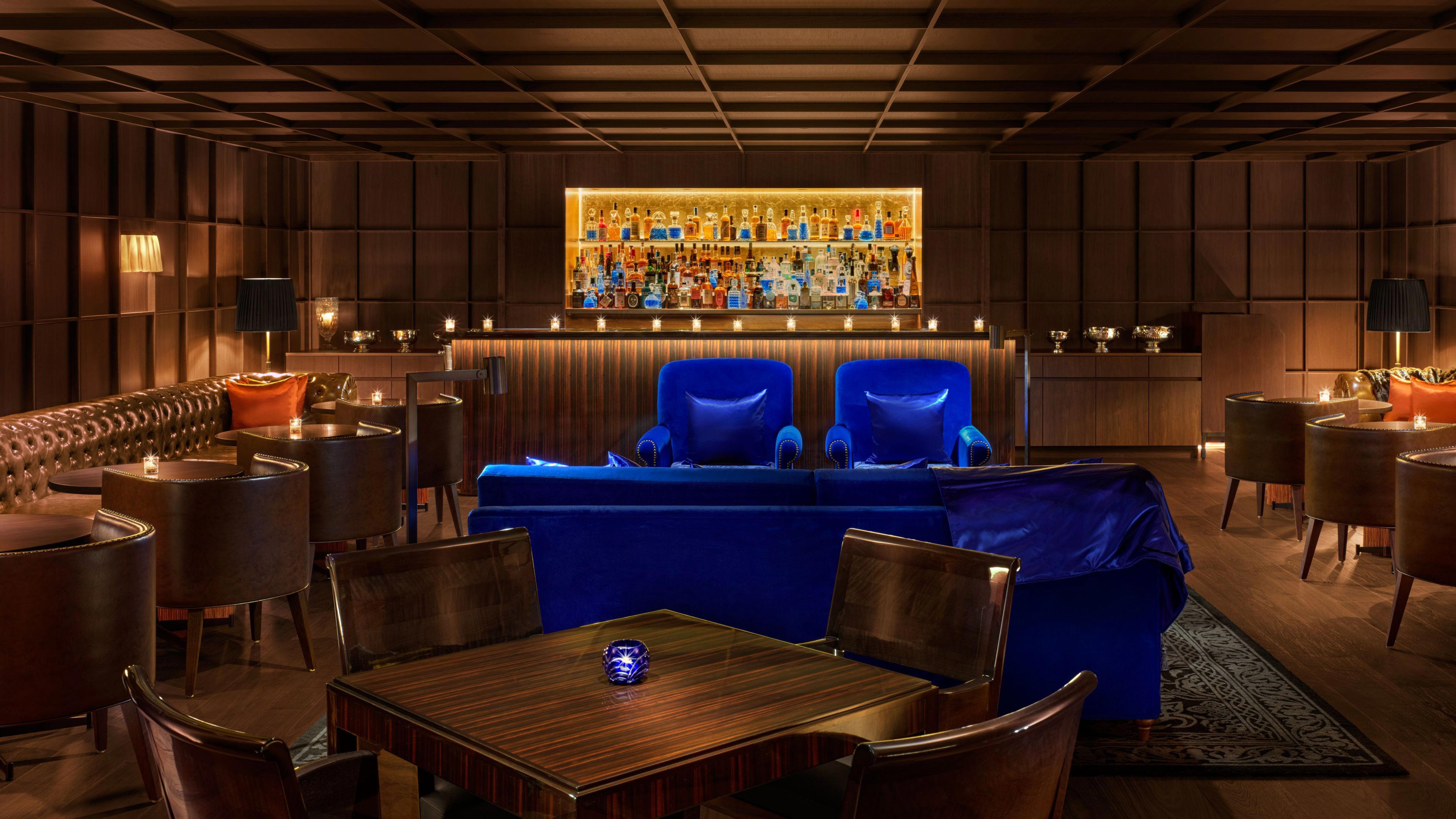
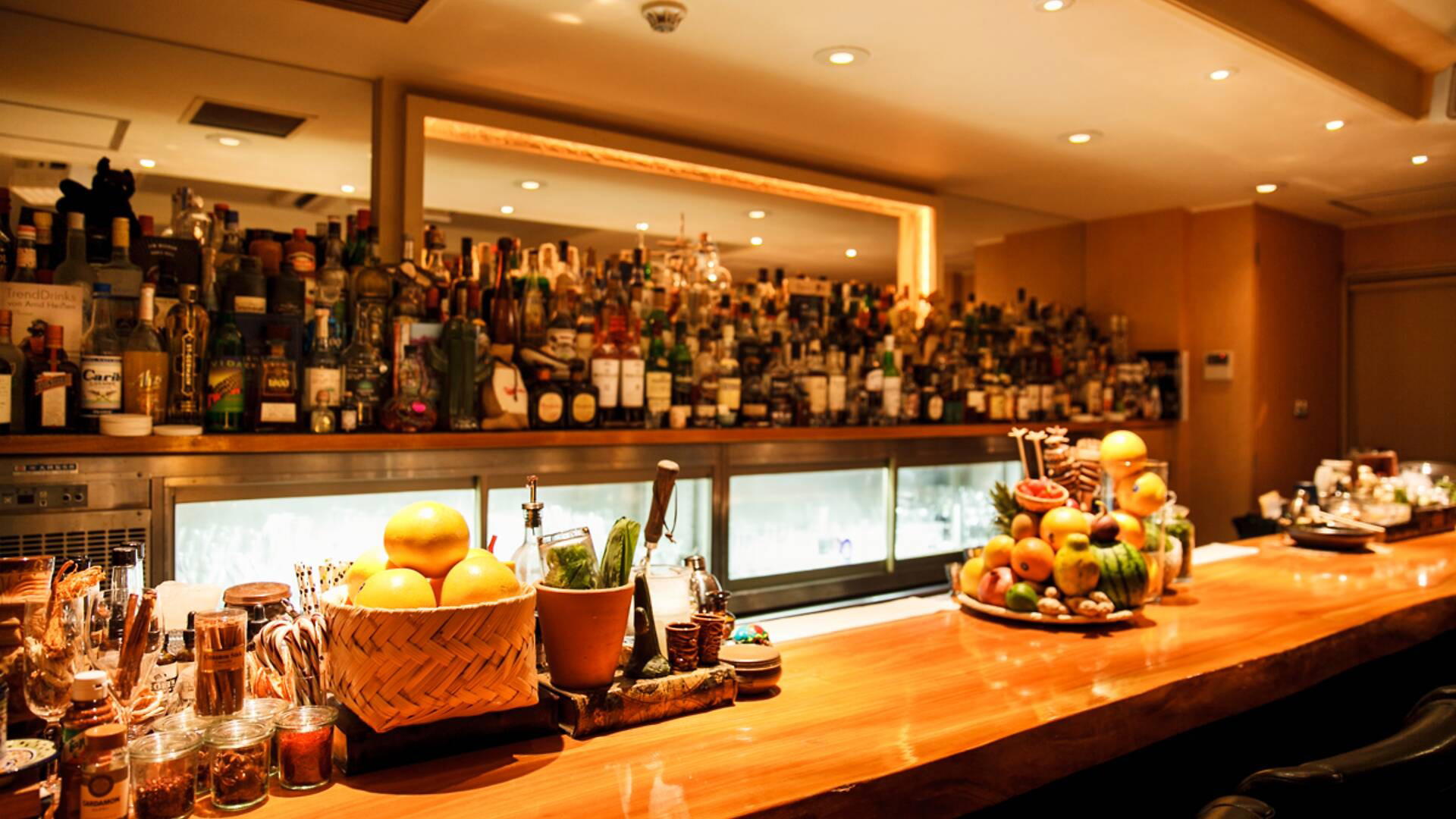
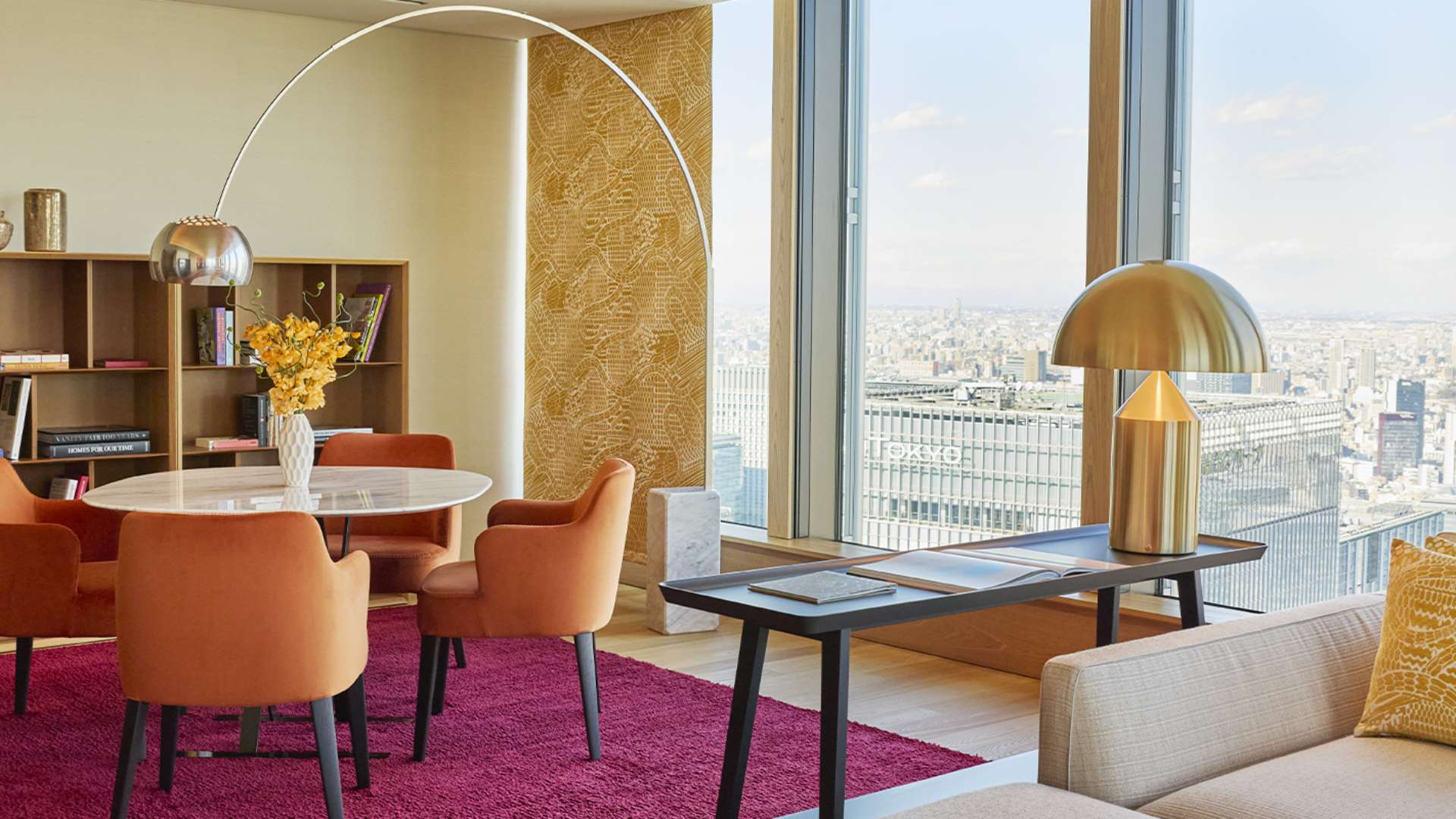
High-end refined interior with elegant modern touches, featuring nostalgic bar area and warm hospitality.