



1 Michelin Star · Black Pearl 1 Diamond · Tabelog 100 #70
Our verdict
In Shirokanedai, one of Tokyo's quieter residential pockets, アルシミスト occupies a position in the city's occasion-dining tier where atmosphere and format matter as much as the plate. The address alone signals intent: this is not a drop-in neighbourhood spot but a destination chosen deliberately, suited to milestone meals and the kind of evening that rewards advance planning.

Pearl is the En Primeur Club membership app, where members save venues, book tables and use the concierge.
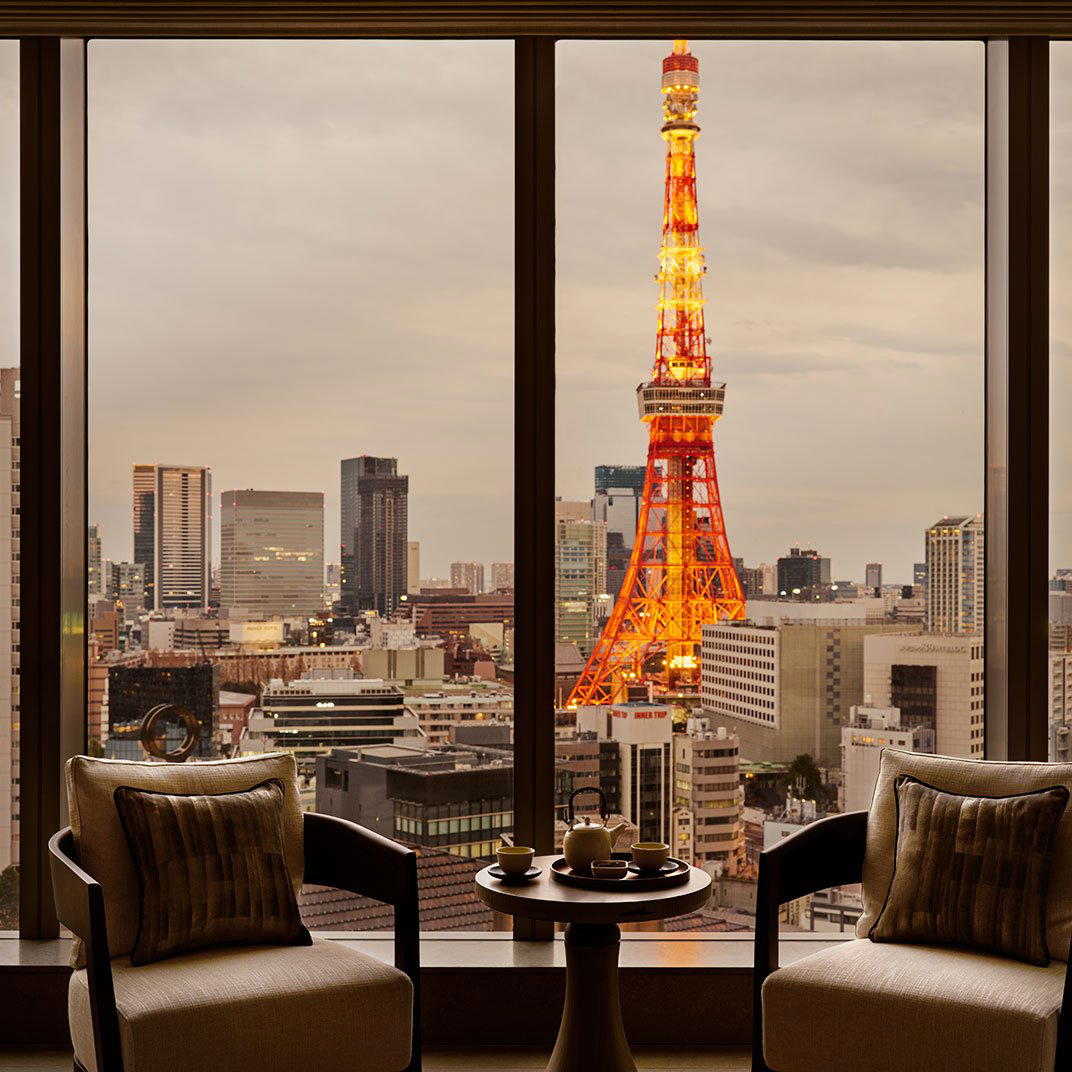
Shirokanedai and the Occasion-Dining Tier
Tokyo's fine-dining map has always rewarded those who look beyond the obvious Ginza and Minami-Aoyama corridors. Shirokanedai, a residential stretch of Minato ward where embassies and low-rise apartment blocks share the same quiet streets, has long harboured serious restaurants precisely because the neighbourhood asks something of the visitor: you have to mean it. The decision to travel to Shirokanedai at 5 Chome-17-10 is, almost by definition, an intentional one, and that intentionality shapes the entire dining register before a course is served.
アルシミスト sits within this context. The name translates from French as "the alchemist," a framing device that situates the restaurant in a creative tradition rather than a geographic or ethnic one. In Tokyo's premium dining conversation, names borrowed from European alchemy or science tend to signal a particular kind of ambition: transformation of ingredient, category, or expectation. Venues operating under that rubric tend to position themselves at the intersection of technique and occasion, places chosen for anniversaries, career milestones, or the kind of dinner that a guest is expected to remember. That is the tier アルシミスト addresses.
How Occasion Dining Works in Tokyo's Current Market
The city's celebration-meal category has fragmented considerably over the past decade. At the top of the market, Michelin-starred kaiseki counters like RyuGin and destination French tables like L'Effervescence and Sézanne have consolidated around fixed menus, intimate seat counts, and multi-month booking windows. Below that, in a tier that is no less serious but operates with a slightly wider access point, restaurants have found space by emphasising atmosphere and the arc of the meal as much as any single credential.
This mid-to-upper occasion tier is precisely where the alchemical framing makes sense. Diners choosing a restaurant for a significant event are often balancing several considerations simultaneously: the gravitas of a Michelin address, the legibility of the cuisine to guests with varying reference points, the physical setting, and the ability to actually secure a reservation. A venue with a concept-led name and a Shirokanedai address enters that negotiation with a specific value proposition: considered, removed from the tourist circuit, and designed for an evening rather than a transaction.
For comparison, the leading omakase tier, represented locally by counters like Harutaka, requires sushi literacy and comfort with counter formality that not every celebration guest brings. The French-dominant tier, exemplified by Crony, leans further into technical cuisine than some milestone-meal contexts warrant. アルシミスト's framing suggests a different entry point, though the specifics of its menu and format remain an open question given the information currently available through public channels.
Reading the Address
Locating a restaurant at 5 Chome-17-10 Shirokanedai is itself an editorial statement in Tokyo's dining culture. The neighbourhood sits roughly between Meguro and Hiroo, two areas with strong concentrations of affluent long-term residents and a food culture that leans toward quiet sophistication rather than visible status. Restaurants here do not depend on foot traffic or proximity to a major station concourse. They depend on reputation, repeat custom, and word of mouth within specific social networks.
That dynamic shapes the atmosphere in ways that a Ginza address cannot replicate. The silence of the surrounding streets, the absence of competing signage, the need to navigate a residential block rather than step off an elevator into a tower restaurant: all of this compresses the dining experience into something more private. For occasion dining, that compression is often the point. The meal becomes the event, not merely part of a larger evening out.
Tokyo's broader regional dining scene rewards this kind of geographic specificity. Gion Sasaki in Kyoto operates on a similar premise: the neighbourhood's cultural weight does half the work before the kitchen begins. HAJIME in Osaka places itself in a residential pocket rather than a tourist corridor for analogous reasons. Across Japan, the restaurants that have most effectively built occasion-dining reputations tend to situate themselves where the setting reinforces seriousness. Akordu in Nara and Goh in Fukuoka follow the same logic in their respective cities.
Booking, Timing, and Planning an Occasion Visit
Planning a milestone meal in Tokyo at this tier requires a consistent approach regardless of the specific venue. Build at least four to six weeks of lead time into any reservation attempt, and extend that to three months for high-demand periods: late March and early April around cherry blossom season, Golden Week in late April and early May, and the December holiday window. Those periods compress availability across the entire occasion-dining market simultaneously.
Shirokanedai is accessible via the Toei Mita Line at Shirokanedai Station, a direct ride from central Tokyo. The neighbourhood's residential character means arriving by taxi or private car is a more comfortable approach for celebration evenings, particularly in winter. Unlike venues anchored to major stations, a restaurant at this address does not have the infrastructure of an attached hotel or mall concourse to absorb waiting time, so arriving close to reservation time is the appropriate rhythm.
For occasions involving international guests or colleagues unfamiliar with Tokyo's dining culture, the French-adjacent naming of アルシミスト offers a useful orientation point. Guests who have dined at comparable European-inflected venues, whether Le Bernardin in New York or the Korean-French hybrid format of Atomix, will find the conceptual framing legible even before sitting down. That legibility matters when the dinner is hosting rather than purely personal.
Our full Tokyo restaurants guide covers the broader context across price tiers and cuisine categories, including a wider selection of occasion-appropriate addresses across the city's distinct dining neighbourhoods.
Where アルシミスト Sits in the Wider Occasion Tier
Japan's restaurant culture beyond Tokyo's central wards rewards the same principles of intentional destination and neighbourhood gravity. Nanao's premium counter, this Sapporo address, this Takashima table, and this Nishikawa Machi destination all operate from the same premise: location as commitment. Birdland in Sakai and Bistro Ange in Toyohashi demonstrate how seriously Japan's regional cities take the occasion-dining format at the local level.
What connects them, and what connects アルシミスト to this broader tradition, is the shared understanding that a restaurant chosen for a significant occasion carries a different contract with its guests than a restaurant chosen for convenience. The kitchen's obligations expand. The atmosphere must justify the decision. The evening must close with the sense that the choice was right. Whether アルシミスト consistently meets that contract is a question that reservation-holders will answer individually, but the address, the naming, and the tier it occupies all point toward a serious attempt.
Frequently asked questions
What's the must-try dish at アルシミスト?
The current menu specifics at アルシミスト are not available through public documentation at the time of writing. Given the restaurant's positioning in Tokyo's occasion-dining tier alongside other concept-led venues, the menu is likely structured around a fixed format rather than à la carte selection. The safest approach is to confirm the current menu directly when making a reservation, particularly if there are specific dietary requirements or preferences in the group.
Should I book アルシミスト in advance?
At this price tier and for a Shirokanedai address with an occasion-dining reputation, advance booking is advisable. Tokyo's top-tier French-adjacent and creative restaurants, including peers like L'Effervescence and Sézanne, typically book out weeks to months ahead. For milestone dates, a six-to-eight-week window is a reasonable minimum, with longer lead times for peak season.
What do critics highlight about アルシミスト?
Documented critical coverage of アルシミスト is limited in English-language publications at this point. The restaurant's Shirokanedai address and alchemist-framed concept place it within a category that Japanese food media tends to cover with a focus on creative technique and the atmosphere of the overall experience rather than any single element. Readers seeking critical benchmarking should cross-reference with venues at a comparable tier, such as Crony, to calibrate expectations for this style of dining.
What if I have allergies at アルシミスト?
If you have food allergies or dietary restrictions, the standard practice at Tokyo's occasion-dining restaurants is to communicate requirements at the time of booking rather than on arrival. Because no direct contact details are currently available through this platform, we recommend searching for the restaurant's current reservation channel directly. Tokyo's premium dining tier, including venues at this address type, generally accommodates allergy requests when notified in advance, but last-minute disclosures can limit kitchen flexibility in fixed-menu formats.
Is アルシミスト worth it?
For a milestone meal where the setting and overall experience need to carry weight alongside the food, a Shirokanedai address with a concept-driven format offers a specific value that centralised, higher-traffic venues do not. The neighbourhood itself contributes to the occasion. Whether the kitchen delivery justifies the investment depends on individual expectations, but the structural conditions, residential quiet, considered concept, and deliberate positioning, create the right conditions for a significant evening.
How does アルシミスト compare to other creative restaurants in Tokyo for a special-occasion dinner?
Within Tokyo's creative and European-inflected occasion-dining segment, アルシミスト occupies a Shirokanedai residential address rather than the more visible Ginza or Aoyama corridors where many peer venues concentrate. That geography alone differentiates the experience: the approach to the restaurant, the neighbourhood atmosphere, and the sense of remove from central Tokyo all contribute to an occasion-dining register that is quieter and more private than, for instance, a tower restaurant or a high-traffic dining destination. For guests who have already explored the more documented addresses, such as RyuGin or L'Effervescence, アルシミスト represents a less immediately legible but equally considered alternative worth investigating.
Cuisine Lens
Comparable venues nearby, for context on price, style, and recognition.
| Venue | Cuisine | Price | Awards | Notes |
|---|---|---|---|---|
| AlchimisteThis venue (the venue you are viewing) | Modern French-Japanese Fusion | $200–300 | 1 Michelin Star · Black Pearl 1 Diamond | Not listed |
| L'aube | Contemporary French with Japanese Influences | $200–300 | Michelin Plate · Star Wine List | Minato |
| MANOIR | Modern French with Hokkaido Game | $300–500 | 1 Michelin Star · Tabelog 100 #62 | Shibuya |
| BEIGE Alain Ducasse | Modern French with Japanese Influences | $200–300 | 1 Michelin Star · La Liste Top Restaurants | Chūō |
| CRAFTALE | Modern French with Japanese Influences | $100–150 | 1 Michelin Star · Tabelog 100 #28 | Meguro |
| Héritage by Kei Kobayashi | Modern French Fine Dining | $200–300 | 1 Michelin Star · La Liste Top Restaurants | Minato |
Recognition history
Dated appearances from independent guides and award organizations, with the underlying list record or original source where available.
Michelin 1 Star
Michelin
Black Pearl 1 Diamond
Black Pearl
Opinionated About Dining Top Restaurants in Japan Ranked #550
Opinionated About Dining
Tabelog 100 #70 · No. 70
Tabelog · Tabelog 100 - French - TOKYO - 2025
Full recognition history (8 entries)
Black Pearl 1 Diamond
Black Pearl
Michelin 1 Star
Michelin
Opinionated About Dining Top Restaurants in Japan Ranked #490
Opinionated About Dining
Opinionated About Dining Top Restaurants in Japan Recommended
Opinionated About Dining
Continue exploring
More in Tokyo
Restaurants in Tokyo
All restaurants in Tokyo →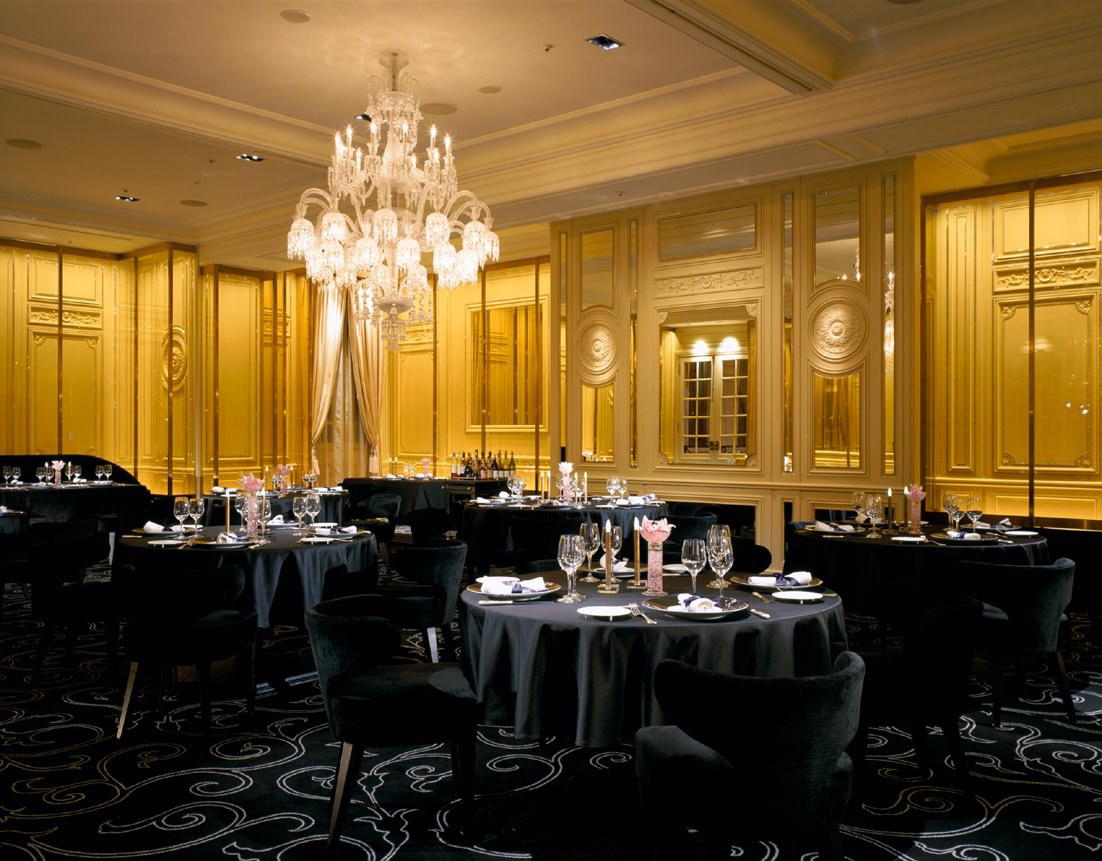
Bars in Tokyo
All bars in Tokyo →
Details
- Elegant
- Intimate
- Sophisticated
- Cozy
- Modern
- Date Night
- Special Occasion
- Open Kitchen
- Extensive Wine List
- Sake Program
- Local Sourcing
- Tasting Menu
Current opening hours
- Monday
- 12–3 PM, 6–10:30 PM
- Tuesday
- 12–3 PM, 6–10:30 PM
- Wednesday
- Closed
- Thursday
- 12–3 PM, 6–10:30 PM
- Friday
- 12–3 PM, 6–10:30 PM
- Saturday
- 12–3 PM, 6–10:30 PM
- Sunday
- 12–3 PM, 6–10:30 PM
Hours can change for holidays and private events. Hours as of .
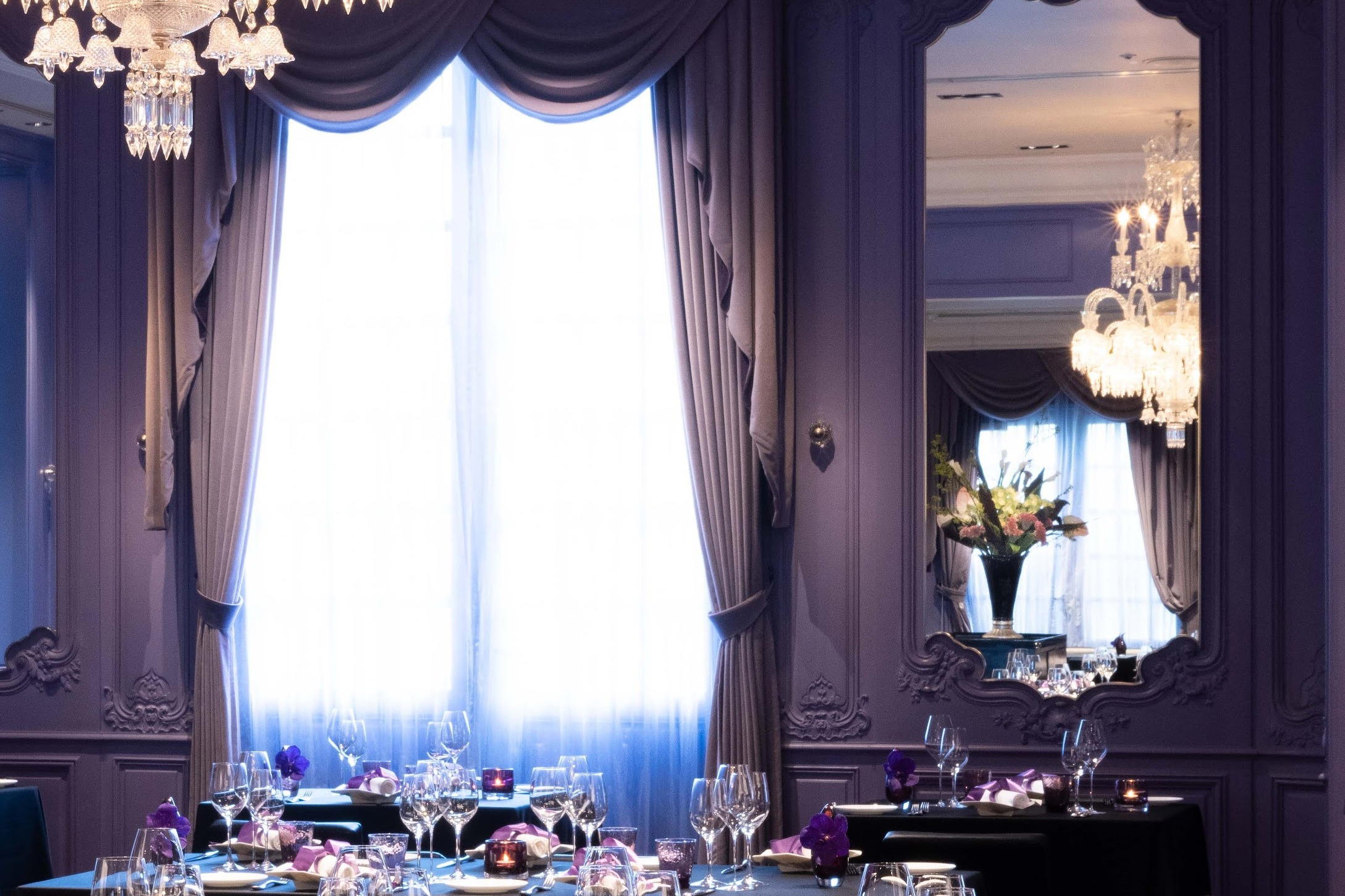
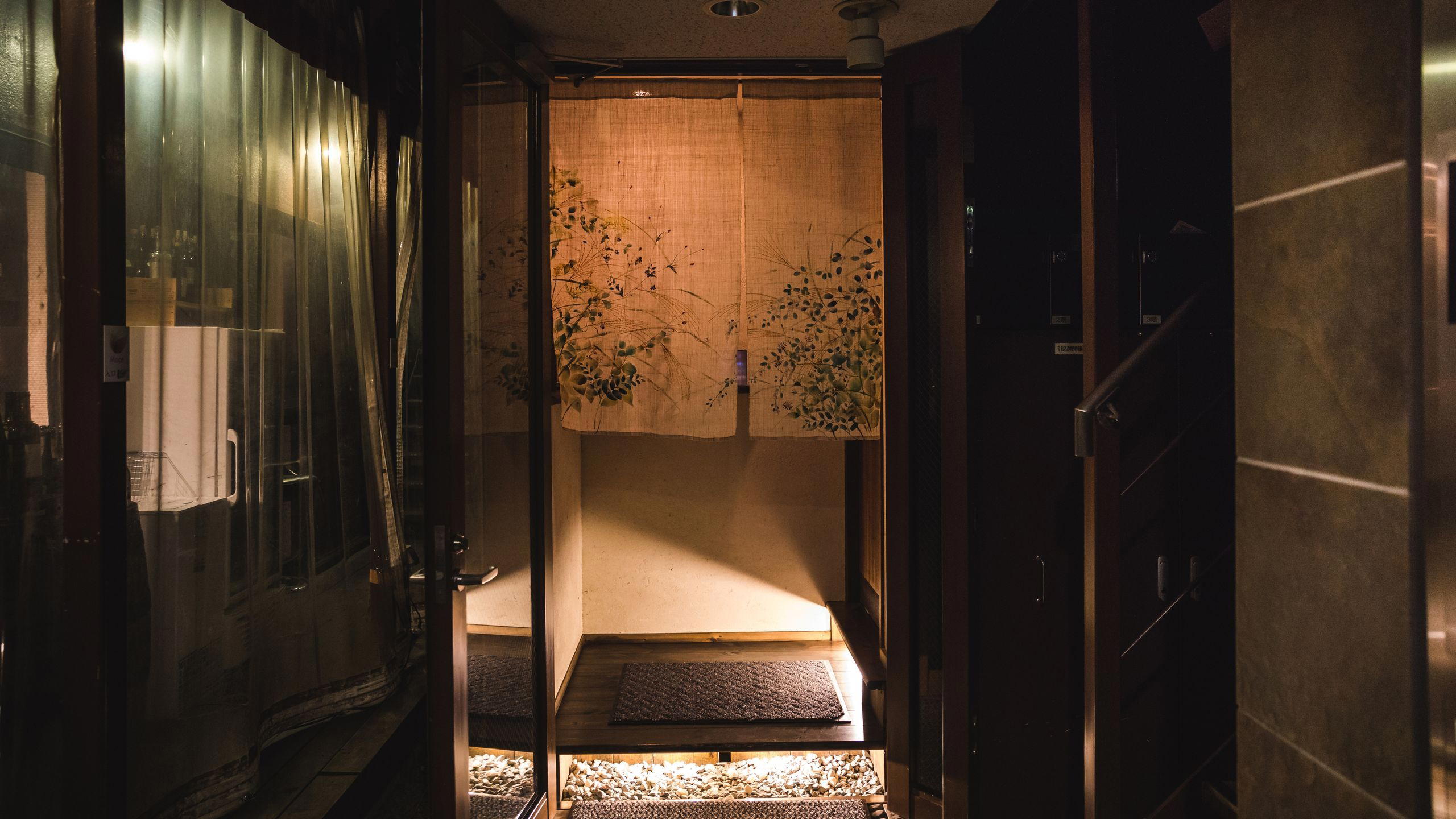
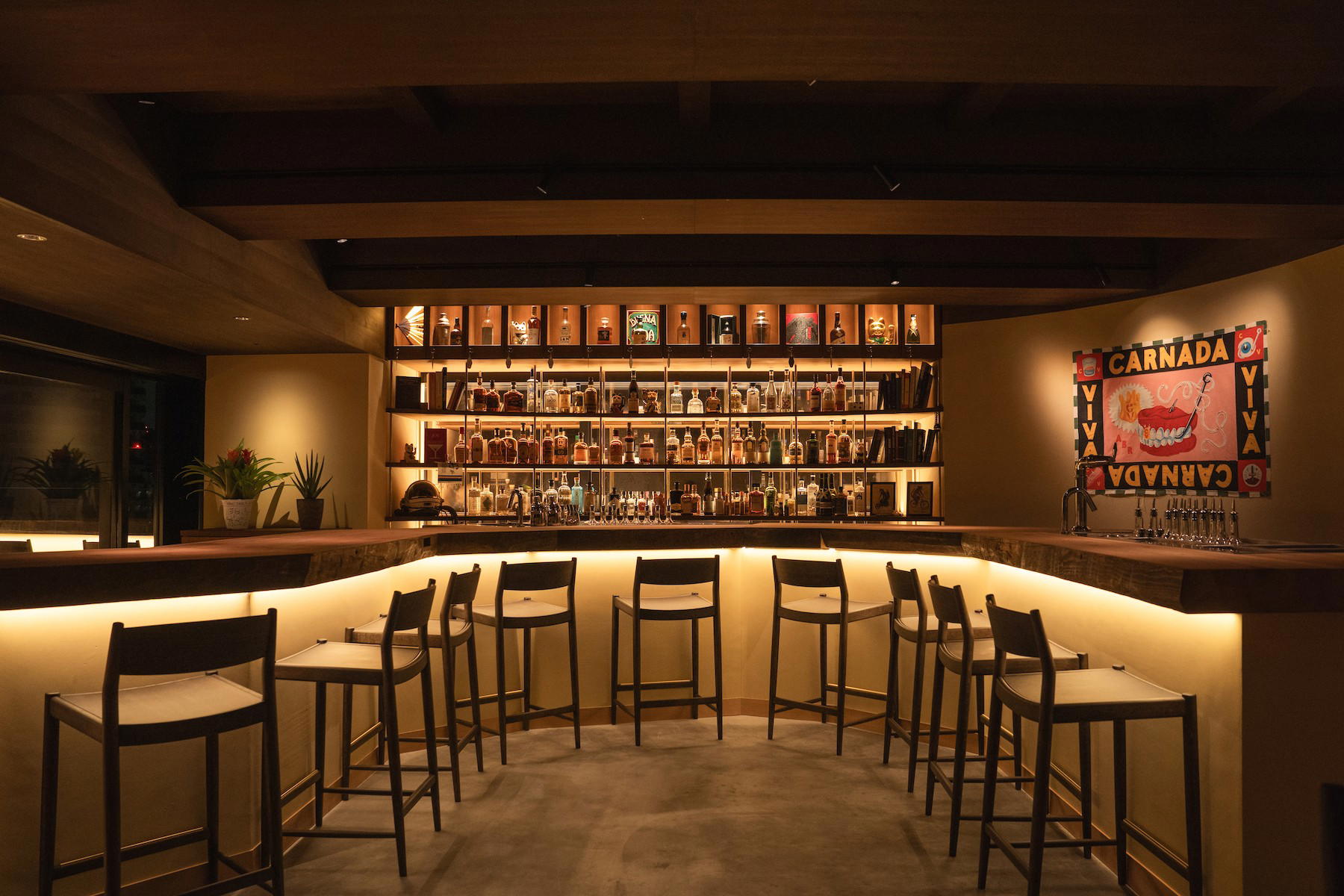
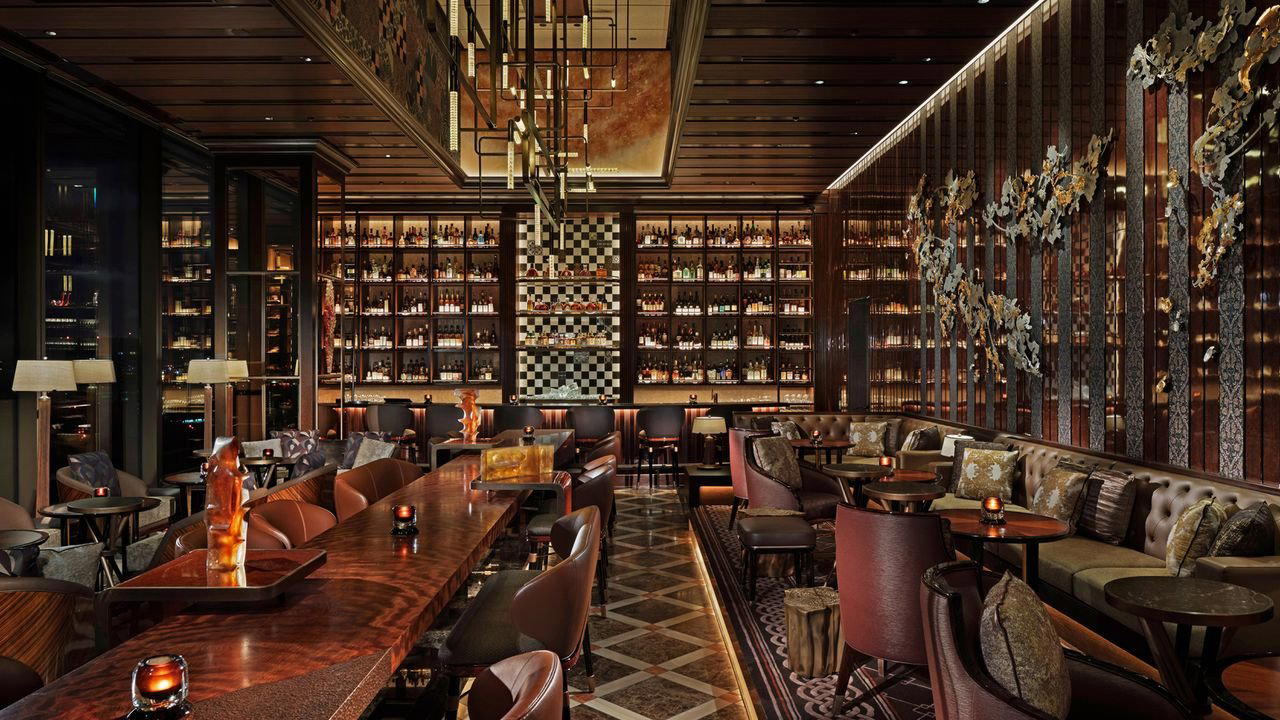
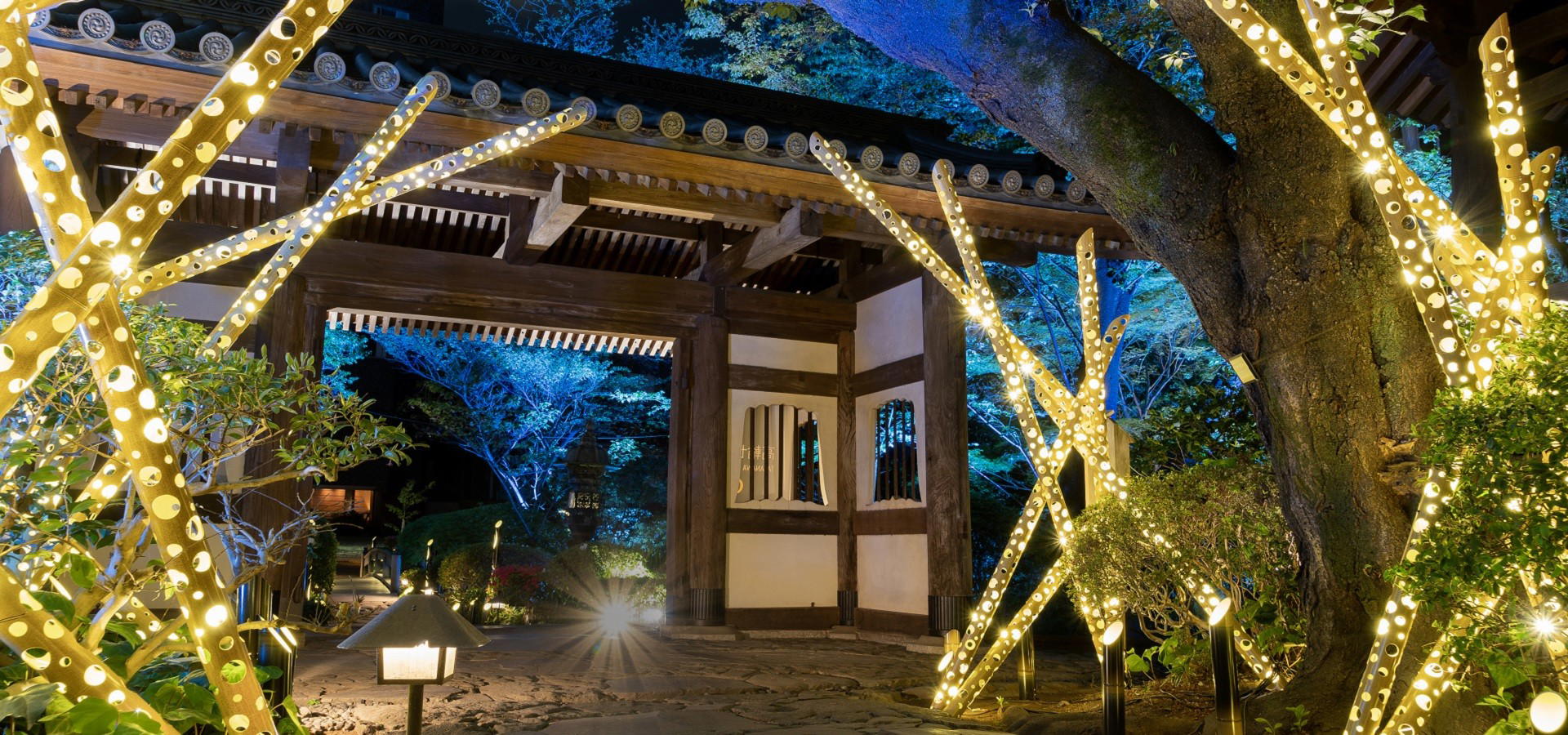
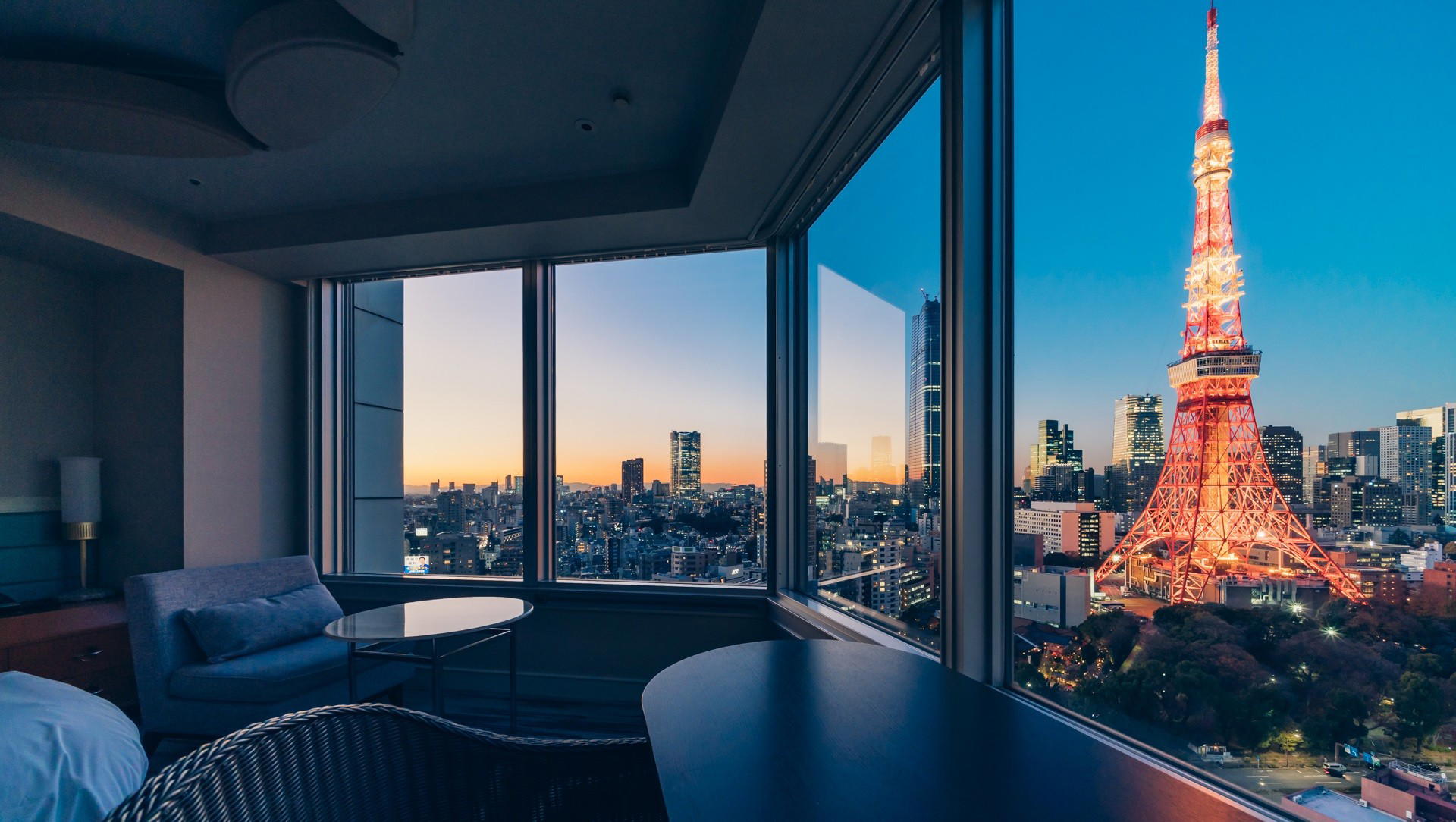
Intimate and stylish with high ceilings, open kitchen views, spacious seating between tables, and a relaxing, European-like atmosphere.