
Michelin Selected
A Michelin Selected ryokan in Kyoto's Higashiyama district, Seikoro occupies a traditional machiya-influenced structure that places it firmly within the city's heritage accommodation tier. The address on Nishitachibanacho puts guests within reach of the Higashiyama temple corridor, and the property's selection by the 2025 Michelin Hotels guide confirms its standing among Kyoto's considered lodging options.

Pearl is the En Primeur Club membership app — saves, bookings, and concierge access live there. Same editors, same standards.
- Address
- Japan, 〒605-0907 Kyoto, Higashiyama Ward, Nishitachibanacho, 467-2 三丁目西橘町467
- Phone
- +81 75-561-0771
- Website
- seikoro.com
- Directions
- Get directions
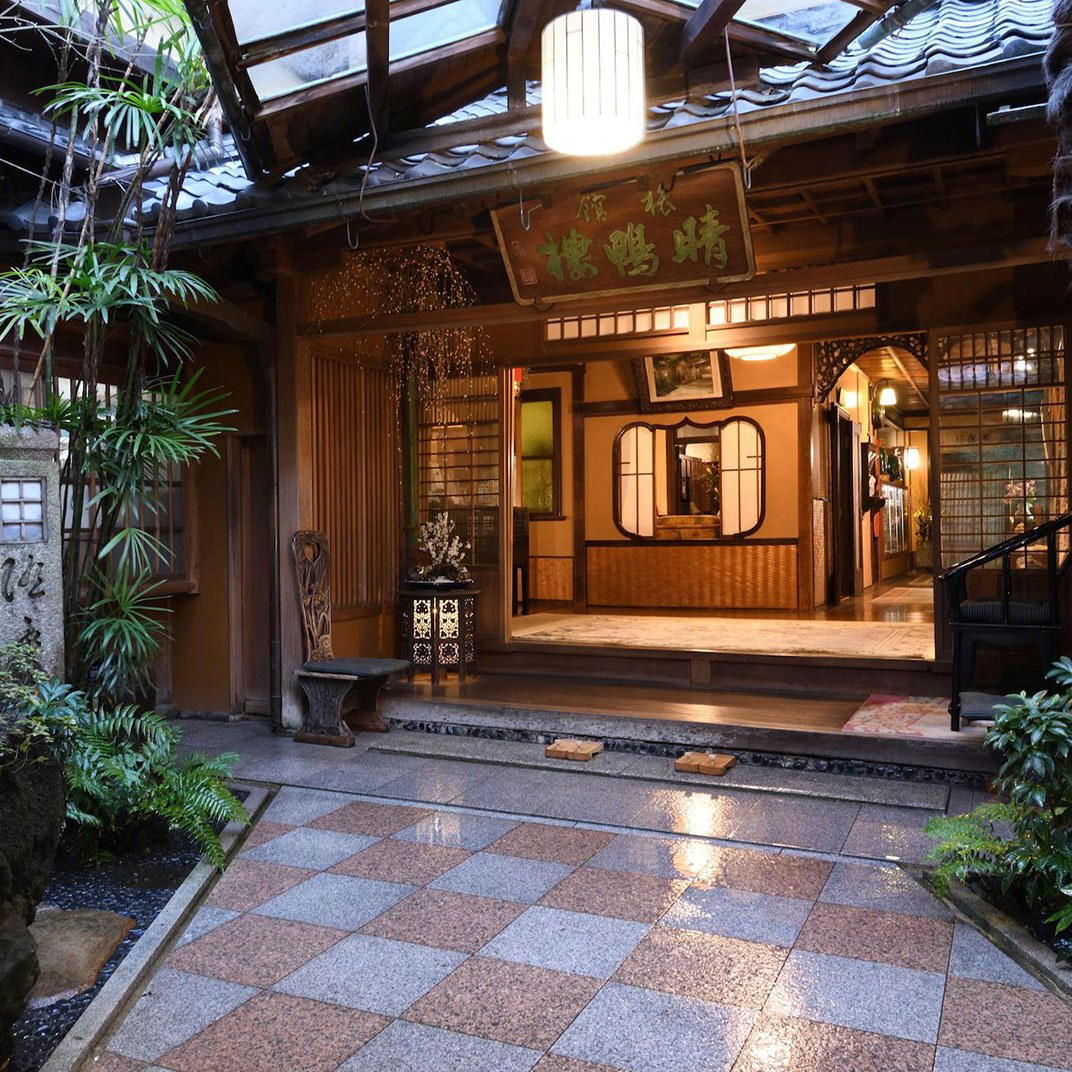
The Architecture of Stillness: Higashiyama's Ryokan Tradition
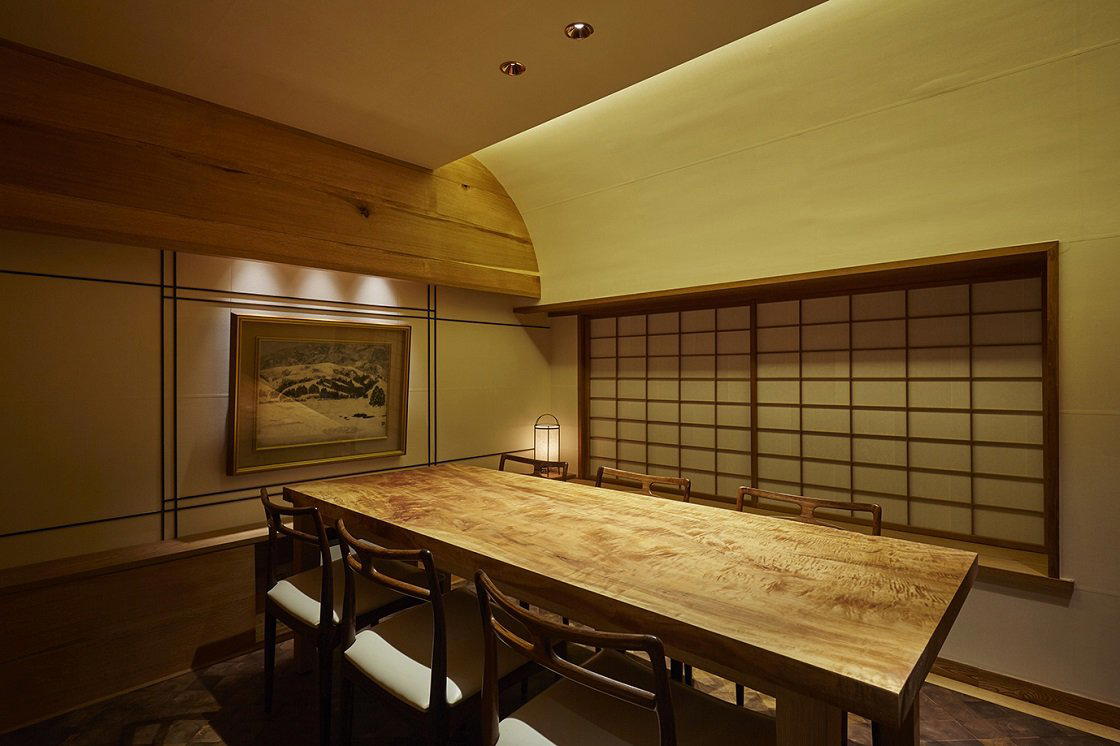
Approaching the eastern hills of Kyoto along the stone-paved lanes that connect Kiyomizudera to Nanzenji, the urban fabric shifts in register. Concrete gives way to timber lattice, sliding screens, and the narrow proportions of machiya construction that have defined Higashiyama-ku for centuries. It is in this environment that Seikoro Ryokan sits at 467 Nishitachibanacho, its address placing it within one of Kyoto's most architecturally coherent districts and one of the few in Japan where the built environment still performs the function of cultural frame rather than backdrop.
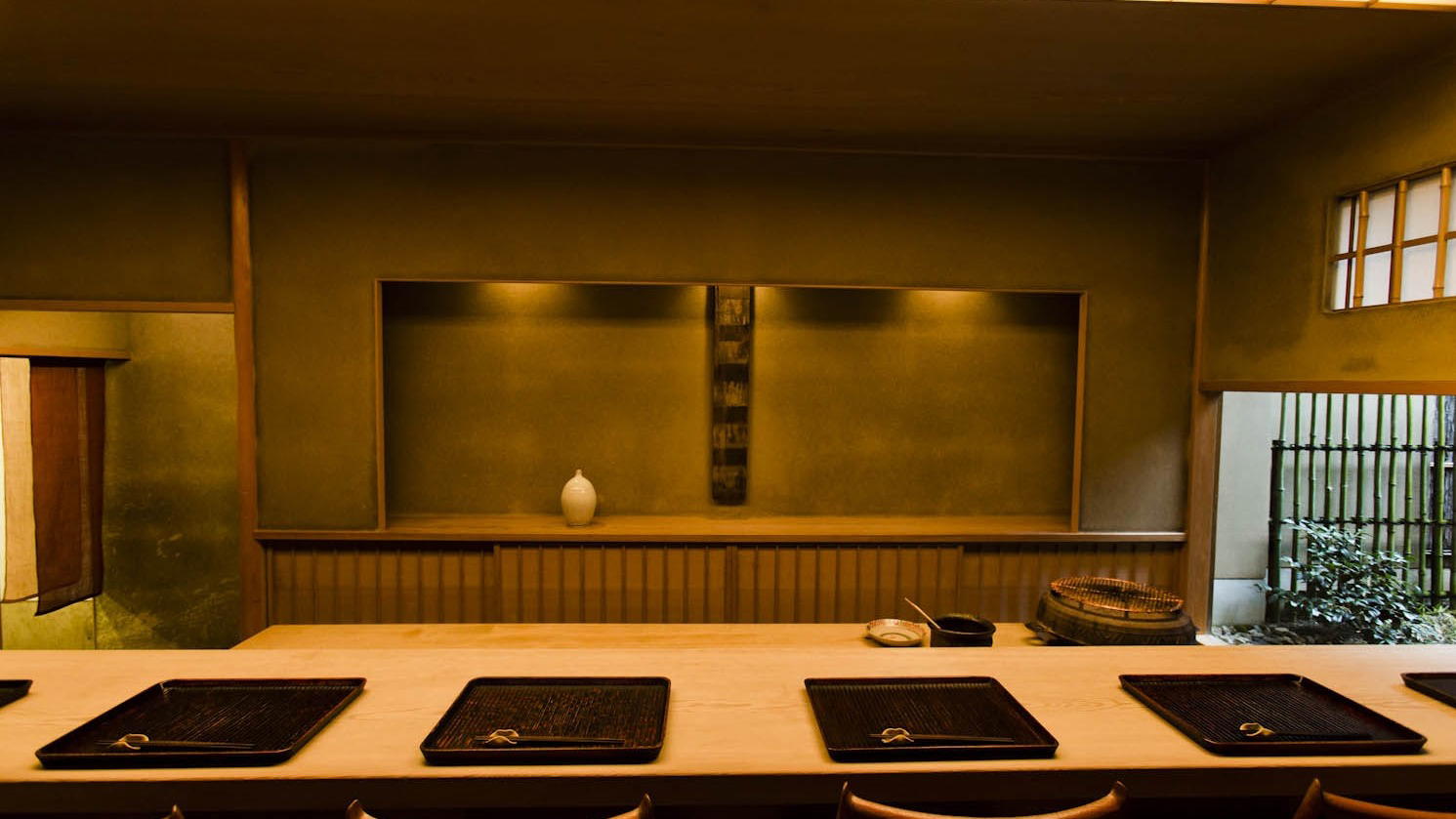
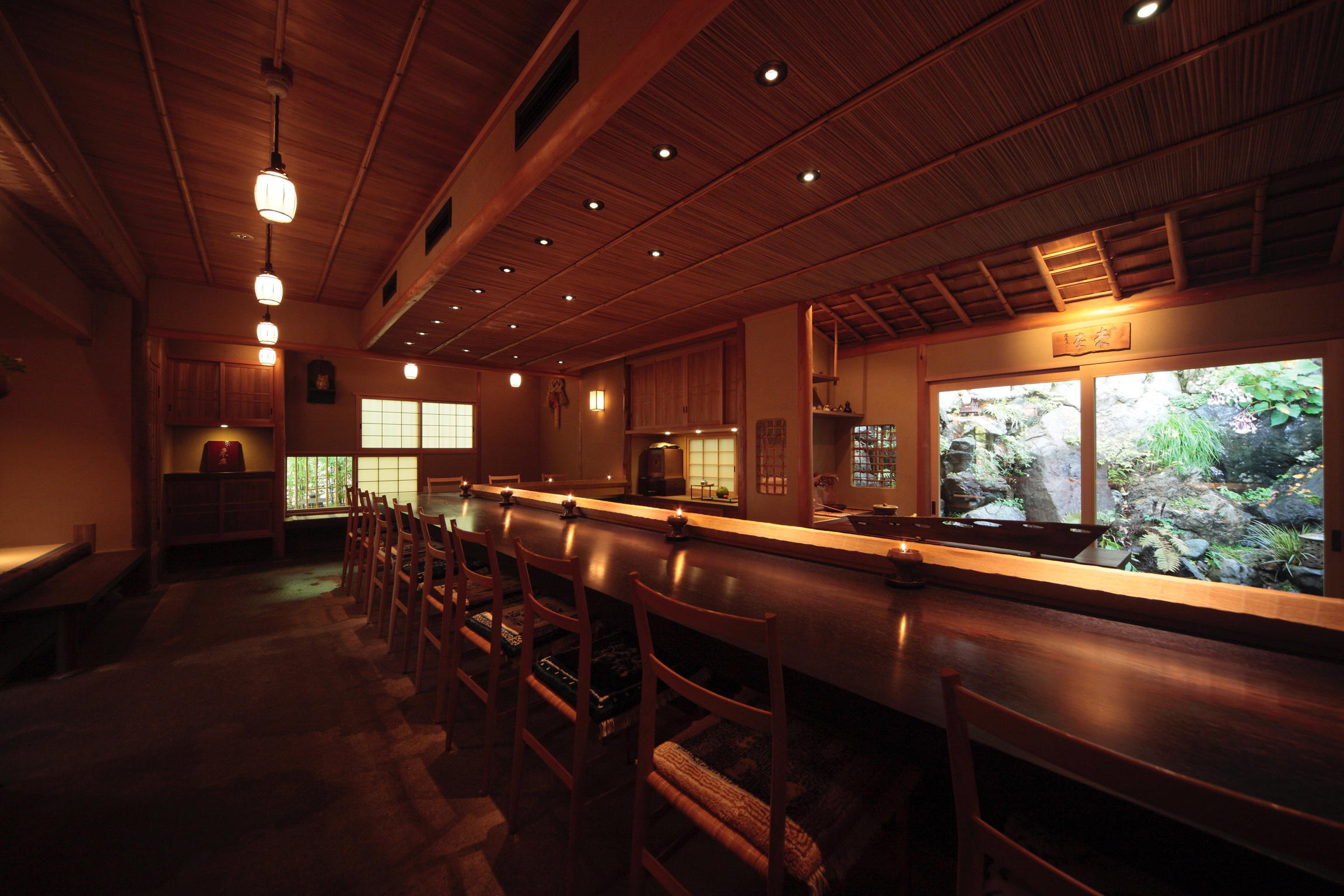
The ryokan as a building type represents a distinct spatial logic. Rooms are not simply places to sleep; they are composed environments where the relationship between interior and garden, between fusuma panel and transom window, between tatami grain and the quality of afternoon light, is understood as part of the guest experience. This compositional discipline is what separates the heritage ryokan from the wider Japanese hotel market, and it is the tradition within which Seikoro operates.
Where Seikoro Sits in Kyoto's Accommodation Spectrum
Kyoto's lodging market has split noticeably over the past decade. At one end, large international brands have arrived with considerable investment: Four Seasons Hotel Kyoto and Aman Kyoto represent the international luxury tier, with the resources to reinterpret Japanese spatial conventions at scale. At the other end, the city has seen a proliferation of smaller boutique conversions, from eph KYOTO to GRANBELL HOTEL KYOTO, aimed at design-conscious travellers who want Kyoto proximity without the formality of traditional inn culture.
Seikoro occupies neither of these poles. Its selection by the 2025 Michelin Hotels guide places it in a specific peer cohort: properties that earn recognition not through scale or international brand alignment, but through the quality and coherence of the experience itself. The Michelin Selected designation, applied to hotels as the guide has expanded its hospitality coverage, functions as a signal of considered curation rather than a star-rated hierarchy. In practical terms, it puts Seikoro alongside properties like Higashiyama Shikikaboku and Hotel Kanra Kyoto in the category of Kyoto stays that a well-informed traveller would actively seek out rather than default to.
Within the ryokan subcategory specifically, the competitive conversation is more geographically dispersed. Across Japan's traditional inn circuit, properties like Gora Kadan in Hakone, Nishimuraya Honkan in Kinosaki-cho, and Asaba in Izu define what the format can achieve at its most disciplined. Seikoro's Higashiyama address gives it an advantage those properties cannot replicate: proximity to the city's temple and shrine concentration, accessible on foot without the transit logistics that onsen resort stays typically require.
Higashiyama-ku as Architectural Context
Understanding what makes a ryokan stay in Higashiyama distinct from one in, say, central Gion or the Nishiki corridor requires some spatial orientation. The ward runs along the base of the Higashiyama mountain range, and its topography has historically limited the kind of dense commercial development that reshaped other Kyoto districts through the twentieth century. The result is a neighbourhood where the scale of buildings, the rhythm of streetscapes, and the relationship to shrine and temple precincts remain closer to their Edo-period proportions than almost anywhere else in a Japanese city of Kyoto's size.
For a ryokan, this context is not incidental. The traditional inn format was designed to extend into its landscape, not to insulate guests from it. A property in Higashiyama benefits from the district's ambient register in ways that a ryokan on a busy arterial road in a more commercially compromised neighbourhood simply cannot. The stone lanes, the moss, the sound profile of the eastern hills in early morning: these are environmental ingredients that the architecture frames rather than manufactures.
Comparable properties that use Higashiyama's density of cultural reference as a structural asset include Hoshinoya Kyoto, which takes the environmental separation even further by positioning itself beyond the Oi River, and HOTEL THE MITSUI KYOTO, which uses a different historical register, the Meiji-era estate, to anchor its spatial identity. Seikoro's pitch is more directly in the machiya and inn tradition, which places it closer in spirit to properties like Kamenoi Besso in Yufu or Zaborin in Kutchan, where the building and its natural or urban surround are understood as a single composed environment.
The Ryokan Format and What It Asks of Guests
Staying in a heritage ryokan is a participatory format in ways that international hotel stays are not. Arrival times, meal service rhythms, bathing customs, and room etiquette are typically structured around the property's operational logic rather than the guest's preference. This is not a flaw in the format; it is the format. The ryokan's spatial and temporal discipline is precisely what creates the quality of attention that guests come to Kyoto to experience.
For those arriving in Kyoto from a broader Japan itinerary, Seikoro represents a credible entry point into the ryokan format within an urban rather than resort context. Travellers who have already experienced the more remote onsen-ryokan format, at properties like Amanemu in Mie or Fufu Nikko, will find the Higashiyama setting offers a different tempo: the city's walking culture and temple density are immediately accessible, rather than the landscape immersion that defines more isolated properties.
Planning Your Stay
Seikoro Ryokan sits at 467 Nishitachibanacho, Higashiyama-ku, within easy walking distance of Kiyomizudera and the Sannen-zaka and Ninen-zaka stone-paved lanes. Higashiyama is leading approached on foot or by taxi; the district's narrow streets and pedestrian character make it poorly suited to private vehicle access during peak visiting hours. Spring cherry blossom season (late March to mid-April) and autumn foliage (mid-November) represent the highest-demand periods in Kyoto broadly, and ryokan availability across the district tightens considerably; advance booking is the standard approach for those periods rather than the exception. The Michelin Selected 2025 recognition provides a useful framework for calibrating expectations: this is a property that has been assessed against the guide's hospitality criteria and found to meet them, which for the format-conscious traveller is a more meaningful signal than aggregate review scores alone.
For a broader view of the city's accommodation and dining options across categories and price points, see our full Kyoto Prefecture restaurants guide. Travellers considering Kyoto within a wider Japan itinerary might also look at Benesse House in Naoshima or Sekitei in Hatsukaichi-shi for properties that extend the design-led Japanese hospitality conversation into different regional registers. Those building a more international comparison set might reference Badrutt's Palace Hotel in St. Moritz or Hôtel de Paris Monte-Carlo as properties where heritage architecture performs a comparably central role in the guest experience proposition.
At-a-Glance Comparison
Comparable venues nearby, for context on price, style, and recognition.
| Venue | Cuisine | Price | Awards | Notes |
|---|---|---|---|---|
| Seikoro RyokanThis venue — the venue you are viewing | Traditional Japanese ryokan with historic architecture and modern comforts. | Not listed | Michelin Selected | Not listed |
| Nanzenji sando Kikusui | Culinary inn combining ryokan tradition with modern refinement | Not listed | Michelin Selected | Sakyo Ward |
| Regent Kyoto | An upper-luxury urban retreat that integrates a historic Kyoto garden and century-old ryotei into a small-scale, heritage-rich estate in the Okazaki cultural district. | Not listed | Not listed | Okazaki |
| Tradimo Kyoto Gojo | contemporary timeshare resort blending local tradition with modern comfort | Not listed | Not listed | Shimogyō |
| Tamao | Intimate Japanese-style house converted into a modern boutique hotel. | Not listed | Michelin Selected | Shimogyō |
| Hoshinoya Kyoto | Modernized traditional ryokan resembling an exclusive gated village with standalone pavilions. | $750–1,000 | 1 Michelin Key · Tatler Listed in Best Hotels Asia-Pacific | Nishikyō |
Recognition history
Dated appearances from independent guides and award organizations, with the underlying list record or original source where available.
Michelin Selected
Michelin
Continue exploring
More in Kyoto
Hotels in Kyoto
Browse all →
Bars in Kyoto
Browse all →

Restaurants in Kyoto
Browse all →
Wineries in Kyoto
Browse all →
Details
- Quiet
- Elegant
- Classic
- Cozy
- Intimate
- Scenic
- Romantic Getaway
- Anniversary
- Honeymoon
- Historic Building
- Garden
- Wi Fi
- Public Bath
- Massage
- Room Service
- Concierge
- Luggage Storage
- Garden
- Elevator
Soft lighting with traditional tatami rooms, futon bedding, ikebana arrangements, and heritage architecture creating a serene, elegant atmosphere.