
Michelin Selected
A Michelin Selected property in Kyoto's Shimogyo ward, Tamao sits within reach of the city's temple districts while offering the kind of measured, retreat-oriented stay that Kyoto does better than almost anywhere in Japan. The address at 519 Tamayacho places it in a residential pocket where the city's pace genuinely slows. For travellers prioritising stillness over spectacle, it earns its place on a short list.

Pearl is the En Primeur Club membership app — saves, bookings, and concierge access live there. Same editors, same standards.
- Address
- Japan, 〒600-8409 Kyoto, Shimogyo Ward, Tamayacho, 519
- Phone
- +81 75-341-7229
- Website
- stay.tamaokyoto.com
- Directions
- Get directions
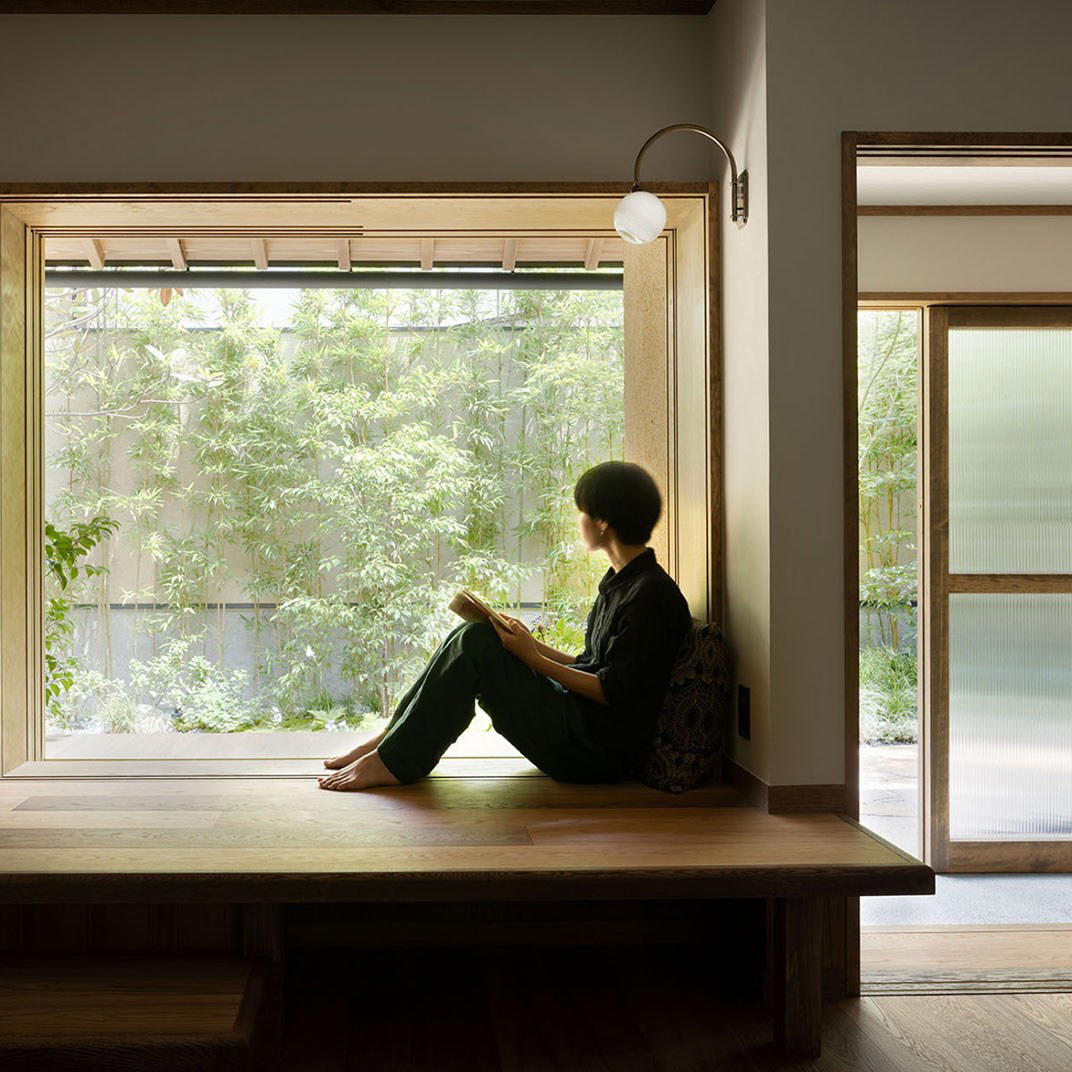
Shimogyo and the Quieter Case for Retreat
Kyoto's accommodation market has bifurcated sharply over the past decade. On one side sit the large international flagships, properties such as Four Seasons Hotel Kyoto and Park Hyatt Kyoto, with their full amenity stacks, multiple dining outlets, and high room counts targeting both business and leisure segments. On the other side, a quieter cohort of smaller properties has emerged, ones that read less like hotels and more like destinations for deliberate pause. Tamao belongs to the second group. Its address in Shimogyo-ku, the ward that covers much of southern central Kyoto, places it away from the most trafficked tourist corridors while keeping the city's principal transit hubs and temple districts within a practical radius.
Shimogyo is not the Kyoto of postcard temples and matcha-green hills, but that is precisely the point. The neighbourhood functions as a working, residential part of the city, where the rhythm of daily life provides a different kind of immersion than the curated heritage experience of Higashiyama or Arashiyama. Staying here means waking to the sounds of a city that is not performing for visitors. For the traveller whose idea of recovery involves genuine quiet rather than a wellness amenity checklist, that distinction matters more than proximity to a famous gate.
Michelin Recognition and What It Signals
Tamao carries a Michelin Selected distinction in the Michelin Guide's 2025 hotels listing, a designation that operates on different criteria from the restaurant stars most travellers know. Michelin's hotel selection process evaluates atmosphere, service consistency, and the coherence of the guest experience rather than room count or facilities breadth.
In Kyoto specifically, that Michelin Selected cohort includes properties with very different profiles, from design-forward contemporary spaces to traditional ryokan-adjacent formats. What they share is a kind of intentionality: the sense that the stay itself has been considered, not assembled from a franchise template. SOWAKA and The Shinmonzen represent the higher-specification end of that Kyoto character-property cohort. Tamao operates with fewer signals of overt luxury positioning, which in the current Kyoto market reads less as a limitation and more as an editorial stance.
The Retreat Framing: Kyoto as Recovery
Japan's wellness hospitality tradition is older than the global wellness industry that now claims inspiration from it. The onsen ryokan model, the kaiseki rhythm of small courses eaten slowly, the engawa veranda designed for nothing except sitting and looking: these are not amenities added onto a hotel stay but the structural logic of how Japanese hospitality has always understood rest. Kyoto's smaller properties inherit that logic even when they do not operate as full ryokan.
For international travellers arriving from major urban programmes, Kyoto functions as a decompression stage, and the city's geography supports that function well. Properties in Shimogyo offer proximity to Nishiki Market, the Kawaramachi corridor, and the southern approach to Fushimi Inari without the overcrowding that can make Higashiyama feel like a queue rather than an experience. The retreat mindset travels better in a neighbourhood that has not fully optimised itself for tourism.
Across Japan more broadly, the properties that most successfully deliver genuine recovery tend to be the smaller, location-specific ones: Gora Kadan in Hakone, Amanemu in Mie, Zaborin in Kutchan, and Asaba in Izu each work because they are inseparable from their specific geography. Tamao's Shimogyo address suggests a similar specificity, even if the property operates at a different scale and price tier than those established ryokan benchmarks.
Placing Tamao in the Kyoto Hotel Hierarchy
Understanding where Tamao sits requires a clear view of how Kyoto's hotel market is currently structured. At the top of the price and amenity hierarchy, Aman Kyoto operates with its forest-garden setting and a room rate that prices against comparable Aman properties globally rather than against other Kyoto hotels. HOTEL THE MITSUI KYOTO occupies the best of the heritage-conversion tier, having transformed a former Mitsui family estate into a full-service luxury property.
Further along the spectrum, Ace Hotel Kyoto and Dusit Thani Kyoto represent the international brand entry into the market, with Ace bringing its design-culture positioning and Dusit Thani offering Southeast Asian hospitality standards applied to a Kyoto context. Tamao's Michelin Selected status without the accompanying brand infrastructure or high public profile places it in the independently positioned, character-first tier, which in Kyoto is a coherent and defensible position. Travellers choosing this tier are generally optimising for atmosphere and neighbourhood immersion rather than loyalty points or amenity density.
Planning the Stay
Tamao's address at 519 Tamayacho, Shimogyo-ku puts it within the central Kyoto grid. Shimogyo's transport access is generally strong, with Kyoto Station, the city's main shinkansen hub, reachable without significant transit complexity. That access point matters for travellers building Kyoto into a wider Japan itinerary that might include a night in Tokyo at a property such as Bvlgari Hotel Tokyo or a continuation to a ryokan setting like Nishimuraya Honkan in Kinosaki-cho or Fufu Nikko in Nikko.
Because specific booking channels, pricing, and availability details are not publicly listed for Tamao, the practical recommendation is to approach reservation enquiries directly through the Michelin Guide's hotel listings, where the property is indexed under its 2025 Selected designation. Travellers who require full transparency on room rates, availability windows, and cancellation terms before committing should confirm those details at the point of enquiry. For broader Kyoto dining and hotel context, our full Kyoto restaurants guide covers the city's key neighbourhoods and what each delivers for different travel priorities.
Autumn (October to November) and spring (late March to early May) remain the most competitive booking periods in Kyoto, when cherry blossom and autumn foliage draw peak international visitor volumes. Travellers whose primary goal is withdrawal rather than seasonal spectacle often find June and September, both shoulder months with lower tourist density, more consistent with the retreat orientation that a property like Tamao is positioned to support.
Accolades, Compared
| Venue | Price | Awards |
|---|---|---|
| TamaoThis venue — the venue you are viewing | Not listed | Michelin Selected |
| Aman Kyoto | Not listed | 2 Michelin Keys · World's 50 Best #74 |
| Park Hyatt Kyoto | $500–750 | 1 Michelin Key · World's 50 Best #37 |
| The Ritz-Carlton, Kyoto | $500–750 | 1 Michelin Key · La Liste Top Hotels |
| Four Seasons Hotel Kyoto | $1,000–1,500 | 1 Michelin Key · La Liste Top Hotels |
| Ace Hotel Kyoto | $200–300 | 1 Michelin Key · Mr & Mrs Smith Seal of Approval |
Recognition history
Dated appearances from independent guides and award organizations, with the underlying list record or original source where available.
Michelin Selected
Michelin
Continue exploring
More in Kyoto
Hotels in Kyoto
Browse all →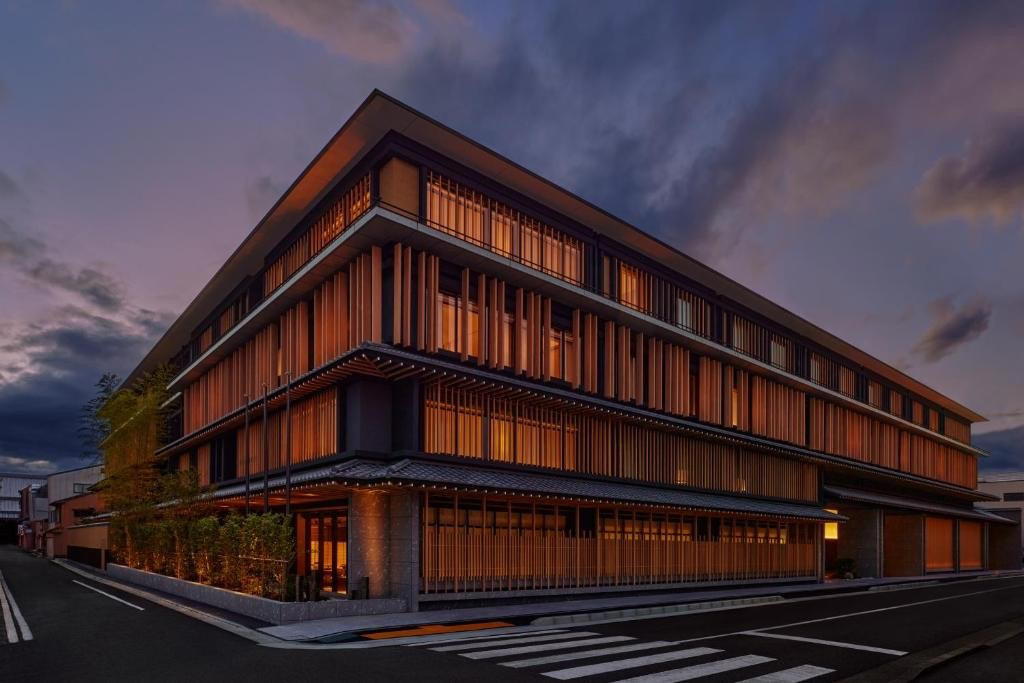

Bars in Kyoto
Browse all →


Restaurants in Kyoto
Browse all →
Wineries in Kyoto
Browse all →
Details
- Quiet
- Cozy
- Classic
- Intimate
- Romantic Getaway
- Weekend Escape
- Anniversary
- Historic Building
- Design Destination
- Terrace
- Garden
- Wi Fi
- Fitness Center
- Garden
- Luggage Storage
- Garden
- Street Scene
- Wheelchair Accessible
- Step Free Entrance
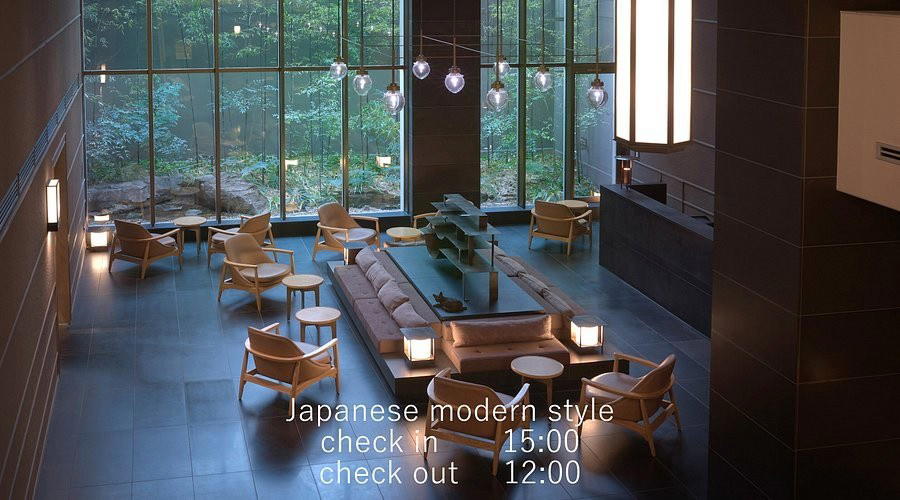
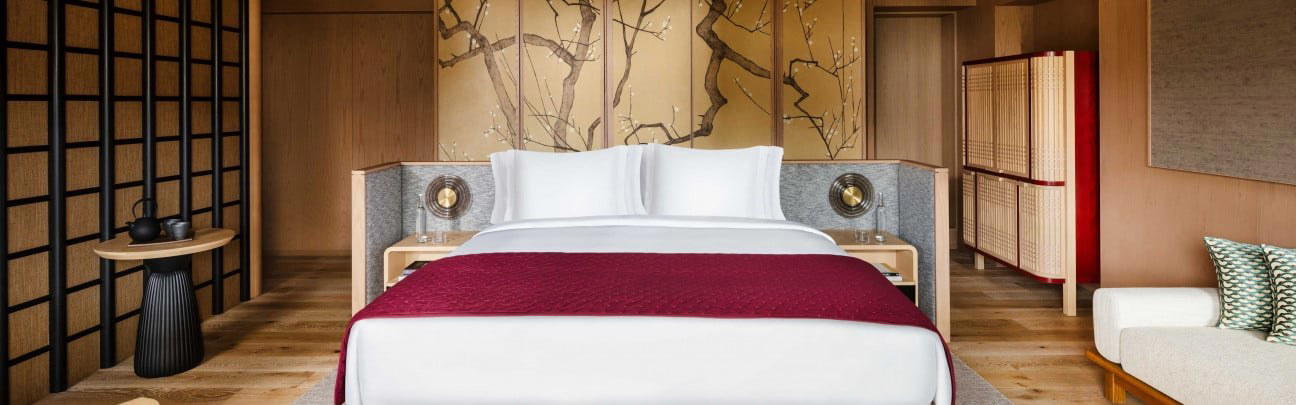
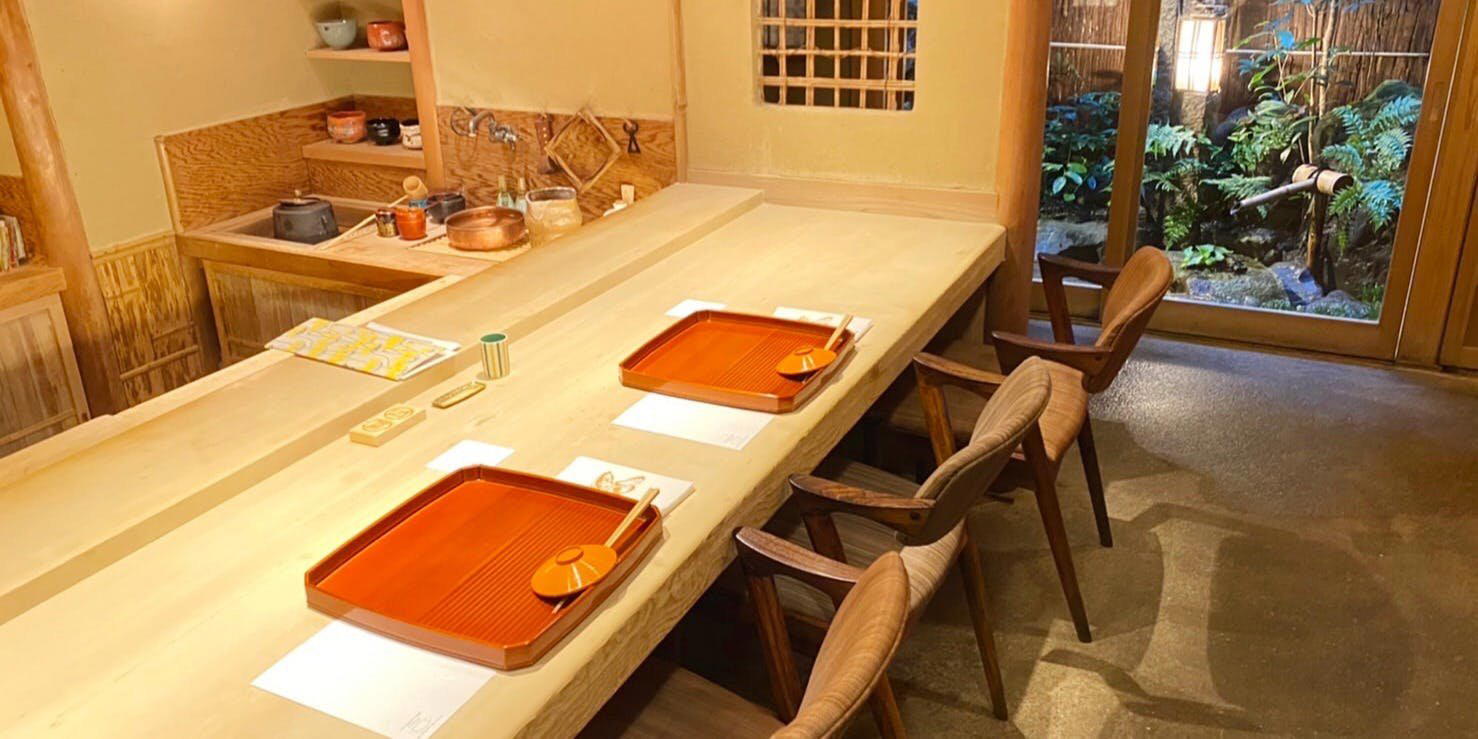
Quiet, intimate, and restorative, with a traditional Japanese atmosphere shaped by a hidden backstreet setting, courtyard-facing rooms, and a calm machiya-like design.