Our verdict
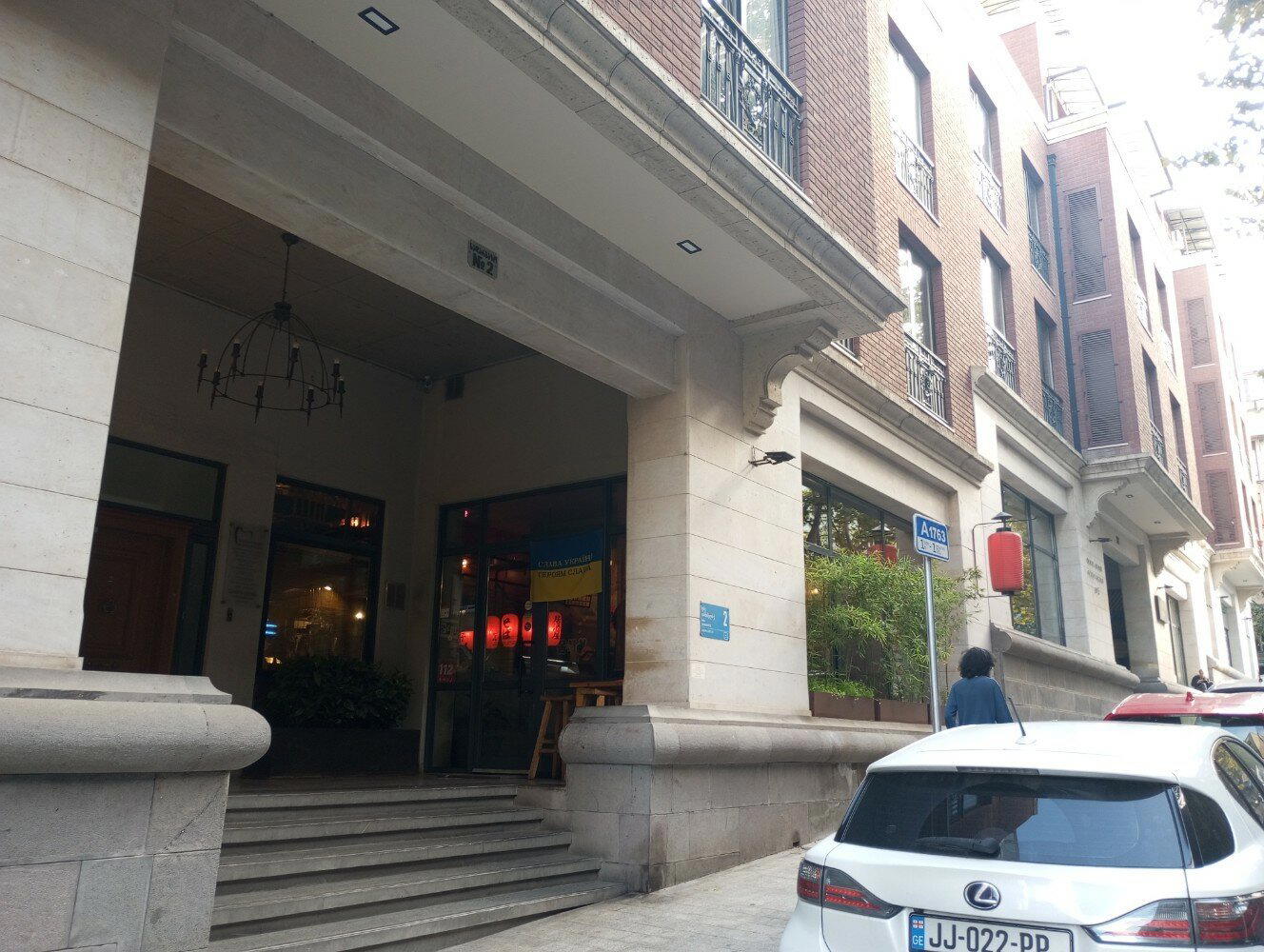
Zala sits on Belinski Street in Tbilisi, a city where the boundary between Soviet-era neighbourhood and contemporary dining has never been thinner. The restaurant occupies territory worth understanding in the context of Georgia's evolving food scene, where local tradition and modern technique are increasingly in conversation. For visitors moving through the Caucasus, it belongs on the research list alongside Tbilisi's most discussed addresses.

Pearl is the En Primeur Club membership app — saves, bookings, and concierge access live there. Same editors, same standards.
- Address
- 2 Belinski St, Tbilisi, Georgia
- Phone
- +995599190124
- Hours
- Daily 12 PM–12 AM
- Website
- zala.ge
- Directions
- Get directions
The menu
What to order
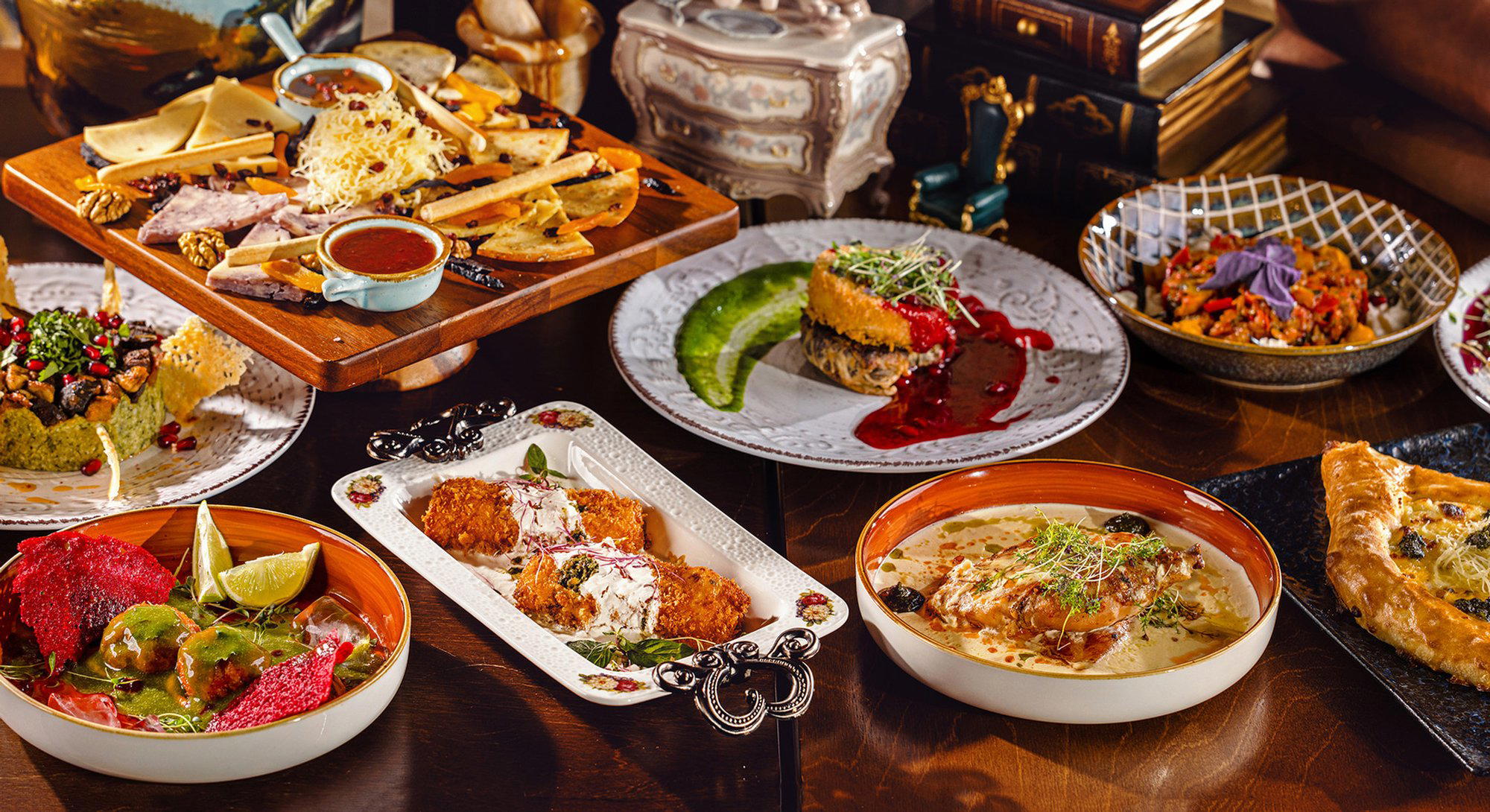
- Khachapuri Adjaruli
- Georgian salad with walnuts
- Jalapeno croquettes
Belinski Street and What It Tells You About Tbilisi Dining
Tbilisi has a way of placing its most interesting restaurants in locations that reward the visitor who wanders rather than pins. Belinski Street is one of those addresses: not a thoroughfare you'd find in a standard tourist circuit, but the kind of residential-commercial edge that the city's dining scene has colonised steadily over the past decade. Arriving at number 2, you're already outside the immediate orbit of the Old Town's more obvious restaurant clusters, which in Tbilisi tends to be a signal worth reading. The city's food culture has long operated on the principle that proximity to a landmark is inversely related to kitchen ambition.
That geographic pattern matters because it shapes everything about the experience before you sit down. Tbilisi's serious dining addresses — from the archive-recipe kitchen at Barbarestan to the contemporary Georgian experiments at ATI — have typically been found in quieter residential pockets, where rents permit the kitchen investment that high-footfall tourist zones rarely do.
Where Zala Sits in the Tbilisi Dining Conversation
Georgian cuisine has attracted sustained international attention since roughly 2015, when the country's wine traditions, particularly the amber wines produced through ancient qvevri fermentation, began appearing at natural wine fairs in Paris, London, and New York. The food followed the wine into the conversation, and Tbilisi found itself fielding a more sophisticated incoming traveller than before: people who already knew about churchkhela, who had read about chakapuli, who arrived with questions rather than just hunger.
That shift changed what Tbilisi's better restaurants had to do. Venues like Alubali and Azarphesha have each navigated the gap between Georgian culinary heritage and contemporary dining expectations in different ways. The city also has outposts like Akura San, which signals a growing appetite for international formats in a city that was, until recently, almost entirely focused on its own tradition. Zala operates within this expanded field, and understanding where it sits requires reading the Belinski Street address alongside whatever format and price positioning the kitchen has chosen, details that become clearer on the ground or through direct booking inquiry.
For travellers comparing Tbilisi to other cities where neighbourhood dining has become the primary mode of serious eating, the pattern is familiar from Lazy Bear in San Francisco or Atomix in New York, the Belinski Street location carries implicit editorial weight. These are not venues that rely on passing trade. They depend on intentional visits, and intentional visits in Tbilisi increasingly mean a traveller who has done research, cross-referenced options, and arrived with a specific reason to be there.
The Georgian Kitchen as Context
Any serious engagement with Tbilisi dining requires at least a working knowledge of what Georgian cuisine actually demands from a kitchen. The canon is not simple. Supra traditions involve dishes cooked in specific regional dialects, Adjaran, Megrelian, Kakhetian, each with distinct spice profiles, fat sources, and ceremonial functions. Walnut-based sauces like bazhe require emulsification technique that rivals French mother sauces in precision. Khinkali, the pleated dumplings that most visitors encounter first, are deceptively technical: the dough thickness, the broth retention inside, the meat-to-liquid ratio all mark the difference between a kitchen that understands the form and one that produces a facsimile.
The more ambitious end of Tbilisi's restaurant scene has been asking how this tradition translates into a contemporary tasting format without losing the communal, abundance-oriented logic that defines Georgian hospitality. That question connects Zala's neighbourhood positioning to a broader editorial point: the restaurants on quieter streets in this city often have more room to answer it seriously than those managing large tourist-volume covers in Abanotubani or Rustaveli Avenue.
For a fuller read of what Georgia's culinary output looks like beyond the capital, the range is considerable. Pheasant's Tears Winery in Signagi remains the clearest example of how Georgian wine and food interact at a regional level. Doli in Telavi and Schuchman Wines Chateau extend that Kakheti wine-country context further. Within Georgia's western corridor, Palaty in Kutaisi addresses a different regional tradition entirely. The point is that Tbilisi dining, including Zala, exists within a country-wide food conversation, not in isolation.
Planning a Visit to Belinski Street
That absence itself is informative. Tbilisi restaurants in the neighbourhood-dining tier frequently operate with limited online presence and rely on local word-of-mouth and direct inquiry rather than reservation platforms. Turning up without advance confirmation at an address like Belinski Street is a variable proposition, particularly on weekends when the city's dining rooms fill from Thursday evening onward.
The standard approach for serious Tbilisi addresses is direct contact, by phone if a number is available locally, or through the hotel concierge at better-connected properties, followed by arrival at the start of service rather than mid-evening. Tbilisi dinner service typically runs later than Western European norms, with kitchens active well past 22:00, which means early arrivals often have the room to themselves before the main wave. For the broader Tbilisi picture, our full Tbilisi restaurants guide maps the city's dining categories and neighbourhoods in more detail.
Visitors building a Georgia itinerary that extends beyond the capital will find additional anchor points at Umami at Clouds in Batumi, the Black Sea resort city with its own developing food scene, or at Crowne Plaza Borjomi in the spa-town corridor south of Tbilisi. The more off-grid options, Gazaphkhuli in Chiatura, the industrial-ruin town with its Soviet cable cars, or Chiko in Aspindza near the Vardzia cave monasteries, speak to a travel mode where the table is one stop in a wider landscape reading. Zala at Belinski Street suits the traveller already in that mode: someone arriving in Tbilisi with a list, a few evenings, and the right instinct to move away from the obvious.
Frequently asked questions
Is Zala a family-friendly restaurant?
Nothing in the public record rules it out, and Georgian dining culture has always centred on the table as a communal space. Tbilisi restaurants of this character tend toward an adult dinner-out setting rather than a child-focused one, but Zala at 2 Belinski Street does not carry any formal age restriction in available information.
How would you describe the vibe at Zala?
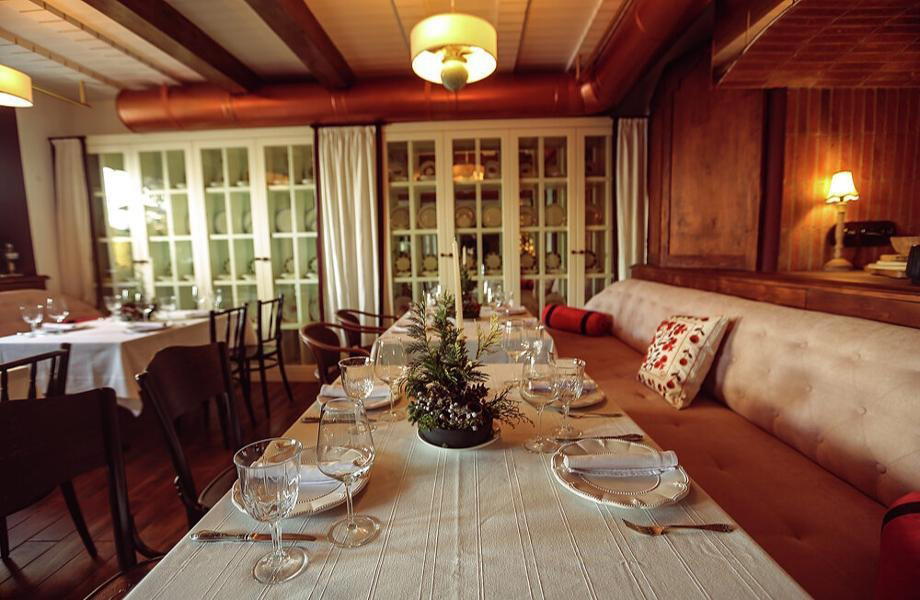
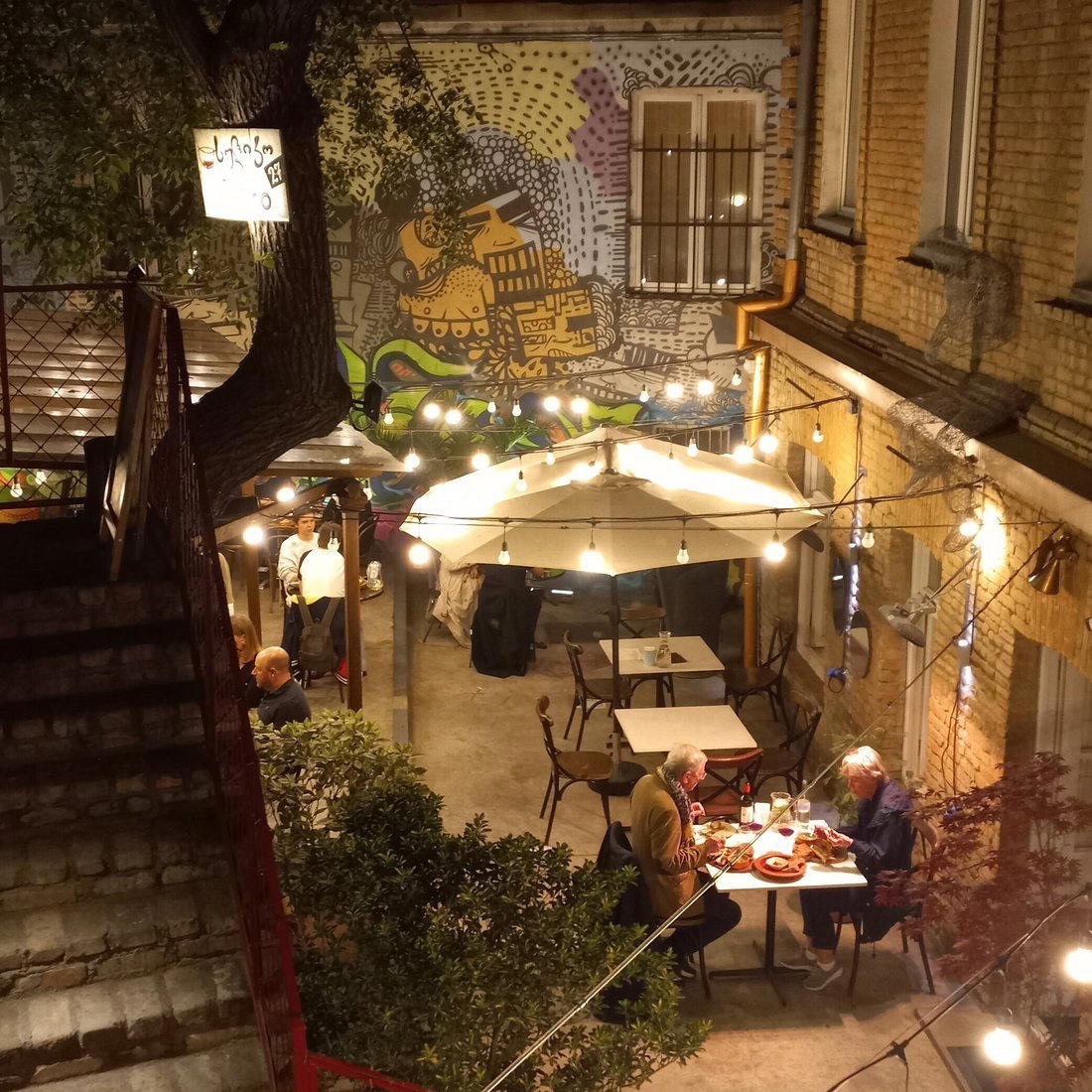
Belinski Street sits within a part of Tbilisi where the architecture and pace discourage anything flashy. Expect an environment shaped by the neighbourhood: considered rather than showy, with the food doing the talking. Zala occupies that quiet seriousness that has come to define the better addresses in Tbilisi's current dining moment.
What makes Zala worth seeking out in Tbilisi's current restaurant scene?
Tbilisi has seen sustained international attention on its food and wine culture, particularly around its amber wine traditions and a Georgian kitchen canon that most Western diners are still discovering. Zala's position on Belinski Street places it among the quieter, more purposeful addresses in the city rather than the tourist-facing strip. For a visitor wanting to understand Georgian cooking on its own terms, that geographic and cultural positioning matters.
What dish is Zala famous for?
No specific dish is confirmed in the available record, and speculating would do a disservice to a kitchen operating in a cuisine as technically demanding as Georgia's. Georgian cooking at this level typically draws from a canon — khinkali, walnut-based sauces, slow braises — but what Zala prioritises on the plate is not yet documented publicly.
Where do I go for Zala?
Zala is located at 2 Belinski St, Tbilisi, Georgia, Tbilisi.
Should I book Zala in advance?
Given Tbilisi's accelerating international dining profile since 2015, and the intimate scale common to serious restaurants on streets like Belinski, arriving without a reservation at peak hours carries risk. Check directly via the address at 2 Belinski Street or through local concierge contacts.
Cuisine and Credentials
Comparable venues nearby, for context on price, style, and recognition.
| Venue | Cuisine | Price | Notes |
|---|---|---|---|
| ZalaThis venue — the venue you are viewing | Modern Georgian with French influences | $20–30 | Not listed |
| Culinarium Khasheria | Modern Georgian | $20–30 | Tbilisi |
| Beer Square | Georgian Pub with Grill and European Beers | Not listed | Tbilisi |
| Georgian House | Traditional Georgian | $20–30 | Tbilisi |
| The Kitchen | Modern Georgian & Italian | $20–30 | Tbilisi |
| Ghumeli | Traditional Georgian | $20–30 | Tbilisi |