Chiko sits on Vardzia Street in the small Samtskhe-Javakheti town of Aspindza, a base for travellers heading to the cave monastery complex at Vardzia. The surrounding Mtkvari river valley shapes what ends up on local tables, with the region's pastoral and agricultural traditions running through Georgian cuisine at this level of the country. Aspindza dining operates far outside Tbilisi's restaurant circuit.
Pearl is the En Primeur Club membership app — saves, bookings, and concierge access live there. Same editors, same standards.
- Address
- ვარძიის ქუჩა 9ა, 0500 ასპინძა
- Website
- chiko.ge
- Directions
- Get directions
 Saves & bookings on Pearl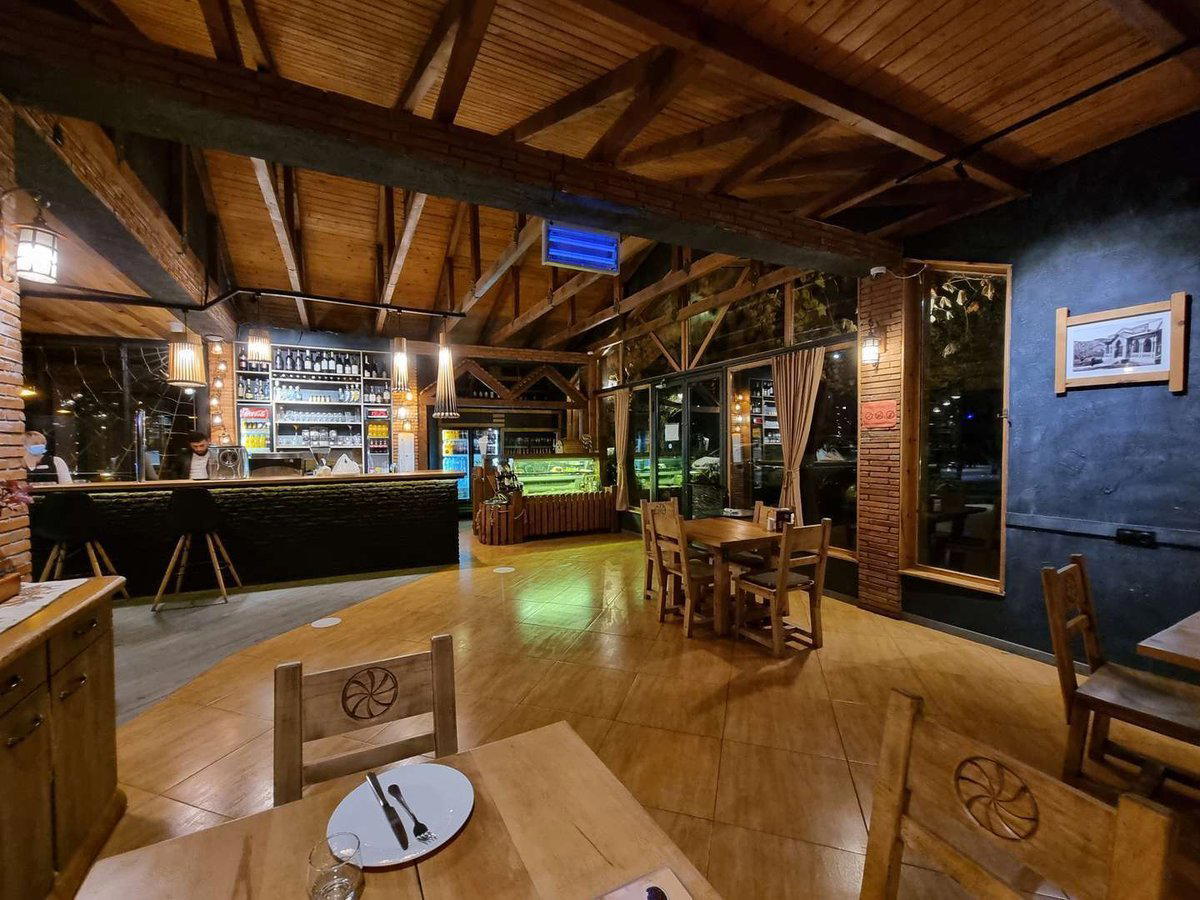
Where the Mtkvari Valley Sets the Table
Southern Georgia's Samtskhe-Javakheti region sits at an altitude and distance from Tbilisi that keeps its food culture largely intact from outside influence. Aspindza, the small town on the Mtkvari river where Chiko is located at Vardzia Street 9a, functions primarily as a staging point for the Vardzia cave monastery complex a short drive to the southwest. What that means for local dining is that kitchens here draw from a narrower, more geographically defined pantry than their counterparts in Tbilisi or even Batumi. The valley's livestock, its river, and its highland grazing land are not a marketing concept, they are the practical supply chain for restaurants operating without the wholesale distribution networks available to urban venues.
That sourcing reality places Aspindza dining in a different category from the Georgian restaurant conversation happening in the capital. Where Tbilisi venues like Chops By The River can position against an international comparable set, or where wineries such as Pheasant's Tears in Signagi build a product around qvevri wine tourism, a Aspindza address operates on entirely different terms. The immediate region is the offer.
Aspindza's Position in Georgian Regional Dining
Georgian regional cuisine is not a monolith. The dishes arriving in Tbilisi's restaurants under a broadly Georgian menu often originate from specific micro-regional traditions: Adjaran khachapuri from the Black Sea coast, Svaneti salt from the high Caucasus passes, the walnut-heavy sauces of Kakheti. Samtskhe-Javakheti has its own culinary register, shaped by centuries of trade routes through the South Caucasus and by the Armenian and Turkish cultural overlaps that define this borderland. Meat preparation traditions here run deep, and bread culture, different in texture and method from the Imeretian or Kakhetian styles more commonly exported through Georgian restaurant branding, carries local specificity.
For travellers arriving via Batumi or routing through Telavi on a broader Georgia itinerary, Aspindza represents the southernmost reliable stop before Vardzia. Venues here serve an audience that is partly international heritage tourism, Vardzia draws a consistent flow of visitors, and partly local, which tends to anchor menus in the practical, everyday Georgian cooking that rarely makes it onto the curated lists coming out of Tbilisi's food media circuit.
The Ingredient Question in Small-Town Georgia
The editorial angle that matters most for a venue like Chiko is sourcing. It is sourcing. In a town the size of Aspindza, the distance between an animal grazing on the slopes above the Mtkvari and a plate in a local restaurant is measurably shorter than in almost any major city. That proximity is not a virtue restaurants here need to advertise; it is simply how the supply chain works at this scale and remoteness.
Compare this to ingredient sourcing at higher-profile venues in Europe and North America. At establishments like Atelier Moessmer Norbert Niederkofler in Brunico or Reale in Castel di Sangro, hyper-regional sourcing is a deliberate philosophical commitment built into the menu concept and communicated as a point of differentiation. In Aspindza, that same sourcing geography exists by default. The lamb is local because there is no alternative. The dairy comes from the valley because logistics make anything else impractical. That structural condition does not guarantee quality, but it does mean that what arrives at the table reflects a specific place in a way that well-resourced urban kitchens often spend considerable effort trying to recreate.
This is the thread connecting small-town Georgian dining to the broader international conversation about terroir-led cooking. Venues like Schuchman Wines Chateau in Telavi have built formal wine-and-food programs around Kakheti's agricultural identity. The process in Aspindza is less formalized but no less real.
What to Know Before You Go
Aspindza is not a dining destination in the way that Tbilisi or Signagi functions for food-focused travellers. It is a transit town with a specific purpose: the Vardzia site, one of Georgia's most significant medieval monuments. The practical reality of eating in Aspindza is that options are limited in number, and venues like Chiko serve a town-level local market rather than a tourist-facing dining scene. Plan for walk-in flexibility rather than advance reservation. Georgia's regional restaurants, unlike the Sisters in Kutaisi or the Gazaphkhuli in Chiatura, both of which have developed some external profile, often operate on hours tied to local demand rather than published schedules.
Travellers routing through here on a longer Georgia circuit would do well to treat Aspindza as a midday or early dinner stop on the Vardzia day, rather than building an evening specifically around it. The town sits at an elevation and climate that shades cooler than Tbilisi through much of the year, and the drive from the capital takes between three and four hours depending on route and road conditions through the Borjomi-Kharagauli corridor, passing near the Crowne Plaza Borjomi area for those who need an overnight midpoint.
Aspindza operates at provincial Georgia pricing. That affordability is a structural feature of the market, not a signal of quality in either direction.
Comparable Spots, Quickly
Comparable venues nearby, for context on price, style, and recognition.
| Venue | Cuisine | Price | Notes |
|---|---|---|---|
| Chiko (ჩიკო) | Traditional Georgian and Meskhetian | $ | Aspindza |
| Kharcho | Modern Georgian Fusion | $$ | Tbilisi |
| Dadiani | Traditional Georgian (Mingrelian) | $$ | Tbilisi |
| Alubali | Authentic Megrelian Georgian | $$ | Tbilisi |
| Sofia Melnikova’s Fantastic Douqan | Georgian & Eastern European | $$ | Tbilisi |
| Culinarium Khasheria | Modern Georgian | $$ | Tbilisi |
At a Glance
- Rustic
- Group Dining
- Celebration
- Terrace
- Local Sourcing
- Mountain
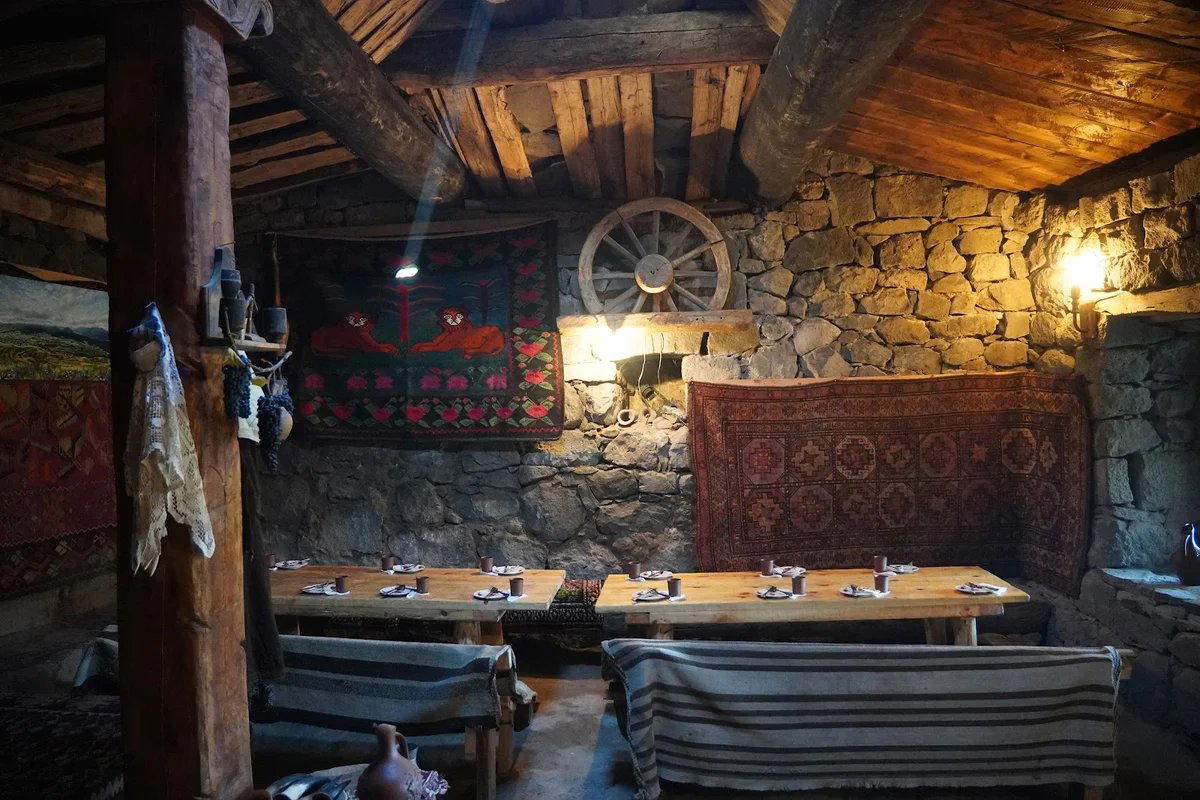
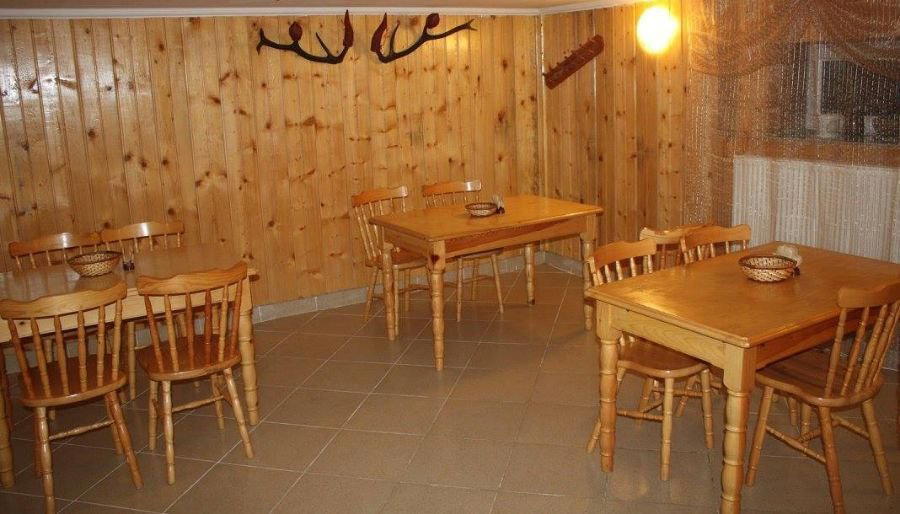
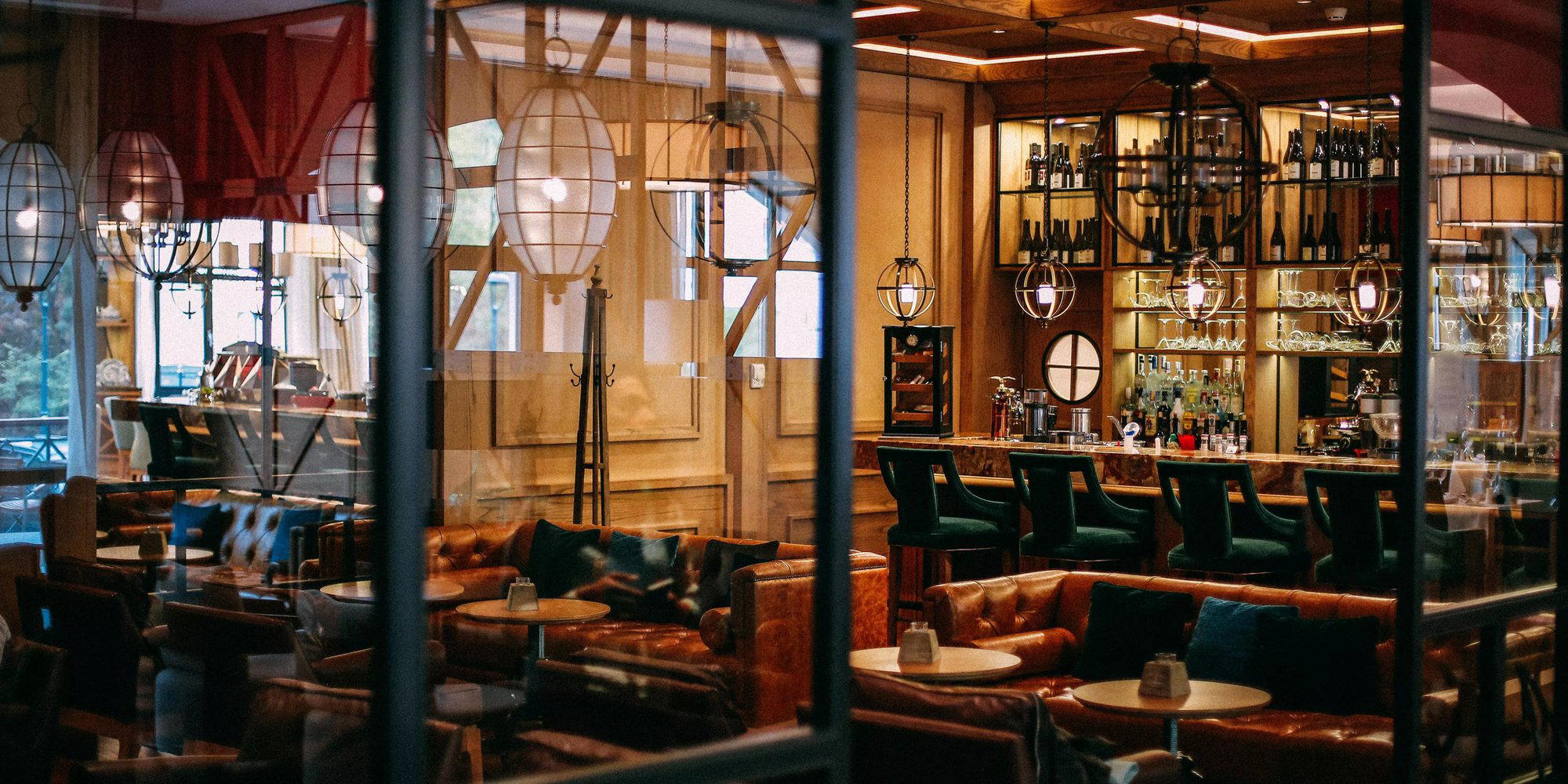
Cozy with terrace providing picturesque mountain views and garden setting.