Our verdict
Crowne Plaza Borjomi sits in one of Georgia's most storied spa towns, where the mineral springs that once drew Russian aristocracy still define the local identity. The hotel occupies a position in a market where international-brand infrastructure meets Samtskhe-Javakheti's larder of highland produce, cured meats, and centuries-old wine culture. For travellers using Borjomi as a base for the Caucasus interior, it is the most logistically grounded option in the area.

Pearl is the En Primeur Club membership app — saves, bookings, and concierge access live there. Same editors, same standards.
- Address
- 9 Baratashvili St, Borjomi 1200, Georgia
- Phone
- +995322221221
- Website
- ihg.com
- Directions
- Get directions
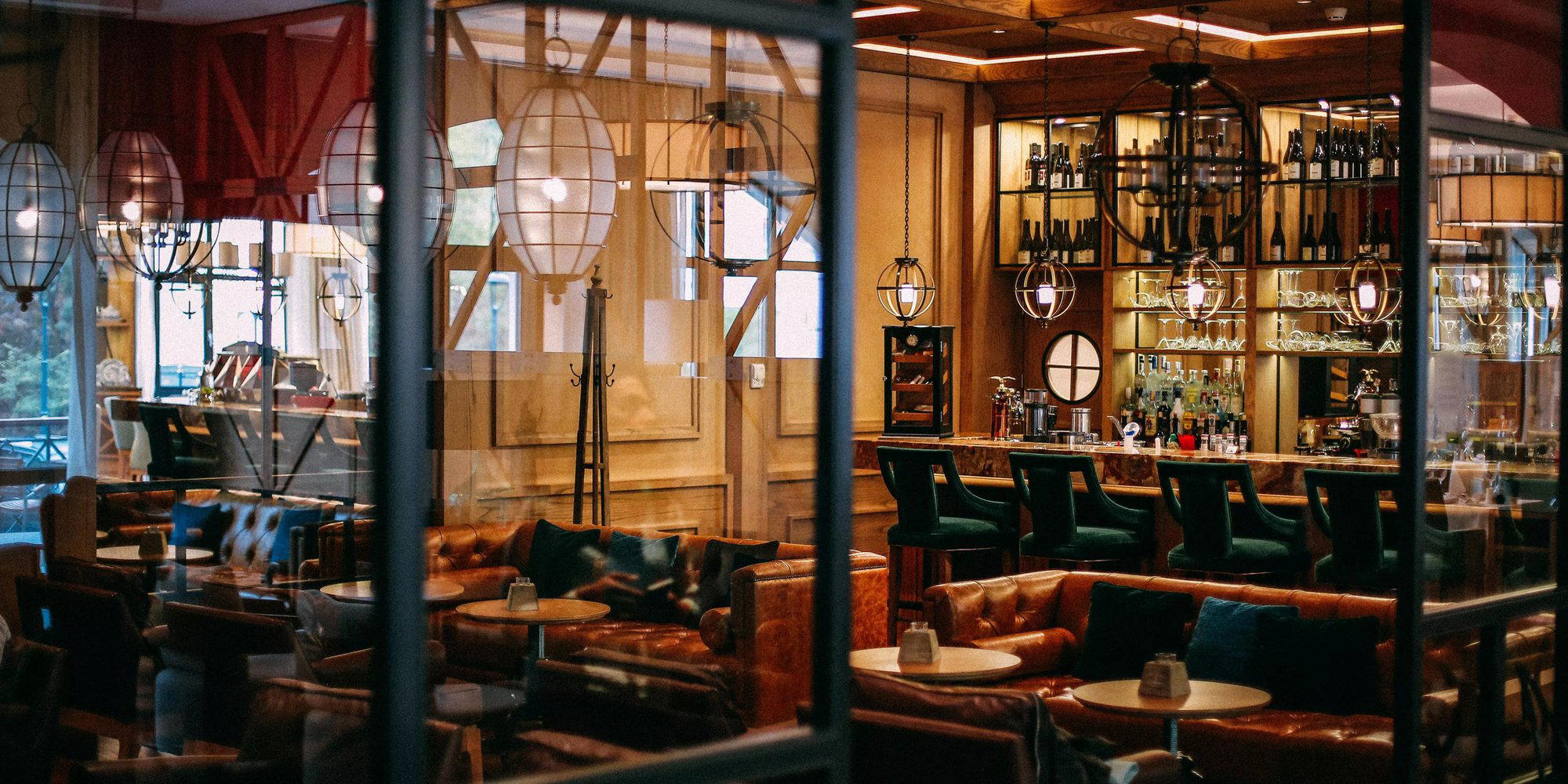
Where Mineral Water Country Meets the Caucasus Kitchen
Borjomi is not a city that needs introduction in Georgia. The mineral springs here have been commercially bottled since the 1890s, and the town's reputation as a therapeutic retreat predates Soviet-era sanatoria by generations. Arriving along the Mtkvari River gorge, with the Likani forest rising on both sides, the sense of remove from Tbilisi's pace is immediate. The Crowne Plaza Borjomi, addressed at 9 Baratashvili Street, sits within this context: a property that brings international-brand operating standards into a region where the most compelling reason to visit has always been the landscape and what grows in it. For an editorial overview of where Borjomi fits within Georgia's broader dining circuit, see our full Borjomi restaurants guide.
The Supply Chain Beneath the Menu
The editorial angle that matters most in Borjomi is not which kitchen is producing the most technically refined plate, but where the raw ingredients are coming from and why that geography makes a difference. Samtskhe-Javakheti, the region that contains Borjomi, sits at altitude, which compresses growing seasons and concentrates flavour in root vegetables, stone fruits, and foraged herbs. Pastoral farming here has not industrialised at the pace of Georgia's lowland zones, which means lamb, dairy, and honey still move through shorter, more traceable supply chains than in Tbilisi's restaurant district.
Georgian cooking in this region draws from a repertoire that predates any restaurant concept: churchkhela made from walnut and grape must, tkemali sourced from wild plum, dried herbs pressed into khmeli-suneli blends that vary by village elevation. A hotel kitchen operating in Borjomi has access to this larder in a way that a Tbilisi property cannot replicate without freight. Whether a given kitchen exploits that proximity is a separate question, but the raw material argument for cooking in this part of Georgia is grounded and specific.
For comparison, Georgia's wine-country dining has developed a distinct farm-to-table coherence at properties like Pheasant's Tears Winery in Signagi and Schuchman Wines Chateau in T'Elavi, where the sourcing narrative is baked into the brand. Borjomi operates on a different register: the sourcing argument here is about highland produce and mineral-rich terroir rather than amber wine and qvevri. They are parallel stories about Georgian geography shaping what ends up on the table.
International Brand Infrastructure in a Spa Town
The Crowne Plaza flag places this property in an operating tier that Borjomi otherwise lacks. The town's accommodation spectrum runs from Soviet-era sanatoria converted into guesthouses to smaller boutique properties, with very limited options offering the business-travel infrastructure, consistent service protocols, and multi-language capability that the Crowne Plaza brand implies. That positioning is not incidental: Borjomi draws a mix of Georgian domestic tourists, regional visitors from Armenia and Azerbaijan, and a growing cohort of European travellers using the town as a staging point for the Caucasus interior.
The Borjomi-Kharagauli National Park, one of the largest protected areas in the Caucasus, borders the town. Travellers using the Crowne Plaza as a base for park access are trading against the smaller guesthouses on logistics and reliability rather than on character. That is an honest trade-off, not a criticism. International-flag properties in secondary Georgian cities serve a functional role in the travel infrastructure, and Borjomi is precisely the kind of town where that role is underserved. For context on how Georgia's regional dining scene is developing outside Tbilisi, the kitchens at Doli in Telavi and Sisters in Kutaisi represent what regional commitment to Georgian culinary identity looks like when it is pursued deliberately.
Georgia's Regional Dining Scene as Context
Borjomi sits roughly 150 kilometres southwest of Tbilisi by road, in a corridor that has not yet attracted the density of destination restaurants found in the Kakheti wine region or in Tbilisi's Vera and Mtatsminda districts. That gap is partly structural: the town's economy is tied to tourism and the Borjomi-Likani mineral water operation rather than to gastronomy or wine production. What the town does have is a compelling argument for slower, more ingredient-focused eating tied to its altitude and its river valley microclimate.
Georgia's broader dining evolution over the past decade has moved between two poles: the preservation of ancient techniques like qvevri fermentation and bread baked in a tone oven, and the adoption of contemporary European frameworks applied to Georgian produce. Properties like Sazandari in Batumi and Chops By The River in Tbilisi occupy different points on that spectrum. Borjomi, and a property like the Crowne Plaza within it, sits at a moment when the town could develop a more specific culinary identity built around its highland sourcing story, but has not yet fully committed to that direction in any documented way.
For travellers curious about how Georgia's smaller towns are developing their own culinary voices, Gazaphkhuli in Chiatura and Chiko in Aspindza offer useful reference points for the kind of regional specificity that can emerge outside the capital.
Planning Your Stay
Borjomi is accessible by train from Tbilisi, with a journey of approximately three hours on the narrow-gauge line through the Mtkvari gorge, which is itself a reason to take the slow route. The town is compact and walkable from the station to Borjomi Central Park, where the mineral spring taps are open to the public. The Crowne Plaza's Baratashvili Street address places it within the town's central zone. For travellers combining Borjomi with Kakheti or the Javakheti plateau, the routing works well as a two-night stop rather than a day trip from Tbilisi. Booking through the IHG network is the standard approach for a Crowne Plaza property and typically unlocks loyalty pricing for members.
For reference on what dining at a serious level looks like across different geographies, EP Club covers properties from Le Bernardin in New York City to Atelier Moessmer Norbert Niederkofler in Brunico, HAJIME in Osaka, and Reale in Castel di Sangro. The contrast with Borjomi is not a hierarchy but a map of how different environments generate different kinds of dining value. Georgia's highland towns offer something that none of those kitchens can replicate: a larder shaped by elevation, mineral water, and a food culture that has not been mediated by decades of fine-dining convention. That is the argument for eating well in Borjomi, whatever the specific kitchen.
Frequently asked questions
Is Crowne Plaza BORJOMI child-friendly?
The Crowne Plaza brand operates under IHG's group-wide family policy, which generally includes provisions for children at its properties. For Borjomi specifically, the town itself is well-suited to family visits: the Borjomi-Kharagauli National Park and the mineral spring park in the town centre give younger guests outdoor space that most urban hotel stays cannot offer. Confirm specific amenities such as cots or connecting rooms directly with the property at 9 Baratashvili St before booking.
What is the atmosphere like at Crowne Plaza BORJOMI?
Borjomi is a spa town, not a nightlife city, and the atmosphere at the Crowne Plaza reflects that orientation: quieter than a Tbilisi business hotel, with the pace set by the surrounding gorge landscape and the mineral spring park nearby. The Crowne Plaza flag represents the most structured hospitality offer in a town where the alternative accommodation runs from Soviet-era sanatoriums to guesthouse rentals. Expect a calmer, resort-adjacent register rather than a metropolitan buzz.
How far is Crowne Plaza Borjomi from Tbilisi, and what is the easiest way to get there?
Borjomi sits roughly 150 kilometres southwest of Tbilisi by road. The narrow-gauge train through the Mtkvari gorge takes approximately three hours from Tbilisi and is the route most frequently cited by travellers for its scenery. By car, the journey is shorter and gives flexibility to stop at points along the Mtkvari valley corridor. The Crowne Plaza is located at 9 Baratashvili St in central Borjomi, within walking distance of the town's mineral spring park.
What should I order at Crowne Plaza BORJOMI?
What is established about Borjomi's food context is that the region sits within Georgia's broader Caucasus kitchen tradition — think churchkhela, fresh dairy, and produce from the surrounding Samtskhe-Javakheti corridor. Any kitchen operating at this address has access to that same regional supply chain, which tends to shape the menu regardless of brand affiliation.
What's the address for Crowne Plaza BORJOMI?
Crowne Plaza BORJOMI is located at 9 Baratashvili St, Borjomi 1200, Georgia, Borjomi.
What's the best way to book Crowne Plaza BORJOMI?
The property is part of the IHG hotel group, which means bookings can be made through the IHG website or app, with IHG One Rewards points applicable if you hold membership. Borjomi sees higher demand during summer months when the national park draws hikers, so booking ahead for June through August is advisable.
What do critics highlight about Crowne Plaza BORJOMI?
No named critical reviews or awards are documented for the property in current editorial records. What observers of Georgia's hospitality sector consistently note is the structural gap this property fills: Borjomi lacks the density of internationally branded hotels found in Tbilisi, placing the Crowne Plaza in a distinct operating position for travellers who want consistent service standards in a town where guesthouses and Soviet-era sanatoriums are the main alternatives.
Fast Comparison
| Venue | Cuisine | Price | Awards | Notes |
|---|---|---|---|---|
| Crowne Plaza BORJOMIThis venue — the venue you are viewing | Georgian and International | $20–30 | Not listed | Not listed |
| Café Littera | Modern Georgian Fusion | $30–50 | La Liste Top Restaurants | Georgian Fusion |
| Doli | Authentic Georgian Kakhetian | Not listed | Star Wine List | Not listed |
| Sisters | Georgian and European | $10–20 | Star Wine List | Not listed |
| Alubali | Authentic Megrelian Georgian | Not listed | Star Wine List | Not listed |
| Azarphesha | Modern Georgian with Fusion Influences | Not listed | Star Wine List | Not listed |
Continue exploring
More in Borjomi
Restaurants in Borjomi
Browse all →
Hotels in Borjomi
Browse all →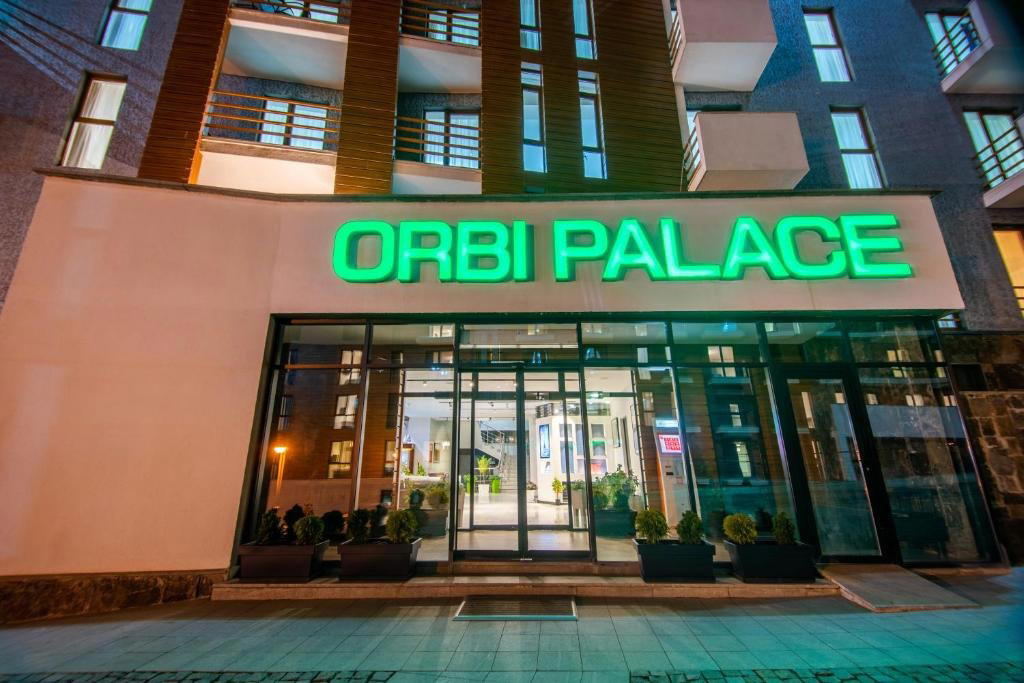
Wineries in Borjomi
Browse all →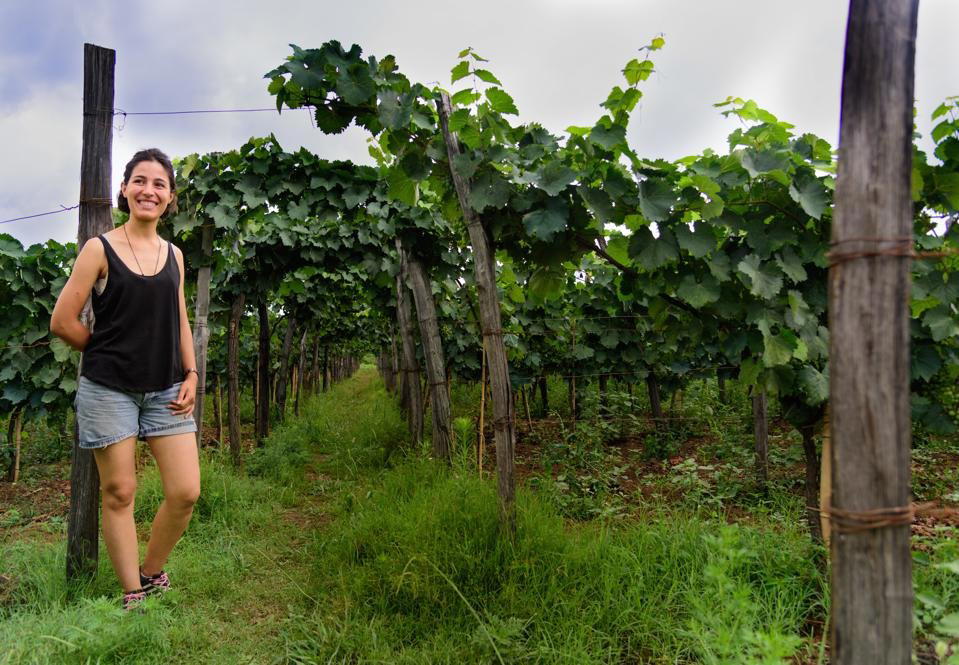
Crowne Plaza BORJOMI
The wine
- Wine program
- Curated wine list
- Extensive wine list
Details
- Elegant
- Sophisticated
- Family
- Business Dinner
- Hotel Restaurant
- Terrace
- Extensive Wine List
- Mountain
- Street Scene
- A La Carte
- Buffet
- Wine
- Vegetarian Friendly
Elegant and sophisticated atmosphere with contemporary interiors and seasonal open terrace.