Beer Square sits on Akaki Beliashvili Street in Tbilisi, a city where craft drinking culture has grown alongside a renewed interest in Georgian agricultural identity. The address places it in a neighbourhood that rewards unhurried exploration rather than itinerary-driven dining. For visitors tracing the intersection of local produce and informal hospitality, it warrants attention alongside the city's more established restaurant names.
Pearl is the En Primeur Club membership app — saves, bookings, and concierge access live there. Same editors, same standards.
- Address
- 99 Akaki Beliashvili St, Tbilisi, Georgia
- Phone
- +995322005555
- Website
- tsiskvili.ge
- Directions
- Get directions
 Saves & bookings on Pearl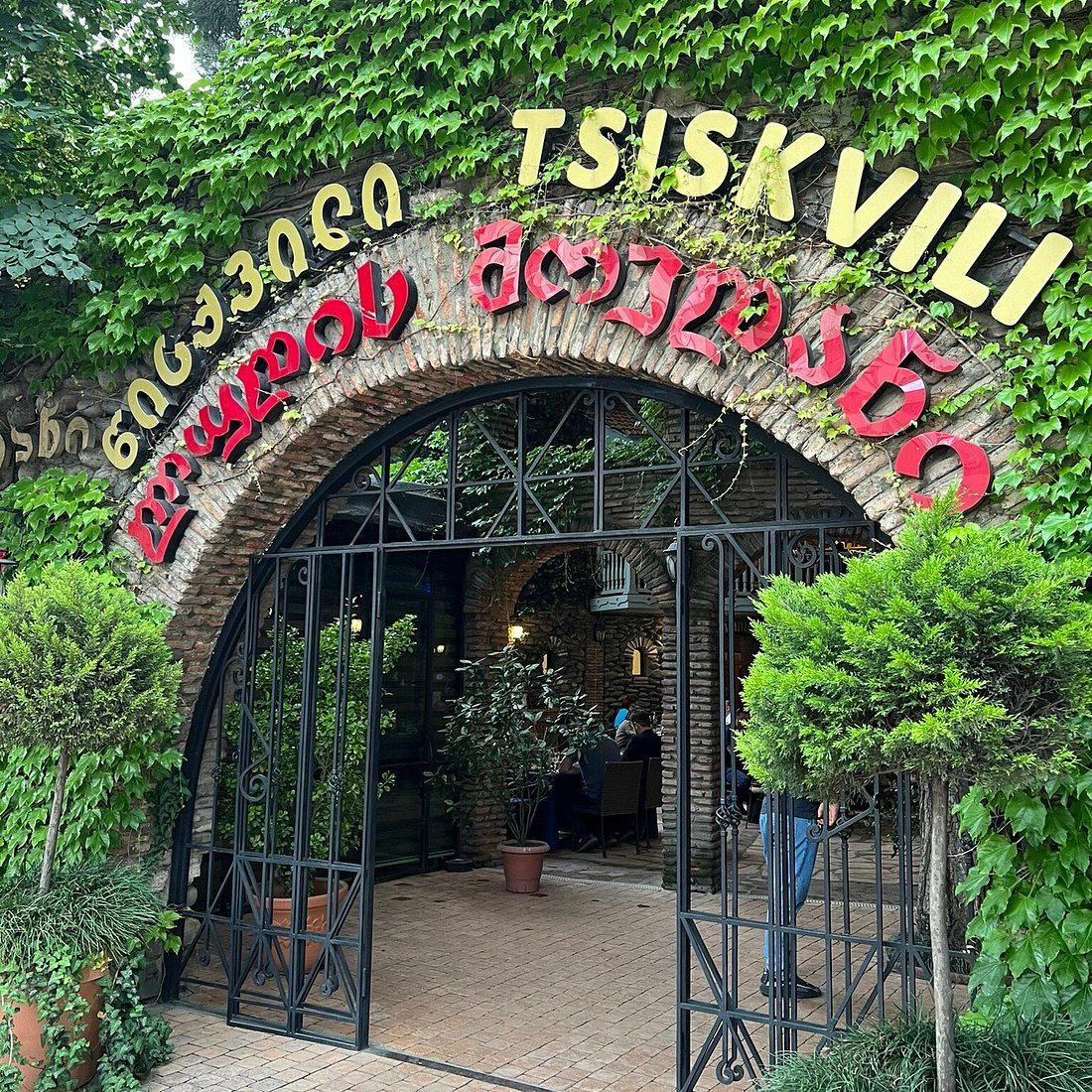
Akaki Beliashvili Street and the Craft Drinking Scene It Hosts
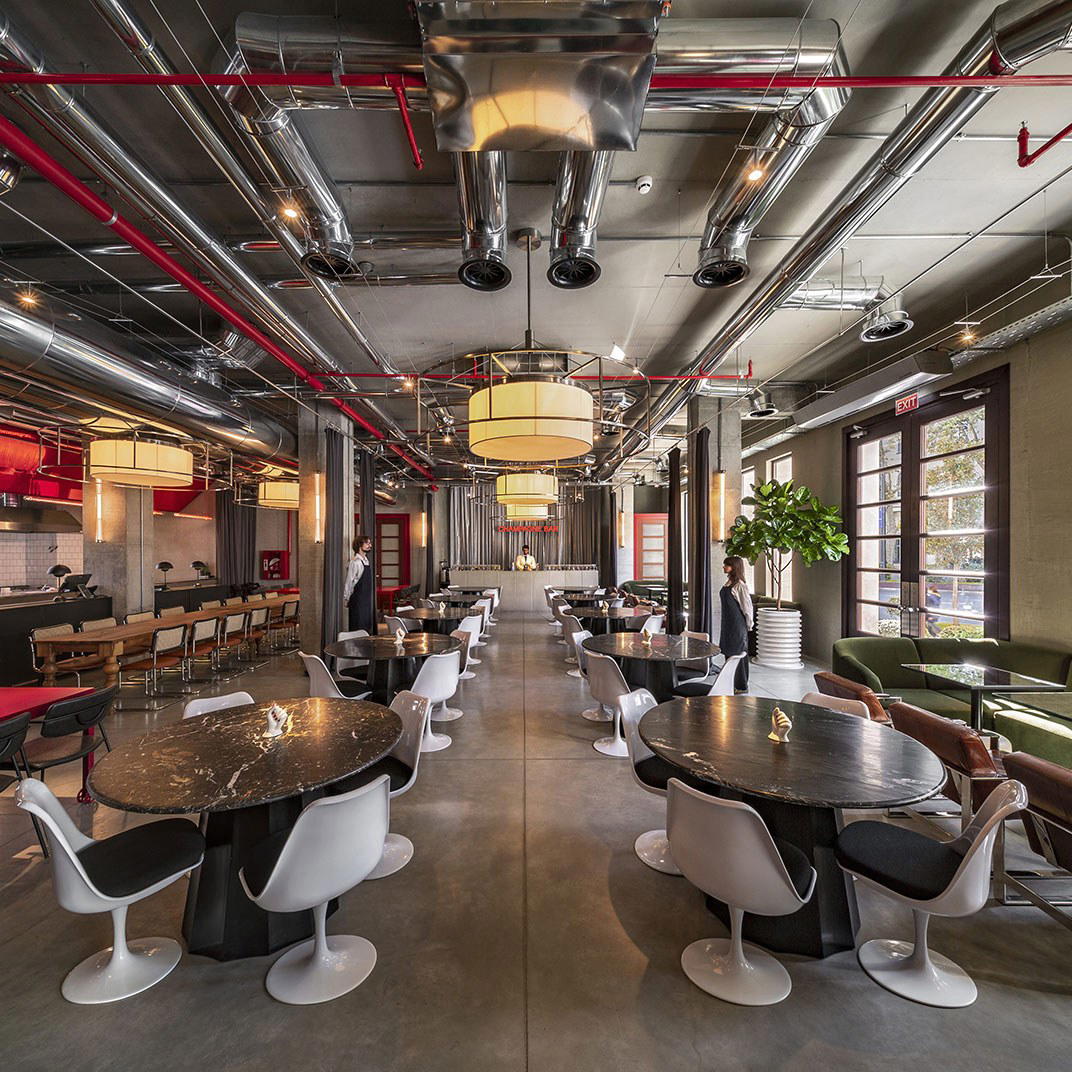
Tbilisi's drinking culture has shifted considerably over the past decade. The city that once exported its wine identity almost exclusively through qvevri-aged amber bottles and polished restaurant lists has developed a parallel infrastructure around craft beer and informal gather spaces. This shift is not distinctive to Tbilisi; it mirrors patterns visible in Yerevan, Belgrade, and Warsaw, where post-Soviet urban generations built new social formats around local brewing rather than inherited wine traditions. What makes the Tbilisi version interesting is that it has developed inside a city still deeply committed to its agricultural past, which means the sourcing questions that animate craft beer culture elsewhere arrive here already pre-loaded with local urgency. Beer Square is a casual Georgian pub with grill and European beers at 99 Akaki Beliashvili St in Tbilisi.
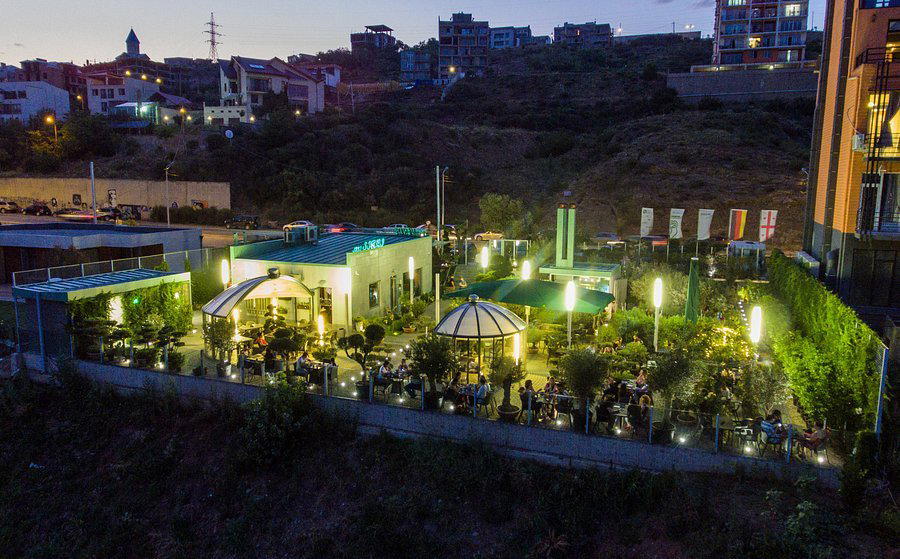
The street itself runs through a residential and light-commercial stretch of Tbilisi that does not concentrate tourists in the way the Old Town or Rustaveli Avenue does. Approaching along Beliashvili, the environment is more neighbourhood than destination, which tends to shape who ends up inside a place and how they use it. Venues that occupy this kind of address typically develop regulars before they develop reputations, and their menus, where they exist, tend to reflect what is actually available locally rather than what reads well on a designed menu card. That grounding in local supply chains is precisely where the ingredient-sourcing argument for craft venues in Georgia becomes most legible.
Why Sourcing Matters More in Georgia Than You Might Expect
Georgia's agricultural geography is compressed and varied in ways that reward producers willing to work with it. The Alazani Valley in Kakheti yields grapes and grain across a relatively short distance from Tbilisi. The Adjaran coast brings a different humidity and a different crop profile. Kartli's plains sit between these zones and supply much of the capital's everyday produce. For any venue with a credible commitment to local sourcing, this geography is an asset: the raw materials are diverse, the distances are short, and the farming traditions predate industrial agriculture by centuries.
The craft beer movement in Georgia, still younger than the wine revival it lives alongside, has been slower to formalise its sourcing language, but the better operators are beginning to close that gap. When local hops, barley, and adjuncts are treated with the same seriousness that Pheasant's Tears Winery in Signagi or Schuchman Wines Chateau in Telavi applies to its grape sourcing, the product changes character. It becomes an argument for a place as much as a flavour. That is the standard against which informal beer venues in Tbilisi are increasingly being measured, and it is a more demanding standard than simply serving cold pints in a comfortable room.
How Beer Square Fits Into Tbilisi's Wider Restaurant and Bar Matrix
Tbilisi's food and drink scene is not monolithic. At one end, restaurants like Barbarestan have built their identities around Georgian culinary heritage rendered through careful, research-driven cooking. At another, venues like Alubali occupy a more contemporary register. The craft beer and informal drinking tier operates differently from both: it is less concerned with culinary narrative and more concerned with what is in the glass and who is in the room. Beer Square's position on Beliashvili Street places it in the neighbourhood tier rather than the destination tier, which carries its own editorial logic. Neighbourhood venues in Tbilisi are where the city's residents actually drink and eat most evenings. Understanding them gives a more accurate picture of how the city functions than any amount of time spent in the Old Town's curated blocks.
For visitors who have already covered the structured end of Tbilisi's dining offers, from the sharper Georgian fusion interpretations at Azarphesha and ATI to the more technically focused cooking at Akura San, spending time at an address like Beer Square offers a different register of the city. It is the difference between reading a city's food media and eating at someone's kitchen table. Both have value; they answer different questions.
Georgia Beyond Tbilisi: The Sourcing Chain in Context
Any serious account of Georgian food and drink sourcing has to reckon with what happens outside the capital. The producers that supply Tbilisi's better venues are often a two to three-hour drive away. Doli in Telavi operates inside Kakheti's wine country, where the connection between glass and vineyard is direct and visible. Palaty in Kutaisi draws on Imereti's different agricultural traditions. Even further out, Gazaphkhuli in Chiatura and Crowne Plaza Borjomi represent how hospitality and sourcing work in Georgia's more remote zones. The supply chains that reach Tbilisi's informal venues like Beer Square draw from this same geography, even if less visibly than at a winery restaurant or a farm-to-table operation with a printed provenance list.
Visitors planning time around Georgia's food culture more broadly might also consider the range of options across Batumi, where Umami at Clouds represents the Adjaran coast's increasingly confident restaurant identity, and rural options like Chiko in Aspindza, which operates in an entirely different register from Tbilisi's urban venues. Internationally, the sourcing discipline that defines Georgia's leading producers finds different but comparable expression in venues like Lazy Bear in San Francisco, where local agriculture and hospitality format are treated as inseparable questions.
Planning a Visit
The restaurant is at 99 Akaki Beliashvili St in Tbilisi. The address is in a residential stretch that functions better approached on foot or by taxi than by public transit itinerary. This is not unusual for the neighbourhood tier in Tbilisi, where informal operations update their hours seasonally and rarely maintain a polished online presence.
A Quick Peer Check
Comparable venues nearby, for context on price, style, and recognition.
| Venue | Cuisine | Price | Notes |
|---|---|---|---|
| Beer SquareThis venue — the venue you are viewing | Georgian Pub with Grill and European Beers | $$ | Not listed |
| Gabriadze Cafe | Modern Georgian | $$ | Tbilisi |
| OtsY | Modern Georgian | $$$ | Tbilisi |
| Schuchmann | Modern Georgian Molecular Gastronomy | $$$ | Tbilisi |
| Kakhelebi | Traditional Georgian | $$ | Tbilisi |
| Sofia Melnikova’s Fantastic Douqan | Georgian & Eastern European | $$ | Tbilisi |
Continue exploring
More in Tbilisi
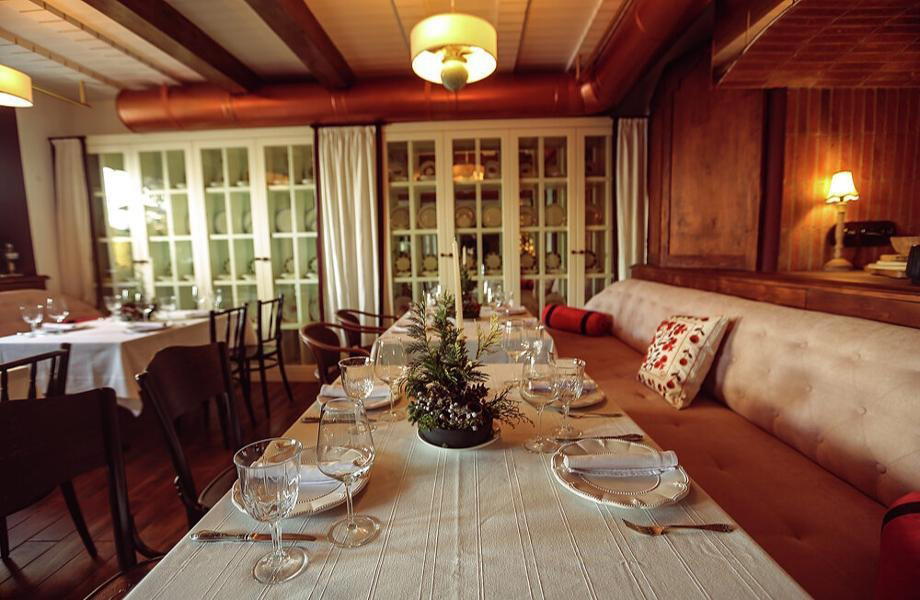
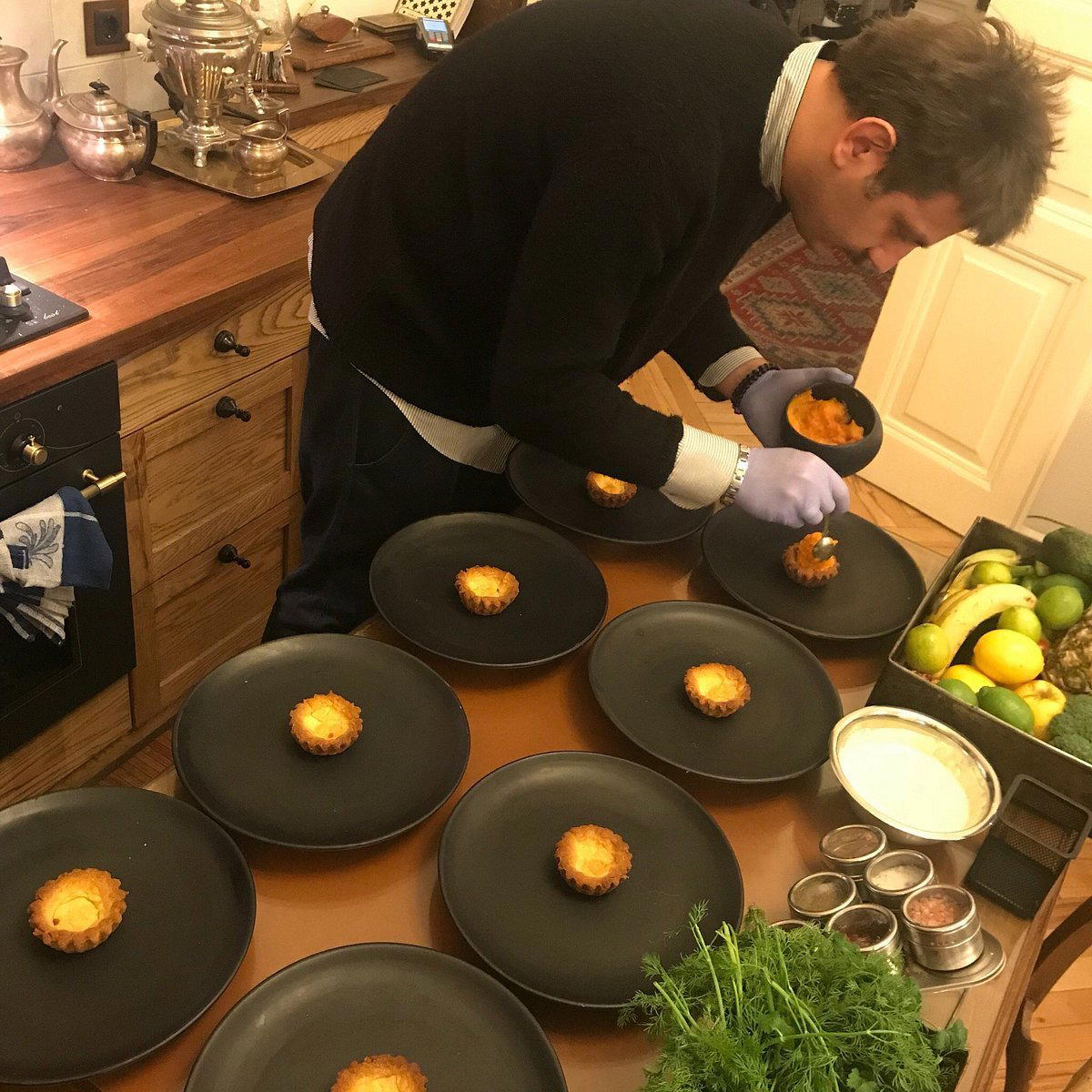
Restaurants in Tbilisi
Browse all →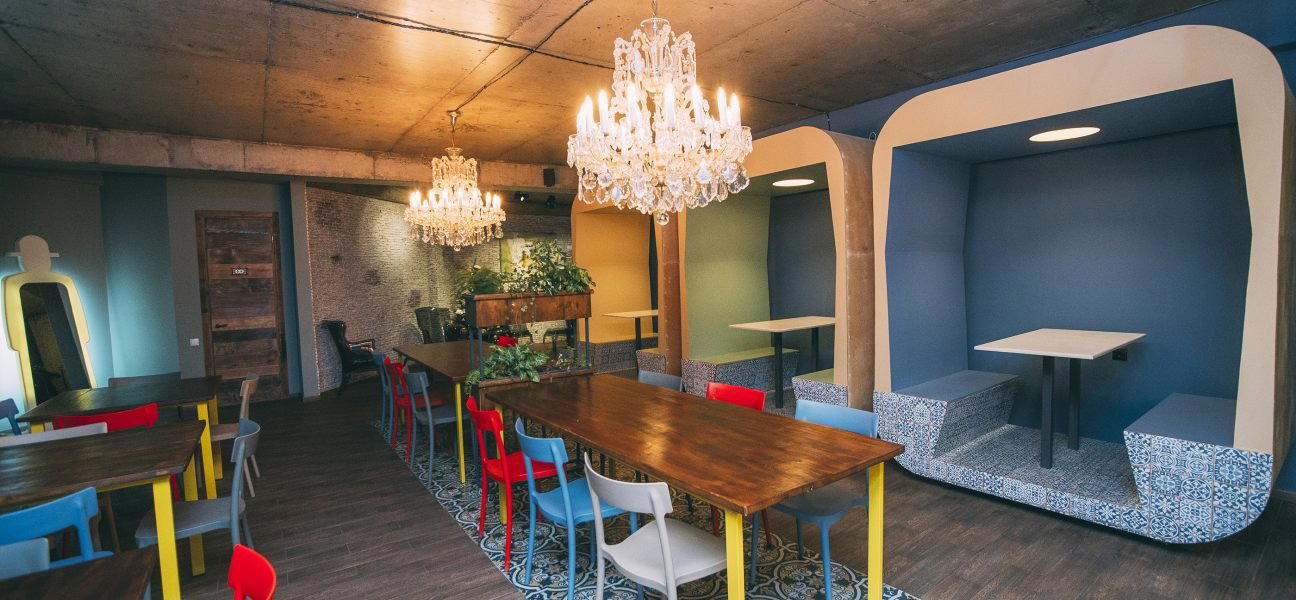
Bars in Tbilisi
Browse all →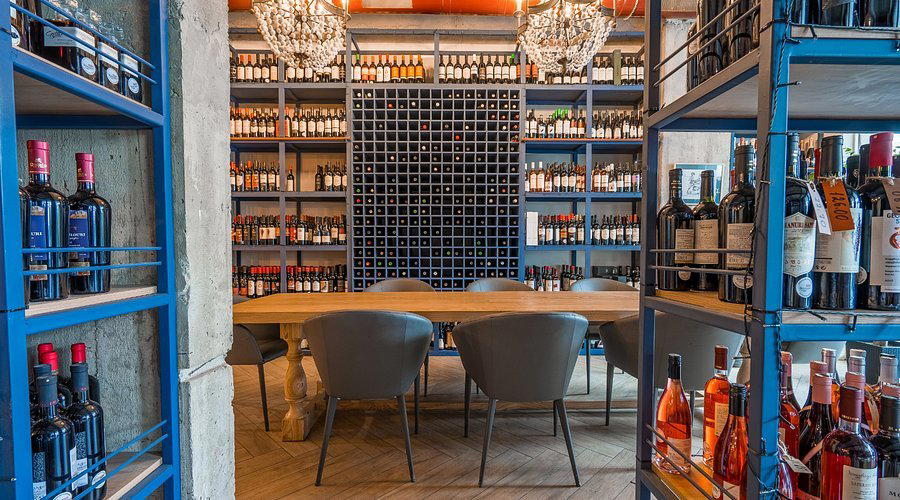
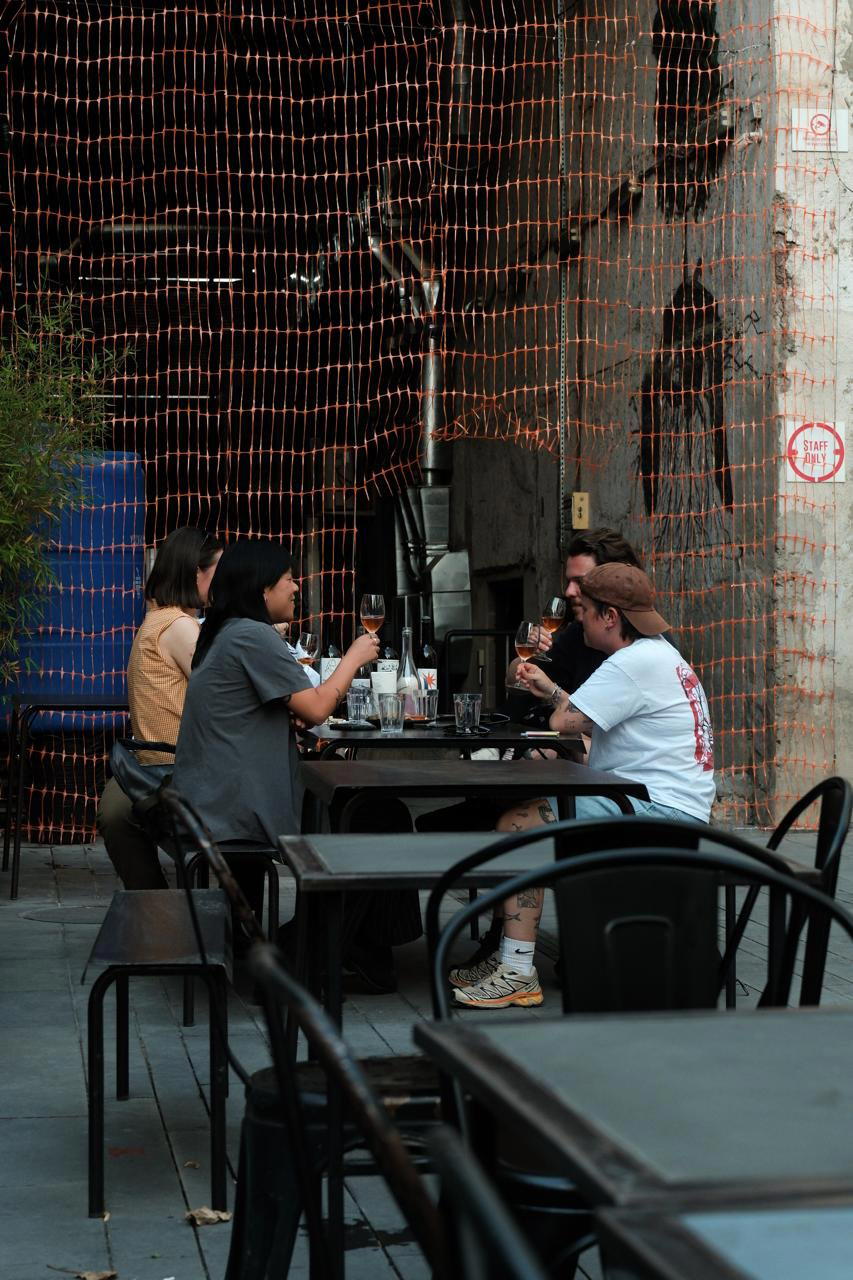
Hotels in Tbilisi
Browse all →



At a Glance
- Lively
- Cozy
- Trendy
- Casual Hangout
- Group Dining
- Late Night
- Live Music
- Open Kitchen
- Beer Program
Current opening hours
- Monday
- 10 AM–1 AM
- Tuesday
- 10 AM–1 AM
- Wednesday
- 10 AM–1 AM
- Thursday
- 10 AM–1 AM
- Friday
- 10 AM–1 AM
- Saturday
- 10 AM–1 AM
- Sunday
- 10 AM–1 AM
Hours can change for holidays and private events. Last verified .
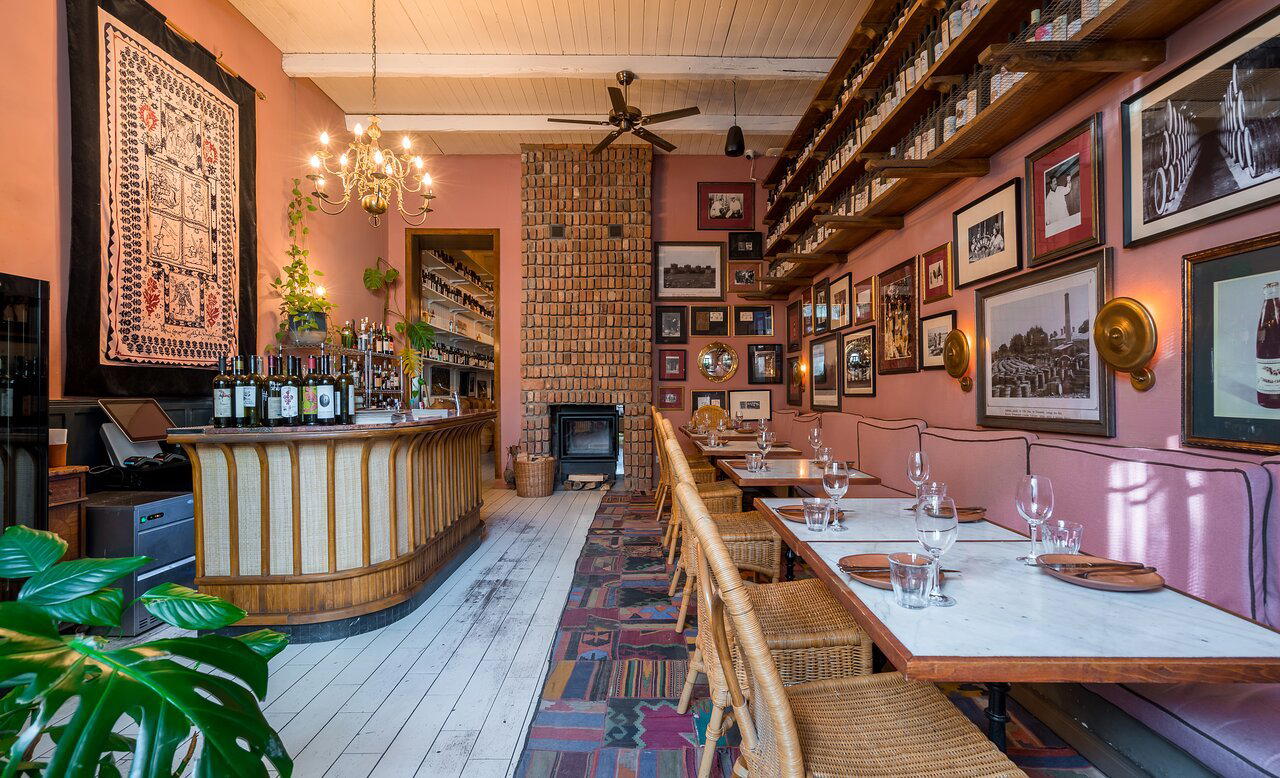
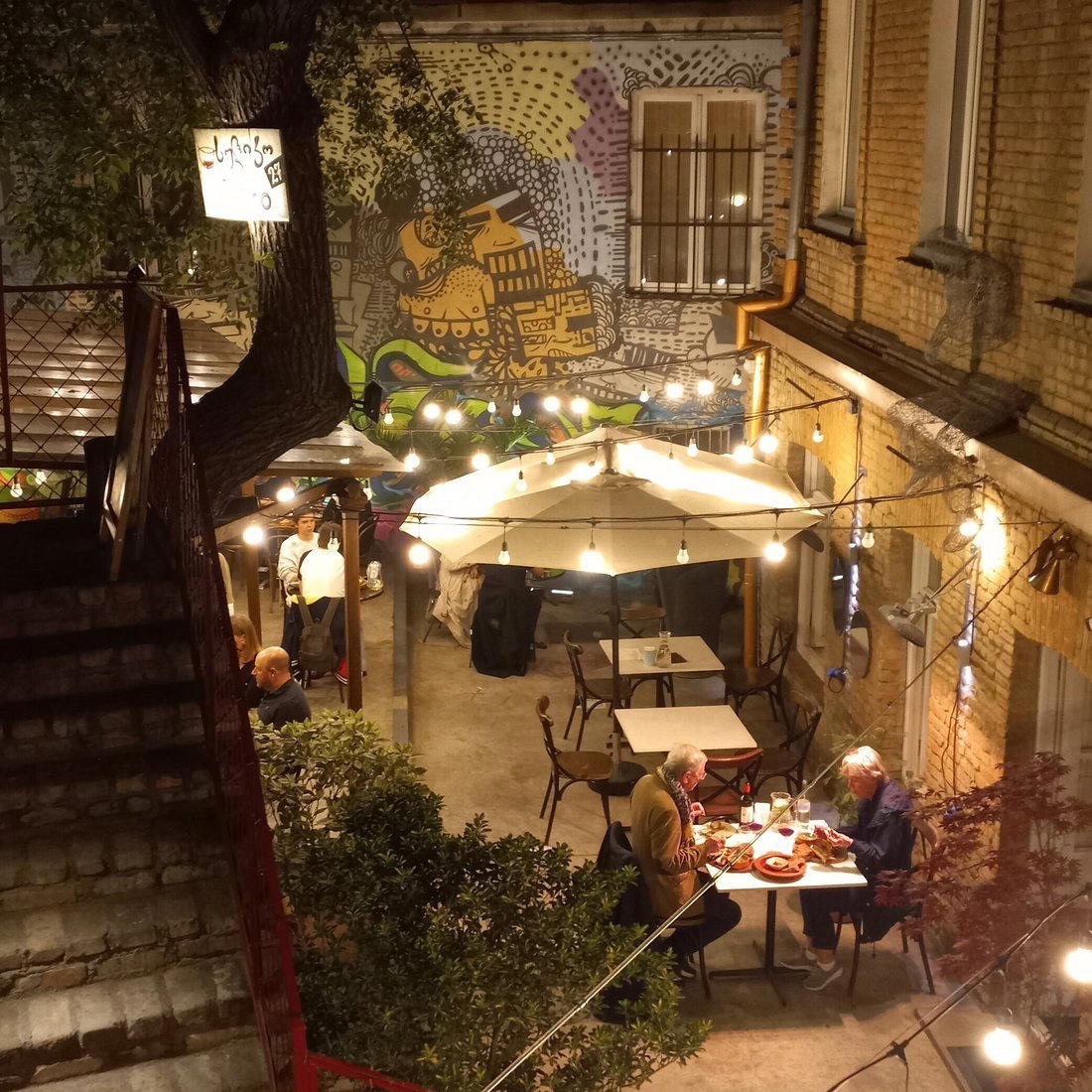
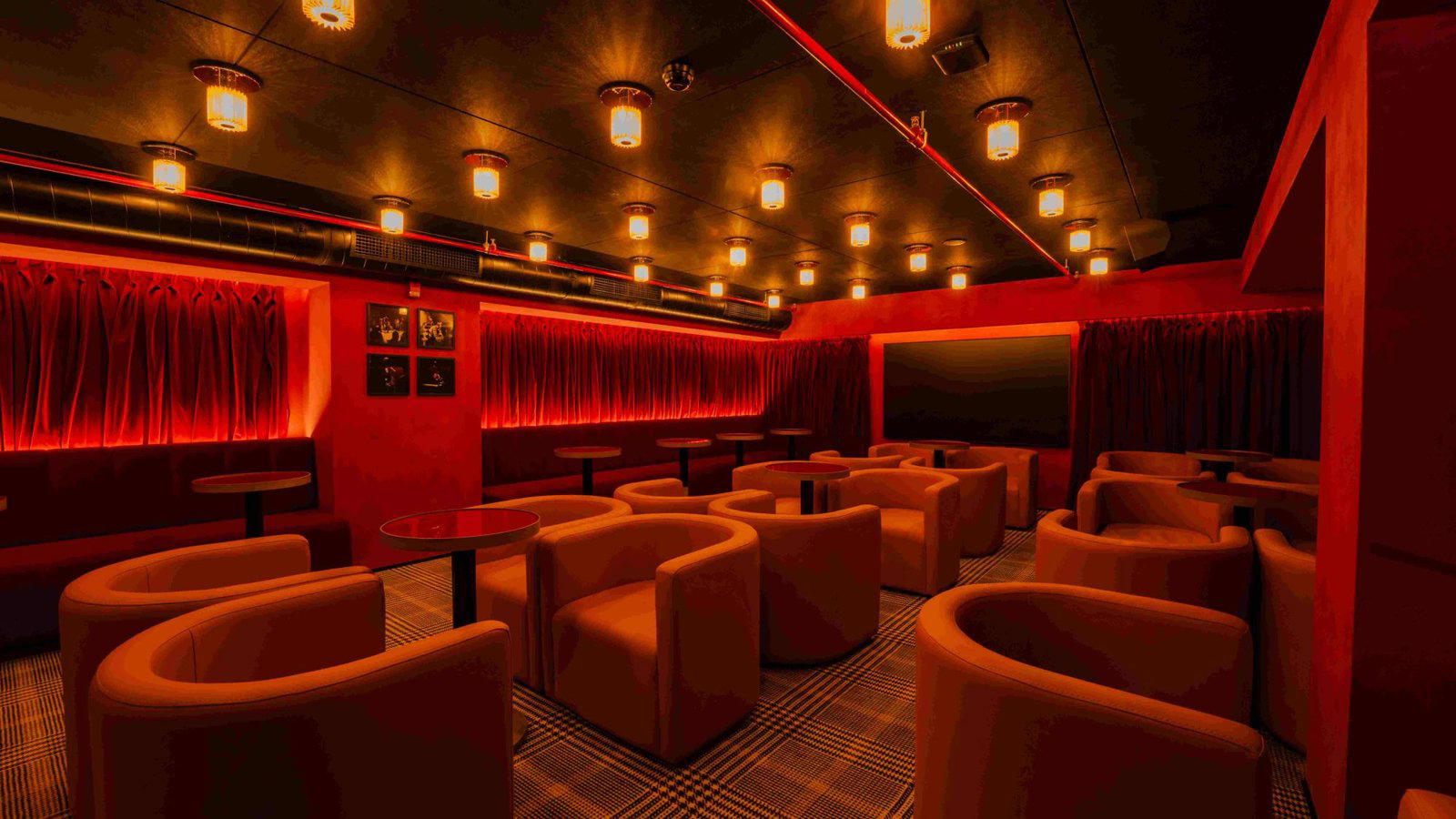
Cozy atmosphere blending traditional and modern interior design with live music creating an energetic yet inviting vibe.