Our verdict
At 5 Shalva Radiani Street, Chef Konstantin Tedeluri occupies a particular position in Tbilisi's evolving fine-dining conversation, a name attached to a specific address rather than a branded restaurant concept, signalling the chef-driven, personality-led format that has quietly reshaped how the city's serious food scene presents itself. For travellers tracking Georgia's culinary momentum, this is one address worth understanding before visiting.

Pearl is the En Primeur Club membership app, where members save venues, book tables and use the concierge.
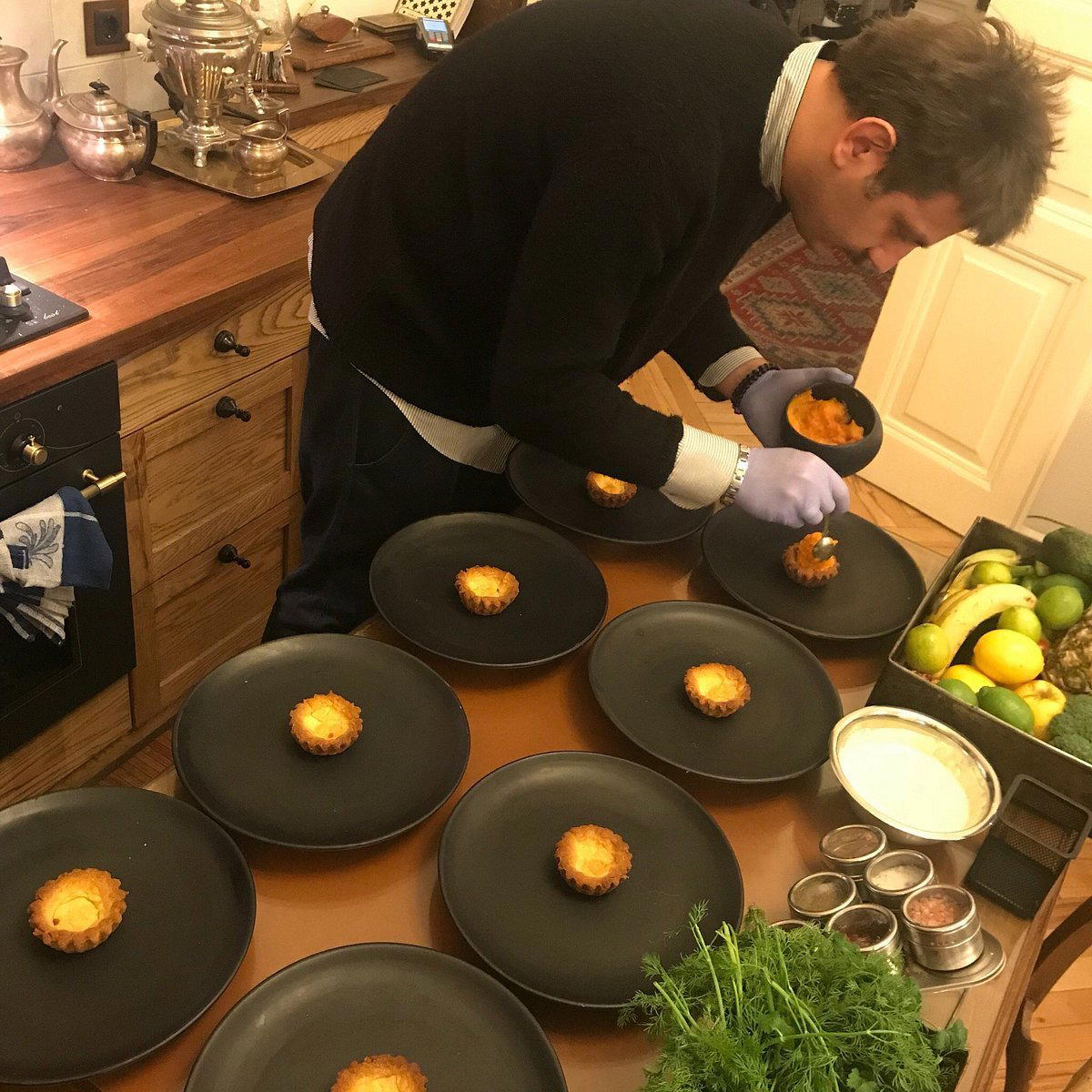
A Chef's Name on the Door: What That Signals in Tbilisi Now
Tbilisi's restaurant culture has undergone a structural shift over the past decade. The city that once presented Georgian food almost exclusively through the lens of tradition, churchkhela on the counter, family-style portions, wine poured from clay vessels, has developed a parallel tier of chef-led addresses where a single name above the door functions as the entire concept. That shift mirrors patterns visible in other cities where culinary identity is being renegotiated: Seoul in the early 2010s, Copenhagen before it, Lima more recently. Tbilisi is in the middle of that process now, and the emergence of venues operating under a chef's proper name, rather than a restaurant brand, is one of the clearest markers of that transition.
Chef Konstantin Tedeluri, located at 5 Shalva Radiani Street in the 0169 district of Tbilisi, belongs to this newer cohort. The decision to trade under a personal name rather than a restaurant title is itself an editorial statement about the format: the food is the credential, and the credential is the person. This model sits at a different point on the formality spectrum from places like Barbarestan, which roots its identity in historical Georgian recipe archives, or Azarphesha, which foregrounds a broader cultural framework. Here, the frame is the chef.
The Evolution of the Format
Chef-eponymous dining in Georgia is not without precedent internationally, but in Tbilisi it represents a relatively recent development. For most of the post-Soviet period, Georgian restaurants were defined by their regional allegiances, Kakhetian, Imeretian, Megrelian, or by their position as social spaces where wine and hospitality were the primary narrative. The idea that a single cook's perspective could carry an entire restaurant concept, and that diners would seek out that perspective specifically, required a consumer base willing to book on the basis of culinary reputation rather than cuisine category. That consumer base now exists in Tbilisi, fed by tourism growth, an expanding expatriate community, and a generation of Georgian food media that has given individual chefs a platform they previously lacked.
What this means in practice is that venues operating under this model tend to evolve more visibly and more quickly than tradition-anchored restaurants. A chef-led address can pivot the menu, shift the format, or change the register of the experience in ways that a restaurant defined by a cuisine category or a historical concept cannot. The evolution is built into the structure. For comparison, Alubali and ATI represent different points on Tbilisi's contemporary dining spectrum, each with a distinct editorial identity, but none quite uses the chef-name format as the primary framing device in the way this address does.
Tbilisi's Wider Dining Context
Understanding where Chef Konstantin Tedeluri sits requires a working map of Tbilisi's dining tiers. At one end, the city retains a deeply functional everyday food culture, khinkali houses, bakeries producing fresh shotis puri, wine bars in Vera and Vake that function as neighbourhood anchors. At the other end, a small cluster of restaurants now operates with the format discipline and booking behaviour associated with serious fine dining in other capitals. Between those poles, a middle tier of chef-led, ingredient-focused, format-flexible addresses has grown substantially since 2018.
This middle tier is where the most interesting dining decisions are being made in Tbilisi today. It includes places that apply European technique to Georgian produce, chefs who have trained abroad and returned with different reference points, and formats that blur the line between tasting menu and shared-table hospitality. The comparison set extends beyond Tbilisi proper: Pheasant's Tears Winery in Signagi represents the wine-anchored, terroir-led version of this conversation; Doli in Telavi and Sisters in Kutaisi show how the chef-driven impulse is playing out in Georgia's secondary cities. Internationally, the chef-name format at its most developed looks like Atomix in New York City or Lazy Bear in San Francisco, both of which use the chef's reputation as the load-bearing structure of the guest experience.
Reading the Address
The specific location on Shalva Radiani Street places this venue away from Tbilisi's most tourist-dense corridors. The 0169 postal district covers parts of the city where the dining audience skews more local and more specifically food-interested, rather than the broader visitor traffic that gravitates to the Old Town and Rustaveli Avenue. That geographic positioning is itself a signal about intended audience and operating register. Restaurants that choose addresses in these neighbourhoods are typically less interested in walk-in volume and more oriented toward the kind of guest who arrives with context. See our full Tbilisi restaurants guide for a broader map of the city's dining districts and how they function.
For travellers building a Tbilisi itinerary that extends into Georgia more broadly, the culinary conversation continues across the country: Schuchman Wines Chateau in Telavi offers the wine-estate dining experience that pairs with Kakheti travel, while Sazandari in Batumi maps the coastal interpretation of Georgian hospitality. Closer to Tbilisi, Akura San and Gazaphkhuli in Chiatura each represent specific facets of how Georgian food culture is being reframed for a contemporary audience.
Planning Your Visit
Chef-led venues in this tier tend to operate smaller services, which means availability can be limited and last-minute access difficult. For context on comparable format discipline at this price tier internationally, Le Bernardin in New York City and Emeril's in New Orleans both illustrate how chef-name restaurants calibrate guest expectations through booking structure and format consistency.
Frequently asked questions
Where is Chef Konstantin Tedeluri in Tbilisi?
Chef Konstantin Tedeluri is located at 5 Shalva Radiani St, Tbilisi 0169, Georgia, Tbilisi.
How does Chef Konstantin Tedeluri fit into Tbilisi's broader shift toward chef-identity dining?
Tbilisi has spent most of its modern restaurant history presenting Georgian food through the lens of tradition and hospitality rather than individual authorship, making an address that foregrounds a cook's name a structurally distinct proposition in the city. The 0169 postal district location on Shalva Radiani Street reinforces this positioning: it is not a heritage-quarter tourist address but a choice that signals a local, chef-directed audience. Within Georgia, the move mirrors what Pheasant's Tears did for natural wine culture in Signagi, attaching a proper name to a culinary philosophy rather than a menu category.
What should I order at Chef Konstantin Tedeluri?
In Tbilisi's chef-led tier broadly, expect formats built around seasonal Georgian produce with the cook's own interpretive framing rather than a fixed à la carte list. Arriving without fixed expectations and following any server recommendations is the practical approach for this category of venue.
What's the best way to book Chef Konstantin Tedeluri?
Chef-eponymous venues in Tbilisi at this format level often operate through direct social media contact or word-of-mouth referral rather than third-party reservation platforms. Searching the chef's name across Instagram and Facebook is the most reliable first step for current booking information.
What makes Chef Konstantin Tedeluri worth seeking out?
In Tbilisi's dining structure, an address that trades under a cook's proper name signals a different operating logic from the city's established communal or archival-Georgian formats. The Shalva Radiani Street location sits away from the tourist-dense corridors, which typically correlates with a local-facing, chef-driven agenda rather than a crowd-volume model. That combination of address choice and naming convention is itself the clearest indicator of intent.
Is Chef Konstantin Tedeluri allergy-friendly?
For chef-led formats in Tbilisi operating at smaller capacities, direct advance communication with the kitchen is standard practice and generally more productive than assuming a fixed policy. Contact via the venue's social channels before visiting to confirm what the kitchen can work with.
Is a meal at Chef Konstantin Tedeluri worth the investment?
Contextually, Tbilisi's chef-eponymous tier sits above the city's mid-range communal restaurants but remains significantly below equivalent formats in Western European capitals. The format's positioning in Tbilisi's current dining evolution suggests a deliberate, cook-centred experience rather than a volume operation.
Credentials Lens
A compact comparison to help you place this venue among nearby peers.
| Venue | Cuisine | Price | Awards | Notes |
|---|---|---|---|---|
| Chef Konstantin TedeluriThis venue (the venue you are viewing) | Modern Georgian-European Fusion | Not listed | Not listed | Not listed |
| Café Littera | Modern Georgian Fusion | $30–50 | La Liste Top Restaurants | Georgian Fusion |
| Alubali | Authentic Megrelian Georgian | Not listed | Star Wine List | Not listed |
| Azarphesha | Modern Georgian with Fusion Influences | Not listed | Star Wine List | Not listed |
| Barbarestan | 19th-Century Georgian Homestyle | $30–50 | La Liste Top Restaurants · Star Wine List | Not listed |
| Craft Wine Restaurant | Modern Georgian with Natural Wine Focus | $30–50 | Star Wine List | Not listed |
Continue exploring
More in Tbilisi
Restaurants in Tbilisi
All restaurants in Tbilisi →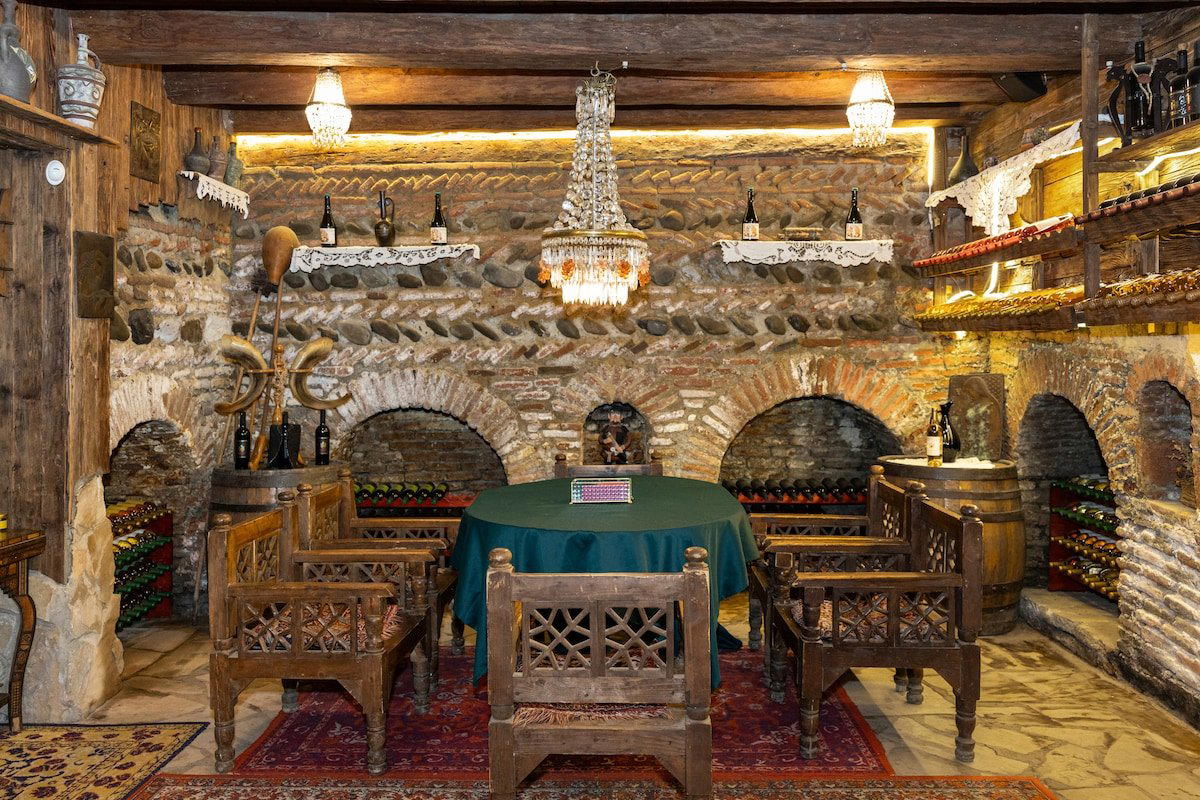
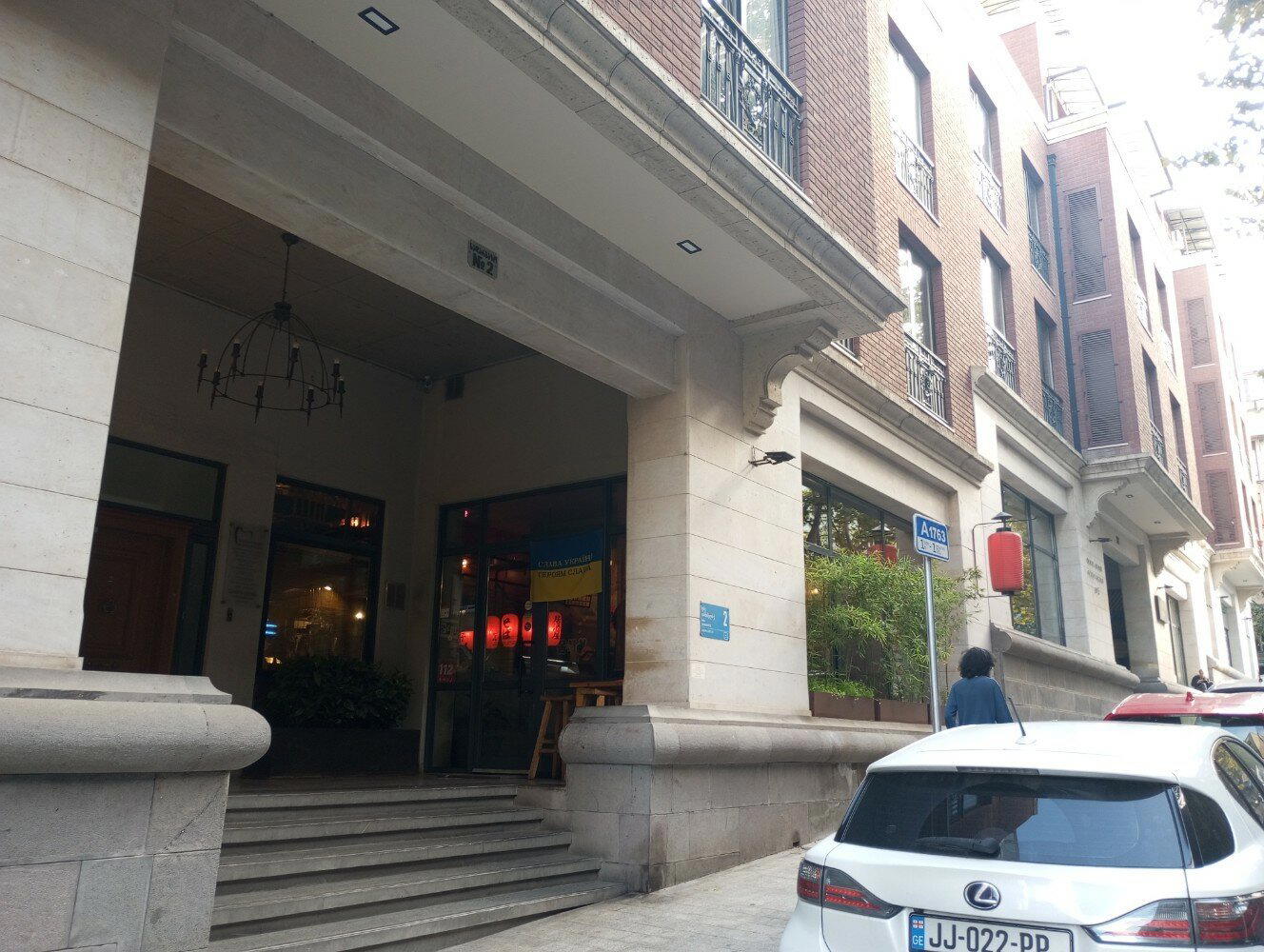
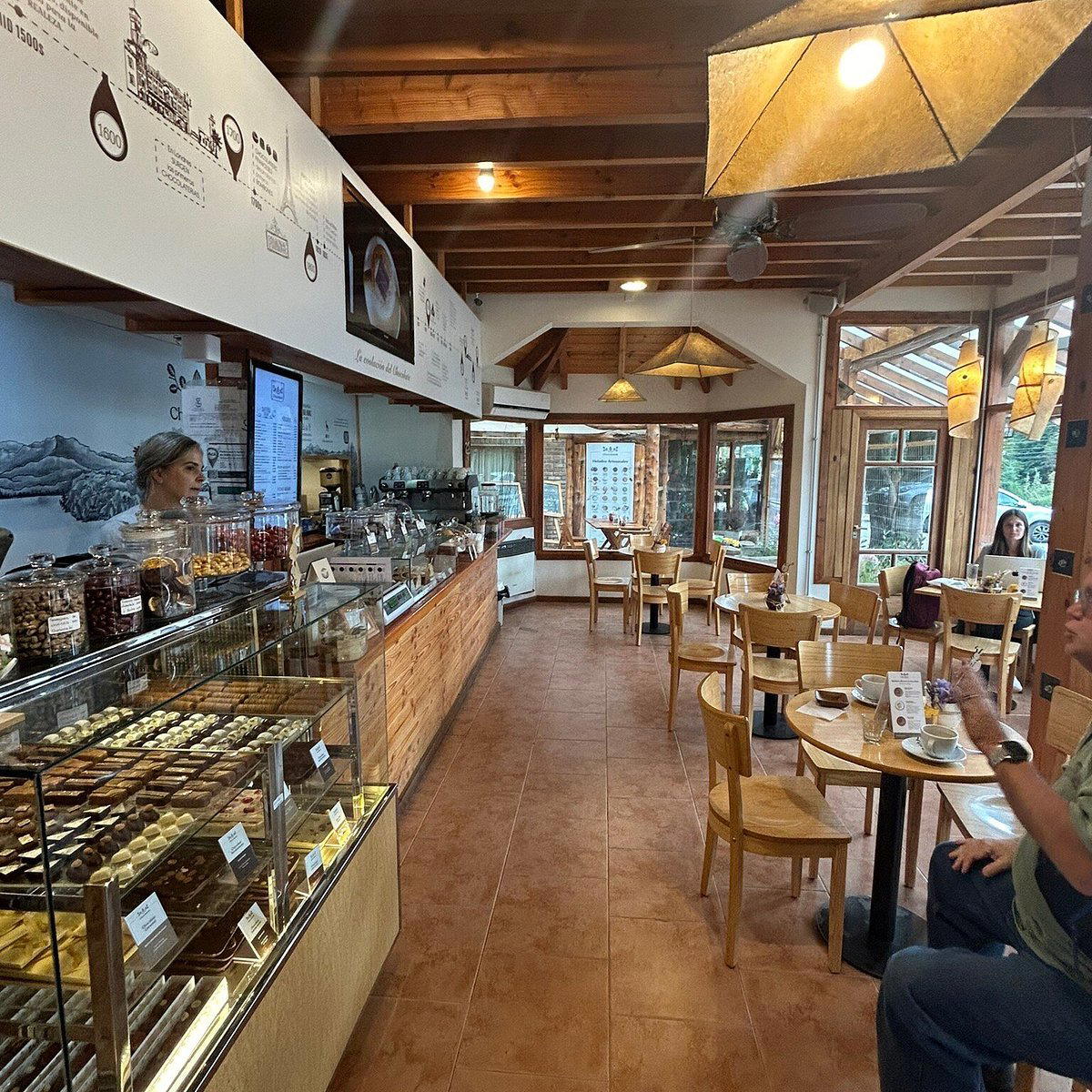
Bars in Tbilisi
All bars in Tbilisi →




Details
- Intimate
- Cozy
- Elegant
- Modern
- Date Night
- Special Occasion
- Open Kitchen
- Chefs Counter
- Local Sourcing
- Tasting Menu
- Vegetarian Friendly
Current opening hours
- Monday
- 2–11 PM
- Tuesday
- 2–11 PM
- Wednesday
- 2–11 PM
- Thursday
- 2–11 PM
- Friday
- 2–11 PM
- Saturday
- 2–11 PM
- Sunday
- 2–11 PM
Hours can change for holidays and private events. Hours as of .
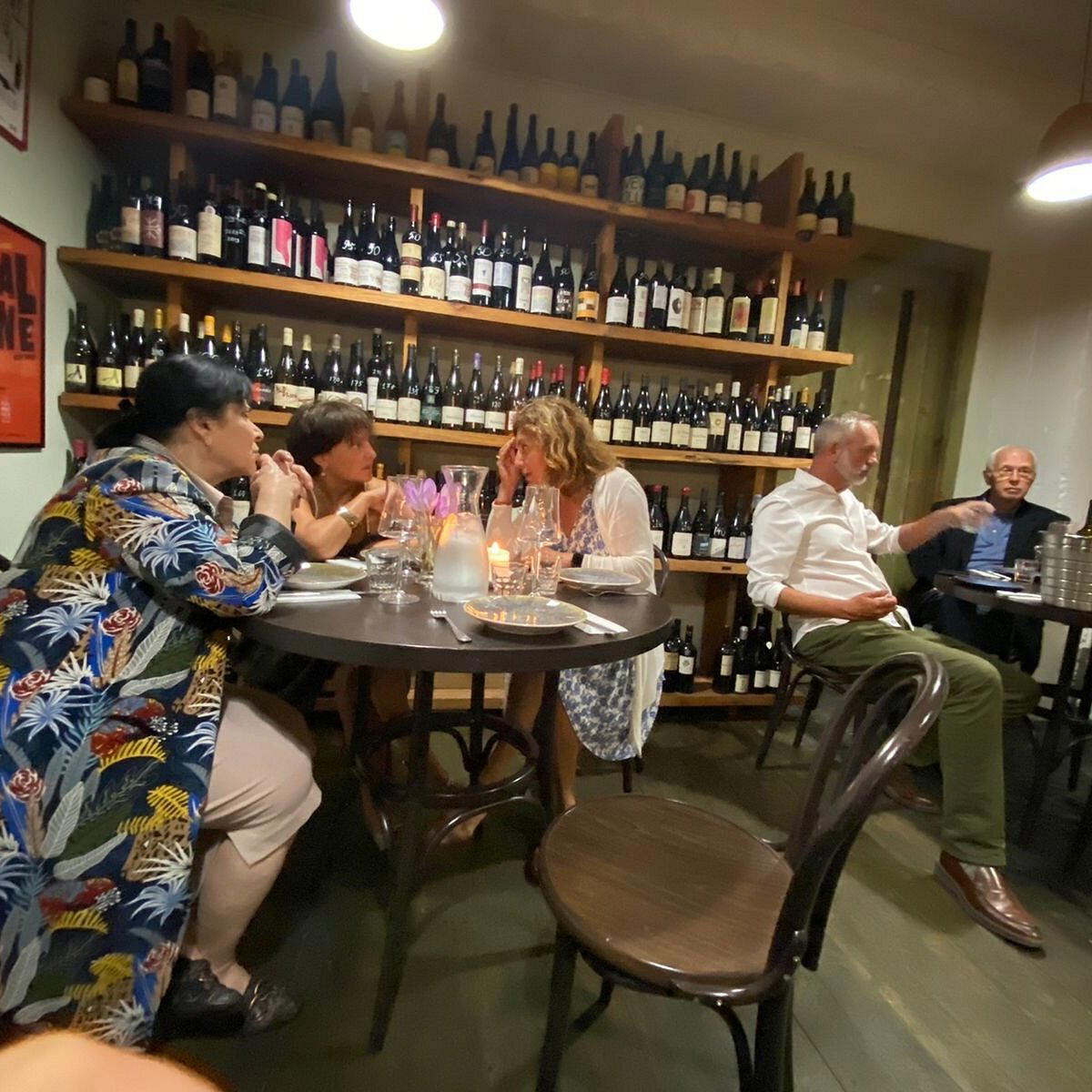
Cozy boutique atmosphere in a small home-like kitchen setting with luxury feel and great ambiance.