Culinarium Khasheria occupies a specific place in Tbilisi's dining conversation: a dedicated khasheria, or traditional tripe-soup house, on Vekua Street that grounds itself in one of Georgian cuisine's oldest morning rituals. In a city increasingly divided between heritage-revival restaurants and international formats, it commits to the hyper-local register with a discipline that sets it apart from the broader Old Town dining scene.
Pearl is the En Primeur Club membership app — saves, bookings, and concierge access live there. Same editors, same standards.
- Address
- 3a Vekua Street, Tbilisi 0167, Georgia
- Phone
- +995 595 89 29 25
- Directions
- Get directions
 Saves & bookings on Pearl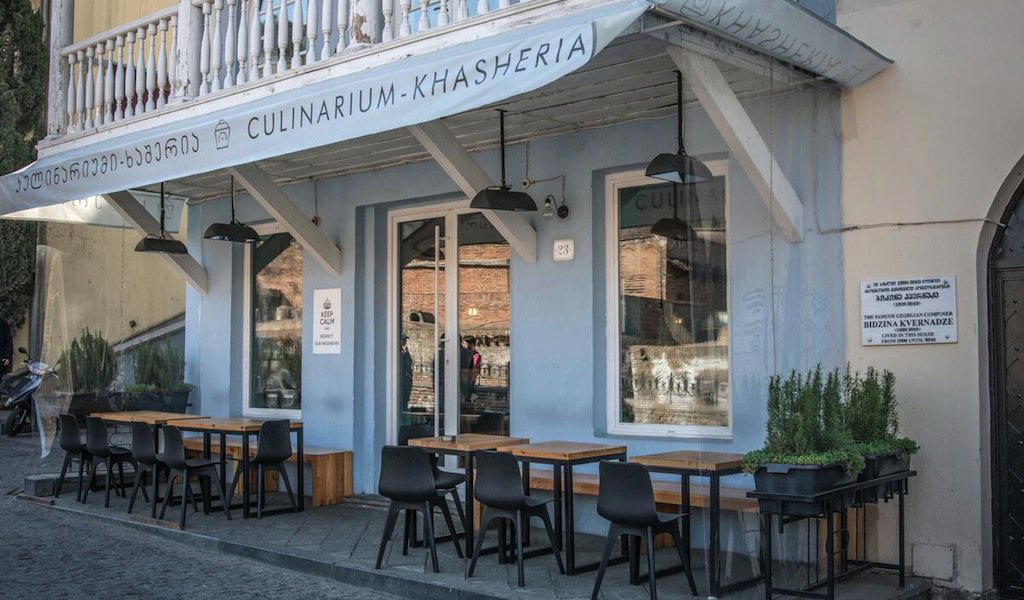
Khashi and the Georgian Morning Ritual
In Tbilisi, the act of eating khashi is not simply a meal choice. It is a social contract, a hangover cure, a cold-weather rite, and a point of civic pride compressed into a single bowl of slow-cooked tripe and trotters. The dish has been eaten in Georgia for centuries, and the establishments that serve it, known as khasherias, occupy a category entirely separate from the city's broader restaurant scene. They open early, they close when the pot empties, and they expect a certain preparedness from the diner: khashi is rich with collagen and fat, traditionally eaten with raw garlic pressed into the broth, accompanied by Georgian bread (lavash or shotis puri) and, frequently, a small glass of chacha to cut through the intensity. Culinarium Khasheria, a modern Georgian restaurant at 3a Vekua Street in Tbilisi, fits firmly inside this tradition.
What a Khasheria Actually Is
The khasheria format is not widely represented outside of Georgia and parts of the South Caucasus, which makes understanding it important before arriving. Unlike a general Georgian restaurant serving the full spectrum of supra table dishes, a khasheria is a specialist format built around one dish and its immediate accompaniments. The cooking is almost entirely nocturnal: the bones and offal go into the pot overnight, and by dawn the broth has reached the gelatinous density that defines a properly made khashi. This is why most khasherias operate exclusively in the morning hours. Arriving at noon expecting lunch will often mean arriving too late. The tradition rewards punctuality and preparation, and the atmosphere at a functioning khasheria at 8am on a winter morning, fog still on the Mtkvari River, is unlike any other dining experience the city offers.
Tbilisi has seen significant growth in its dining sector over the past decade, with establishments like Barbarestan reviving archival Georgian recipes and venues such as Azarphesha and Alubali bringing contemporary interpretations of regional traditions. Culinarium Khasheria occupies a different register entirely: it is not revivalist, not fusion-adjacent, not designed for the international Instagram circuit. It is a khasheria in the operational sense of the word.
The Cultural Weight of the Dish
Khashi carries the kind of cultural freight that no amount of restaurant marketing can manufacture. Historically a peasant dish, it became over generations a great equaliser at the Tbilisi table: politicians and taxi drivers, surgeons coming off night shifts and students who had not yet slept, all arriving at the same rough-hewn tables before the city fully woke. The garlic is pressed at the table by the diner, not pre-added by the kitchen, a small but telling detail that speaks to the dish's interactive, participatory character. The bread is used to absorb the broth once the solids are consumed. The chacha, if ordered, arrives in a small ceramic or glass vessel. There is a correct sequence to eating khashi, and regulars follow it instinctively.
For visitors arriving from cities where offal cooking has been largely sanitised or repackaged as fine-dining novelty, the directness of a khasheria can be arresting. This is not offal dressed for an audience unfamiliar with it. It is offal presented with the assumption that you already know what you are doing. That directness is part of the draw. Tbilisi's dining scene is increasingly sophisticated, as evidenced by the rising profile of venues like ATI and the internationally recognised formats at Akura San, but the khasheria tradition predates all of it and operates on its own terms.
Positioning Inside Tbilisi's Dining Scene
The Vekua Street address places Culinarium Khasheria in a part of Tbilisi where the dining character tends toward the local and functional rather than the tourist-facing. The city's broader restaurant evolution has been well documented: a wave of heritage-focused restaurants in the 2010s, followed by growing international interest, wine-bar proliferation tied to Georgia's natural wine identity, and increasing attention from the kind of traveller who cross-references Le Bernardin and Atomix alongside regional specialists. Against that backdrop, a khasheria is a corrective, a reminder that the city's food culture is not only about what has been revived or reinterpreted but about what has continued uninterrupted.
Georgia's food and wine scene extends well beyond Tbilisi, with significant dining experiences anchored in the wine regions. Pheasant's Tears Winery in Signagi and Schuchman Wines Chateau in Telavi represent the Kakheti region's integration of table wine and food culture, while Doli in Telavi and Sisters in Kutaisi signal that ambitious cooking is no longer concentrated in the capital. A khasheria like Culinarium operates at the opposite end of the format spectrum from all of these, but it is no less Georgian for that.
Planning Your Visit
The single most important logistical note about any khasheria in Tbilisi is timing. Khasherias are morning establishments, and the restaurant on Vekua Street follows the category convention. This is not a venue for a leisurely afternoon or an evening reservation. It is a destination for those willing to reorganise their morning around it, which, given what is on offer, is a reasonable ask. Dress is casual. Pricing is around $25 per person. For those building a broader Georgia itinerary, pairing a Tbilisi khasheria morning with a later day trip toward Gazaphkhuli in Chiatura or, further afield, Sazandari in Batumi covers the range from deeply traditional to more contemporary Georgian hospitality formats. Those travelling through the south of the country can also note Chiko in Aspindza and Crowne Plaza Borjomi as useful reference points for regional dining. For a destination with the kind of dining depth that Lazy Bear in San Francisco or Emeril's in New Orleans offer in their respective cities, Tbilisi is building a comparable density of distinctive formats, and the restaurant sits at the foundation of what makes the city's food culture worth taking seriously.
Budget and Context
Comparable venues nearby, for context on price, style, and recognition.
| Venue | Cuisine | Price | Notes |
|---|---|---|---|
| Culinarium KhasheriaThis venue — the venue you are viewing | Tbilisi, Modern Georgian | $$ | Not listed |
| Beer Square | Not listed | $$ | Tbilisi, Georgian Pub with Grill and European Beers |
| Gabriadze Cafe | Tbilisi, Modern Georgian | $$ | Not listed |
| Alubali | Tbilisi, Authentic Megrelian Georgian | $$ | Not listed |
| Kharcho | Tbilisi, Modern Georgian Fusion | $$ | Not listed |
| Shavi Lomi | Tbilisi, Modern Georgian Fusion | $$$ | Not listed |
Continue exploring
More in Tbilisi
Restaurants in Tbilisi
Browse all →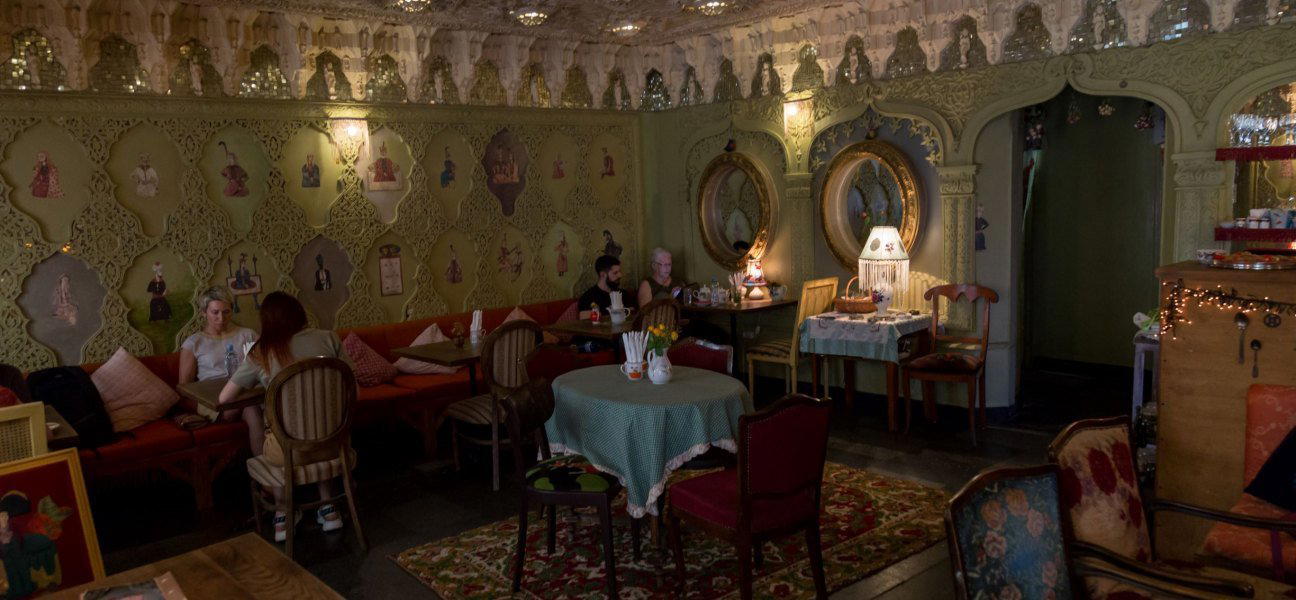
Bars in Tbilisi
Browse all →
Hotels in Tbilisi
Browse all →
Wineries in Tbilisi
Browse all →
At a Glance
- Cozy
- Modern
- Rustic
- Brunch
- Late Night
- Casual Hangout
- Open Kitchen
- Local Sourcing
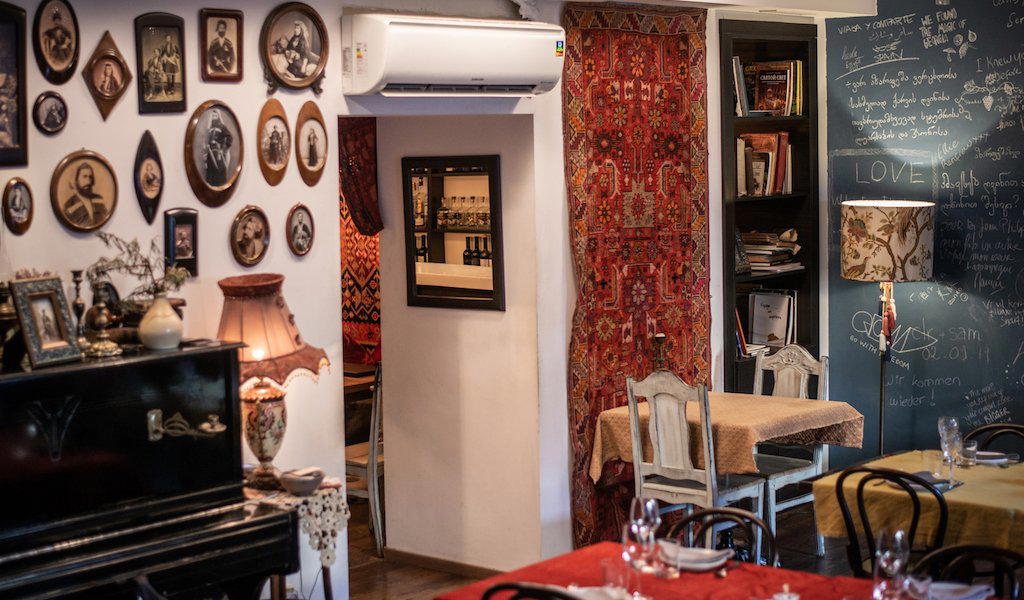
Cozy and warm with stylish, beautifully decorated interiors that feel inviting upon entry.