On a quiet stretch of Lermontovi Street in Tbilisi's old city, Ghumeli occupies a register that sits between neighbourhood staple and serious dining destination. The address places it within walking distance of the Vera and Vake dining corridors, where a wave of post-2015 restaurants reshaped expectations for Georgian cooking. What the room offers is an entry point into that shift, where tradition and contemporary technique share the same table.
Pearl is the En Primeur Club membership app — saves, bookings, and concierge access live there. Same editors, same standards.
- Address
- 10 Mikheil Lermontovi St, Tbilisi 0105, Georgia
- Phone
- +995598844444
- Directions
- Get directions
 Saves & bookings on Pearl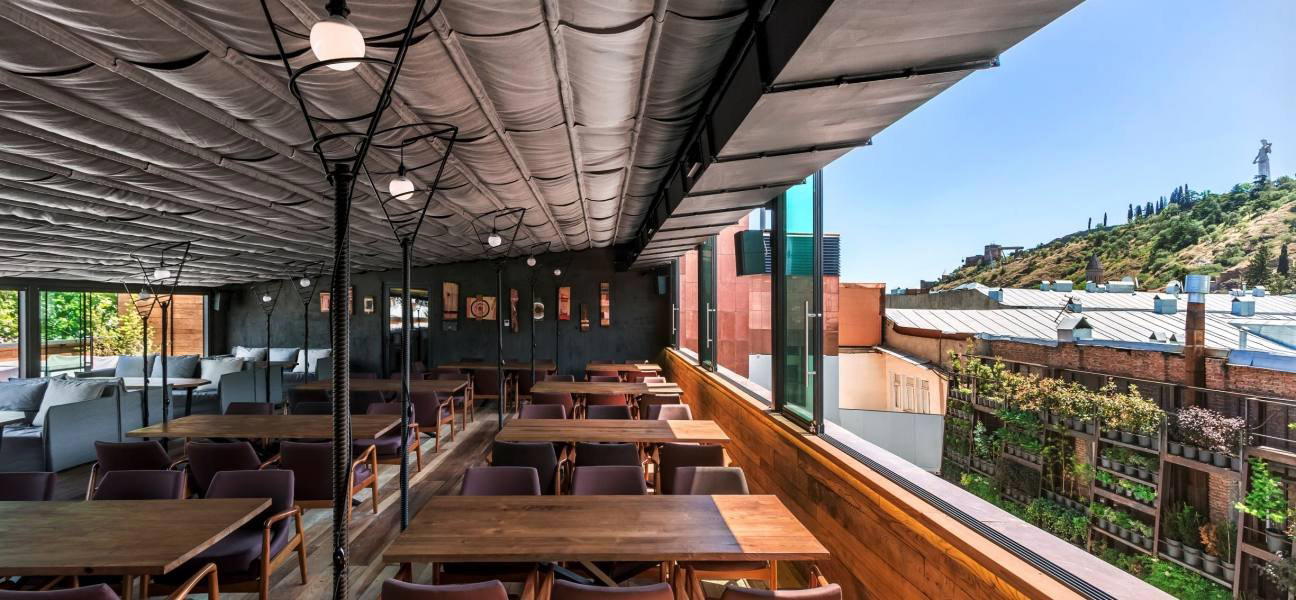
A Street, a Room, a Register
Lermontovi Street runs through one of Tbilisi's more composed residential quarters, far enough from the Rustaveli corridor to escape the tourist circuit, close enough to the old city to carry its architectural weight. Buildings here tend toward the 19th-century Russian imperial style that marks much of central Tbilisi: high ceilings, carved stone facades, interior courtyards that channel sound inward. Arriving at 10 Mikheil Lermontovi St, Tbilisi 0105, Georgia means arriving somewhere the city's own residents go, which in Tbilisi's dining scene is a meaningful distinction.
The Georgian dining scene has split, over the past decade, into a few distinct registers. At one end sit the heritage-format restaurants that stage traditional feasts, supra-style, with long tables, ceramic pitchers of amber wine, and dishes drawn from regional canon. At the other end sit a smaller number of contemporary addresses where chefs trained abroad are reinterpreting khinkali fillings or building tasting menus around forgotten grains from the Caucasus foothills. Ghumeli on Lermontovi sits closer to the first register than the second, which is not a limitation so much as a positional clarity. Tbilisi's international dining community, which has grown sharply since 2022, tends to over-index on the contemporary tier. The city's more considered neighbourhood restaurants often serve better Georgian cooking, because they are cooking for Georgians.
The Physical Environment
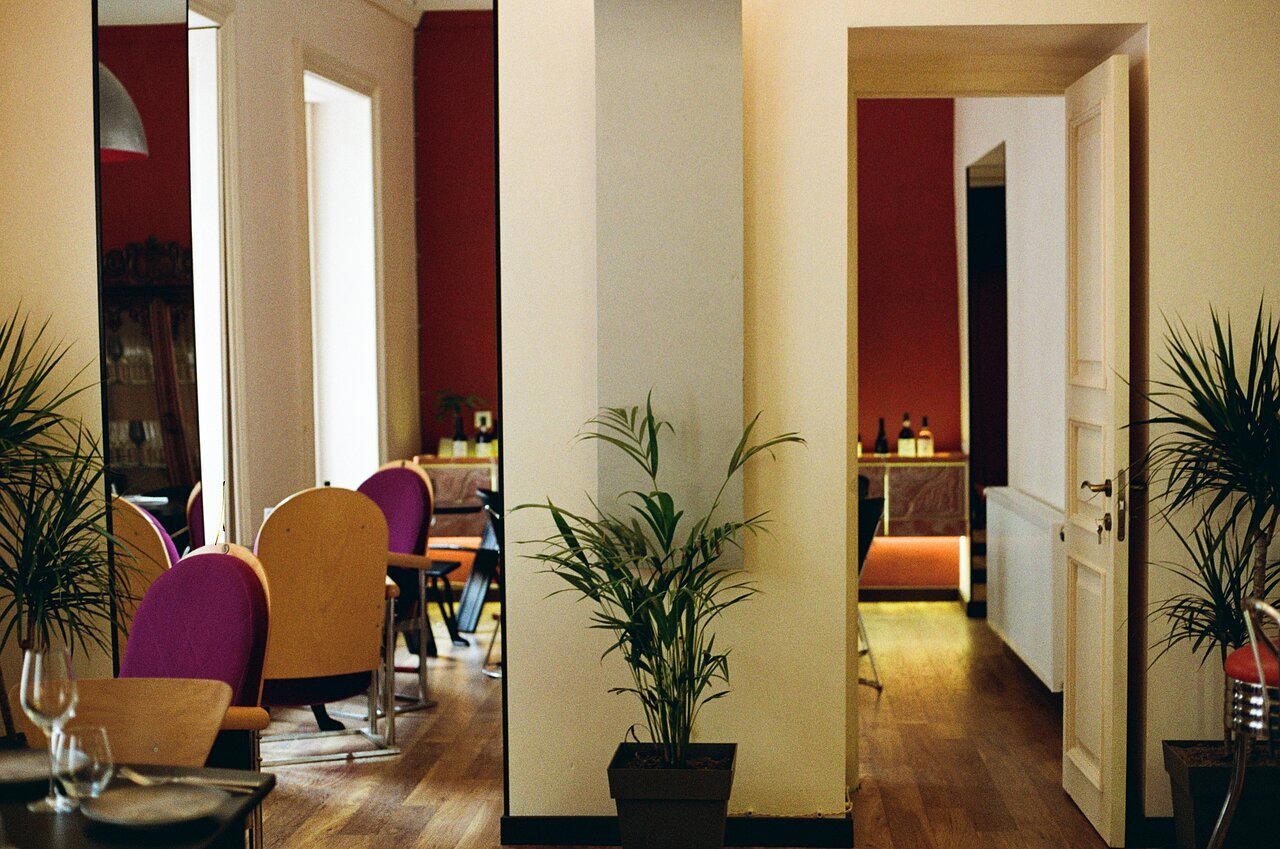
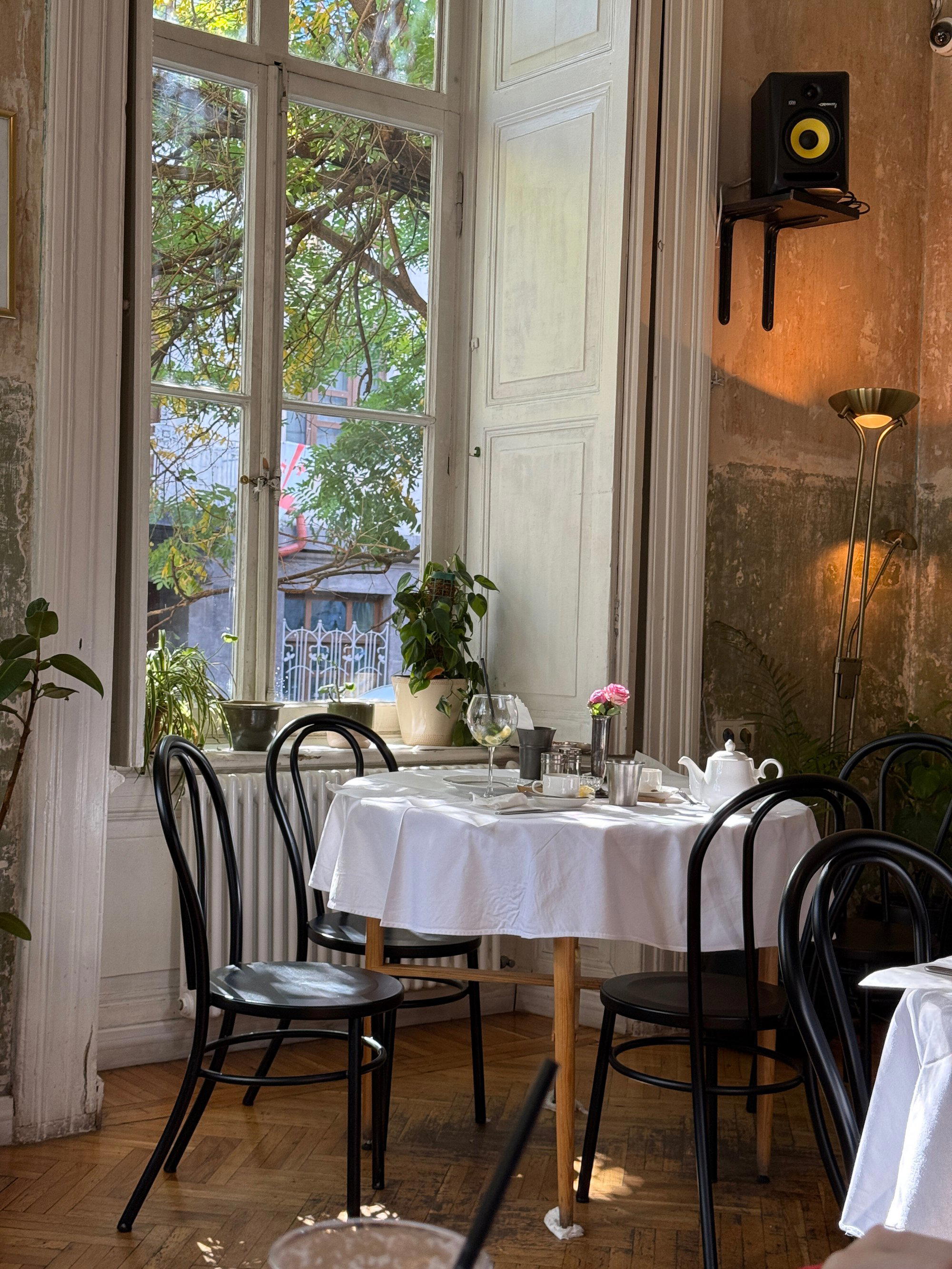
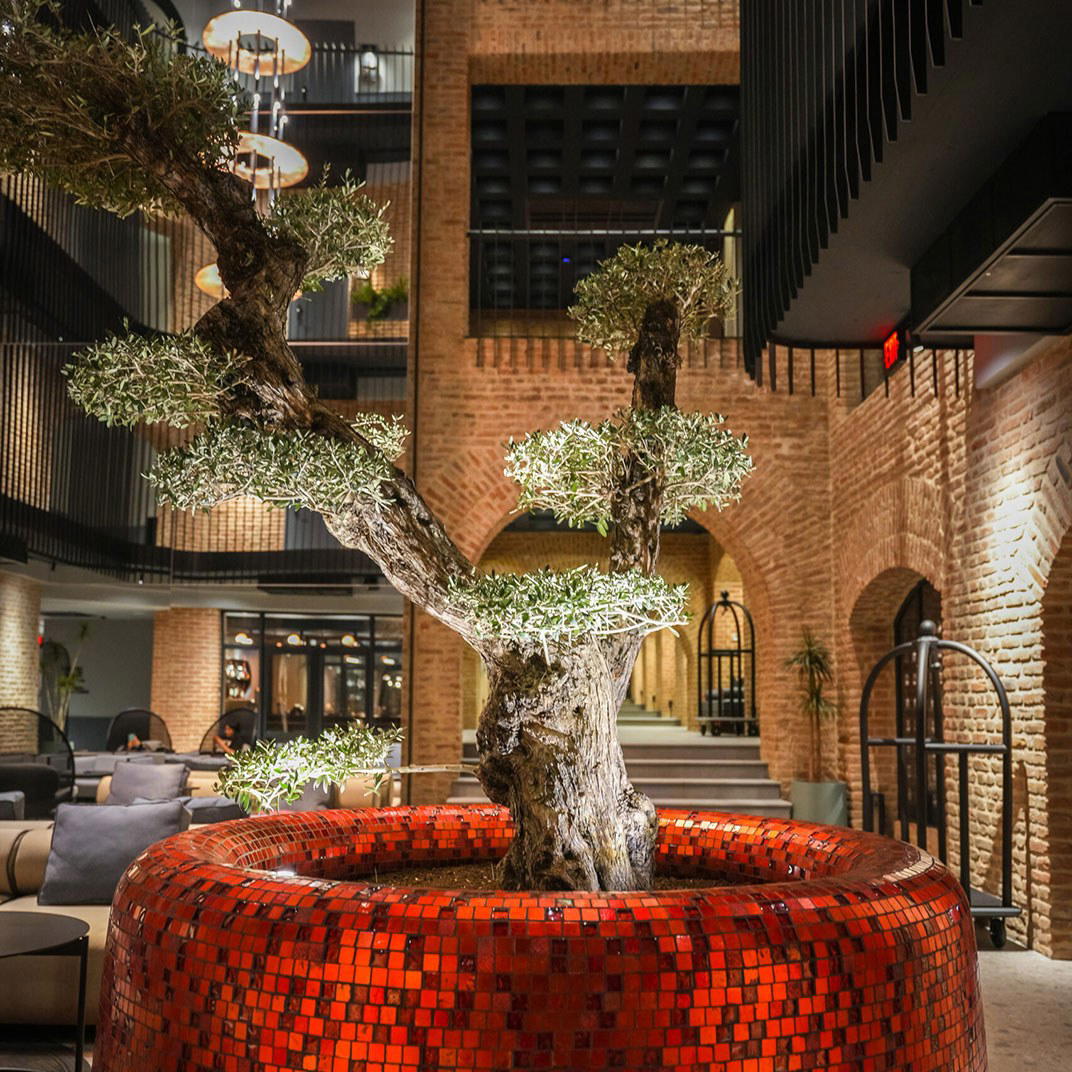
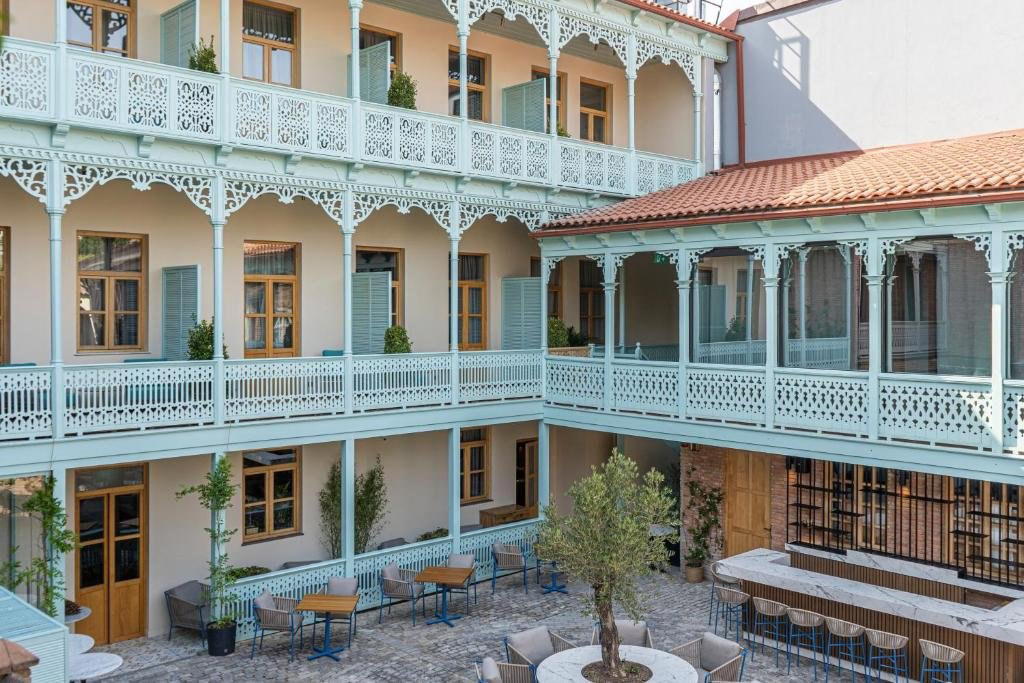
Georgian restaurant interiors in this neighbourhood typically draw on a small vocabulary: exposed brick or stone, dark timber, warm pendant lighting, and windows that face a courtyard or a narrow street. Sound bounces off hard surfaces, conversations overlap, and the smell of churchkhela and fresh bread tends to move through the dining room without ceremony. These are not quiet spaces in the Nordic minimalist sense. They are rooms that function at a certain volume, which guests either find convivial or do not.
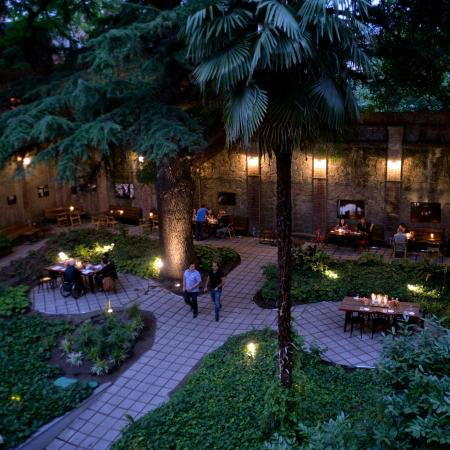
Lermontovi's position in the city means the surrounding streets are quieter than the Fabrika or Rustaveli zones. That quietness carries into the approach. The shift from street noise to interior warmth is more pronounced here than at the busier addresses. Whether the room itself achieves that through deliberate design or inherited architecture, the effect is consistent with what makes Tbilisi's non-tourist dining circuit worth seeking out in the first place: an environment shaped by use rather than concept.
Georgian Cooking at This Address
The strongest version of Georgian cuisine at this level of the market draws on the country's position as a crossroads larder: walnut pastes from Samegrelo, adjika from Abkhazia, sour plum tkemali from the Kartli valleys, sulguni from the Racha highlands. The cooking tradition is one of the world's most complex fermented and pickled food cultures, predating by centuries the European convention of separating sweet and sour into distinct courses. Any serious address on this street should be pressing that depth rather than smoothing it for outside palates.
Among the comparison set in Tbilisi's mid-to-upper dining tier, Barbarestan has become the reference point for recipe-historical Georgian cooking, reviving 19th-century dishes from a Barbare Jorjadze cookbook. Azarphesha occupies a different corner, with Persian-influenced flavours that reflect Tbilisi's historic position on the Silk Road. Alubali trades in a more contemporary Georgian register. Ghumeli on Lermontovi operates within this broader scene, which means arriving with the expectation that the meal will be understood in relation to that comparable set, not in isolation from it.
Wine in Context
Any Georgian dining experience at a serious address is incomplete without acknowledging the wine. Georgia's 8,000-year winemaking history, anchored in the qvevri clay-vessel tradition of the Kakheti region, has driven significant international interest in the past decade. Amber wines, skin-contact whites, and natural fermentation practices that Georgia has employed for millennia are now fashionable across Europe and North America, but in Tbilisi they remain part of daily life. For deeper engagement with Georgia's wine culture beyond the capital, Pheasant's Tears Winery in Signagi and Schuchman Wines Chateau in Telavi represent two distinct interpretations of Kakhetian wine production.
Tbilisi's Broader Dining Circuit
Understanding Ghumeli requires understanding how Tbilisi's restaurant scene has compressed and diversified simultaneously since 2015. The city now supports formats ranging from neighbourhood khinkali bars to wine-forward contemporary addresses with tasting menus. ATI and Akura San represent the city's more internationally inflected tier, where technique and format reference global cooking conventions. Lermontovi's address sits in a different part of that map: closer to the root, less concerned with signalling ambition to an international audience.
The comparison is not hierarchical. A well-executed neighbourhood Georgian meal, with properly fermented badrijani nigvzit, correctly balanced lobiani, and a carafe of local rkatsiteli served at cellar temperature, is not lesser than a composed tasting menu. It is a different argument about what Georgian cooking is for. Tbilisi's leading dining circuit includes both arguments, and a trip that visits only one register will have a gap in it.
Doli in Telavi, Sisters in Kutaisi, Sazandari in Batumi, Gazaphkhuli in Chiatura, Chiko in Aspindza, and Crowne Plaza Borjomi provide a regional map that extends the capital's dining logic outward into wine country, mountain towns, and the Black Sea coast.
For international reference points, addresses like Le Bernardin in New York City, Atomix in New York City, Lazy Bear in San Francisco, and Emeril's in New Orleans. Tbilisi's own serious addresses, including the comparison set around Lermontovi, are beginning to be evaluated against that wider frame as the city's profile among international travellers rises.
Planning a Visit
Lermontovi Street is accessible on foot from the Rustaveli metro station in under fifteen minutes, passing through the Vera neighbourhood and its own small cluster of cafes and wine bars. The address at number 10 places it within the walkable central grid. Georgian restaurants at this tier typically operate through the afternoon and into the late evening, consistent with the local habit of dinner beginning after 8pm. Booking is recommended.
Standing Among Peers
Comparable venues nearby, for context on price, style, and recognition.
| Venue | Cuisine | Price | Notes |
|---|---|---|---|
| GhumeliThis venue — the venue you are viewing | Traditional Georgian | $$ | Not listed |
| HOME 11 | Georgian | $$ | Tbilisi |
| Sofia Melnikova’s Fantastic Douqan | Georgian & Eastern European | $$ | Tbilisi |
| Salobie Bia | Traditional Georgian | $$ | Tbilisi |
| Old Town | Traditional Georgian | $$ | Tbilisi |
| Dadiani | Traditional Georgian (Mingrelian) | $$ | Tbilisi |
Continue exploring
More in Tbilisi
Restaurants in Tbilisi
Browse all →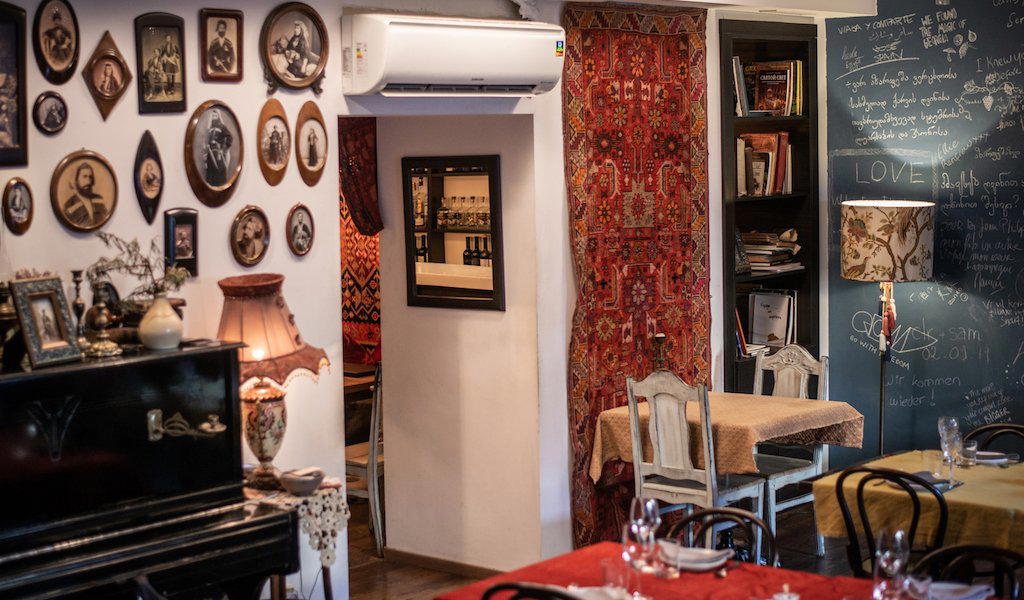
Bars in Tbilisi
Browse all →
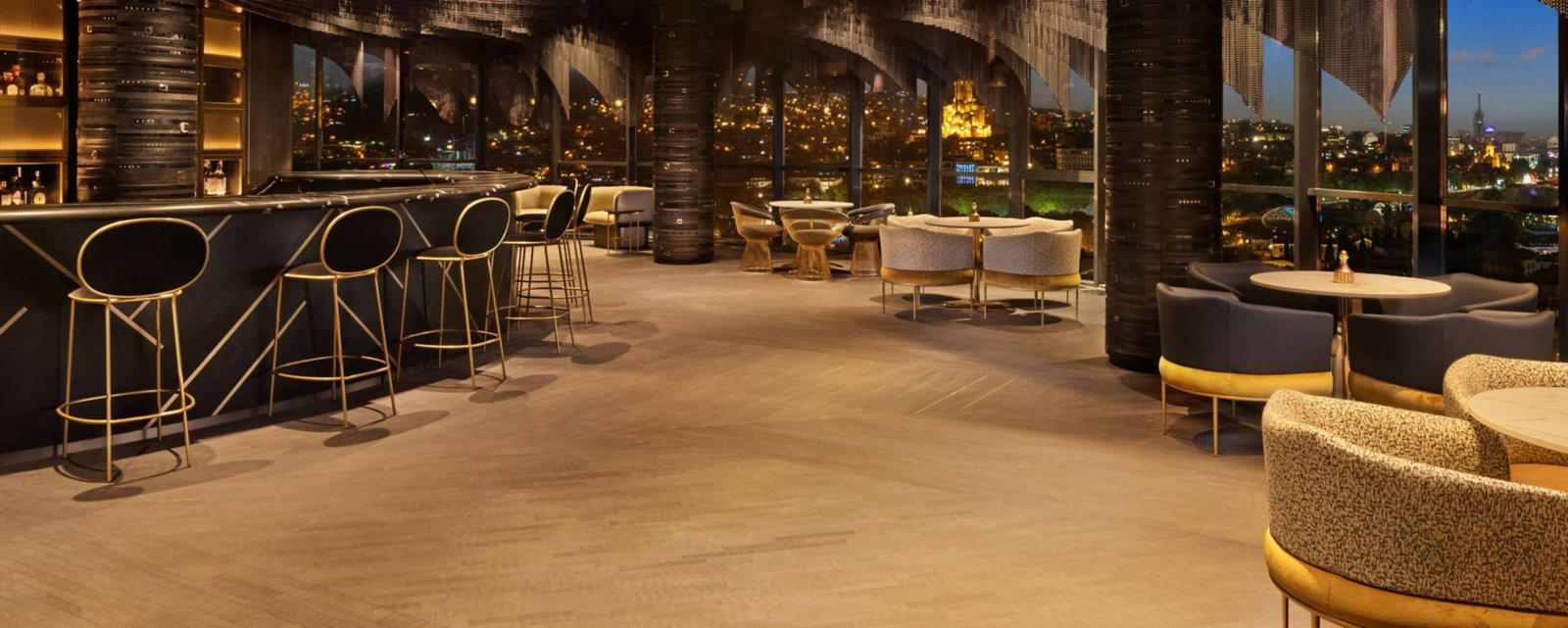
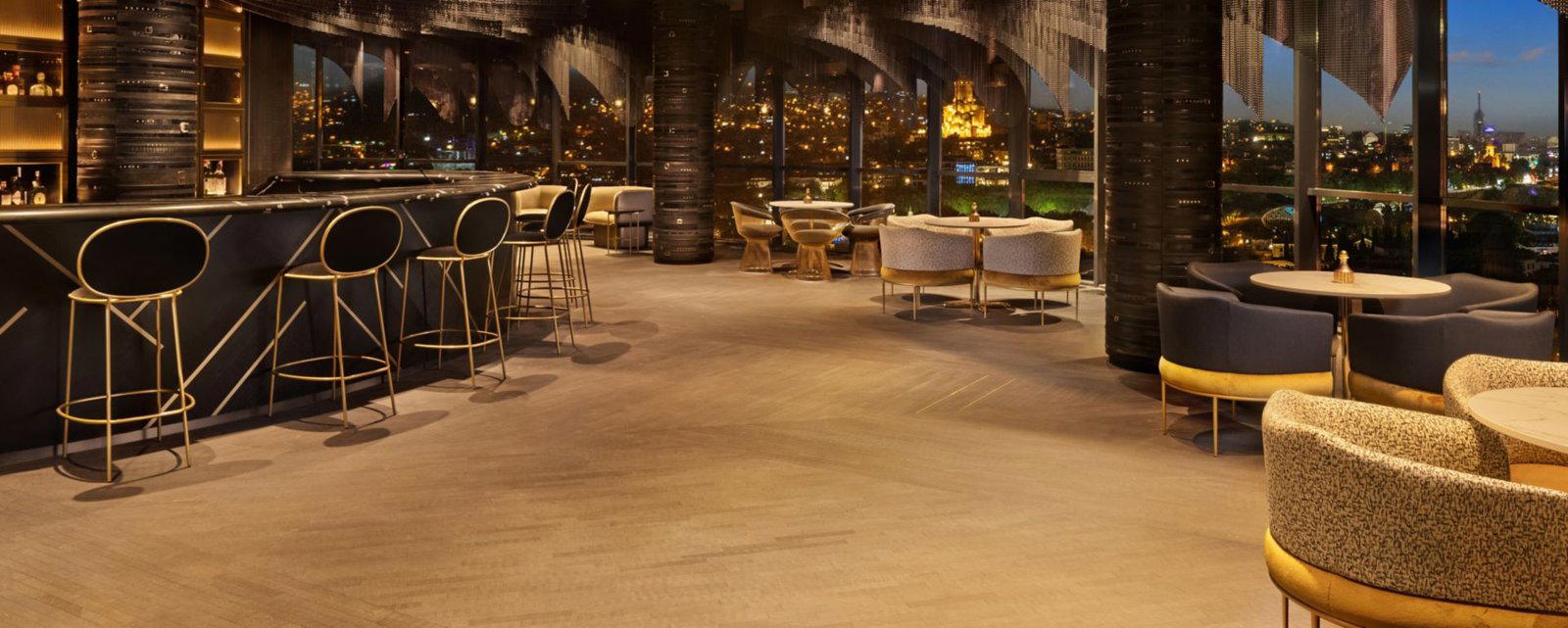
Hotels in Tbilisi
Browse all →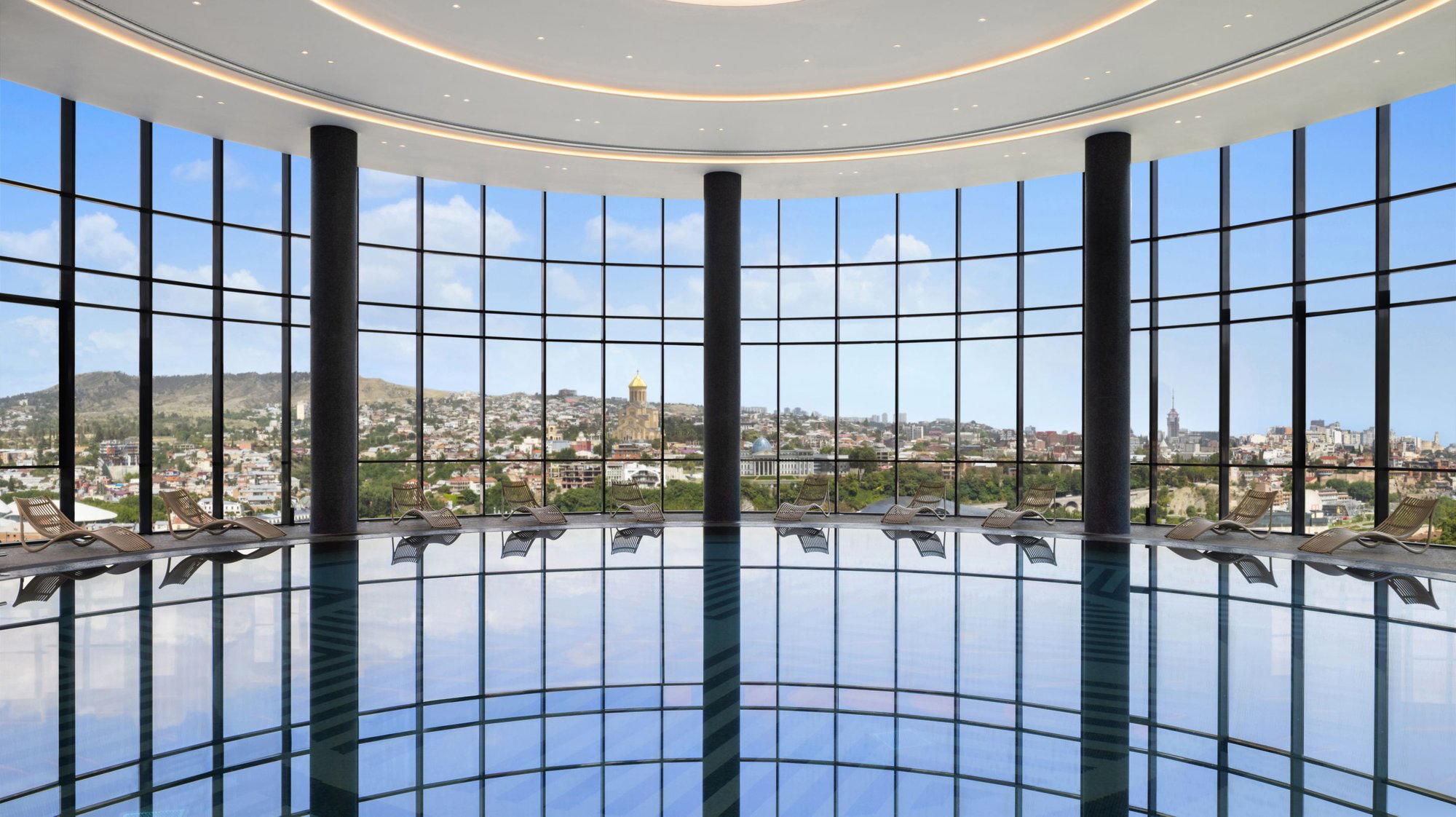

At a Glance
- Cozy
- Lively
- Scenic
- Date Night
- Group Dining
- Casual Hangout
- Rooftop
- Live Music
- Terrace
- Extensive Wine List
- Skyline
- Street Scene
Current opening hours
- Monday
- 5 PM–12 AM
- Tuesday
- 5 PM–12 AM
- Wednesday
- 5 PM–12 AM
- Thursday
- 5 PM–12 AM
- Friday
- 5 PM–12 AM
- Saturday
- 5 PM–12 AM
- Sunday
- 5 PM–12 AM
Hours can change for holidays and private events. Last verified .
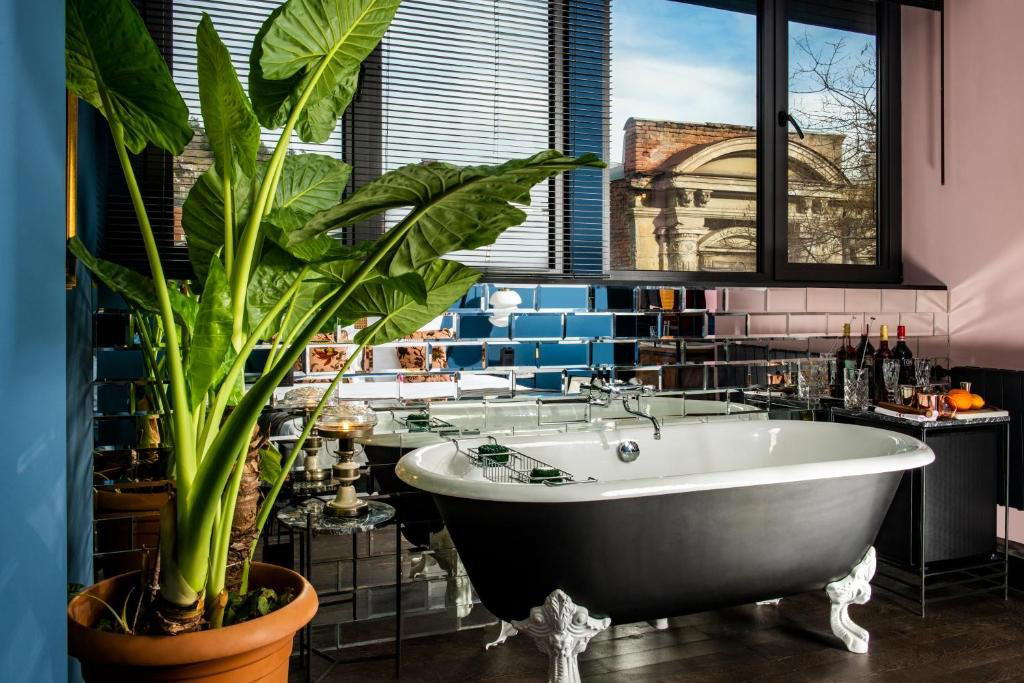
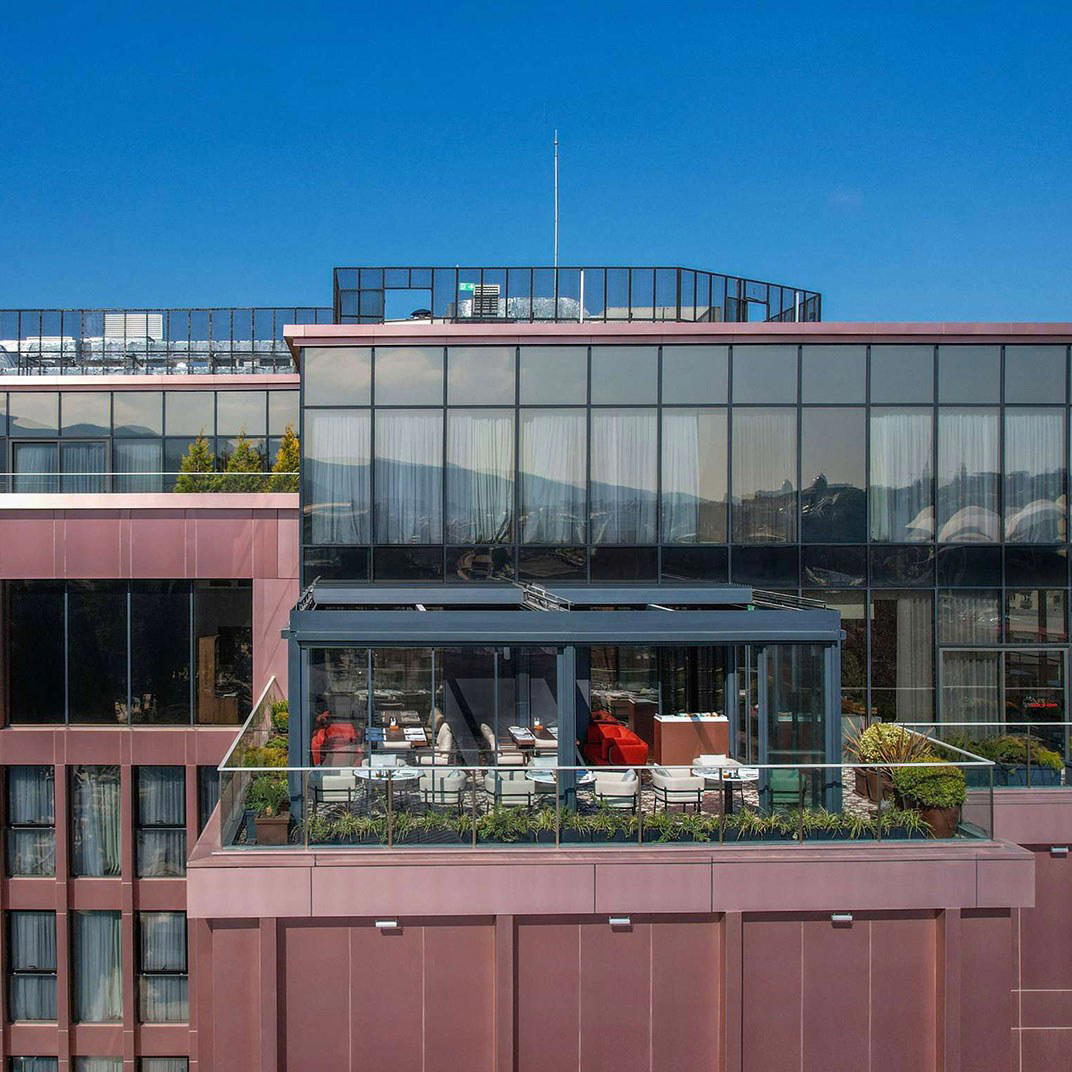
Warm, welcoming atmosphere with live music, cozy interior, and scenic rooftop terrace.