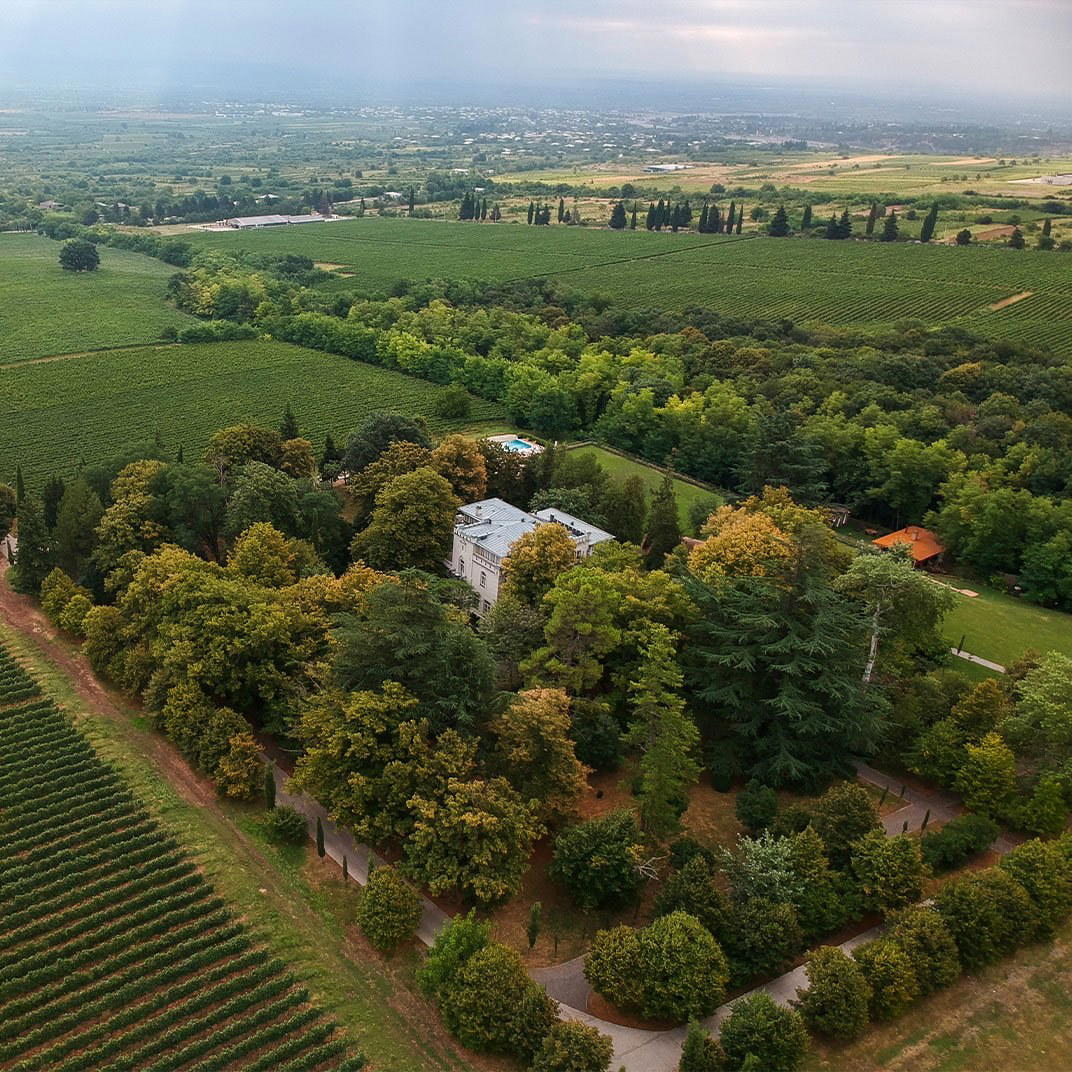
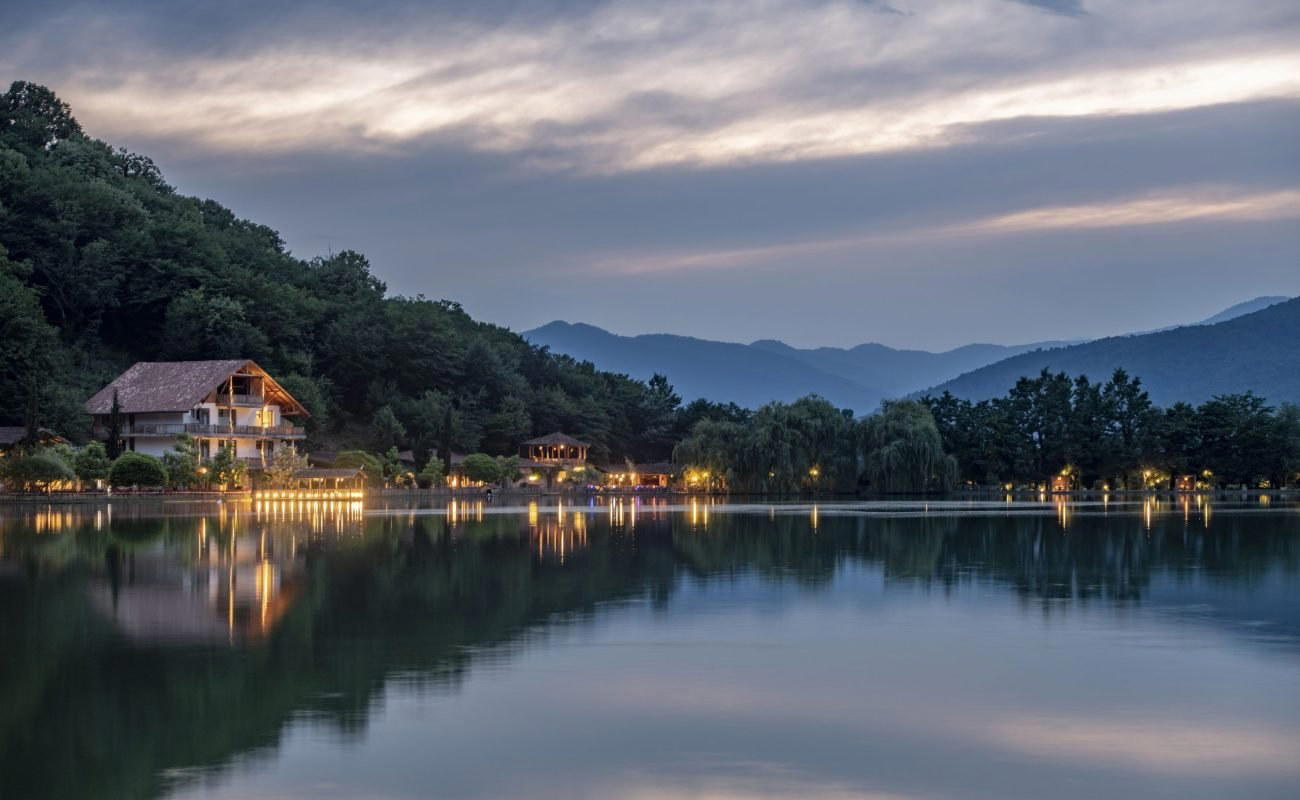
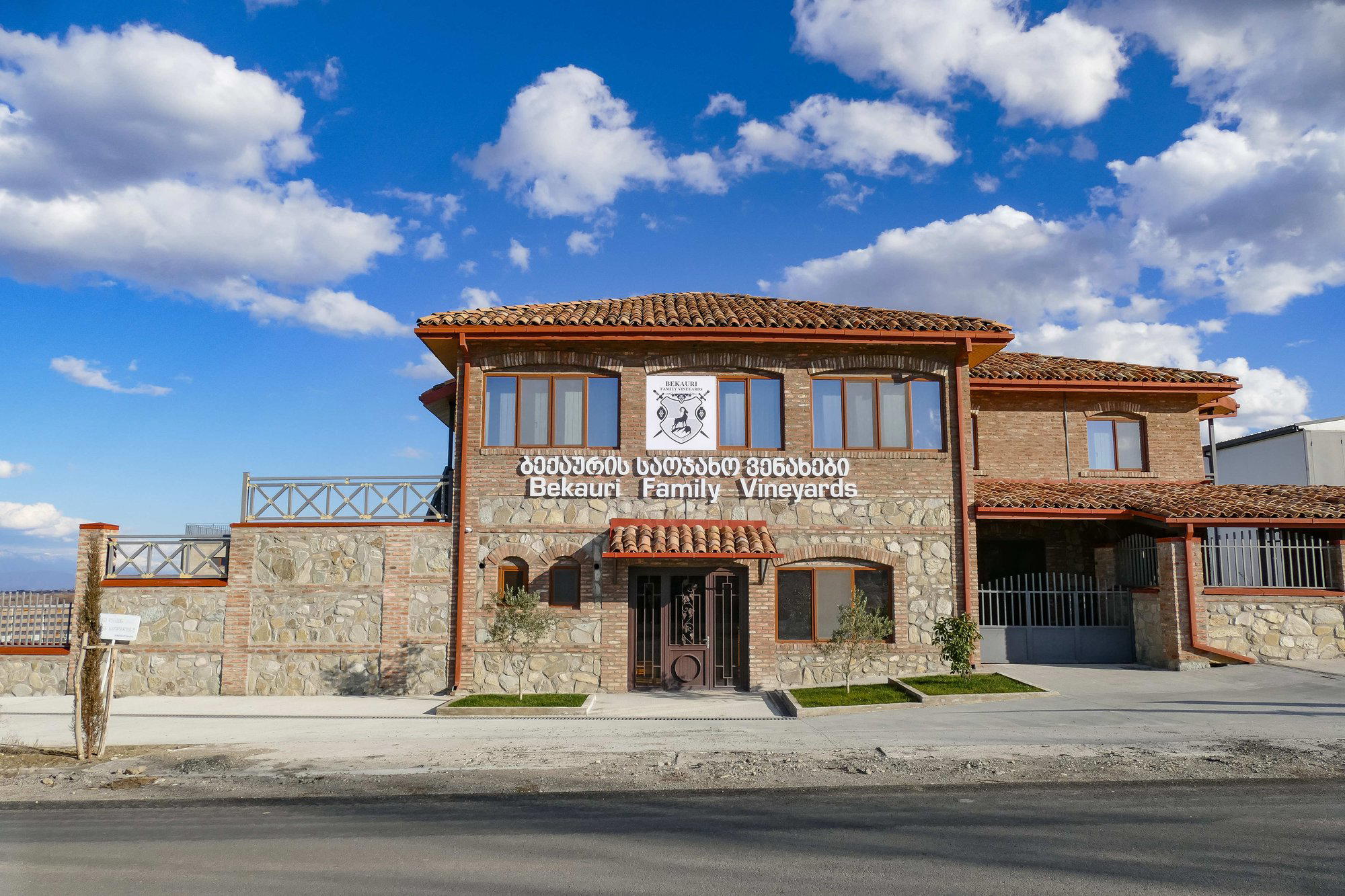
Schuchman Wines Chateau sits in Kisiskhevi, in Georgia's Kakheti wine country, where the estate model connects vine to glass across a single property. The chateau format places it in a tradition that predates the modern winery-restaurant concept by centuries, anchoring the experience in where Georgia's winemaking identity was built. For visitors to the Alazani Valley corridor, it functions as both a tasting destination and a lens on the region's amber-wine culture.
Pearl is the En Primeur Club membership app — saves, bookings, and concierge access live there. Same editors, same standards.
- Address
- WG2R+2G4, Kisiskhevi, Georgia
- Phone
- +995350200728
- Website
- schuchmann-wines.com
- Directions
- Get directions
 Saves & bookings on Pearl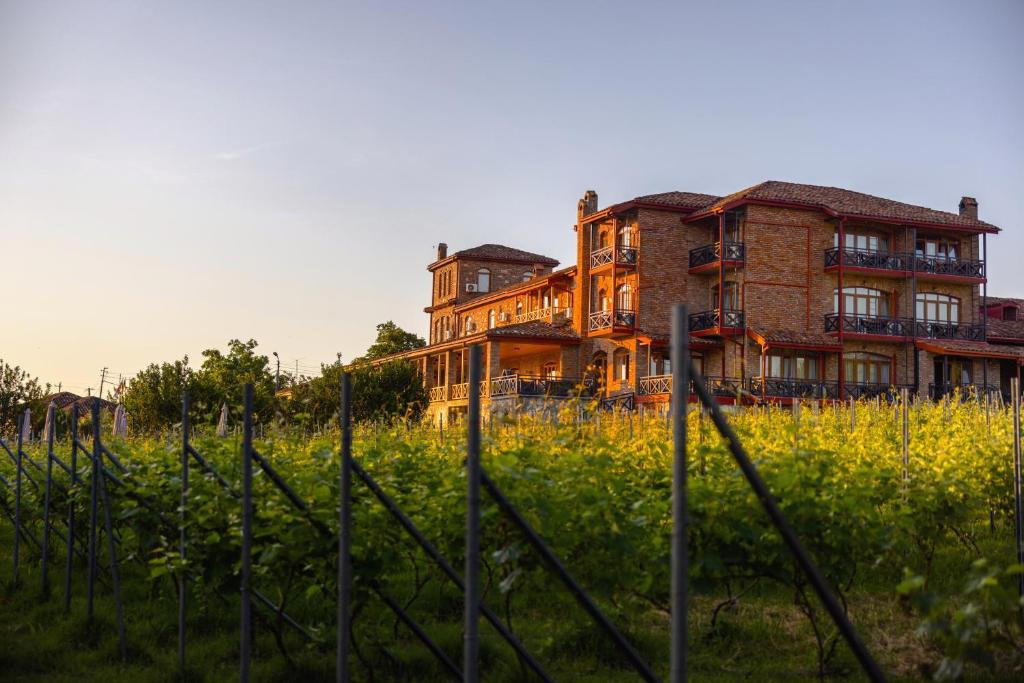
Where Kakheti's Vine-to-Glass Tradition Takes Physical Form
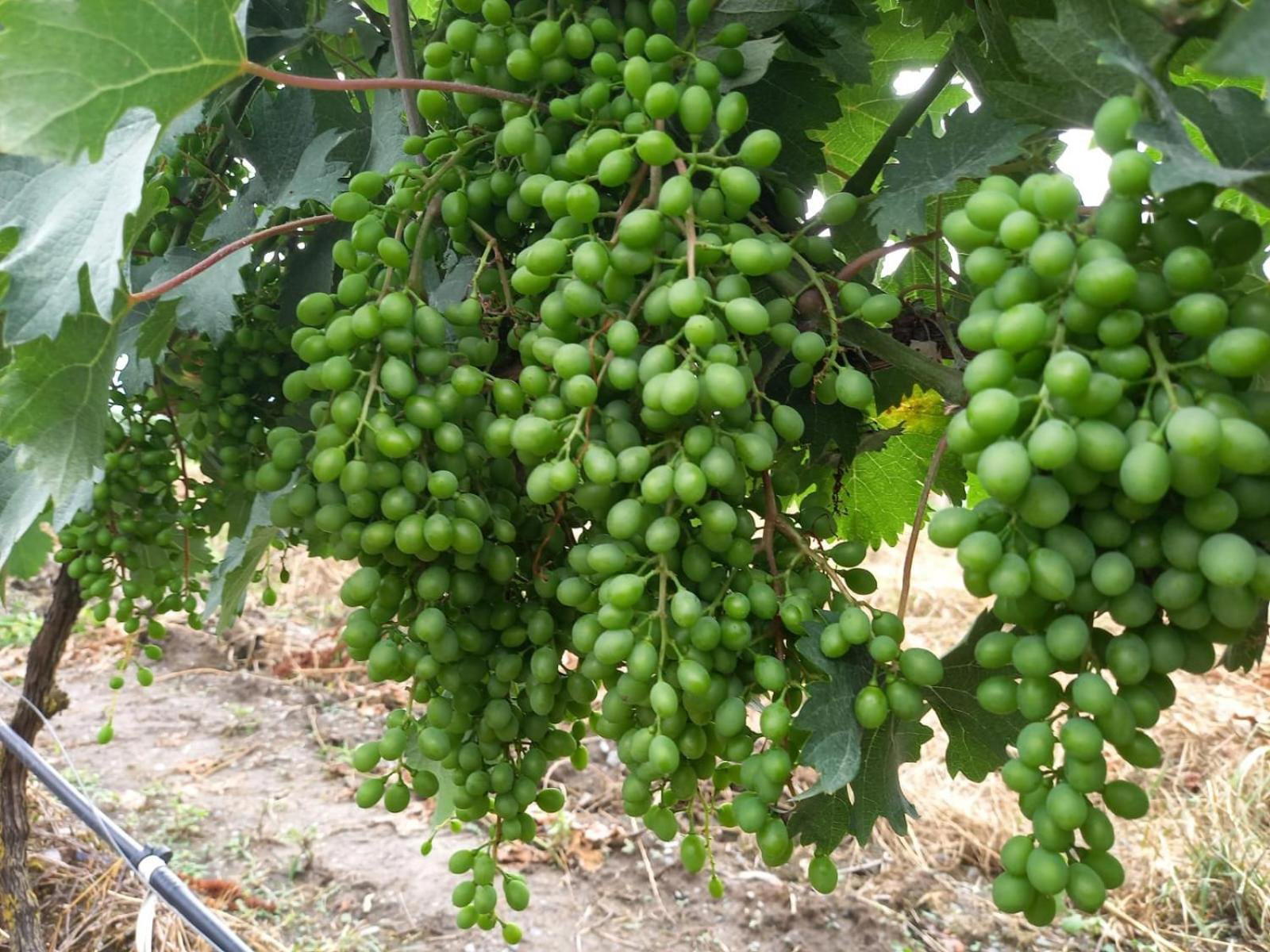
The road into Kisiskhevi arrives through vine rows rather than past them. In Kakheti, Georgia's dominant wine-producing region, this is not incidental: the relationship between land and table is the point, not the backdrop. Schuchman Wines Chateau sits inside that geography, operating in a format where the estate itself is the argument, the grapes, the qvevri, the cellar, and the table forming a single unbroken chain. Among Georgia's wine estates offering a hospitality experience, this integration of production and reception on one site is the defining characteristic of the chateau model, and Kakheti is where that model carries historical weight.
Georgia's claim to one of the world's oldest wine cultures is not marketing language. Archaeological evidence from the South Caucasus places grape cultivation and fermentation here approximately 8,000 years ago, and the qvevri, the clay amphora buried in the earth for fermentation and ageing, remains the vessel around which Georgian wine identity is organised. The amber wines that result from extended skin contact in qvevri have become the reference point against which natural wine movements globally have aligned themselves, often without tracing the practice back to its Kakhetian origin. At an estate in Kisiskhevi, visitors encounter that source directly rather than through interpretation.
The Estate Setting and What It Signals
Chateau-format wine estates in Kakheti occupy a distinct tier within Georgian hospitality. They sit between the small family guesthouse with a backyard vineyard and the urban wine bar pulling allocations from multiple producers. What the estate format offers, and what distinguishes Schuchman Wines Chateau within the Telavi-area corridor, is provenance transparency. When the grapes come from the property surrounding the building where you are eating and drinking, the sourcing question answers itself. This matters more than it might in other wine regions because Kakhetian terroir varies sharply across short distances; the Alazani Valley floor, the foothills, and the higher slopes each produce different fruit, and knowing which you are drinking requires knowing exactly where the vines grow.
The chateau address at Kisiskhevi places it within reach of Telavi, the regional capital and the base from which most wine country itineraries in eastern Georgia are organised. Visitors using Telavi as a hub will find the estate a logical inclusion alongside other Kakheti stops. For broader context on how to structure a visit to this part of Georgia, the area's dining and wine options are spread across Telavi and the surrounding villages.
Sourcing as the Editorial Argument
In wine estates, sourcing is the entire point. The qvevri tradition that defines Kakhetian winemaking is also a sourcing philosophy: grapes from the estate, fermentation in vessels made from local clay, ageing in cellars cut into the same ground the vines occupy. This is not the farm-to-table rhetoric that has diluted the concept in urban restaurant contexts. In Kakheti, it describes the actual mechanics of production as they have existed for millennia.
Georgia's wine revival over the past two decades has brought international attention to producers working within this tradition. The country's amber wines, sometimes called orange wines in international markets, though Georgian producers tend to resist the terminology, have appeared on wine lists at restaurants operating at the level of Le Bernardin in New York City, Alinea in Chicago, and Amber in Hong Kong. That international placement is partly a function of quality and partly a function of narrative: a wine made in clay vessels buried in Kakhetian earth for eight months carries a sourcing story that Burgundy or Napa cannot replicate. Estate visits like the one Schuchman Wines Chateau offers give that narrative a physical address.
Kakheti in the Context of Georgian Dining
Kakheti's food culture is not identical to Tbilisi's. The capital has developed a restaurant scene that ranges from traditional Georgian cooking at places like ATI in Tbilisi to fusion formats that translate local ingredients into contemporary idioms. In the regions, the food stays closer to its agricultural base. Kakheti's table tends to be organised around seasonal produce from the valley, mtsvadi grilled over vine wood, and the full range of Georgian bread traditions including shotis puri from wood-fired ovens. At wine estates, this food frames the wines rather than is the main attraction.
The estate model at Kisiskhevi sits outside that urban-regional comparison: it is a destination in itself rather than a convenience for local dining.
Planning a Visit
Kakheti is most easily reached from Tbilisi by road, with the journey to the Telavi area running approximately two hours depending on route and traffic. The region draws the largest visitor numbers during harvest season in September and October, when estates open their processes to guests and the social calendar of Georgian wine country reaches its peak. Spring, when the vines are in leaf and the valley is less crowded, offers a quieter alternative. Visitors arriving outside harvest season will find the production facilities accessible but the atmospheric intensity of pressing season absent.
Confirm visit logistics in advance. The Kisiskhevi address is WG2R+2G4. The Kakheti estate format is less formal and more agricultural than city dining, anchored in a wine culture that predates modern fine dining by several thousand years.
Comparison Snapshot
Comparable venues nearby, for context on price, style, and recognition.
| Venue | Cuisine | Price | Notes |
|---|---|---|---|
| Schuchman Wines ChateauThis venue — the venue you are viewing | Georgian Wine Bar | $$$ | Not listed |
| Doli | Authentic Georgian Kakhetian | $$ | center |
| Pheasant's Tears Winery | Modern Georgian | $$$ | Signagi |
| OtsY | Modern Georgian | $$$ | Tbilisi |
| Shavi Lomi | Modern Georgian Fusion | $$$ | Tbilisi |
| Sofiko | Authentic Georgian | $$$ | Tbilisi |
Continue exploring
More in Telavi
Restaurants in Telavi
Browse all →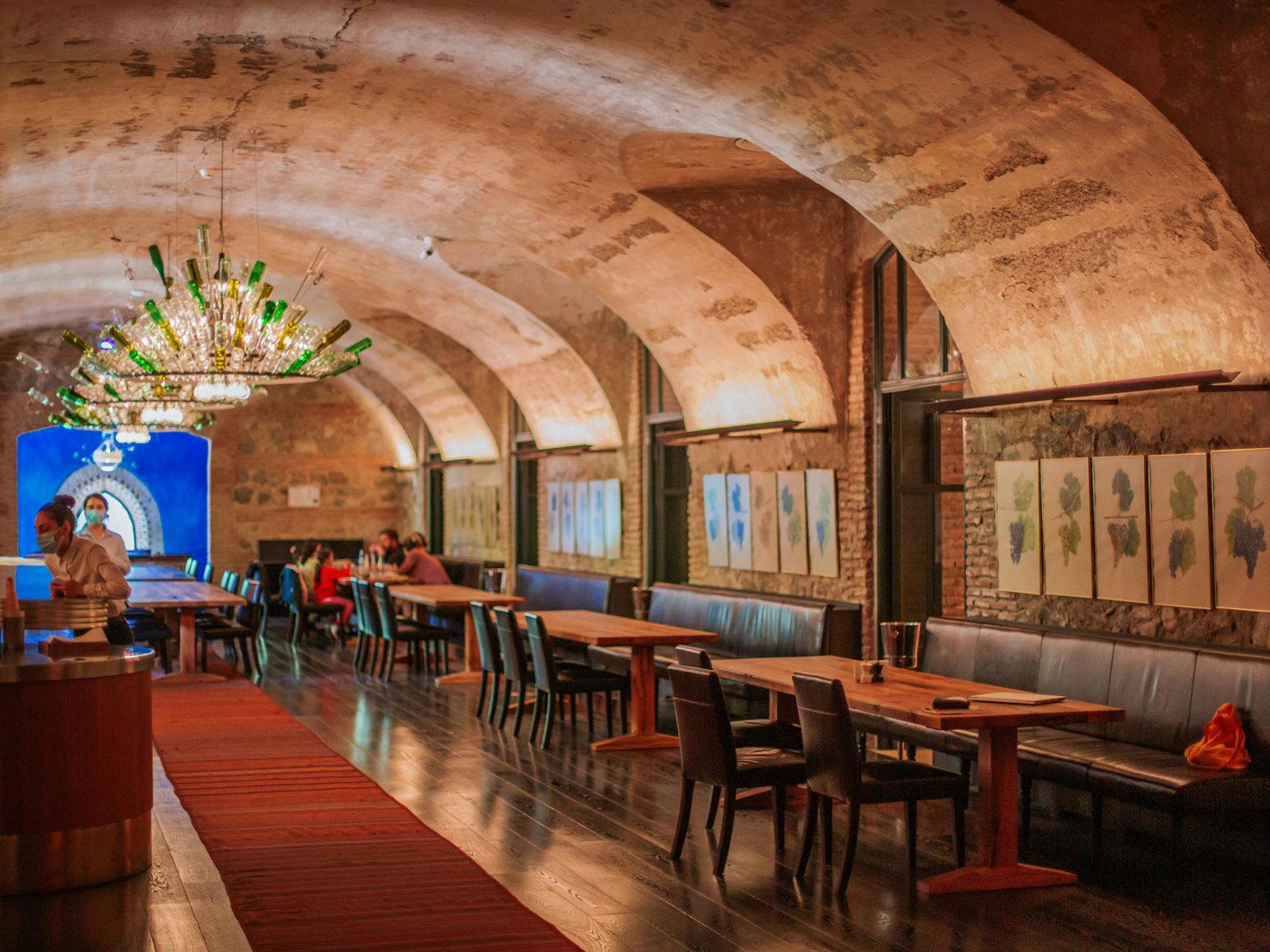
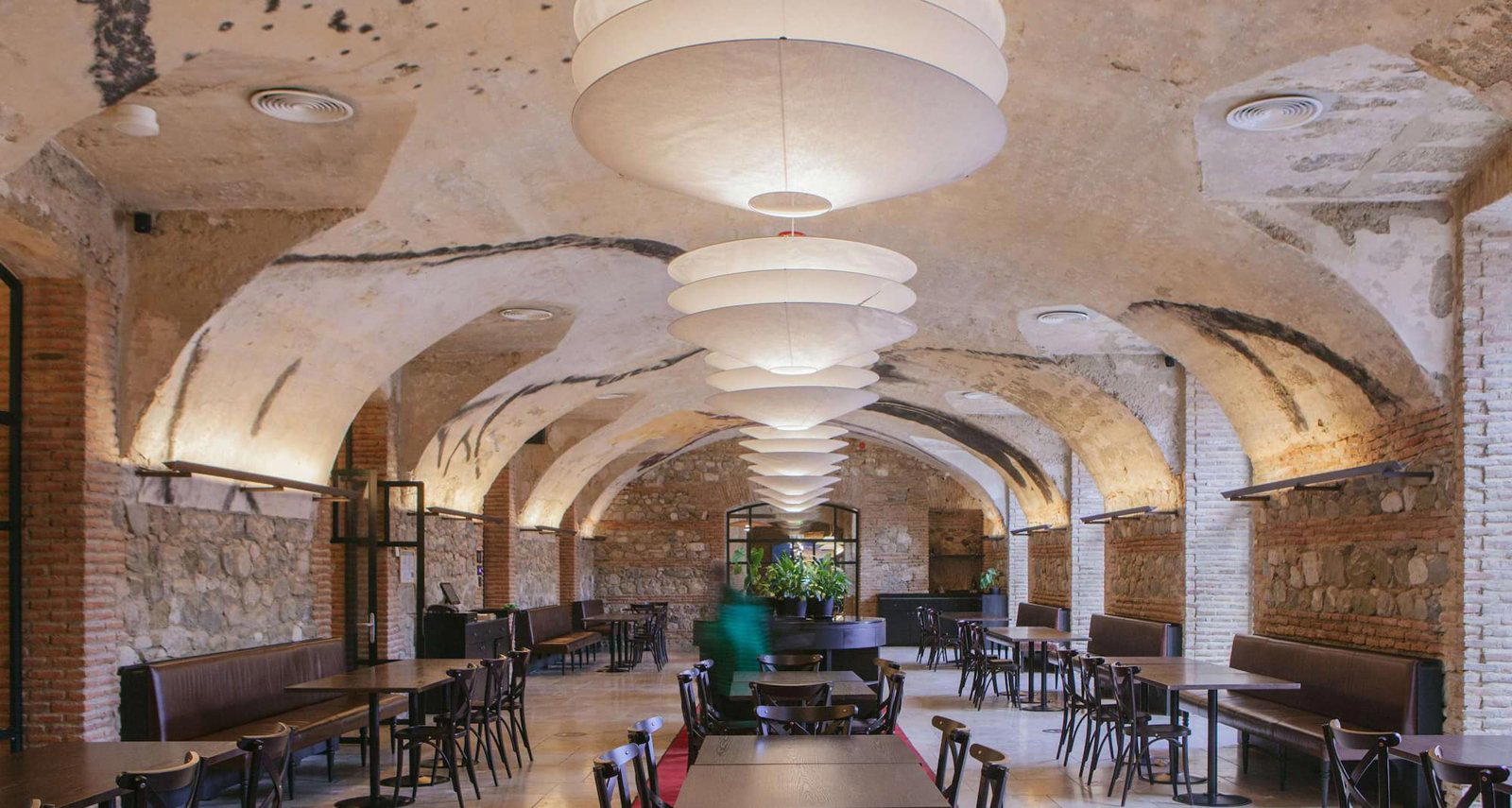
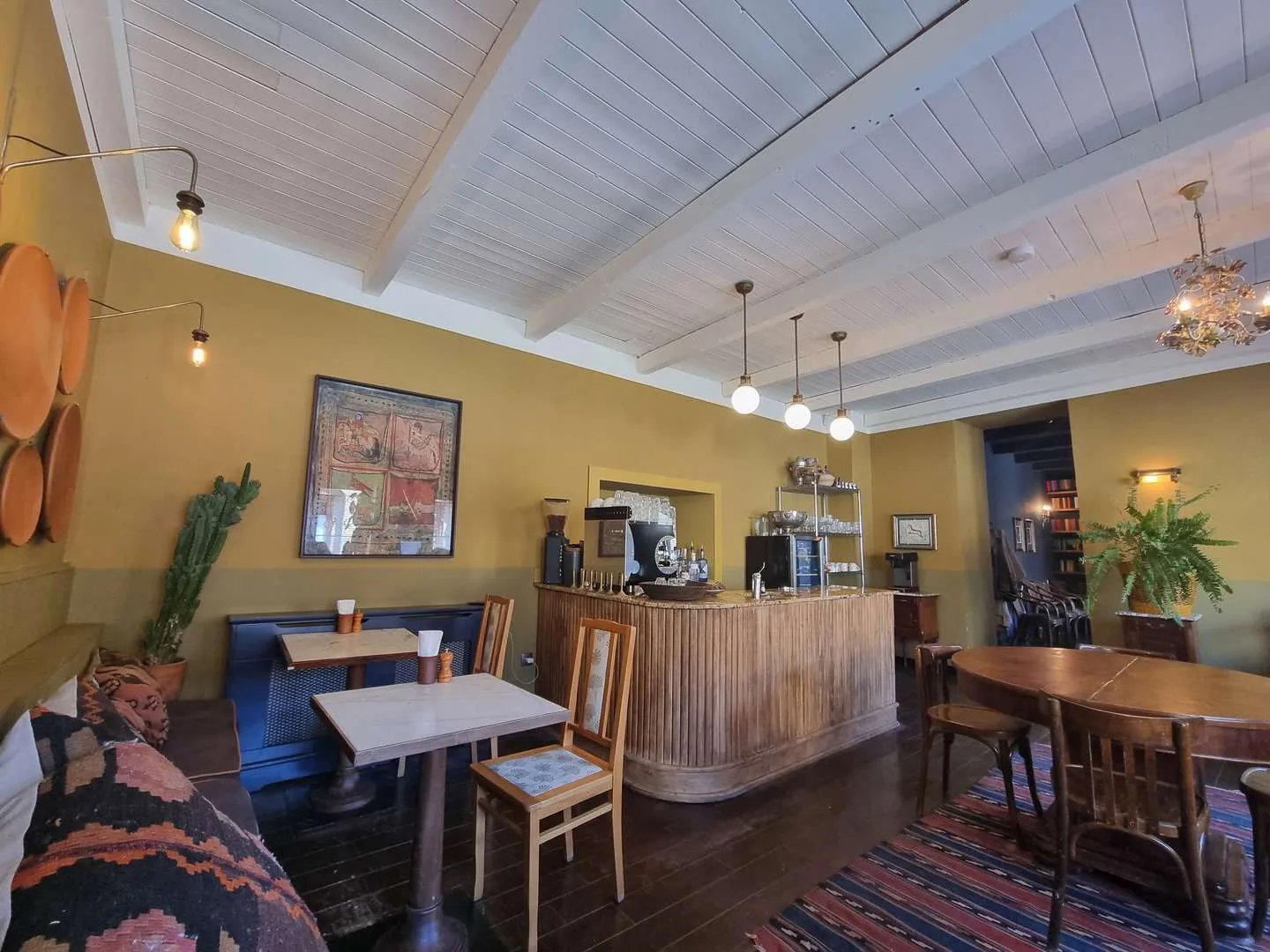

Bars in Telavi
Browse all →
Hotels in Telavi
Browse all →

At a Glance
- Elegant
- Scenic
- Cozy
- Date Night
- Special Occasion
- Celebration
- Wine Cellar
- Terrace
- Garden
- Extensive Wine List
- Local Sourcing
- Vineyard
- Mountain
- Garden
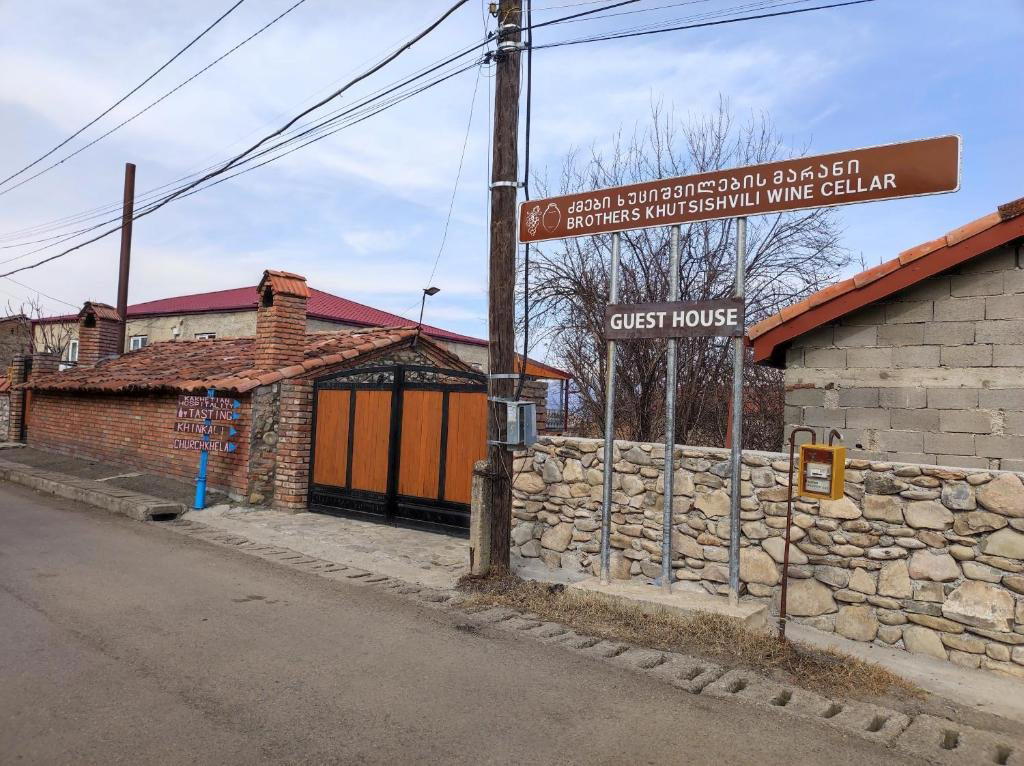
Serene and elegant atmosphere with scenic vineyard and mountain views, complemented by a relaxing wine spa experience.