



The Telegraph Hotel occupies Tbilisi's former central post and telegraph office on Rustaveli Avenue, converting a Brutalist Soviet-era landmark into a 239-room design-led property with a rooftop bar, jazz club, and a food program that spans Thai street food to modern Georgian. A Leading Hotels of the World member since 2025, it positions itself as a cultural gathering point in one of the city's most historically significant addresses.
Pearl is the En Primeur Club membership app — saves, bookings, and concierge access live there. Same editors, same standards.
- Address
- 31 Shota Rustaveli Ave, T'bilisi 0108
- Phone
- +995 32 244 31 31
- Website
- telegraphhotel.com
- Directions
- Get directions
 Saves & bookings on Pearl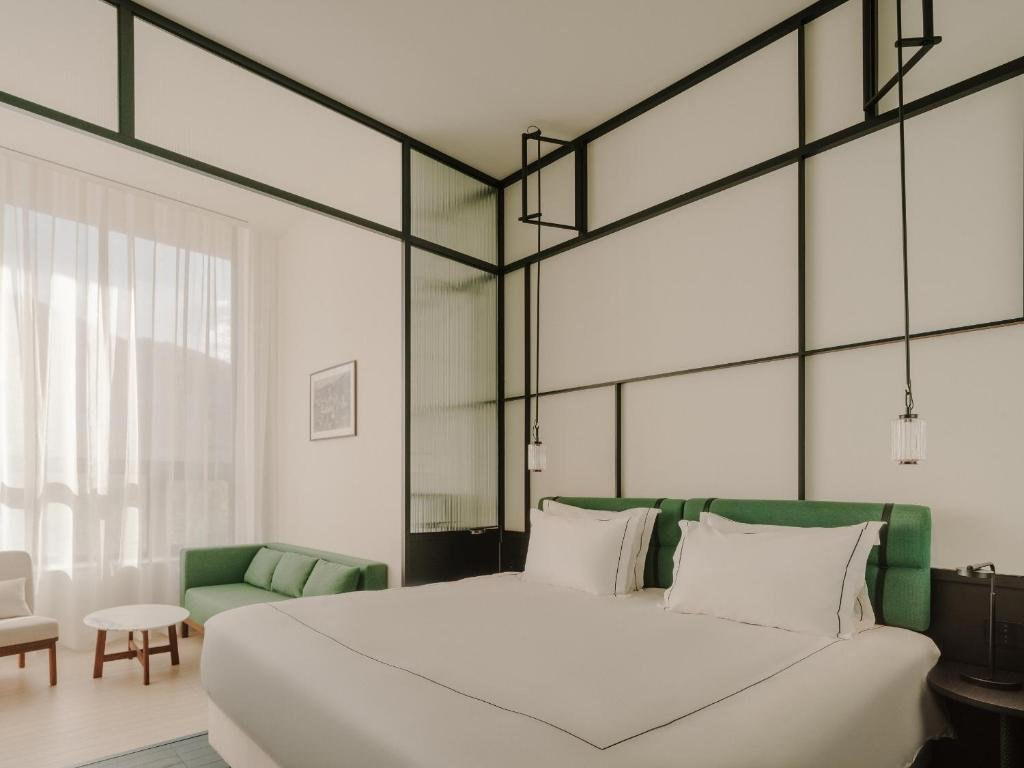
A Brutalist Building Finds a New Brief
Rustaveli Avenue has long been Tbilisi's ceremonial spine, a boulevard where the city's Soviet architectural heritage and its post-independence cultural ambitions sit in an uneasy, often fascinating proximity. The buildings along this stretch were built to project institutional permanence, and few did so more emphatically than the former central post and telegraph office at number 31. The structure reads as Brutalist in the truest sense: mass over ornament, concrete over concession. Walking toward it, you feel the weight of its original purpose before you register any signage telling you it is now a hotel.
That transformation is the central editorial fact about The Telegraph Hotel. Heritage adaptive reuse has become one of the defining strategies in European and Caucasian hospitality over the past decade, but the quality of the outcome varies sharply. The Telegraph sits at the more considered end of that spectrum. Much of the original architecture has been retained rather than stripped and plastered over, which means guests move through corridors and common spaces that still carry the geometric logic of a mid-20th-century Soviet communications hub. The interiors pair that inherited structure with what the property describes as classic detailing, a restraint that lets the bones of the building do the work rather than competing with them.
At 239 rooms, the hotel operates at a scale that places it in Tbilisi's upper-mid tier alongside properties like The Biltmore Hotel Tbilisi and Paragraph Freedom Square, a Luxury Collection Hotel, both of which compete on heritage address and international brand recognition. The Telegraph's differentiation sits in its programming and its cultural positioning: it aims to function as a gathering point for what its operators call cultural insiders, a framing that distances it from purely transactional business travel and places it closer in spirit to properties like Stamba Hotel or Rooms Hotel Tbilisi, which have built reputations around design credibility and local creative communities.
What the Food Program Says About the Place
Hotels at this tier in Tbilisi face a structural tension in their food programming. The city has a strong and specific culinary identity, one built around fermented dairy, walnut-based sauces, wood-fire cooking, and a wine culture that predates most of Europe's by several millennia. Guests who arrive with an interest in Georgian cuisine expect that tradition to be accessible within the property. At the same time, a 239-room hotel running multiple outlets needs to sustain occupancy across breakfast, lunch, and dinner for guests whose preferences span well beyond any single regional tradition.
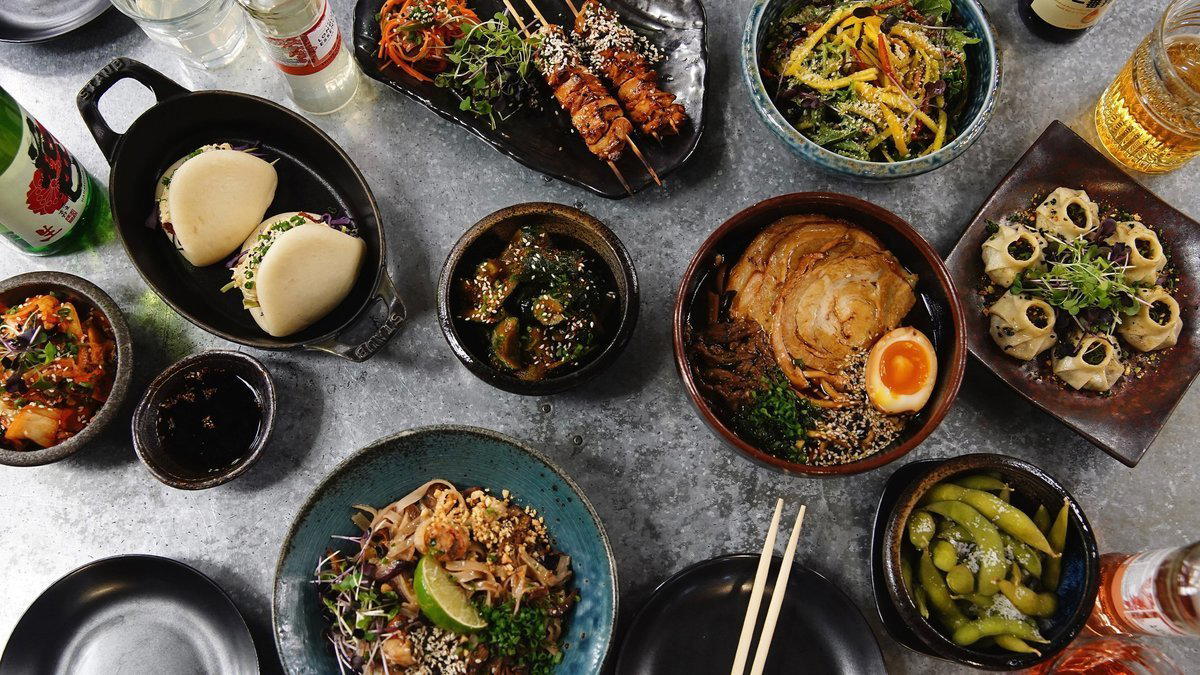
The Telegraph's response is a deliberately broad food offering that holds modern Georgian alongside Thai street food within the same property. That pairing is less arbitrary than it might appear. Tbilisi has seen a wave of international culinary formats arrive over the past several years, tracking the city's growth as a destination for digital nomads, regional diaspora, and European travelers priced out of more familiar capitals. A hotel anchored on one of the city's most prominent avenues would find a strictly localist menu commercially limiting. The more pointed question is whether the Georgian component of the offering is substantive or decorative. That distinction matters because it signals whether the property is genuinely engaged with the sourcing traditions and ingredient specificity that define the region's culinary output, or whether it is simply marking the box.
Georgian cuisine's ingredients are inseparable from its geography. The country's micro-climatic diversity, compressed into a small land area, produces a range of raw materials that shift significantly between the Kakheti wine region, the highland zones, and the Black Sea coast. Restaurants that engage seriously with this tradition source accordingly, tracking the seasonal availability of ingredients like Imeretian saffron, churchkhela walnuts, or the specific grape varieties used in amber wine production. Properties like Vazisubani Estate in Gurjaani Municipality and Tsinandali Estate, A Radisson Collection Hotel, operating in Kakheti itself, have the geographical advantage of proximity to those sources. A Rustaveli Avenue hotel must work harder to connect its kitchen to that sourcing logic. Whether The Telegraph does so with depth is something a first visit would clarify. See our full Tbilisi restaurants guide for broader context on the city's dining patterns and where to eat outside the hotel.
The Rooftop Bar and the Jazz Club
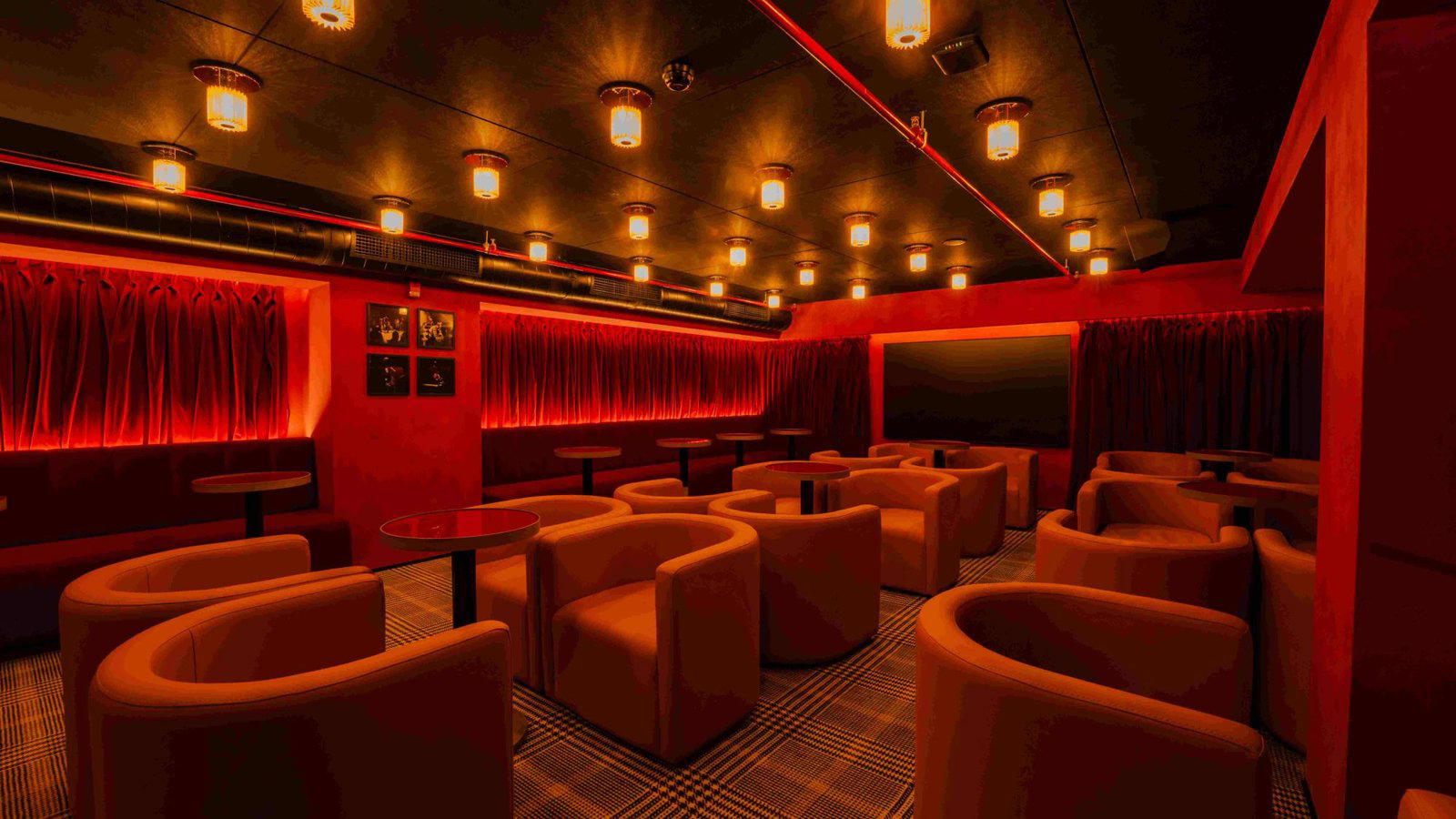
Two of the property's most distinctive assets sit at opposite ends of the building vertically: a rooftop bar and a jazz club in the basement. The pairing is not incidental. Tbilisi's nightlife infrastructure has expanded significantly since the early 2010s, when the city became known primarily for its electronic music scene. Jazz represents a different register, more deliberate, less anonymous, and historically significant given the role jazz played in Soviet cultural resistance. A hotel jazz club on Rustaveli Avenue carries specific cultural weight that a rooftop bar does not, and the two formats serve different kinds of guests at different points in the evening.
The rooftop position on Rustaveli Avenue gives the bar a view context that is inherently strong given the boulevard's architectural density and the hills that frame the city's eastern edge. Rooftop bars in Tbilisi have proliferated alongside the city's tourism growth, and the format works here because the urban topography rewards elevation. Properties like Golden Tulip Design Tbilisi and Fabrika Tbilisi each handle the rooftop format differently, with Fabrika in particular using its outdoor communal spaces as a draw for a younger creative demographic. The Telegraph's rooftop operates closer to a conventional hotel bar function while benefiting from the address's intrinsic sightline advantage.
Where the Telegraph Sits in Tbilisi's Hotel Market
Tbilisi's hotel market has stratified in interesting ways. At one end sit internationally branded properties with the loyalty program infrastructure and service standards that business travelers and conservative leisure visitors prioritize. At the other end are smaller, design-led boutique properties like Communal Sololaki Hotel and The Blue Fox Hotel, which trade on neighbourhood intimacy and a distinctly local personality. The Telegraph occupies a middle position: large enough to offer full hotel infrastructure, design-led enough to attract guests who would find a conventional chain unrewarding, and anchored in a heritage building significant enough to make the address a genuine selling point rather than a convenience claim.
Its 2025 membership in Leading Hotels of the World places it within an independently curated network that signals quality without the uniformity of a major brand. Other properties in that network carry credentials verified against consistent standards, which gives the designation practical meaning for guests who use the membership as a booking filter. Rates running around $258 position the property within Tbilisi's premium tier, where it competes with internationally branded alternatives that carry different trade-offs between brand reassurance and local character.
For travelers building a wider Georgian itinerary, the Rustaveli address works as a strong base for Tbilisi exploration before moving toward the wine country properties of Lopota Lake Resort and Spa in Napareuli, the mountain settings of Rooms Kazbegi in Stepantsminda, or the ski resort infrastructure of Orbi Palace Hotel in Bakuriani. The Black Sea coast option extends further to ApartHotels Collection by ELT in Batumi. Georgia's geography rewards multi-stop itineraries, and a centrally located Tbilisi property functions as the logical starting and ending point for that kind of routing.
Planning Your Stay
The hotel sits at 31 Shota Rustaveli Avenue in the city center, placing it within walking distance of the National Museum, the Rustaveli Theatre, and a dense concentration of galleries and independent restaurants in the surrounding streets. The 239-room scale means availability is generally more accessible than at smaller boutique properties like Communal Sololaki, though peak travel periods in spring and autumn, when Tbilisi draws the largest volumes of visitors, warrant booking well in advance. At approximately $258 per night, the rate reflects both the Leading Hotels of the World standard and the premium that comes with an address this central. The jazz club and rooftop bar are accessible as standalone visits for non-guests, which means the evening program functions as part of the broader Rustaveli Avenue social circuit rather than an exclusively hotel resource. If you are comparing options in the design-led segment, look also at Stamba Hotel and Rooms Hotel Tbilisi, which each offer a different interpretation of the same broad positioning.
How The Telegraph Hotel Tbilisi compares with similar nearby venues.
| Venue | Awards |
|---|---|
| The Telegraph Hotel | Michelin 2 Keys |
Recognition history
Dated appearances from independent guides and award organizations, with the underlying list record or original source where available.
Forbes Recommended
Forbes
Prix Versailles World Selection
Prix Versailles
Leading Hotels of World Member
Leading Hotels of World
Michelin 2 Keys
Michelin
Continue exploring
More in Tbilisi
Hotels in Tbilisi
Browse all →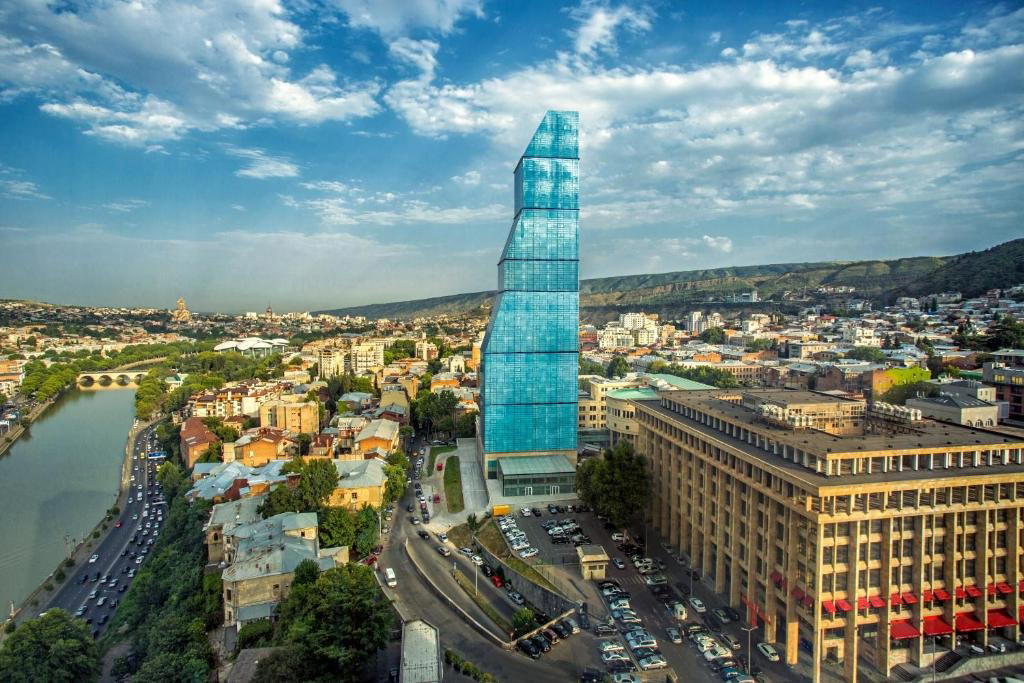
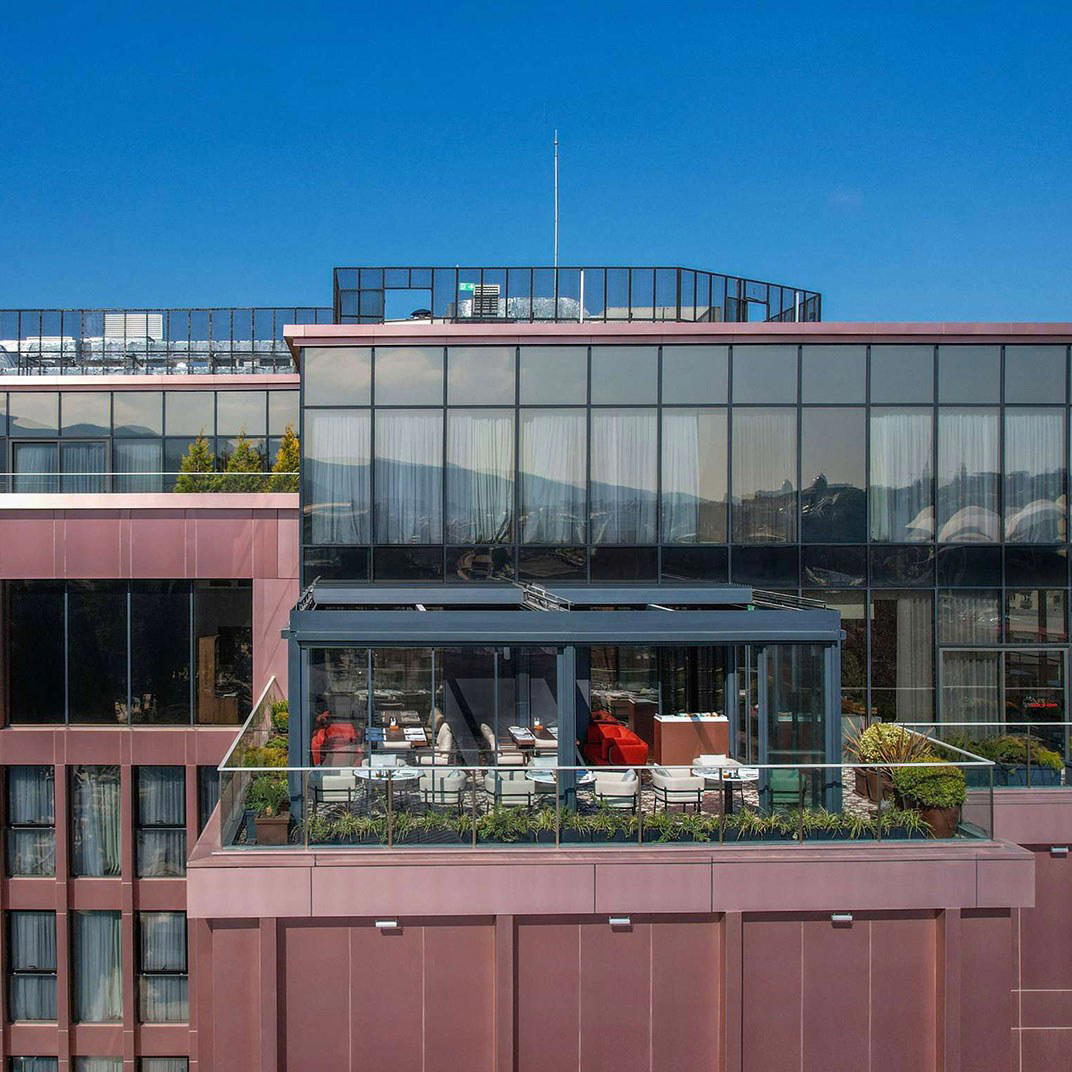
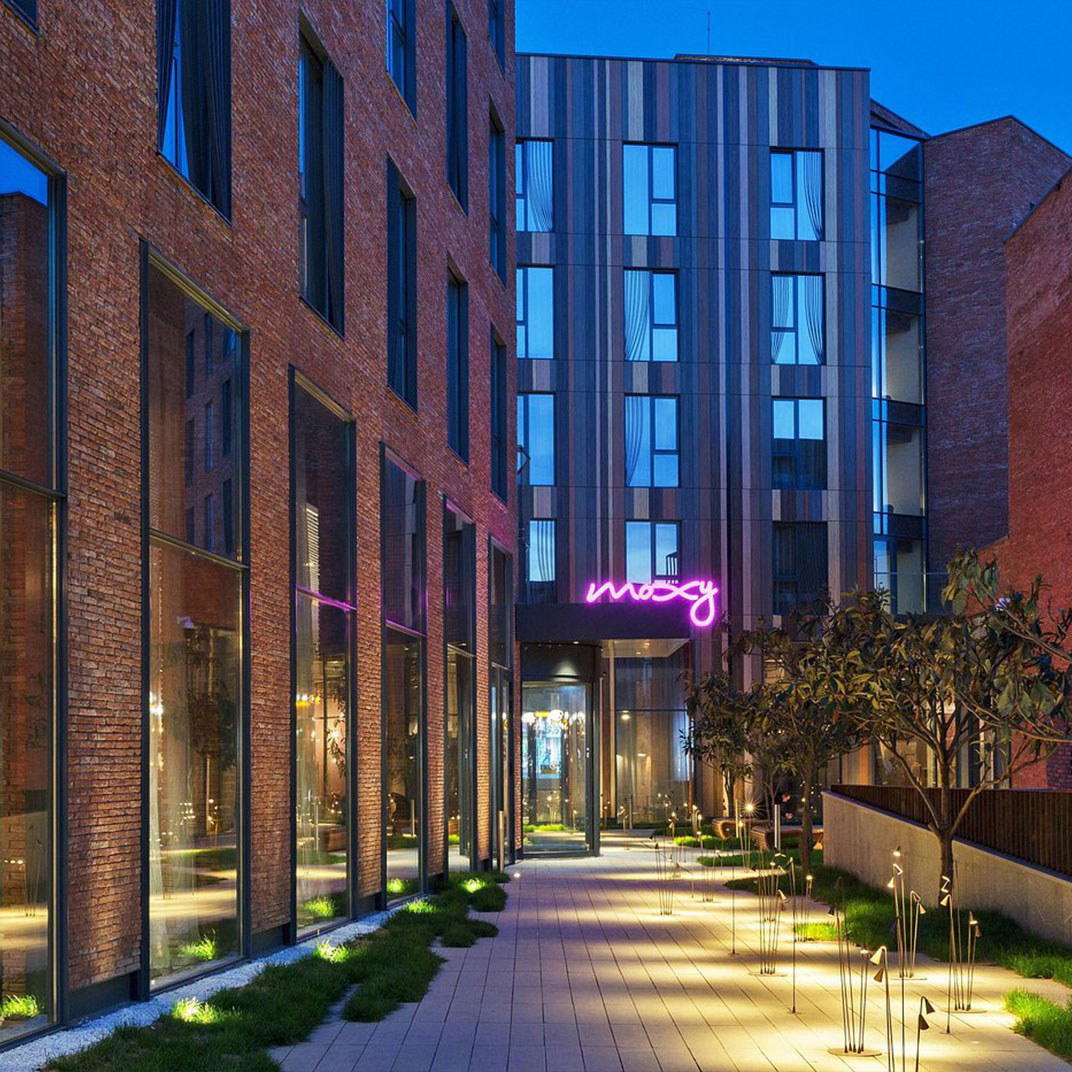
Bars in Tbilisi
Browse all →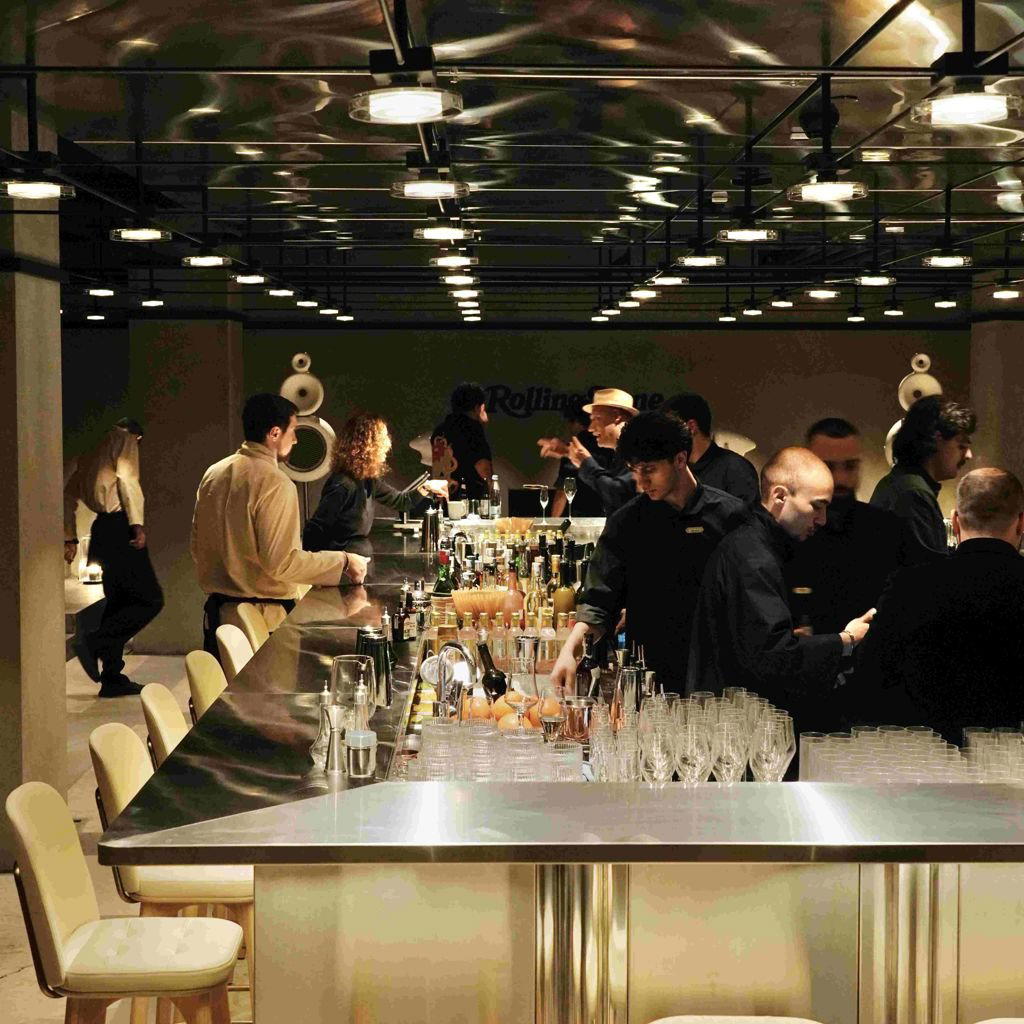
Restaurants in Tbilisi
Browse all →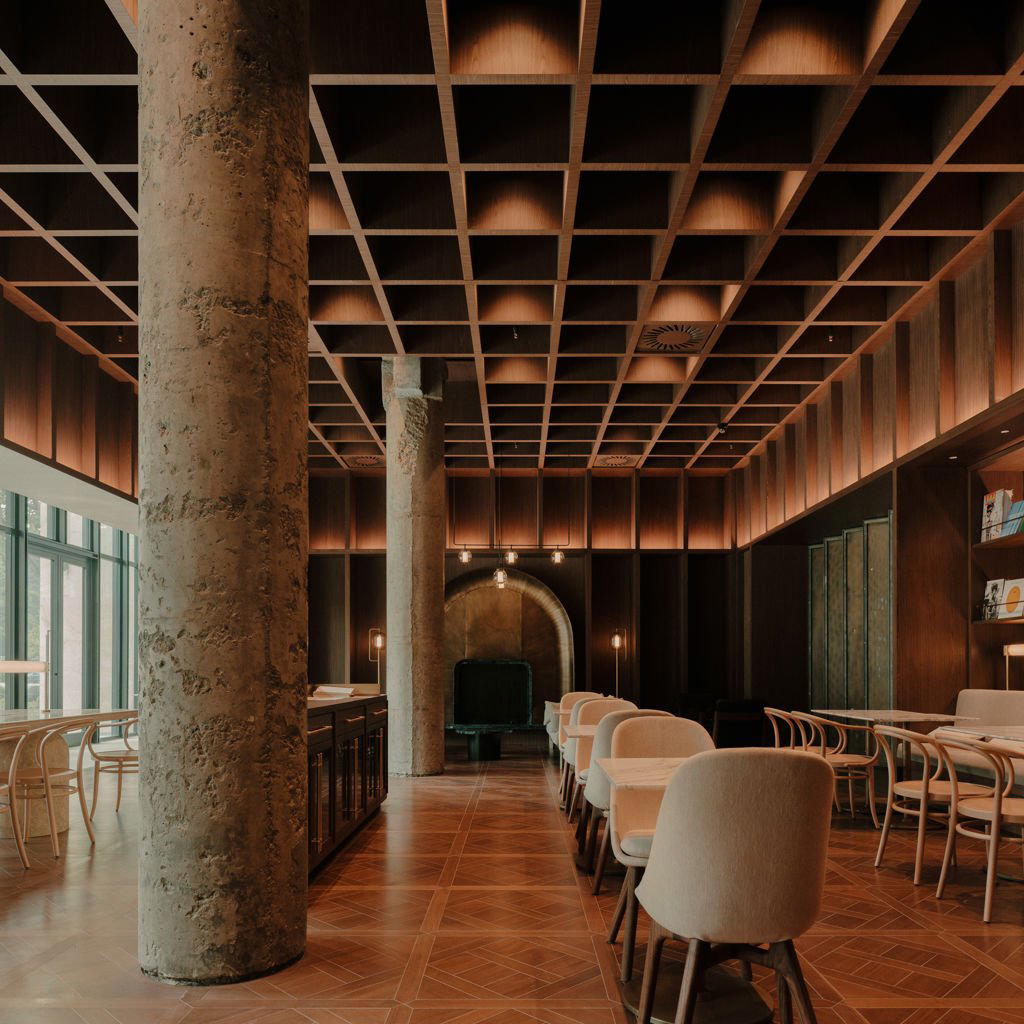


At a Glance
- Modern
- Elegant
- Sophisticated
- Well Known
- Industrial
- Romantic Getaway
- Business Trip
- Celebration
- Weekend Escape
- Historic Building
- Design Destination
- Rooftop Pool
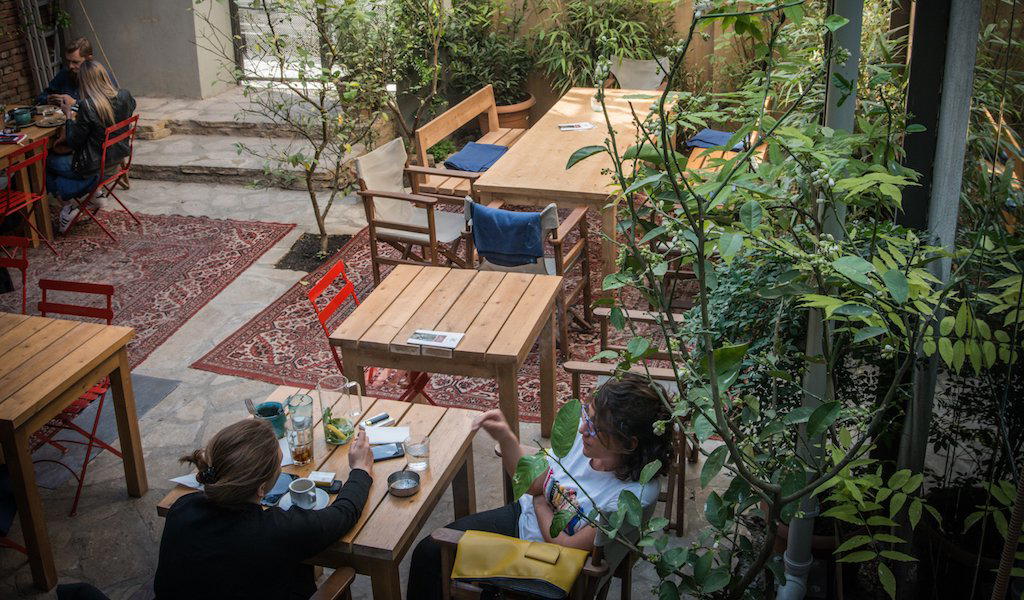
- Terrace
- Garden
- Destination Spa
- Wi Fi
- Pool
- Spa
- Fitness Center
- Room Service
- Concierge
- Business Center
- Restaurant
- Bar
- Garden
- EV Charging
- Street Scene
- Garden
- Wi Fi
- Pool
- Spa
- Fitness Center
- Room Service
- Concierge
- Business Center
- Restaurant
- Bar
- Garden
- EV Charging
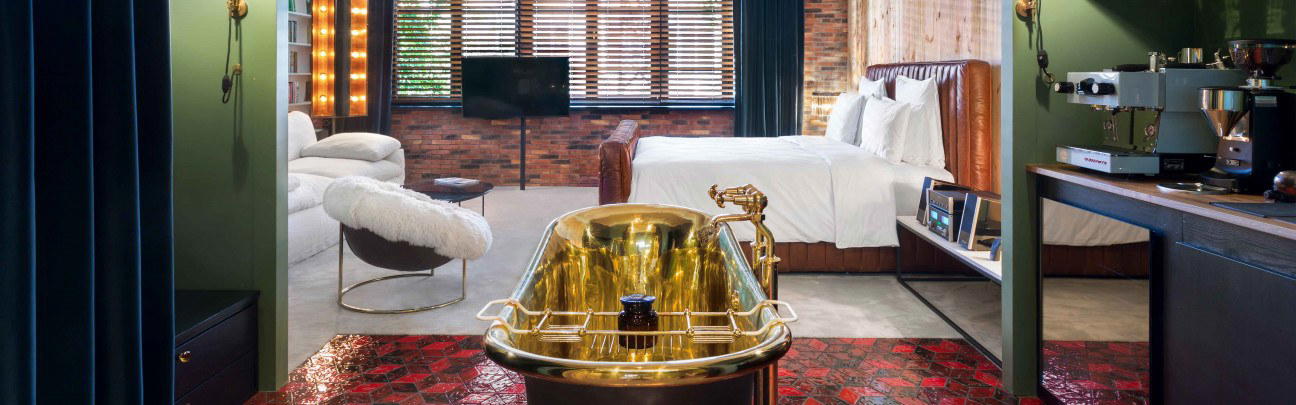
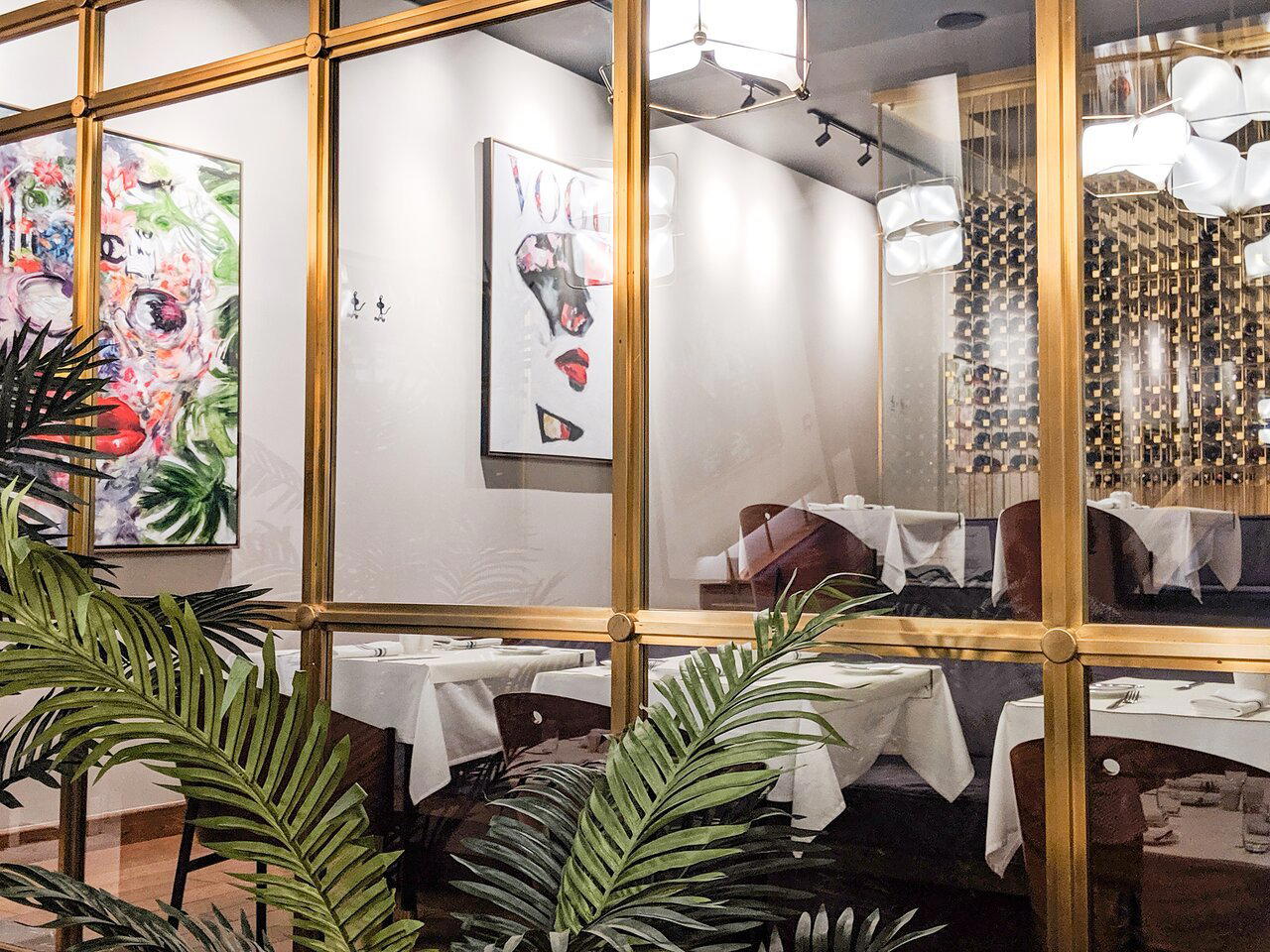
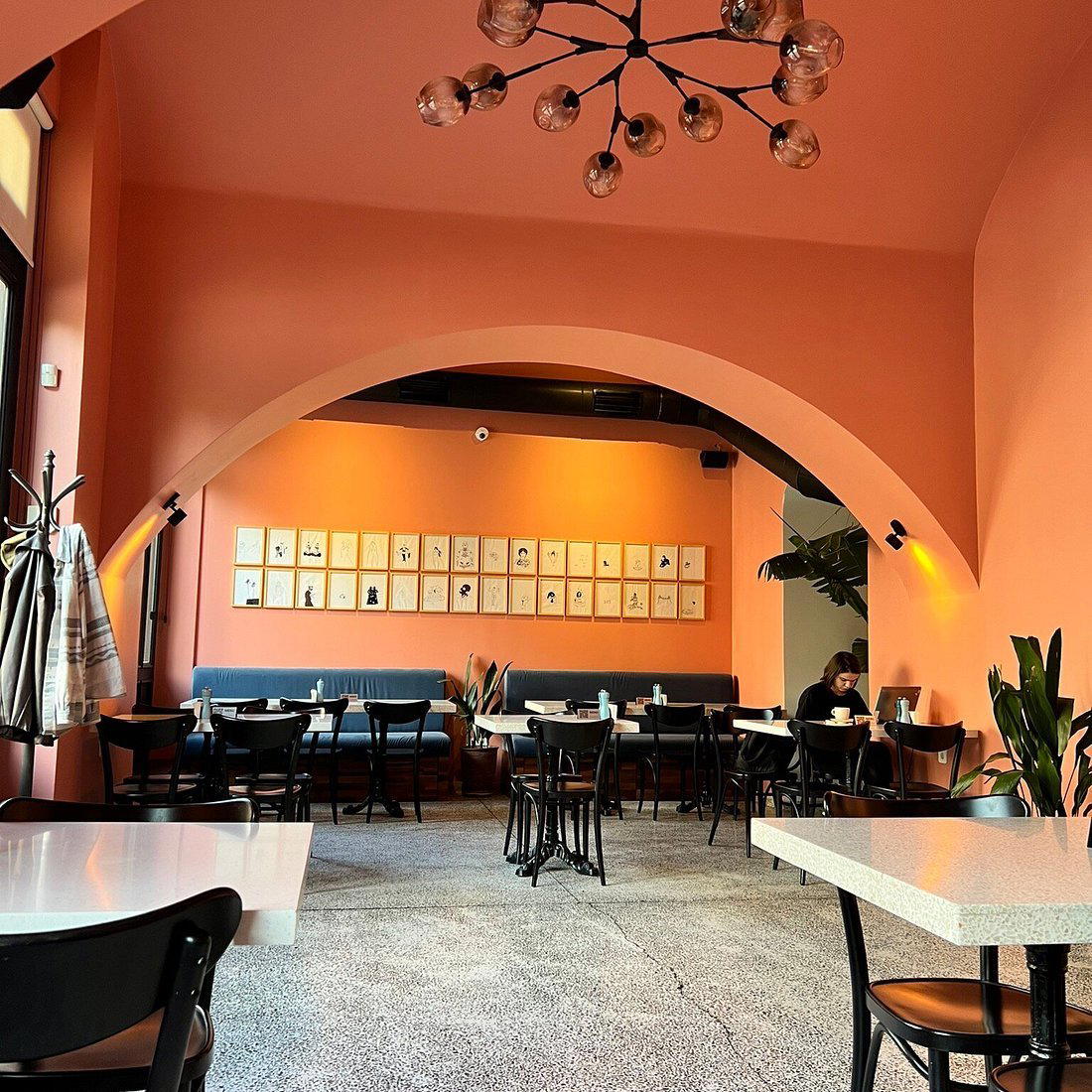
Clean-lined, light-filled interiors with monochrome contrast; deep coffered ceilings in the Grand Café evoke Parisian elegance, while the basement Tatusa Jazz Club features sultry red velvet and gold accents; corridors are low-lit with custom black steel and glass lighting.
Know Before You Go
- Getting there
- 31 Shota Rustaveli Ave, T'bilisi 0108