Akura San brings a Japanese-Georgian sensibility to Tbilisi's increasingly internationalist dining scene. The restaurant sits within a city where ancient qvevri wine culture now shares table space with imported omakase formats and fusion menus, positioning it as part of a wider conversation about what Georgian hospitality can absorb and reinvent. Details on booking and pricing are best confirmed directly on arrival or through local concierge networks.
Pearl is the En Primeur Club membership app — saves, bookings, and concierge access live there. Same editors, same standards.
- Address
- Tbilisi
- Directions
- Get directions
 Saves & bookings on Pearl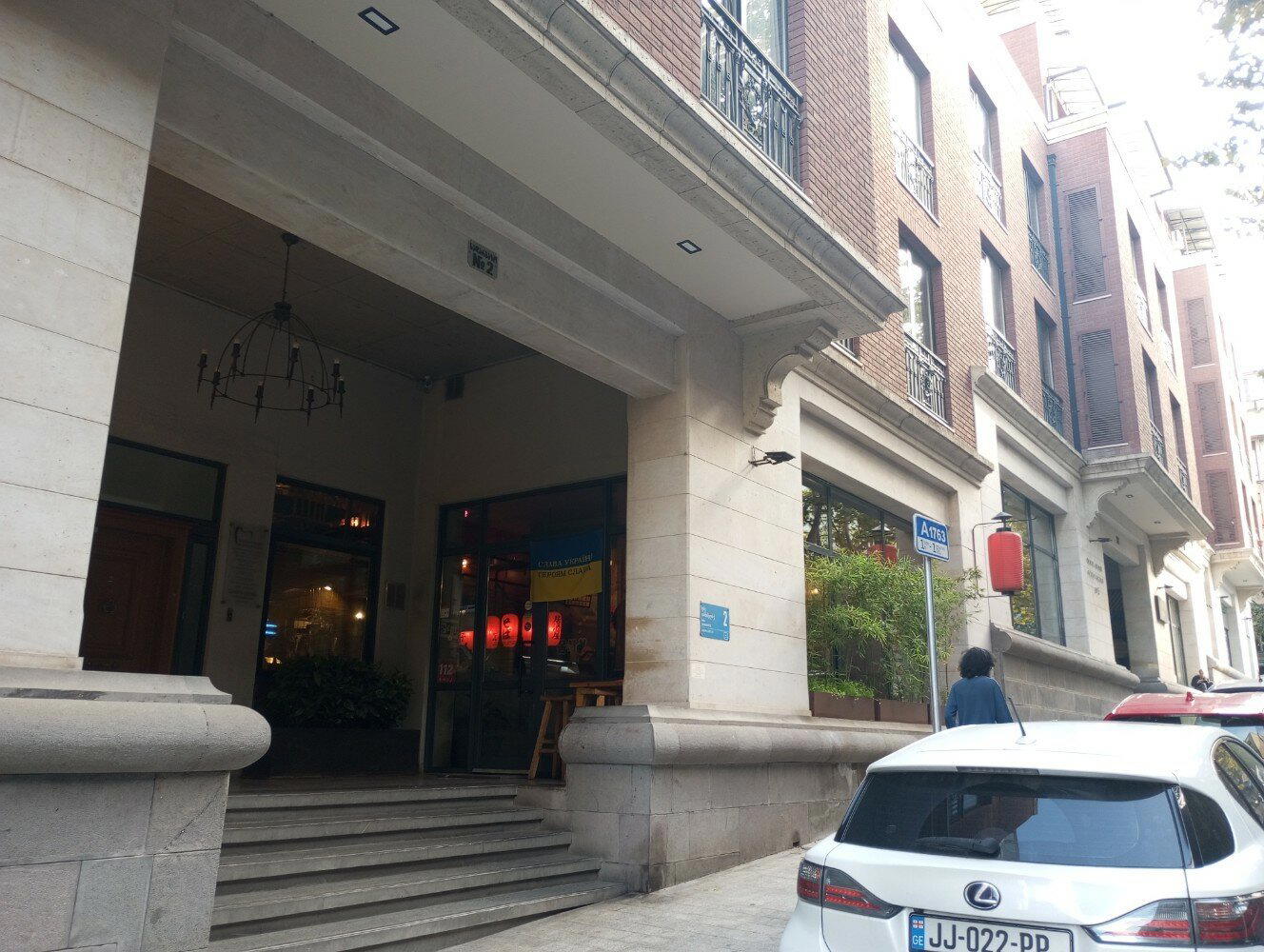
Where Tbilisi's Openness to Outside Influence Finds a Japanese Register
Akura San is a Japanese-Georgian Fusion Wine Bar in Tbilisi, priced at about $25 per person. The city that gave the world qvevri-fermented amber wine and walnut-laden churchkhela now also sustains a tier of restaurants where the menu architecture owes as much to Tokyo or Seoul as to Kakheti or Adjara. Akura San arrives inside that context, a name that reads immediately as a Japanese signal in a Georgian-speaking city, and that deliberate legibility is itself an editorial statement about how Tbilisi's dining scene has repositioned itself.
The broader pattern here matters. Georgian restaurants that have built international reputations, among them Barbarestan with its 19th-century cookbook conceit and Azarphesha with its focus on regional specificity, succeed partly because they lean into what is irreducibly local. A venue with a Japanese-inflected name operating in Tbilisi takes the opposite bet: that the city's audience is now cosmopolitan enough to receive a foreign culinary grammar without needing it translated into familiar idiom. That is a meaningful shift from even five years ago.
Reading the Menu as a Document
The editorial angle that matters most for a restaurant like Akura San is not the provenance of any single dish but what the menu's architecture implies about the kitchen's intentions. Japanese culinary structure, at its most considered, works through sequence and restraint: small portions calibrated to build, protein treated as a focal point rather than a background, and umami deployed as a through-line rather than a seasoning afterthought. When that logic lands inside a Georgian dining culture that traditionally values abundance, long tables, and polyphonic flavour, the tension between the two systems is itself the interesting thing to eat around.
Tbilisi has other venues where this kind of East-meets-Caucasus conversation is happening. Alubali and ATI each represent a different answer to the question of how much a Tbilisi restaurant can bend away from Georgian convention before it stops feeling grounded in its city. The interesting ones find a way to remain legible as Tbilisi restaurants even when the technique or ingredient list speaks another language. The ones that do not tend to feel like temporary imports.
What can be said is that the name signals Japanese register, and in the context of the Georgian capital's current dining environment, that places the restaurant in a growing cohort of venues asking how much technical influence from the outside world Tbilisi kitchens can absorb productively. For visitors who want comparison, the internationalist tier of dining in other cities, think Atomix in New York City where Korean technique and fine-dining structure create a productive synthesis, offers a frame for what this kind of cultural cross-referencing can look like at its most resolved.
Tbilisi's Position in the Wider Georgian Dining Picture
Understanding the restaurant requires understanding what Tbilisi is relative to the rest of Georgia's food geography. The country's wine heartland sits in Kakheti, where producers like Pheasant's Tears Winery in Signagi and Schuchman Wines Chateau have built serious reputations around qvevri production. Beyond the capital, dining destinations like Doli in Telavi and Palaty in Kutaisi demonstrate that serious cooking has spread well beyond the capital's orbit. Even further afield, Umami at Clouds in Batumi shows that the Japanese reference point the restaurant deploys is not distinctive to Tbilisi: the name Umami itself signals the same cross-cultural appetite appearing in Georgia's Black Sea resort city.
That geographic spread matters because it contextualises what Tbilisi restaurants are competing against and what kind of traveller they are pitching to. The capital draws the largest share of international visitors, which means its experimental venues have a more diverse audience than their regional counterparts. A restaurant with a Japanese name in Tbilisi is, in part, addressing that international audience directly, in a way that a village restaurant in Chiatura, however accomplished (see Gazaphkhuli), is not positioned to do.
Planning a Visit
Tbilisi's dining scene operates without the rigid booking infrastructure of cities like London or Tokyo, and many of its mid-to-upper tier restaurants remain walkable without advance reservation, particularly on weeknights. That said, venues with smaller formats or strong word-of-mouth tend to fill during peak tourism periods, which in Tbilisi concentrate in spring (April to June) and early autumn (September to October). Visitors travelling during these windows should confirm availability in advance through their hotel concierge or by visiting in person. Pricing at the restaurant is about $25 per person. Those extending their Georgia trip beyond the capital will find useful context in places like Crowne Plaza Borjomi for a spa-town contrast, or the more rural format of Chiko in Aspindza.
For reference across different price and format points, the kinds of structural lessons that inform ambitious contemporary restaurants, whether the seafood-led precision of Le Bernardin in New York City, the communal dinner format of Lazy Bear in San Francisco, or the Southern American register of Emeril's in New Orleans, all point toward how a kitchen builds an identity through deliberate menu structure rather than accumulated dishes. That is the question the restaurant is asking in Tbilisi, in a register borrowed from Japan, in a city that has recently decided it is ready to answer.
Reputation Context
Comparable venues nearby, for context on price, style, and recognition.
| Venue | Cuisine | Price | Notes |
|---|---|---|---|
| Akura SanThis venue — the venue you are viewing | Japanese-Georgian Fusion Wine Bar | $$ | Not listed |
| Chveni | Modern Georgian Fusion | $$ | Tbilisi |
| Salobie Bia | Traditional Georgian | $$ | Tbilisi |
| Kakhelebi | Traditional Georgian | $$ | Tbilisi |
| L'Éclair de Génie | French Pastry and Cafe | $$ | Tbilisi |
| Apotheka | Dining | Not listed | Tbilisi |
Continue exploring
More in Tbilisi
Restaurants in Tbilisi
Browse all →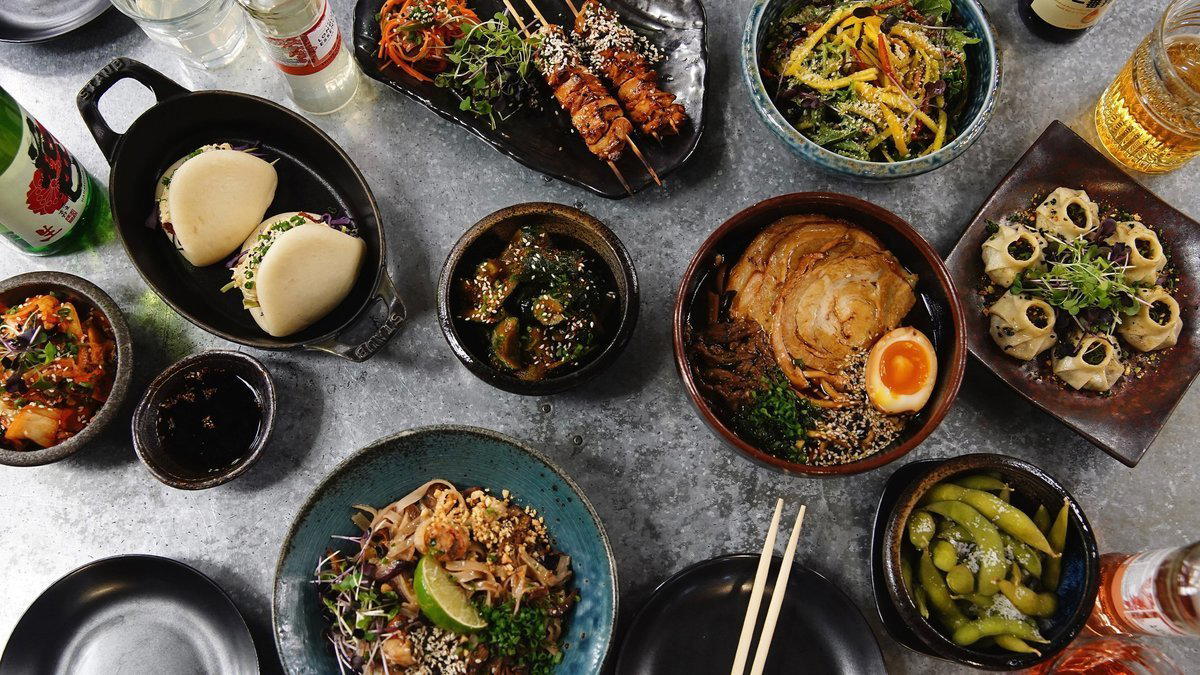
Bars in Tbilisi
Browse all →
Hotels in Tbilisi
Browse all →




At a Glance
- Modern
- Intimate
- Date Night
- Casual Hangout
- Standalone
- Extensive Wine List
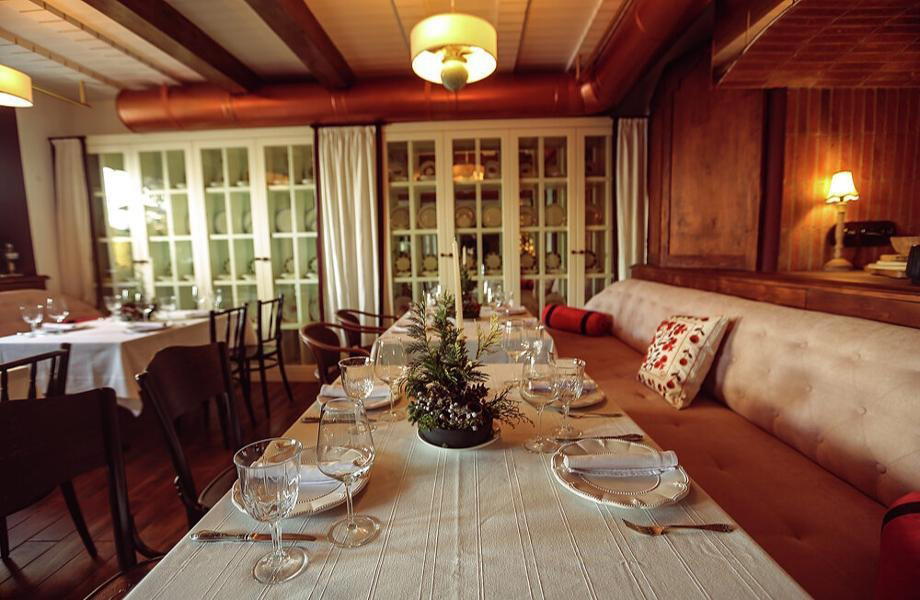
Contemporary wine bar atmosphere with focus on intimate dining and wine appreciation.