
Pheasant's Tears is one of Kakheti's most recognized natural wine producers, operating out of Signagi with a program built around ancient Georgian grape varieties and qvevri fermentation. The winery doubles as a gathering point for the region's low-intervention wine movement, where amber wines and obscure autochthonous varieties are poured with the kind of conviction that comes from genuine agricultural roots rather than marketing positioning.
Pearl is the En Primeur Club membership app — saves, bookings, and concierge access live there. Same editors, same standards.
- Address
- JW8C+C4H, Sighnaghi, Georgia
- Phone
- +995 598 72 28 48
- Website
- pheasantstears.com
- Directions
- Get directions
 Saves & bookings on Pearl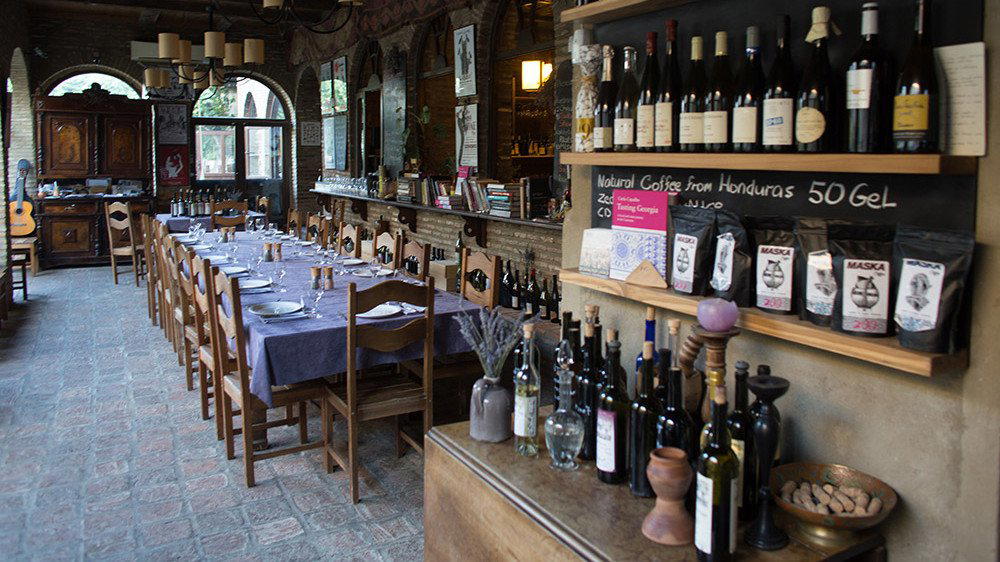
Where Kakheti's Wine Tradition Surfaces in a Glass
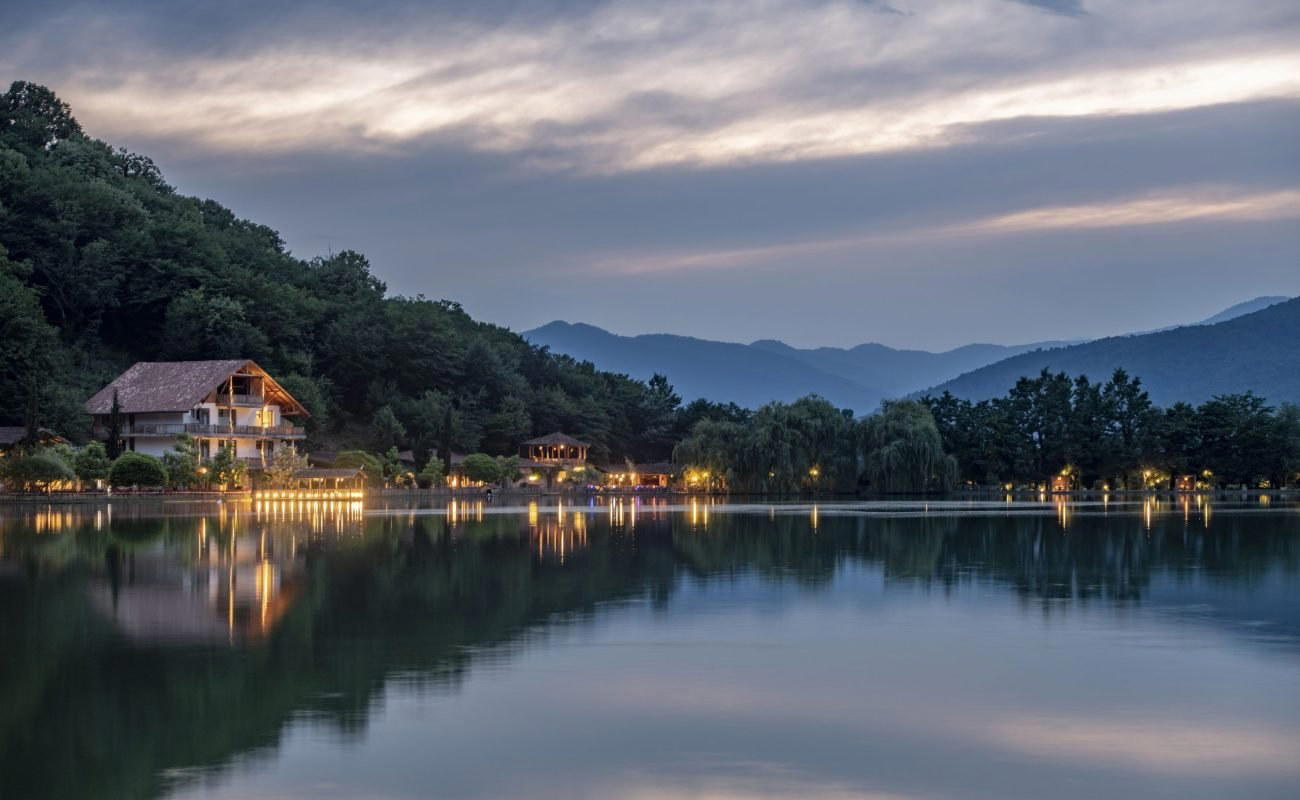
Signagi sits on a ridge above the Alazani plain, with the Greater Caucasus range filling the eastern horizon and vineyards running down to the valley floor below. The town's stone walls and watchtowers predate the modern Georgian wine industry by centuries, and arriving here — particularly in the cooler months when the light flattens across the plains — makes it easy to understand why Kakheti produces roughly three-quarters of Georgia's total wine output. This is not scenery deployed as backdrop. It is the agricultural logic that has shaped what gets planted, fermented, and drunk in this part of the South Caucasus for at least eight thousand years.
Pheasant's Tears Winery is a Modern Georgian restaurant and winery in Sighnaghi, Georgia, with a $35 per person price point. The winery is located in Signagi itself, making it one of the few producers in the region that places visitors directly inside the town rather than routing them to a rural estate. That proximity matters: the wines here are made from Georgian varieties that most Western drinkers have never encountered, and the setting provides context that a tasting room in an industrial zone cannot.
The Source Material: Grapes That Predate Bordeaux
The ingredient-sourcing story at Pheasant's Tears is inseparable from Georgia's position as one of the world's oldest wine-producing regions. Archaeological evidence places winemaking in the South Caucasus at roughly 6000 BCE, and Georgia's Vitis vinifera diversity reflects that span: the country is home to over five hundred documented grape varieties, the majority of them found nowhere else. Kakheti alone accounts for a disproportionate share of that genetic archive.
The winery works with autochthonous varieties including Rkatsiteli, Mtsvane, Kisi, and Khikhvi on the white and amber side, alongside red varieties that remain largely unknown to European and North American markets. These grapes are not curiosities retrieved from academic collections. They are cultivated in vineyards where the same varieties have grown continuously for generations, the rootstock and the soil in a relationship that has not been interrupted by phylloxera replanting on a scale comparable to what reshaped France, Italy, or Spain in the late nineteenth century.
Fermentation method reinforces the sourcing logic. Qvevri, the large egg-shaped clay vessels buried to their necks in the earth, are central to Kakhetian winemaking and central to what Pheasant's Tears produces. Fermenting and aging wine in qvevri is a UNESCO-recognised tradition, acknowledged in 2013 as an element of Georgia's intangible cultural heritage. The vessels regulate temperature through their contact with the surrounding soil, and extended skin contact during fermentation produces the amber wines that have drawn serious attention from the international natural wine community over the past decade. The result is not a wine style invented for a trend. It is a production method documented in Georgian monasteries and estates across a span of recorded history that dwarfs most European appellations.
Signagi as a Wine Town, Not Just a Wine Stop
Georgia's wine tourism has expanded considerably since the early 2010s, with Tbilisi functioning as the primary entry point and Kakheti receiving the bulk of regional visitors. Within Kakheti, the town of Telavi holds more producer volume and accommodation infrastructure, while Signagi appeals to a smaller, more deliberate traveller. The town is a UNESCO-designated historic settlement, and the combination of restored fortifications, eighteenth-century architecture, and direct vineyard access gives it a density of interest that larger wine towns sometimes lack.
Pheasant's Tears benefits from this context. Visitors arriving from Tbilisi, roughly a two-hour drive east along the main Kakheti highway, find a winery that functions as both producer and restaurant, meaning the wines are poured alongside food rather than in a clinical tasting-room format. This pairing orientation aligns with how Georgians have historically consumed their wines: at the table, during meals, as part of the supra tradition where toasting and eating are inseparable rituals. Elsewhere in Georgia's dining scene, venues like Doli in Telavi and Schuchman Wines Chateau in Telavi operate on similar producer-plus-table models, though each reflects a different point on the spectrum between tradition and contemporary presentation.
Sazandari in Batumi represents Adjaran coastal cooking, while Chops By The River in Tbilisi sits at the capital's more international end of the dining spectrum. The Sisters restaurant in Kutaisi and Gazaphkhuli in Chiatura reflect how regional cooking varies considerably once you move west across the country.
The Natural Wine comparable set
Georgia's amber and natural wines now occupy a recognised tier within the international low-intervention wine conversation. Producers from Kakheti appear regularly on lists alongside Georgian counterparts from Kartli and Imereti, and the country's winemakers have developed consistent relationships with importers in France, Japan, the United States, and Scandinavia. The wines move through specialist channels that also carry producers from the Jura, Beaujolais, and the Canary Islands, and are poured in natural-wine-focused restaurants in cities where consumers already understand the amber category.
That international positioning does not detach the winery from its Kakhetian context. The commitment to site-specific grapes and traditional fermentation vessels places it firmly within the Georgian school rather than in the broader European natural-wine movement, which tends to adapt conventional varieties toward lower-intervention methods. The distinction matters for what ends up in the glass: these are wines that taste specifically of where they come from, in a way that requires some openness from first-time drinkers accustomed to international varietals.
Planning a Visit
Signagi is accessible by marshrutka from Tbilisi's Samgori station, with journey times typically around two hours depending on the service. Driving allows more flexibility to explore the surrounding vineyards and villages, and the road from Tbilisi through Gurjaani and Tsiteli Tskaro passes through the agricultural heart of Kakheti. The winery's address places it within the town walls, walkable from the main square. A reservation is recommended. Harvest season brings producers and visitors into the same spaces simultaneously, which adds energy but also reduces availability.
Comparable Venues
Comparable venues nearby, for context on price, style, and recognition.
| Venue | Cuisine | Price | Notes |
|---|---|---|---|
| Pheasant's Tears WineryThis venue — the venue you are viewing | Modern Georgian | $$$ | Not listed |
| Café Littera | Modern Georgian Fusion | $$$ | Tbilisi |
| Shemomechama old Tbilisi | Traditional Georgian Khinkali House | $$ | Tbilisi |
| BIOLI HALL | Georgian Wellness | $$$ | Gardabani |
| OtsY | Modern Georgian | $$$ | Tbilisi |
| Ghumeli | Traditional Georgian | $$ | Tbilisi |
Recognition history
Dated appearances from independent guides and award organizations, with the underlying list record or original source where available.
Falstaff Winery - Listed
Falstaff
Continue exploring
More in Signagi
Restaurants in Signagi
Browse all →
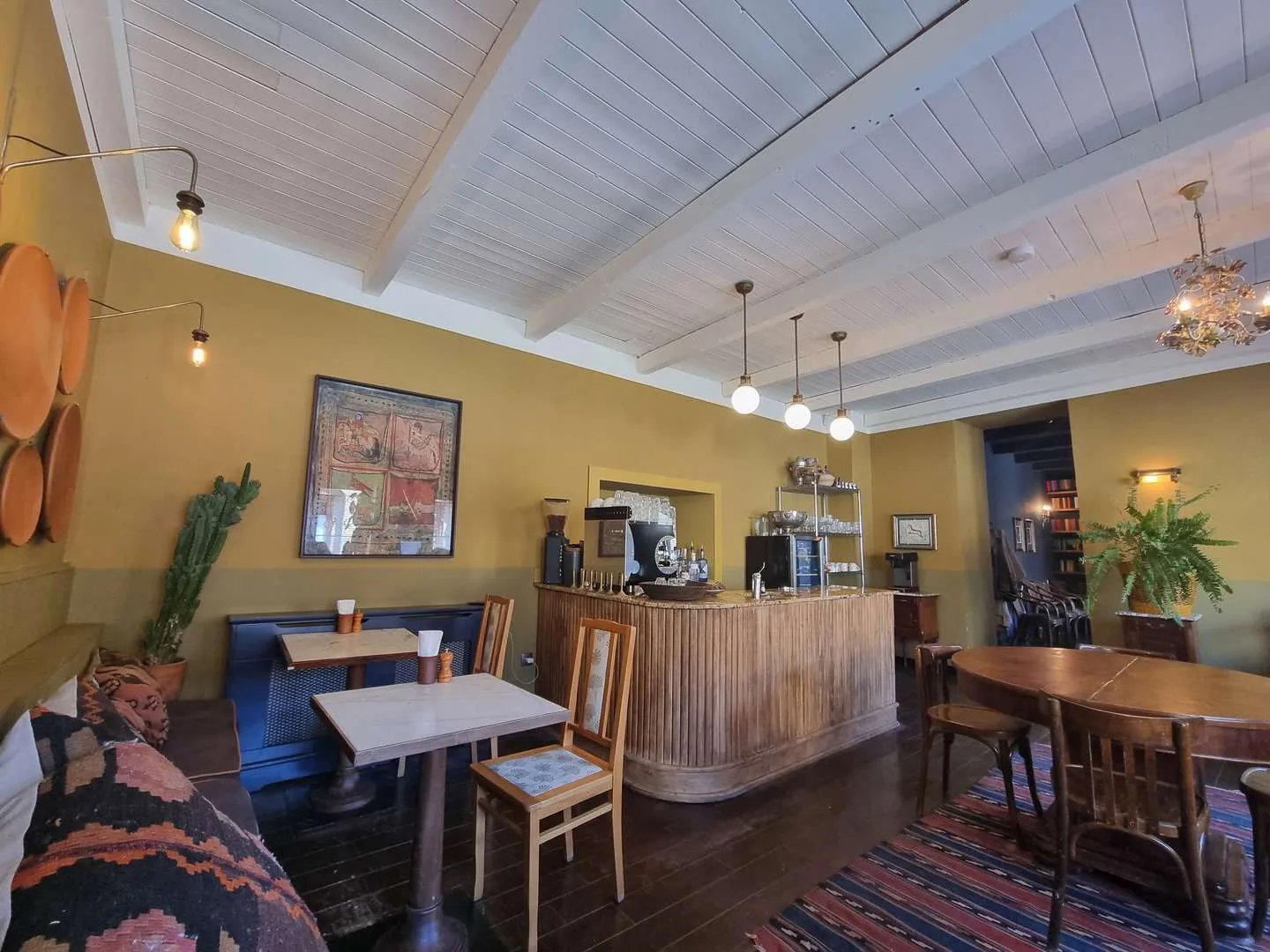
Bars in Signagi
Browse all →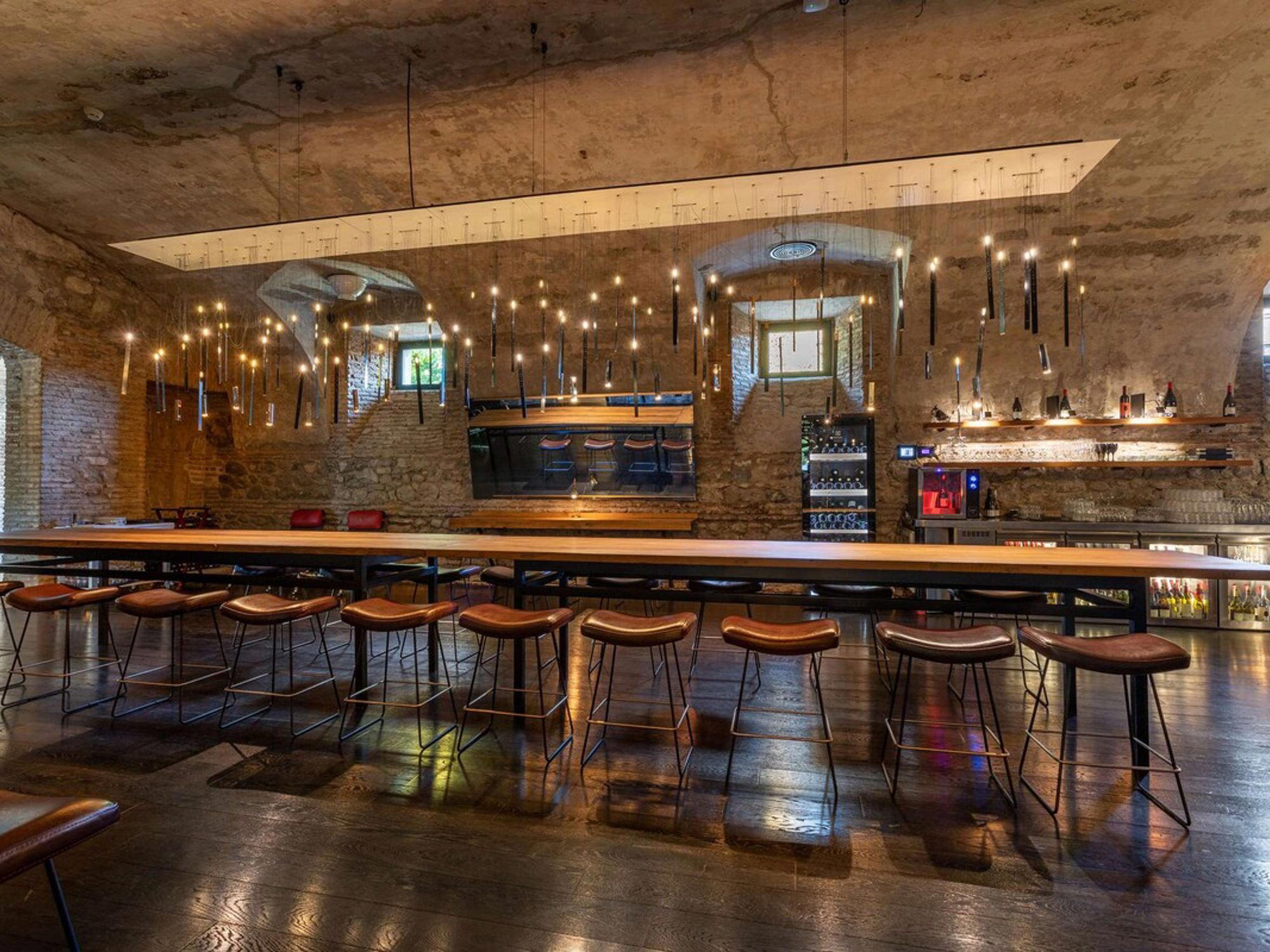
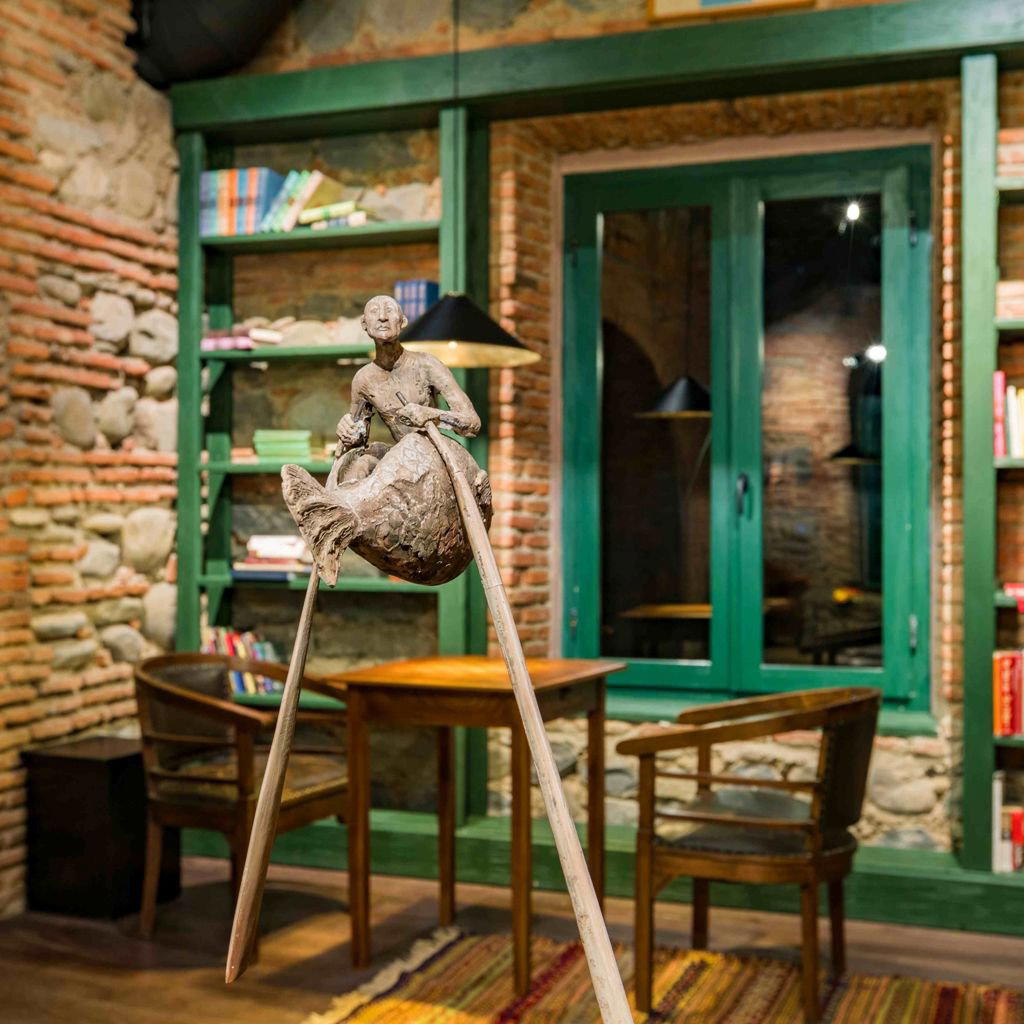
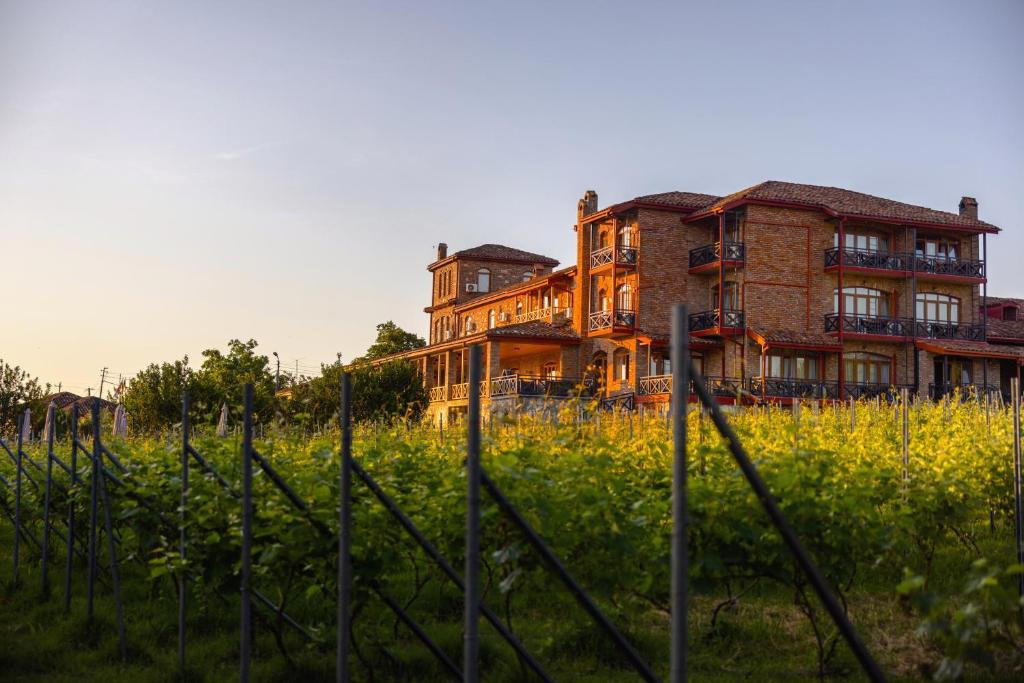
Hotels in Signagi
Browse all →

At a Glance
- Rustic
- Cozy
- Scenic
- Intimate
- Special Occasion
- Group Dining
- Date Night
- Wine Cellar
- Garden
- Courtyard
- Terrace
- Extensive Wine List
- Natural Wine
- Sommelier Led
- Local Sourcing
- Organic
- Farm To Table
- Vineyard
- Mountain
Current opening hours
- Monday
- 12–11 PM
- Tuesday
- 12–11 PM
- Wednesday
- 12–11 PM
- Thursday
- 12–11 PM
- Friday
- 12–11 PM
- Saturday
- 12–11 PM
- Sunday
- 12–11 PM
Hours can change for holidays and private events. Last verified .
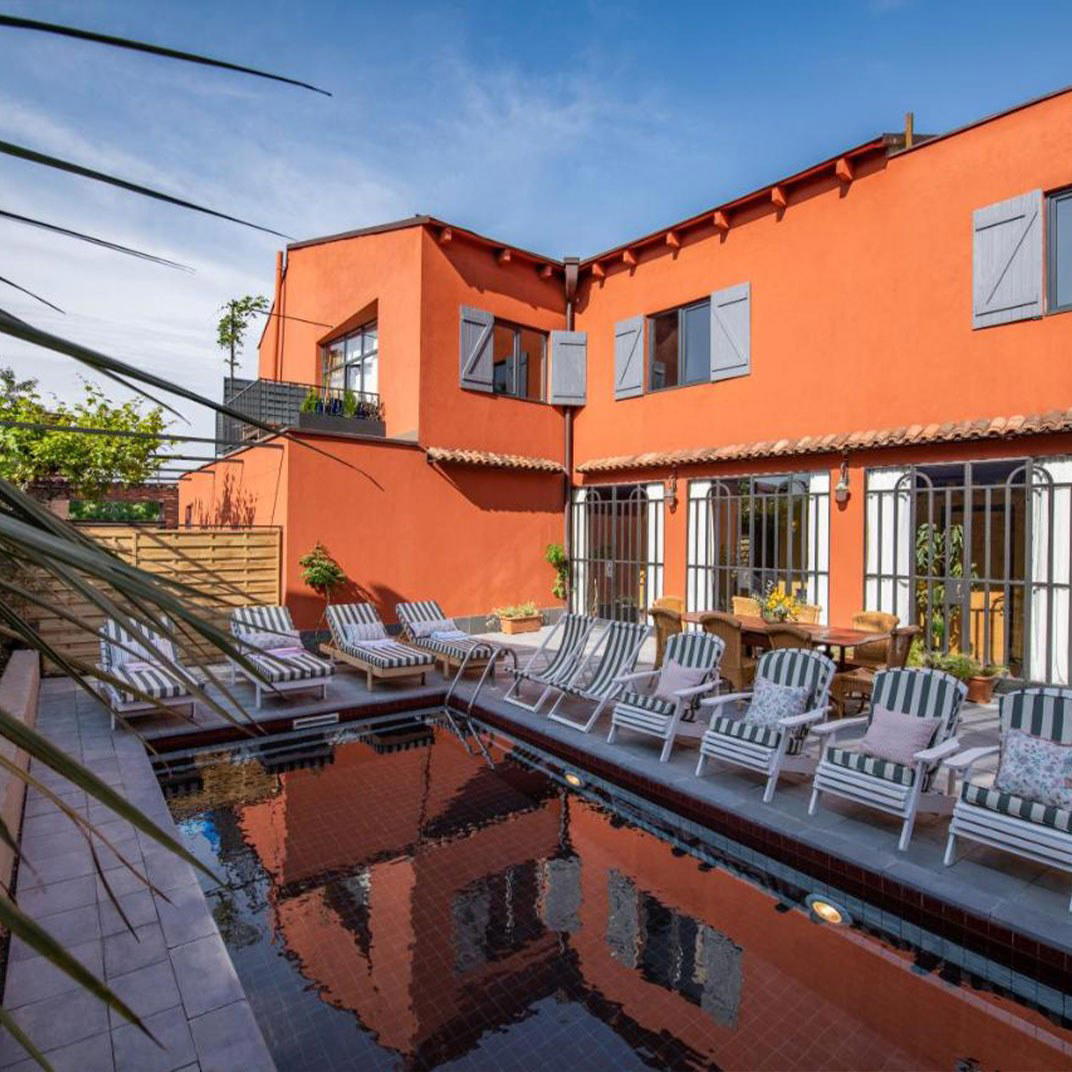
Warm, inviting spaces with cozy themed rooms, brick-lined wine cellar, courtyard garden seating, and convivial atmosphere filled with conversation and Georgian hospitality.