
On Cholokashvili Street in the heart of Telavi, Doli occupies a place at the intersection of Kakheti's wine culture and traditional Georgian hospitality. Wooden interiors, clay vessels, and an extensive regional wine list make it a reference point for visitors navigating Georgia's wine capital. The kitchen draws on the agricultural abundance of the Alazani Valley, keeping the cooking grounded in the season and the soil.
Pearl is the En Primeur Club membership app — saves, bookings, and concierge access live there. Same editors, same standards.
- Address
- Cholokashvili Street 11 Telavi, 2200, Georgia
- Phone
- +995 32 256 08 56
- Website
- dolirestaurant.com
- Directions
- Get directions
 Saves & bookings on Pearl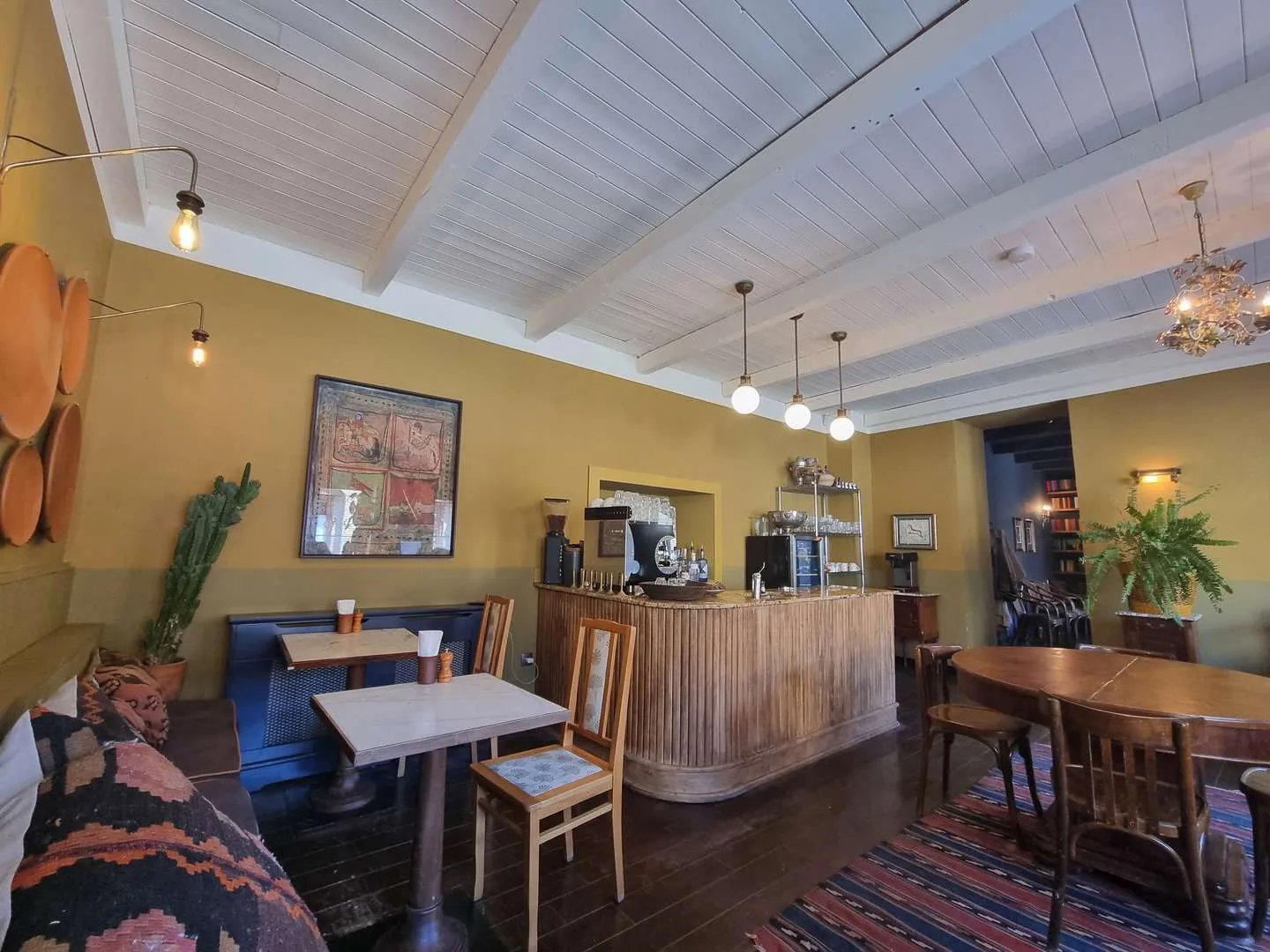
Where the Alazani Valley Comes to the Table
Telavi sits at roughly 500 metres above sea level in the Alazani Valley, flanked by the Greater Caucasus to the north and the vine-covered slopes that produce some of Georgia's most sought-after Rkatsiteli and Saperavi. The town is the administrative and cultural centre of Kakheti, the region that accounts for the majority of Georgia's wine output and a cuisine shaped by centuries of agricultural self-sufficiency. When a restaurant in Telavi earns consistent recognition, it is usually because it has learned to work with that terroir rather than around it. Doli, at Cholokashvili Street 11, operates in exactly that register.
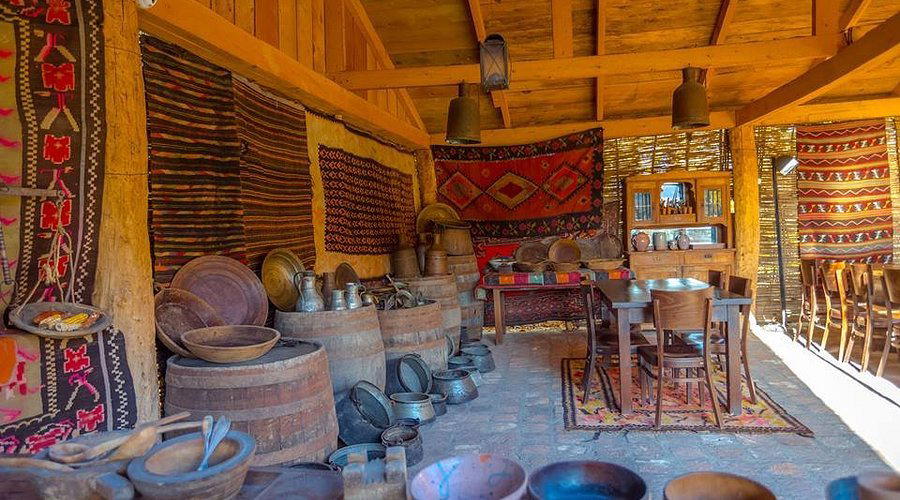
The physical environment signals the approach before a dish arrives. Wooden construction and clay vessels, the same earthenware forms used in Kakhetian households and the qvevri cellars that dot the region, set a visual grammar that has nothing to do with decorative nostalgia. Clay is a functional material in Georgian winemaking and food storage, and its presence inside Doli connects the dining room to the broader agricultural cycle of the valley. That context matters: in a region where winemaking in buried clay amphora predates recorded European viticulture by several thousand years, the choice to foreground those materials is a statement of culinary allegiance.
Kakheti's Kitchen and What It Actually Tastes Like
Georgian cuisine in the Kakhetian tradition is more austere than the walnut-heavy, herb-saturated dishes associated with western Georgia. The cooking here draws on what the valley produces: lamb and beef from highland pastures, cheese from the Tusheti plateau to the north, vegetables from kitchen gardens that have been cultivated across the same families for generations. Bread baked in a tone oven, the cylindrical clay structure whose design has remained essentially unchanged for millennia, anchors meals with a weight and char that commercial baking cannot replicate.
The ingredient sourcing framework that defines the region's leading tables is one of proximity and seasonality rather than luxury procurement. A spring table in Telavi might centre on fresh tkemali, the wild plum condiment pressed from sour fruit harvested in the surrounding forests, alongside jonjoli, the pickled bladdernut shoots that appear briefly each year and are preserved for later months. Autumn brings dried fruit, churchkhela (the walnut-and-grape-must confection that doubles as a caloric staple for travellers in the mountains), and the first pressed juices from the harvest. Doli's positioning within this tradition, reinforced by its noted authentic Georgian ambience and extensive wine selection, places it among the establishments in Telavi where the kitchen and the cellar are drawing from the same source.
For visitors accustomed to restaurants in Tbilisi's more experimental dining scene, such as Barbarestan in Tbilisi, which works from 19th-century recipe archives to reconstruct forgotten Georgian dishes, Doli represents a different but equally considered approach. Where Barbarestan performs culinary archaeology, restaurants in Telavi's wine capital tend to maintain a living continuity with the same cooking methods that have sustained the region across generations of harvest cycles.
The Wine Dimension: Kakheti as Origin, Not Branding
An extensive wine selection in Telavi carries different implications than the same claim in a city restaurant. Kakheti produces both conventional European-style wines and amber wines, the extended skin-contact whites made in qvevri that have attracted international attention over the past two decades. The latter are not a trend in this region; they are the baseline. Establishments in Telavi with serious wine programs typically carry producers from the immediate Alazani Valley floor as well as the higher-altitude villages of the Gombori range, where cooler conditions produce wines with different structural profiles.
Georgia's wine renaissance has brought outside attention to a practice that never actually stopped. Unlike the natural wine movement in France or Italy, which represents a deliberate return to pre-industrial methods, Kakhetian qvevri production in village settings simply continued through the Soviet period in domestic cellars, emerging after 1991 as an intact tradition rather than a reconstructed one. A wine list in Telavi that takes this seriously will include small-production village wines alongside the larger commercial operations, and the distinction matters to anyone who has spent time understanding what the region can actually produce.
For readers building a broader picture of Georgia's culinary and vinous geography, our full Telavi wineries guide maps the production landscape in detail. The full Telavi restaurants guide provides comparative context across the town's dining options, and the Telavi experiences guide covers cellar visits and harvest-season programming that pair naturally with a meal at an establishment like Doli.
Placing Doli in the Broader Georgian Dining Conversation
Georgia's restaurant sector has matured considerably since the early 2010s, when international interest in qvevri wines began drawing food writers and sommeliers to Kakheti in numbers that the region had not seen before. That attention produced two distinct outcomes: a cluster of destination restaurants in Tbilisi oriented toward international visitors, and a quieter consolidation of quality in the wine regions themselves, where restaurants serving travelling wine buyers and domestic tourists developed more rigorous standards. Doli's sustained recognition in Telavi places it in the latter category.
For comparative reference, it is worth noting that Georgia's most discussed urban restaurants, from the recipe-archive approach of Barbarestan to the contemporary Georgian-fusion format of Café Littera in Tbilisi, operate within a different frame than a regional establishment in Kakheti. The comparison with Sisters in Kutaisi, western Georgia's most referenced dining address, is more instructive: both operate in secondary cities with distinct regional culinary identities, and both have built reputations that draw visitors from Tbilisi specifically to experience cooking that cannot be replicated in the capital.
The gulf between these regional Georgian tables and destination restaurants elsewhere, say Arzak in San Sebastián or Arpège in Paris, is one of context and intention rather than quality hierarchy. Those kitchens operate within frameworks of formal innovation and awards competition. A Kakhetian restaurant operating from inherited agricultural tradition is making a different argument about what cooking is for, and Telavi is one of the few places in the Caucasus where that argument is made with enough consistency to be worth a detour.
Planning Your Visit
Doli is located at Cholokashvili Street 11 in central Telavi, within walking distance of the town's main square and the 18th-century Batonis Tsikhe fortress. Telavi is approximately 150 kilometres from Tbilisi via the Georgian Military Highway alternative route through Gombori Pass, a drive of roughly two to two and a half hours depending on conditions. The Gombori road closes or becomes difficult in winter snow, and the lower Kvareli route adds time but remains passable year-round. The harvest period, roughly late September through October, is the highest-demand window in Kakheti, when cellar visits, rtveli (harvest) participation, and restaurant tables all require advance planning. Booking ahead during this period is advisable. For accommodation, our Telavi hotels guide covers the town's main options, and the Telavi bars guide maps where the wine conversation continues after dinner.
How Doli Telavi compares with similar nearby venues.
| Venue | Awards |
|---|---|
| Doli | Star Wine List (2026) |
Recognition history
Dated appearances from independent guides and award organizations, with the underlying list record or original source where available.
Star Wine List
Star Wine List
Continue exploring
More in Telavi
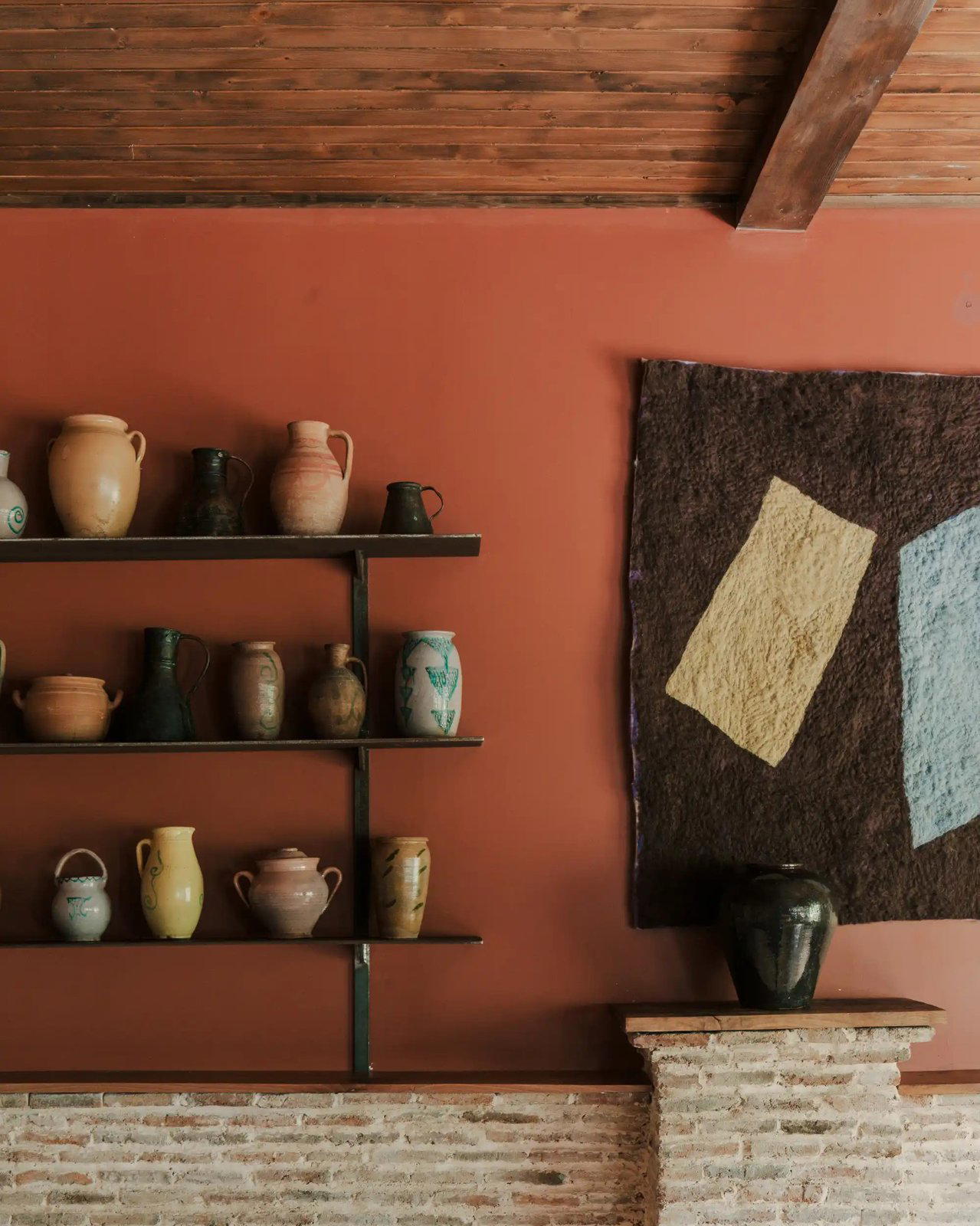
Restaurants in Telavi
Browse all →
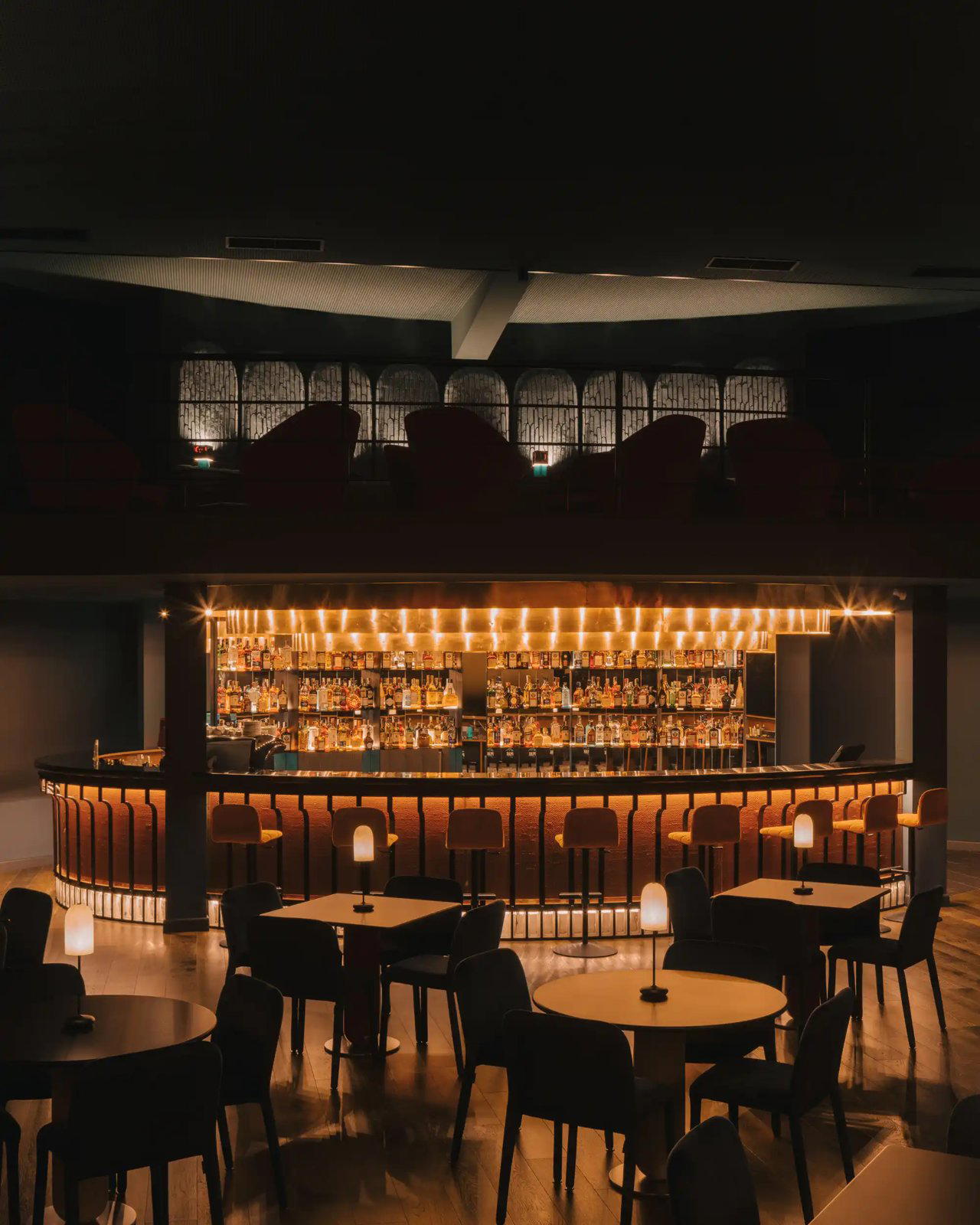
Bars in Telavi
Browse all →
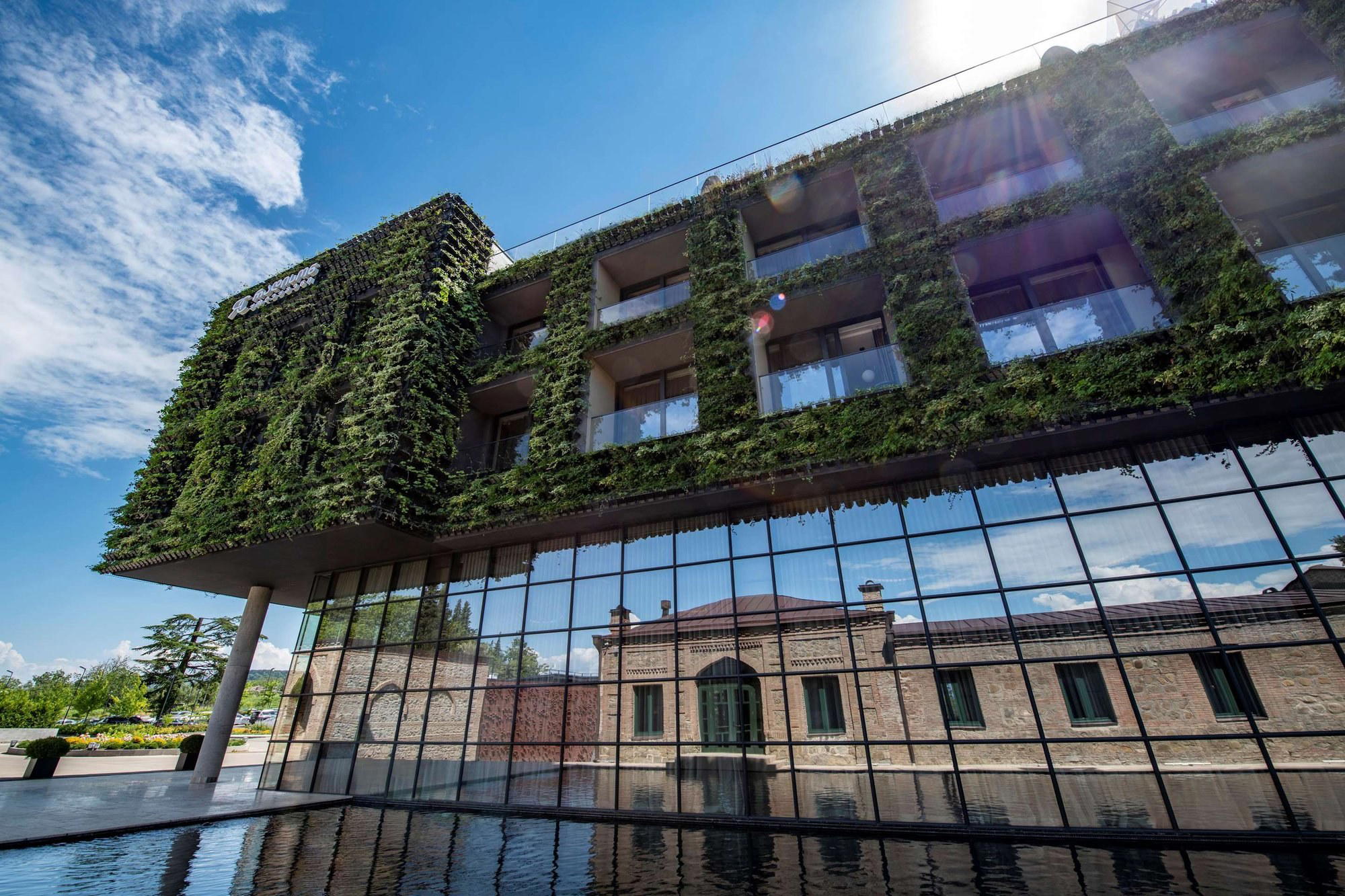
Hotels in Telavi
Browse all →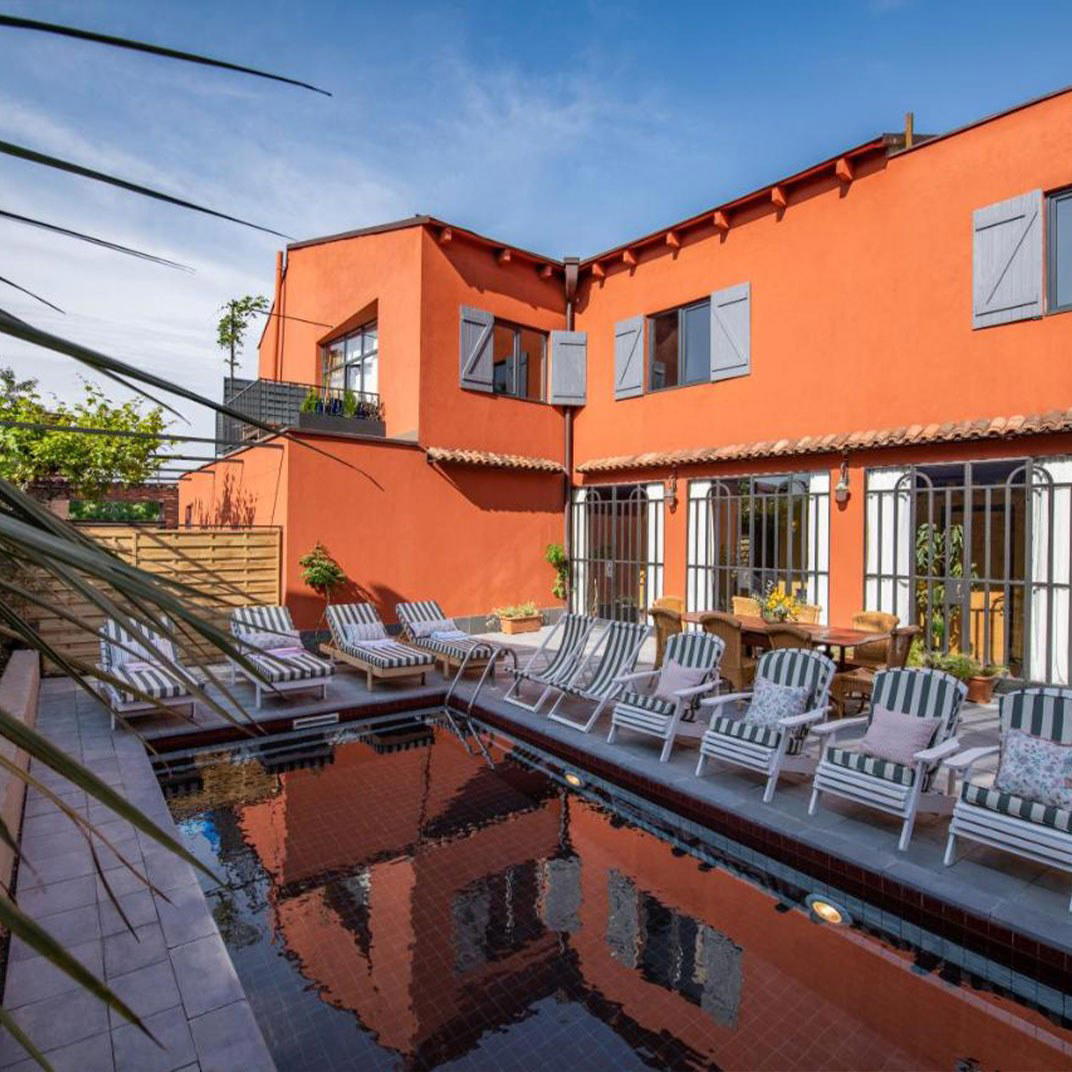

At a Glance
- Cozy
- Rustic
- Intimate
- Family
- Date Night
- Casual Hangout
- Open Kitchen
- Natural Wine
Current opening hours
- Monday
- 2–11 PM
- Tuesday
- 2–11 PM
- Wednesday
- 2–11 PM
- Thursday
- 2–11 PM
- Friday
- 2–11 PM
- Saturday
- 2–11 PM
- Sunday
- 2–11 PM
Hours can change for holidays and private events. Last verified .
Cozy, home-like space with wooden and clay interior creating authentic Georgian ambience, described as quiet, relaxing, and charming.
Know Before You Go
- Getting there
- Cholokashvili Street 11 Telavi, 2200, Georgia