Google: 4.6 · 1,919 reviews
On Tchorokhi Street in Tbilisi, Chveni operates within a city that has become one of Europe's most compelling dining destinations, where Georgian culinary traditions are being interrogated and reinterpreted with serious intent. The restaurant draws on the country's deep culture of ingredient provenance, sitting in a neighbourhood where old recipes and new technique converge on the same table.
 Discover on Pearl
Pearl is the En Primeur Club membership app — saves, bookings, and concierge access live there. Same editors, same standards.
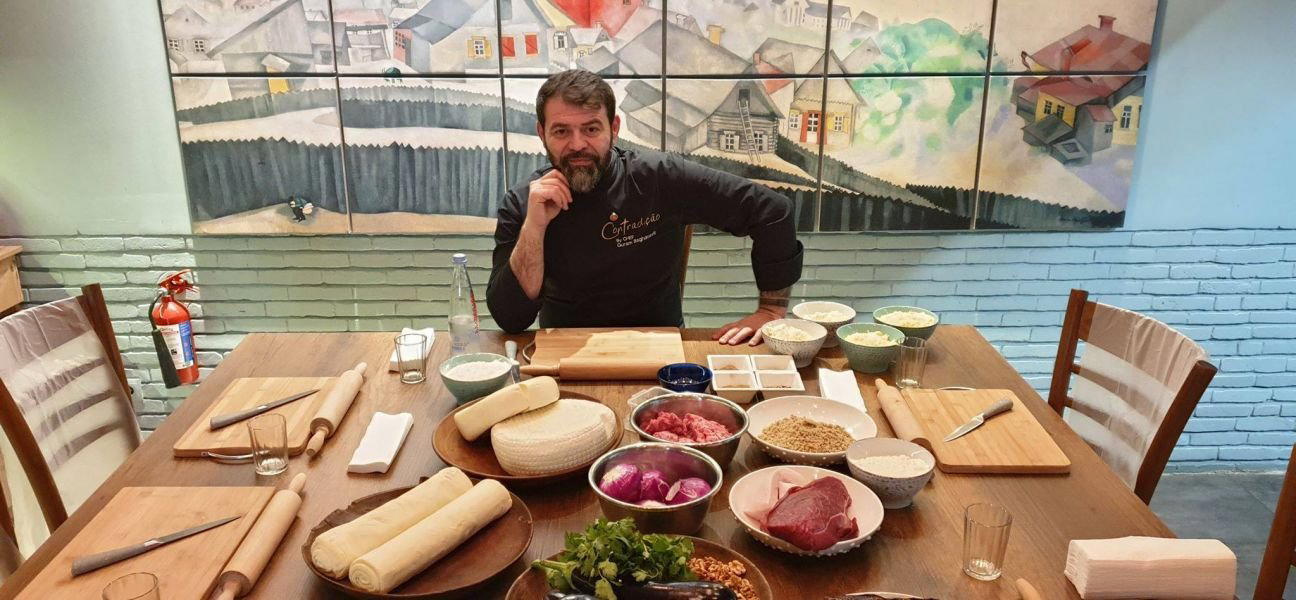
Tbilisi's Ingredient-First Dining Movement
Georgian cooking has always been grounded in provenance — the walnut paste in satsivi traced to specific orchards, the tkemali sourced from wild plum thickets in the hills above the Mtkvari valley, the churchkhela hanging in market stalls made from grape must pressed in a particular village. What has changed in Tbilisi over the last decade is who is paying attention to that chain of provenance, and what they are doing with it in a professional kitchen. The city's more considered restaurants have moved away from the tourist-facing version of Georgian cuisine — abundant, generous, but often made with anonymous ingredients , toward a model where sourcing is the editorial statement the menu makes before any dish arrives at the table.
Chveni, at 8 Tchorokhi Street, occupies this newer tier. The address places it in the fabric of the city rather than on the main tourist corridors, and that geography is part of its character. Restaurants in this position tend to build their clientele from residents and informed visitors rather than passing foot traffic, which generally means the kitchen is not simplifying the cooking for unfamiliar palates. The room operates on its own terms, and guests arrive having already decided they want what it offers.
Where Georgian Sourcing Becomes the Menu
Georgia's food culture is inseparable from its agricultural calendar. The country's eastern Kakheti region, home to the amber wine tradition that has drawn international attention since the early 2000s, also produces some of the Caucasus's most characterful vegetables, grains, and livestock. Restaurants in Tbilisi that take sourcing seriously tend to maintain direct relationships with Kakheti producers , not as a marketing claim, but as a practical necessity, because the difference between industrially farmed and small-plot Georgian ingredients is significant enough to register on the plate.
This is the context in which Chveni's approach reads most clearly. Georgian cuisine at its most disciplined treats the ingredient as the argument: the herb combination in a walnut-stuffed pepper, the fat content of a specific sheep's cheese, the age of a maturing churchkhela, the acidity of a hand-pressed fruit paste. These are not interchangeable variables. The restaurants that understand this , Barbarestan, which built its identity around a 19th-century cookbook and the ingredients those recipes required, and Azarphesha, which works within a similar register of archival Georgian culinary tradition , have demonstrated that ingredient provenance is not a niche concern but the foundation of serious Georgian cooking in this city.
Chveni sits within that broader movement. Its address in Tbilisi's quieter residential-commercial mix suggests a kitchen that is not positioning itself as a showpiece, but as a place where the work of sourcing and preparation is the point. For visitors approaching from outside Georgia, that distinction matters: it is the difference between eating Georgian food and understanding it.
Tbilisi's Dining Scene and Where Chveni Fits
Tbilisi has developed a restaurant culture that is more layered than its reputation as a cheap and cheerful destination might suggest. The city now supports several distinct tiers: the tourist-facing khinkali houses around the Old Town, the mid-range spots around Vera and Vake that serve a reliable version of Georgian classics, and a smaller cohort of restaurants where provenance, technique, and format are being handled at a more demanding level. Chveni belongs to the last group, alongside venues like Alubali and ATI, which have each staked out their own position within Tbilisi's more considered dining tier.
For context on the wider Georgian food geography, the ingredient-first approach visible in Tbilisi's better restaurants has parallels across the country. Pheasant's Tears Winery in Signagi has built its entire proposition around the relationship between Kakheti's small-plot viticulture and its food culture. Doli in Telavi and Sazandari in Batumi represent the same discipline applied in different regional contexts , Kakheti's wine country and Adjara's Black Sea coast, respectively. The thread connecting them is an insistence that Georgian ingredients, handled with specificity, do not need to be simplified to be compelling. Chveni, from its Tchorokhi Street address, is part of that same argument made within the capital.
Elsewhere in Georgia, Sisters in Kutaisi and Gazaphkhuli in Chiatura extend that regional conversation into the west of the country, while Schuchman Wines Chateau in Telavi and Crowne Plaza Borjomi represent the hospitality infrastructure that supports serious food tourism across Georgian regions.
Planning a Visit
Chveni is located at 8 Tchorokhi Street in Tbilisi. Because the venue's phone and website details are not publicly confirmed, the most reliable booking approach for first-time visitors is to contact through local concierge networks or to visit in person, particularly if dining outside peak weekend hours when walk-in availability tends to be more flexible. Tbilisi restaurants in this tier generally operate without the months-long lead times of equivalent venues in Western European capitals, but the city's dining scene has grown substantially in international visibility, and arriving without any advance contact on a busy Friday or Saturday carries risk. Timing a visit for mid-week, or during the late afternoon before the dinner service builds, remains the more dependable approach.
For visitors building a Tbilisi itinerary around serious eating, Akura San offers a useful contrast point , it operates in a different culinary register but speaks to the same appetite for precision that the city's better restaurants now share. Our full Tbilisi restaurants guide maps the city's dining tiers in detail.
Georgia's dining season peaks between May and October, when the agricultural supply chain is most active and the terraces that define much of Tbilisi's eating culture are in operation. Autumn is particularly relevant for ingredient-focused restaurants: the grape harvest, walnut season, and the end of summer produce overlap in September and October in ways that tend to be visible on menus in the city's more serious kitchens. Visitors with flexibility should weight their timing toward that window.
Peers in This Market
Comparable venues for orientation, based on our database fields.
| Venue | Cuisine | Price | Notes |
|---|---|---|---|
| Chveni | This venue | ||
| Café Littera | Georgian Fusion | Georgian Fusion | |
| Alubali | |||
| Azarphesha | |||
| Barbarestan | |||
| Craft Wine Restaurant |
Continue exploring
More in Tbilisi
Restaurants in Tbilisi
Browse all →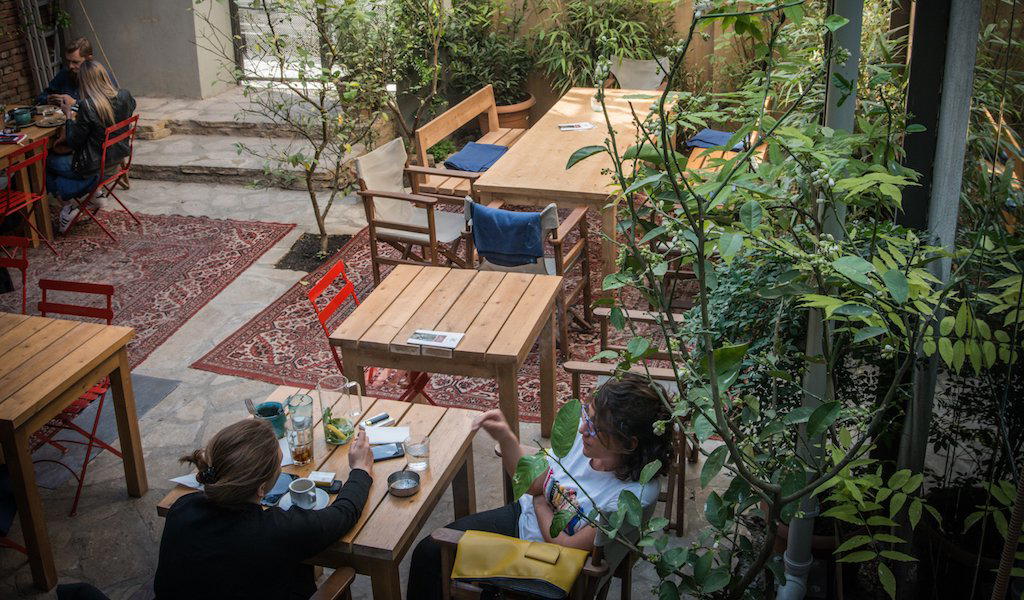
Bars in Tbilisi
Browse all →
Hotels in Tbilisi
Browse all →


Wineries in Tbilisi
Browse all →
At a Glance
- Trendy
- Modern
- Date Night
- Casual Hangout
- Group Dining
- Garden
- Extensive Wine List
- Local Sourcing
- Garden
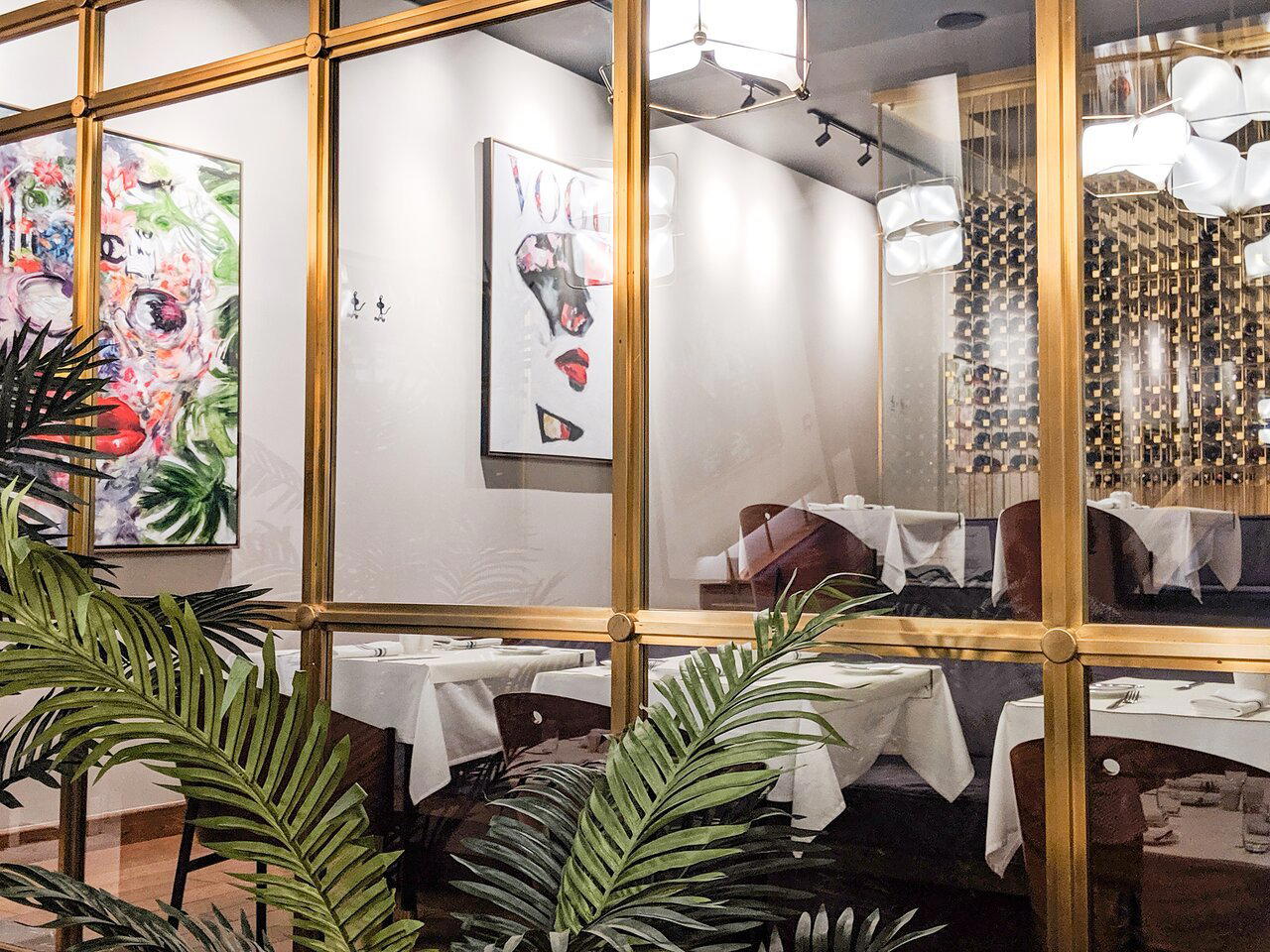
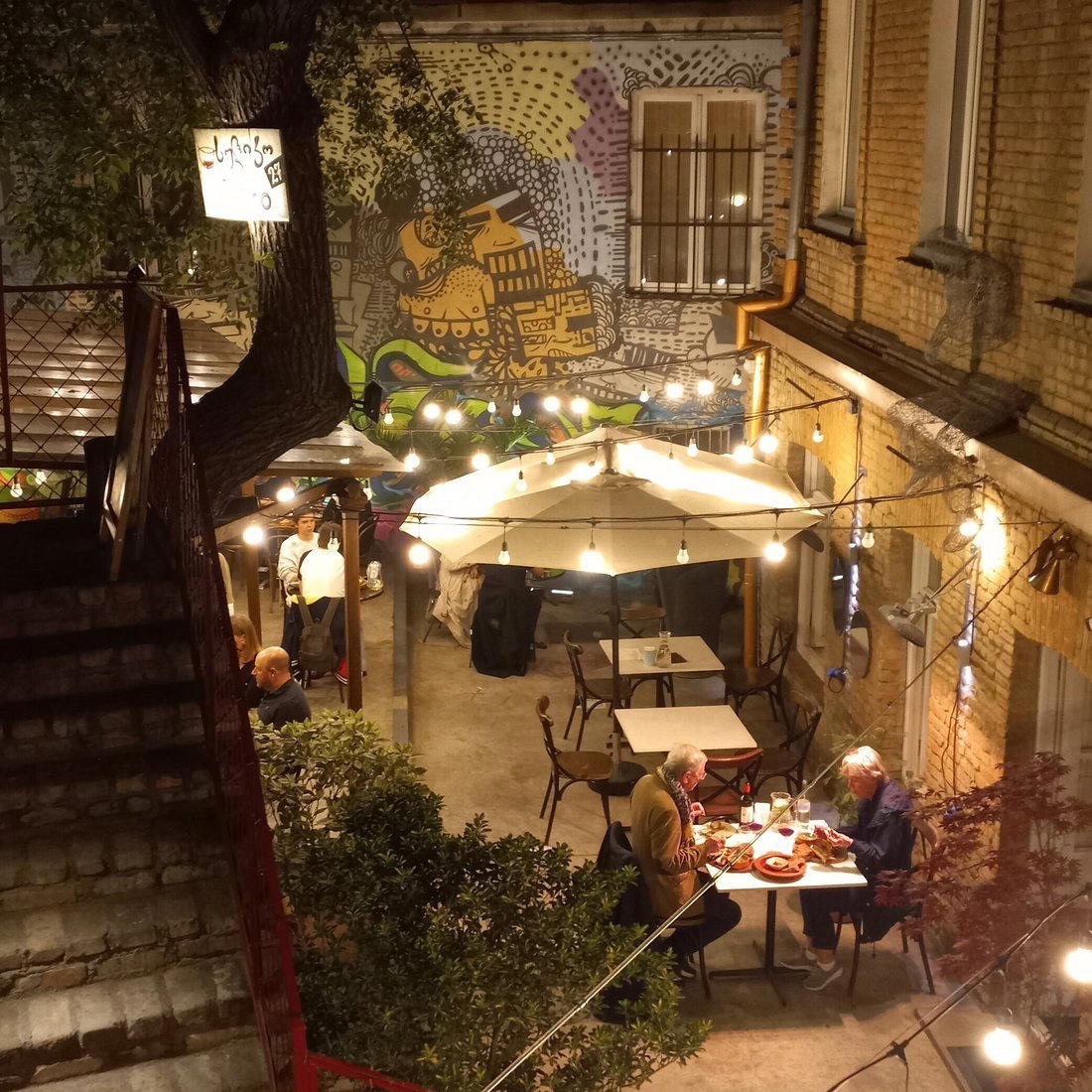
Relaxing garden seating with eclectic interior decor creating a trendy and modern atmosphere.