


A converted 1930s publishing house on Merab Kostava Street, Stamba occupies a distinct position in Tbilisi's boutique hotel movement: 42 rooms dressed in leather, brass, and weathered textures, with trees growing through a five-storey central atrium. Scored 93.5 points on La Liste Top Hotels 2026 and priced from $321 per night, it draws an equal mix of international travellers and local regulars to Café Stamba and the Pink Bar.
Pearl is the En Primeur Club membership app — saves, bookings, and concierge access live there. Same editors, same standards.
- Address
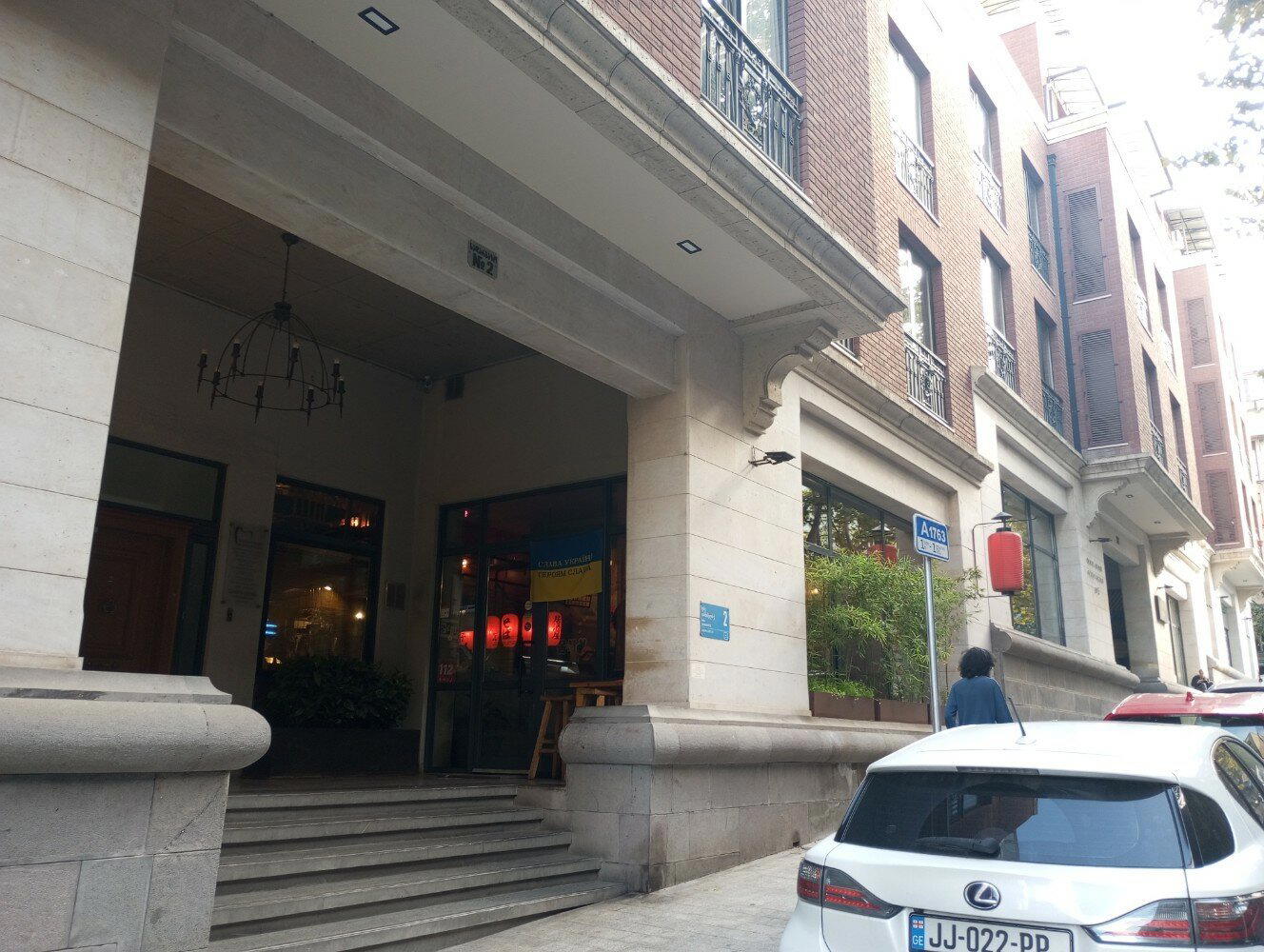
- 14, 0108 Merab Kostava St, T'bilisi
- Phone
- +995 32 202 11 99
- Website
- stambahotel.com
- Directions
- Get directions
 Saves & bookings on Pearl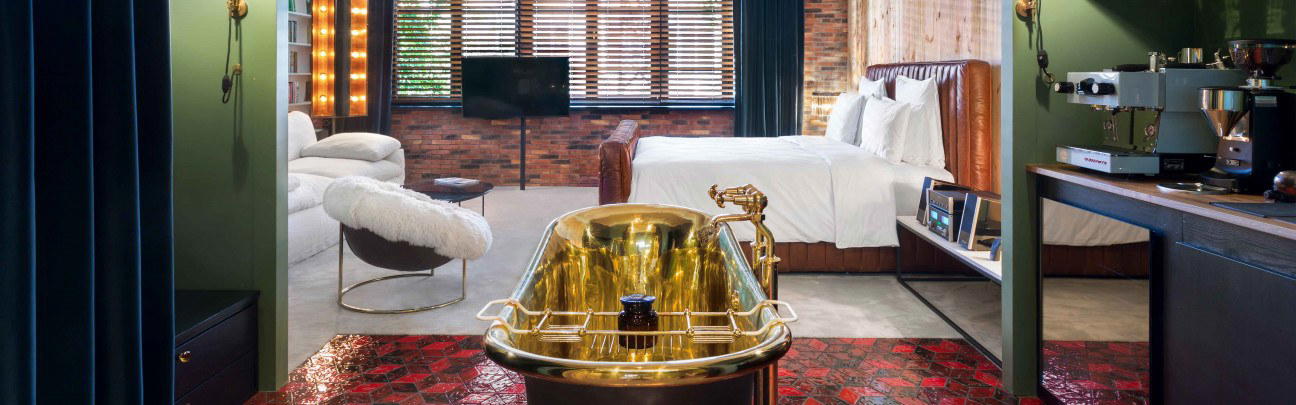
A Publishing House Becomes a Hotel
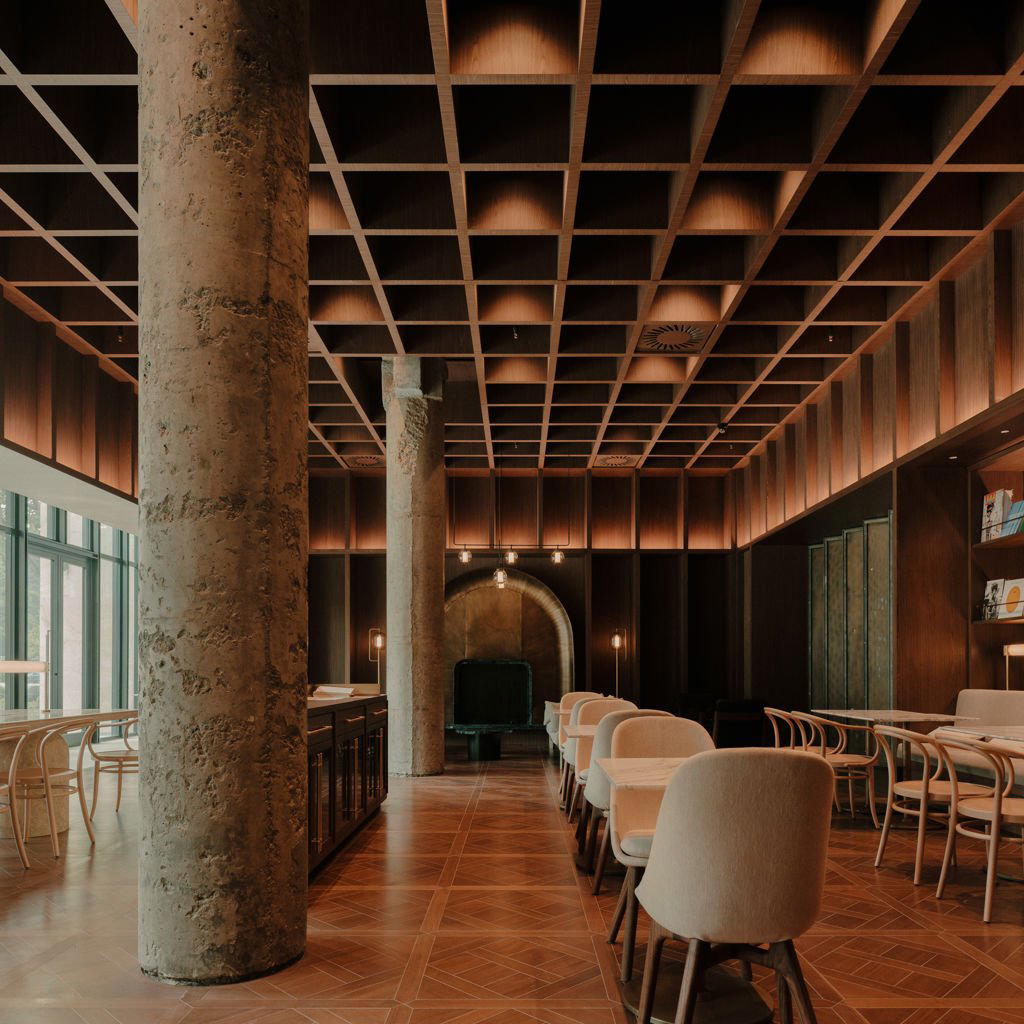
On Merab Kostava Street, one of central Tbilisi's main arteries, a 1930s building that once housed one of Georgia's most prominent publishing houses now operates as a hotel. The shift in function has not erased the building's character. The post-industrial patina of the original structure remains the dominant aesthetic register: high ceilings, exposed concrete, the kind of proportional generosity that Soviet-era civic buildings occasionally achieved before function overtook form. Walking in from the street, the scale asserts itself immediately. The five-storey central atrium stretches upward, and full-grown trees rise through it, their canopies reaching toward the skylight above. It is an arresting piece of interior design that stops repeat visitors as reliably as first-timers.
That atrium is also the clearest expression of Stamba's editorial premise as a building. Rather than erasing the publishing house's history, or dressing it in generic luxury finishes, the hotel's design works with the existing architecture to create something that feels specific to this city and this block. Tbilisi's boutique hotel sector has grown sharply in the past decade, and the question that defines the more interesting entries in that sector is whether a property earns its identity from its address or imports one from elsewhere. Stamba earns its identity from its address.
The Heritage Architecture as Competitive Advantage
When the first boutique hotel opened in Tbilisi, it registered as a novelty. When the second followed, it looked like the beginning of a pattern. By the time Stamba arrived as the upscale sister property to the well-established Rooms Hotel Tbilisi, the pattern had become a movement. The Georgian capital had spent years positioning itself as a destination for travellers who wanted a city with genuine texture: pre-war architecture alongside Soviet modernism, a wine culture that predates most European traditions by several millennia, and a restaurant and bar scene that has developed enough confidence to stop imitating other cities.
Stamba sits near the best of that boutique tier. The La Liste Leading Hotels 2026 rating of 93.5 points places it in a peer bracket that includes properties with far more marketing infrastructure and longer operational histories. For context, La Liste aggregates critical data from multiple evaluation sources across more than 1,000 hotels globally; a 93.5-point score positions Stamba alongside properties at Badrutt's Palace Hotel in St. Moritz, Aman Venice, and Cheval Blanc Paris in the broader conversation about where to stay — even if the price point, from $321 per night, is substantially lower than most of those comparisons. That gap between recognition and rate is unusual and worth noting for anyone tracking value in the premium travel tier.
42 Rooms and the Logic of Restraint
The 42-room count is a considered constraint. Boutique hotels in cities experiencing rapid tourism growth often face pressure to expand, and the properties that resist that pressure tend to maintain a more coherent identity over time. At 42 keys, Stamba operates in the same scale bracket as smaller design-led properties in cities like Venice or Kyoto, where limited inventory is part of the proposition rather than a limitation of it. The rooms themselves commit fully to a retro register: leather headboards, brass fixtures, textures that read as intentionally aged rather than expensively distressed. The aesthetic is confident without being ostentatious, which is the harder balance to achieve.
Among Tbilisi's comparable offerings, including The Biltmore Hotel Tbilisi, Paragraph Freedom Square, a Luxury Collection Hotel, and Golden Tulip Design Tbilisi, Stamba occupies the design-led independent niche rather than the international-brand niche. That means the experience is more contingent on the building and the programming than on a global standard, which is both the risk and the reward. Other Tbilisi independents worth considering in the same search include Communal Sololaki Hotel, Fabrika Tbilisi, The Blue Fox Hotel, and The Telegraph Hotel, each working from a different architectural or neighbourhood premise.
The Public Spaces as Urban Destination
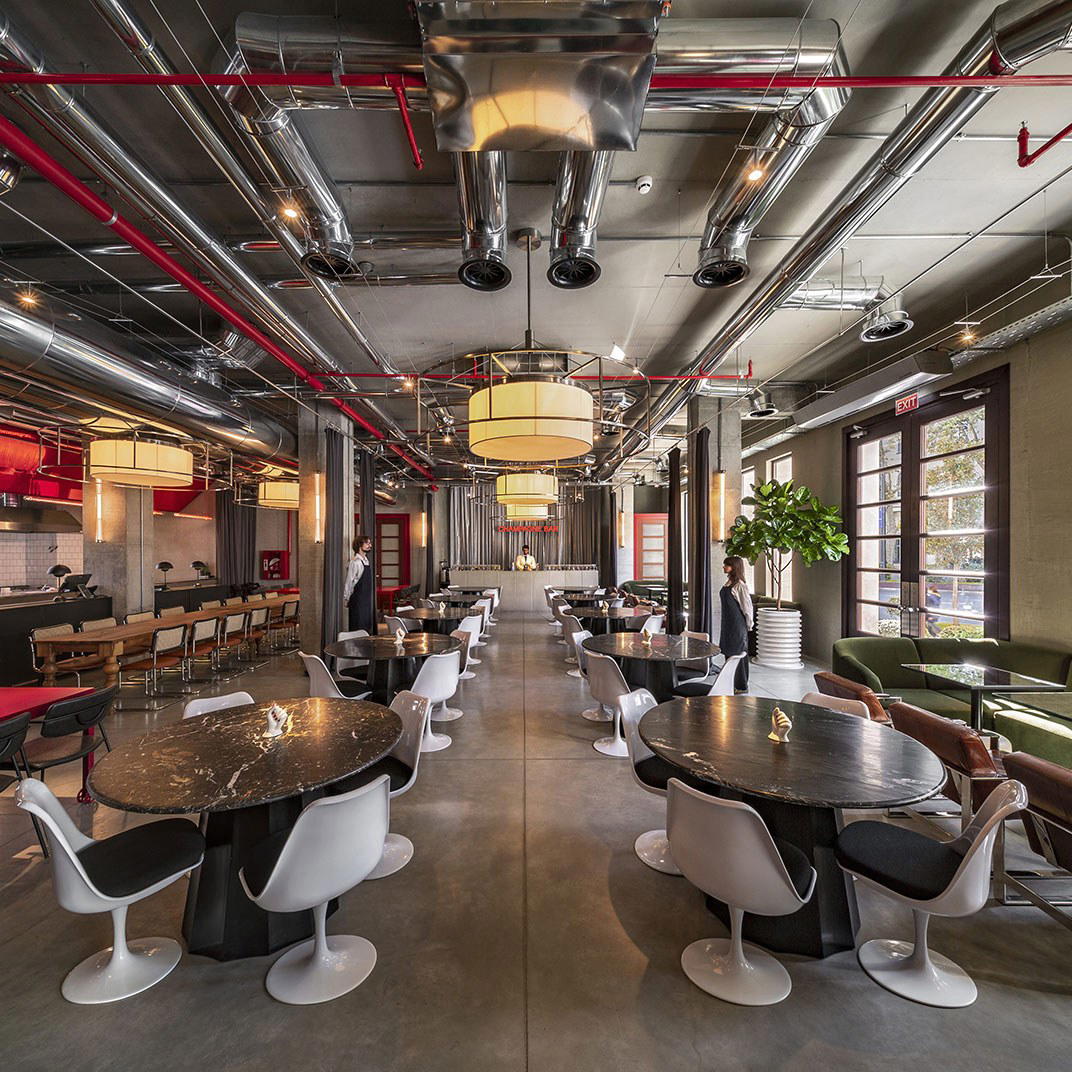
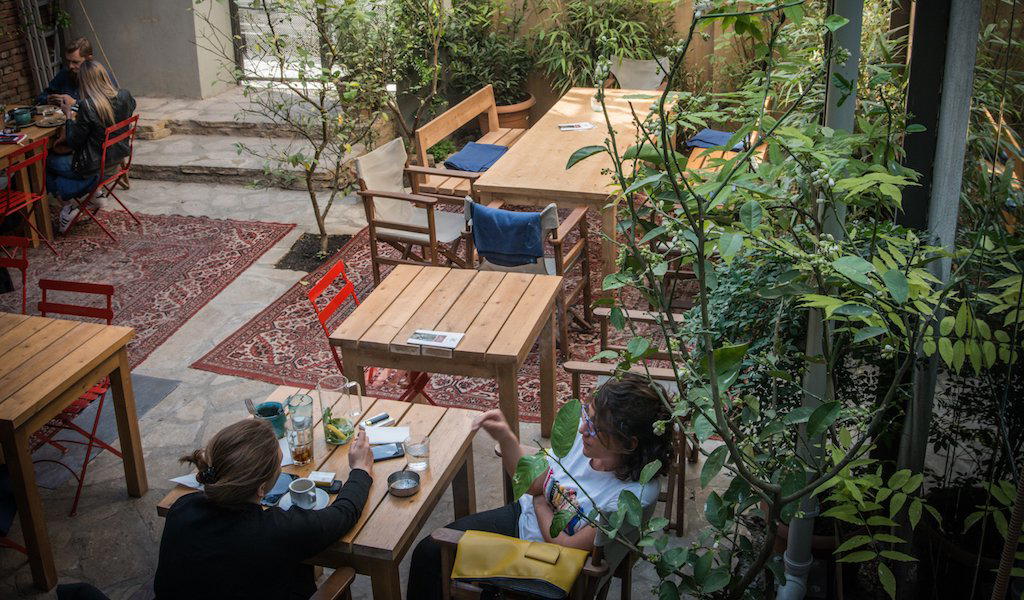
Stamba's public spaces function as neighbourhood infrastructure as much as hotel amenity. Café Stamba has developed a reputation that extends well beyond the guest list, drawing locals and travellers for reasons that have little to do with hotel loyalty programmes. The Pink Bar, anchored by an oversized crystal chandelier that reads as both joke and statement, has become one of the more recognisable rooms in the city's social circuit. Public spaces that genuinely attract non-guests are among the harder things for a hotel to achieve, and they tend to be a more reliable indicator of a property's integration into its city than any number of design awards.
This dynamic is particularly meaningful in Tbilisi's current phase, where the city is absorbing significant international interest without yet having the infrastructure of a mature tourism market. Hotels that create genuine public programming serve a different function here than they would in Paris or New York; they become part of how the city presents itself to visitors, and how visitors understand where they have arrived.
Planning a Stay: Logistics and Context
At $321 per night as a reference rate, Stamba sits above the mid-market hotels and below the international luxury chains in Tbilisi's pricing structure. The 42-room count means availability tightens during the city's peak periods, particularly in late spring and early autumn when Tbilisi draws the largest concentration of leisure travellers. Booking well in advance of those windows is advisable, though shoulder-season rates offer better availability for travellers with flexibility. The hotel's address on Merab Kostava Street places it in central Tbilisi, within reach of the Old Town and the gallery and restaurant concentration that has developed in the surrounding streets.
For travellers building a broader Georgian itinerary, the country's hotel offer extends well beyond the capital. Properties worth considering include Rooms Kazbegi in Stepantsminda, Lopota Lake Resort & Spa in Napareuli, Vazisubani Estate in Gurjaani Municipality, Tsinandali Estate, A Radisson Collection Hotel in Tsinandali, Mtserlebi Mountain Resort by Graz, Orbi Palace Hotel in Bakuriani, and ApartHotels Collection by ELT in Batumi. For the Tbilisi dining context beyond the hotel, see our full Tbilisi restaurants guide.
How Stamba Hotel Tbilisi compares with similar nearby venues.
| Venue | Awards |
|---|---|
| Stamba Hotel | Michelin 1 Key |
Recognition history
Dated appearances from independent guides and award organizations, with the underlying list record or original source where available.
Design Hotels Member
Design Hotels
La Liste Top Hotels
La Liste
Mr & Mrs Smith Smith Seal of Approval
Mr & Mrs Smith
Michelin 1 Key
Michelin
Continue exploring
More in Tbilisi
Hotels in Tbilisi
Browse all →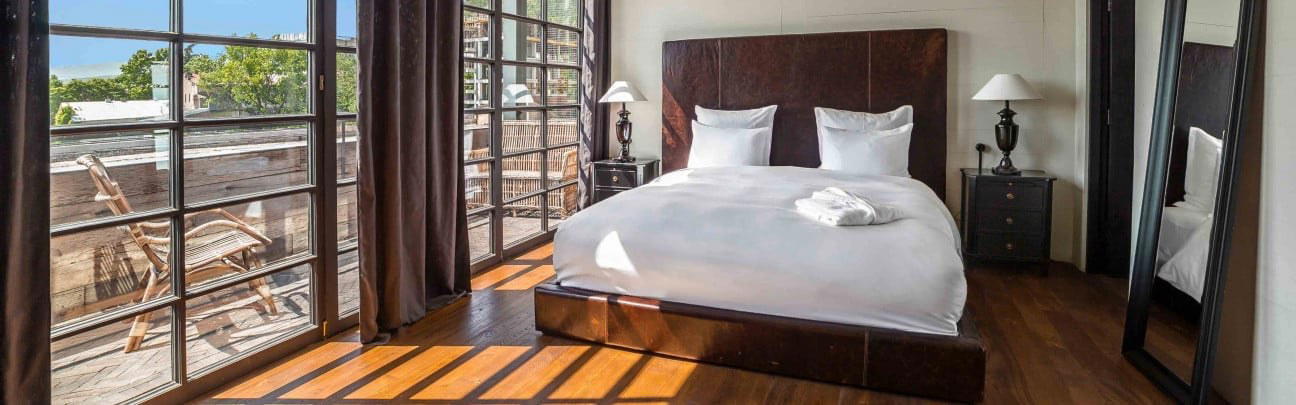
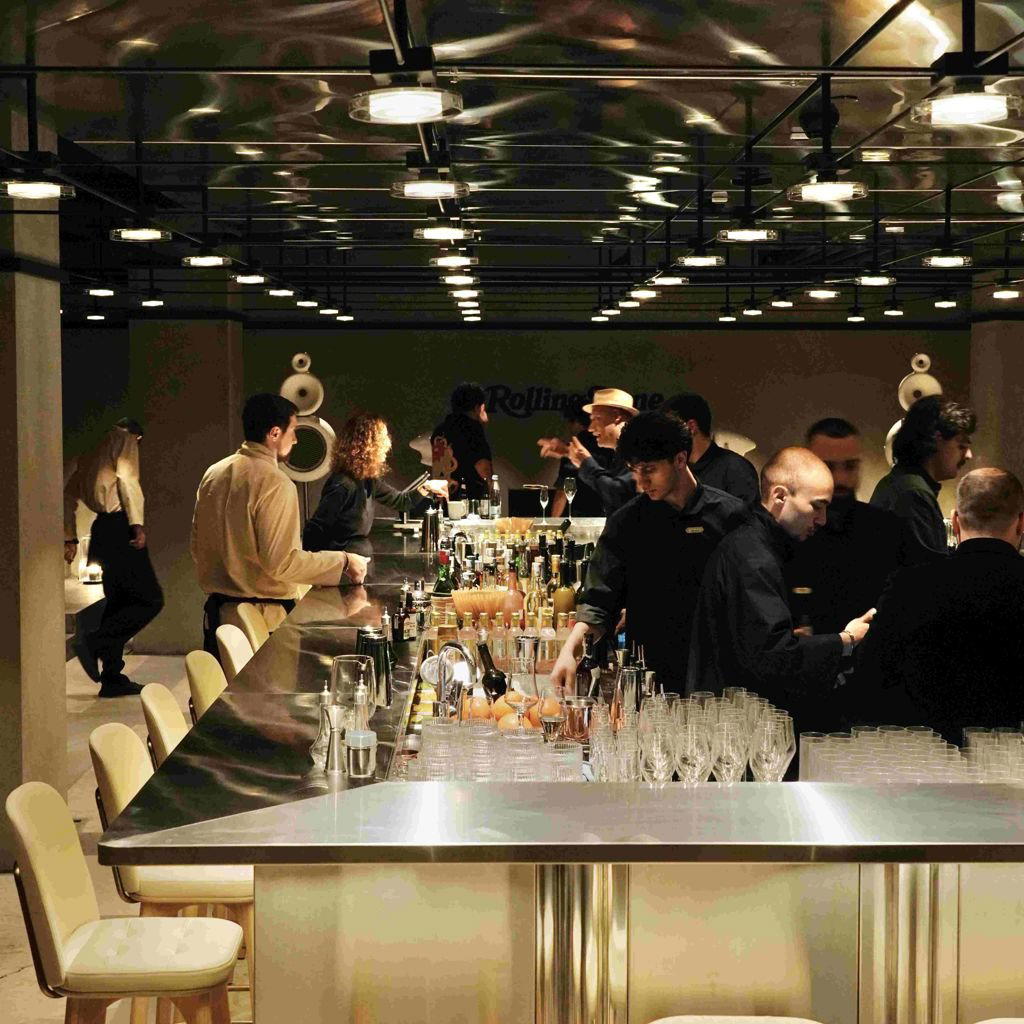
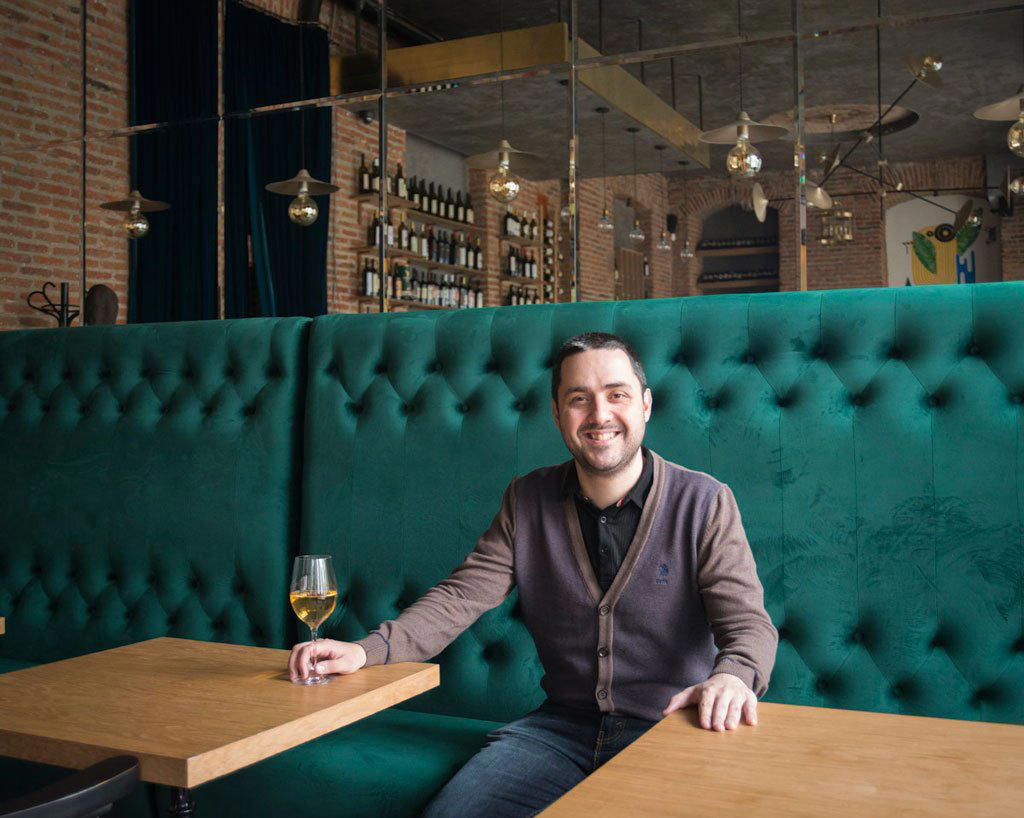
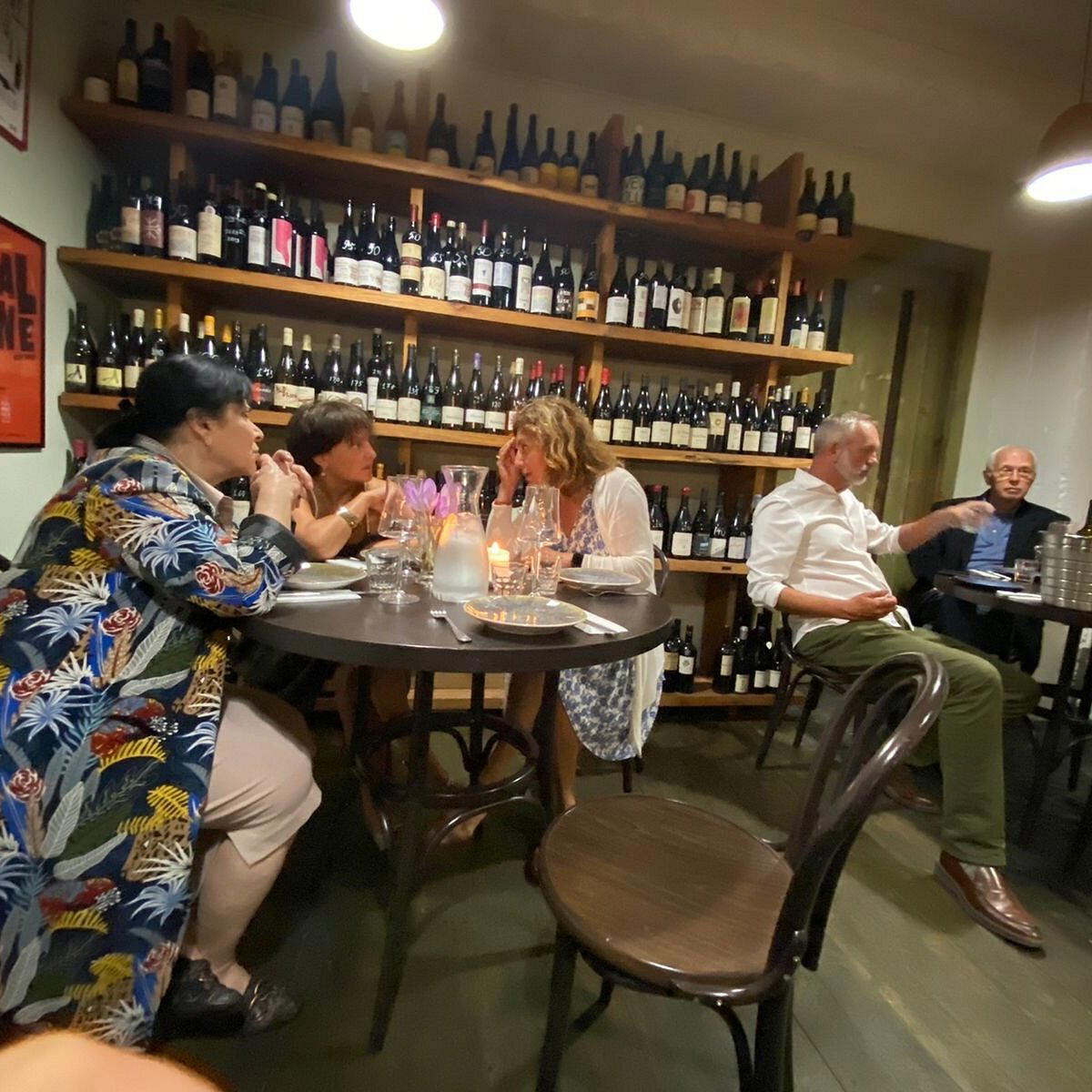
Bars in Tbilisi
Browse all →
Restaurants in Tbilisi
Browse all →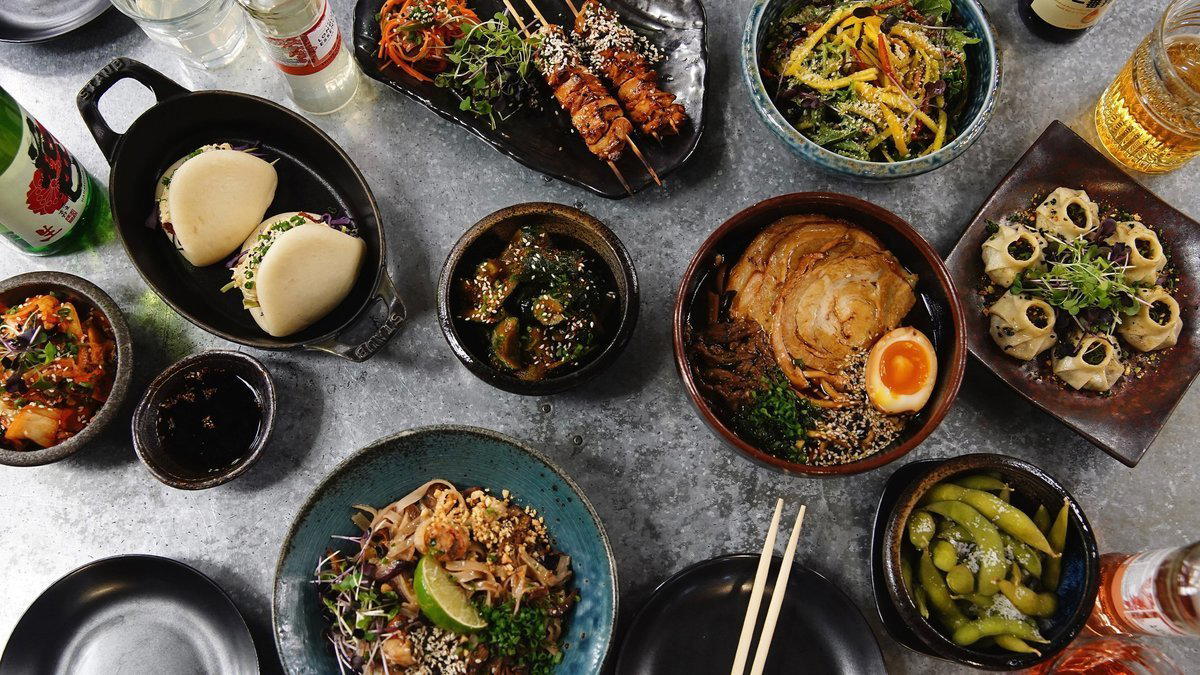

At a Glance
- Modern
- Trendy
- Industrial
- Sophisticated
- Minimalist
- Romantic Getaway
- Business Trip
- Weekend Escape
- Garden
- Terrace
- Historic Building
- Design Destination
- Wi Fi
- Room Service
- Concierge
- Restaurant
- Bar
- Garden
- Business Center
- Garden
- Wi Fi
- Room Service
- Concierge
- Restaurant
- Bar
- Garden
- Business Center
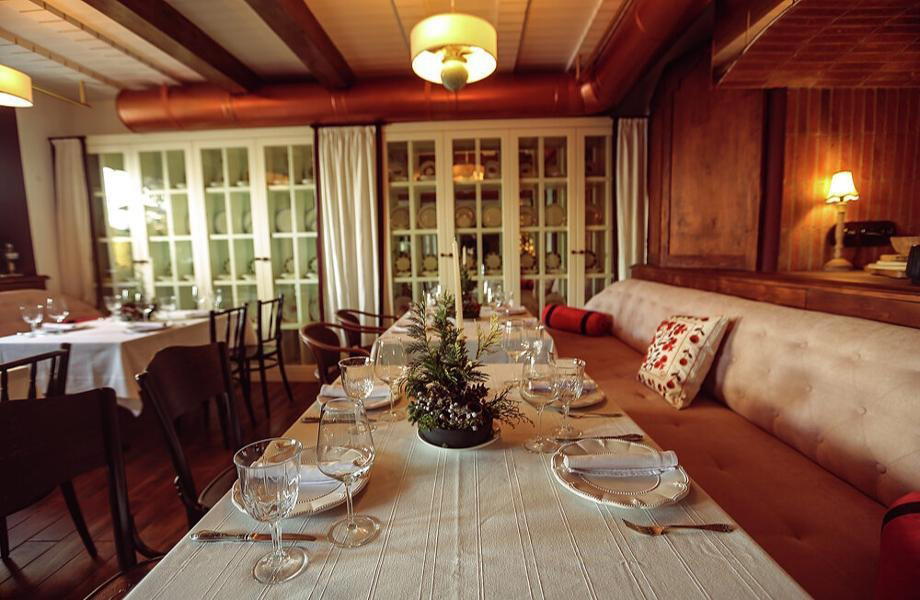
Sophisticated and artistic atmosphere with lush greenery, high ceilings, bookshelves, soft lighting in stylish rooms, and a relaxed yet trendy vibe.
Know Before You Go
- Getting there
- 14, 0108 Merab Kostava St, T'bilisi