
Saamuri operates inside Fabrika, Tbilisi's converted Soviet sewing factory turned creative hub on Egnate Ninoshvili Street. The venue sits within a multi-use compound of restaurants, bars, shops, and a hostel that has become a gathering point for the city's younger creative class. It is less a destination bar than a neighbourhood fixture — one that reflects how Tbilisi's social life has reorganised around repurposed industrial space.
Pearl is the En Primeur Club membership app — saves, bookings, and concierge access live there. Same editors, same standards.
- Address
- 8 Egnate Ninoshvili St, Tbilisi 0112, Georgia
- Phone
- +995 599 01 55 85
- Website
- facebook.com
- Directions
- Get directions
 Saves & bookings on Pearl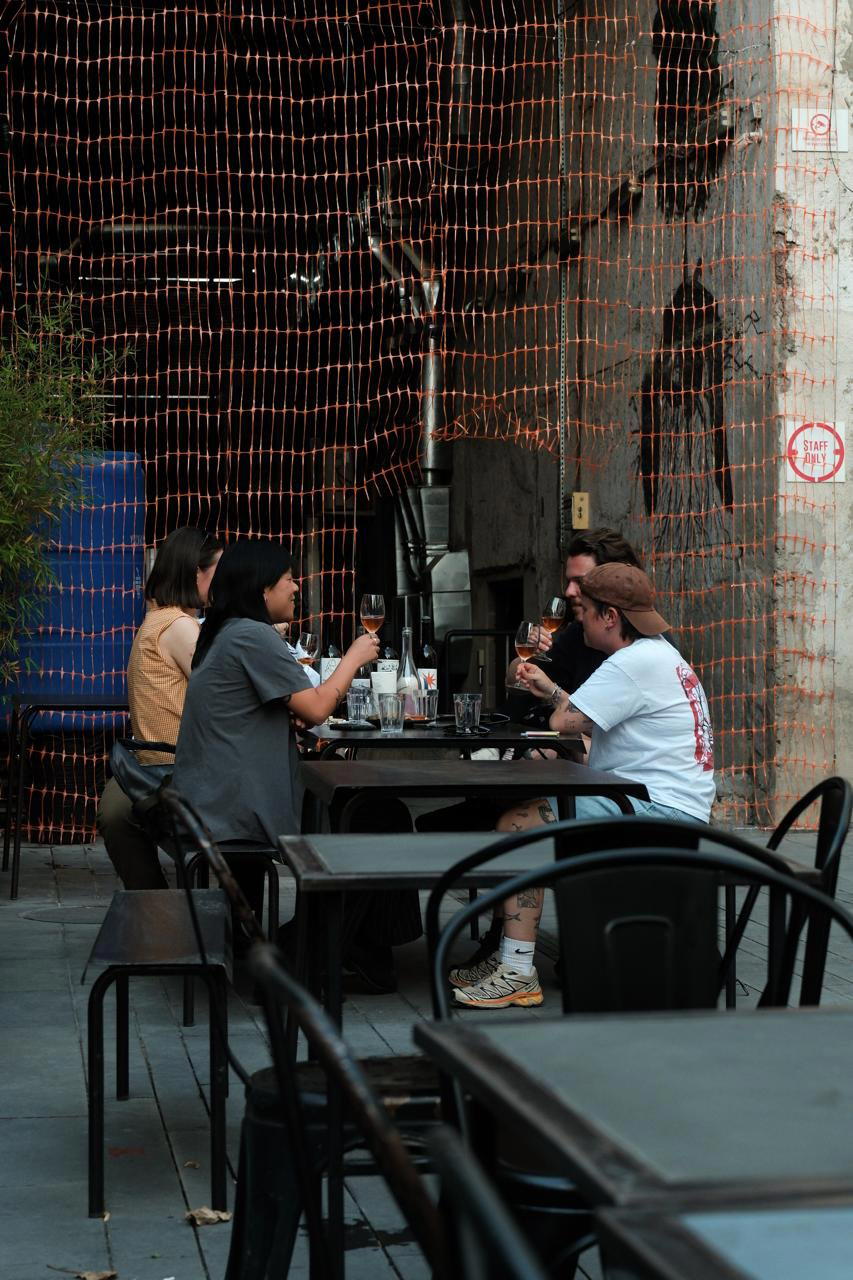
Inside Fabrika: How a Soviet Factory Became Tbilisi's Social Centre
Tbilisi's bar culture has undergone a structural shift over the past decade. The city that once organised its social life around Soviet-era canteens and courtyard wine houses now hosts a generation of venues that blend international format awareness with deep local character. That shift didn't happen in one neighbourhood or on one street — it happened in clusters, often anchored by a single project large enough to pull people across the city. Fabrika, the converted sewing factory on Egnate Ninoshvili Street, is the clearest example of that pattern. Saamuri operates within it.
The Fabrika compound repurposed a sprawling industrial site into a mixed-use space housing restaurants, bars, retail, creative studios, and a hostel. The bones of the original factory — Soviet-era concrete, wide freight corridors, open courtyard proportions, were kept largely intact, giving the development a material honesty that distinguishes it from purpose-built lifestyle districts. Projects like this have appeared across post-Soviet cities, but Fabrika's scale and the continuity of programming around it have made it something Tbilisi didn't previously have: a genuine, multi-hour destination where the visit itself becomes the logic, not just transit to a single venue.
Saamuri's Role in the Fabrika Ecosystem
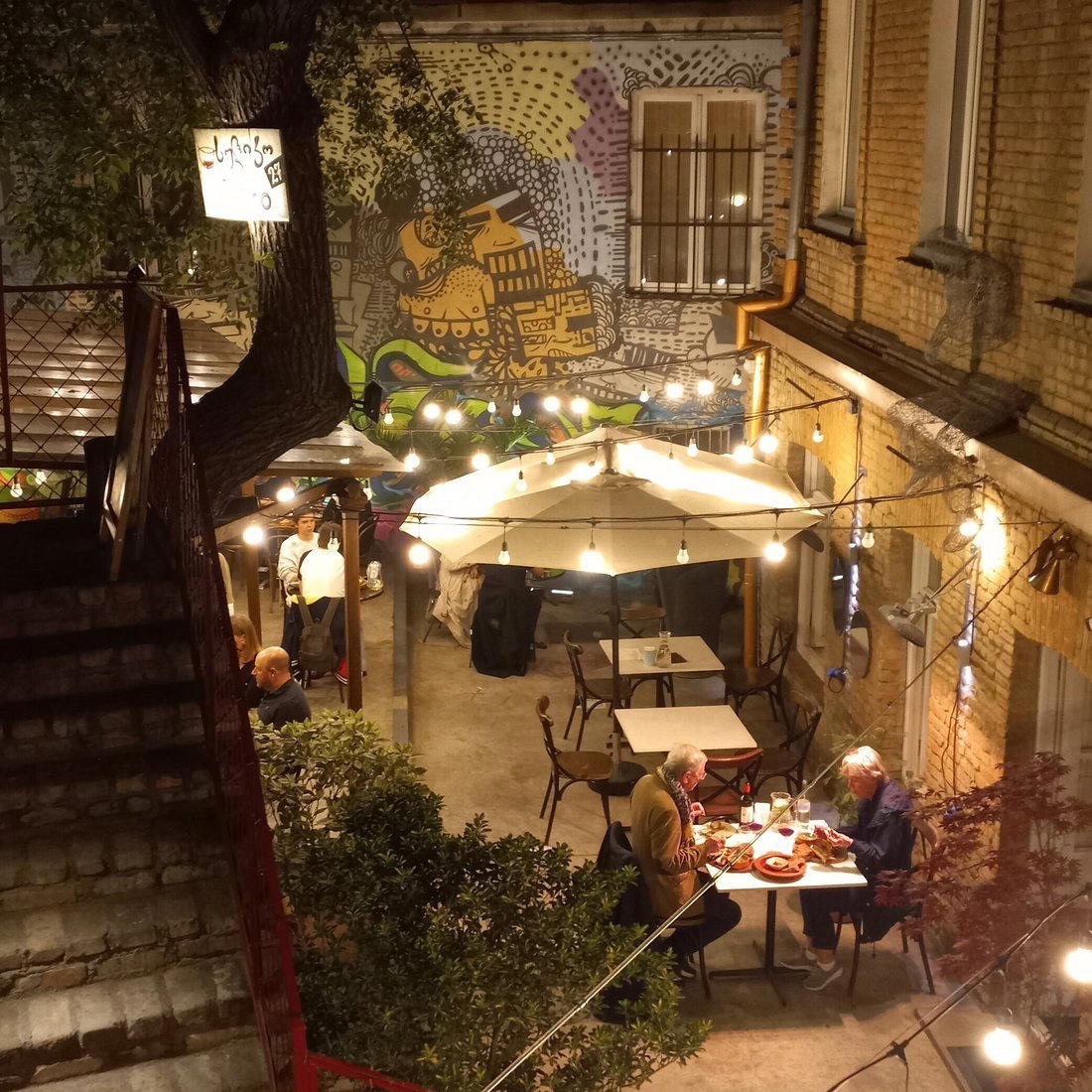
Within that context, Saamuri functions less as a standalone bar and more as a neighbourhood anchor inside a neighbourhood that Fabrika itself created. The compound draws a consistent cross-section of Tbilisi life: local creatives, students, expats on extended stays, tourists who've moved past the old town itinerary, and the kind of regulars who treat the courtyard as an extension of their domestic space. Saamuri sits within that flow, capturing foot traffic that circulates through Fabrika over the course of an evening.
This placement matters editorially because it tells you something about the bar's social logic. Venues inside large multi-use developments occupy a different role than destination bars that require a specific decision to visit. They benefit from the compound's ambient energy and are less exposed to the volatility of individual reputation cycles. In Fabrika's case, the compound was spearheaded by Maia Chokhonelidze, whose project framing treated cultural programming and commercial hospitality as complementary rather than competing functions, a model that gives venues like Saamuri a structural stability beyond their own marketing.
For a comparative frame: Tbilisi's bar scene in the same tier includes Kancellaria, Poliphonia, and Sulico, each occupying distinct neighbourhood identities. 8000 Vintages sits at the more specialist end of the city's natural wine offer. Saamuri's position inside Fabrika gives it a different competitive logic, it isn't competing on obscurity or credential depth in the same way; it competes on atmosphere, availability, and the gravitational pull of the compound itself.
What the Fabrika Model Says About Tbilisi's Hospitality Direction
Multi-use creative compounds have proliferated across Eastern European and Caucasian cities as a development model, partly because they require lower individual unit risk and partly because they generate the kind of ambient social density that single-venue hospitality rarely achieves alone. Tbilisi has been receptive to this model for specific reasons: a younger urban population that spends evenings outside domestic space, a mild enough climate for extended courtyard use across much of the year, and a tourism market that has expanded rapidly enough to sustain mixed-audience programming.
Fabrika opened in the mid-2010s and has maintained programming continuity through a period when Tbilisi's tourism and nightlife sectors have changed significantly. That consistency is itself a form of institutional trust. For visitors approaching the city through our full Tbilisi restaurants and bars guide, Fabrika functions as a useful orientation point, a place to understand the social register of the city's younger creative class before moving into more specialist venues.
Internationally, the compound bar model has produced some well-regarded venues operating within larger hospitality ecosystems. Kumiko in Chicago and Jewel of the South in New Orleans operate as standalone destination bars with strong individual credentials, which represents a different end of the spectrum. Superbueno in New York City and Julep in Houston each carry distinct neighbourhood identities that shape their social function. What Saamuri shares with none of these but with certain European compound venues, The Parlour in Frankfurt sits at a useful angle for comparison, is its dependence on collective infrastructure rather than individual brand-building.
Georgia's bar culture more broadly is navigating the tension between its natural wine heritage, which attracts a specialist international audience, and the broader hospitality expansion that has brought more generalist demand. Dilber Gentlemen's Club in Batumi represents a different regional inflection of that same tension. Saamuri inside Fabrika largely sidesteps that tension by operating in a context where the audience is mixed enough that neither specialist positioning nor purely generalist programming dominates. Bar Leather Apron in Honolulu offers another point of contrast, a tightly credentialed craft bar where the programming is the entire argument. Saamuri's argument is more diffuse, and deliberately so.
Practical Information for Visitors
Saamuri is located at 8 Egnate Ninoshvili Street in Tbilisi's Chugureti district, within the Fabrika compound. The address is well-known enough that most local taxi and rideshare drivers will recognise Fabrika as a destination even without the full street reference. The compound operates as an open-access site, which means arrival doesn't require a reservation in the way that destination bars do. Given the Fabrika courtyard's popularity, particularly on warm evenings from late spring through early autumn, the space can become dense later in the evening, arriving between 18:00 and 20:00 generally allows for easier orientation within the compound before the peak social hours.
No booking contact or website is confirmed in available records for Saamuri directly. The most practical approach for visitors is to treat it as a walk-in venue within a compound that rewards unhurried exploration rather than point-to-point efficiency. Those building a fuller Tbilisi bar itinerary should cross-reference the EP Club city guide for updated listings across the Fabrika ecosystem and beyond.
How Saamuri Tbilisi compares with similar nearby venues.
| Venue | Awards |
|---|---|
| Saamuri | Star Wine List (2026) |
Recognition history
Dated appearances from independent guides and award organizations, with the underlying list record or original source where available.
Star Wine List
Star Wine List
Continue exploring
More in Tbilisi
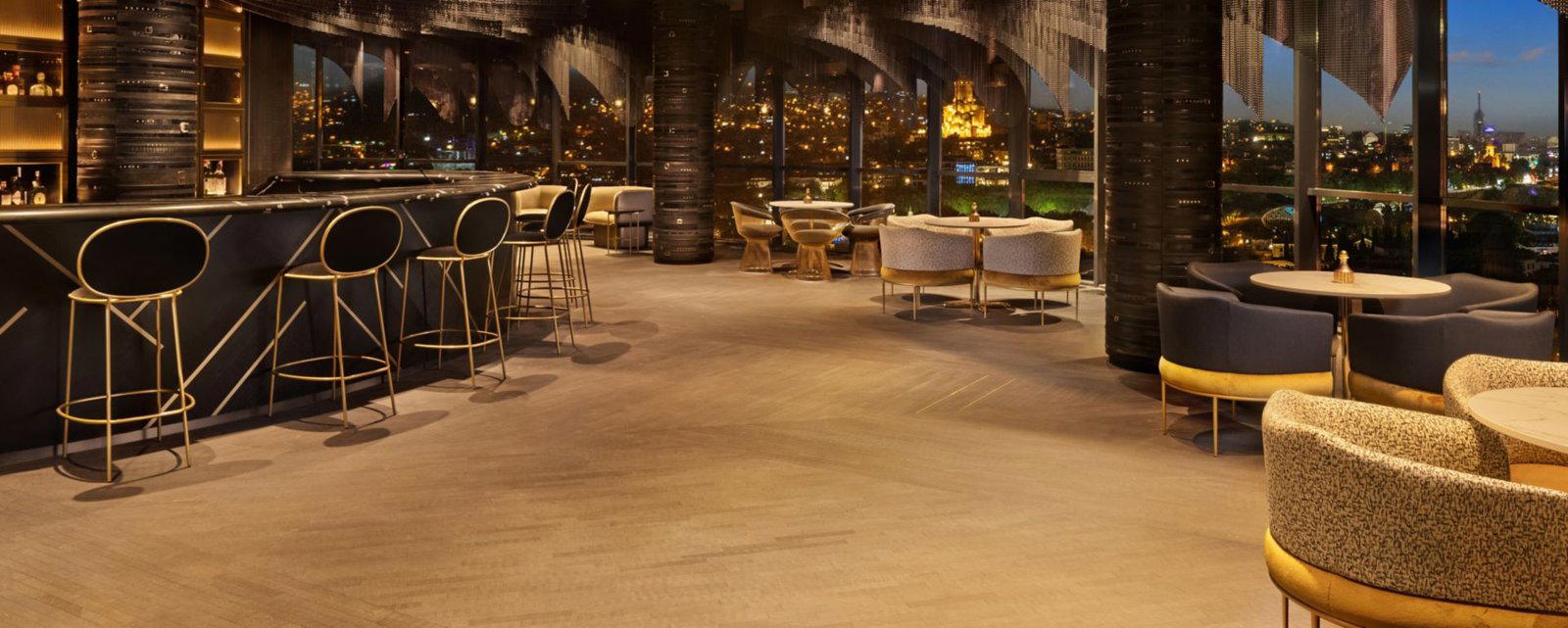
Bars in Tbilisi
Browse all →
Restaurants in Tbilisi
Browse all →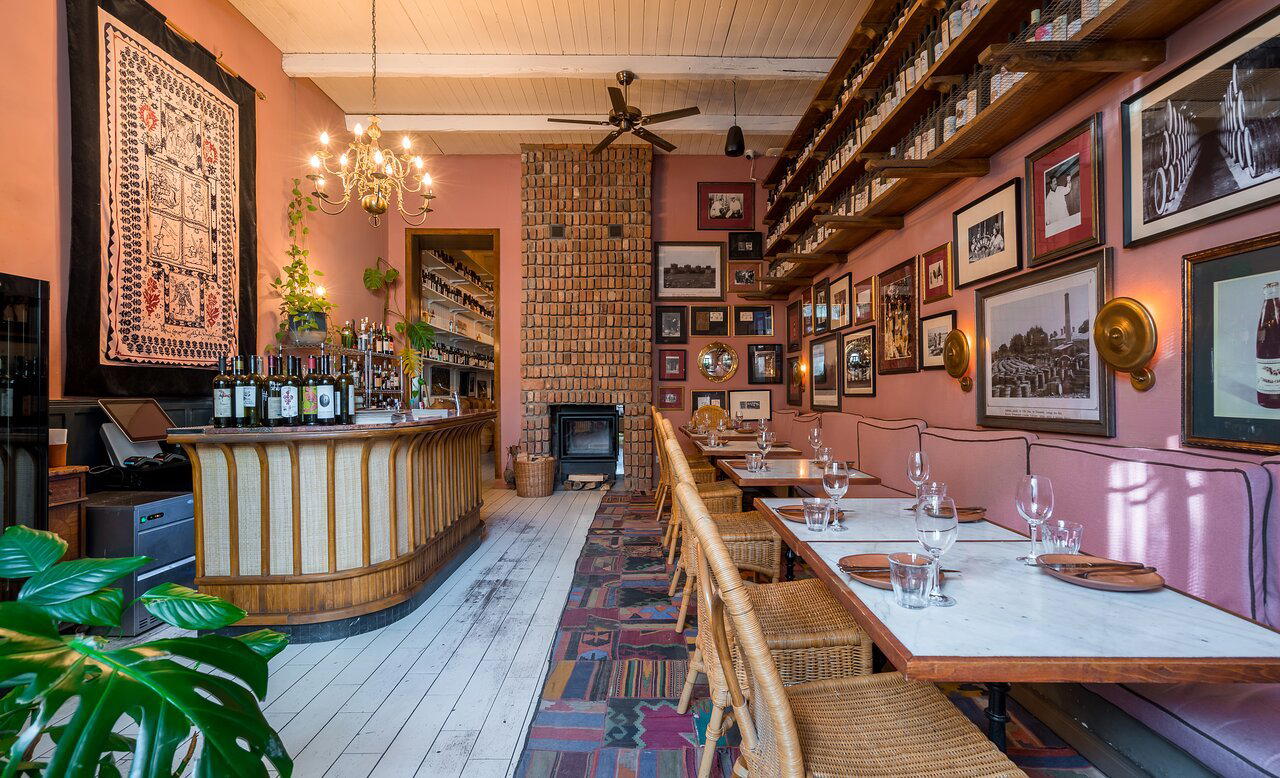
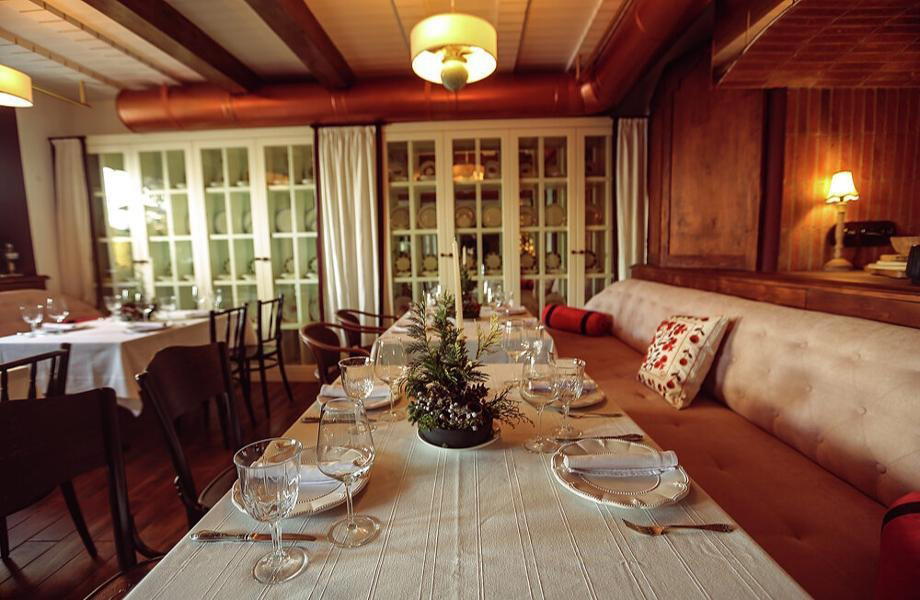
Hotels in Tbilisi
Browse all →

At a Glance
- Cozy
- Trendy
- Sophisticated
- Date Night
- Casual Hangout
- Courtyard
- Outdoor Terrace
- Lounge Seating
- Natural Wine
Current opening hours
- Monday
- 5 PM–12 AM
- Tuesday
- 5 PM–12 AM
- Wednesday
- 5 PM–12 AM
- Thursday
- 5 PM–12 AM
- Friday
- 5 PM–1 AM
- Saturday
- 2 PM–1 AM
- Sunday
- 2 PM–12 AM
Hours can change for holidays and private events. Last verified .
Laid-back yet sophisticated atmosphere with cool, hip decor and a big window overlooking the courtyard.
Know Before You Go
- Getting there
- 8 Egnate Ninoshvili St, Tbilisi 0112, Georgia