
A café-restaurant on Giorgi Akhvlediani Street where traditional Georgian cooking meets a wine list drawn from across the country's diverse regions. Alubali offers both indoor and outdoor seating, making it a practical and considered stop for anyone tracing the breadth of Georgian cuisine and its accompanying natural and conventional wine traditions in Tbilisi.
Pearl is the En Primeur Club membership app — saves, bookings, and concierge access live there. Same editors, same standards.
- Address
- 6 Giorgi Akhvlediani St, Tbilisi, Georgia
- Phone
- +995 599 36 27 49
- Website
- facebook.com
- Directions
- Get directions
 Saves & bookings on Pearl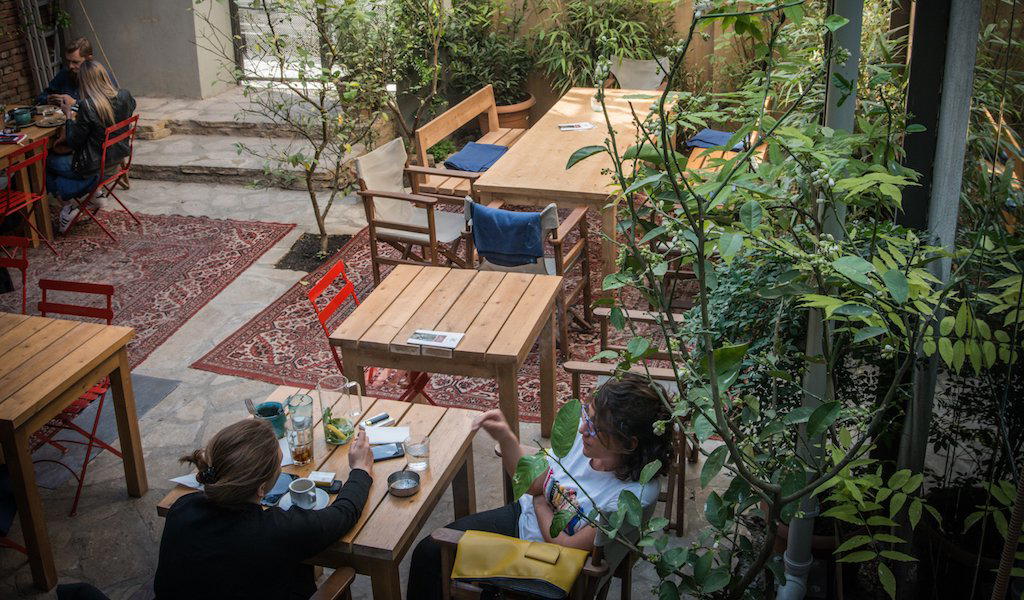
What Akhvlediani Street Says About Tbilisi Dining
Alubali is a casual Georgian restaurant in Tbilisi, serving Authentic Megrelian Georgian cuisine at 6 Giorgi Akhvlediani St. Not a tourist-facing khinkali hall, not a modernist reinterpretation of the Georgian canon, and not a wine-bar concept built around amber pours and low lighting. The café-restaurant format, with room to linger over midday food or extend into an unhurried evening, occupies its own tier in the city's dining culture, and Alubali on Giorgi Akhvlediani Street sits squarely within it.
The building offers both indoor and outdoor seating, a practical consideration in a city where the outdoor dining window runs roughly from late spring through early autumn and where the choice between courtyard table and interior room is often as much about mood as weather. Georgian café culture has always favoured this kind of flexibility, and venues that provide it tend to attract a wider range of visit occasions, from a solo plate of lobiani to a long table of friends working through a regional wine list.
The Source of the Plate: Georgian Ingredients and Why They Matter Here
Georgian cuisine is not a stable, unified thing. The country's geography, compressed into a small territory with the Caucasus range running through it, produces radical variation in produce, protein, and technique across its regions. The western dishes that anchor Imereti and Samegrelo differ substantially from the herb-heavy, walnut-laden preparations of the east, and both differ again from the mountain food of Svaneti or the coastal traditions closer to the Black Sea. A restaurant that draws from this range, rather than defaulting to the handful of dishes that travel well on international menus, is making a meaningful editorial choice about what Georgian food actually represents.
Alubali's focus on traditional Georgian cuisine positions it within a category of Tbilisi restaurants committed to breadth of sourcing rather than novelty of execution. The logic runs like this: when the ingredient base is as regionally specific as Georgian produce, with distinct varieties of walnut paste from Kakheti, different grades of churchkhela, local cheeses that shift in character from Guria to Tusheti, the chef's primary job is sourcing fidelity rather than technical transformation. This is the opposite of the European fine-dining model, where provenance often serves as a finishing argument for a technique-first kitchen. In traditional Georgian cooking, the ingredient is closer to the whole argument. Venues like Barbarestan have demonstrated how rigorous historical sourcing can anchor a restaurant's identity in Tbilisi's more ambitious tier; Alubali operates in a less formal register but within a similar logic of ingredient respect.
This framing matters for how you approach the menu. The question to ask is not what is being done to the food, but where the food is from and how faithfully that origin is represented in the final plate. For visitors unfamiliar with Georgian regional variation, that orientation shifts the dining experience from passive consumption to something more like a geographic lesson delivered through flavour.
The Wine List as Regional Map
Georgian wine is undergoing a period of serious international attention, with qvevri-fermented amber wines from Kakheti appearing on lists at restaurants well outside the Caucasus. But the country's wine geography is more complex than the amber wine narrative suggests. Varieties like Rkatsiteli and Saperavi dominate Kakheti, while Tsolikouri and Tsitska define western styles, and smaller appellations like Racha-Lechkhumi produce low-alcohol semi-sweet wines that occupy a category of their own. A wine list that draws from across all Georgian regions is a specific commitment, one that requires supplier relationships across a fragmented producer network and a willingness to explain unfamiliar varieties to guests who may arrive expecting only the orange wine styles that have reached international awareness.
Alubali's selection of conventional wines from across Georgia's regions sits alongside this broader context. The inclusion of conventional alongside natural and qvevri styles reflects how Georgian restaurants actually operate when serving a mixed clientele, some of whom will seek out the skin-contact pours that have driven export interest, others who prefer the cleaner, more internationally legible styles produced by larger Georgian houses. For a deeper map of how Tbilisi's wine scene connects to these regional distinctions, our full Tbilisi wineries guide covers the producer landscape in more detail.
Where Alubali Sits in the Tbilisi Picture
Tbilisi's restaurant scene has developed a more differentiated comparable set over the past decade. At one end, modernist kitchens like Café Littera and Azarphesha apply contemporary technique to Georgian material, attracting internationally mobile diners alongside a local professional audience. At the other, straightforwardly traditional spots serve the staple dishes without concession to presentation or provenance storytelling. Alubali occupies middle ground: traditional in its cooking commitment, but with the wine range and indoor-outdoor format of a venue aware of what contemporary Tbilisi diners expect. That positioning makes it useful for a different occasion than the city's more destination-driven restaurants.
For reference, restaurants at the more formally ambitious end of the global spectrum, from Le Bernardin in New York City to Arpège in Paris, often use ingredient sourcing as their central editorial argument. The difference in Tbilisi is that ingredient sourcing is not a premium differentiator but a baseline cultural expectation, which means a café-restaurant operating at Alubali's register can make the same argument without the formal apparatus of tasting menus or multi-page producer notes. Our full Tbilisi restaurants guide gives broader context on how the city's dining tiers compare.
Planning Your Visit
Alubali is located at 6 Giorgi Akhvlediani Street in Tbilisi. The café-restaurant format typically allows walk-in visits at off-peak hours, but Tbilisi dining has become busy enough during summer months that earlier arrival or advance enquiry is sensible for groups.
Comparable Spots, Quickly
Comparable venues nearby, for context on price, style, and recognition.
| Venue | Cuisine | Price | Notes |
|---|---|---|---|
| AlubaliThis venue — the venue you are viewing | Authentic Megrelian Georgian | $$ | Not listed |
| Salobie Bia | Traditional Georgian | $$ | Tbilisi |
| Old Town | Traditional Georgian | $$ | Tbilisi |
| Beer Square | Georgian Pub with Grill and European Beers | $$ | Tbilisi |
| Kharcho | Modern Georgian Fusion | $$ | Tbilisi |
| Sirajkhana | Georgian-Persian Fusion | $$ | Tbilisi |
Recognition history
Dated appearances from independent guides and award organizations, with the underlying list record or original source where available.
Star Wine List
Star Wine List
Continue exploring
More in Tbilisi
Restaurants in Tbilisi
Browse all →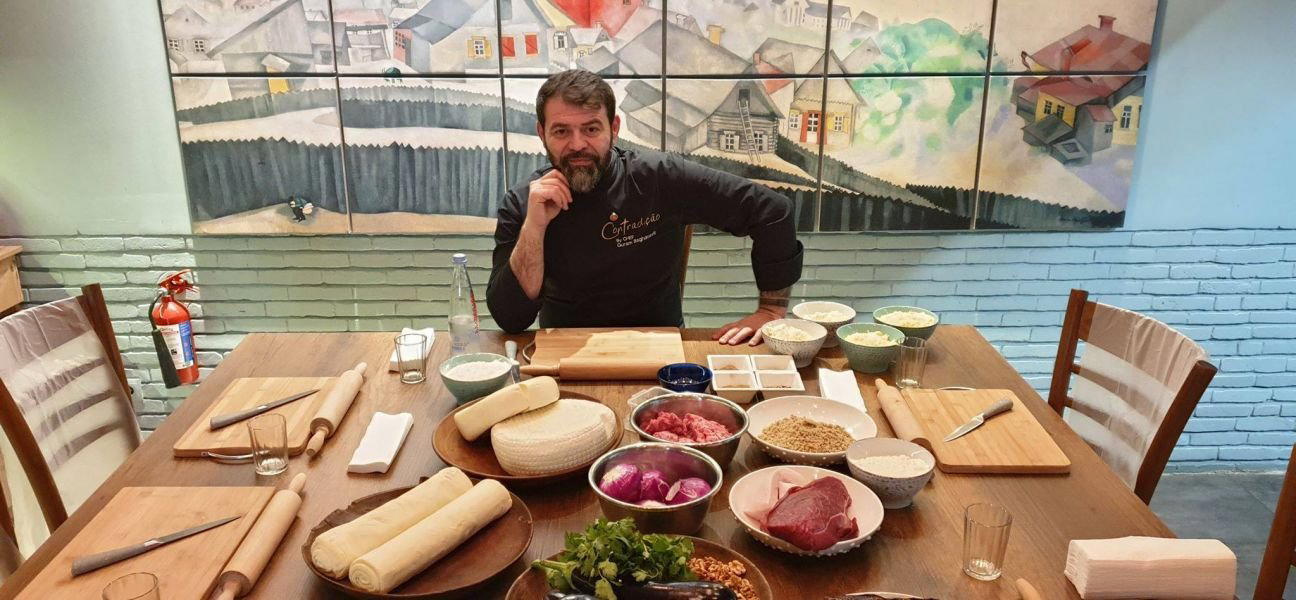
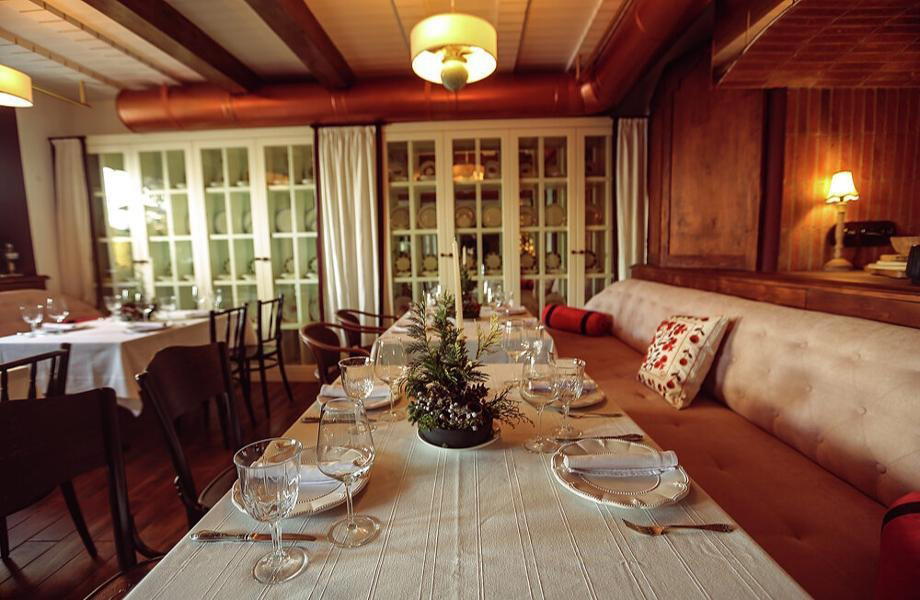
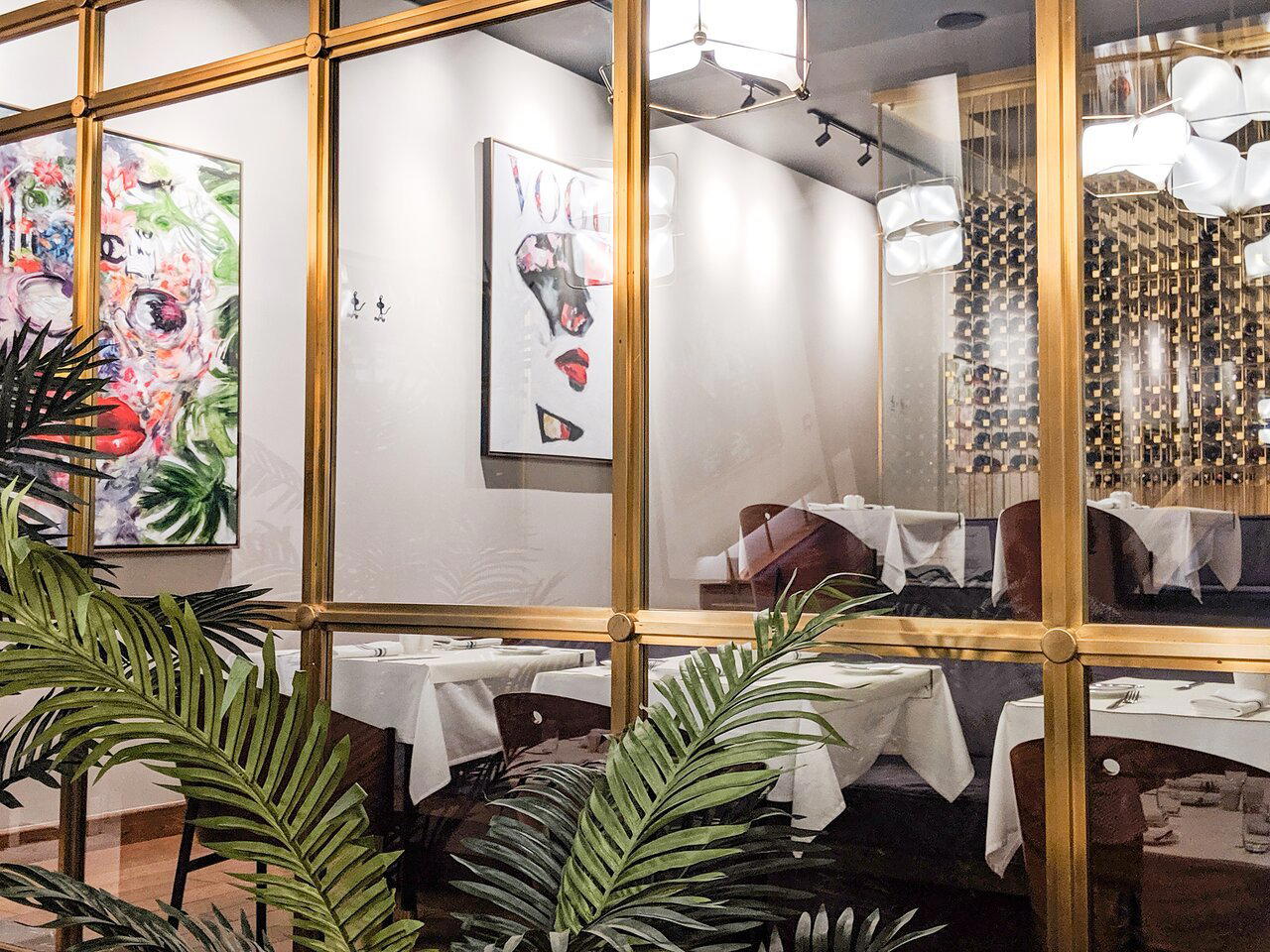
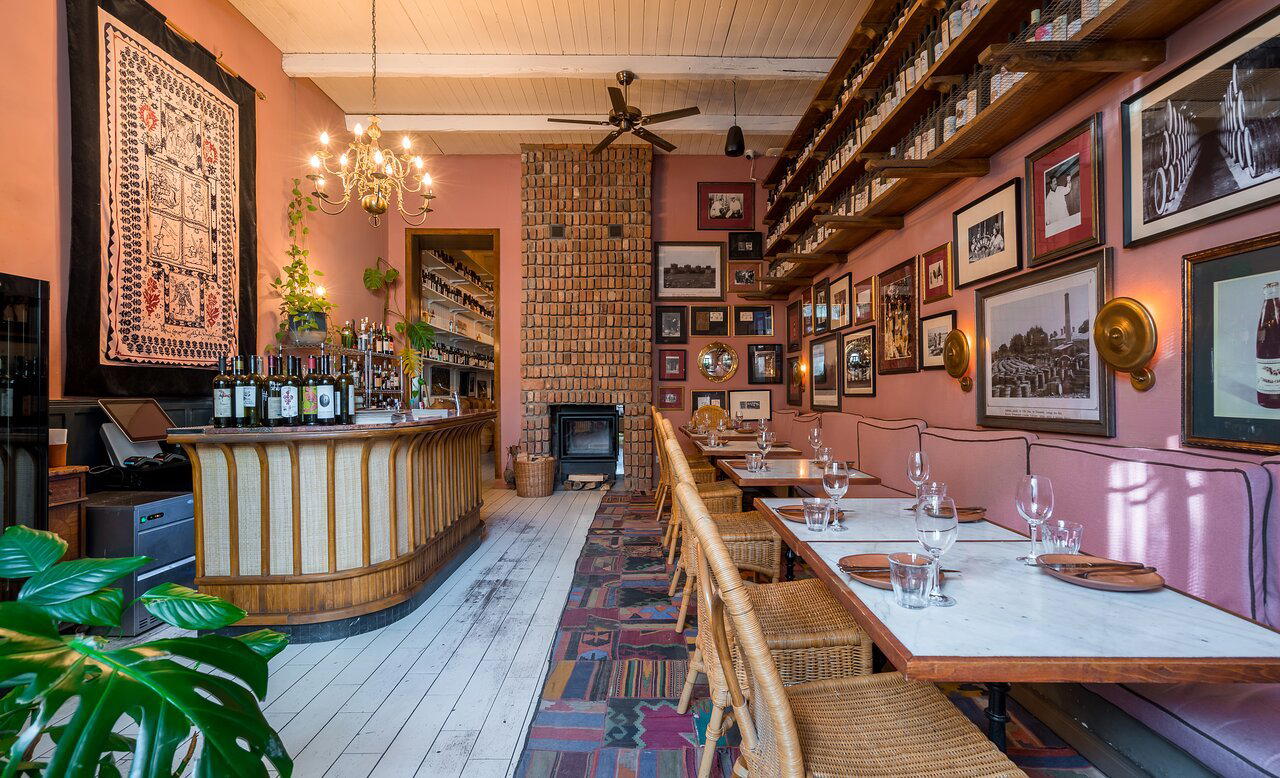
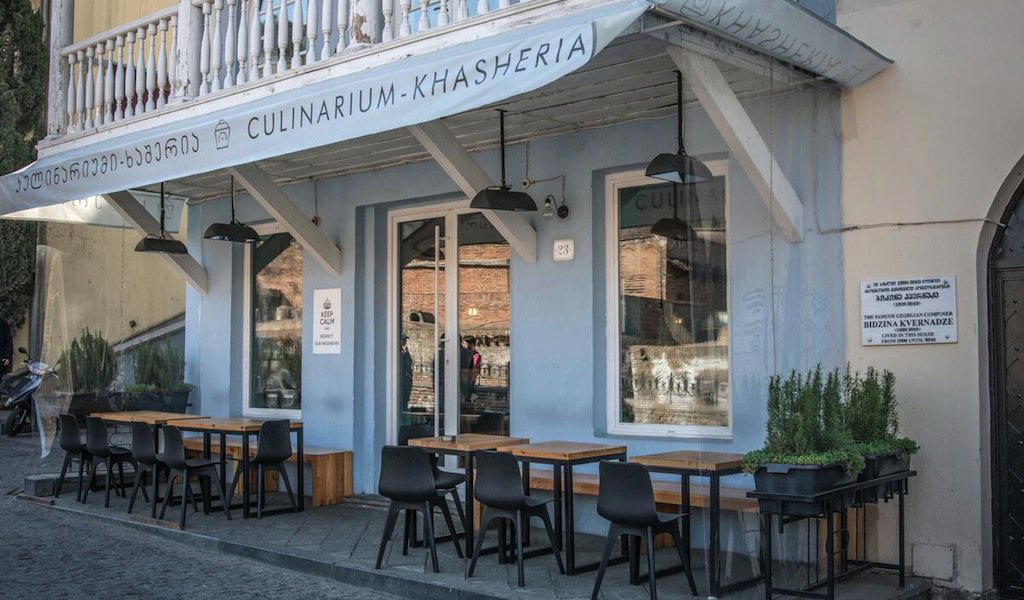
Bars in Tbilisi
Browse all →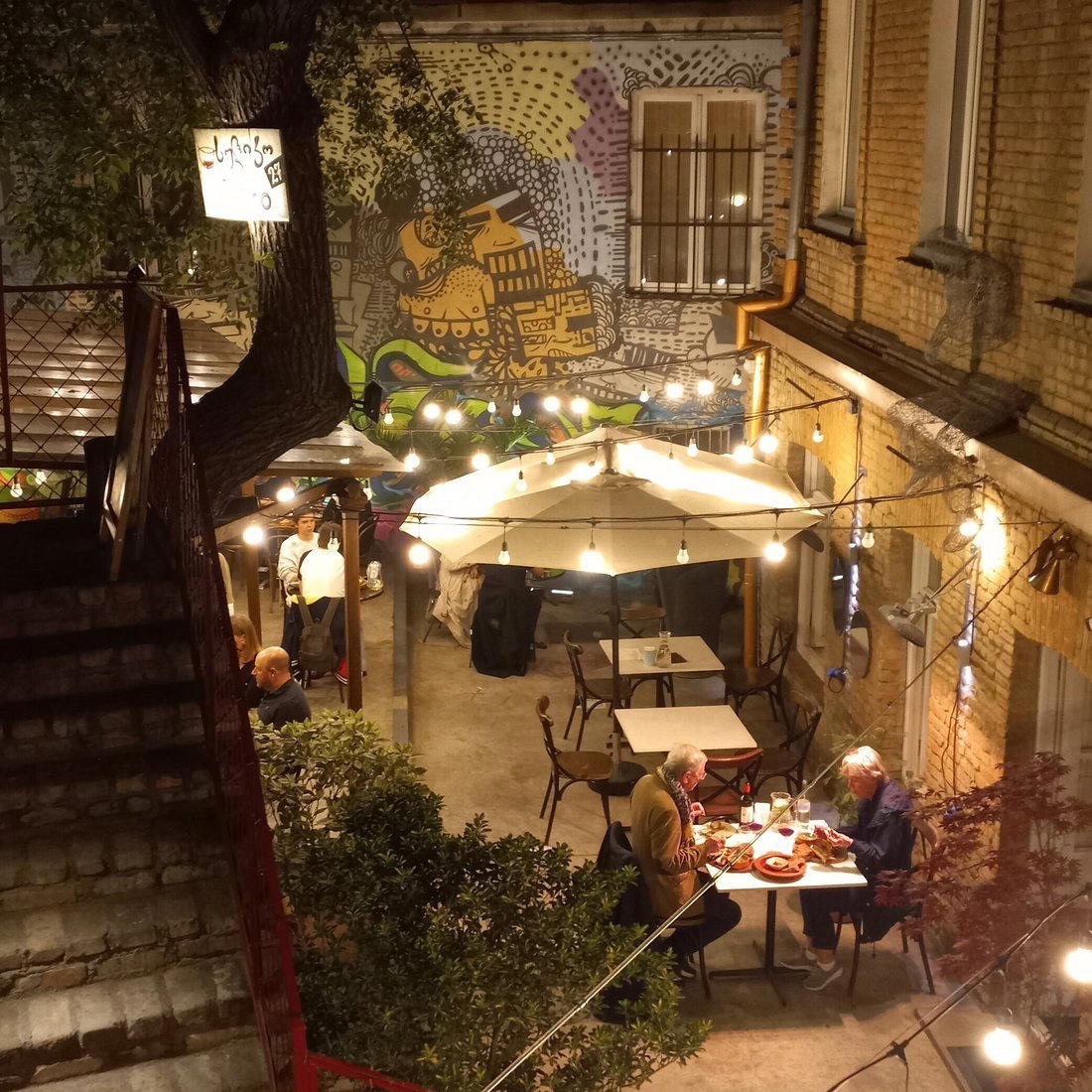
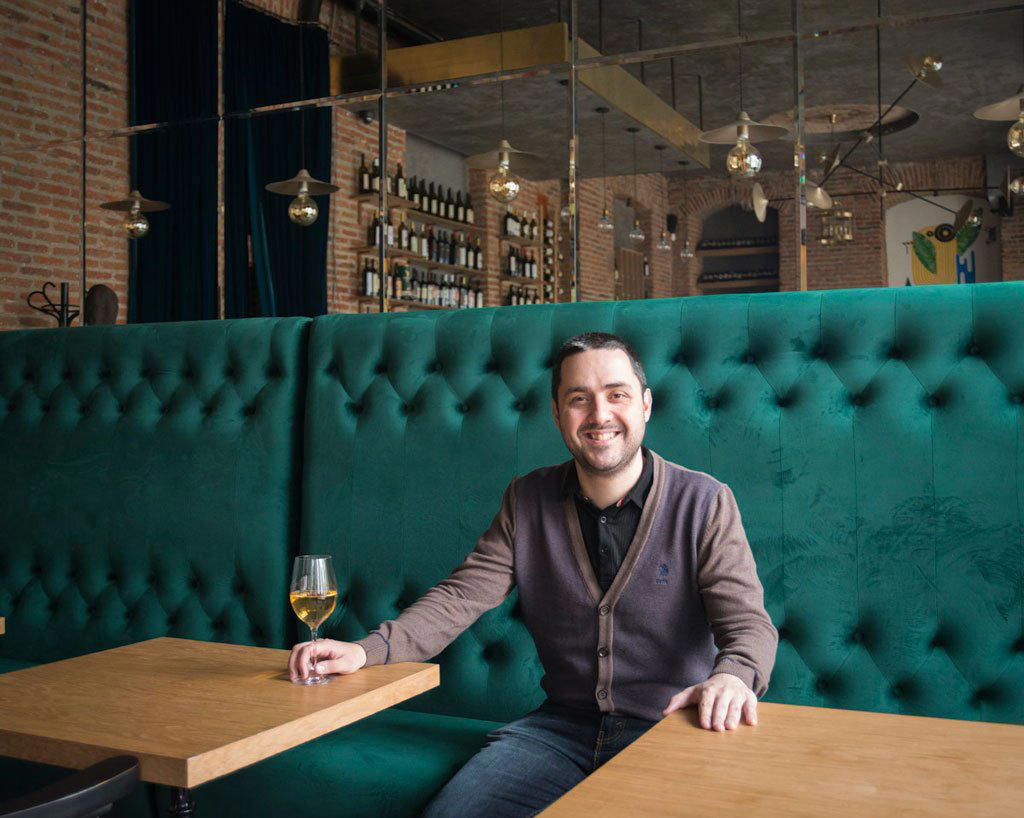
Hotels in Tbilisi
Browse all →

Wineries in Tbilisi
Browse all →
At a Glance
- Cozy
- Rustic
- Date Night
- Casual Hangout
- Family
- Garden
- Terrace
- Extensive Wine List
- Local Sourcing
- Garden
Current opening hours
- Monday
- 12 PM–12 AM
- Tuesday
- 12 PM–12 AM
- Wednesday
- 12 PM–12 AM
- Thursday
- 12 PM–12 AM
- Friday
- 12 PM–2 AM
- Saturday
- 12 PM–2 AM
- Sunday
- 12 PM–12 AM
Hours can change for holidays and private events. Last verified .
Serene garden under trees with warm, cozy atmosphere matching heartfelt traditional hospitality.