Our verdict
A Tbilisi address on Merab Kostava Street where the pacing of Georgian hospitality shapes the meal as much as what arrives on the table. The Kitchen sits within a city that has rebuilt its dining identity around local produce, amber wine, and the slow rhythms of the supra tradition. For visitors tracking how that tradition translates into a contemporary register, it belongs on the shortlist alongside the city's most considered addresses.

Pearl is the En Primeur Club membership app — saves, bookings, and concierge access live there. Same editors, same standards.
- Address
- 14 Merab Kostava St, Tbilisi 0108, Georgia
- Phone
- +995 32 202 00 02
- Hours
- Mon–Fri 7–11 AM, 12–11:30 PMSat–Sun 7 AM–12 PM, 1–5 PM, 6–11:30 PM
- Website
- roomshotels.com
- Directions
- Get directions
- Booking
- Book on SevenRooms
How Tbilisi Eats: The Ritual Before the Plate
Georgian dining operates on a different clock. A meal here is not a transaction with courses arriving at timed intervals; it is a procession governed by the supra, the traditional feast structure in which dishes accumulate rather than sequence, toasts interrupt and anchor the evening, and departure is something that happens gradually rather than on cue. Understanding that rhythm before you arrive at any Tbilisi table changes what you notice and what you order. The Kitchen, at 14 Merab Kostava Street in the 0108 district, enters that context — a city where the dining ritual itself carries as much weight as any individual plate.
Kostava Street runs through the spine of central Tbilisi, connecting the older commercial quarters to the areas around Rustaveli Avenue. This is a neighbourhood where Soviet-era facades sit beside renovated courtyard restaurants and wine bars, and where the density of considered dining addresses has grown quickly over the past decade. For a sense of how that broader scene stacks up, the full Tbilisi restaurants guide maps the city's dining character across neighbourhoods and formats.
The Setting and How It Shapes the Meal
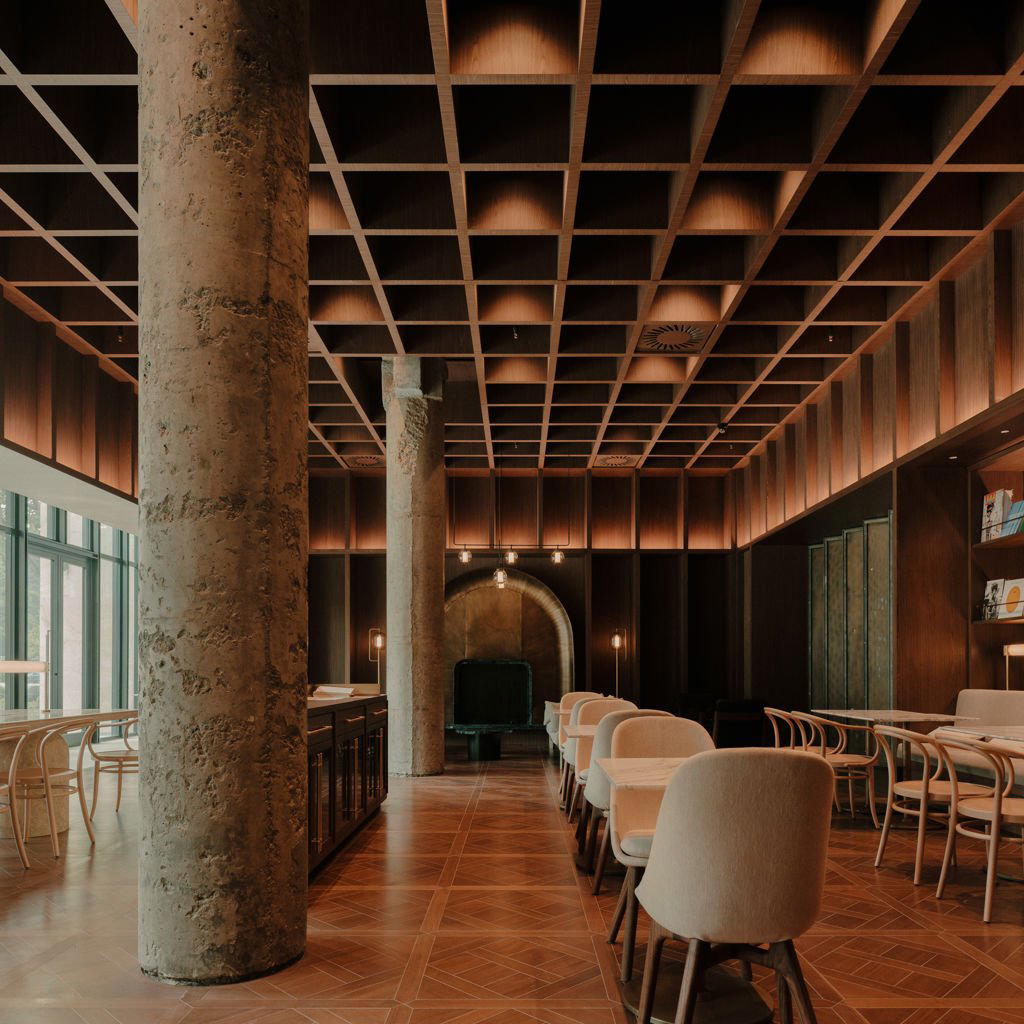
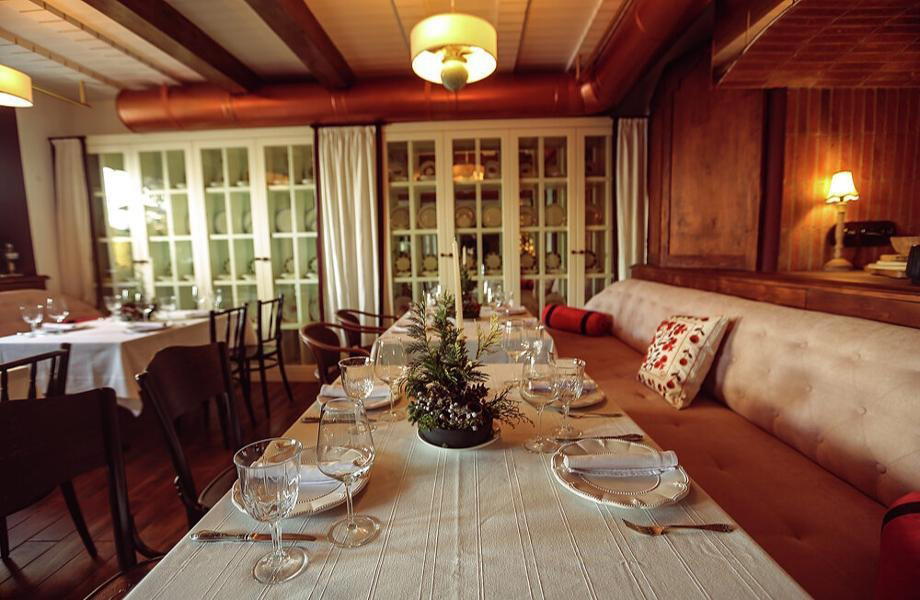
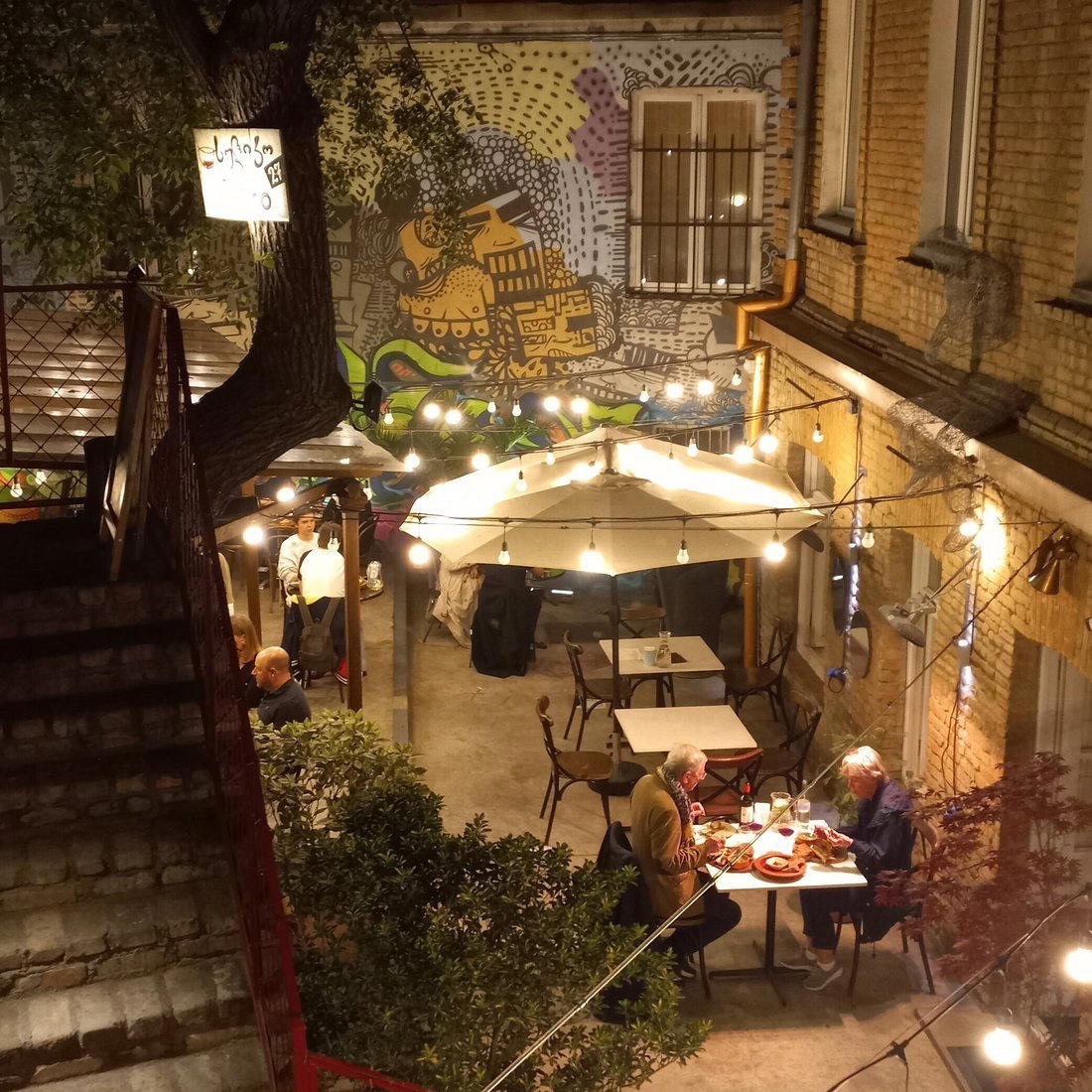
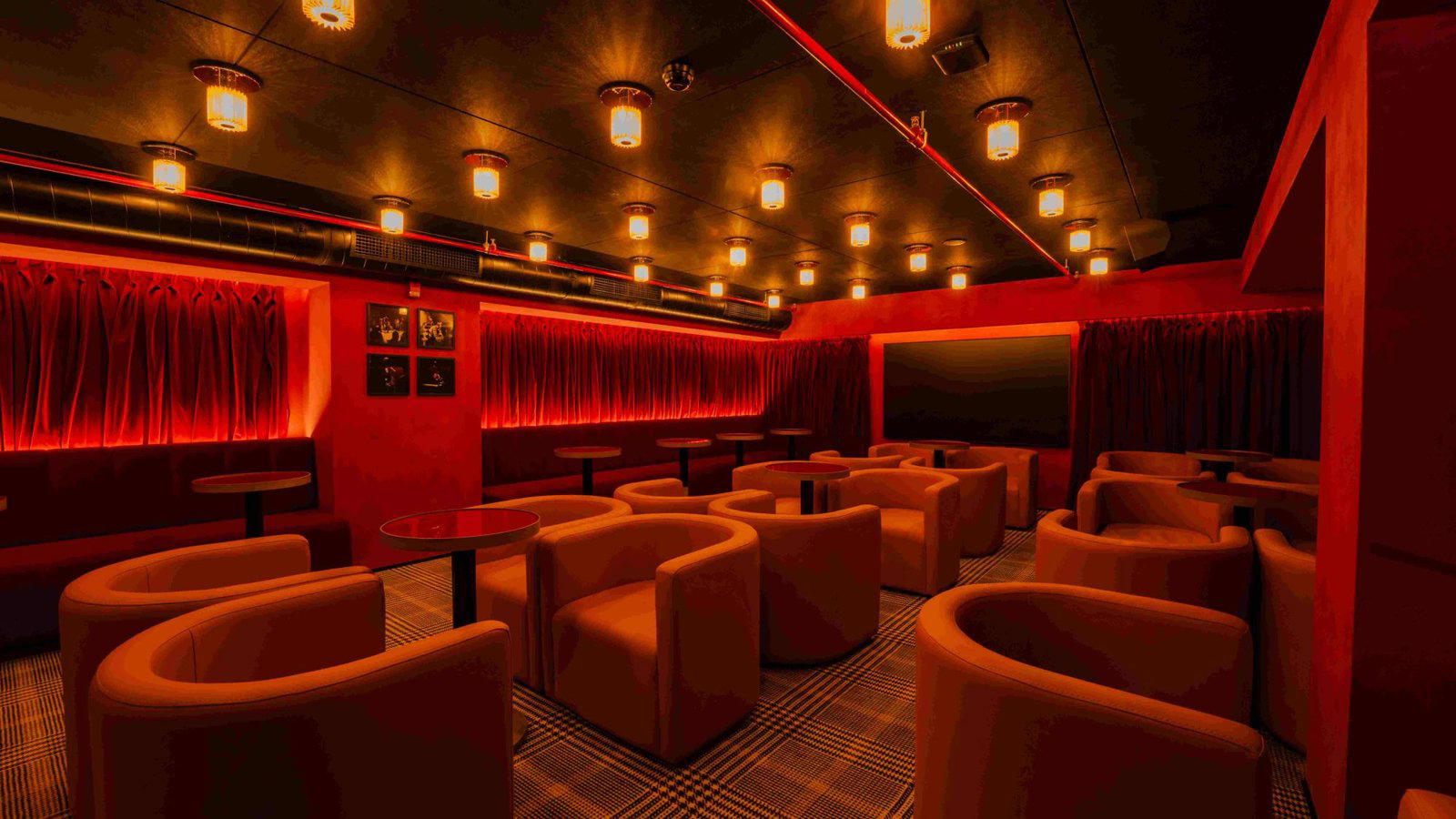
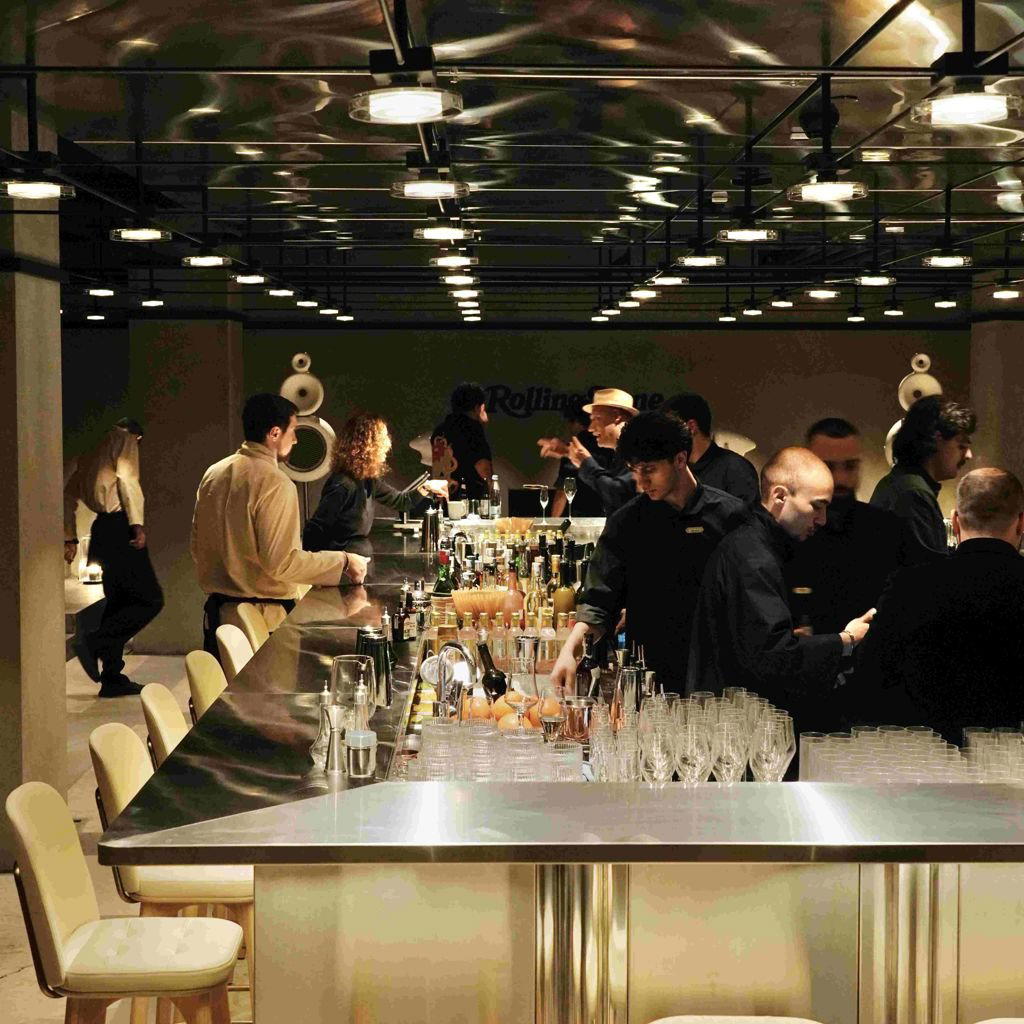
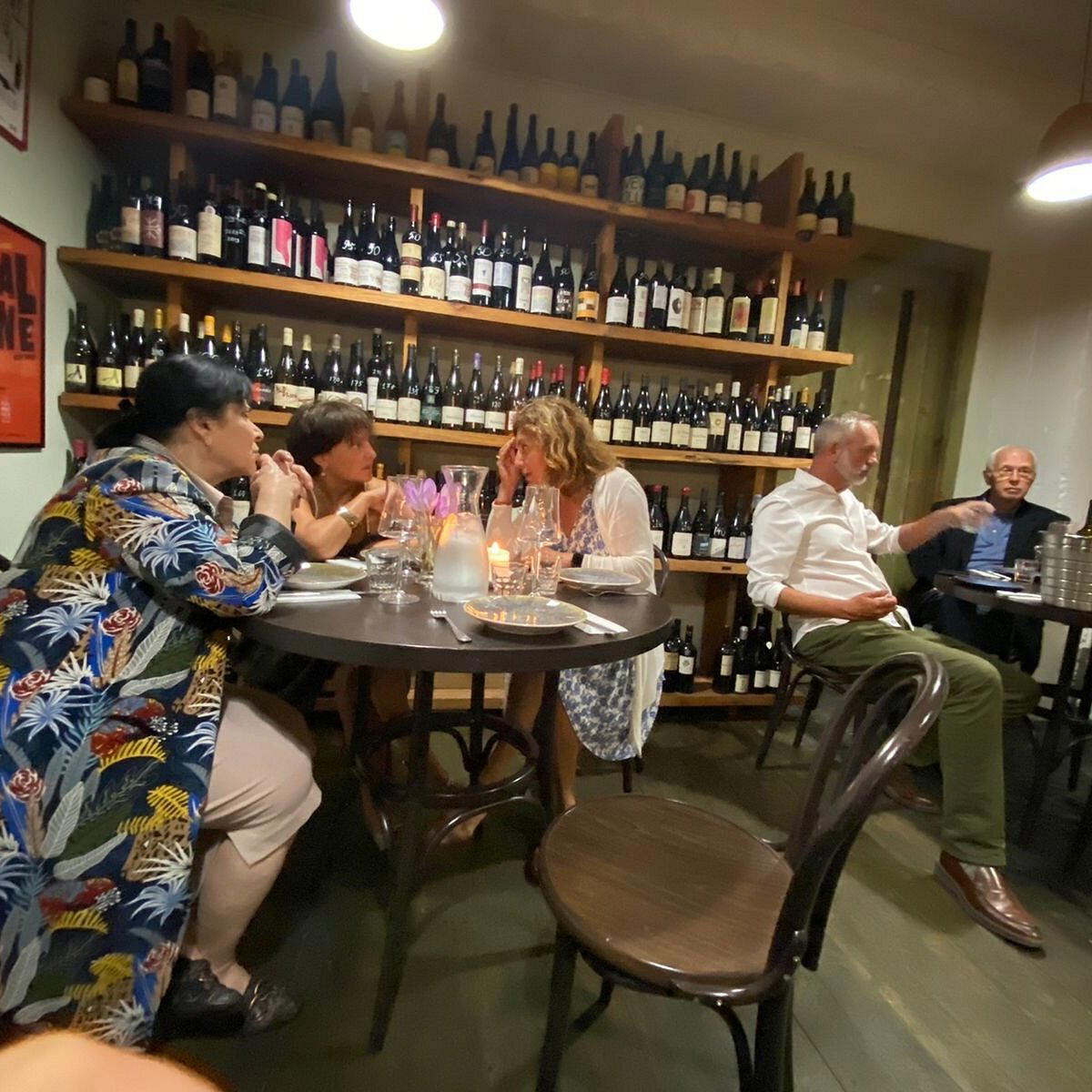
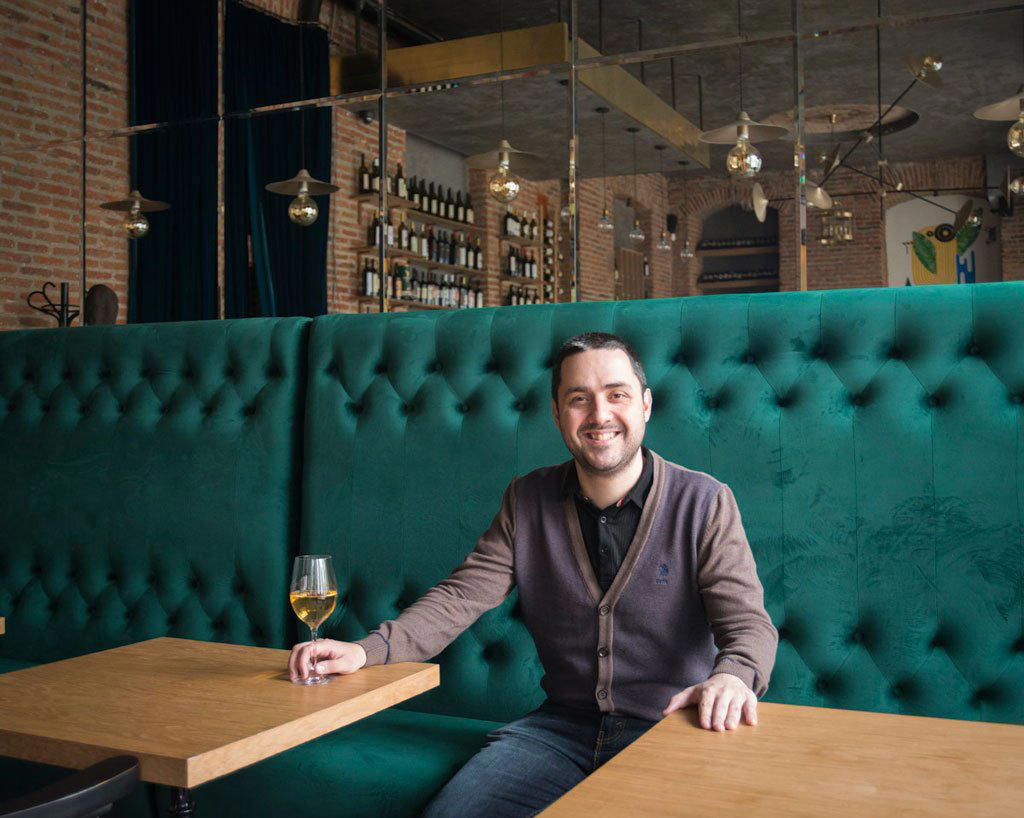
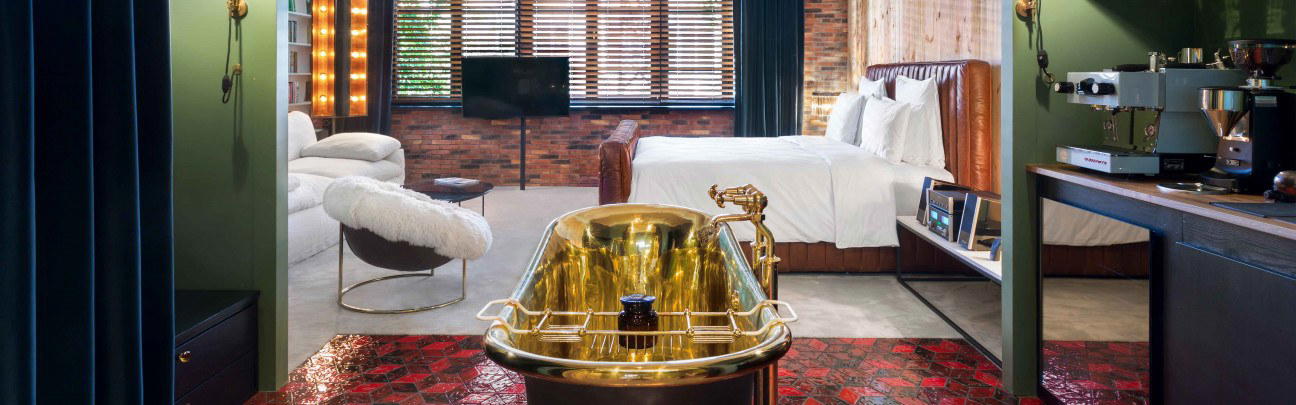
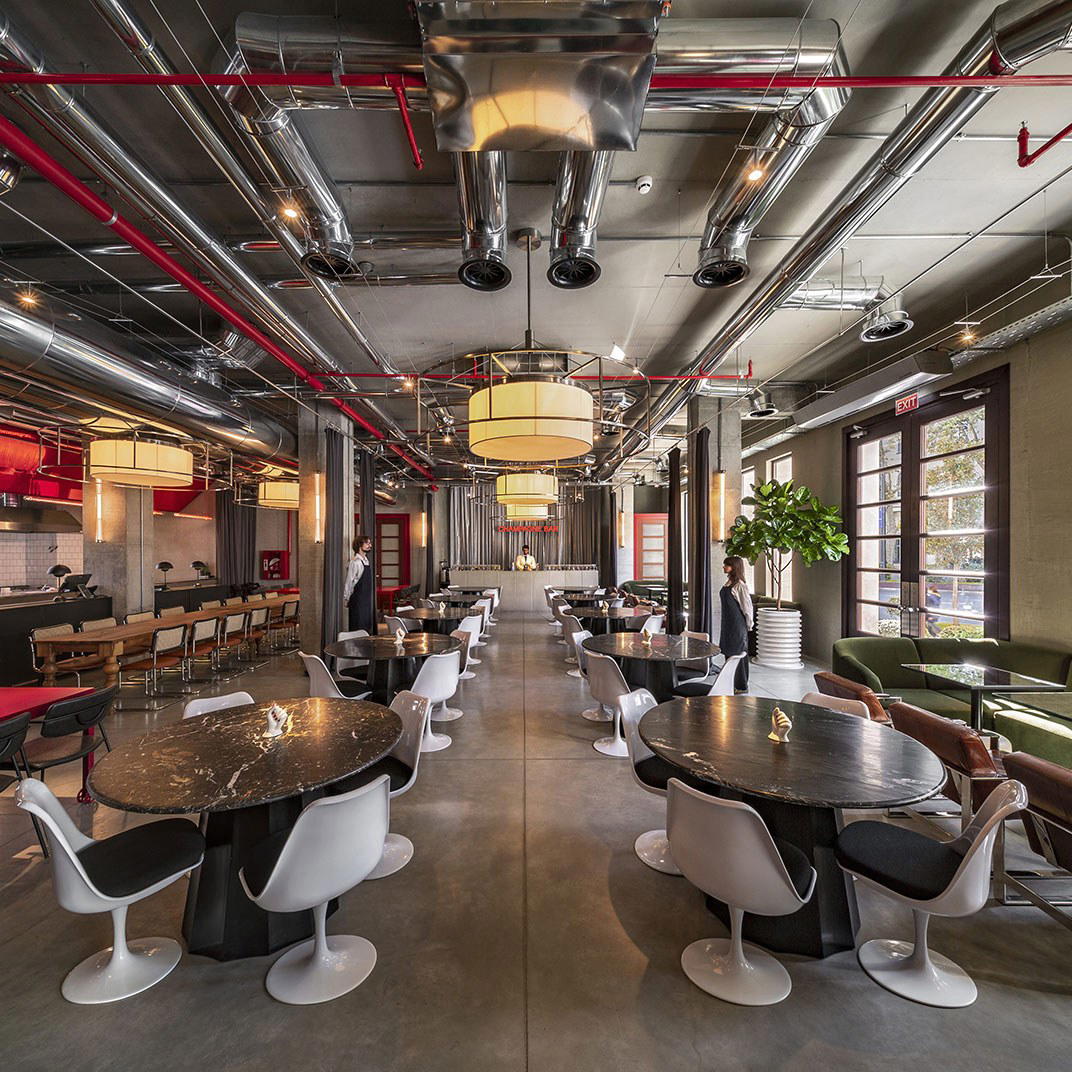
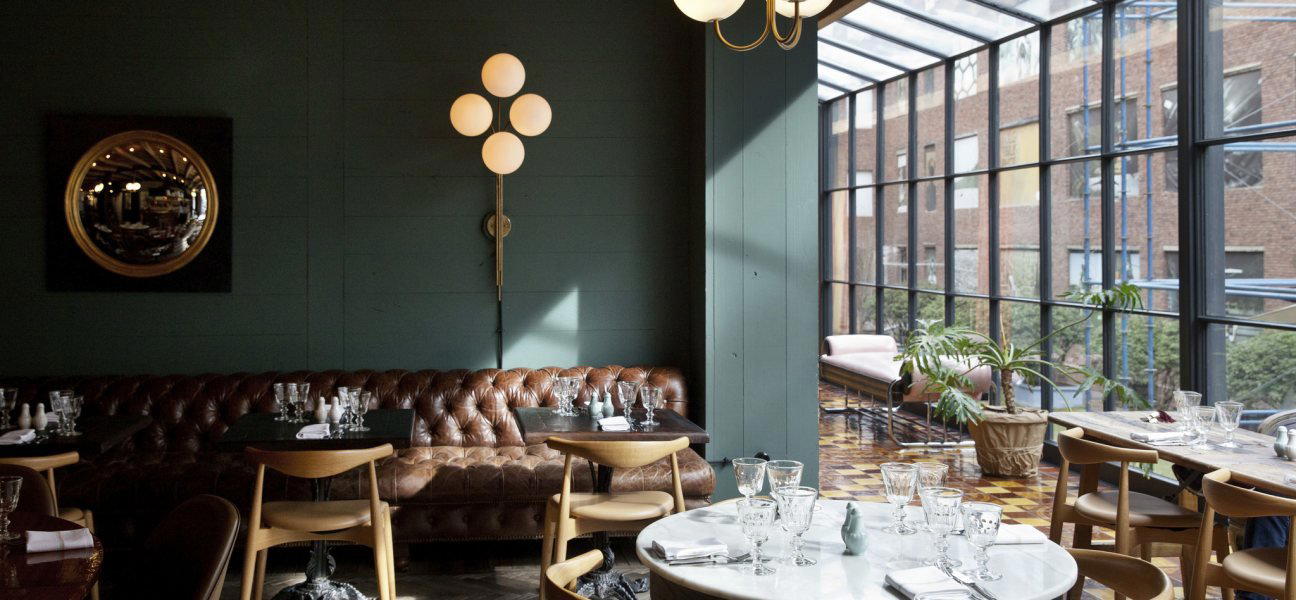
In Tbilisi's mid-range and upper-mid dining tier, the room does a great deal of work before the food arrives. Spaces tend toward exposed brick, low lighting, and the kind of acoustic warmth that makes long evenings feel intentional rather than accidental. These are environments calibrated for sitting, for conversation, for the kind of meal that takes two and a half hours without anyone feeling rushed. The Kitchen operates within this register — a Tbilisi address where the physical environment and the pacing of service are part of the offer, not incidental to it.
That pacing matters because Georgian food is structurally suited to it. Dishes like khinkali (the pleated dumplings typically eaten by hand, the doughy topknot left on the plate as a count) or lobiani (flatbread stuffed with spiced kidney beans) require a specific kind of attention. They are not food to eat quickly or distractedly. The ritual of how to hold, turn, and consume a khinkali is something locals will correct you on, gently, and understanding it shifts the meal from eating to participation.
Where The Kitchen Sits in the Tbilisi Scene
Tbilisi's contemporary restaurant scene has split into roughly three tiers. At the leading, a small group of addresses has built serious reputations around Georgian-European fusion or around archival Georgian recipes reconstructed for modern presentation. Barbarestan anchors that category, drawing its menu from a 19th-century Georgian cookbook and functioning as a culinary reference point for the city. Azarphesha operates in adjacent territory, with a strong focus on regional Georgian tradition. At the other end, a dense layer of neighbourhood spots serves the everyday supra format with little concession to the traveller audience.
Between those poles sits a cohort of addresses oriented toward a combined local and international dining public, places that apply some editorial judgment to the menu without abandoning Georgian fundamentals. This is where The Kitchen operates. Addresses in this tier tend to offer a more navigable entry point for visitors, with menus that signal what is worth ordering and service that does not assume you already know how the evening works. For comparison, Alubali and ATI occupy similar positions in the city's mid-tier contemporary bracket.
What to Order and Why the Order Matters
In a Georgian context, what you order and what you order first shapes the entire arc of the meal. The cold dishes, pkhali (vegetable preparations bound with walnut paste), badrijani nigvzit (fried aubergine rolled with spiced walnut filling), and the various bean salads, typically arrive first and set the table's communal register. This is not a cuisine of individual plates; most dishes are designed to share, and the table fills incrementally rather than clearing between rounds.
The wine selection deserves the same attention as the food. Georgia is one of the world's oldest wine cultures, and the amber wines produced through the qvevri method (grape juice fermented and aged in clay vessels buried in the ground) are specific to this region and meaningfully different from anything in the Western European tradition. For travellers building a wider picture of Georgian wine culture, the vineyard addresses at Pheasant's Tears Winery in Signagi and Schuchman Wines Chateau in Telavi offer a deeper look at how the tradition operates at source.
Planning Your Visit
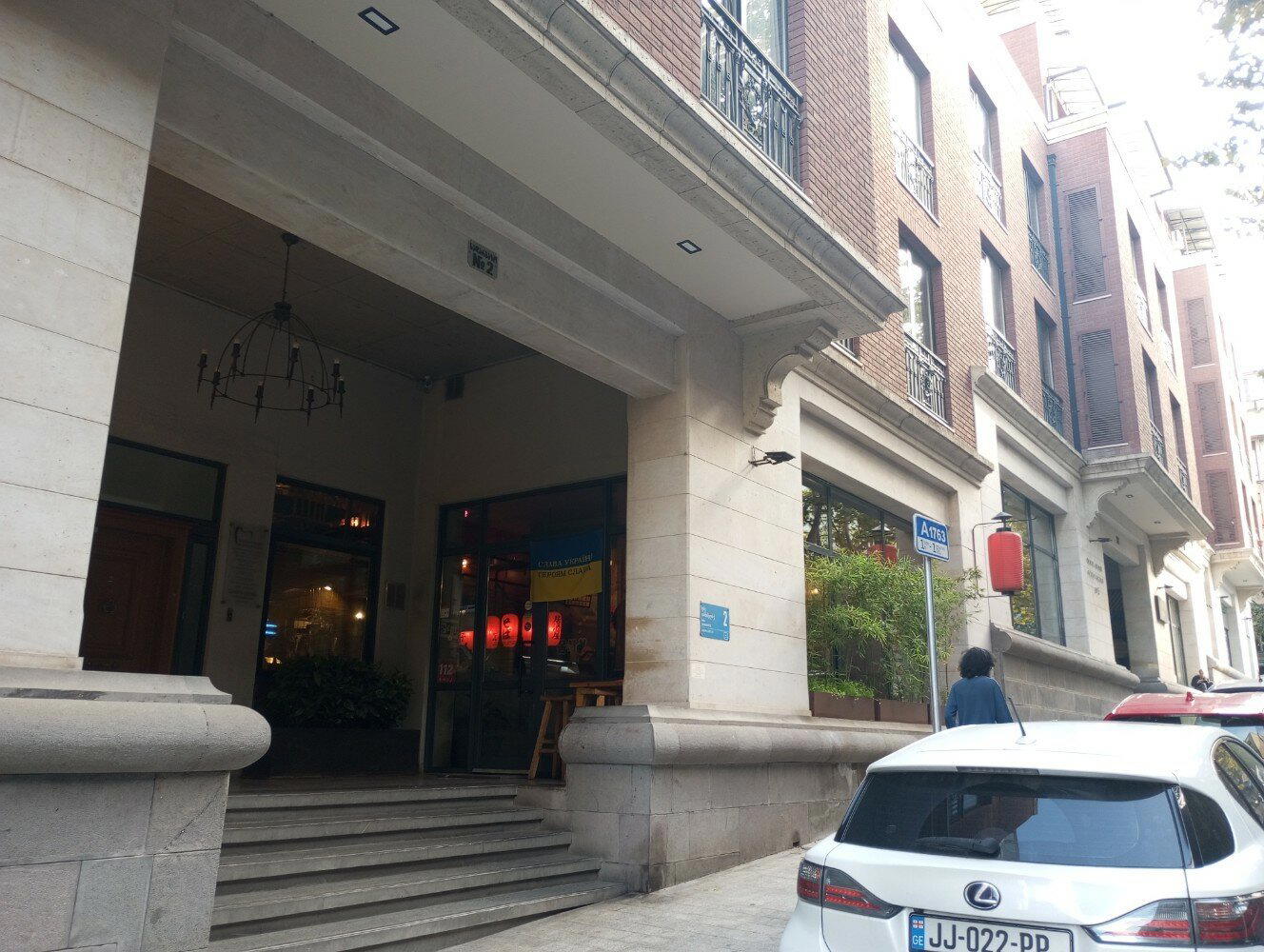
The Kitchen is located at 14 Merab Kostava Street, Tbilisi 0108, central enough to reach on foot from most of the city's main accommodation districts or by a short taxi ride. Current booking information, hours, and pricing are best confirmed directly with the venue or through current local listings, as these details were not available at publication. Tbilisi's more considered dining addresses tend to fill on weekend evenings, particularly from Thursday through Saturday, so planning ahead rather than arriving speculatively is advisable during peak travel months (spring and autumn, when the city's cultural calendar is densest).
For those extending beyond the capital, the Georgian dining scene rewards regional exploration. Doli in Telavi and Palaty in Kutaisi represent the kind of considered provincial addresses that reflect local culinary character without the capital's cosmopolitan overlay. Further afield, Gazaphkhuli in Chiatura and Crowne Plaza Borjomi offer different registers of the Georgian hospitality tradition. For those curious how Tbilisi's dining compares to ambitious contemporary formats elsewhere, the tasting-menu-led approach at Atomix in New York or the seafood-focused precision of Le Bernardin represents the international peer context against which Georgia's most ambitious chefs are increasingly measured. The communal dinner-party format at Lazy Bear in San Francisco also draws instructive parallels with the supra tradition in how it structures the social dimension of a meal.
Within Tbilisi, the city's Japanese-influenced addresses, including Akura San, show how quickly the capital's dining scene has diversified. For a fuller read on where The Kitchen sits among its local contemporaries, the Tbilisi restaurants guide provides the current competitive map. Other Georgia-wide references worth noting include Chiko in Aspindza, Umami at Clouds in Batumi, and Emeril's in New Orleans as a counterpoint in the tradition of chef-driven American dining that shares The Kitchen's orientation toward hospitality as a full experience rather than a transactional one.
Frequently asked questions
Is The Kitchen okay with children?
The Kitchen's address on Merab Kostava Street places it in a central, walkable part of Tbilisi rather than a late-night strip, which works in favour of families. Georgian dining culture is broadly accommodating of children at the table — meals are long and communal, and cold starters like pkhali arrive early, giving younger guests something to eat while the rest of the table settles in. Confirm specific arrangements directly with the venue before arrival.
Is The Kitchen better for a quiet night or a lively one?
Tbilisi's mid-range dining tier tends to run louder as the evening progresses — Georgian meals are social by design, with wine circulating freely and toasts punctuating the table. The Kitchen's position on Kostava Street puts it in a district that sees steady evening foot traffic rather than a party neighbourhood, so earlier sittings lean quieter. If a subdued meal is the priority, arriving before 8pm is the practical move.
Does The Kitchen in Tbilisi focus on traditional Georgian recipes or a more modern interpretation?
The Kitchen sits within Tbilisi's contemporary dining tier, where the approach generally involves Georgian ingredients and structural traditions — cold starters, shared plates, wine at the centre of the table — reframed with a more current sensibility. This places it between the strictly traditional Georgian table and the experimental restaurants at the top of the city's scene. For diners arriving via 14 Merab Kostava Street, the context is Georgian cooking updated rather than Georgian cooking replicated.
What should I eat at The Kitchen?
In a Georgian context, the sequencing matters as much as the selection: cold preparations like pkhali and bread-based dishes anchor the early table, with heavier plates following. The Kitchen sits in Tbilisi's contemporary dining tier, where kitchens tend to work regional Georgian ingredients through a modern lens rather than replicating a grandmother's menu verbatim. Order broadly across the cold starters before committing to mains — the spread sets the tone for everything that follows.
Where is The Kitchen in Tbilisi?
The Kitchen is located at 14 Merab Kostava St, Tbilisi 0108, Georgia, Tbilisi.
What's the best way to book The Kitchen?
No booking phone number or website is currently listed for The Kitchen at 14 Merab Kostava Street, Tbilisi. For central Tbilisi restaurants in this tier, walk-in is often viable at lunch and earlier dinner hours, while weekend evenings warrant advance contact.
What makes The Kitchen worth seeking out?
The Kitchen occupies a specific and useful position in Tbilisi's restaurant scene: contemporary enough to feel considered, but operating within the Georgian dining ritual of communal plates, natural wine, and meals that extend well past two hours. At 14 Merab Kostava Street, it is central to the city's main accommodation and cultural districts, which removes the logistics that can complicate dining in Tbilisi's more scattered neighbourhoods. For visitors wanting to understand how the city eats now rather than how it ate a generation ago, that combination of location and approach is the draw.
Cost Snapshot
Comparable venues nearby, for context on price, style, and recognition.
| Venue | Cuisine | Price | Notes |
|---|---|---|---|
| The KitchenThis venue — the venue you are viewing | Modern Georgian & Italian | $20–30 | Not listed |
| Cafe Verde | European Grill | $20–30 | Tbilisi, European Grill |
| Shemomechama old Tbilisi | Traditional Georgian Khinkali House | $10–20 | Tbilisi, Traditional Georgian Khinkali House |
| Keto & Kote | Modern Georgian | $30–50 | Tbilisi, Dining |
| Café Leila | Georgian Vegetarian Café | $10–20 | Tbilisi, Georgian Vegetarian Café |
| Dadiani | Traditional Georgian (Mingrelian) | $20–30 | Tbilisi, Traditional Georgian (Mingrelian) |