
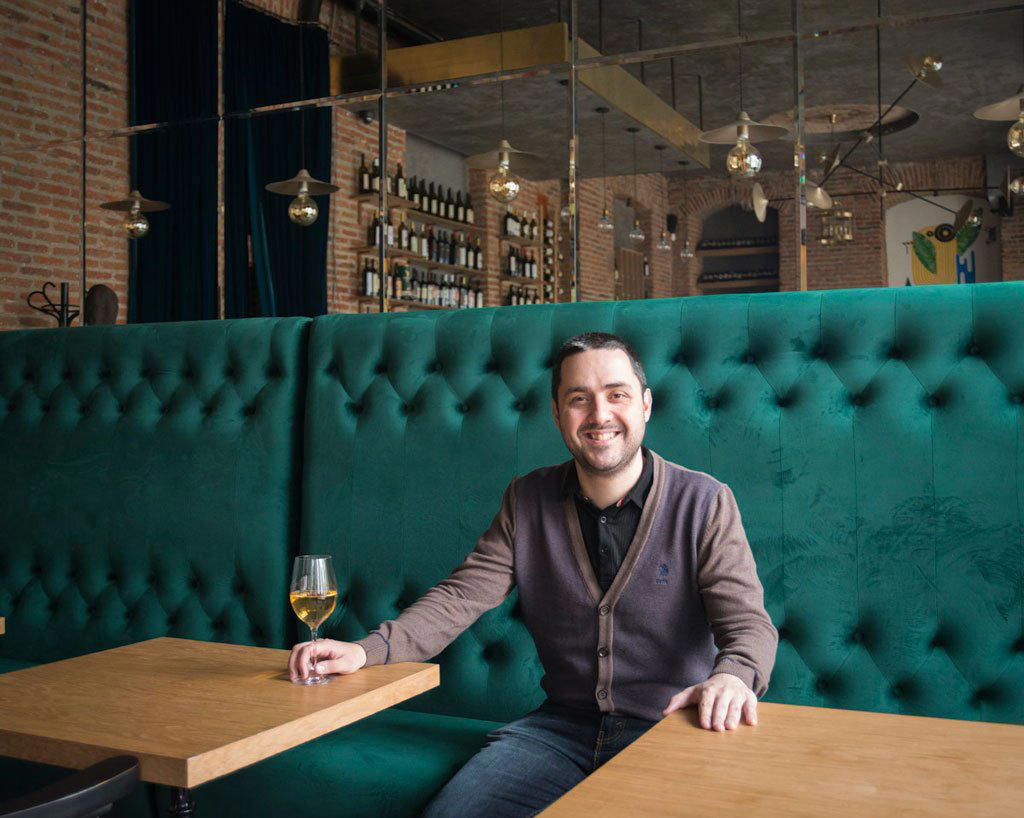
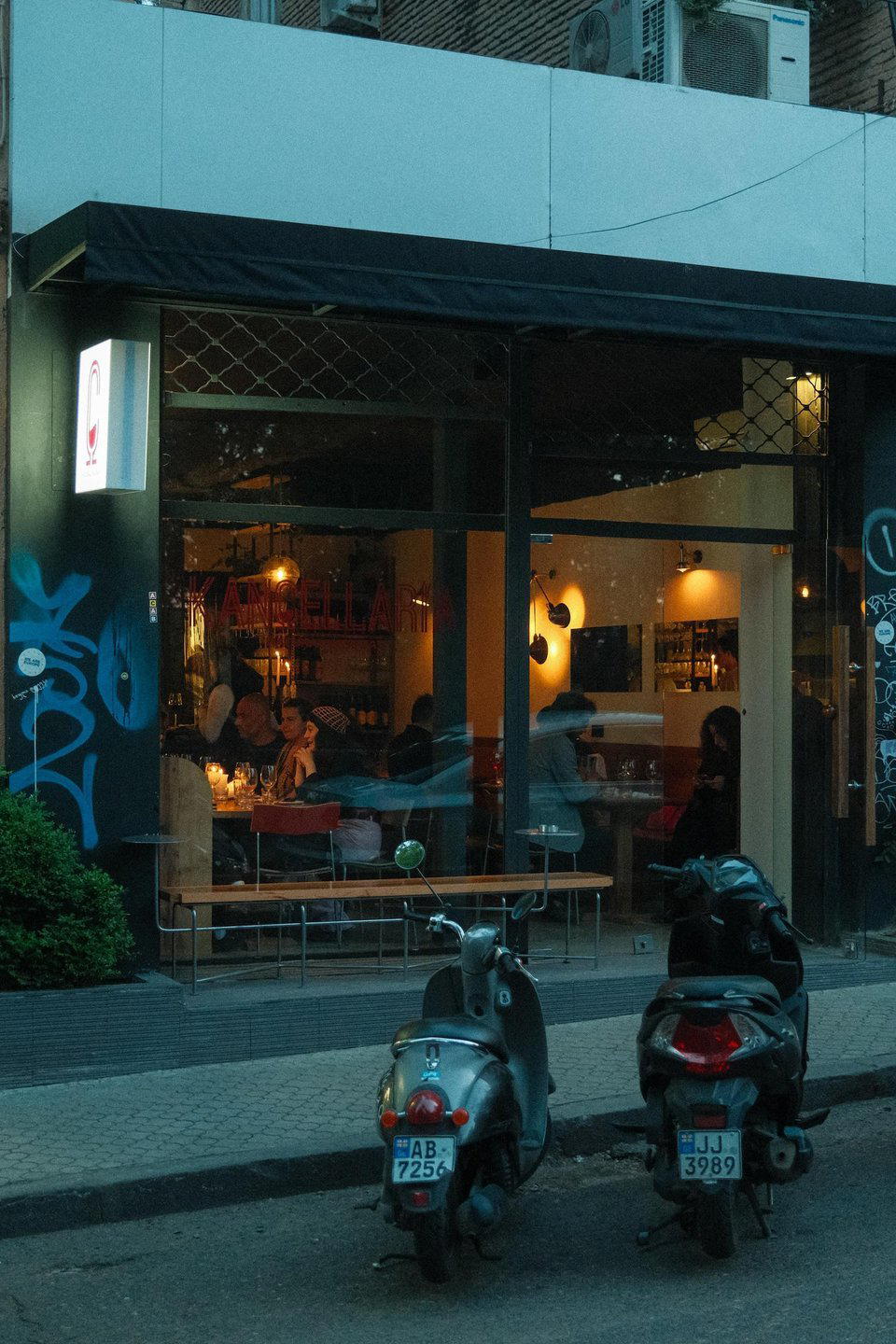
In Tbilisi's historic Vera district, Sulico has established itself as a reference point for natural and conventional wine in the Georgian capital, drawing both locals and visiting drinkers who know what they're looking for. The bar sits at 27 Mikheil Zandukeli Street and pairs a considered drinks list with a food programme that treats wine as the primary lens. A few years of operation have made it a fixture rather than a novelty.
Pearl is the En Primeur Club membership app — saves, bookings, and concierge access live there. Same editors, same standards.
- Address
- 27 Mikheil Zandukeli St, Tbilisi 0179, Georgia
- Phone
- +995 511 10 27 27
- Website
- facebook.com
- Directions
- Get directions
 Saves & bookings on Pearl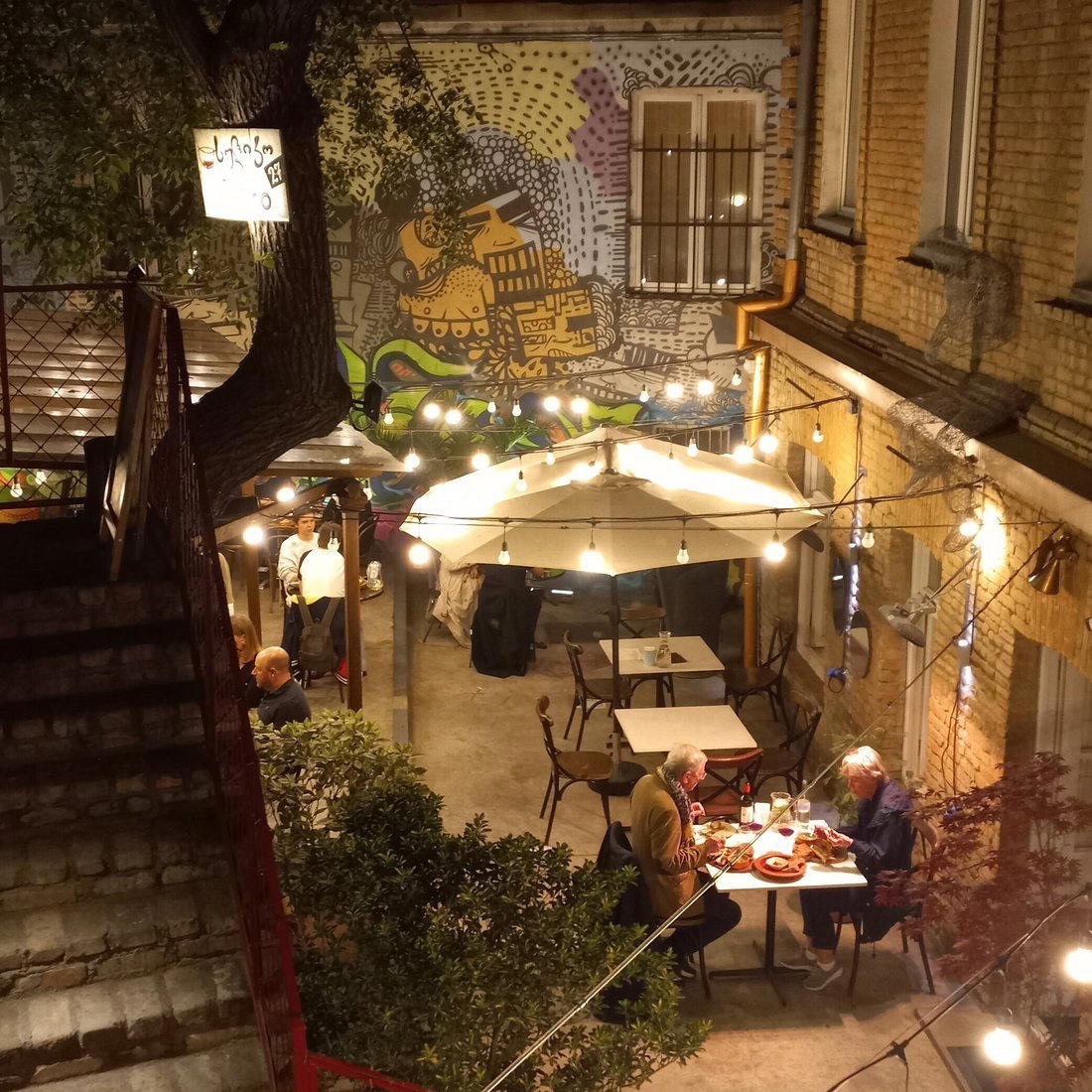
Vera's Drinking Culture and Where Sulico Fits
Tbilisi's bar scene has undergone a pronounced shift over the past decade. The city that once exported wine almost entirely as a cultural footnote to Soviet-bloc neighbours has rebuilt its on-trade around natural wine, amber wine, and the qvevri tradition with a speed that has drawn international attention. That shift is most legible in the Vera district, the residential quarter south of Rustaveli Avenue where independent bars, wine cellars, and low-key restaurants have clustered into something approaching a coherent neighbourhood drinking circuit. Vera is not a tourist strip — it reads as a place where Tbilisians actually spend their evenings, which tends to produce better bars than areas that exist primarily for visitor footfall.
Sulico sits inside that circuit at 27 Mikheil Zandukeli Street, and its positioning reflects the broader Vera logic: a bar that takes its drinks list seriously, keeps its atmosphere residential in scale, and earns repeat custom rather than one-time traffic. It opened a few years ago and moved quickly from new arrival to local fixture, which in Tbilisi's increasingly competitive wine-bar tier is not a given.
The Natural Wine Context
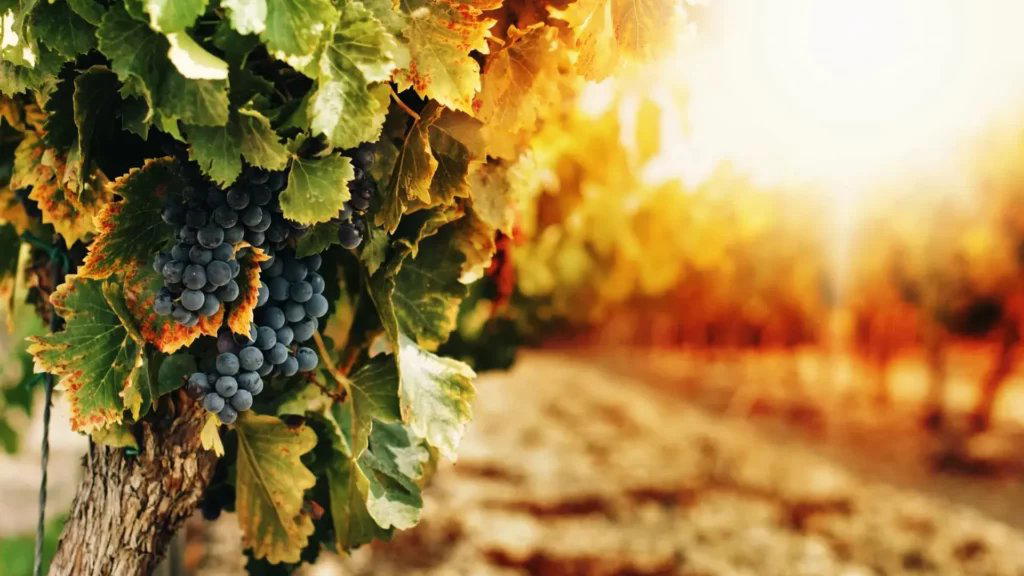
Georgia's claim on the wine world's attention rests on a legitimate historical argument: the country has been producing wine in clay vessels buried underground for approximately 8,000 years, predating European winemaking traditions by millennia. The qvevri, the egg-shaped clay amphora at the centre of that tradition, has become the reference point for a global natural wine conversation that positions Georgia as origin rather than imitator. What that means practically, for a bar operating in Tbilisi today, is that a serious wine list carries both weight and complexity, you are working with producers who may use weeks or months of skin contact, minimal sulphur additions, and grape varieties that most international drinkers have never encountered.
Sulico's list spans natural and conventional wine, which is a deliberate choice worth noting. The all-natural positioning that some Tbilisi bars adopt can feel doctrinaire; a list that moves between natural production and more conventionally made Georgian and international bottles gives the bar broader utility as a dining and drinking space. For a visitor building their first serious engagement with Georgian wine, that breadth matters. For the returning drinker who already knows the amber wine canon, the natural selection provides the depth. The bar 8000 Vintages in Tbilisi operates in a similar register of historical seriousness, and together these addresses form a small but coherent circuit for anyone spending more than a day or two drinking their way through the city.
Food as Complement, Not Afterthought
The question of food at wine bars matters more than it is usually given credit for. A bar that treats its kitchen as a grudging concession to hungry guests produces a fundamentally different experience from one where the food programme is designed around the drinks list. In Georgia, the raw material available to any kitchen, churchkhela, badrijani nigvzit, lobiani, the sharp-edged minerality of Sulguni cheese, gives even modest food programmes a natural alignment with the tannin structure and acidity that define Georgian amber wines. That alignment is built into the cuisine rather than engineered by the kitchen.
At Sulico, the food offering functions as a structural complement to the wine rather than a separate track. The Georgian table has always been calibrated around wine, the supra, the traditional feast format, is organised as a drinking occasion with food as its vehicle, and a bar in Vera that draws on that tradition has a coherent logic to follow. What makes the food programme at a bar like this work is the way Georgian flavour profiles interact with the wines: the walnut-heavy preparations, the herbaceous sauces, the fermented and pickled elements all have a natural counterpoint in the grippy tannins and oxidative notes of qvevri-aged whites. You do not need to think consciously about pairing; the cuisine handles the architecture.
This is the dimension that separates Sulico from the city's more drinks-only addresses. A bar that operates a food programme with this kind of cultural coherence gives the drinker a reason to slow down and stay longer, which in turn produces a more considered engagement with whatever is in the glass. The model is similar in intent to what you find at bars like Kumiko in Chicago or Jewel of the South in New Orleans, where the food and drinks programmes are developed in genuine dialogue rather than in parallel silos. At the international bar tier, whether Bar Leather Apron in Honolulu, Julep in Houston, Superbueno in New York City, or The Parlour in Frankfurt, the bars that sustain serious reputations tend to be those where the food programme is a considered editorial decision, not a practical obligation. Sulico operates in that spirit, with the additional advantage that Georgian cuisine provides a culturally embedded pairing logic that bars in other cities have to construct deliberately.
Approaching the Bar
The Vera district rewards a particular pace. It is a neighbourhood of apartment buildings, mature trees, and streets that narrow unpredictably, and arriving on foot from the Rustaveli metro axis gives you a sense of the residential scale before you reach the bar. Sulico's address on Zandukeli Street places it within a short walk of several other bars worth including in the same evening, making it a natural component of a longer circuit rather than a standalone destination. If you are building a Tbilisi wine evening, the logical structure is to use Sulico's combination of food and wine as the anchor, the point where you slow down and eat, with shorter stops elsewhere before or after.
Georgia's wine calendar concentrates around the harvest months of September and October, and Vera bars fill accordingly.
For a fuller account of the city's drinking and dining options across neighbourhoods, the EP Club Tbilisi guide maps the broader scene. If your travels extend beyond the capital, Dilber Gentlemen's Club in Batumi represents a different register of Georgian bar culture on the Black Sea coast.
How Sulico Tbilisi compares with similar nearby venues.
| Venue | Awards |
|---|---|
| Sulico | Star Wine List (2026) |
Recognition history
Dated appearances from independent guides and award organizations, with the underlying list record or original source where available.
Star Wine List
Star Wine List
Continue exploring
More in Tbilisi
Bars in Tbilisi
Browse all →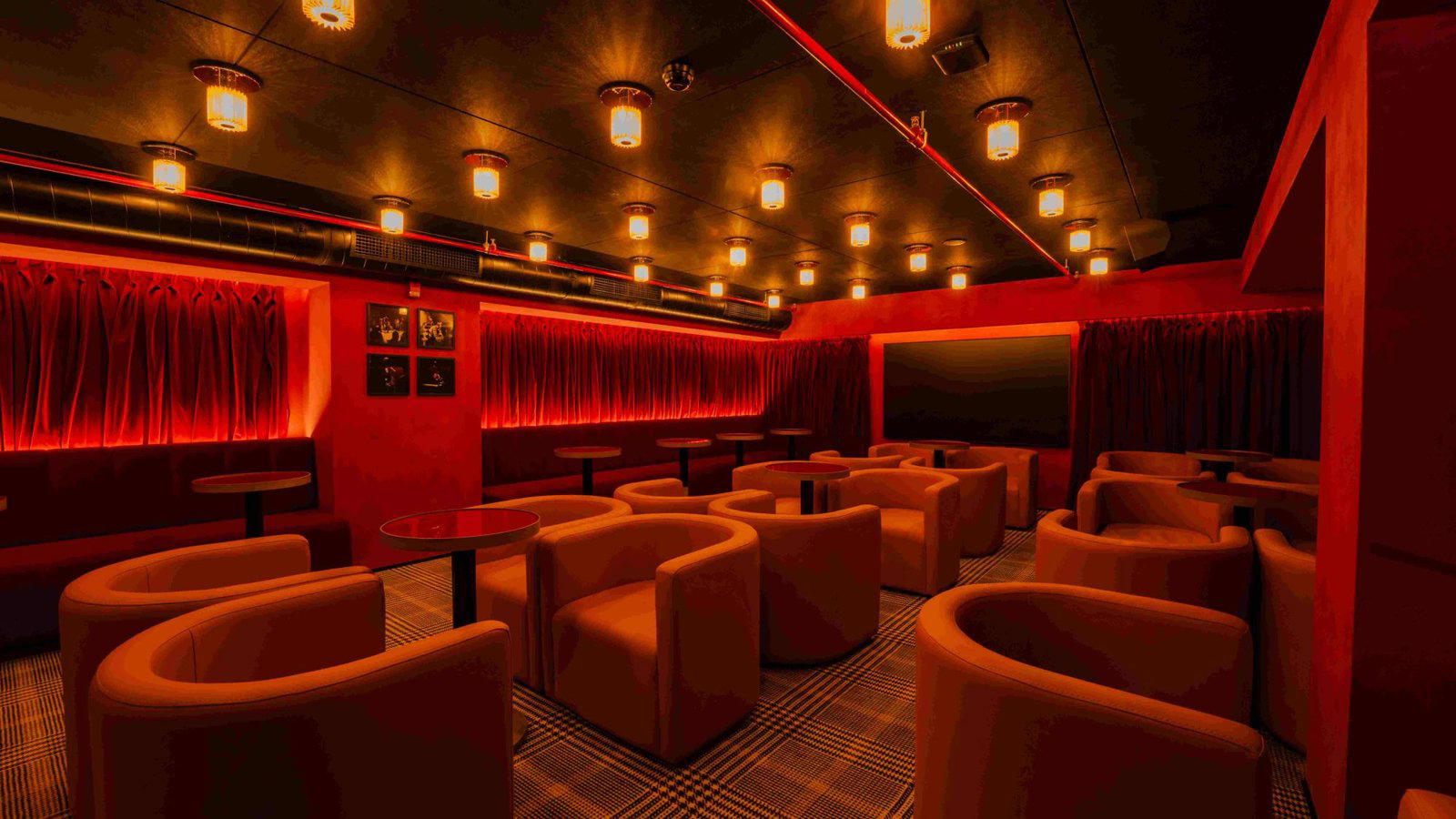
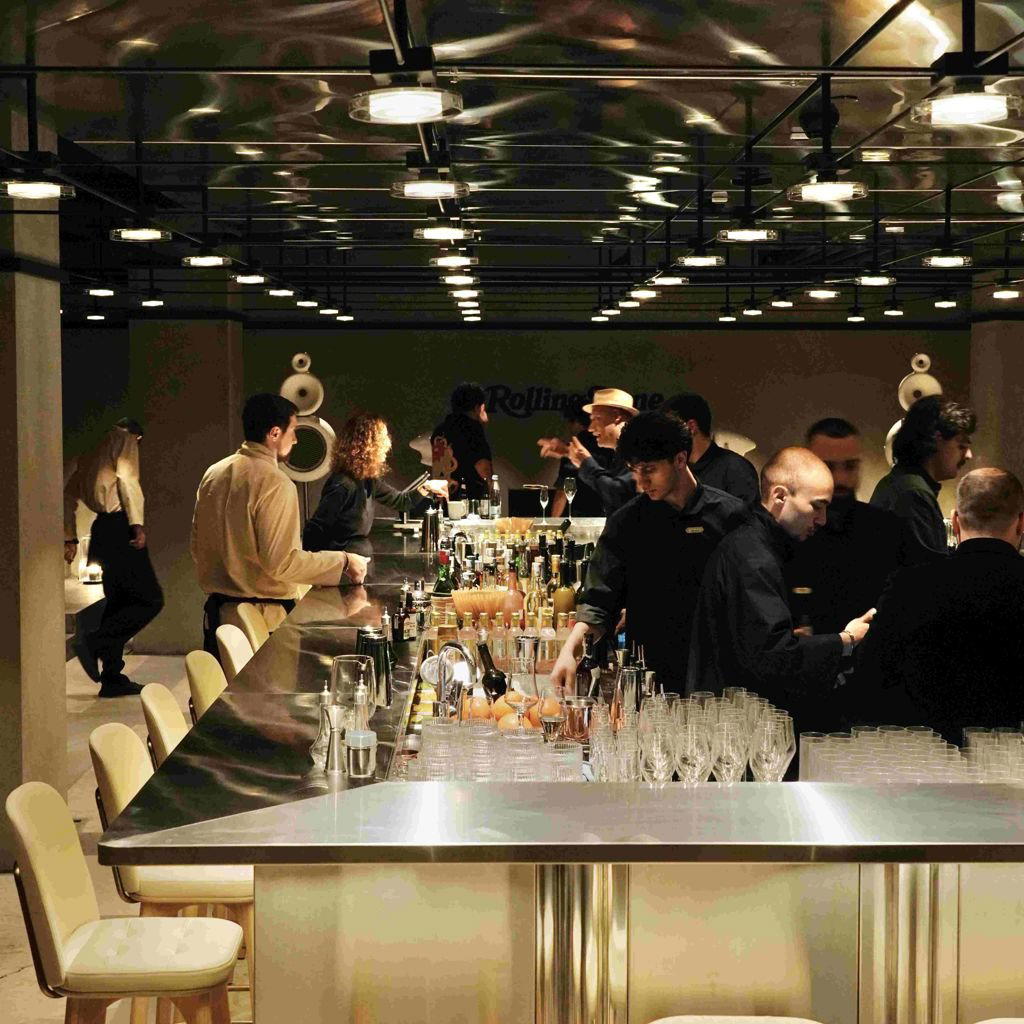
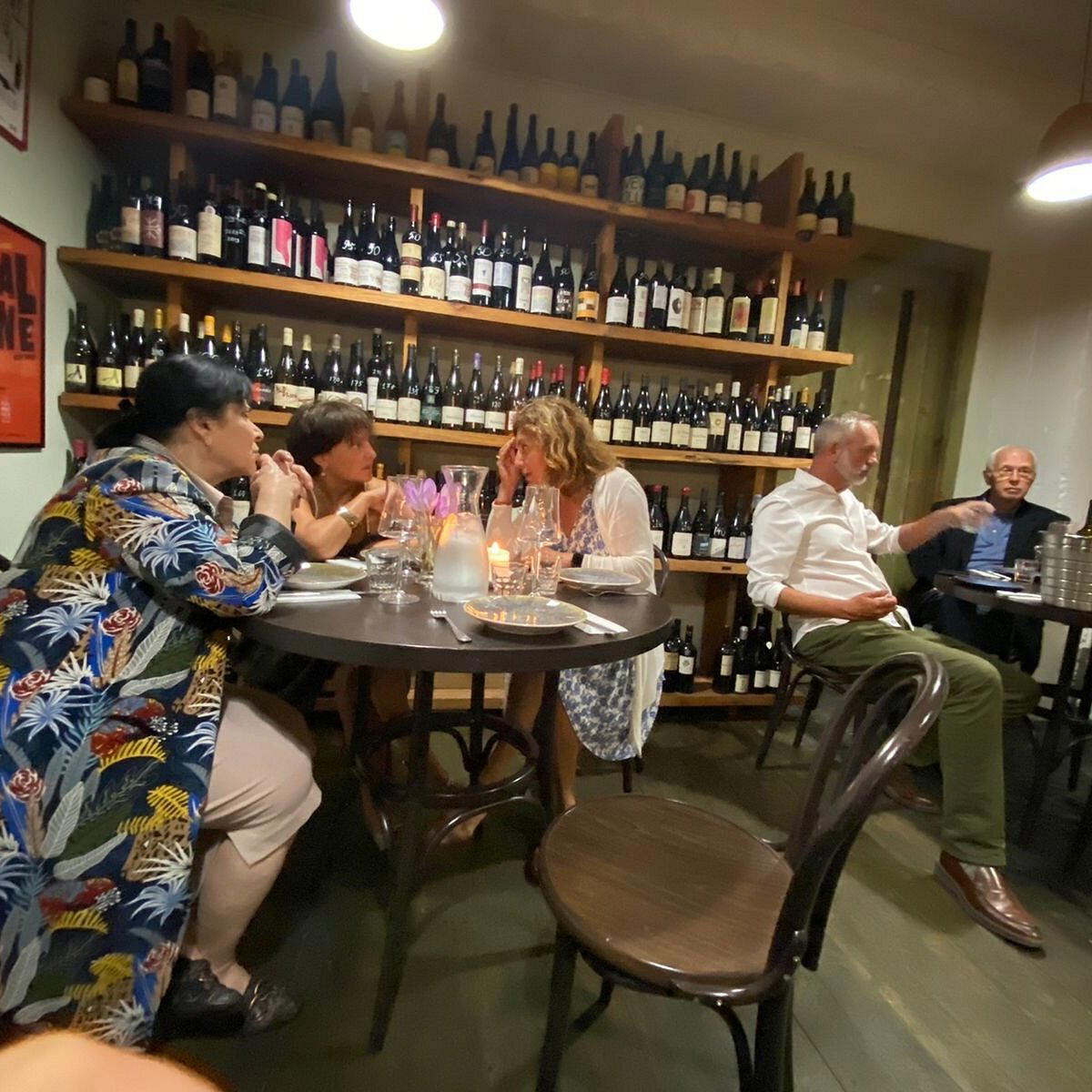
Restaurants in Tbilisi
Browse all →
Hotels in Tbilisi
Browse all →

At a Glance
- Cozy
- Intimate
- Bohemian
- Date Night
- Casual Hangout
- Late Night
- Terrace
- Lounge Seating
- Outdoor Terrace
- Natural Wine
- Conventional Wine
- Street Scene
Current opening hours
- Monday
- 6 PM–12:30 AM
- Tuesday
- 6 PM–12:30 AM
- Wednesday
- 6 PM–12:30 AM
- Thursday
- 6 PM–12:30 AM
- Friday
- 3 PM–12:30 AM
- Saturday
- 3 PM–12:30 AM
- Sunday
- 3 PM–12:30 AM
Hours can change for holidays and private events. Last verified .
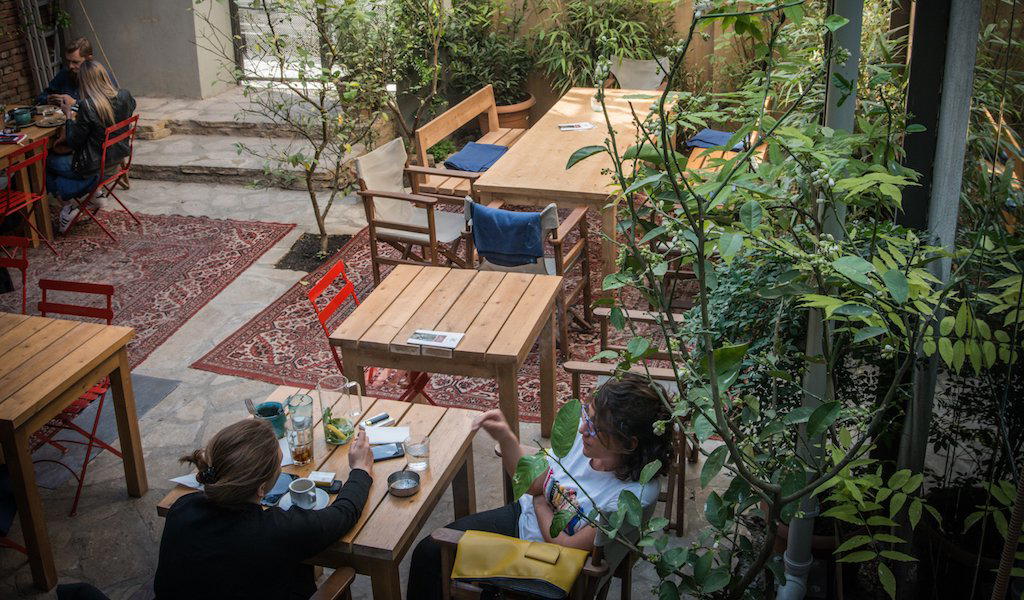
Sophisticated and cozy ambiance with soulful jazz, enchanting terrace, candlelight, and welcoming atmosphere.
Know Before You Go
- Getting there
- 27 Mikheil Zandukeli St, Tbilisi 0179, Georgia