On David Agmashenebeli, Tbilisi's most architecturally loaded avenue, Amber Bar operates where the city's natural-wine confidence meets a measured cocktail sensibility. The address places it inside a stretch of bars that have redefined how Georgians and visitors alike think about drinking culture. Come for the programme; the room will hold its own.

Pearl is the En Primeur Club membership app — saves, bookings, and concierge access live there. Same editors, same standards.
- Address
- 49 David Agmashenebeli St, Tbilisi, Georgia
- Phone
- +995 514 49 00 49
- Directions
- Get directions
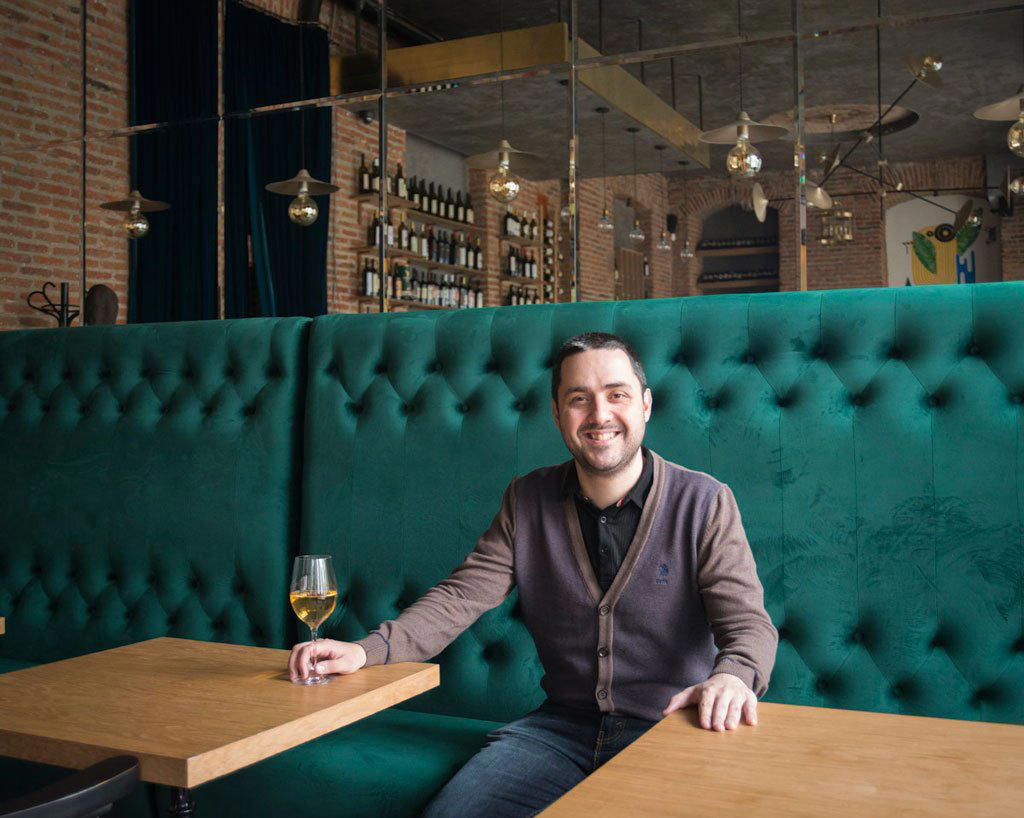
David Agmashenebeli and the Drink That Defines It
Tbilisi's bar culture has been reshaping itself around a specific tension: the city sits on one of the world's oldest winemaking traditions, with amber-hued skin-contact wines that predate French classicism by several millennia, yet its cocktail scene has been developing its own grammar in parallel. David Agmashenebeli Street, a long boulevard of 19th-century Russian-era facades in the Chughureti district, has become one of the corridors where that tension plays out most visibly. Amber Bar, at number 49, sits inside this conversation rather than apart from it.
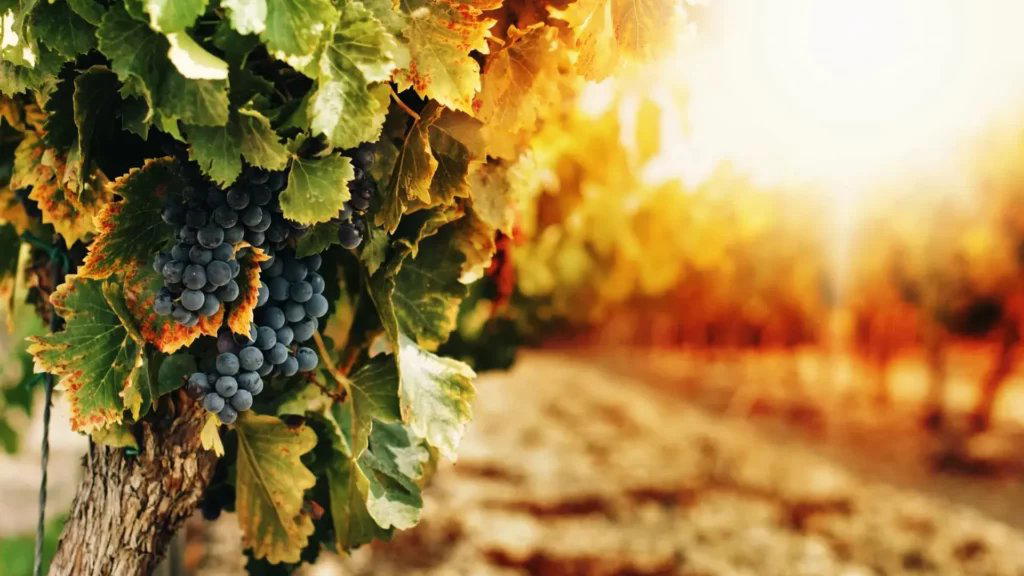
The avenue rewards walking. Its ground-floor bars and wine spots accumulate in a way that makes the strip function as a kind of informal tasting circuit, where guests move between addresses rather than settling at one for the night. Amber Bar fits that rhythm. The name itself nods to Georgia's signature winemaking method, in which white grapes ferment on their skins in clay qvevri buried underground, producing wines of deep amber colour and tannin structure that have little precedent in European cellars. Whether the programme leans into that reference programmatically or treats it as pure nomenclature, the address carries the association regardless.
What the Cocktail Programme Signals
Tbilisi's better bars have been moving away from the purely decorative end of cocktail-making toward programmes with more deliberate sourcing and technique. The shift mirrors what has happened in cities like Chicago, where Kumiko built its identity around Japanese-inflected precision, or New Orleans, where Jewel of the South draws on deep regional tradition to anchor its menu. In Tbilisi, the local ingredient base offers something those cities do not: chacha (Georgian grape spirit), tarragon sodas with an almost herbal aggression, churchkhela-derived sweetness, and the structural complexity of skin-contact wine as a cocktail component. A bar that makes intelligent use of those materials produces something that cannot be replicated in Frankfurt or Honolulu, however technically accomplished the team at The Parlour or Bar Leather Apron might be.
The framing of the bar around amber wine rather than a spirit category is itself an editorial decision. It suggests the programme treats wine and spirits as a continuum rather than separate departments, which aligns with how Georgian drinking culture actually operates. Georgians do not tend to draw a hard line between wine service and cocktail service at the table; the meal moves between them. A bar that reflects that fluidity rather than imposing a Western spirits-first hierarchy is making a meaningful choice about its identity within the local scene.
The Atmosphere on Agmashenebeli
Approaching from the Rustaveli end of the boulevard, the architecture transitions from Soviet-modernist to something older and more layered, with wrought-iron balconies and peeling plaster that has become its own aesthetic category in Tbilisi travel writing. The bar addresses along this stretch do not announce themselves aggressively. They tend toward low signage, narrow frontages, and interiors that open up once you are inside. This understatement is partly practical (Tbilisi licensing and signage norms differ from Western European cities) and partly a cultural register. The city's nightlife confidence does not rely on theatre at the door.
Inside, Tbilisi bar rooms on this strip typically run to bare bulbs, exposed brick or plaster, and furniture that has the comfortable mismatched quality of rooms that have been lived in rather than art-directed. The atmosphere at any given hour shifts considerably: quieter in the early evening when the neighbourhood functions as a pre-dinner stop, fuller and louder by late night when Agmashenebeli comes into its own as a destination rather than a transit point.
How Amber Sits in the Tbilisi Bar Conversation
The Tbilisi bar scene has developed a small number of addresses that receive consistent editorial attention from international travel publications, and those addresses cluster into rough tiers. At the natural-wine specialist end, venues like 8000 Vintages have built reputations around list depth and producer access. At the cocktail-programme end, bars like Kancellaria, Poliphonia, and Saamuri have been developing their respective niches. Amber Bar occupies a position that bridges these categories, with the name and concept suggesting wine-adjacency while operating as a bar rather than a wine room.
For comparison across Georgia's bar geography, Dilber Gentlemen's Club in Batumi represents the coastal city's version of cocktail ambition, which runs along different lines from Tbilisi's and speaks to how differentiated the country's drinking culture has become across its two main urban centres. Tbilisi's bars tend toward the intellectually restless; Batumi's operate under a different set of pressures shaped by resort seasonality and a more international transient clientele.
For readers who want to understand how Tbilisi's bar scene compares to other cities building serious programmes, the references are useful: Superbueno in New York City and Julep in Houston both demonstrate how a strong regional ingredient identity can give a cocktail programme a specificity that technique alone cannot manufacture. That is precisely the opportunity Tbilisi bars have, and Amber Bar's framing suggests it understands that.
Planning Your Visit
Amber Bar is at 49 David Agmashenebeli Street, a walkable address from the Marjanishvili metro station on the Akhmeteli-Varketili line. The boulevard is leading approached on foot; it is a dense strip and parking is neither convenient nor particularly relevant at bar hours. Tbilisi's bar scene runs late by European standards, with most serious addresses hitting their stride after 22:00, so early-evening visits to Agmashenebeli function differently from midnight ones. Our full Tbilisi restaurants and bars guide maps the broader scene if you are building a multi-night itinerary around the city.
At-a-Glance Comparison
| Venue | Price | Awards |
|---|---|---|
| Amber BarThis venue — the venue you are viewing | Not listed | Not listed |
| Kancellaria | Not listed | Star Wine List |
| Poliphonia | $20–30 | Star Wine List |
| Saamuri | $10–20 | Star Wine List |
| Sulico | $20–30 | Star Wine List |
| Vino Underground | $10–20 | Star Wine List |
Continue exploring
More in Tbilisi
Bars in Tbilisi
Browse all →
Restaurants in Tbilisi
Browse all →
Hotels in Tbilisi
Browse all →

Details
- Cozy
- Elegant
- Intimate
- Date Night
- Casual Hangout
- Standalone
- Lounge Seating
- Conventional Wine
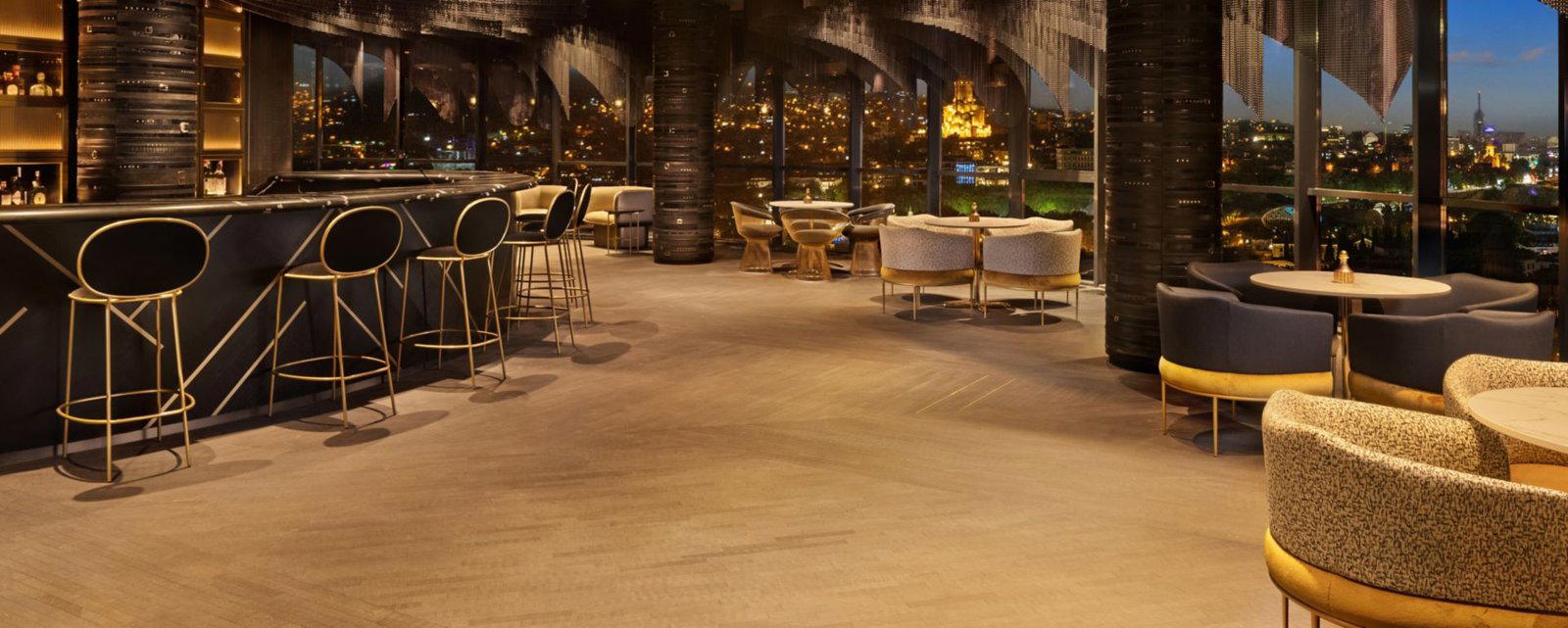
Large windows and natural materials with candlelit evenings and soft music creating an inspiring and moody atmosphere.