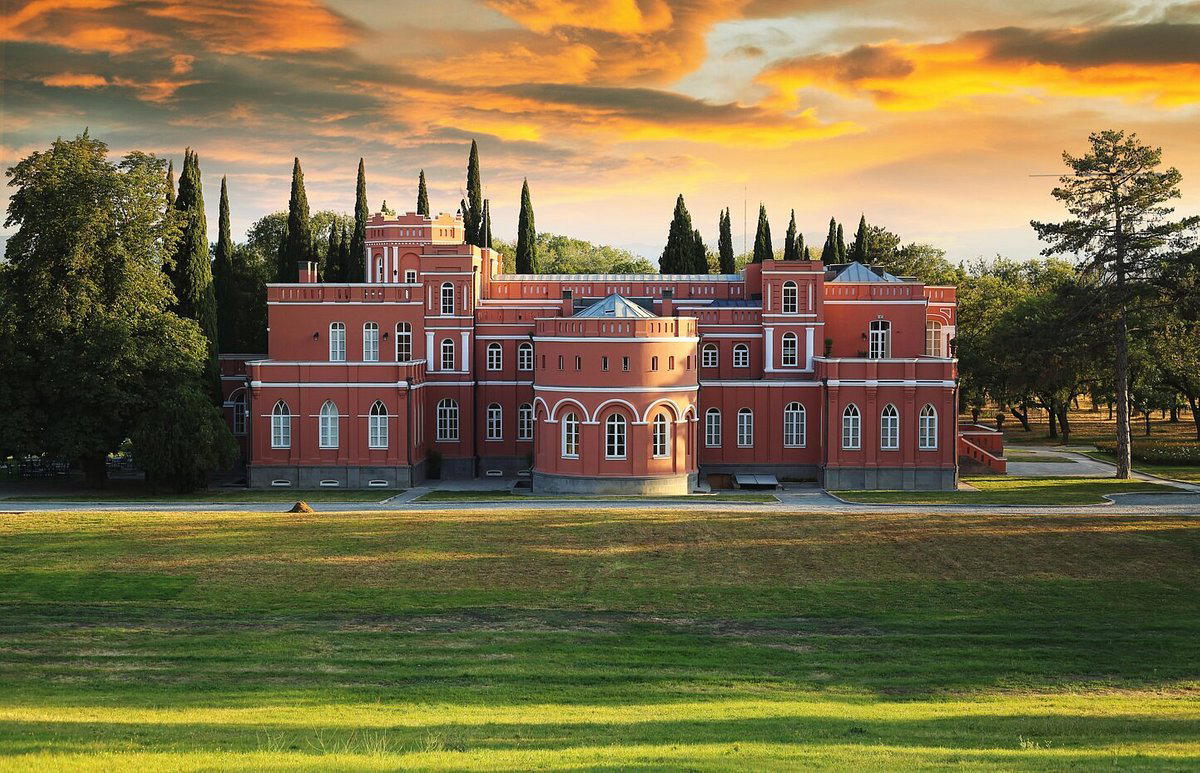
Georgian House on Giorgi Tsabadze Street sits in the tier of Tbilisi restaurants where traditional Georgian menu architecture, the long spread of cold dishes, grilled meats, and amber wine, is taken seriously as a structural proposition rather than a backdrop. Positioned alongside Tbilisi addresses like Barbarestan and Azarphesha, it draws visitors looking for Georgian table culture in a considered setting without the theatre of upscale fusion.
Pearl is the En Primeur Club membership app — saves, bookings, and concierge access live there. Same editors, same standards.
- Address
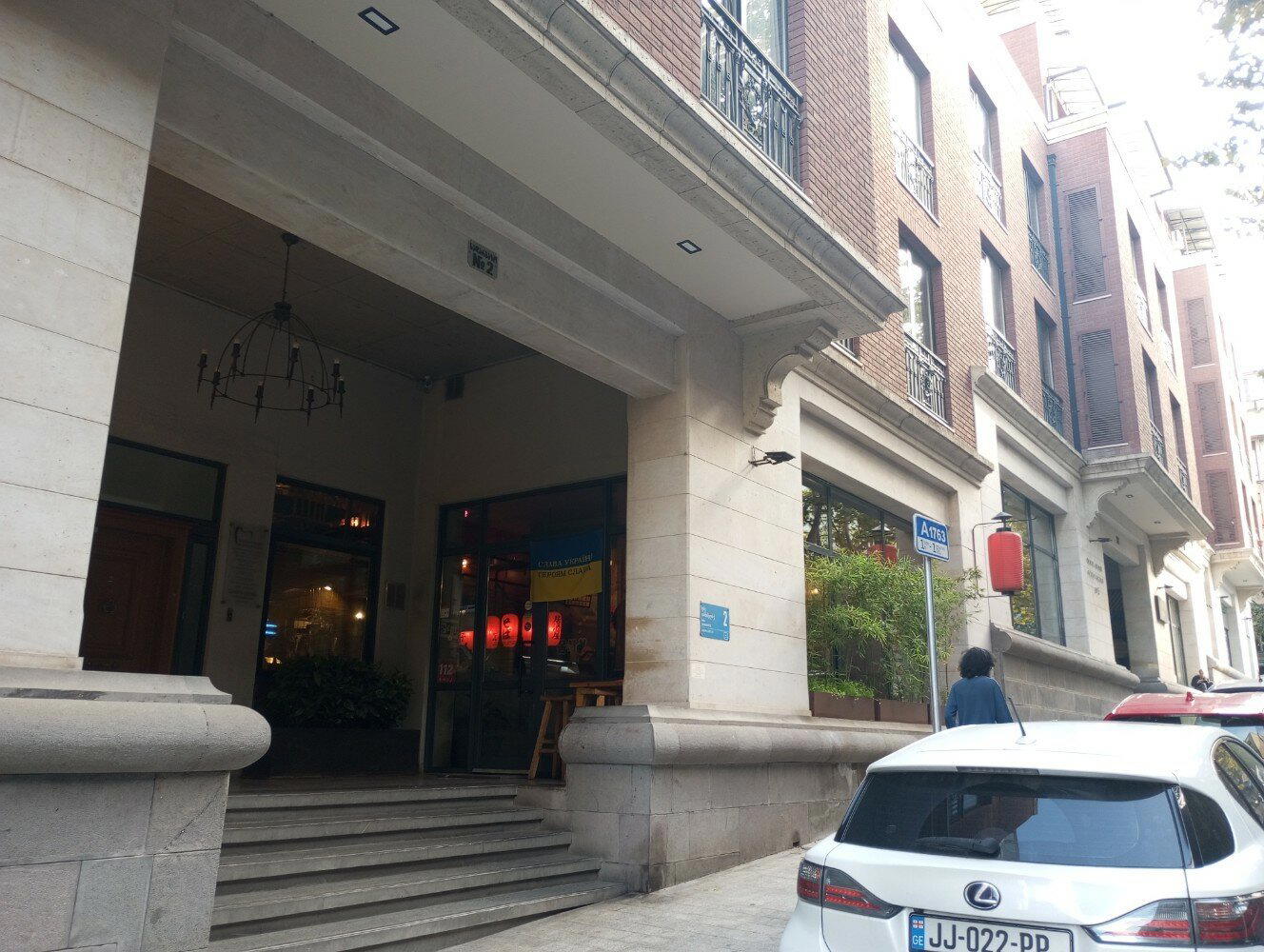
- 2 Giorgi Tsabadze street T'bilisi, 0112, Georgia
- Phone
- +995322551515
- Website
- georgian-house.ge
- Directions
- Get directions
 Saves & bookings on Pearl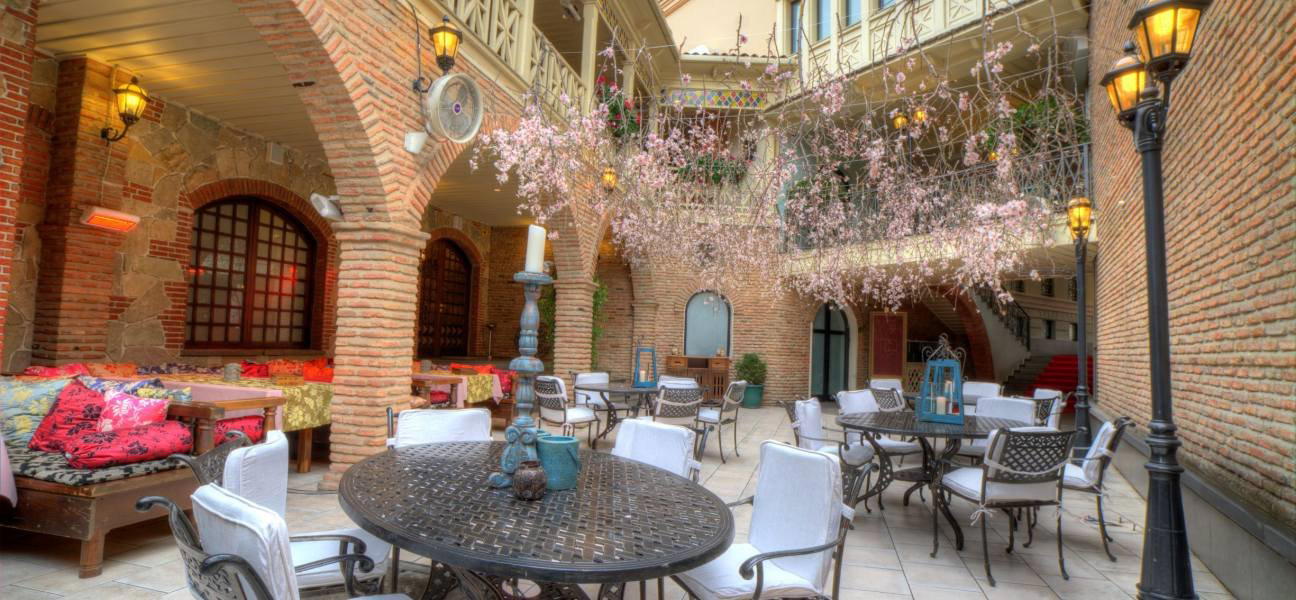
The Long Table as Argument: Georgian House and the Logic of the Spread
Georgian dining doesn't organise itself around a single hero dish. It organises itself around accumulation, cold starters arriving in sequence, warm bread pulled from a tone oven, meat dishes appearing mid-table without hierarchy, and wine poured throughout rather than paired to courses. That logic, which predates European service formats by centuries, is what separates a serious Georgian table from a simplified version built for tourist comfort. Georgian House is a restaurant in Tbilisi serving Traditional Georgian cuisine at 2 Giorgi Tsabadze street. It operates within this tradition, and how a restaurant structures that spread tells you more about its ambition than any single item on the menu.
Tbilisi's restaurant scene has split in recent years between two broad tendencies. One group takes Georgian ingredients and routes them through contemporary technique, sharper plating, reduced portions, wine lists curated toward natural producers from Kakheti and Kartli. The other group holds to the full-table format: pkhali, badrijani nigvzit, khinkali, and churchkhela as structural pillars rather than decorative gestures. Barbarestan and Azarphesha each stake positions across this divide. Georgian House belongs to the latter camp, the full-table tradition read straight, without irony or reinvention.
Menu Architecture: What the Structure Reveals
The menu architecture at a traditional Georgian restaurant is a form of cultural argument. Cold vegetable preparations come first not because they are appetisers in the Western sense, but because they represent the depth of Georgian larder logic, walnut pastes, pomegranate seeds, fenugreek, and blue fenugreek combined into dishes that reward attention. The progression toward grilled meats and dumplings is deliberate, not arbitrary. What separates the better addresses in Tbilisi is whether that progression feels considered or merely habitual.
Georgian House's address on Giorgi Tsabadze Street places it in central Tbilisi, within reach of the Old Town concentration of dining rooms where visitors and locals overlap most directly. The geography matters: in this part of the city, restaurants compete less on novelty and more on execution of the established canon. The question a kitchen here must answer is not what to put on the menu, but how faithfully and how well it can deliver dishes that every Georgian diner has a personal benchmark for. That is a harder test than it appears.
Across Tbilisi's more serious Georgian restaurants, menu depth tends to signal commitment. A kitchen that lists only particularly recognisable dishes, khinkali, khachapuri, mtsvadi, is building for accessibility. A kitchen that also carries regional variations, offal preparations, and seasonal vegetable dishes is signalling a different relationship to the cuisine. Where the restaurant sits on that spectrum is part of what defines its position relative to peers like Alubali and the more fusion-oriented ATI.
Wine as Structure, Not Afterthought
Georgian wine is not a supporting element at a Georgian table, it is load-bearing. The country's 8,000-year winemaking history, anchored in the qvevri tradition of clay-vessel fermentation, produces amber wines with tannin structures and oxidative notes that pair functionally with the fat and acid of the cuisine in ways that European varieties rarely replicate as precisely. Any Georgian restaurant that treats wine as a secondary listing rather than a structural component of the meal is missing the point of Georgian table culture.
Kakheti dominates the serious end of the Georgian wine conversation, with producers from Signagi, including Pheasant's Tears Winery, establishing international reference points for skin-contact Rkatsiteli and Mtsvane. The question for any Tbilisi dining room is how it curates that offer: whether the list extends to smaller regional producers from Kartli or Racha, whether the by-the-glass selection reflects the same seriousness as the bottle list, and whether staff can speak to the differences between qvevri-fermented and stainless-steel expressions of the same grape. These are the markers that distinguish a considered wine program from a conventional one.
Placing Georgian House in the Tbilisi Tier
Tbilisi's dining map has grown more differentiated over the past decade. The city now has enough volume and variety that visitors can build a coherent itinerary around a specific dining argument, whether that is natural wine, contemporary Georgian technique, or the full-table traditional format. The restaurant occupies a position in that map that is worth understanding before booking, rather than arriving with assumptions calibrated to a different tier or style.
The comparison set that matters most here is not Café Littera's Georgian fusion or the wine-first approach of Craft Wine Restaurant, but the restaurants that hold to the full traditional spread without apology. Within that set, the practical differentiators are execution consistency, ingredient sourcing, and whether the kitchen treats familiar dishes as craft problems or as commodity output. Those are the axes on which the restaurant competes, and they are the axes worth evaluating on arrival.
For visitors moving across Georgia rather than staying fixed in Tbilisi, the regional context sharpens the comparison further. Doli in Telavi and Schuchman Wines Chateau in the Alazani Valley offer Georgian table culture within wine country, where proximity to production is part of the proposition. Sazandari in Batumi works within the Adjarian coastal variation of the cuisine. Sisters in Kutaisi anchors the Imereti reading of the same traditions. The restaurant sits within the Tbilisi version of that network, a city where the food is less regionally specific but where the concentration of dining options makes comparison easier and standards accordingly higher.
For reference against international benchmarks of serious tasting-menu and full-service dining, the editorial context provided by restaurants like Atomix in New York City and Le Bernardin illustrates how cuisine-specific commitment at the summit of a market tends to manifest, in menu depth, in sourcing discipline, and in the relationship between kitchen and dining room.
Planning Your Visit
The restaurant is located at 2 Giorgi Tsabadze Street, central Tbilisi, in a part of the city where the concentration of restaurants makes spontaneous exploration viable. As with most Tbilisi dining rooms in the traditional tier, arriving with a group allows the full spread format to function as intended, the Georgian table logic rewards numbers, since the range of cold dishes and mains read differently at four covers than at two.
For other addresses worth mapping against the restaurant in central Tbilisi, Akura San represents the city's turn toward Japanese influence, while venues across Georgia's secondary cities, including Gazaphkhuli in Chiatura, Chiko in Aspindza, and Crowne Plaza Borjomi, extend the map of Georgian hospitality well beyond the capital. Understanding the restaurant means understanding where it sits within that larger structure, not just what appears on the table in front of you.
The Minimal Set
Comparable venues nearby, for context on price, style, and recognition.
| Venue | Cuisine | Price | Notes |
|---|---|---|---|
| Georgian HouseThis venue — the venue you are viewing | Tbilisi, Traditional Georgian | $$$ | Not listed |
| Iasamani | Tbilisi, Modern Georgian | $$$ | Not listed |
| Shavi Lomi | Tbilisi, Modern Georgian Fusion | $$$ | Not listed |
| Chef Konstantin Tedeluri | Tbilisi, Modern Georgian-European Fusion | $$$$ | Not listed |
| Kharcho | Tbilisi, Modern Georgian Fusion | $$ | Not listed |
| Zala | Not listed | $$ | Tbilisi, Modern Georgian with French influences |
Continue exploring
More in Tbilisi
Restaurants in Tbilisi
Browse all →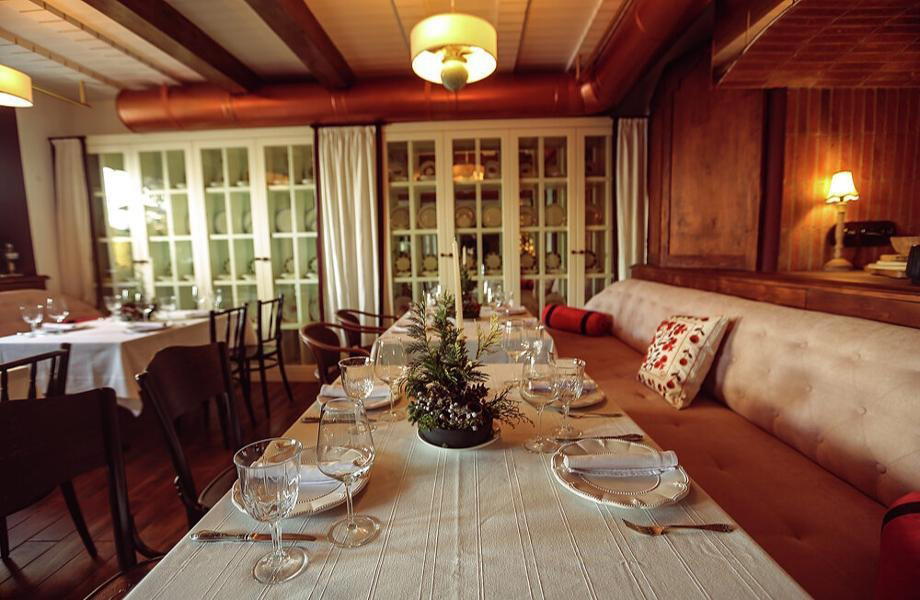
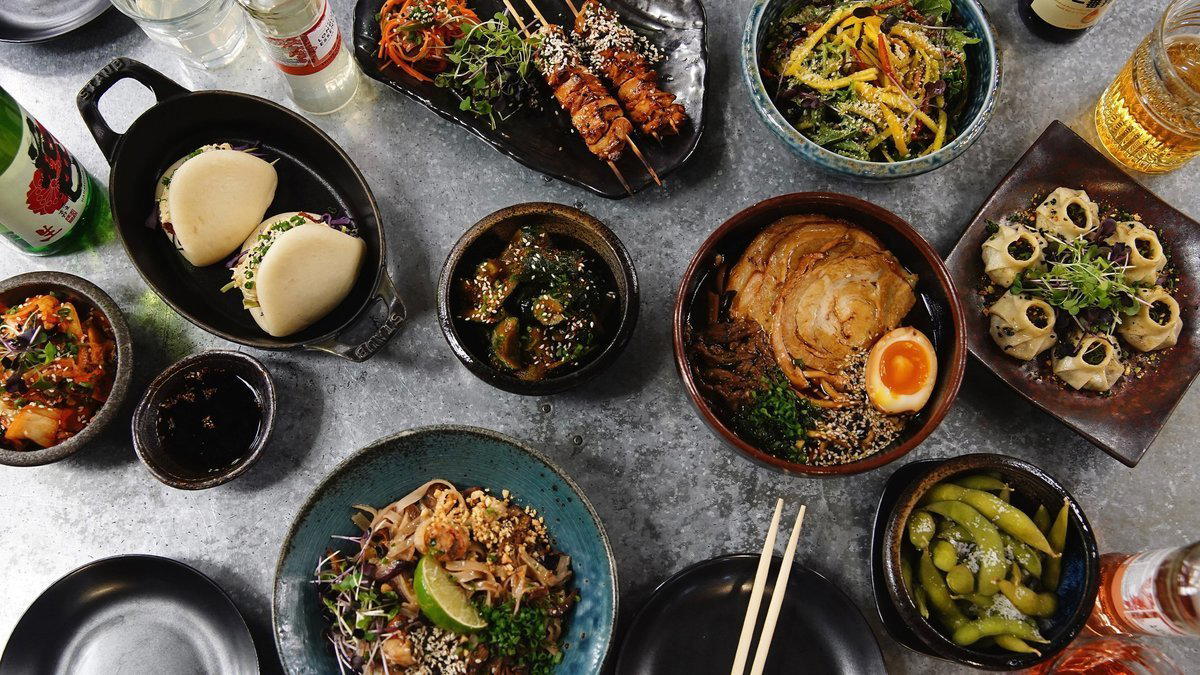
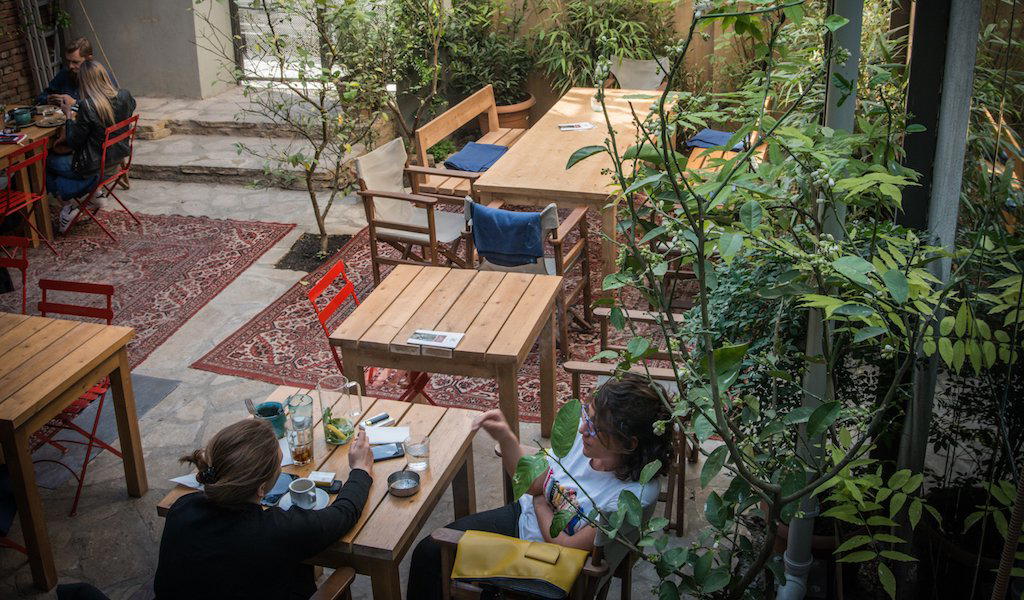
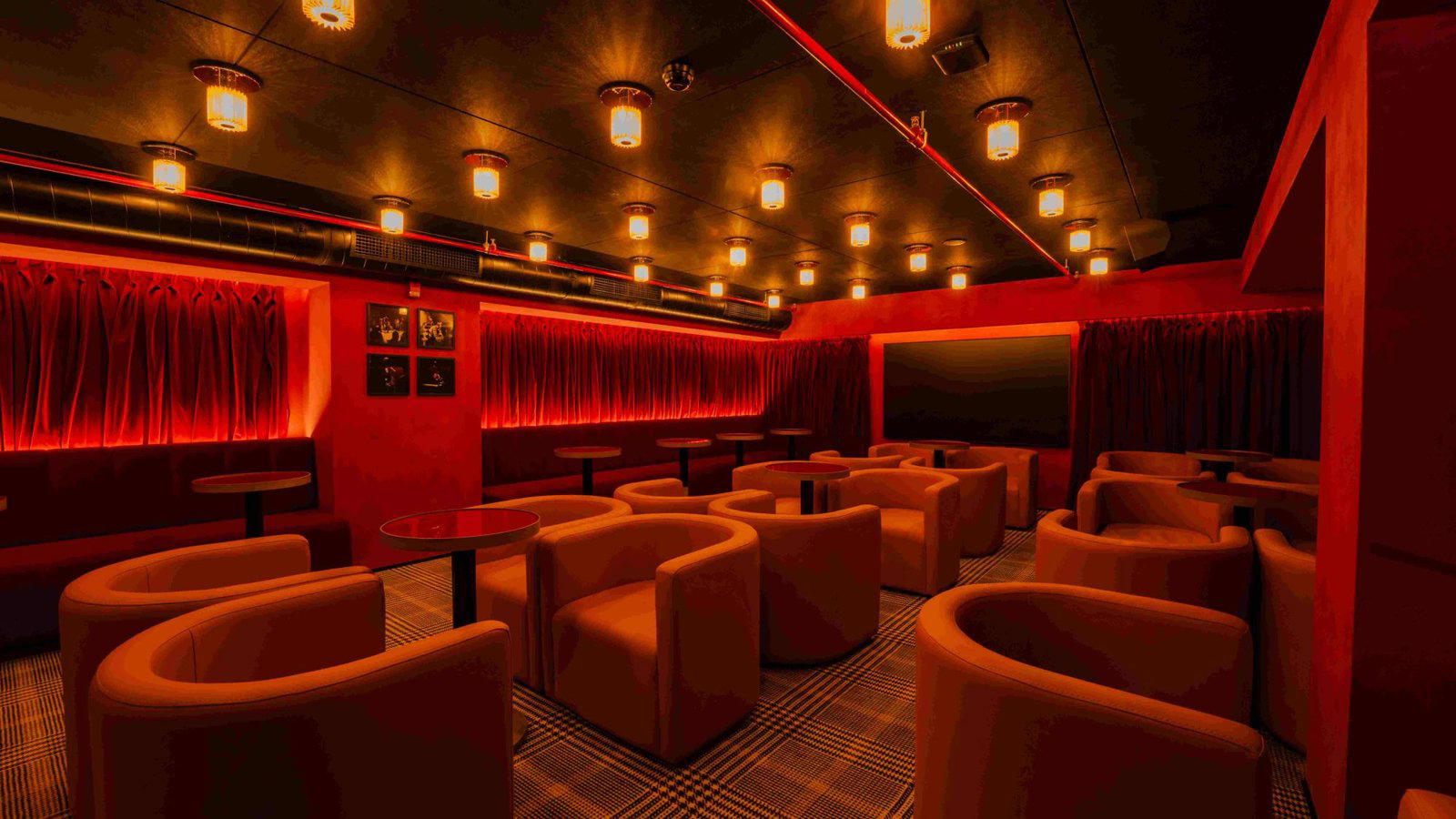
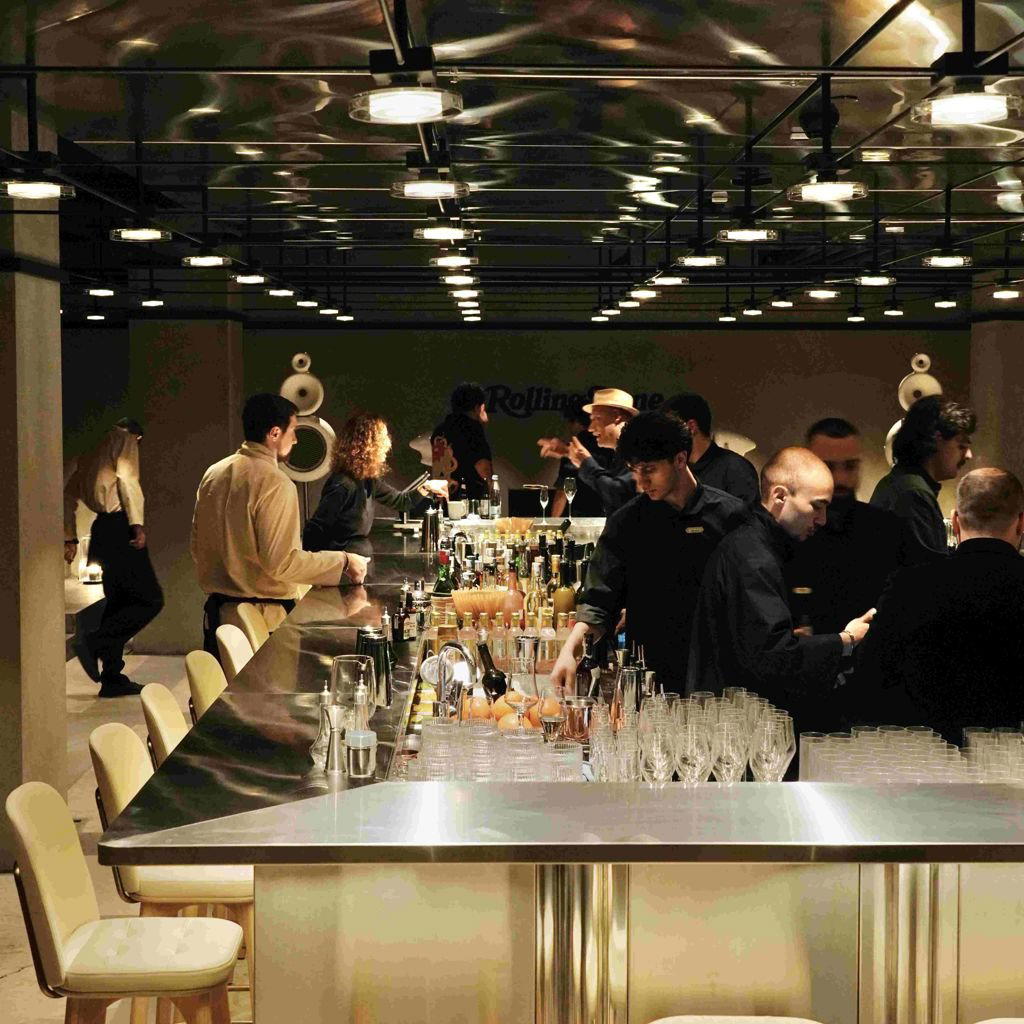
Bars in Tbilisi
Browse all →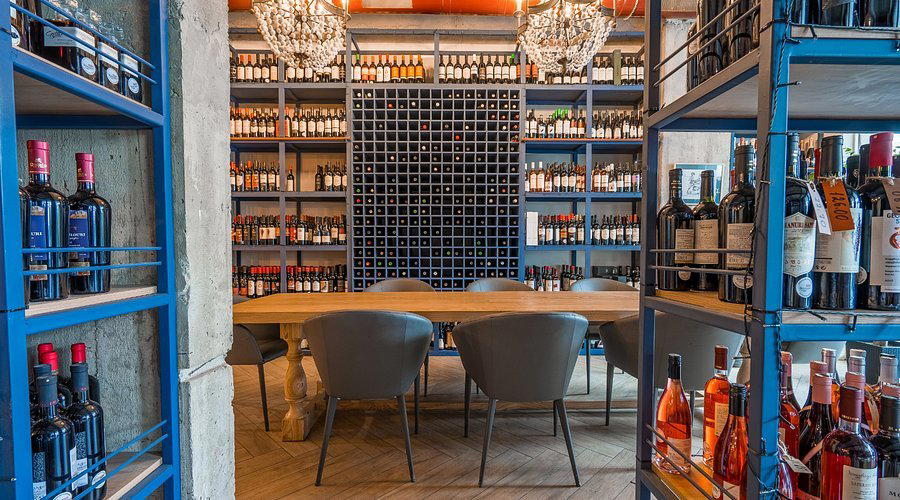
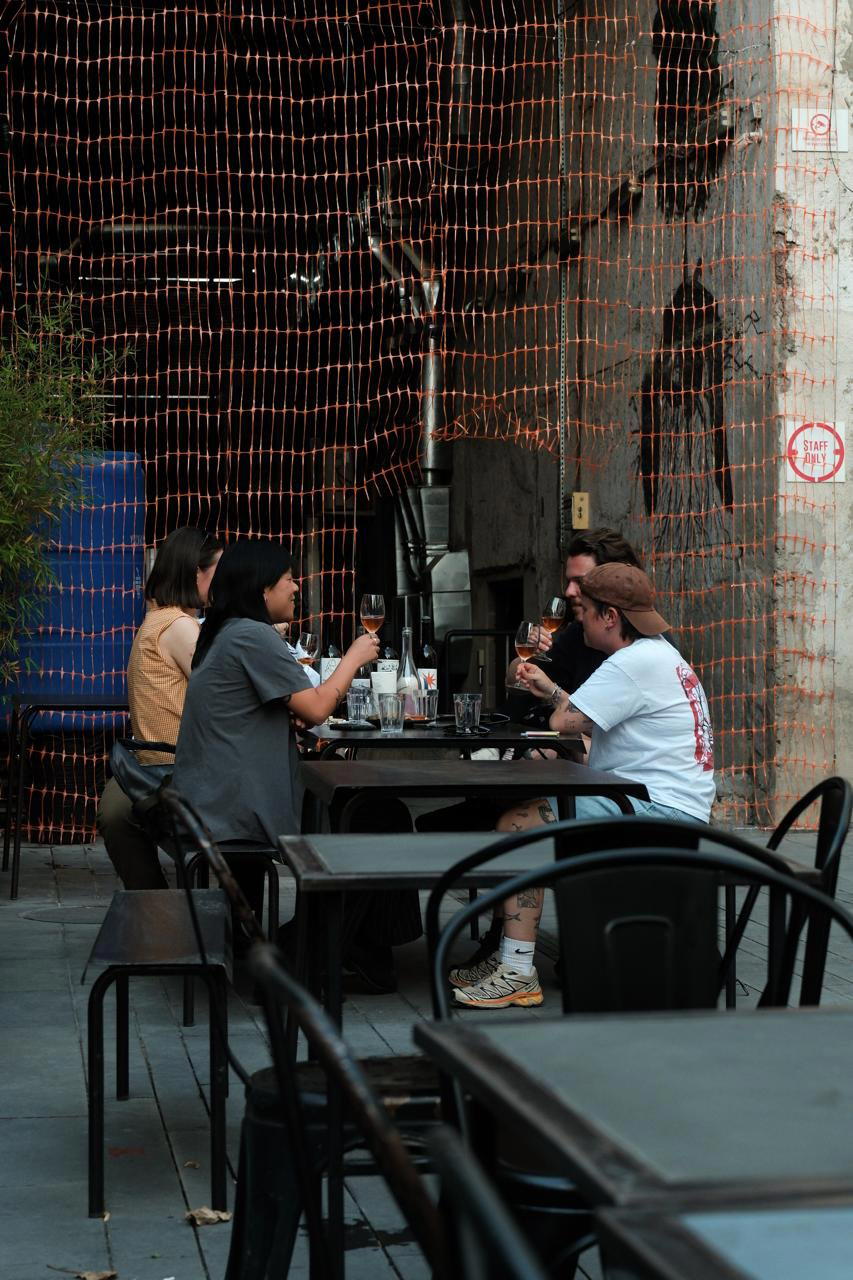
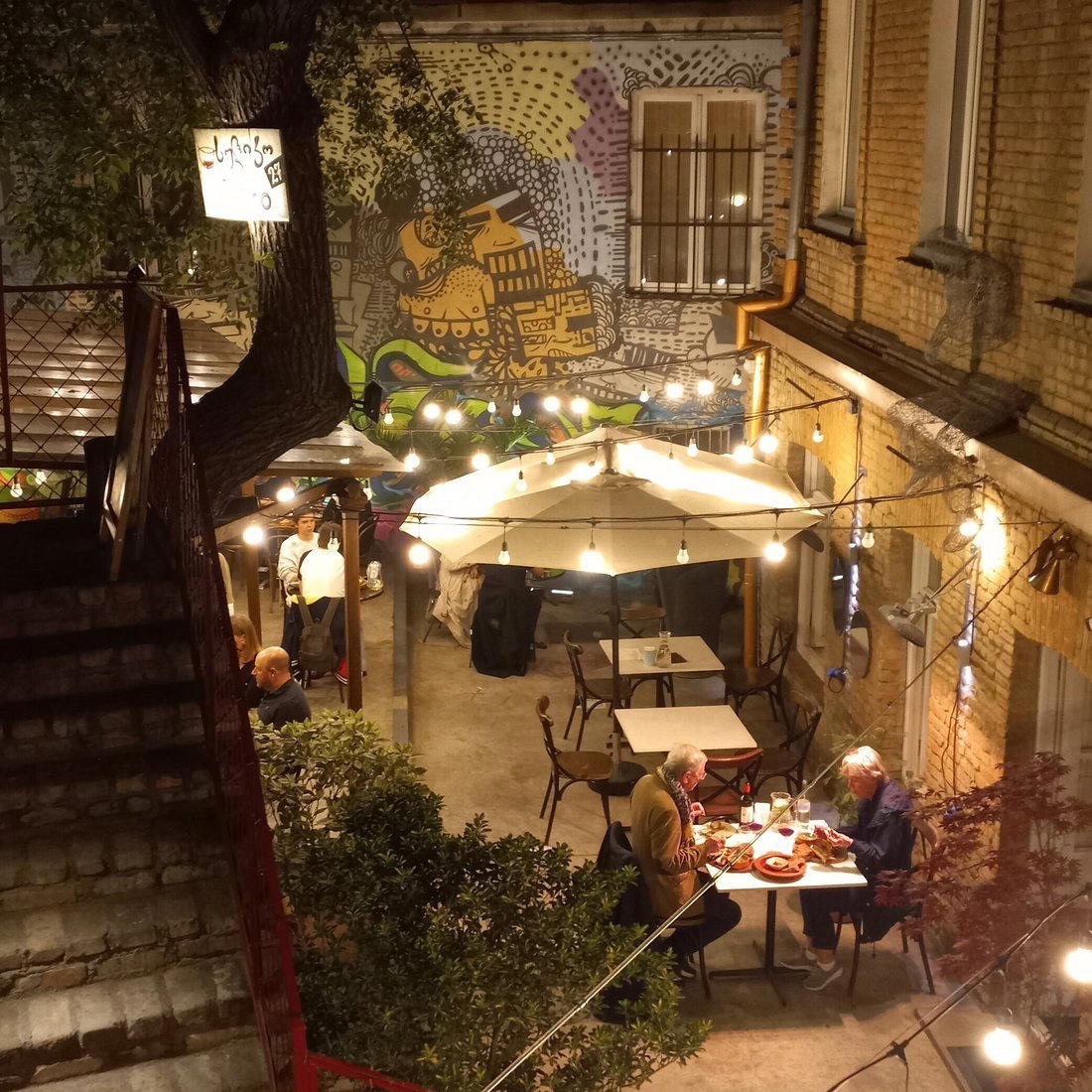
Hotels in Tbilisi
Browse all →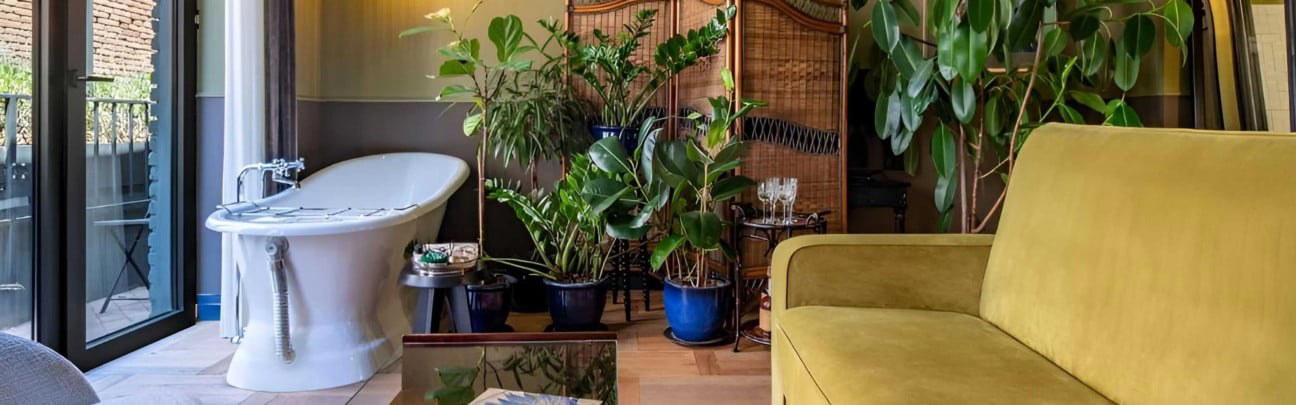

At a Glance
- Classic
- Cozy
- Rustic
- Group Dining
- Celebration
- Special Occasion
- Live Music
- Private Dining
Current opening hours
- Monday
- 12 PM–1 AM
- Tuesday
- 12 PM–1 AM
- Wednesday
- 12 PM–1 AM
- Thursday
- 12 PM–1 AM
- Friday
- 12 PM–1 AM
- Saturday
- 12 PM–1 AM
- Sunday
- 12 PM–1 AM
Hours can change for holidays and private events. Last verified .
Immersive ambiance inspired by old Tbilisi with bohemian charm, hospitable family-like atmosphere, and live music.