
Where Freedom Square Meets the Qvevri Two minutes from Freedom Square, on a street that sees more locals than tourists, Azarphesha occupies the kind of space that takes a moment to read. It is homely in the Georgian sense: close quarters, a...
Pearl is the En Primeur Club membership app — saves, bookings, and concierge access live there. Same editors, same standards.
- Address
- 0105, 2 Pavle Ingorokva St, Tbilisi, Georgia
- Phone
- +995 598 46 23 89
- Website
- facebook.com
- Directions
- Get directions
 Saves & bookings on Pearl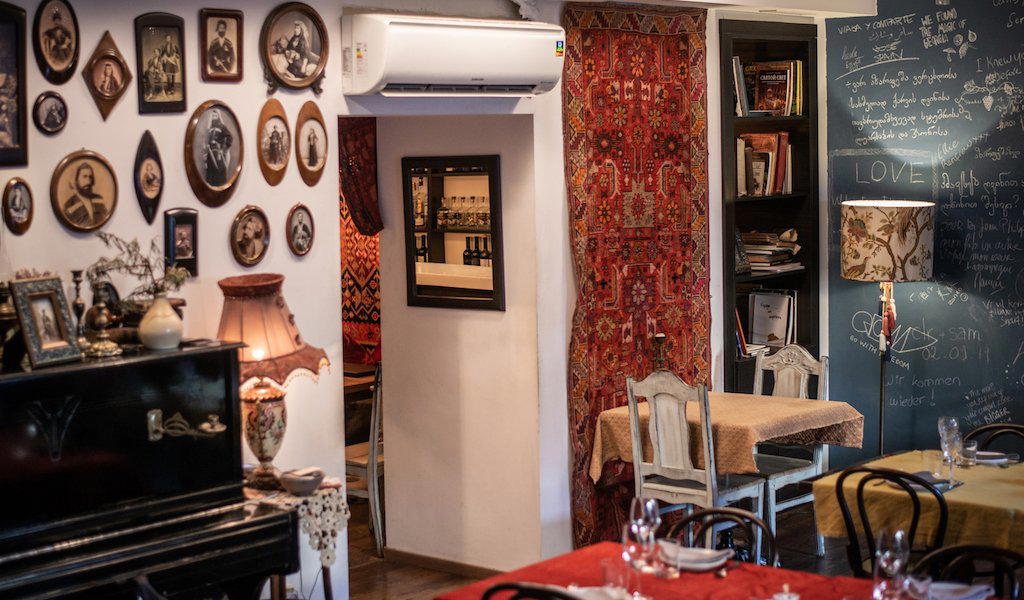
Where Freedom Square Meets the Qvevri
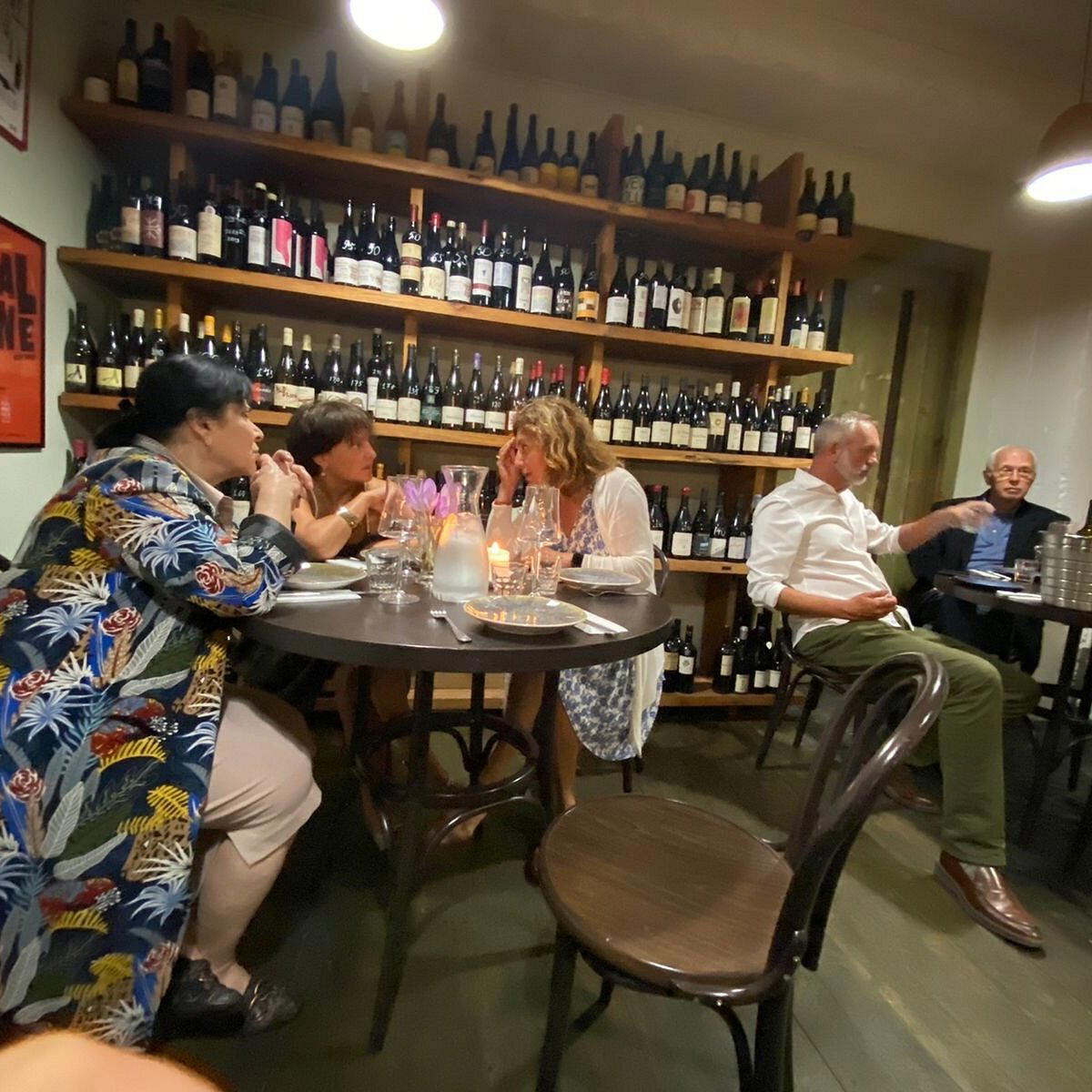
Azarphesha is a restaurant in Tbilisi, Georgia, on Pavle Ingorokva Street. Two minutes from Freedom Square, on a street that sees more locals than tourists, Azarphesha occupies the kind of space that takes a moment to read. It is homely in the Georgian sense: close quarters, a warmth that comes from the building itself rather than any designed hospitality gesture, and a room that signals cooking rather than performance. The name gives the clearest indication of what the kitchen values. An azarphesha is the ceremonial ladle used to draw wine directly from a qvevri, the ancient clay vessels buried in Georgian cellars for fermentation and ageing. Choosing that word as a restaurant name is a positioning statement: this is a place operating from within a tradition, not one appropriating it for aesthetic effect.
The Qvevri Tradition and What It Means on the Plate
Georgian winemaking in qvevri is one of the oldest continuous viniculture practices documented anywhere, with evidence reaching back approximately 8,000 years. The method involves extended skin contact, natural fermentation, and ageing in beeswax-sealed vessels buried underground for temperature stability. That approach to wine, patient, minimal-intervention, ingredient-led rather than technique-led, has a direct culinary parallel. At Azarphesha, the kitchen operates on the same logic: wild, seasonal, and local ingredients, with the cooking subordinate to what those ingredients are at a specific moment in the Georgian agricultural calendar.
This is not unusual in Tbilisi's more considered dining rooms, but it is far from universal. The city's restaurant scene spans a wide range: tourist-facing venues serving standardised khachapuri and mtsvadi, mid-range Georgian restaurants where the menu is broad and the sourcing is incidental, and a smaller tier of kitchens where foraging, seasonal procurement, and regional specificity are central to the operation. Azarphesha sits in that smaller tier, alongside venues like Barbarestan, which reconstructs 19th-century recipes from a historic Georgian cookbook, and Café Littera (Georgian Fusion), which works from Georgian roots toward a more contemporary register. Each represents a different relationship with the tradition. Azarphesha's is especially direct: wild and seasonal as method, not as marketing.
Reading the Menu as a Seasonal Document
In kitchens organised around wild and seasonal sourcing, the menu is less a fixed document than a record of what the land is producing in a given week. Georgian foraging culture runs deep, particularly in the mountainous regions where communities have relied on gathered herbs, greens, and mushrooms for centuries. Dishes built from these ingredients carry a specificity that farmed produce rarely achieves: ramps in April behave differently from ramps in May, and a kitchen paying attention to that distinction will cook them differently. Azarphesha's stated commitment to wild and seasonal ingredients implies that kind of attentiveness, a kitchen tracking the agricultural and ecological calendar rather than the demands of a static menu.
For comparison, consider how differently this principle plays out in other contexts. At Arpège in Paris, the seasonal-vegetable doctrine is expressed through a Michelin three-star framework and a price point that reflects it. At Lazy Bear in San Francisco, the seasonal sourcing is embedded in a tasting-menu format with communal seating and ticketed dining. Azarphesha works in an entirely different register: the homely, neighbourhood-scaled format where seasonal cooking is about the food rather than the framework around it. The contrast is instructive. Ingredient-led cooking does not require institutional scale or formal structure to be serious.
Location as Context
The address on Pavle Ingorokva Street, close to Freedom Square, places Azarphesha in the historic core of Tbilisi. Freedom Square sits at the junction of the Old Town and the 19th-century boulevard district that runs northeast toward Rustaveli Avenue. The immediate neighbourhood contains a mix of administrative buildings, Soviet-era institutional architecture, and older structures that survived the city's various periods of upheaval. It is not a restaurant district in any concentrated sense, which means Azarphesha is not operating in a cluster of peer venues competing for the same foot traffic. It is a destination in its own right, which is a different commercial model and one that tends to attract a more deliberate diner.
For those planning broader time in Tbilisi, the full Tbilisi restaurants guide maps the city's dining options across neighbourhoods and price tiers. The Tbilisi bars guide and Tbilisi wineries guide are useful companions, particularly given how closely Georgian wine culture intersects with the kind of cooking Azarphesha pursues. If natural wine is on the agenda, the qvevri tradition is the reference point from which most Georgian producers work, and understanding it adds considerably to both the wine and the food.
comparable set and What the Comparison Reveals
Tbilisi has developed a genuinely interesting cohort of restaurants working thoughtfully with Georgian culinary tradition. Alubali represents another node in this network, as does Barbarestan with its archival approach. Each occupies a different position on the spectrum between preservation and reinterpretation. Azarphesha's position, grounded in wild sourcing and seasonal discipline, is less about historical recovery and more about ecological responsiveness: cooking what is available rather than what is documented or expected.
This places it in a global conversation about ingredient-led restaurants that is not confined to Georgia. The same principle drives kitchens at different scales, from Aponiente in El Puerto de Santa María, where the sourcing is hyper-specific to the tidal waters of the Bay of Cádiz, to Le Bernardin in New York City, where the commitment to seafood quality shapes the entire operation. The format and price point differ enormously; the underlying philosophy of ingredient primacy does not.
Planning a Visit
Azarphesha sits at 2 Pavle Ingorokva Street in central Tbilisi, a short walk from Freedom Square and the surrounding metro station, which makes arrival direct from most parts of the city. The homely character of the space suggests the experience is calibrated for unhurried meals rather than quick turnaround, so building time into the evening is advisable. Given the wild and seasonal sourcing model, the menu will shift with the time of year, and a visit in spring or autumn, when Georgian foraging produces the widest variety of gathered ingredients, is likely to reflect the kitchen's strengths most fully.
Pricing, Compared
Comparable venues nearby, for context on price, style, and recognition.
| Venue | Cuisine | Price | Notes |
|---|---|---|---|
| AzarpheshaThis venue — the venue you are viewing | Not listed | $$$ | Not listed |
| Chveni | Tbilisi, Modern Georgian Fusion | $$ | Not listed |
| Organique Josper | Not listed | $$$ | Tbilisi, Georgian Josper Grill Steakhouse |
| Sofia Melnikova’s Fantastic Douqan | Tbilisi, Georgian & Eastern European | $$ | Not listed |
| Old Town | Tbilisi, Traditional Georgian | $$ | Not listed |
| Shushabandi | Tbilisi, Modern Georgian | $$$ | Not listed |
Recognition history
Dated appearances from independent guides and award organizations, with the underlying list record or original source where available.
Star Wine List
Star Wine List
Continue exploring
More in Tbilisi
Restaurants in Tbilisi
Browse all →
Bars in Tbilisi
Browse all →
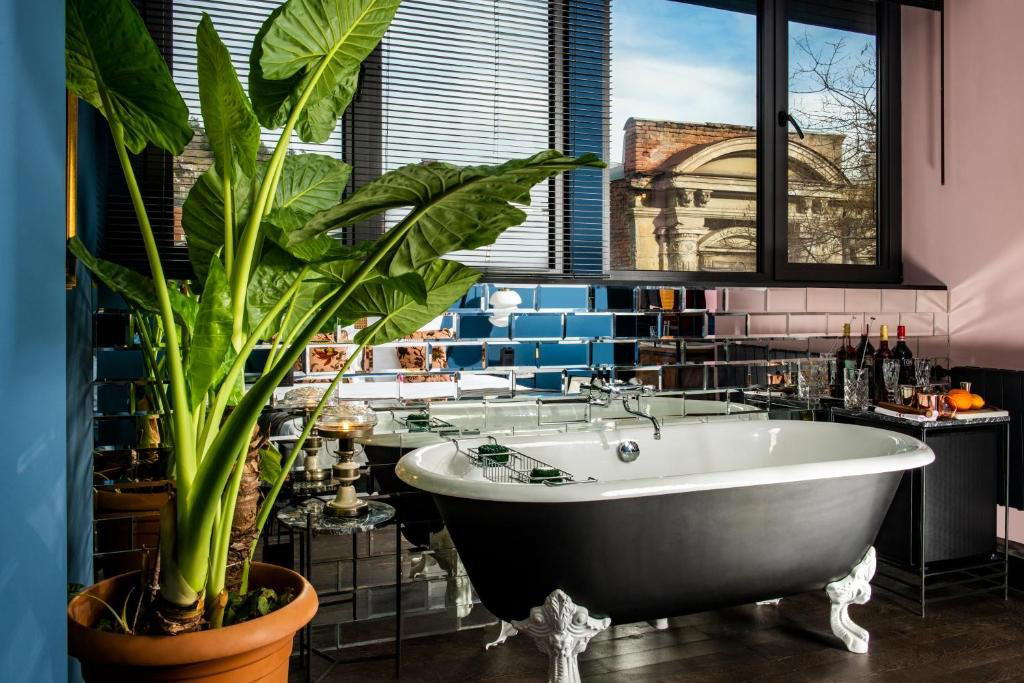
Hotels in Tbilisi
Browse all →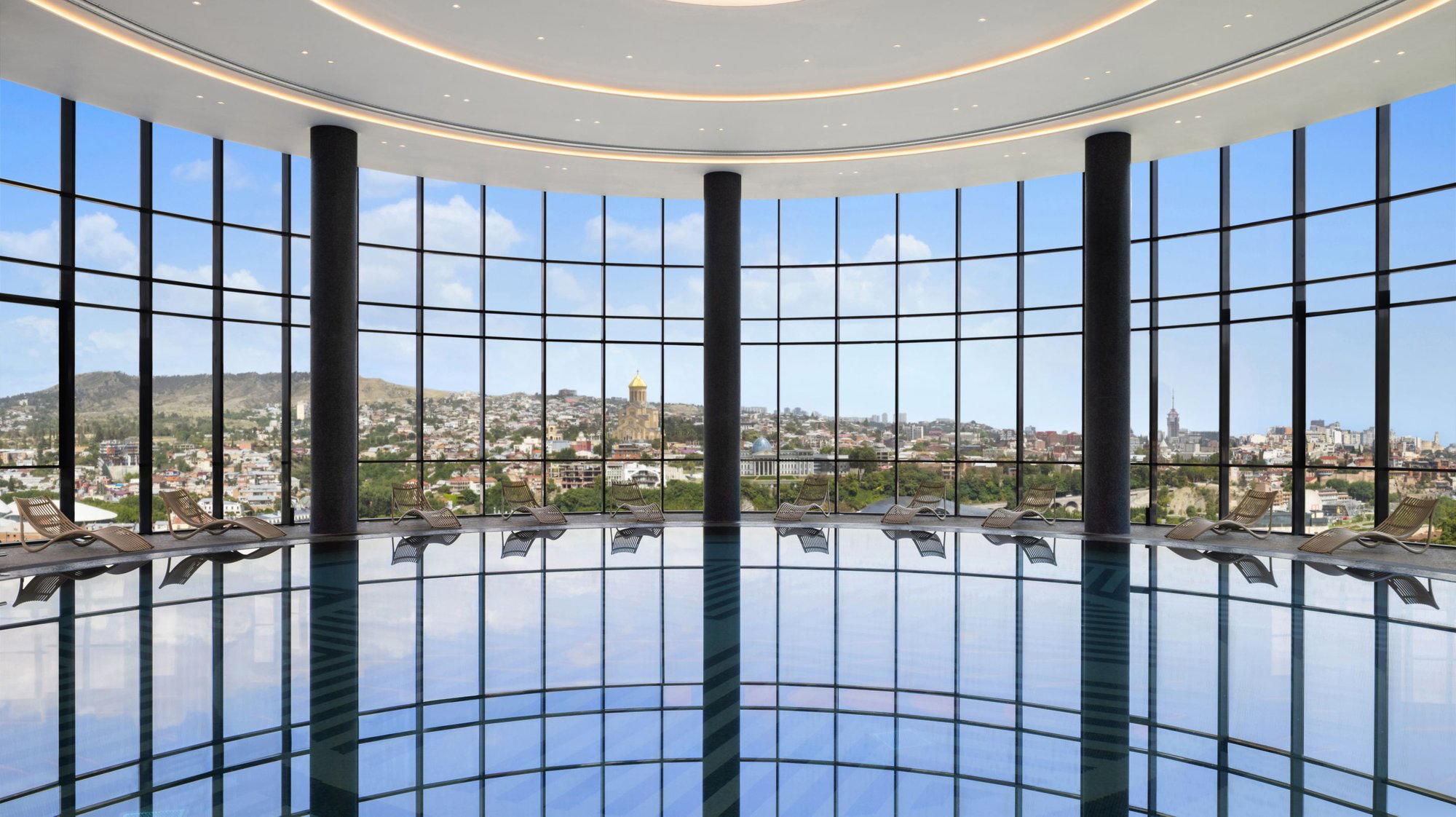
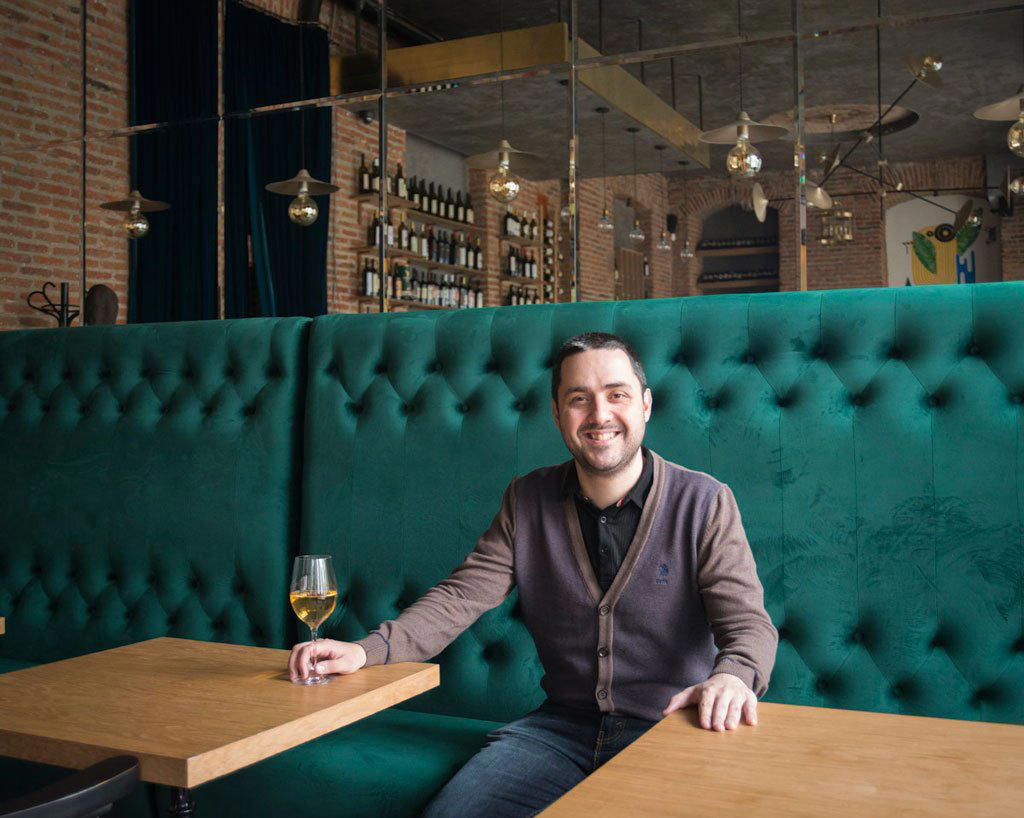
Wineries in Tbilisi
Browse all →
At a Glance
- Cozy
- Rustic
- Intimate
- Elegant
- Date Night
- Special Occasion
- Group Dining
- Wine Cellar
- Natural Wine
- Extensive Wine List
- Local Sourcing
Current opening hours
- Monday
- 4 PM–2 AM
- Tuesday
- 3:30 PM–2 AM
- Wednesday
- 3 PM–2 AM
- Thursday
- 3 PM–2 AM
- Friday
- 3 PM–2 AM
- Saturday
- 3 PM–2 AM
- Sunday
- 3 PM–2 AM
Hours can change for holidays and private events. Last verified .
Cozy oasis with dim lighting, rustic charm, warm and friendly atmosphere resembling a living room or museum filled with old objects.