Yasuda occupies a quiet address in Minami-Aoyama, one of Tokyo's most considered dining neighbourhoods, where premium omakase counters and produce-driven Japanese formats have quietly concentrated over the past decade. The restaurant sits within that tier where sourcing discipline and culinary lineage matter more than volume or visibility. Reservations at this level require planning well in advance.
- Address
- Japan, 〒107-0062 Tokyo, Minato City, Minamiaoyama, 4 Chome−2−6 南青山426ビル
- Phone
- +81 3 6447 0232
- Website
- sushibaryasuda.com
- Directions
- Get directions
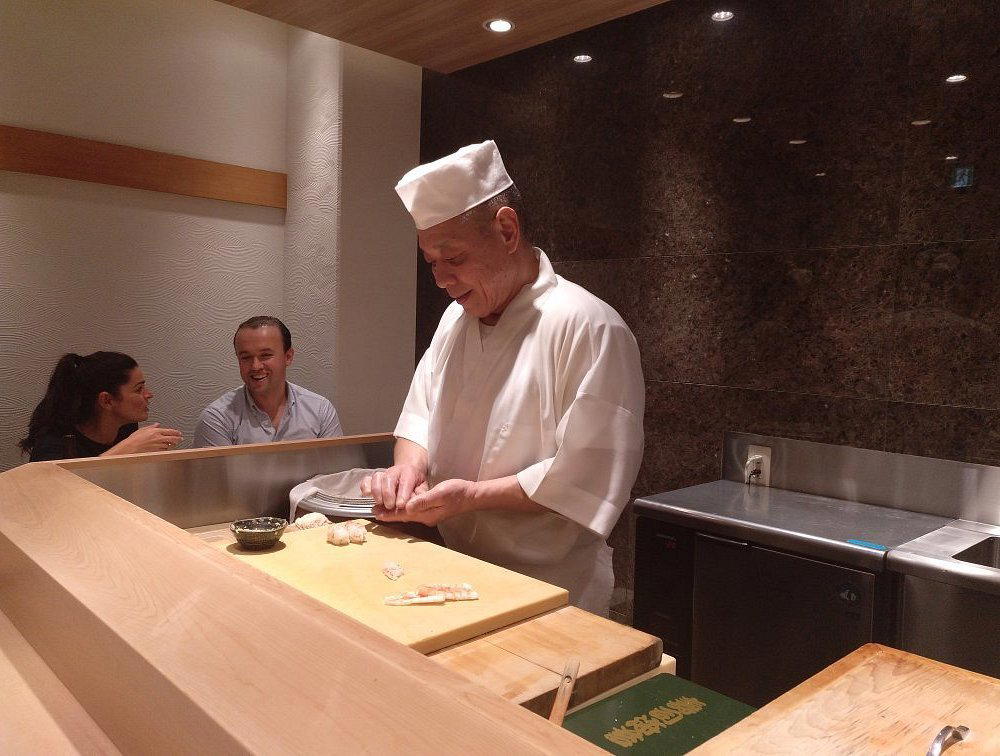
Minami-Aoyama and the Counter Tradition
There is a particular quality to dining in Minami-Aoyama that separates it from the denser, louder restaurant clusters of Ginza or Shinjuku. The neighbourhood runs on a different register: quieter streets, smaller buildings, a general assumption that the people eating here have already done their research. It is the kind of area where a restaurant can operate without a sign at street level and still book out weeks ahead, because its audience finds it through recommendation rather than foot traffic. Yasuda is a restaurant in Tokyo's Minami-Aoyama district serving Traditional Edomae Omakase at a price tier of ¥¥¥¥, and it is permanently closed. It is located on the fourth floor of a low-rise building at 4-2-6 Minami-Aoyama in Minato City, belongs to that category of venue that the neighbourhood has historically produced: careful, deliberate, and oriented toward guests who arrive knowing what they are walking into.
This address places Yasuda within a short radius of some of Tokyo's most serious dining, including Harutaka, which operates in the same premium sushi tier, and L'Effervescence, where French technique is filtered through a Japanese sensibility about seasonality and restraint. The concentration of high-intent dining in this pocket of Minato City is not accidental. Aoyama has long attracted operators who want proximity to a particular kind of clientele without the overhead or performance pressure of a Ginza address.
Sourcing as the Structural Argument
In Tokyo's premium dining scene, the conversation about ingredient sourcing has become increasingly central to how restaurants at this level justify their position. This is not a recent development. Japan's produce networks, built around regional specialisation and close relationships between chefs and suppliers, have always underpinned the logic of counter dining. What has changed is how explicitly this argument is now made, and how much the answer shapes the competitive identity of a restaurant.
The broader pattern across Tokyo's upper-tier Japanese restaurants is a movement toward sourcing specificity: named fishing ports, single-farm vegetables, aged proteins from identified producers. At venues like RyuGin, where kaiseki format demands ingredient-level precision across many courses, this translates into a kitchen that essentially functions as a curation exercise, building menus around what the leading producers are offering at a given moment rather than working from a fixed template. The same logic applies across the city's serious sushi counters, where the quality of the day's fish determines the shape of the meal.
Yasuda operates within this tradition. The Minami-Aoyama address situates it inside a peer group where seasonal sourcing is a baseline expectation, not a distinguishing feature. What separates restaurants at this tier is not whether they source well, but how that sourcing is expressed in the cooking, and how consistently the kitchen interprets incoming produce across different seasons and market conditions.
How Tokyo's Premium Counter Tier Works
Understanding Yasuda requires understanding the counter format that defines much of Tokyo's premium dining. Counter restaurants in Japan are not simply a seating arrangement. They represent a specific service and cooking philosophy: the guest watches the work, the chef reads the room, and the meal is calibrated in real time to the pace and appetite of the people seated. This format demands a different kind of culinary discipline than brigade-style kitchen cooking, and it rewards operators who can sustain consistent quality across a small number of covers.
At this price level in Tokyo, the expectations are high and the margin for variation narrow. Comparable formats in the city's French category, such as Sézanne, approach the same sourcing and seasonal rigour from a European technique base, which underlines how the premium counter logic has spread across cuisines in Tokyo, not just in traditional Japanese formats.
For visitors comparing Japanese restaurant options across the country, the Aoyama counter tier slots between the full kaiseki formalism of Kyoto, as represented by Gion Sasaki, and the more experimental approaches appearing in cities like Osaka, where HAJIME operates at the intersection of French and Japanese culinary thinking. Tokyo's version of this tier tends toward precision and restraint rather than provocation.
The Broader Map of Serious Japanese Dining
Tokyo remains the gravitational centre of Japan's premium restaurant circuit, but the past decade has seen the country's serious dining spread considerably. Fukuoka's Goh has drawn international attention to Kyushu's produce networks. Akordu in Nara operates at the intersection of European technique and local ingredients in a way that challenges the assumption that serious food requires a major city address. Further afield, affetto akita in Akita and Aji Arai in Oita have built reputations on hyper-regional sourcing in prefectures where produce quality is high but restaurant density is low.
Within Tokyo, the innovative Japanese category has also expanded. Crony occupies a position where French and Japanese thinking overlap in ways that blur easy categorisation, reflecting a broader shift in how younger Tokyo chefs are approaching tradition. This context matters when placing Yasuda: it is a restaurant that exists within a competitive set that is both geographically dense and stylistically diverse.
For those building a broader Japan itinerary, the EP Club guides to Ajidocoro in Yubari District, Akakichi in Imabari, Abon in Ashiya, and aki nagao in Sapporo map the regional spread of serious cooking outside the major city circuits.
Planning a Visit
Restaurants at Yasuda's address and apparent tier in Minami-Aoyama typically require reservations well in advance, often four to eight weeks at minimum for domestic guests, and longer for international visitors coordinating around travel schedules. The counter format common to this comparable set means seat counts are deliberately limited, which concentrates demand and rewards early planning. Visitors flying in from other cities or countries where premium counter dining also features, including venues like Le Bernardin in New York or Lazy Bear in San Francisco, will recognise the booking discipline required for this category globally.
Standing Among Peers
Comparable venues nearby, for context on price, style, and recognition.
| Venue | Cuisine | Price | Notes |
|---|---|---|---|
| YasudaThis venue — the venue you are viewing | Traditional Edomae Omakase | $$$$ | Not listed |
| Ginza 1954 | Japanese Bar | $$$$ | Ginza |
| Oryori Mukyu | Seasonal Japanese Fine Dining | $$$$ | Minato |
| Hanabusa | Edomae Sushi Omakase | $$$$ | Minato |
| 茜坂大沼 赤坂店 | Classic Tempura Specialty | $$$$ | Minato |
| Tori Chataro | Premium Yakitori | $$$$ | Shibuya |




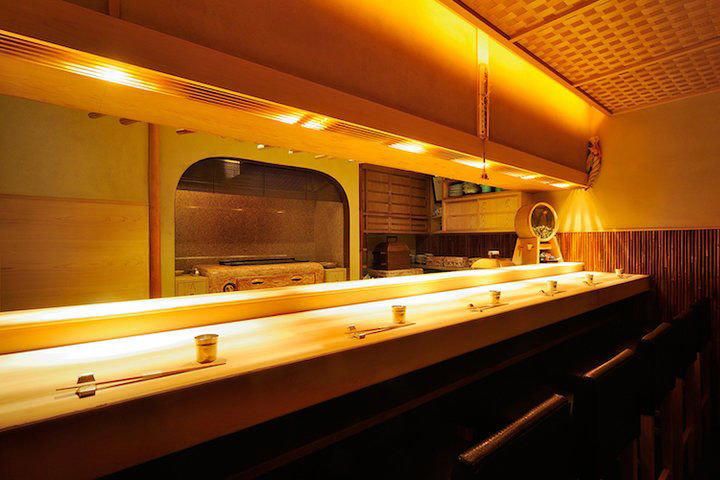










At a Glance
- Intimate
- Elegant
- Sophisticated
- Date Night
- Special Occasion
- Chefs Counter
- Sake Program
- Sustainable Seafood
Cozy basement counter with warm lighting, lively banter from the engaging chef, and an intimate home-like atmosphere.