
Tabelog Silver #2
Our verdict
Ajidocoro puts rural Hokkaido Japanese cuisine in a serious dining register, with Tabelog Silver recognition in 2026 and a 20-seat private-room format that suits planned meals rather than casual drop-ins. The draw is the Kuriyama setting: agricultural Hokkaido read through Japanese cooking, sake, and a dining room built for small groups.

Pearl is the En Primeur Club membership app, where members save venues, book tables and use the concierge.
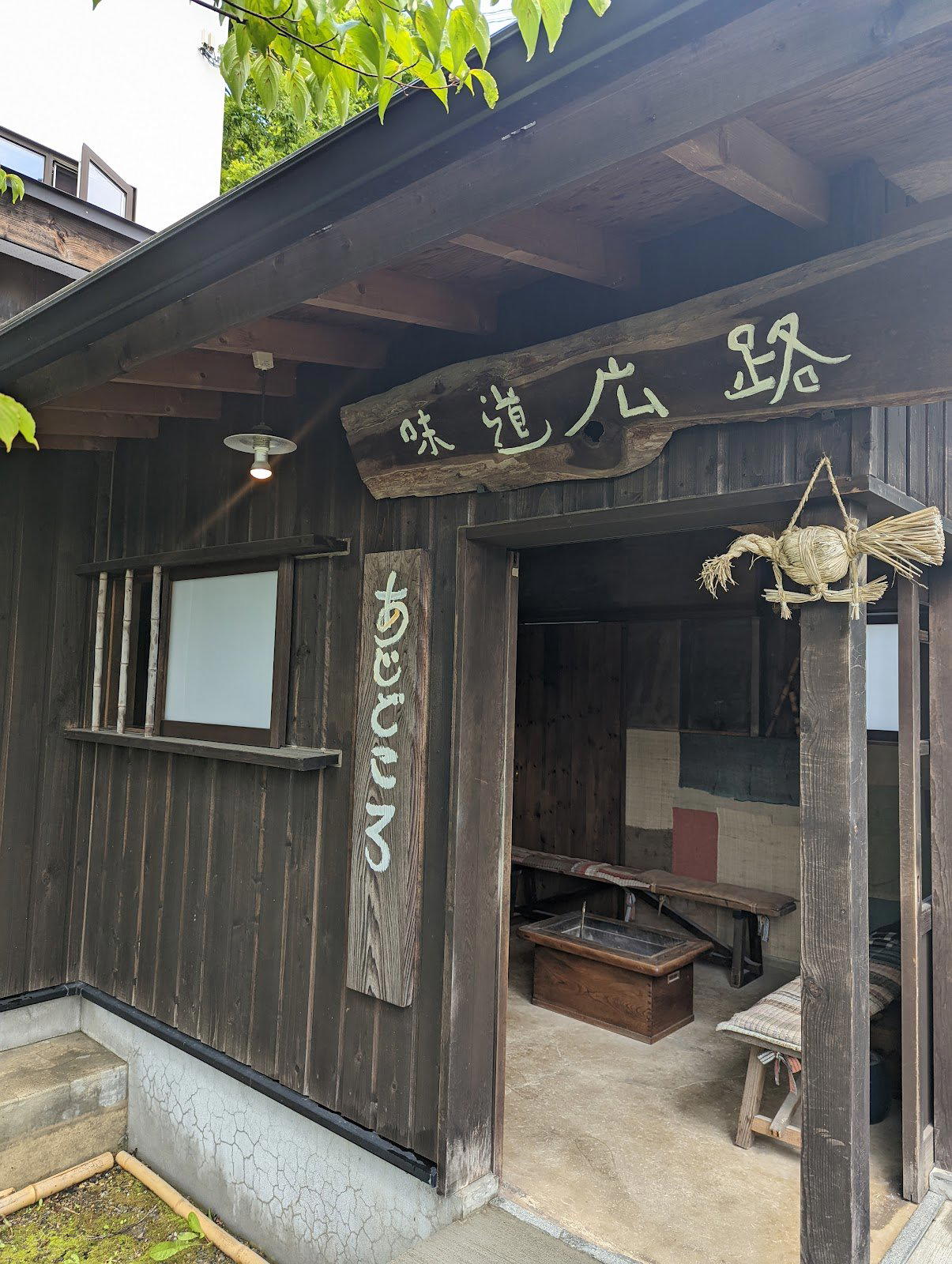
Kuriyama feels different from the restaurant districts of Sapporo. The approach is lower, quieter, more agricultural: roads, fields, and the sense that dinner here is tied to a working Hokkaido hinterland rather than an urban entertainment quarter. That matters for Japanese cuisine. In this part of Japan, the meal is not only a sequence of prepared dishes; it is a reading of place, season, and local supply chains, with the kitchen expected to translate nearby produce into a formal but grounded experience.
味道広路, listed in English as Ajidocoro, belongs to that rural-premium category. Its Tabelog Award 2026 Silver status and repeated appearances in Tabelog Japanese cuisine EAST selections put it in a different bracket from the casual Hokkaido stops that dominate driving itineraries. The point is not spectacle. It is the discipline of Japanese cuisine outside a major-city dining grid, where a small room, reservation-only rhythm, and regional sourcing logic carry more weight than fashionable design language.
Rural Hokkaido as the argument on the plate
Hokkaido’s dining reputation is often flattened into seafood, dairy, corn, and winter abundance, but inland areas ask for a wider lens. Kuriyama sits in Sorachi, a region associated with farming and small-town foodways rather than waterfront markets. A Japanese restaurant here is judged partly by how convincingly it handles that geography: produce, rice, freshwater and coastal ingredients moving through a kitchen that has to respect both kaiseki structure and local appetite.
That is why Ajidocoro is better understood as part of a rural Japanese-cuisine tradition than as a destination restaurant transplanted from the city. The format supports attention: 20 seats, private rooms for small parties, and a non-smoking room remove much of the churn associated with station-area dining. Drinks lean into sake, shochu, and wine, with particular emphasis on nihonshu, a useful signal in Hokkaido where temperature, rice, and seafood or mountain vegetables can push pairings in different directions.
The venue’s recognition is also telling. Tabelog Silver in 2026, following Silver recognition in 2024 and 2025 and Bronze recognition in earlier years, suggests sustained approval rather than a single-year spike. Its selection for Tabelog Japanese cuisine EAST in 2021, 2023, and 2025 places it among Japanese-cuisine addresses across eastern Japan, not just within a local Kuriyama frame. For travelers, that changes the decision: this is not a convenient meal near a hotel corridor, but a planned stop that rewards building a day around the town and its surroundings.
A small-room format that favors intent over spontaneity
Small Japanese restaurants in rural Hokkaido often work differently from their urban peers. Capacity is lower, staffing is leaner, and the customer base may be split between local regulars, regional diners, and travelers who have done the homework. Ajidocoro’s private-room structure points to a meal designed for conversation and pacing rather than counter theater. That makes it especially relevant for couples, families with older children, and small business meals where privacy matters.
The comparison with nearby casual names is useful. Places such as Ushigoya no Aisu, MIRTILLO, Shoyuya Honten Sanpiaza ten, and Curry no Furano Ya occupy a lighter price and format band in the broader Hokkaido travel circuit. They may suit a road-trip snack, ice cream stop, ramen-style pause, or curry lunch. Ajidocoro operates in a more deliberate register, where Japanese cuisine, awards recognition, and a compact room define the experience. Those are different uses of a day, and confusing them leads to the wrong expectations.
For a broader regional plan, Our full Yubari District restaurants guide is the natural starting point, especially if the meal is paired with rural drives rather than a single-purpose restaurant run. Travelers staying nearby should also cross-check Our full Yubari District hotels guide, while slower itineraries can add Our full Yubari District bars guide, Our full Yubari District wineries guide, and Our full Yubari District experiences guide. The point is to treat Kuriyama as part of an inland Hokkaido route, not an isolated pin on a map.
How to place it within a Japan dining itinerary
Japan’s premium dining map can over-reward big-city density: Tokyo counters, Kyoto kappo rooms, Osaka specialty shops. Rural Hokkaido offers another kind of intelligence. The meal is slower to access, more dependent on planning, and less buffered by nearby alternatives at the same level. That friction is part of the editorial case. A reservation-only restaurant with a small number of seats changes the stakes for the traveler, because missed timing does not simply mean walking to the next comparable room.
Ajidocoro also makes sense in contrast to the variety of Japanese dining formats travelers may collect across the country. A beef-focused meal such as -Grilled beef Sukiyaki- KAMAKURA TANUKIAN 鎌倉 たぬき庵 in Kamakura, a charcoal-and-tuna address such as . 鮪と炭火焼き うお炭 秋葉原店 in Tokyo, or a Kyoto stop like [ki:] in Kyoto sits in a different urban vocabulary. Hokkaido’s inland Japanese cuisine is less about metropolitan specialization and more about what the region can supply to a composed meal.
That wider map can be useful when sequencing a trip. Casual or contemporary entries such as.cafe in Osaka.know in Kumamoto, (Shoku) Vietnam in Kawasaki, [Curry Senmon Ten] Maruyama Kyoju. in Sapporo, #肉といえば松田 奈良本店 in Kashihara, 1/3 HAMBURGER FACTORY in Kanazawa, and 1000 in Yokohama each answer a different dining need. Even outside Japan, sake-led or Japanese casual formats such as Jōdo Saké Bar in Los Angeles and Onigiri Time in Pasadena show how broad the category has become. The Kuriyama address belongs to the more formal, place-specific end of that spectrum.
The editorial verdict is simple: choose Ajidocoro when the priority is Japanese cuisine anchored in rural Hokkaido, not when the day calls for flexible grazing. Its awards history, compact room, private-room setup, and sake orientation make it a serious choice for travelers who are already committing to the Yubari District. In a region where many meals are built around convenience, this one asks for intent.
Frequently asked questions
Would Ajidocoro be comfortable with kids?
Yes, children are welcome at Ajidocoro, but preschool children are not allowed. The room count is small, with 20 seats and four private rooms, so it suits families who can plan ahead.
What should I expect atmosphere-wise at Ajidocoro?
Expect a reservation-only Japanese restaurant in Kuriyama with 20 seats, private rooms, sunken seating, and a non-smoking room. The setting is described as a house restaurant with a quiet, tucked-away feel, and service runs under a 10% charge.
When can I go to Ajidocoro?
Hours at Ajidocoro: Mon, Wed, Thu, Fri, Sat, Sun 12:00 - 14:30 17:30 - 21:00.
How do I find Ajidocoro?
Ajidocoro is located in Yubari District.
Side-by-Side Snapshot
Comparable venues by cuisine and price in the same metro.
| Venue | Cuisine | Price | Awards | Notes |
|---|---|---|---|---|
| AjidocoroThis venue (the venue you are viewing) | Refined Hokkaido Kaiseki | $50–100 | Tabelog Silver #2 | Not listed |
| 味道広路 | Refined Hokkaido Kaiseki | $50–100 | Tabelog Silver #2 | Yubari District |
| Ishigaki Jima Kitauchi Bokujou | Ishigaki Wagyu Yakiniku | $50–100 | Not listed | Maezato |
| Unagi Yondaime Kikukawa | Traditional Japanese Unagi | $30–50 | Not listed | Kanazawa Station Area |
| Yakiniku Yamachan | Premium Wagyu Yakiniku with Japanese Fusion | $100–150 | Tabelog 100 #17 | Nakagyo-ku |
| Torafugutei | Premium Tiger Pufferfish (Fugu) Specialist | $50–100 | Not listed | Shinjuku |
Recognition history
Dated appearances from independent guides and award organizations, with the underlying list record or original source where available.
Tabelog Silver #2
Tabelog
Full recognition history (3 entries)
Tabelog Silver
Tabelog
Tabelog 100 #31 · No. 31
Tabelog · Tabelog 100 - Japanese cuisine - EAST - 2025
Continue exploring
More in Kuriyama
Restaurants in Kuriyama
All restaurants in Kuriyama →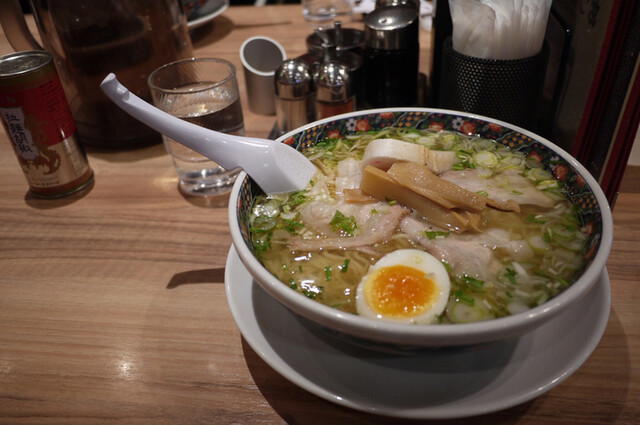
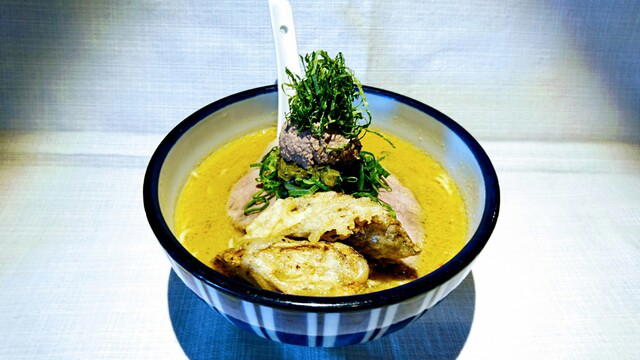
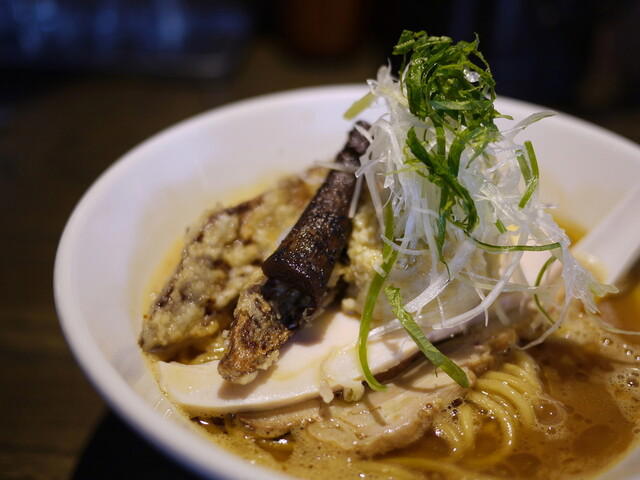
Bars in Kuriyama
Browse all →

Details
- Elegant
- Cozy
- Intimate
- Rustic
- Sophisticated
- Business Dinner
- Special Occasion
- Private Dining
- Sake Program
- Local Sourcing
- Garden
- Prix Fixe
Current opening hours
- Monday
- 12–2:30 PM, 6–9 PM
- Tuesday
- Closed
- Wednesday
- 12–2:30 PM, 6–9 PM
- Thursday
- 12–2:30 PM, 6–9 PM
- Friday
- 12–2:30 PM, 6–9 PM
- Saturday
- 12–2:30 PM, 6–9 PM
- Sunday
- 12–2:30 PM, 6–9 PM
Hours can change for holidays and private events. Hours as of .
Relaxing atmosphere in a charming traditional house with private rooms, sunken seating, and a peaceful garden view.