
Tabelog Bronze #11
Our verdict
Akakichi puts Imabari’s island sushi culture into a six-seat counter format, with Setouchi fish and sake carrying the argument. Its Tabelog Award Bronze run from 2024 to 2026 and Sushi WEST 100 selection in 2025 place it in a serious regional bracket, but the point here is scale: a small Hakata Island room built around fish, timing, and restraint.

Pearl is the En Primeur Club membership app, where members save venues, book tables and use the concierge.
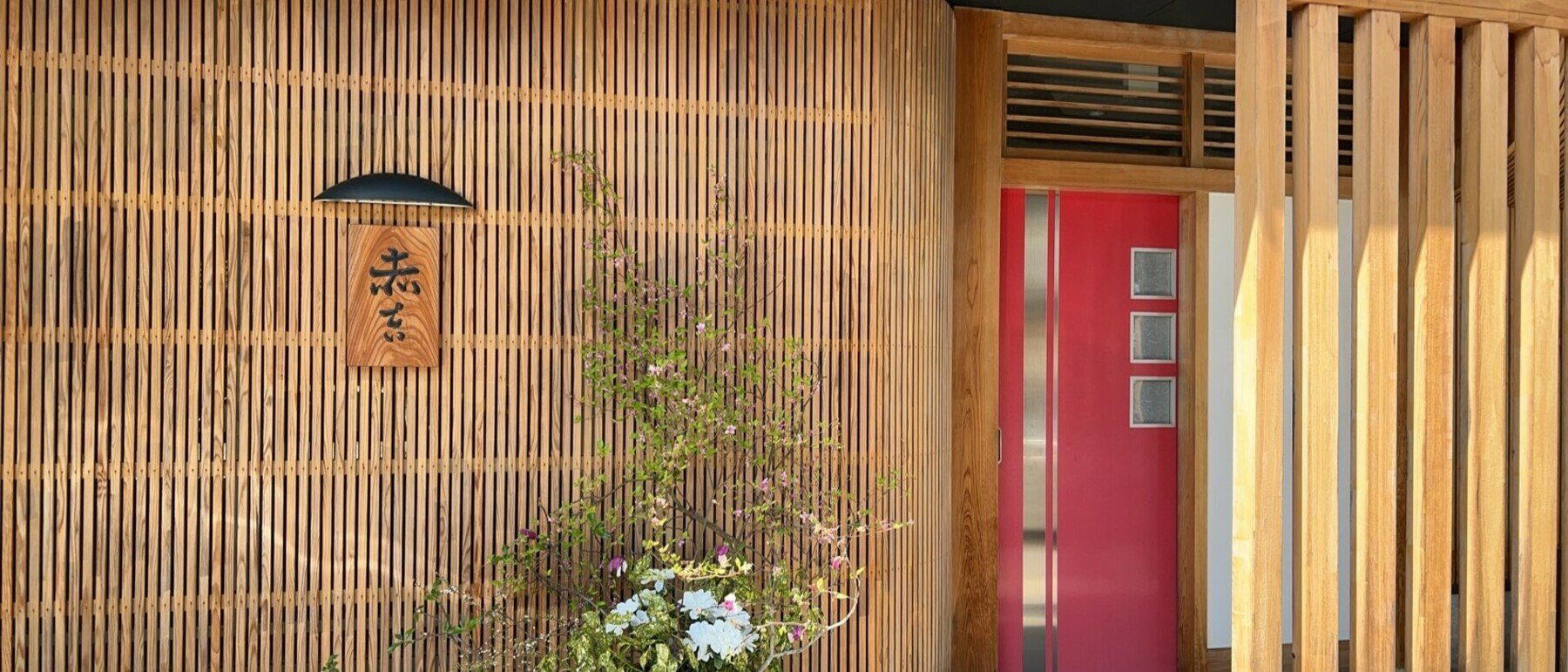
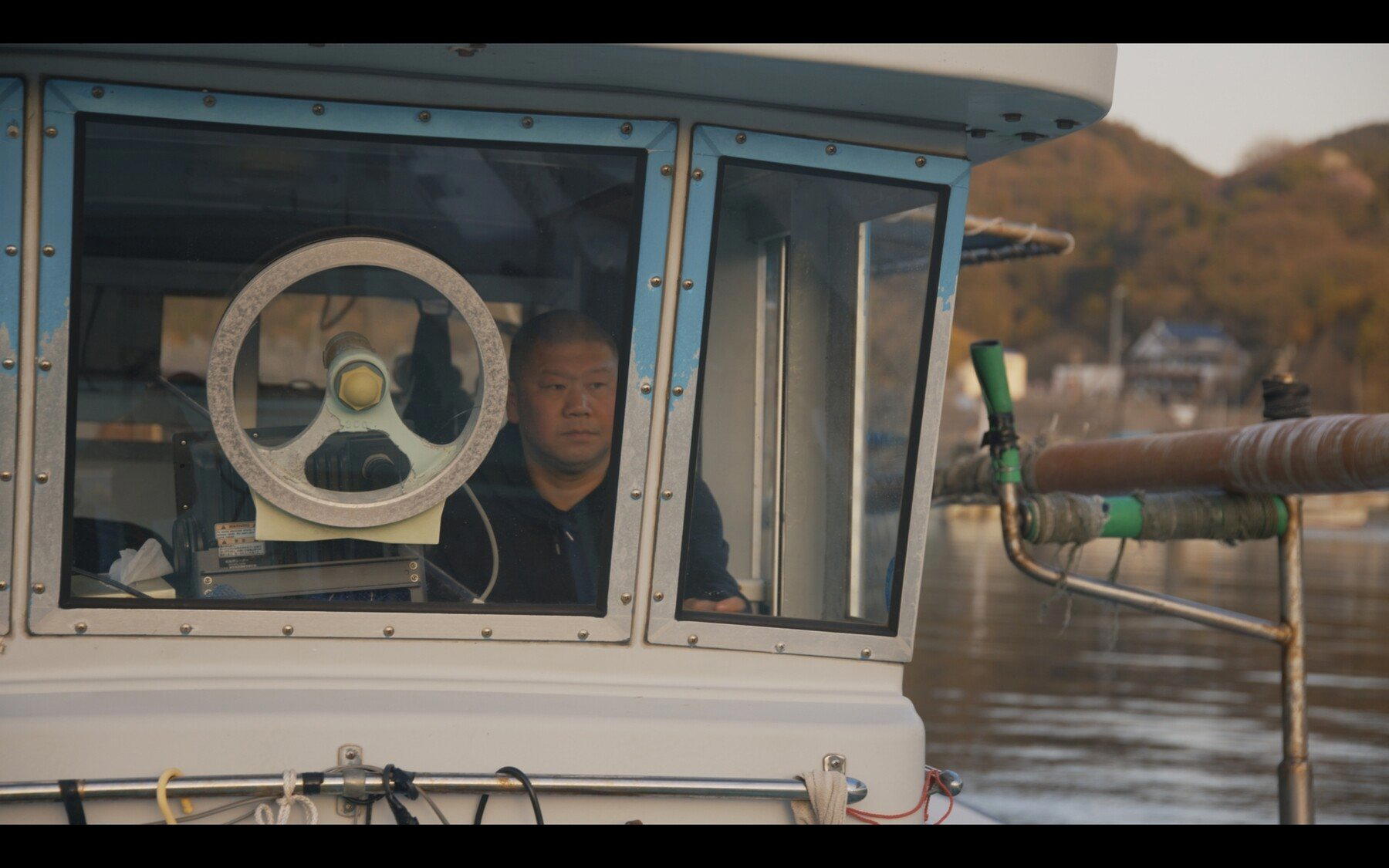
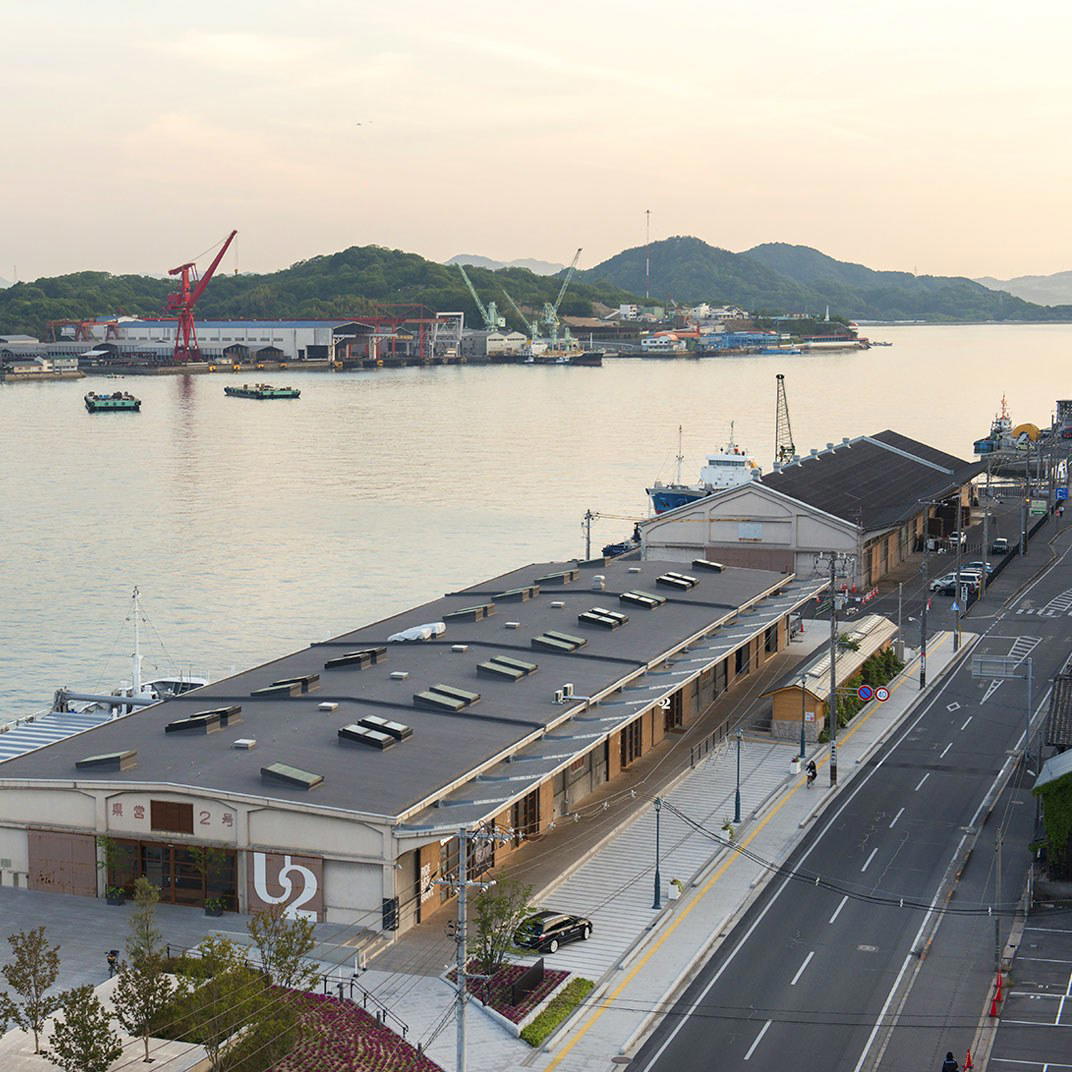
Hakata Island changes the rhythm before dinner begins. The approach is not urban Ginza theatre but Setouchi quiet: low houses, working water, and the Shimanami Kaido’s island geography setting the terms. In that setting, sushi reads differently. Fish is not an imported luxury cue; it is the local grammar. Akakichi belongs to the narrow Japanese counter tradition where the room is small enough for every course to feel exposed, and where the surrounding sea is not scenery but the main competitive advantage.
Imabari’s dining scene is often read through bridges, cycling routes, shipbuilding wealth, and casual seafood, yet its serious tables ask a sharper question: what happens when island sourcing meets a counter format usually associated with major cities? The answer is not a provincial version of Tokyo sushi. It is a different argument about proximity. A six-seat counter on Hakata Island has fewer ways to hide than a large city dining room; product selection, rice discipline, knife work, and pacing become the entire performance.
Setouchi fish gives the counter its reason to exist
Setouchi sushi is shaped by the Inland Sea’s scale and variety. The waters between Honshu, Shikoku, and Kyushu have long supported a style of eating that values seasonal white fish, shellfish, and local catch with a subtler register than the tuna-led luxury language many international diners associate with high-end sushi. That does not make it austere. It makes the margin for error smaller. When the fish is the point, technique has to clarify rather than decorate.
Akakichi’s public recognition supports that reading. The restaurant is listed as sushi, noted for fish and sake, and carries Tabelog Award Bronze recognition in 2024, 2025, and 2026, alongside selection for Tabelog Sushi WEST 100 in 2022 and 2025. Those signals matter because regional sushi counters outside Tokyo and Osaka do not receive attention by accident. The recognition places the restaurant in a western Japan conversation, not merely an Imabari one.
The format reinforces the sourcing story. Counter-only sushi at this scale compresses the relationship between product and diner: there is no private-room buffer, no broad à la carte sprawl, no design-led distraction. That can make the experience demanding for travelers accustomed to conversational dining, but it is also why the room has editorial weight. The meal’s value rests on whether the fish justifies the journey to Hakata Island, and the awards record suggests that enough serious diners have found the answer persuasive.
For readers mapping Imabari more broadly, Akakichi sits at the precise end of the spectrum from casual island eating. Nearby regional references such as Nijikichi, Shinoda, and Hachihachi help show how varied the city’s restaurant field can be, from local dining to more destination-minded cooking. For the wider picture, use our full Imabari restaurants guide, with parallel planning context in our full Imabari hotels guide, our full Imabari bars guide, our full Imabari wineries guide, and our full Imabari experiences guide.
A six-seat sushi room changes the social contract
Small-counter sushi is not simply a smaller restaurant category. It changes the diner’s responsibilities. Arrival time, pace, group size, and dietary flexibility matter more than they do in a larger dining room. Akakichi operates in that high-discipline lane: six counter seats, reservation-only service through OMAKASE, non-smoking, and no private rooms. Those details are not clerical footnotes; they define the experience. This is a meal for diners comfortable giving the counter control.
The price bracket also clarifies the decision. With lunch and dinner budgets listed in the JPY 20,000 to JPY 29,999 range, this is not casual seafood after a Shimanami Kaido ride. It competes with serious regional sushi meals, where the cost is tied to ingredient procurement, small capacity, and the limited economics of a counter serving only a handful of guests. The small room makes sense only if the sourcing and execution carry the weight.
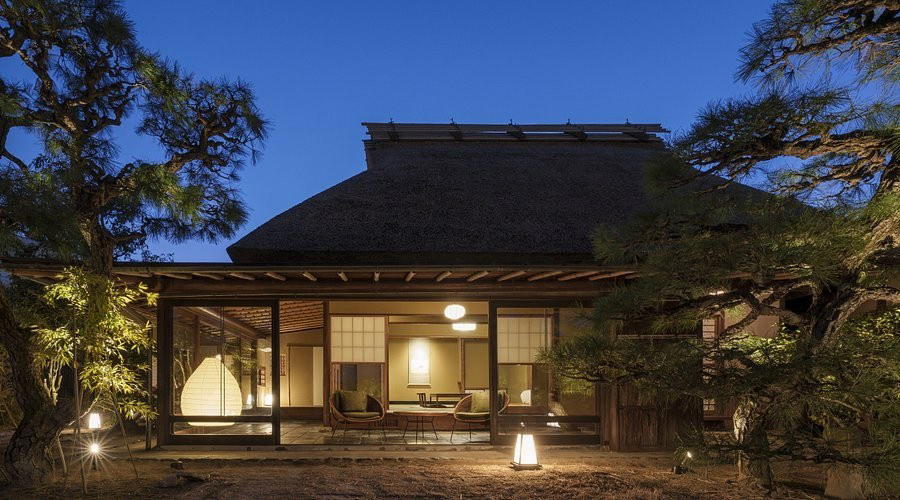
There is a useful contrast with lower-priced island and coastal dining elsewhere along the route, where the pleasure may be immediacy, volume, or a view. Akakichi is doing the opposite: it narrows the field until fish, rice, sake, and timing are left to carry the evening. That is why the house-restaurant setting matters. It resists the polished anonymity of urban luxury and puts the meal closer to the island’s domestic scale.
Travelers building a Japan dining itinerary can treat this as a counterpoint to the country’s big-city restaurant density. The contrast is instructive alongside far-flung references such as [ki:] in Kyoto. 鮪と炭火焼き うお炭 秋葉原店 in Tokyo.cafe in Osaka.know in Kumamoto, (Shoku) Vietnam in Kawasaki, [Curry Senmon Ten] Maruyama Kyoju. in Sapporo, #肉といえば松田 奈良本店 in Kashihara, and -Grilled beef Sukiyaki- KAMAKURA TANUKIAN 鎌倉 たぬき庵 in Kamakura. Outside Japan, Jōdo Saké Bar in Los Angeles and Onigiri Time in Pasadena underline how differently Japanese food reads when removed from its local supply chain.
Who should make the trip
The strongest case for Akakichi is for diners who already understand that sushi is not a single national template. This is a Setouchi argument presented through a controlled counter, with sake treated as part of the meal’s structure rather than an accessory. The restaurant’s Tabelog score has appeared above 4.2 in recent award contexts, and its Bronze recognition across three consecutive award years gives the experience a level of public validation that matters for a remote booking.
The caution is equally clear. This is not the address for a flexible family meal, a casual drop-in, or a diner needing broad substitutions without advance clarity. The value comes from surrendering to a small-format sushi sequence built around fish. For travelers staying in Imabari or crossing the Shimanami Kaido with enough time to plan, it offers one of the region’s more focused expressions of the Inland Sea’s seafood culture. The decision is less about chasing a famous counter than choosing a meal whose logic belongs to the island around it.
Frequently asked questions
Is Akakichi a family-friendly restaurant?
It is set up as a 6-seat counter-only sushi room in Imabari, with reservation-only access through OMAKASE. That format suits adults or small groups better than families with younger children.
What's the overall feel of Akakichi?
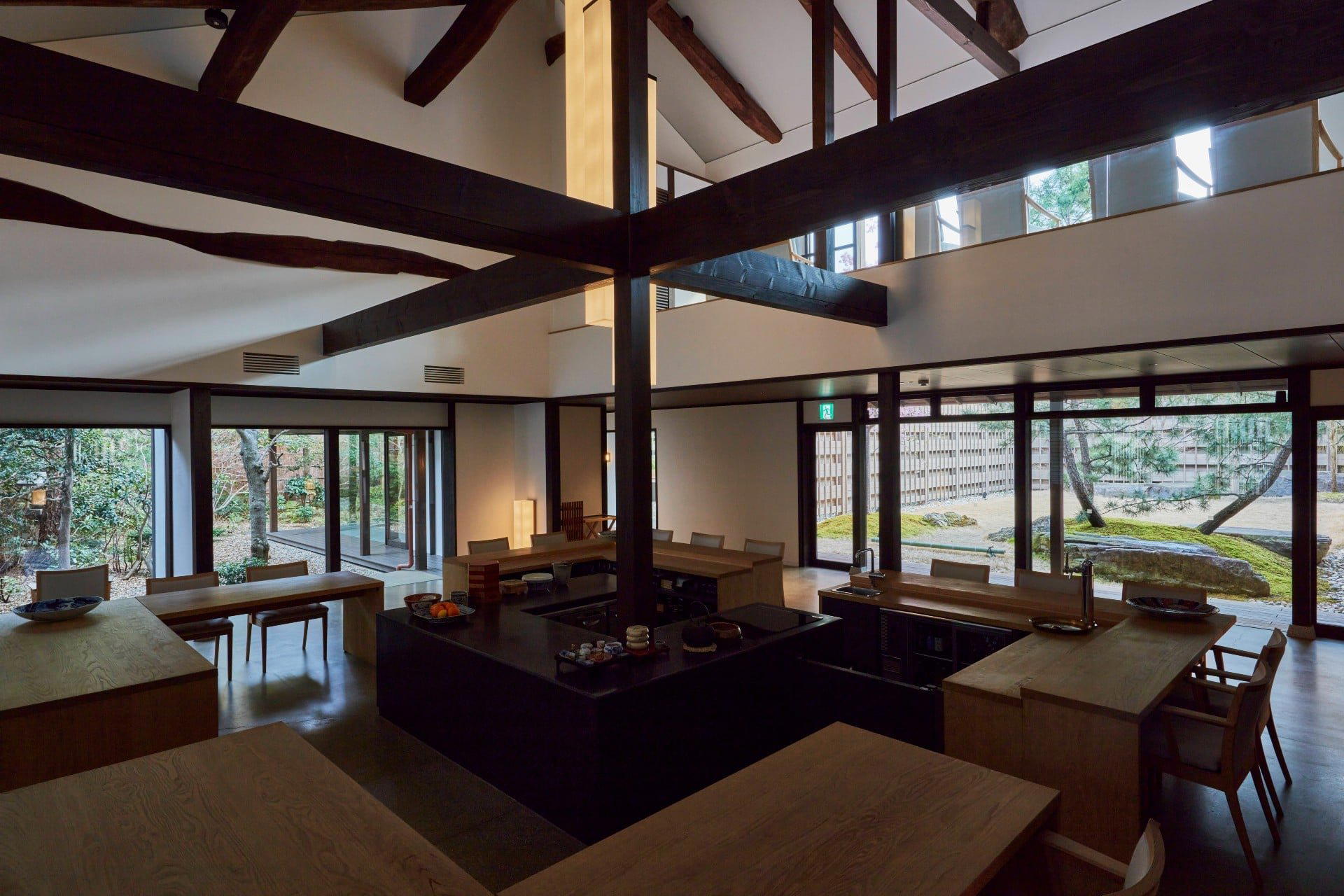
The room is a house restaurant with counter seating, non-smoking service, and a calm 6-seat layout. The Tabelog Award 2026 Bronze win supports its place in the local sushi conversation.
When is Akakichi open?
Hours at Akakichi: Mon, Wed, Thu, Fri, Sat, Sun 18:00 - 22:00.
What part of town is Akakichi in?
Akakichi is located in Imabari.
What's the signature at Akakichi?
The venue does not list named signature dishes. Its clear focus is sushi built around fish, with sake given particular attention, which is the most useful way to read the room.
Is Akakichi allergy-friendly?
Credit cards are accepted, but diners with allergies should plan carefully around the counter format and OMAKASE-only booking.
In Context: Similar Options
Comparable venues by cuisine and price in the same metro.
| Venue | Cuisine | Price | Awards | Notes |
|---|---|---|---|---|
| AkakichiThis venue (the venue you are viewing) | Michelin-Starred Seto Inland Sea Sushi | $150–200 | Tabelog Bronze #11 | Not listed |
| Shinoda | Regional Japanese Fine Dining | $300–500 | Tabelog Bronze #403 | Matsumoto-cho |
| Nijikichi | Setouchi Seafood Counter Dining | $500+ | Tabelog Silver #88 | Hakata Island |
| Hachihachi | Imabari yakitori & chicken dishes | $20–30 | Tabelog 100 #40 | Gohoncho |
| Sushi Nagi | Traditional Japanese Sushi Omakase | $150–200 | Not listed | 東山ニセコビレッジ |
| Tenzushi (天寿し 京町店) | Kyushu-mae Omakase Sushi | $300–500 | Not listed | Kokura Kita-ku |
Recognition history
Dated appearances from independent guides and award organizations, with the underlying list record or original source where available.
Tabelog Bronze #11
Tabelog
Full recognition history (3 entries)
Tabelog 100 #18 · No. 18
Tabelog · Tabelog 100 - Sushi - WEST - 2025
Tabelog Bronze
Tabelog
Continue exploring
More in Imabari
Details
- Intimate
- Relaxed
- Special Occasion
- Chefs Counter
- Sake Program
- Local Sourcing
- Omakase
- Counter Dining
- Sake
Current opening hours
- Monday
- 6–10 p.m.
- Tuesday
- Closed
- Wednesday
- Closed
- Thursday
- 6–10 p.m.
- Friday
- 6–10 p.m.
- Saturday
- 6–10 p.m.
- Sunday
- 6–10 p.m.
Hours can change for holidays and private events. Hours as of .
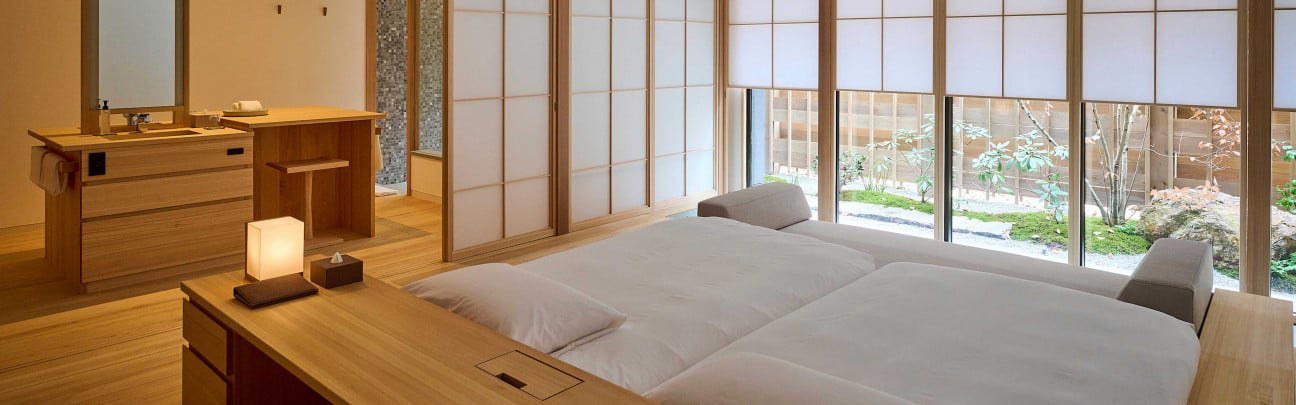
Relaxed, friendly counter seating atmosphere where diners enjoy fish stories from the chef amid a serene island setting.