
Sapporo’s high-end dining scene is not only seafood counters and lamb grills; French technique has its own serious tier, especially when it works with Hokkaido produce rather than against it. aki nagao belongs in that category, with Tabelog Award Silver recognition for 2026, repeated Bronze awards from 2020 to 2025, and selection for Tabelog French EAST 100 in 2021, 2023, and 2025.
Pearl is the En Primeur Club membership app — saves, bookings, and concierge access live there. Same editors, same standards.
- Address
- Japan, 〒060-0063 Hokkaido, Sapporo, Chuo Ward, Minami 3 Jonishi, 3 Chome−3 G DINING SAPPORO 1F
- Phone
- +81 11-206-1789
- Website
- aki-nagao.com
- Directions
- Get directions
 Saves & bookings on Pearl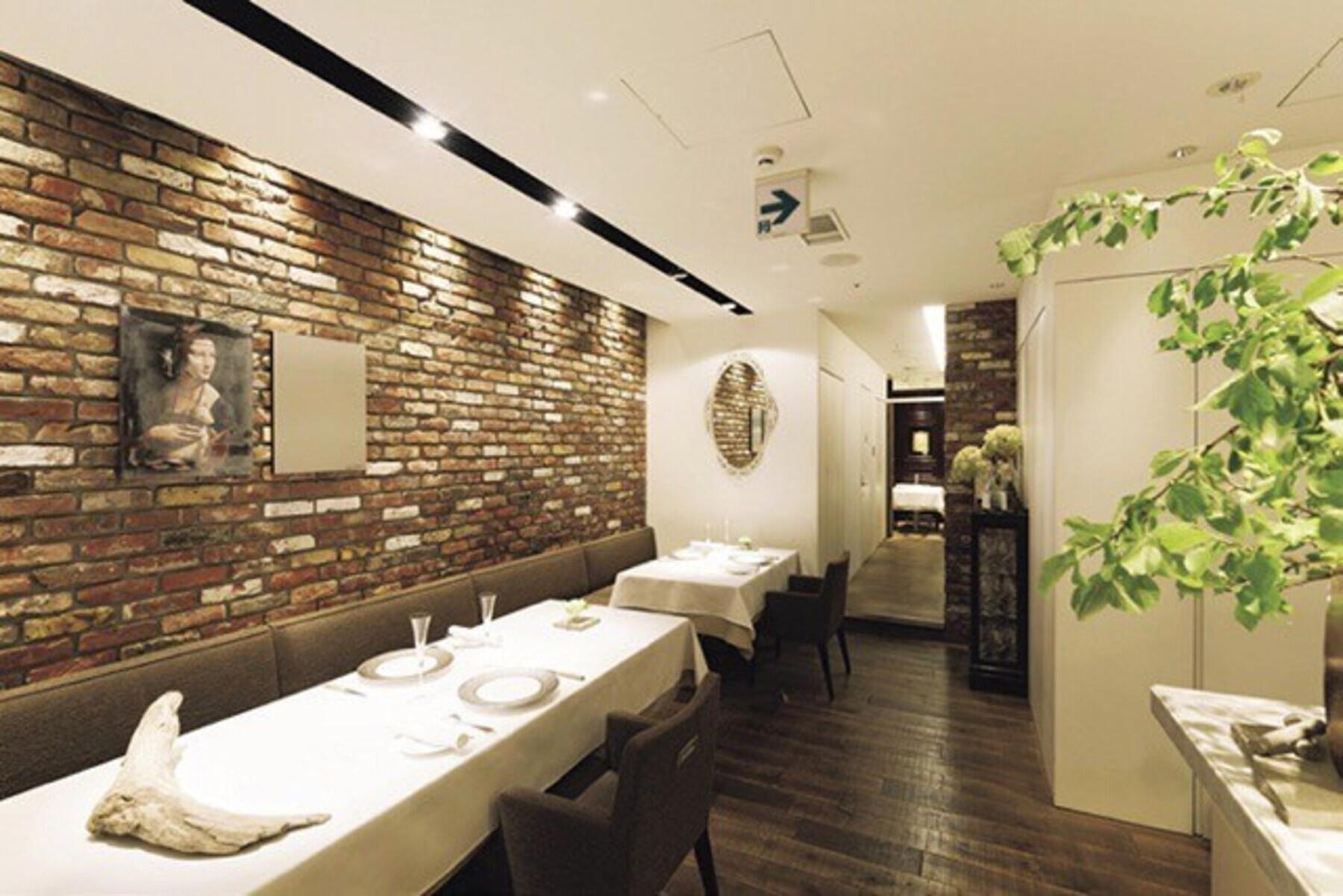
Susukino is usually read through neon, late trains, ramen steam, and the after-hours appetite of central Sapporo. Inside that setting, the city’s formal French dining feels sharper because it is not insulated from the neighbourhood’s energy. The serious rooms here have to justify a higher level of planning than the surrounding izakaya and bar circuit, and the reward is a version of French cooking shaped by Hokkaido’s produce culture rather than imported grand-dining theatre.
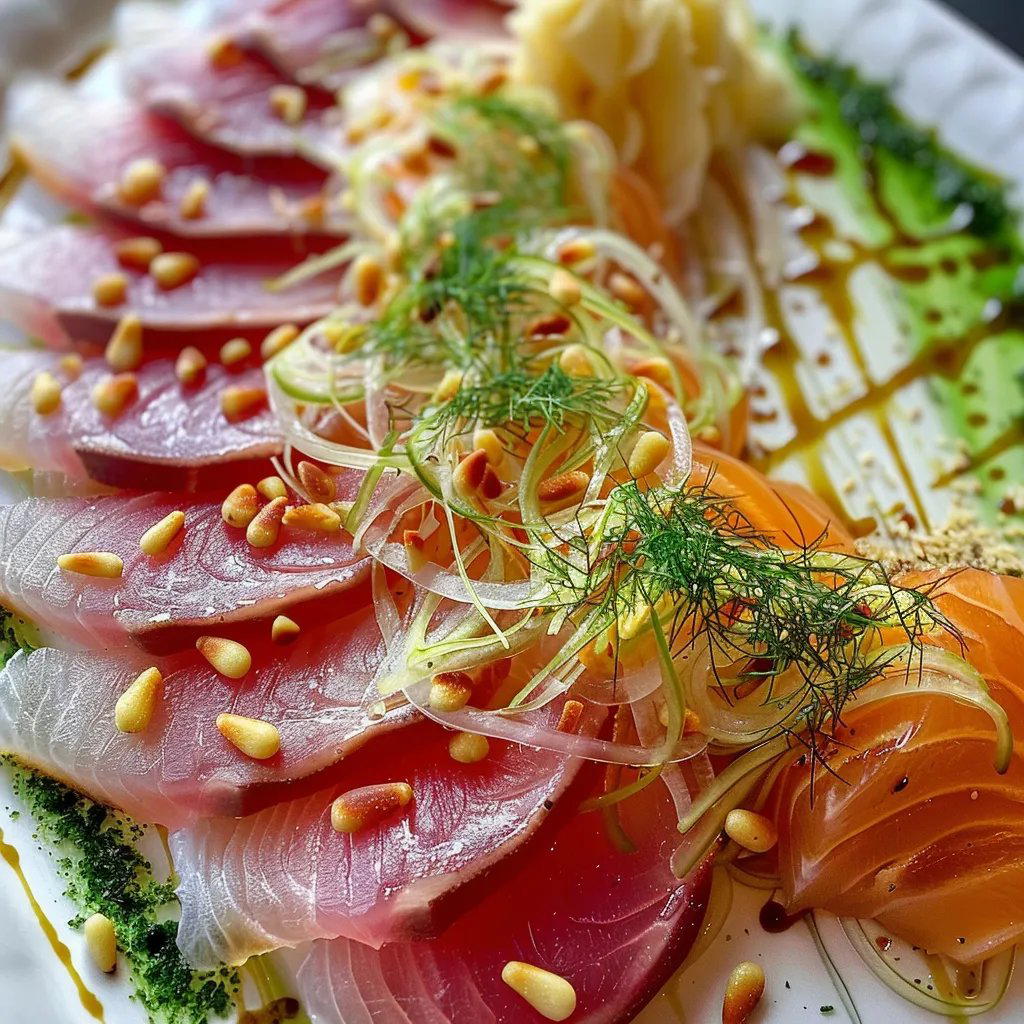
That is the useful way to understand aki nagao: not as a standalone trophy reservation, but as evidence that Sapporo’s fine-dining identity has matured beyond the predictable seafood-and-snow shorthand. Its public category, French and innovative, places it in a lane where technique matters, but local sourcing and seasonality carry the emotional weight. In Hokkaido, fish, dairy, vegetables, and cold-climate ingredients are not decorative talking points; they are the reason a French table in Sapporo can compete with more obvious dining capitals on its own terms.
French technique filtered through Hokkaido rather than Paris nostalgia
Sapporo’s better dining rooms often succeed when they stop trying to imitate Tokyo. The city has its own rhythm: less fixation on status choreography, more dependence on ingredients that arrive with a strong regional identity. In that context, a French-innovative restaurant has to be judged by how it handles restraint. Heavy sauces and ornate plating can flatten Hokkaido produce; the stronger approach is precision, pacing, and enough structure to make the meal read as French without burying the place it comes from.
The awards record gives that argument weight. aki nagao received The Tabelog Award 2026 Silver, after Bronze recognition every year from 2020 through 2025, and was selected for Tabelog French EAST 100 in 2021, 2023, and 2025. In Japan, where Tabelog’s upper scores tend to move slowly and diner scrutiny is unusually granular, that kind of sustained recognition signals consistency rather than a single season of attention. The listed score of 4.33 also places the restaurant in a narrow band of serious national interest, especially for a French room outside Tokyo.
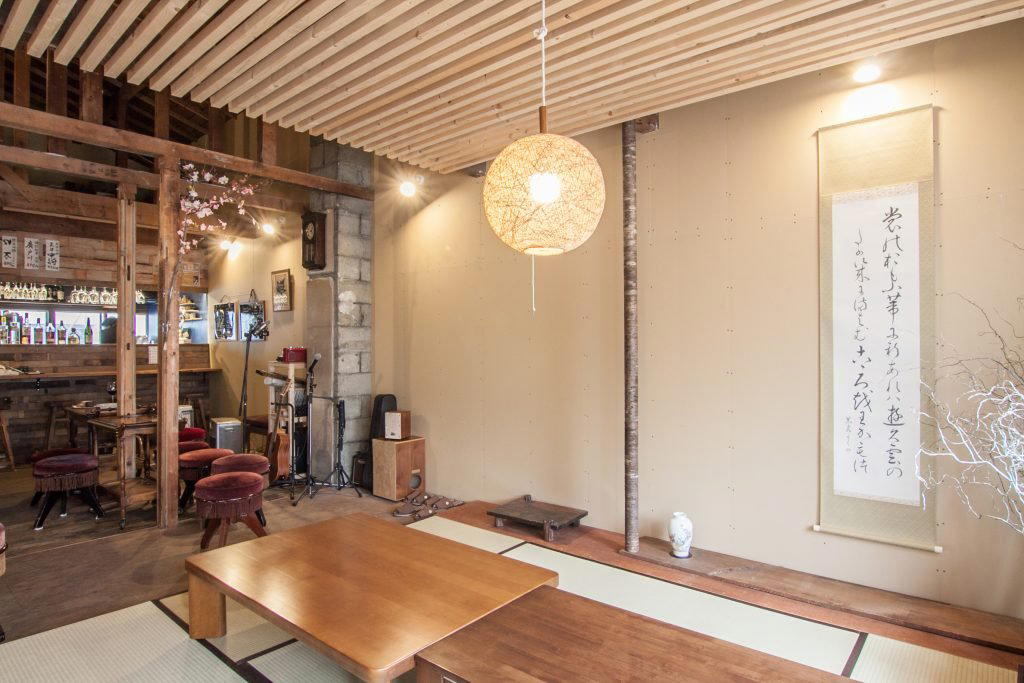
The format supports that reading. This is a small, table-seated restaurant rather than a large luxury dining room, with private-room options that make it more flexible than the counter-dominant prestige model common in Japan. That matters in Sapporo, where a high-end meal may be part of a ski-season itinerary, a business dinner, or a tightly planned food trip rather than a local weekly habit. The room’s scale keeps the experience controlled, while the table format gives it a different social register from omakase.
The reservation tells you what kind of meal this is
Japan’s serious destination restaurants often reveal their priorities before the first course. Advance preparation, fixed pacing, and cancellation terms are not administrative footnotes; they are part of the compact between kitchen and guest. Here, the reservation-only structure and advance-change policy point to a restaurant working around prepared ingredients and a controlled service rather than casual turnover. That is typical of high-price tasting formats in Japan, but it carries particular force in Sapporo, where weather, travel delays, and seasonal demand can complicate dining plans.
For travellers, the smart comparison is not with casual Susukino standards. The Bar Nano Femto and BAR PROOF sit in a far lighter spending tier, while Umi Hachikyo Honten and Gyu no Ishizaki represent different Sapporo appetites: seafood theatre and beef-focused dining. aki nagao belongs to a narrower category, closer to a special-occasion French table where the cost, planning discipline, and recognition record all point in the same direction. It is not competing with the city’s late-night pleasures; it is the meal around which the evening is built.
That distinction is useful because Sapporo can tempt visitors into over-scheduling. The city rewards grazing, but this kind of dinner does not. A high-end French meal here asks for a cleaner itinerary: fewer pre-dinner stops, less improvisation, and enough time to treat the service as the main event. The existence of sake and wine service, plus a sommelier, also reflects a broader Japanese fine-dining pattern in which French structure increasingly coexists with local drinking culture rather than defaulting to a European-only cellar logic.
How it fits into a Sapporo dining trip
The strongest Sapporo itineraries work by contrast. A formal French dinner lands differently when it is set against the city’s curry shops, noodle counters, bakeries, bars, and seafood rooms. For a sharper map of that range, compare it with 175°DENO Tantanmen Sapporo kitaguchi ten, [Curry Senmon Ten] Maruyama Kyoju., Aigues Vives, Ajanta Indo Curry Ten, and Ajanta Sohonke. Each points to a different Sapporo habit: spice, wheat, regional comfort, or specialist craft.
For broader planning, use Our full Sapporo restaurants guide alongside Our full Sapporo hotels guide, Our full Sapporo bars guide, Our full Sapporo wineries guide, and Our full Sapporo experiences guide. Readers extending a Japan dining route can also place the Sapporo meal against different formats, from -Grilled beef Sukiyaki- KAMAKURA TANUKIAN 鎌倉 たぬき庵 in Kamakura and. 鮪と炭火焼き うお炭 秋葉原店 in Tokyo to.cafe in Osaka.know in Kumamoto, (Shoku) Vietnam in Kawasaki, [ki:] in Kyoto, Jōdo Saké Bar in Los Angeles, and Onigiri Time in Pasadena.
The editorial case is clear: this is for travellers who want Sapporo to show its formal side without losing the regional logic that makes the city compelling. The awards history supplies credibility, the French-innovative category explains the frame, and the small-room format rewards those who plan carefully rather than drift in from the night outside.
Comparable venues nearby, for context on price, style, and recognition.
| Venue | Cuisine | Price | Notes |
|---|---|---|---|
| aki nagaoThis venue — the venue you are viewing | Modern Hokkaido French Fine Dining | $$$$ | Not listed |
| ル・ジャンティオム | Classic French Fine Dining | $$$$ | Chūō |
| Moliere | French with Hokkaido Influences | $$$$ | Chūō |
| ミクニ サッポロ | Seasonal French Fine Dining | $$$$ | Kita |
| Hidetaka | Edomae Sushi Omakase | $$$$ | Chūō |
| Arima | Hokkaido Ezo-mae Omakase Sushi | $$$$ | Chūō |
Recognition history
Dated appearances from independent guides and award organizations, with the underlying list record or original source where available.
Tabelog Silver #5
Tabelog
Tabelog 100 #4 · No. 4
Tabelog · Tabelog 100 - French - EAST - 2025
Tabelog Bronze
Tabelog
Continue exploring
More in Sapporo
Restaurants in Sapporo
Browse all →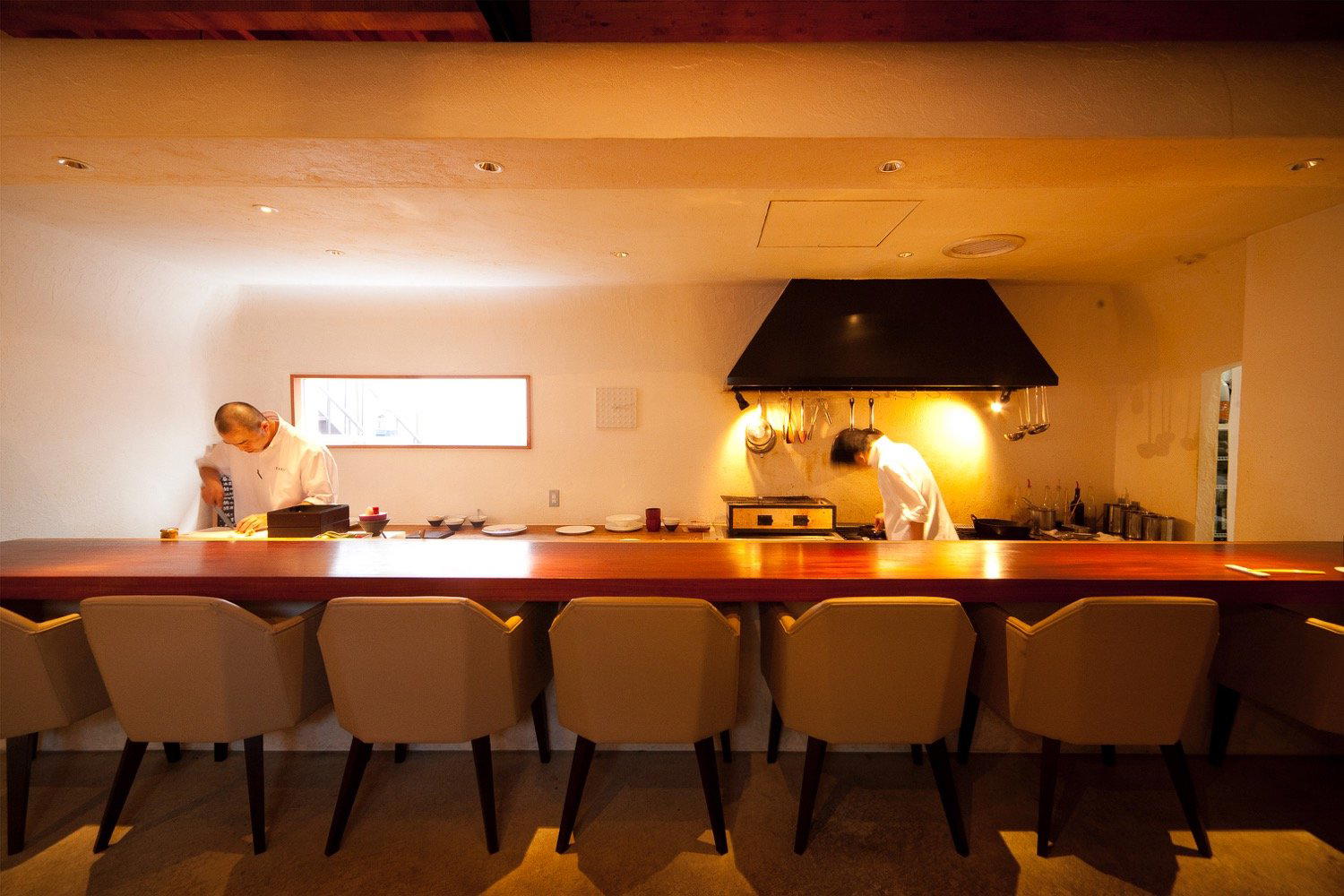
At a Glance
- Elegant
- Modern
- Cozy
- Sophisticated
- Intimate
- Date Night
- Special Occasion
- Business Dinner
- Open Kitchen
- Natural Wine
- Sake Program
- Sommelier Led
- Local Sourcing
Current opening hours
- Monday
- 6–10 PM
- Tuesday
- 6–10 PM
- Wednesday
- 6–10 PM
- Thursday
- 6–10 PM
- Friday
- 6–10 PM
- Saturday
- 12–3 PM, 6–10 PM
- Sunday
- 12–3 PM, 6–10 PM
Hours can change for holidays and private events. Last verified .
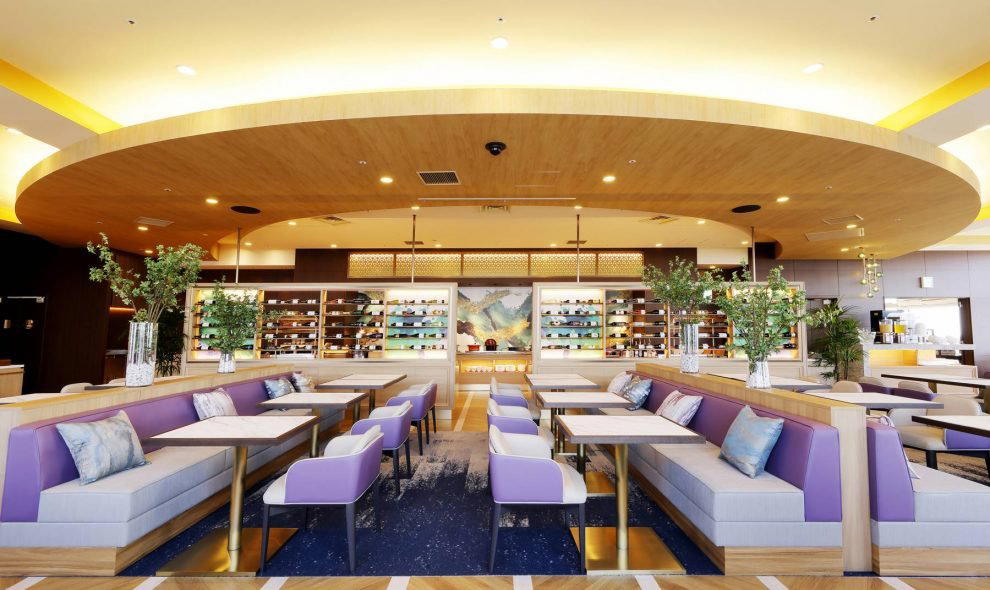
Calm and relaxing space with antique European blue bricks, whitewashed walls, and ultramodern kitchen, creating an elegant contrast of old and new.