

Tabelog Silver #1
Our verdict
Kushi Katsu A-bon holds a Tabelog Silver Award and a score of 4.40, placing it among the Kansai region's most recognised kushikatsu counters. Set in residential Ashiya, the 19-seat room operates on two fixed seatings nightly, with a particular emphasis on fish-led skewers and a considered wine programme that extends to BYO with corkage. Reservations open on the first of each month for up to three months ahead.

Pearl is the En Primeur Club membership app, where members save venues, book tables and use the concierge.
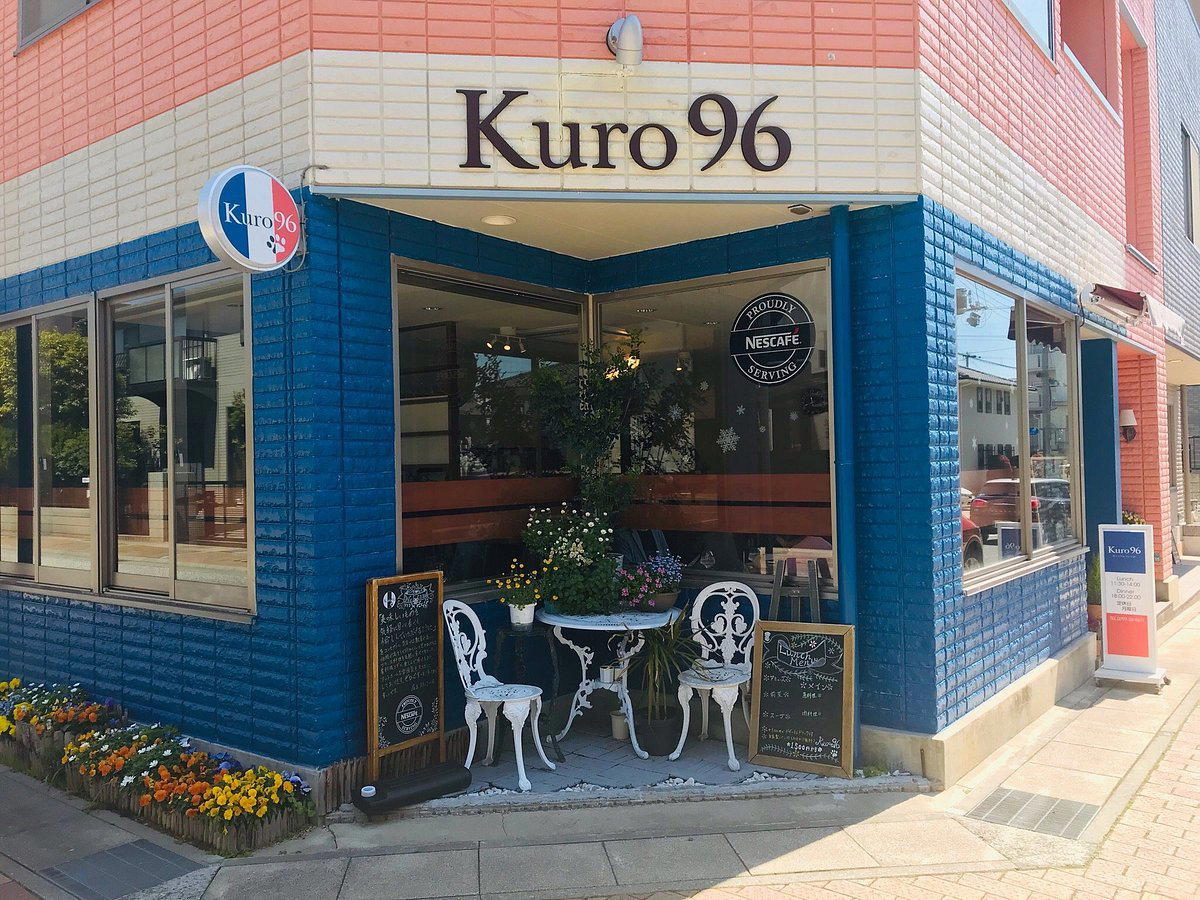
Where Kushikatsu Earns a Different Register
Ashiya sits between Kobe and Osaka along the Hanshin corridor, a residential enclave that has long attracted a quieter, more considered kind of dining than either city produces at scale. The neighbourhood draws residents who commute into Osaka or Kobe but eat locally with intent, and the restaurant culture reflects that: small rooms, reservation-only formats, and a price tier that places Ashiya closer to Osaka's premium inner-city counters than to the casual kushikatsu bars of Namba or Shinsekai. Kushi Katsu A-bon occupies this register precisely. It is not trying to modernise a working-class form; it is applying the rigour of a counter-dining format to a cuisine that has historically been informal, and the result is a room that reads more like a serious Kansai kappo than a skewer bar.
The address is 6-8 Kusunokicho, on the ground floor of a low-rise residential building, roughly ten minutes on foot east from JR Ashiya Station and five minutes north from Hanshin Itsumo Station. There is parking nearby for up to three cars. The physical setting is undemonstrative, which is a deliberate signal in a city where the serious restaurants tend not to announce themselves. Inside, the 19 seats split between 14 counter positions and tables accommodating two to six guests, giving the room a format that works for both solo diners and small groups. The counter is the operational core: from there, the sequence of the evening unfolds on terms set by the kitchen.
The Sourcing Logic Behind a Fish-Led Counter
Kushikatsu, at its conventional end, is protein and vegetable on bamboo, battered and fried in oil, served fast and eaten standing. The form originated in Osaka as working-class food, efficient and cheap. What distinguishes the upper tier of the category is not a departure from that logic but a reassertion of it through sourcing: if the cooking method is essentially fixed, then the quality differential lives entirely in what goes onto the skewer before it enters the oil.
A-bon's Tabelog listing identifies a particular emphasis on fish, which situates the counter within a narrower tradition. Japan's coastal prefectures have long treated premium seafood as a vehicle for high-end kushikatsu, and the Kansai region, with its proximity to the Seto Inland Sea and the fish markets of Osaka and Kobe, has the sourcing infrastructure to support it. The distinction between a Silver-rated counter operating at JPY 15,000 to JPY 19,999 per person and a neighbourhood fry shop is, in large part, a distinction of ingredient selection: seasonal fish, sourced with the same attention a sushi counter or kappo kitchen applies to its daily market purchase.
This sourcing orientation places A-bon in a peer conversation with other precision-sourced counters across western Japan. HAJIME in Osaka operates in a different category entirely, but the underlying logic of ingredient primacy runs through Kansai's premium dining culture regardless of cuisine type. Closer in format, Tempura Sakurabito (Tempura, Japanese Cuisine) in Ashiya applies comparable sourcing attention to a frying-based cuisine, and the two counters together suggest that Ashiya has developed a small but coherent cluster of restaurants treating deep-fry technique as a vehicle for premium ingredients rather than a concession to casualness.
Eight Consecutive Award Cycles
The Tabelog Award operates on a peer-reviewed scoring model aggregating hundreds of user ratings, and Silver represents the second tier, sitting above Bronze and below Gold. A-bon has held Silver in 2019, 2020, 2021, 2022, 2025, and 2026, with Bronze in 2023 and 2024. That run of eight consecutive award cycles across a decade is the clearest signal available about the kitchen's consistency.
The price bracket of JPY 15,000 to JPY 19,999 per person for dinner positions A-bon at the upper end of the kushikatsu category nationally. For context, premier tasting-counter experiences in Tokyo at venues such as Harutaka in Tokyo operate at higher price points, but they occupy a different cuisine tier. Within the kushikatsu form, this pricing signals that the evening is structured as a full counter experience with multiple courses rather than a la carte selection. The two fixed seatings at 18:00 and 20:30 support that reading: the kitchen is running two complete services nightly, not an open-ended service.
Parallel award-holding counters across Japan's regions illustrate the breadth of Japan's precision dining culture outside the major metropolitan centres: Gion Sasaki in Kyoto, Goh in Fukuoka, akordu in Nara, and affetto akita in Akita each demonstrate that sustained recognition at this level is not geographically restricted to Tokyo or Osaka. The broader EP Club Japan network also covers 1000 in Yokohama, 6 in Okinawa, Aji Arai in Oita, and Atomix in New York City for readers following Japan-trained sensibility wherever it surfaces.
The Drink Programme as a Structural Choice
A-bon's drink programme deserves attention as an indicator of positioning. The room offers sake, shochu, and wine, with the Tabelog listing flagging a particular emphasis on wine selection. The BYO policy, at a corkage fee of JPY 3,000 per standard bottle (JPY 6,000 for magnums), is an unusually accommodating provision for a Japanese counter at this price level. The implication is practical: guests who have invested in a serious wine collection, or who want to match a specific bottle to a sequence of fried skewers, are actively welcomed rather than managed toward the house list.
The pairing logic is less obvious than it might seem. Champagne and sparkling white wines have long been argued as structurally coherent partners for fried foods, with acidity and carbonation cutting through fat. The combination of a fish-led kushikatsu sequence and a guest-selected sparkling Burgundy or grower Champagne is coherent in a way that a sake-only pairing would not be for all guests. The corkage policy suggests the kitchen understands its own format well enough to build a structure around it rather than defaulting to convention. For comparison, Le Bernardin in New York City has long argued the case for wine with precision seafood in a Western format; A-bon makes an analogous argument in a Japanese one.
How to Plan an Evening Here
Reservations are essential and reservation-only, opening on the first of each month for the following three months. The kitchen accepts bookings from guests who can communicate in Japanese, which is a practical constraint rather than an exclusionary one: the counter format, with its sequence of courses and ingredient explanations, depends on a level of communication that a language barrier would compromise. International visitors planning ahead should consider securing assistance from their hotel concierge or a reservation service before the first of the month. Dietary restrictions relating to solid lard or certain oils used in frying cannot be accommodated, and the listing requests that guests with those restrictions refrain from booking.
The room is fully non-smoking, accepts major credit cards (Visa, Mastercard, JCB, Amex, Diners), and is available for full private hire. Children are welcome, which makes A-bon more accessible to families than many counters at this price tier in Japan. The two fixed seatings mean the evening has a defined rhythm: the 18:00 seating is the earlier option for those with onward plans or younger children; the 20:30 seating runs later into the night. Both operate until the kitchen closes at 23:00.
For a fuller picture of where A-bon sits within the local scene, Imai and Tempura Sakurabito represent the other precision-cooking formats in Ashiya worth considering on the same visit. EP Club's full Ashiya restaurants guide covers the broader scene, with additional resources for hotels, bars, wineries, and experiences in the area.
Frequently asked questions
Can I bring kids to Abon?
Children are explicitly listed as welcome, which is a less common designation at a counter operating in the JPY 15,000 to JPY 19,999 dinner range. The room seats 19 across counter and table configurations, including tables for two to six guests, so families have options beyond the bar. Bear in mind that reservations require Japanese-language communication and carry a cancellation policy with potential fees.
What's the overall feel of Abon?
This is a serious kushikatsu counter in a residential Ashiya setting, not a standing-bar fry shop. The 19-seat room divides between a 14-seat counter and tables, runs two fixed seatings per evening, and holds a Tabelog Silver award with a 4.40 score, credentials that draw a considered, repeat crowd. The Tabelog listing categorises the location as a hideout, which fits: Ashiya sits between Kobe and Osaka on the Hanshin corridor but operates at a remove from both cities' foot traffic.
What distinctions does Abon have?
Abon has received recognition including:
What do regulars order at Abon?
The Tabelog record does not publish a fixed menu or itemised courses, so dish-level guidance would be speculative. Corkage is available at JPY 3,000 per bottle, suggesting regulars frequently bring their own selections.
What days is Abon closed?
Hours at Abon: ■Business hoursTwo seating times: from 18:00 and from 20:30■Closed onWednesdays (open on public holidays).
What's Abon's location?
Abon is located at 6-8 Kusunokicho, Ashiya, Hyogo 659-0015, Japan, Ashiya.
Comparison Snapshot
Comparable venues nearby, for context on price, style, and recognition.
| Venue | Cuisine | Price | Awards | Notes |
|---|---|---|---|---|
| AbonThis venue (the venue you are viewing) | Kushikatsu (Deep-fried Skewers) | $500+ | Tabelog Silver #1 | Not listed |
| Imai | Modern Italian Fine Dining | $200–300 | Tabelog Bronze #131 | Kōmitsu-cho |
| シェ・モリ | Modern French with Japanese Seasonal Ingredients | $150–200 | Not listed | Uchide |
| Bigo no Mise Honten | Japanese Bakery | $1–10 | Tabelog 100 #41 | Ashiya |
| Tempura Sakurabito | Modern Tempura Omakase | $150–200 | Tabelog Bronze #383 | Ashiya |
| Kiichi | Traditional Sushi Omakase Counter | $100–150 | Tabelog 100 #83 | Omasucho, Ashiya |
Recognition history
Dated appearances from independent guides and award organizations, with the underlying list record or original source where available.
Opinionated About Dining Top Restaurants in Japan Recommended
Opinionated About Dining
Tabelog Silver #1
Tabelog
Full recognition history (3 entries)
Tabelog Silver
Tabelog
Continue exploring
More in Ashiya
Restaurants in Ashiya
All restaurants in Ashiya →

Bars in Ashiya
Browse all →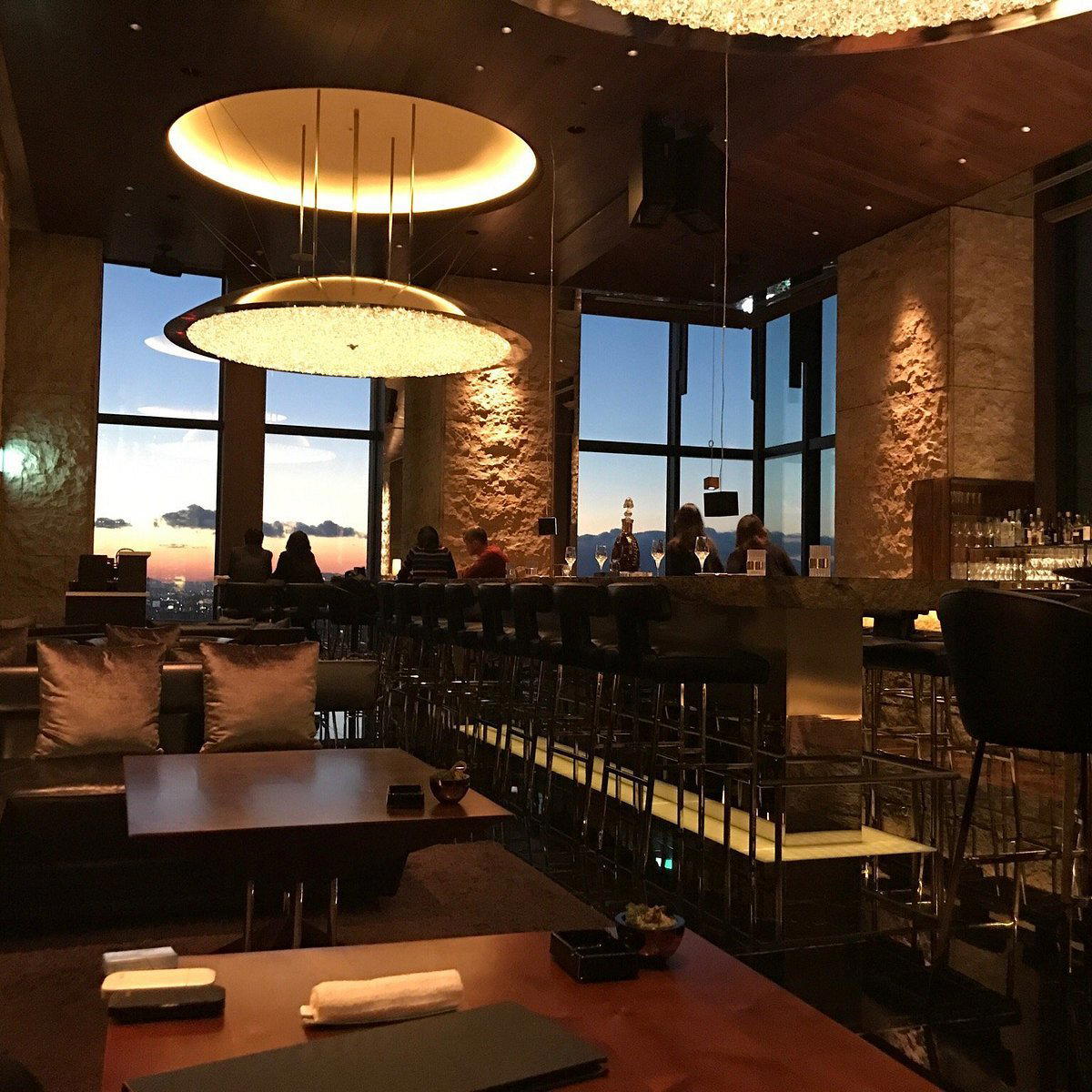



Hotels in Ashiya
Browse all →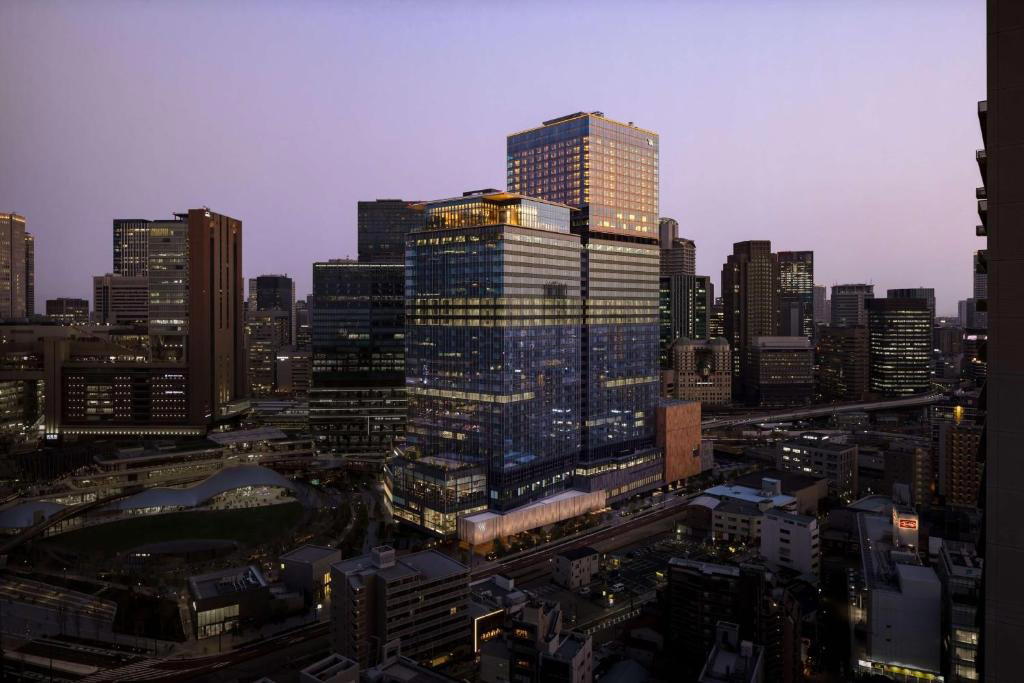



Wineries in Ashiya
Browse all →
Details
- Cozy
- Elegant
- Intimate
- Date Night
- Special Occasion
- Sake Program
- Counter Dining
Current opening hours
- Monday
- 6–10:30 PM
- Tuesday
- 6–10:30 PM
- Wednesday
- Closed
- Thursday
- 6–10:30 PM
- Friday
- 6–10:30 PM
- Saturday
- 6–10:30 PM
- Sunday
- 6–10:30 PM
Hours can change for holidays and private events. Hours as of .
Cozy atmosphere with welcoming smiles, retro expressions, and a relaxing space featuring counter seating.