
Tori Chataro occupies a low-key address in Shibuya's Uguisudanicho district, a pocket of Tokyo that sits outside the major dining circuits yet draws serious eaters to its yakitori format. The restaurant operates within a neighbourhood tradition where precision at the grill matters more than room size or profile, placing it alongside a tier of Tokyo counters where the cooking does the talking.
Pearl is the En Primeur Club membership app — saves, bookings, and concierge access live there. Same editors, same standards.
- Address
- Japan, 〒150-0032 Tokyo, Shibuya, Uguisudanicho, 7−12 TAKビル 1F
- Phone
- +81364160364
- Website
- torichataro8888.gorp.jp
 Saves & bookings on Pearl
Uguisudanicho and the Shibuya Back Streets
Shibuya is one of Tokyo's most legible districts from the outside, the scramble crossing, the department stores, the neon, but its residential fringe tells a different story. Uguisudanicho sits just north of the main Shibuya grid, a quieter wedge where the density drops and the restaurant typology shifts toward smaller, owner-operated formats. This is the part of the ward that rewards walkers who leave the station exits behind. Tori Chataro operates at 7-12 Uguisudanicho on the ground floor of the TAK building.
The geography matters because yakitori in Tokyo has two distinct modes. One exists for the salarymen crowds near major train hubs, fast, loud, abundant, functional. The other, smaller category occupies side streets and residential corridors, where the format is slower and the sourcing tends to be more considered. Uguisudanicho places Tori Chataro firmly in the latter register. The walk from Shibuya or Shinsen stations is short but moves the visitor into a different atmospheric register entirely.
Yakitori as a Counter Discipline
Tokyo's yakitori tradition is often underestimated by visitors who associate it with casual izakaya fare. In its more serious expressions, yakitori functions as a counter discipline with the same structural logic as sushi or kaiseki: the chef controls the sequence, the sourcing of chicken is the central craft decision, and the work at the binchōtan grill requires the kind of calibration that takes years to develop. Binchōtan, the dense white charcoal used in quality yakitori counters, burns at a consistent, radiating heat that allows the cook to manage doneness at a granular level, a skill that separates this style of cooking from surface-level grilling.
Within Shibuya's dining picture, this format is relatively rare at the serious end. The ward's restaurant identity leans toward French, Italian, and contemporary Japanese tasting menus, with the top end of that field represented by places like Crony in the innovative French register. Yakitori counters that operate with comparable focus occupy a different price tier but a similar commitment to craft. For the full range of what Shibuya and the wider city offer, our full Tokyo restaurants guide maps the scene across categories and wards.
How This Fits Tokyo's Grill Counter Scene
Tokyo's grill counter scene has matured considerably over the past two decades. Where yakitori was once categorised primarily as drinking food, a companion to beer and highballs rather than a format deserving full editorial attention, a cohort of counters has repositioned it closer to the precision cooking category. Michelin recognition has helped shift that framing, with several Tokyo yakitori restaurants earning stars and bringing broader attention to the discipline.
Tori Chataro sits within the Shibuya pocket of this scene, operating in a ward where the density of high-level restaurants creates a competitive comparison set that extends well beyond its own format. Visitors who have spent evenings at RyuGin in Roppongi or across the table at Harutaka will find the yakitori counter format operates on different registers, smaller, more informal, without the choreography of multi-course kaiseki, but the underlying discipline of sourcing and technique at the grill shares more with those environments than it does with casual izakaya chains.
At the French end of Tokyo's premium dining, the tasting menu format at L'Effervescence and the seasonal rigour at Sézanne represent a different expression of precision cooking, but they share the same city-wide commitment to sourcing quality that informs the better yakitori operations. Japan's premium restaurant culture, whether in Tokyo or elsewhere, tends to apply that logic consistently: HAJIME in Osaka and Gion Sasaki in Kyoto each express it through different formats, but the underlying standard is shared.
Planning a Visit: The Practical Picture
The restaurant offers appointment-only seating and costs about $130 per person. The TAK building address at 7-12 Uguisudanicho, Shibuya, gives a precise enough reference for mapping, and the walk from Shibuya Station is manageable on foot.
Visitors building a broader Japan itinerary might also consider how the restaurant fits alongside day trips or extensions to restaurants like akordu in Nara or Goh in Fukuoka, both of which represent the same spirit of serious cooking outside the obvious metropolitan circuits. Within Japan's broader geography, restaurants in less-trafficked cities, including Nanao, Sapporo, Takashima, and Nishikawa Machi, demonstrate how precision cooking has distributed itself well beyond Tokyo's core wards.
For those comparing the yakitori format across Japanese cities, Birdland in Sakai offers a useful counterpoint, while international comparison sets in the grill and precision protein category extend as far as Le Bernardin in New York City or the contemporary Korean tasting format at Atomix. The wider French bistro tradition as practised at Bistro Ange in Toyohashi rounds out the picture of how regional and genre-specific precision cooking operates across the country.
At-a-Glance Comparison
Comparable venues nearby, for context on price, style, and recognition.
| Venue | Cuisine | Price | Notes |
|---|---|---|---|
| Tori ChataroThis venue — the venue you are viewing | Premium Yakitori | $$$$ | Not listed |
| Torisawa 22 | Yakitori Omakase | $$$$ | Minato |
| Hatanaka | Traditional Tempura Omakase | $$$$ | Minato |
| Kojimachi Nihee | Edomae Nigiri Sushi | $$$$ | Chiyoda |
| 鮨 青木 | Edomae Sushi Omakase | $$$$ | Chūō |
| てんぷら 小野 | Seasonal Tempura Omakase | $$$$ | Chūō |
Recognition history
Dated appearances from independent guides and award organizations, with the underlying list record or original source where available.
Opinionated About Dining Top Restaurants in Japan Recommended
Opinionated About Dining













At a Glance
- Intimate
- Elegant
- Date Night
- Special Occasion
- Chefs Counter
- Sake Program
Current opening hours
- Monday
- Closed
- Tuesday
- Closed
- Wednesday
- 5:30–11:30 PM
- Thursday
- 5:30–11:30 PM
- Friday
- 5:30–11:30 PM
- Saturday
- 5:30–11:30 PM
- Sunday
- 5–11 PM
Hours can change for holidays and private events. Last verified .
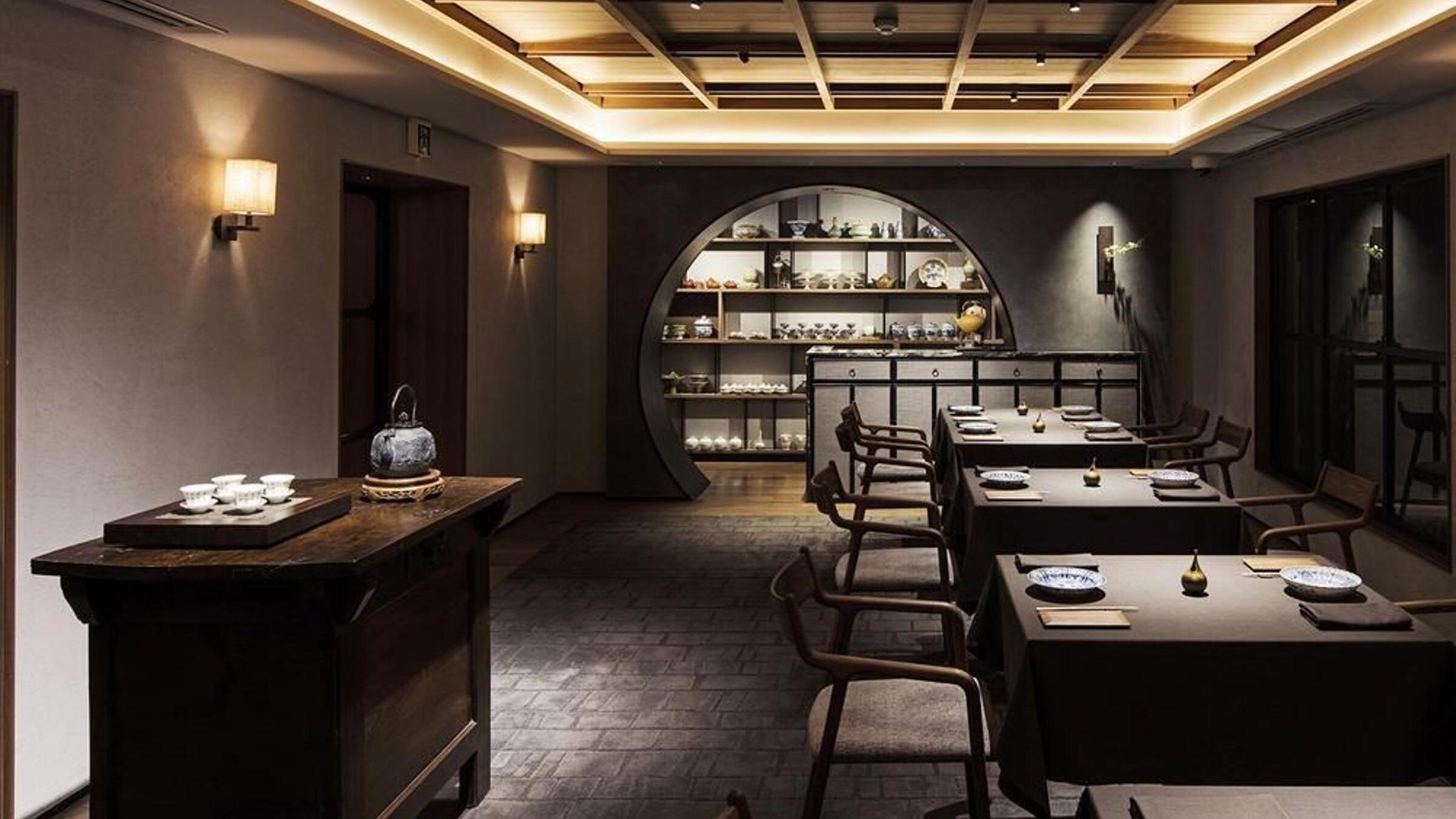
Intimate 11-seat counter with focused grill atmosphere and attentive service.