Our verdict
Ginza 1954 occupies a precise position in Tokyo's high-end dining tier, where the neighbourhood's long reputation for premium omakase and counter dining sets a demanding peer standard. Located in one of Japan's most closely watched restaurant districts, it draws visitors planning well in advance and expecting the kind of disciplined service Ginza's top tables have made their signature. Booking strategy and timing matter here as much as what arrives at the counter.

Pearl is the En Primeur Club membership app — saves, bookings, and concierge access live there. Same editors, same standards.
- Address
- Tokyo, Japan
- Directions
- Get directions
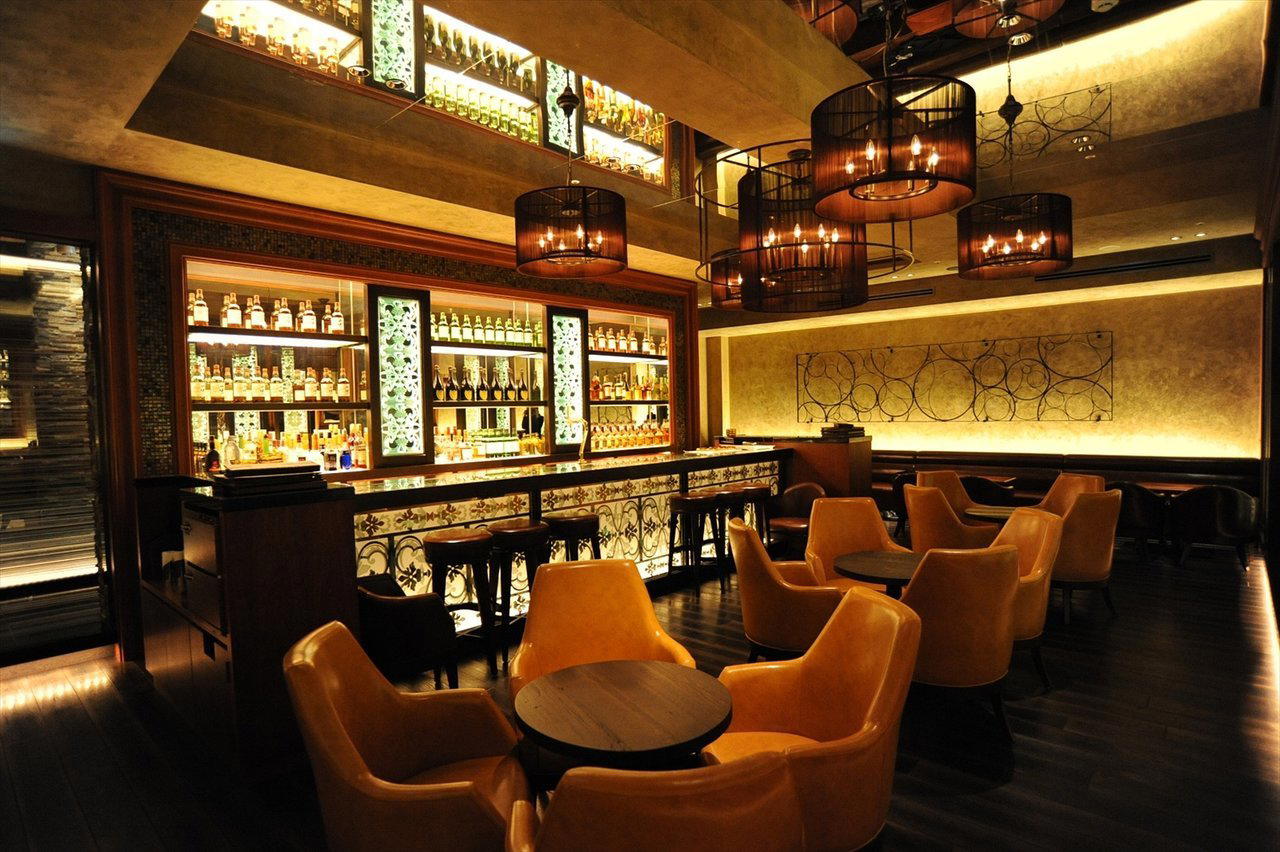
Ginza and the Weight of a Postcode
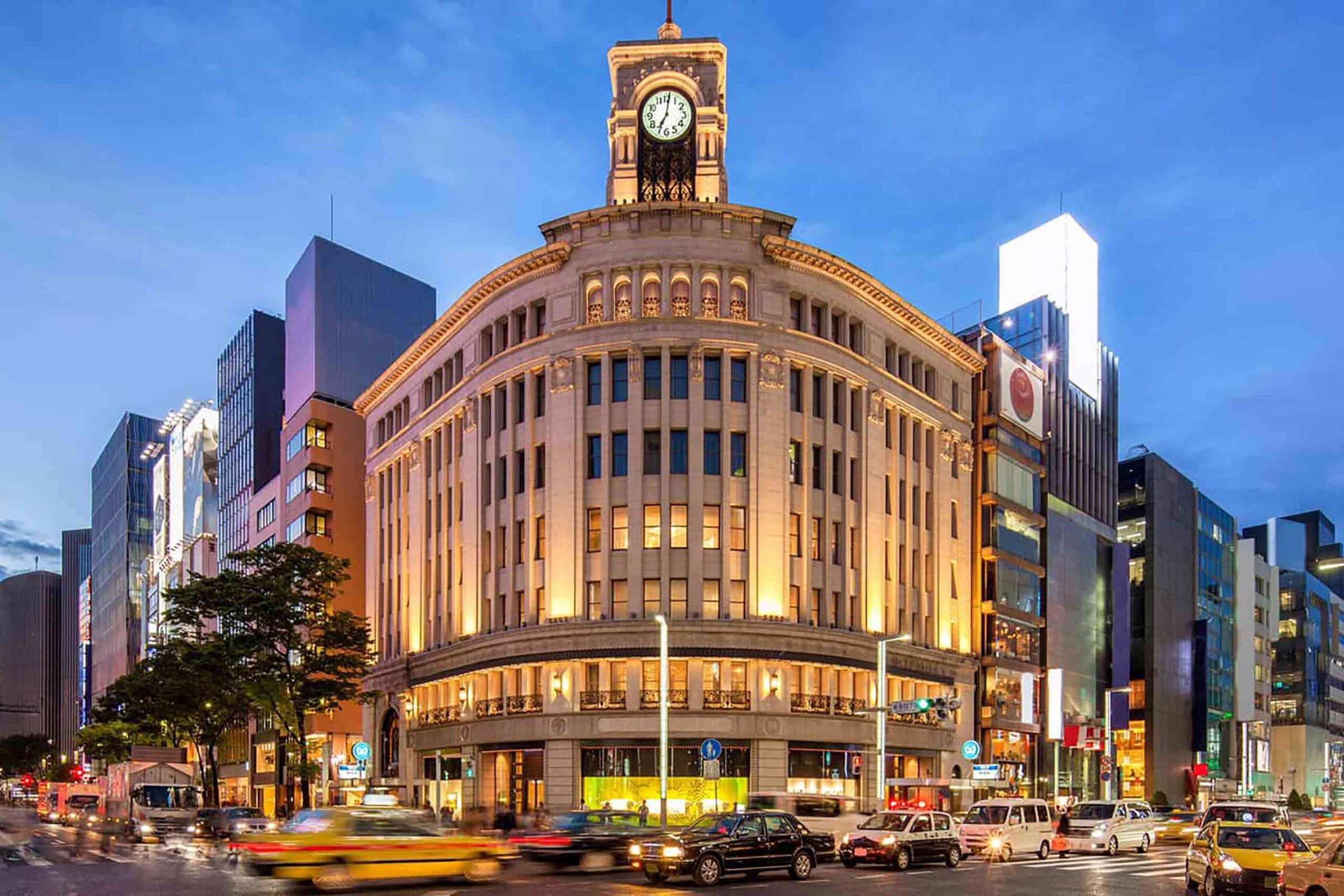
Few neighbourhoods in the world exert as much pressure on a restaurant's implied standard as Ginza. The district's concentration of Michelin-starred counters, long-standing kaiseki rooms, and reservation-only sushi bars means that operating here is itself a credential signal. Ginza 1954 carries that postcode with a name that anchors it to a specific moment in the neighbourhood's postwar reinvention, when the area was recalibrating its identity as Tokyo's centre of gravity for fine commerce and, eventually, fine dining.
Nearby, counters like Harutaka operate at the premium end of Tokyo sushi with long lead times and allocation-style access. The competitive pressure is not just from within Ginza but from the broader Tokyo fine dining tier, where restaurants like RyuGin in Roppongi and L'Effervescence in Nishi-Azabu continue to define what the city's leading tables look like across different format categories.
The Booking Reality for Tokyo's Top-Tier Counters
The editorial angle that defines any serious engagement with Ginza 1954 is logistical before it is culinary. Tokyo's high-end dining tier has developed into one of the most structurally demanding reservation environments in the world. The city's leading omakase and kaiseki counters have moved progressively toward limited-seat formats, long advance booking windows, and in several cases, invitation or referral access that bypasses public availability entirely.
Ginza, specifically, has seen this pattern accelerate. The neighbourhood's leading counters now operate on timelines that make spontaneous dining impossible and even pre-planned trips difficult without local knowledge or concierge infrastructure. For visitors arriving without Japanese language fluency, the booking challenge compounds: many counters do not accept international reservations through standard platforms, require phone confirmation, or expect a hotel concierge intermediary who can vouch for the reservation's reliability.
This is the context in which Ginza 1954 should be approached. Travellers planning a Tokyo itinerary that includes a meal here should treat the reservation as the first logistical step, not the last. Securing a date before flights are booked is not overcaution; it is the operating norm at this level of the market. Comparable counters across Tokyo, from the French-inflected formats at Sézanne and Crony to destination-level tables in other Japanese cities like HAJIME in Osaka and Gion Sasaki in Kyoto, all operate on similar advance-planning assumptions.
What the Name Communicates
A restaurant named for a year is making a deliberate statement about lineage and continuity. In Tokyo's culinary tradition, provenance is not incidental, it is structural. The year 1954 places the reference point in the early Showa period, when Ginza was consolidating its identity as the district where quality was expected and paid for.
This kind of temporal anchoring is common across Tokyo's fine dining scene. Restaurants that can trace lineage to specific masters, eras, or schools of thought use that connection as a form of quality assurance that functions independently of current awards cycles. For the diner, it suggests a kitchen with a fixed point of reference, a set of standards that predate the modern Michelin era and are not entirely defined by it.
Placing Ginza 1954 in the National Picture
Tokyo's restaurant density means that even within Japan, the city competes with itself as much as with other destinations. But Japan's broader fine dining geography is worth understanding before committing an entire itinerary to one city. Remarkable counter experiences exist well outside the capital: akordu in Nara and Goh in Fukuoka both represent the kind of destination dining that justifies inter-city travel, and regional counters such as Nanao's 三本の矢川祭り, Sapporo's 古代山乃, Takashima's 湖畔荘, Nishikawa Machi's 瓜羽屋, and Birdland in Sakai point to a national dining culture in which quality has distributed beyond the major urban centres.
For the traveller whose primary stop is Tokyo, this wider picture matters because it calibrates expectation correctly. Ginza 1954 operates within a city that has more three-Michelin-starred restaurants than any other in the world, a density that makes competition for attention and bookings fierce. Arriving with that knowledge sharpens both the planning process and the appreciation of what a Ginza reservation actually costs in effort, not just currency.
Internationally, the parallel format would be something like Atomix in New York City, a counter-format operation with serious advance booking requirements and a price point that reflects its tier. Le Bernardin, also in New York, offers a different but instructive comparison: a restaurant whose reputation is so firmly established that it functions as a reference point for the wider category. Ginza 1954 exists within a Japanese equivalent of that dynamic, where the neighbourhood and the era invoked by its name carry weight that shapes diner expectations before a single dish is served.
For the broader Tokyo picture, including alternative high-end counters across formats and price tiers, see our full Tokyo restaurants guide. Regional options elsewhere in Japan, from Bistro Ange in Toyohashi to the kaiseki tradition operating well outside the capital, round out a picture of a dining culture that rewards careful research at every tier.
Know Before You Go
- Location: Ginza, Tokyo, Japan
- Booking lead time: Approach as you would any top-tier Ginza counter: secure the reservation before finalising travel dates
- Language: Many Ginza counters at this level do not accept international online reservations directly; hotel concierge assistance is advisable
- Price tier: In line with Ginza's premium omakase and counter dining tier; budget accordingly and confirm payment format in advance
- Timing: Evening sittings fill first; lunch, where available at comparable counters, often has shorter lead times
- Further resources: EP Club Tokyo guide for context on neighbourhood dining tiers
Frequently asked questions
Is Ginza 1954 the right choice for a first high-end dinner in Tokyo?
For a first encounter with Tokyo's fine dining tier, Ginza 1954's year-anchored identity offers a specific point of entry: a restaurant that frames its authority through historical continuity rather than contemporary trend. Ginza as a district concentrates some of Japan's most scrutinised restaurant addresses, meaning the neighbourhood context itself reinforces the experience. Visitors new to Tokyo's counter culture should note that the format typically involves limited seats and a pace set by the kitchen, not the diner.
What do people recommend at Ginza 1954?
Because the menu is not publicly listed, specific dish recommendations circulate primarily through word-of-mouth among Tokyo's close-knit fine dining community. The restaurant's name signals a commitment to continuity and tradition rather than seasonal reinvention, which suggests the kitchen leans on established house preparations. Visitors to Ginza's high-end counters generally advise arriving without a fixed agenda and deferring to whatever the kitchen is presenting that evening.
How hard is it to get a table at Ginza 1954?
Securing a reservation at a Ginza address of this tier follows the same pattern as Tokyo's most competitive counters: demand routinely outpaces availability, and booking windows of several weeks to months are standard across the district. Ginza 1954's founding-year identity suggests it draws both dedicated regulars and first-time visitors seeking a historically grounded experience, which compounds pressure on available seats. Reaching out well in advance — through the restaurant directly or a concierge with Tokyo relationships — is the practical approach.
What has Ginza 1954 built its reputation on?
The name itself is the clearest signal: a restaurant that identifies with a founding year in postwar Tokyo is asserting that longevity and consistency are its primary credentials. In Ginza, where real estate costs and Michelin scrutiny create a high attrition rate, operating across multiple decades is a verifiable form of authority.
Can Ginza 1954 adjust for dietary needs?
No public information confirms the kitchen's policy on dietary modifications, which is common for Tokyo's counter-format restaurants where the menu is largely predetermined. At comparable Ginza establishments, dietary restrictions are best communicated at the time of booking rather than on arrival, giving the kitchen adequate preparation time. Contacting the restaurant directly before your reservation is the only reliable way to confirm what accommodations are possible.
Cuisine Lens
Comparable venues nearby, for context on price, style, and recognition.
| Venue | Cuisine | Price | Awards | Notes |
|---|---|---|---|---|
| Ginza 1954This venue — the venue you are viewing | Japanese Bar | Not listed | Not listed | Not listed |
| トラジ 西麻布店 | Premium Yakiniku | $100–150 | Not listed | Minato |
| Ginza Cobau | Yakiniku | $10–20 | Tabelog 100 #44 | Chūō |
| 重箱 | Traditional Japanese Unagi | $200–300 | Not listed | Akasaka |
| Ginza Chikamitsu Rokuchome | Modern Wagyu Yakiniku | $100–150 | Tabelog 100 #38 | Chūō |
| Ginza Furuta | Ishikawa Regional Japanese Kaiseki | $100–150 | Michelin Plate | Chūō |