Enoki Daichō Akasaka sits in Minato City's Akasaka district, one of Tokyo's most established addresses for formal Japanese dining. The venue operates within a tradition where pacing, ritual, and seasonal awareness define the meal as much as the food itself. Visitors approaching Tokyo's higher-register Japanese dining will find Akasaka a logical starting point for understanding how the city's culinary formality actually works in practice.
Pearl is the En Primeur Club membership app — saves, bookings, and concierge access live there. Same editors, same standards.
- Address
- Japan, 〒107-0052 Tokyo, Minato City, Akasaka, 3 Chome−12−2 赤坂慶和ビル 3F
- Phone
- +81357978798
- Website
- akanezaka-onuma.com
- Directions
- Get directions
 Saves & bookings on Pearl
Akasaka and the Grammar of Formal Japanese Dining
There is a particular quality to Akasaka's dining rooms that separates them from the louder registers of Shinjuku or the studied minimalism of Ginza. The district has long served Tokyo's political and business establishment, and that history shapes the atmosphere before a single dish arrives. Rooms tend toward controlled quiet. Service operates with the kind of practiced discretion that only comes from decades of the same clientele expecting the same standard. 茜坂大沼 赤坂店 is a Japanese restaurant in Tokyo's Minato City, serving classic tempura specialty dining at a price tier of about $120 per person.
Approaching the building, the shift from the surrounding city is immediate. Akasaka's streets hold a different temperature from central Tokyo's commercial districts, less foot traffic, more deliberate architecture, the sense that the area has always been slightly removed from the retail urgency elsewhere. This is the context in which formal Japanese dining has historically worked well: removed enough from daily life to signal that what follows operates by different rules.
The Ritual Logic of a Formal Japanese Meal
Japan's formal dining traditions are among the more codified in the world. Whether the format is kaiseki, the multi-course seasonal progression that originated in Kyoto's tea ceremony culture, or one of the counter-based disciplines like yakitori or sushi omakase, the meal is understood as a sequence with its own internal logic. The guest's role is not to choose freely but to receive, in the order and at the pace the kitchen has determined. This is not rigidity, it is a different relationship to hospitality, one in which the chef's judgment is the organising principle rather than the menu card.
Akasaka's dining rooms have historically been among the places where this ritual is taken most seriously. The clientele that shaped the district's restaurants over decades expected, and received, a form of service where timing, temperature, and the transition between courses were as carefully considered as the ingredients themselves. Venues in this tier sit in a comparable set that includes Tokyo's most formally structured Japanese restaurants: RyuGin, which applies modern technique to kaiseki's seasonal framework, and Harutaka, where the sushi counter's pacing is as deliberate as any kaiseki progression. The comparison is useful because it maps where Enoki Daichō Akasaka's neighbourhood positions it, inside Tokyo's formal-dining tier rather than its casual or contemporary-casual register.
How Akasaka Compares to Tokyo's Other Formal Dining Districts
Tokyo's formal dining geography is worth understanding before booking. Ginza concentrates the highest density of Michelin-starred rooms and operates at the city's most visible premium tier, Sézanne and L'Effervescence both represent the French-inflected end of that district's range. Akasaka operates differently: its formality is older, less export-facing, more rooted in the expectations of domestic business dining. The rooms here are not calibrated for international food media in the way Ginza's most decorated addresses sometimes are. That distinction matters for visitors who want to experience Tokyo's dining culture as the city actually uses it, rather than as it performs for outside observers.
For those building a broader Japan itinerary, the formal dining tradition extends well beyond Tokyo. Gion Sasaki in Kyoto represents the kaiseki form in its original geographic context. HAJIME in Osaka applies a different sensibility to formal progression. Further afield, akordu in Nara and Goh in Fukuoka show how the country's formal dining instincts extend into regional cities. Within Tokyo itself, Crony represents the city's newer wave of innovative French, which consciously plays against the older formal tradition rather than continuing it.
Etiquette and Expectations at This Level of Dining
Dining at Akasaka's more formal addresses carries specific expectations that visitors unfamiliar with Japanese restaurant culture should understand in advance. Punctuality is not a preference but a structural requirement, courses are timed, and a late arrival disrupts a sequence that cannot simply be restarted. Many rooms at this tier operate without printed menus, presenting instead whatever the season and the chef's judgment have determined. Asking the kitchen to substitute or omit is generally not the done thing; the meal is a composition, and individual edits undermine the whole.
Language is also a practical consideration. Akasaka's older dining rooms were built for a Japanese clientele and may have limited English-language infrastructure. Booking through a hotel concierge or a specialist service is one reliable approach for non-Japanese speakers, and it is worth noting that this applies across much of Japan's formal dining tier, from the regional destinations like 一本杉川島 in Nanao and 湖畔荘 in Takashima to city-based addresses like 夕日ヶ丘乃 in Sapporo. The pattern is consistent: the more deeply rooted a room is in domestic Japanese dining culture, the less accommodation it typically makes for the international booking infrastructure that Ginza's most internationally-oriented restaurants have developed.
For international reference points, the discipline of formal progression dining, where the kitchen controls the sequence and the guest trusts the arc, has parallels at Atomix in New York City, which applies Korean formal dining logic to a Western context, and at Le Bernardin in New York City, where classical French discipline shapes a similar relationship between kitchen authority and guest reception. The comparison is instructive: formal dining at its most coherent is not about restriction but about the transfer of trust from guest to kitchen.
Planning a Visit
The district is well-served by subway, and the address sits within walking distance of several major hotels in the Akasaka and Roppongi corridor.
Those extending their Japan itinerary beyond the capital should also consider 奥羽屋 in Nishikawa Machi, Birdland in Sakai, and Bistro Ange in Toyohashi, each representing a different register of Japanese dining outside the major metropolitan centres, and each illustrating how the country's commitment to formal hospitality extends across geographies and price points.
Cost and Credentials
Comparable venues nearby, for context on price, style, and recognition.
| Venue | Cuisine | Price | Notes |
|---|---|---|---|
| 茜坂大沼 赤坂店This venue — the venue you are viewing | Minato, Classic Tempura Specialty | $$$$ | Not listed |
| Sushi Sugita (日本橋 蛎殻町 すぎた) | Nihonbashi, Traditional Edomae Omakase | $$$$ | Not listed |
| おにく 花柳 | Not listed | $$$$ | Ginza, Michelin-starred Wagyu kaiseki / meat kappo |
| Fukuji (ふぐ福治) | Ginza, Natural Tiger Fugu Fine Dining | $$$$ | Not listed |
| Yakatabune Izanagi | Not listed | $$$$ | Shinagawa, Wagyu Omakase on Tokyo Bay Yakatabune |
| Sushi Kinoshita | Not listed | $$$$ | Minato, Seasonal Japanese & Edomae Sushi Omakase |











At a Glance
- Elegant
- Intimate
- Sophisticated
- Date Night
- Special Occasion
- Solo
- Chefs Counter
- Open Kitchen
- Sake Program
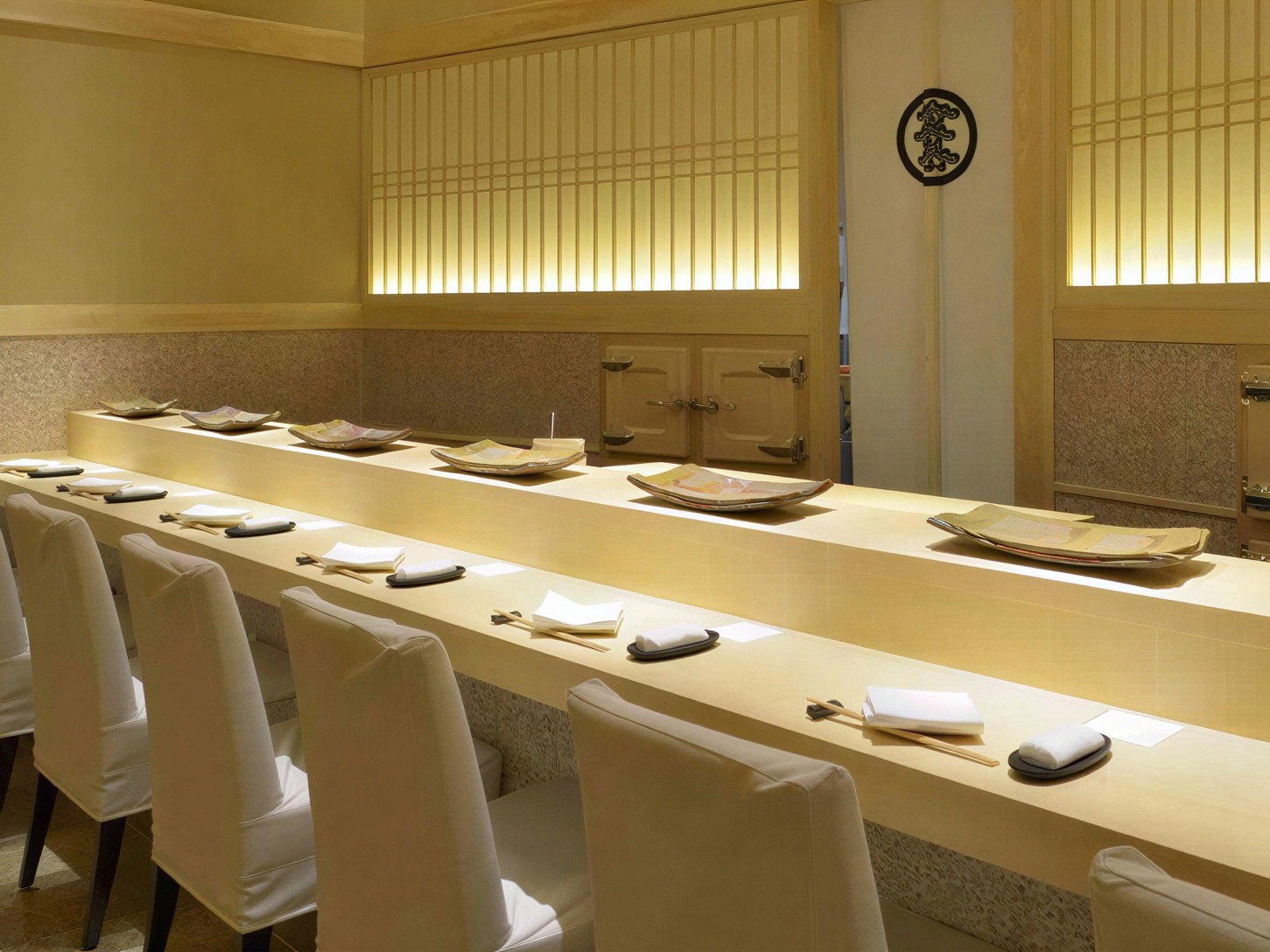
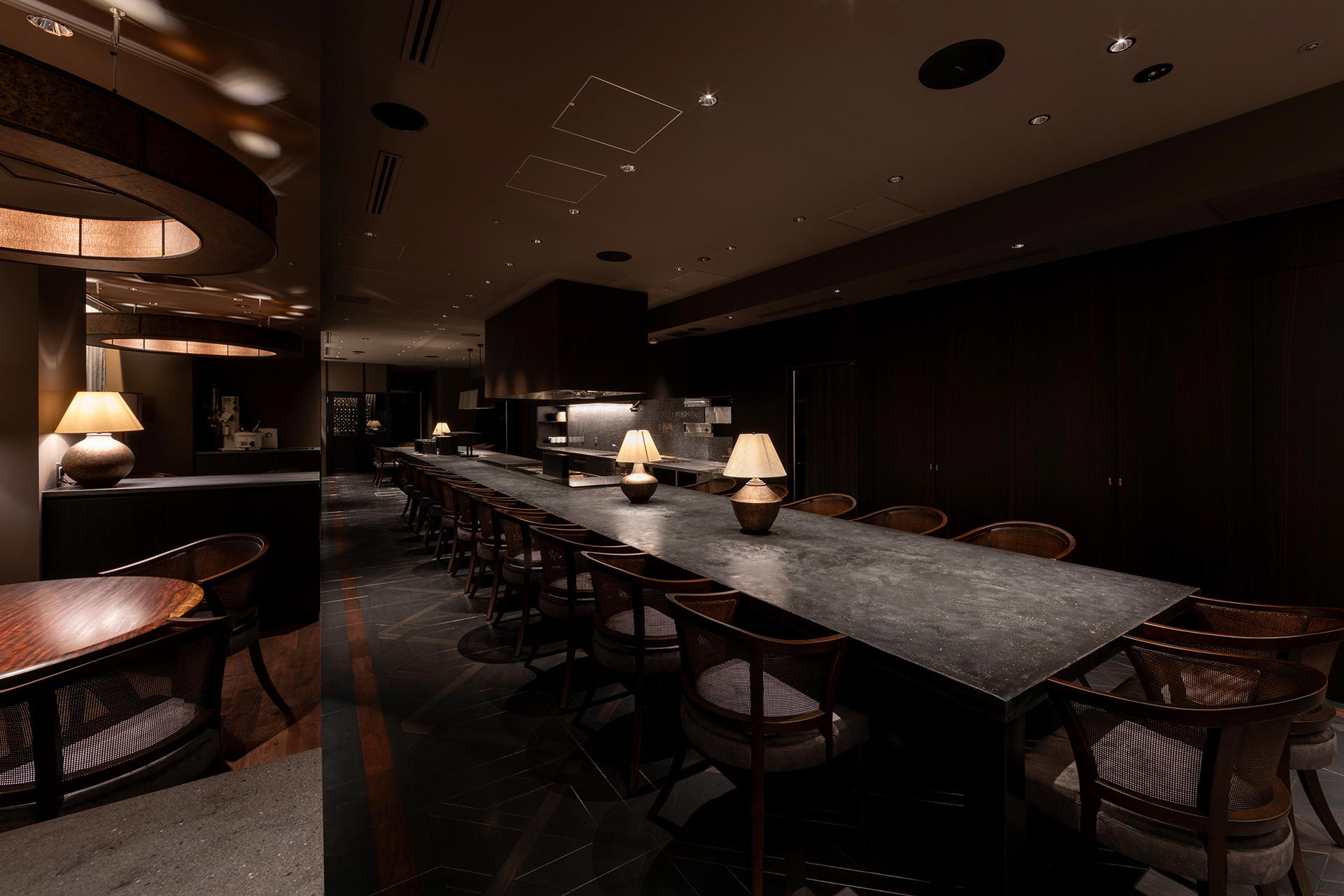
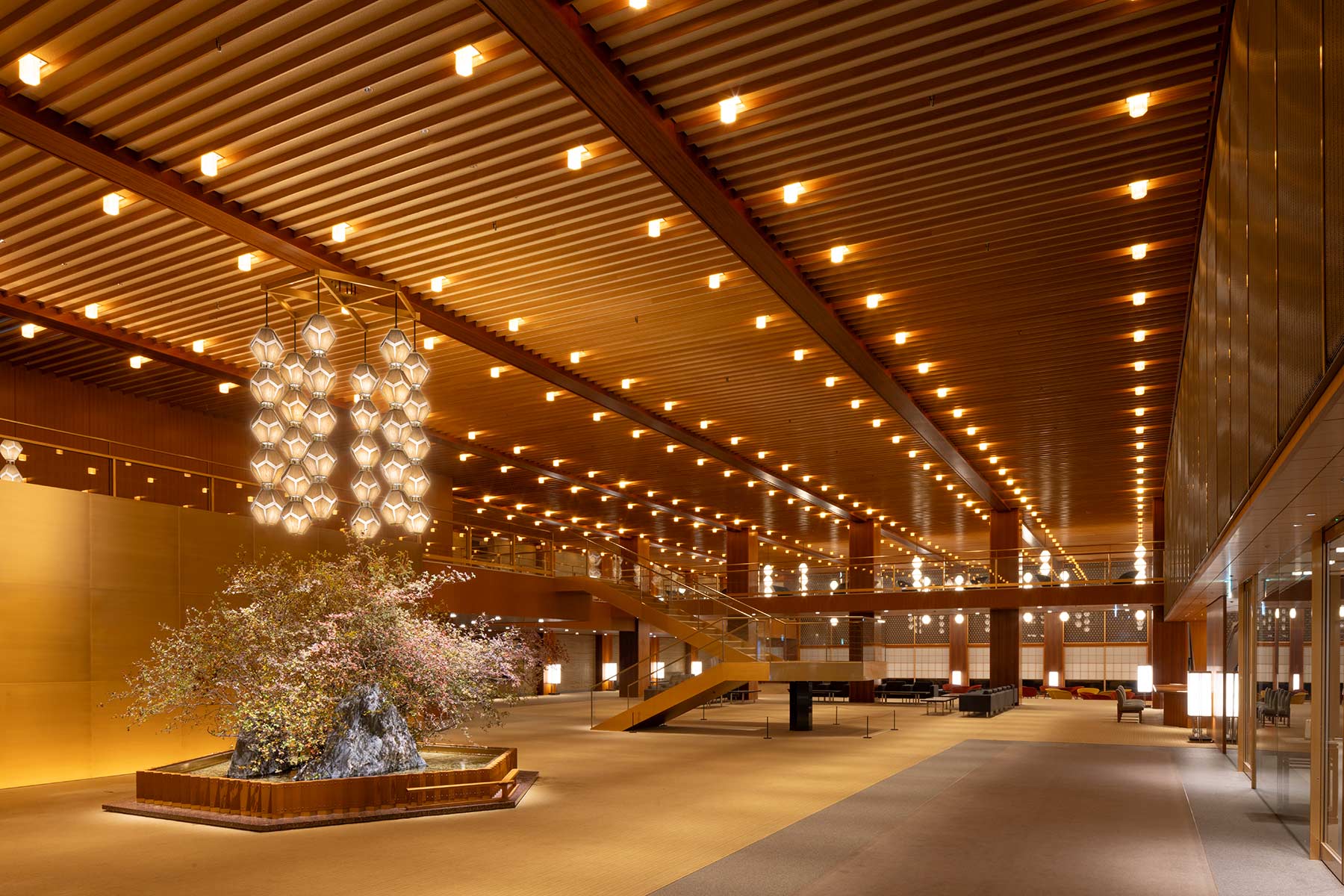
Intimate counter seating with focused lighting on the tempura preparation, creating a serene and reverent atmosphere.